
Translated material
Putin vs. PMS
The president said that he is not a woman and he does not have "bad days." What is wrong with this?
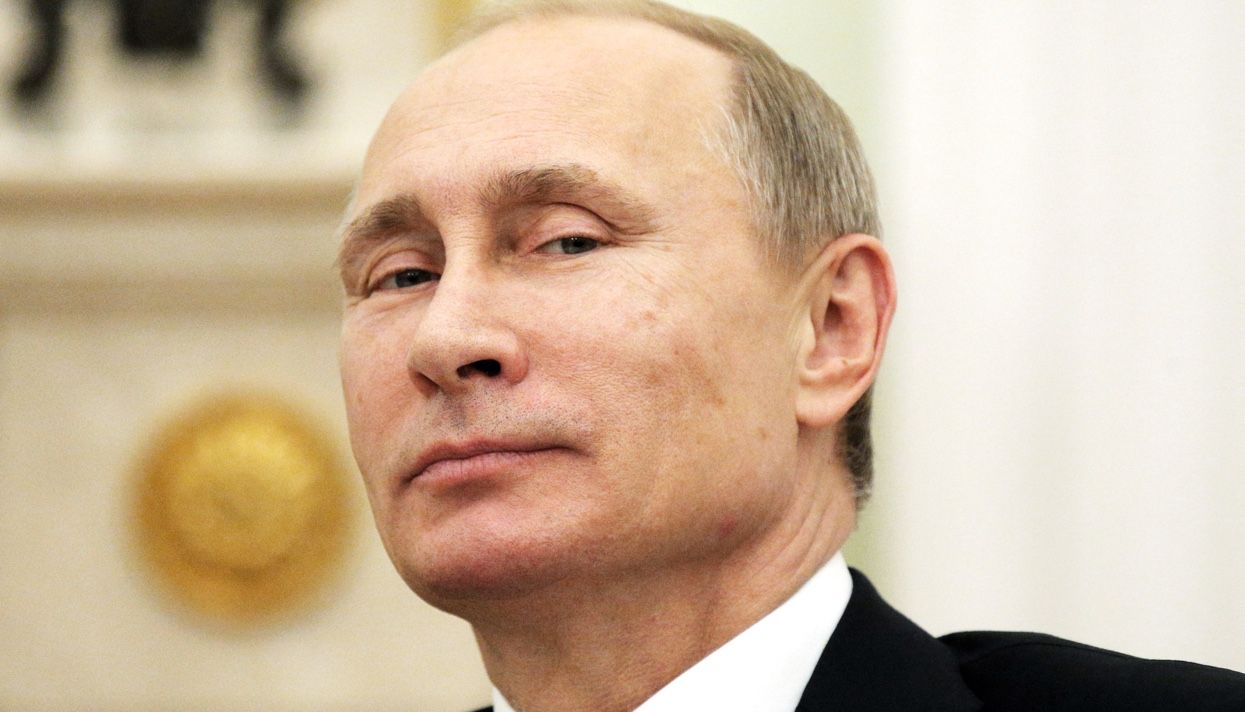
In an interview with Oliver, Oliver Stone Vladimir Putin said that he was not a woman, so he "does not have" bad days "." “It's just in the nature of things. There are certain natural cycles, ”the president explained. Putin, apparently, spoke of the so-called premenstrual syndrome (PMS): it is believed that before monthly, almost all women have strong mood swings and they almost rush to others. "Medusa" explains that not so with the statement of the president.
1. Premenstrual syndrome - not such a frequent phenomenon
In the domestic sense of PMS, this is any change in the mood that occurs in a woman before the menstrual cycle. But in fact, the PMS is much less common than it is customary to think - only 3-8% of women . Such a diagnosis is made only if symptoms do not affect the daily life of a woman. Often this condition is accompanied by a change in mood, but completely not necessarily outbreaks of anger - a symptom of the PMS can be both depressed mood and increased anxiety. There are physical symptoms: chest pain, severe fatigue, bloating, headache and swelling.
In rare cases, PMS can take severe forms, this happens only in two percent of women. This condition is called premenstrual dysphoric disorder. It is even in the American diagnostic and statistical guidelines for mental disorders (DSM-5).
Other women of reproductive age can also have one or more relatively mild symptoms a few days before the start of menstruation. This happens with about 75% of women. Someone may not have symptoms at all.
With symptoms of PMS, if any, you can cope. For example, using combined oral contraceptives or antidepressants (selective inhibitors of the reverse capture of serotonin). In simpler cases, training and all kinds of relaxation techniques will help. In general, with common sense to the PMS (that is, treatment, if necessary, or even the ranges provided for in some countries), it does not affect the workflow or relations in the team as they joke about it.
2. Jokes about "bad days" the president supports the demonization of women
Despite statistics from paragraph 1, many believe that women as a whole are much less reliable than men, because they have “bad days”. The reason, on the one hand, is in the error of the observer: for his life, everyone must have encountered the manifestations of the PMS, but this does not mean that all women have a syndrome. On the other hand, the reason is the gender stereotypes that take the form of both jokes and quite serious prejudices. On the Internet, you can find ironic recommendations for men “how to survive the wife’s PMS” , and a comedy sketch about whims during the PMS, and the popular retaliatory joke “A woman during the PMS becomes aggressive, wants sex, food, attention and do nothing. That is, behaves like a man. " One way or another, they all translate the opinion that a woman in the PMS becomes “inadequate” and on such days it is better not to deal with her.

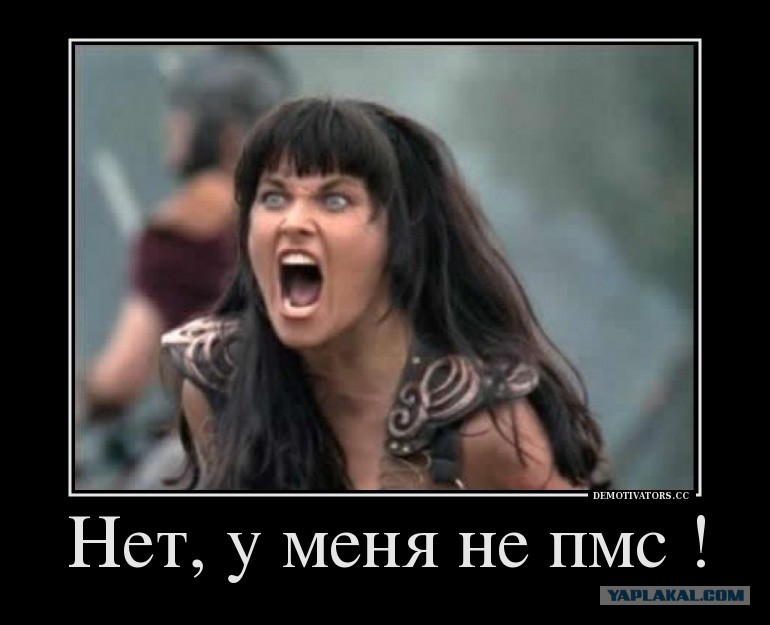
As a result, it seems that all women “fly off the coils” once a month and they should not trust responsible positions requiring balanced decisions (for example, control of an airplane or a “nuclear button”). And hence the attitude to women as a whole, to people is less efficient, but more unbalanced "for undeniable biological reasons." Statements like the joke of the President of Russia only strengthen the skeptical attitude towards women and their abilities, and also support the error that the PMS applies to all women and this is something like the inevitable and absolute evil.
3. Men also have "bad days"
After 40-50 years, men sometimes have psychological symptoms similar to premenstrual syndrome in women and lasting longer: depressed mood, irritability, loss of interest in sex, lack of energy. At the same time, manifestations of aggression and outbreak of irritability in men of any age are perceived by many as signs of “male character”. Therefore, such behavior is often not perceived as "inadequate."
Daria Sargsyan, Olga Strachovskaya