
Translated material
Talent - mourn
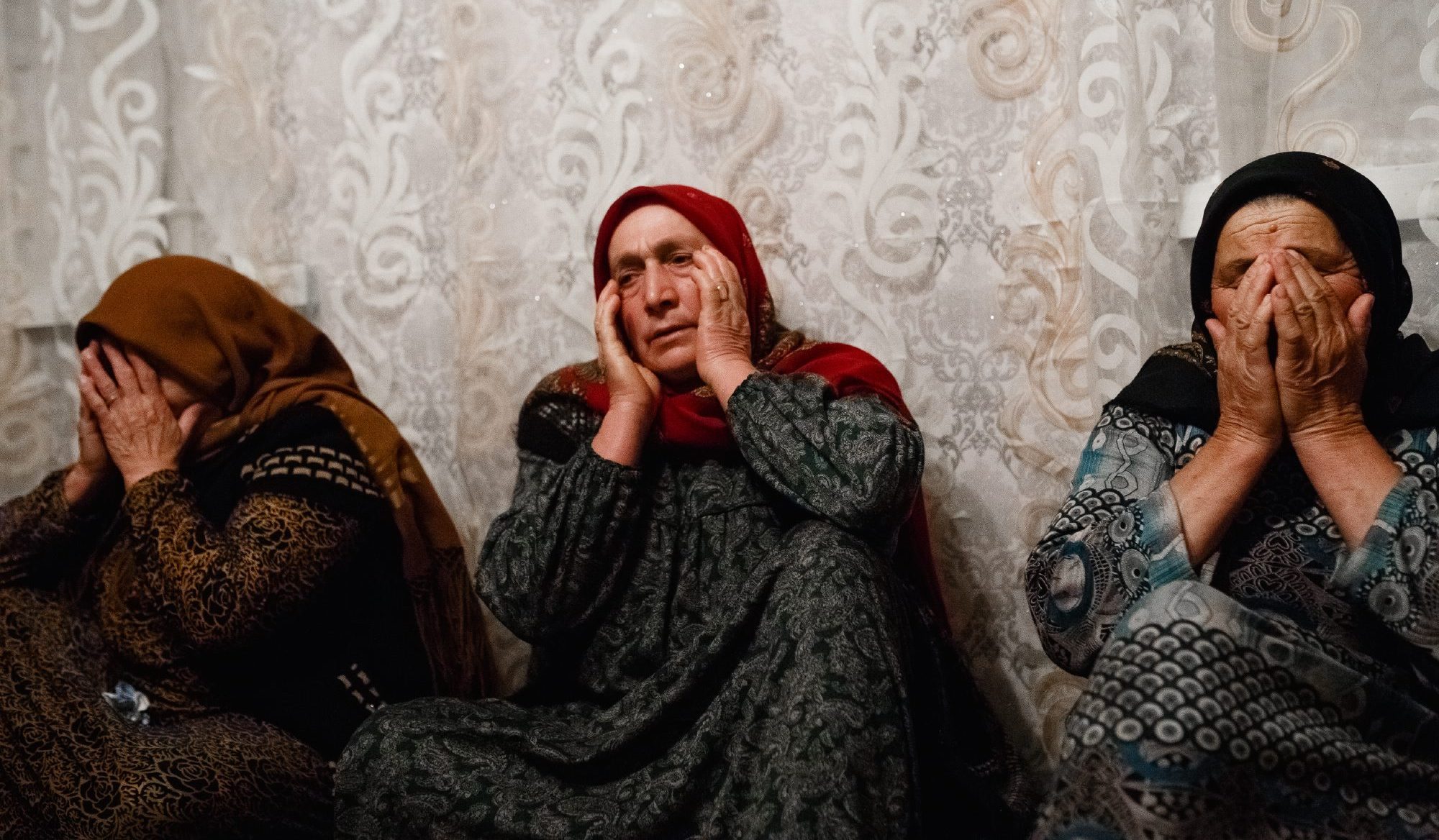
They must make all guests burst into tears. Songs about the dead that they compose are sung by generations. Ethnographers say: the posters will soon disappear, but they still come to the funeral and sing. Already only in Dagestan
The little patrimrate dreamed of becoming an artist. There was only one radio receiver for the whole village where the girl lived, and she ran to the neighboring house, eavesdropping on the window of concerts. And sang along.
In high school, the dreams of becoming a singer were suppressed by his older brother, and the word of his brother in the Caucasus, as you know, is the law. Then the patrimrate from the Dagestan village of Karatsan, where mostly Dargins live, decided to become a doctor. But here the brother expressed dissatisfaction.
I had to enter the pedagogical institute and work as a teacher at my native school. And only after marriage, when she became Aliyeva, her childhood dream was unusual. Patimat began to sing at the funeral.
Human funerals in the Dargine
On the territory of Dagestan, 14 different nationalities live, but funeral customs are largely similar. There are, of course, differences, but the fact that not a single weeper will reveal his secret to compiling a funeral song remains unchanged.
“When a person dies, his close relative should sing. At least start, and then the song will be picked up more talented if they see that you are bad. If you do not sing, everyone will then talk about it to each other. When my father died, I did not sing. I could not. I listened to how the eldest woman sings in the room, and everyone thought: “Now she will finish and I will start.” But she could not. After that day, I began to study, ”says Patimat.
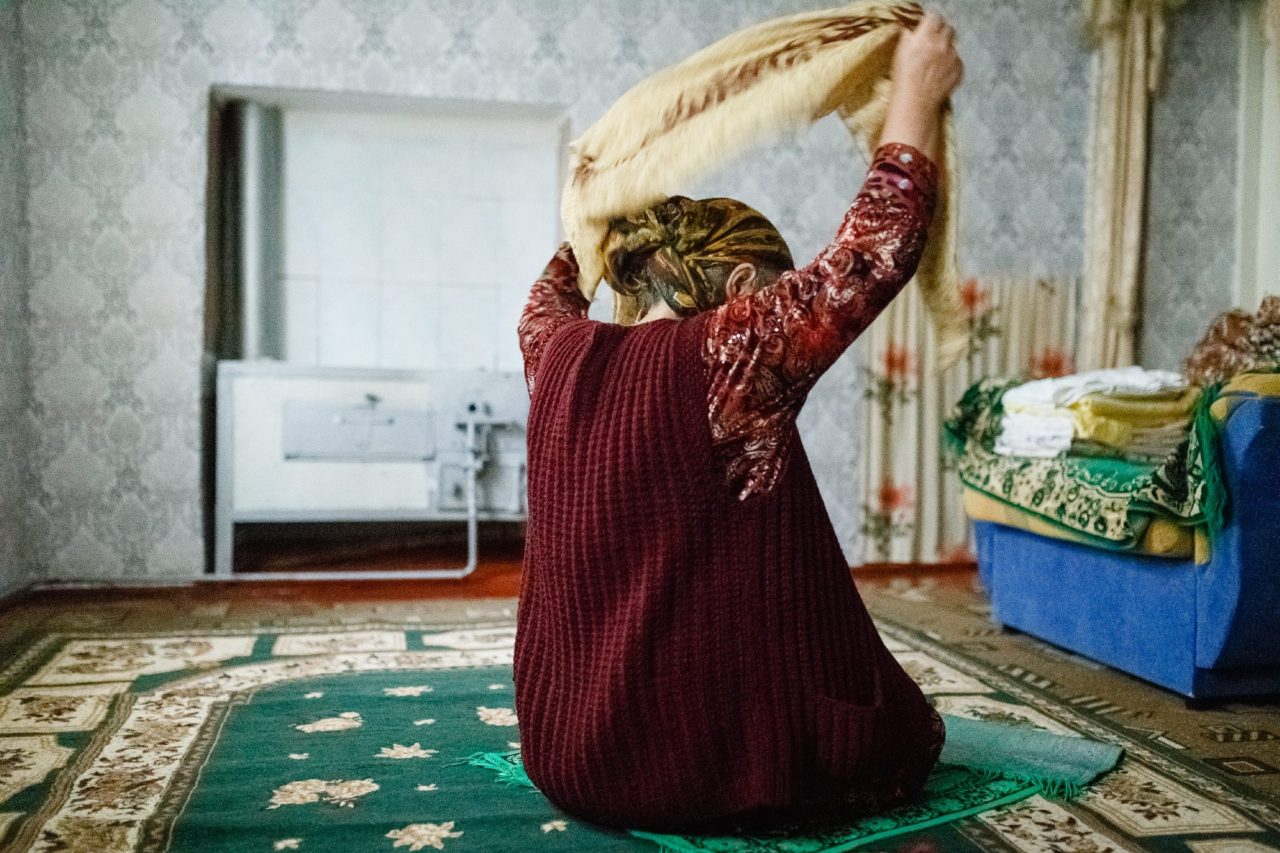 Patimat after prayer photo: Evgenia Zhulanova/Schschi for TD
The task of the poster at the funeral is to tell, tell about the life of a person, his achievements, and positive qualities. The surviving relatives are necessarily listed and their grief is described. A woman performing a song should notice those present, who have recently buried loved ones recently, and mention them as people who understand the state of relatives of the deceased. Thus, it reminds them of a fresh grief, and people respond to memories with tears.
Only women cry and sing at the funeral. According to traditional ideas (adams), a man to express his emotional state in public is extremely reprehensible.
The house is Patimat Aliyeva, like all houses in the village, whitewashed outside. Doors and window frames are painted in sky blue. The situation is modest, on the floors of carpets. In the house, despite the hot day, twilight reigns coolly and reigns. It smells like fresh pastries: by my arrival, the hostess is preparing a miracle - a traditional pie with meat. A large table is set for a minute. "First you sing, then we’ll talk."
After she will discuss with the guests how the weather influenced fruit trees in the area. He expresses concern that some trees died from spring frosts. And only having finished the secular conversation and washing the dishes, he will return to the story of his role in funeral rites.
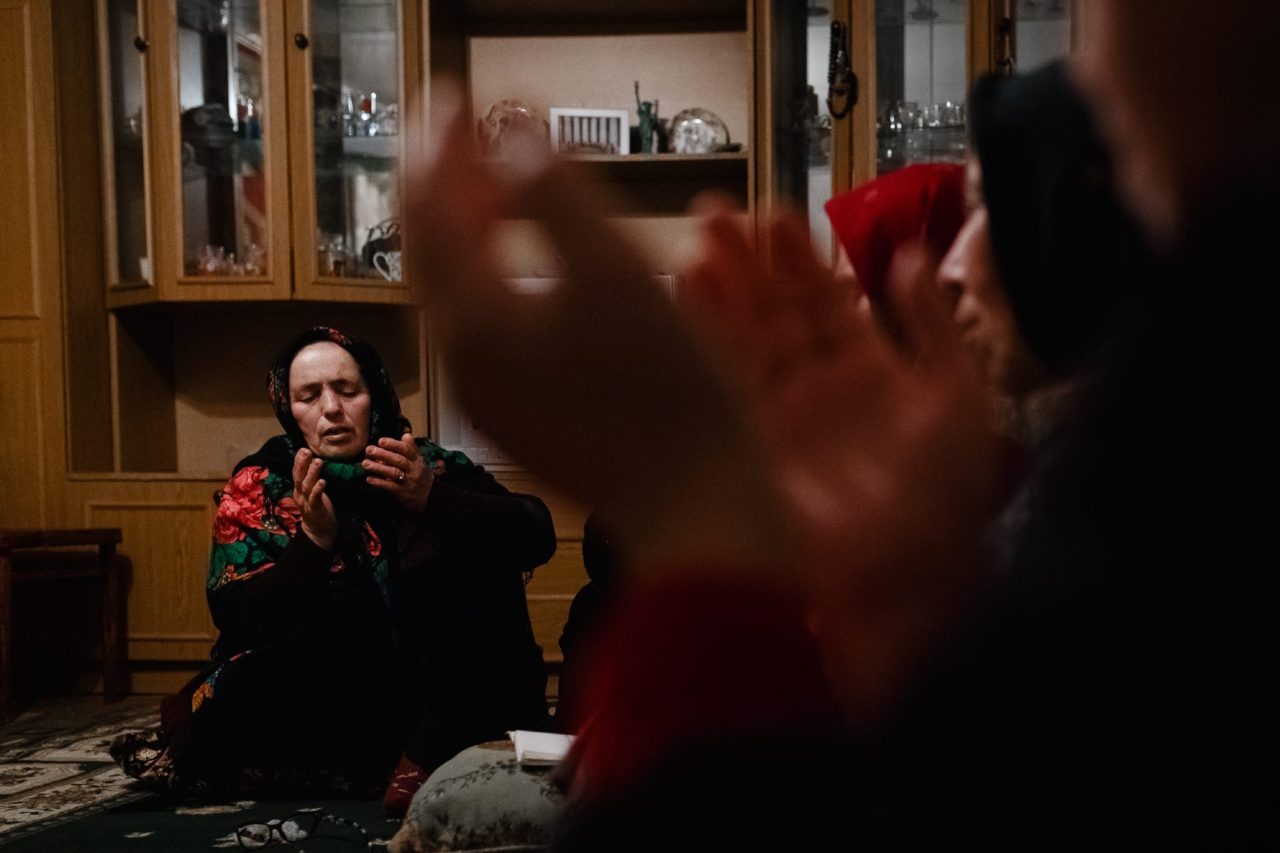 Patimat with friends read Movlid Photo: Evgenia Zhulanova/Schschi for TD
They will learn about the death of a member of the community right away. The village is small, and any news is quickly spread. All villagers gather in the house of the deceased, these are usually close relatives and neighbors.
Outsiders do not come to the funeral. This is considered indecent. All women are distributed to halva, and men who are responsible for burial are socks and sweets. So the first day passes. On the second day, those who live further come and could not come to the first or learned about death only the next day. No one is “gifted”, but they feed the dinner of everyone who came. Previously, the funeral lasted three days, but now it is a rarity, the hostess says.
Read also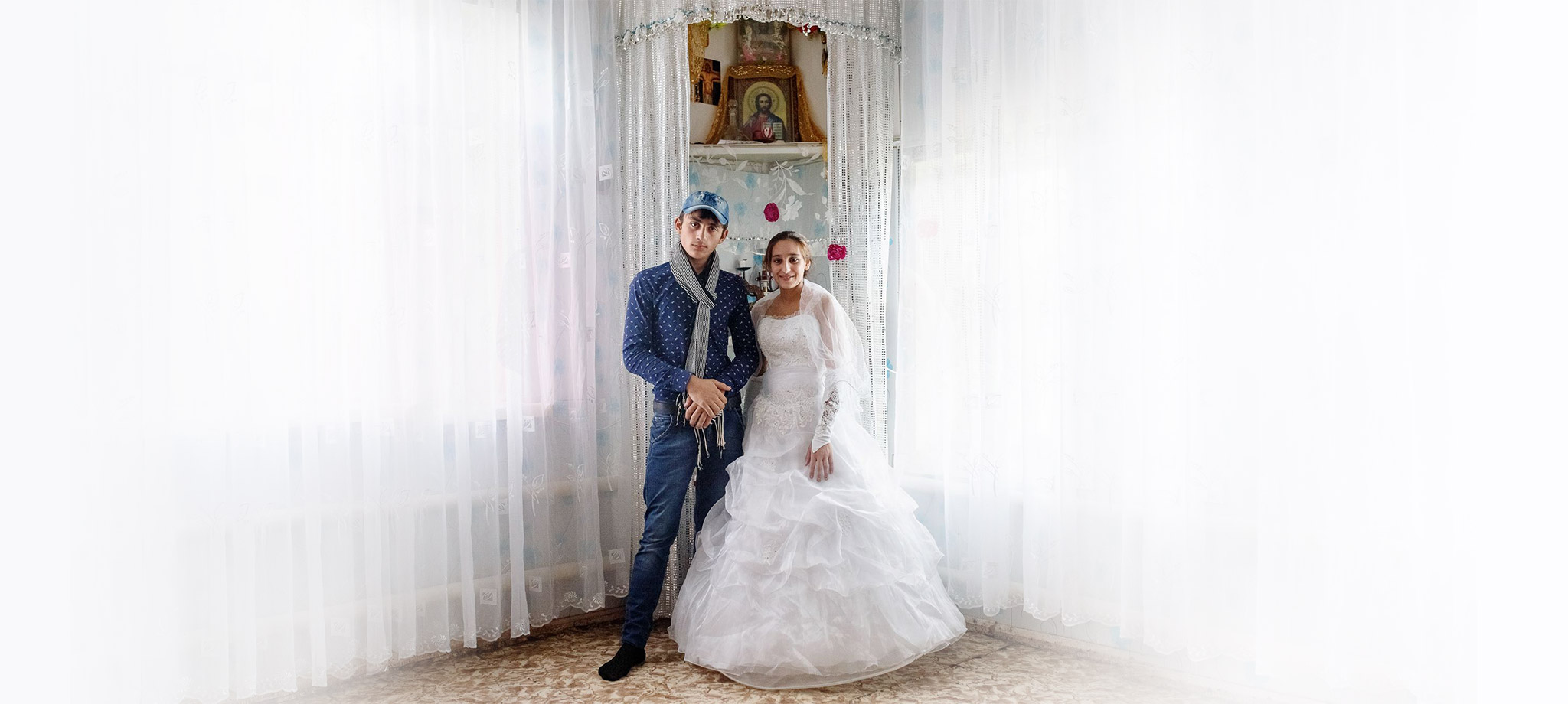 Love and pigeons of Brandure recently turned half a year. Yurin’s father is fourteen. Yurina’s mother is nineteen, and she faces ten years in prison for the seduction of a minor. No one in their family understands why you can’t marry at eleven
“If the young died, they say that he has left early, his personal qualities are listed. If the old one, they say how much he worked, what he did good in life. We need to know a person well, but we know everyone, we have been living nearby all our lives, ”says Patimat. - You can learn to sing. There are poems that you know and read them by heart. You can select it yourself - add words. You can do without words at all - you sing a melody and remember Allah. ”
All funeral songs are improvisation. A description of the positive qualities of the deceased is “strung” to Nasdid (Islamic songs in Arabic, in which the Almighty and his prophets are glorified). One woman “sings”, and everyone else who is in the room is picked up. Everyone should sing along. Each woman has its own melody. Usually up to 100 people gather for the funeral - and a song is spreading throughout the village, the motive of which changes depending on the performer. Locals say that every woman is crying for someone all her life-for her husband, child, brother, sister or parents. Therefore, tears at the funeral are always sincere, although not always for the deceased.
up to 100 people gather for the funeral, and a song is spreading throughout the village, the motive of which changes depending on the performer“The one who has a good beautiful voice, who does not have a voice, sing - sing along. If they see that the hostess cannot sing, sing for her, support her and constantly sing from morning to evening. They noticed that someone was hard or tired for someone-they pick up and then they themselves begin to solo. They sing until it gets dark. The neighbors come and go, and relatives sit and sing in the morning, ”says the patrimrate.
She complains that young people are less and less adopting this custom. Having lowered his voice, he reports that as if “on the plain”, people invite women for money so that they mourn the dead man and sang.
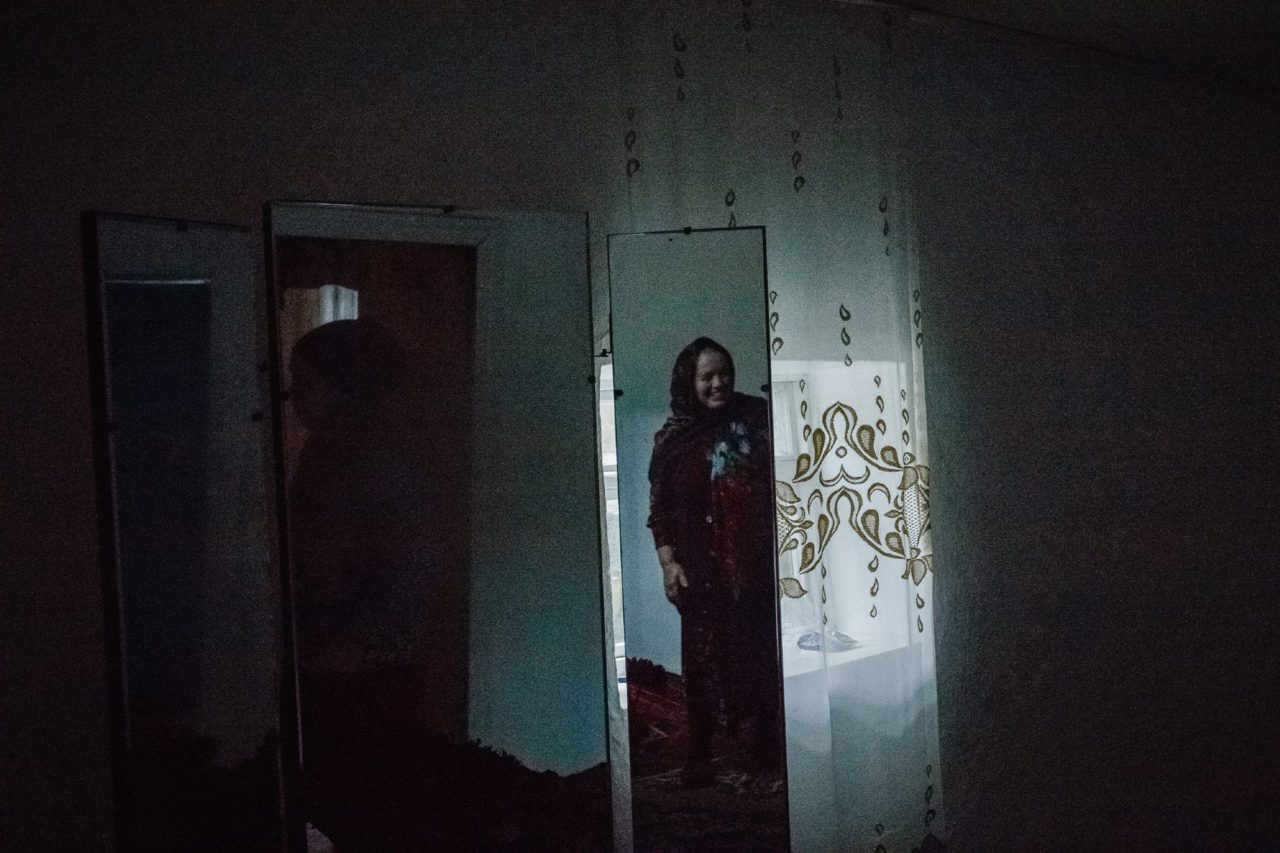 Patimat visiting a neighbor photo: Evgenia Zhulanova/Schschi for TD
After a moment, he begins to tell how a family appeared in the carats that spent the funeral, not observing traditions. She runs her hands around her face, explaining that women in this family are “closed” (that is, they wear a hijab). When the older woman died in that family, her relatives forbade a funeral with crying. They accepted condolences, but did not provide the fellow villagers with a room where it could have been held with a song. “How the animal was buried,” the Patimat describes those funerals.
Personal motives
“For the first time, I went to the funeral at 35 years somewhere. Now I am 62. What to feel if the deceased is there? Woe. Previously, only the eldest woman went to the funeral from the house. In my family it was a mother -in -law. At the first funeral in my life, I heard my grandmothers sing, listened, and I wanted to cry when they sang. Everyone sang and cried. The old ones said a lot of things that touched people. I can’t explain why I wanted to sing too, ”says Zahra Maldaeva.
Zahra is a fellow villager and friend Patimat Aliyeva. She meets me at the entrance to her ward in the Makhachkala hospital. She could not refuse to meet after we already agreed on her.
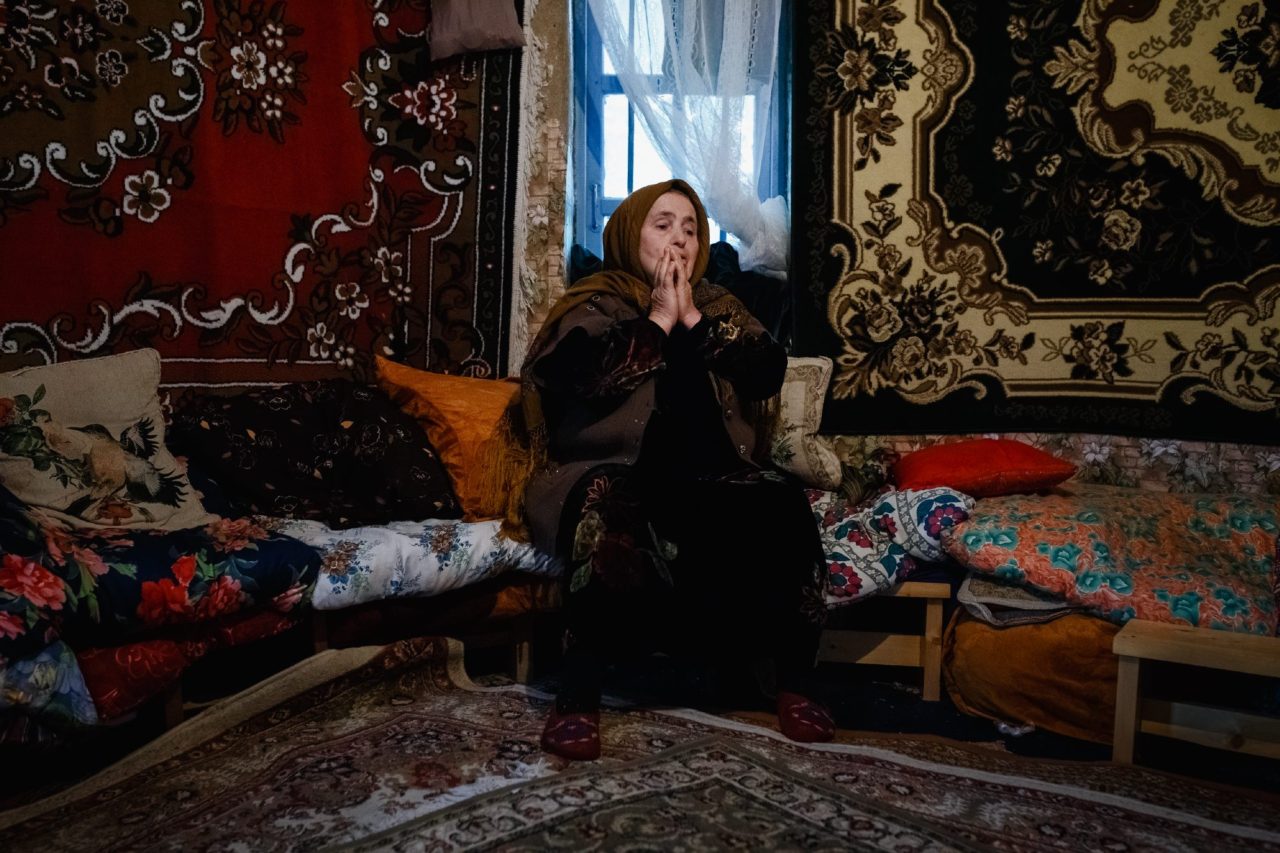 Patimat in the mosque in its place
 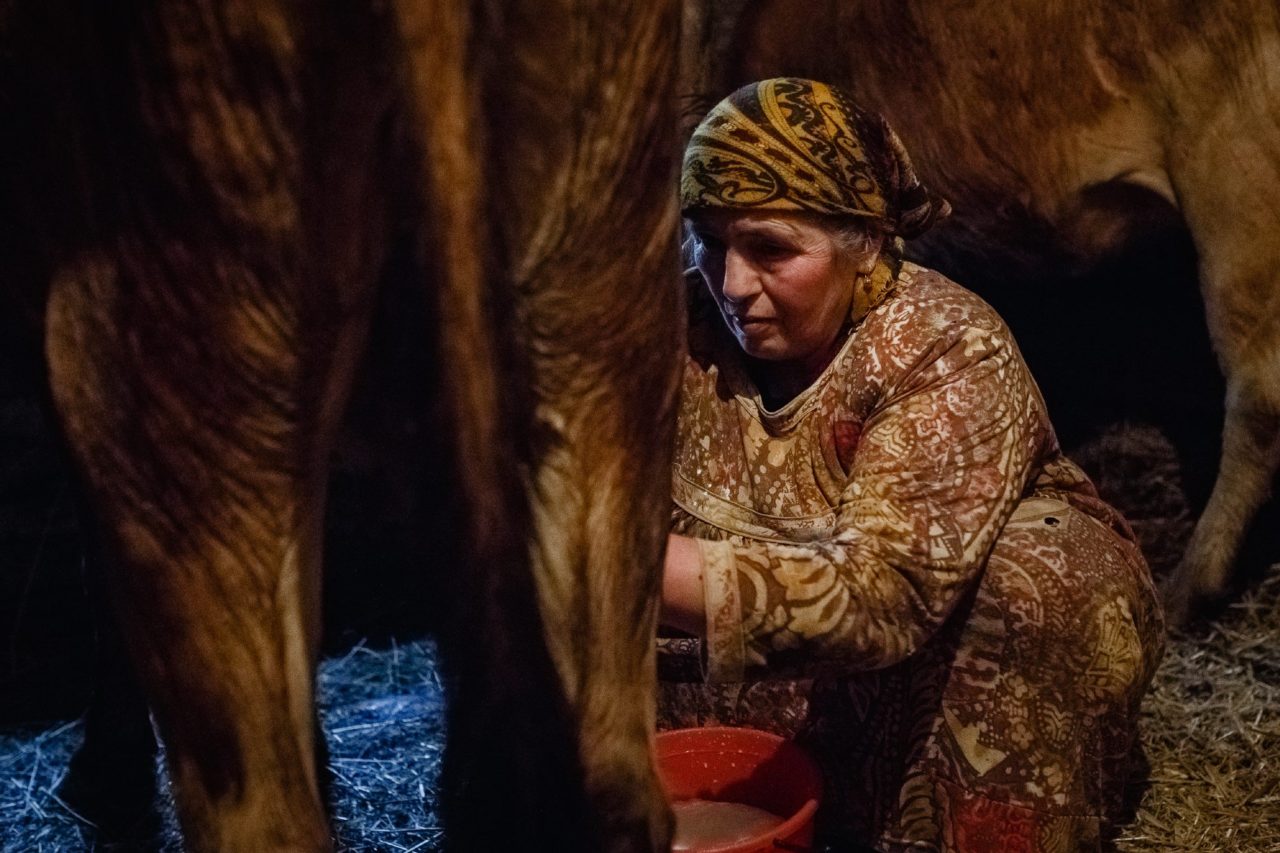 Patimat milk a cow photo: Evgenia Zhulanova/Schschi for TD
Sitting in a hospital bed, the woman covers the left hand with his right hand, on the phalanges of the fingers of which the year of her birth was tattooed - 1954. They made such tattoos all the sixth grade. After the hand, I had to hide for a long time from my parents, and then from strangers. The habit remained.
“At the funeral, I used to sing the first. But since my son died, I have not been singing. When I try to start a song - in my throat it becomes right away. I can't. And of course, I go to the funeral: people will be offended if you do not come to them. I'm sitting in a common room and singing. But I don’t sing it myself - I want to cry, ”says Zahra.
Her son was in a car accident when he returned from the funeral of a relative. He was 35. In total, Zahra had 13 children, now there are 10 people alive. The children went around the country, someone lives in Siberia, someone in Chechnya, someone from the mountain district moved to the capital of Dagestan-Makhachkala. Speaking about the deceased son and that she can no longer solo at the funeral, she smiles guiltyly. But the smile amazingly transforms a woman, opening her charm and making 15 years younger. The roar of Zahra in the ward listens, although he tries to pretend that she is busy with her own business.
“The Turks (poems dedicated to the deceased) now almost no one is reading. Previously, there were no Arabic language in songs, they sang only in Darginsky, they themselves selected words. Now mostly prayers are singing, ”says Zahra.
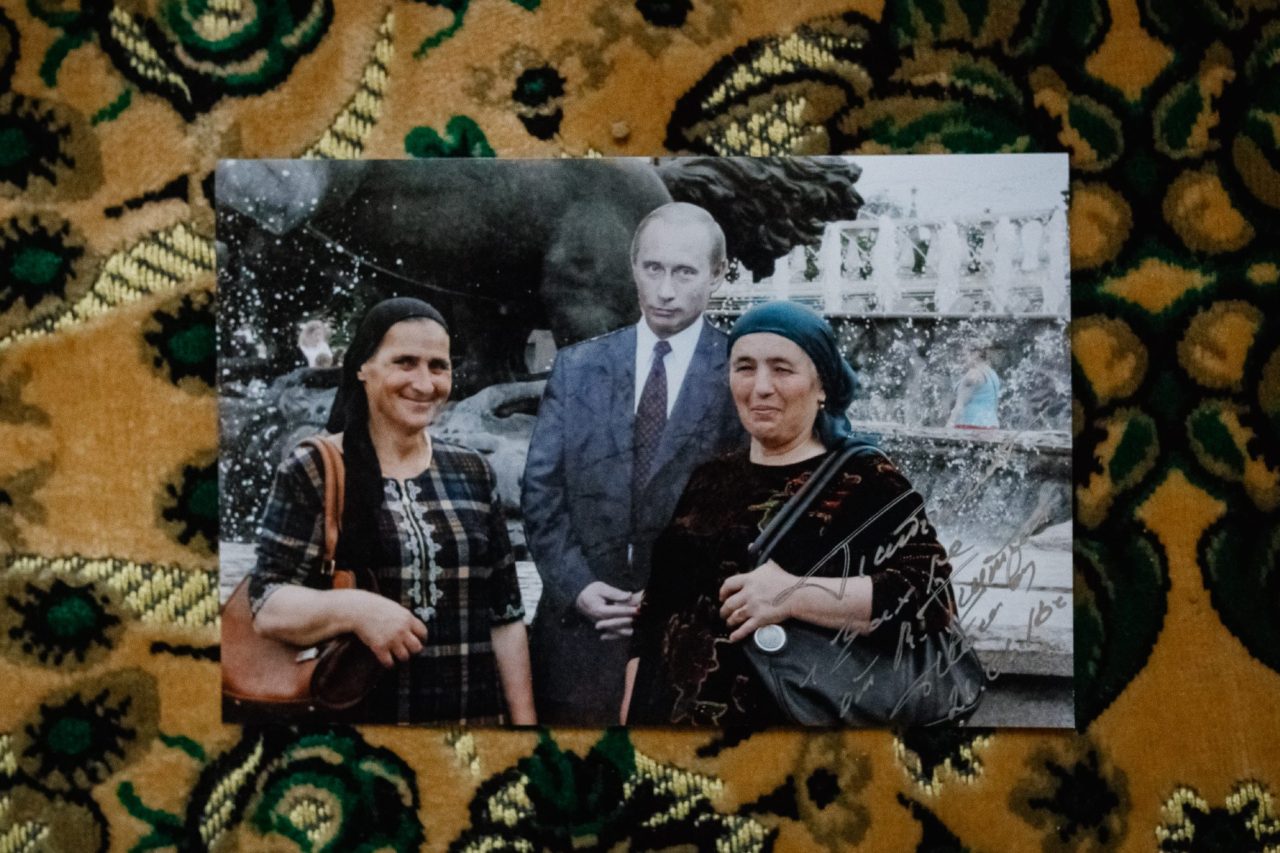 Zahra and a patrimrate. Photo from the family archive photo: Evgenia Zhulanova/Schschi for TD
 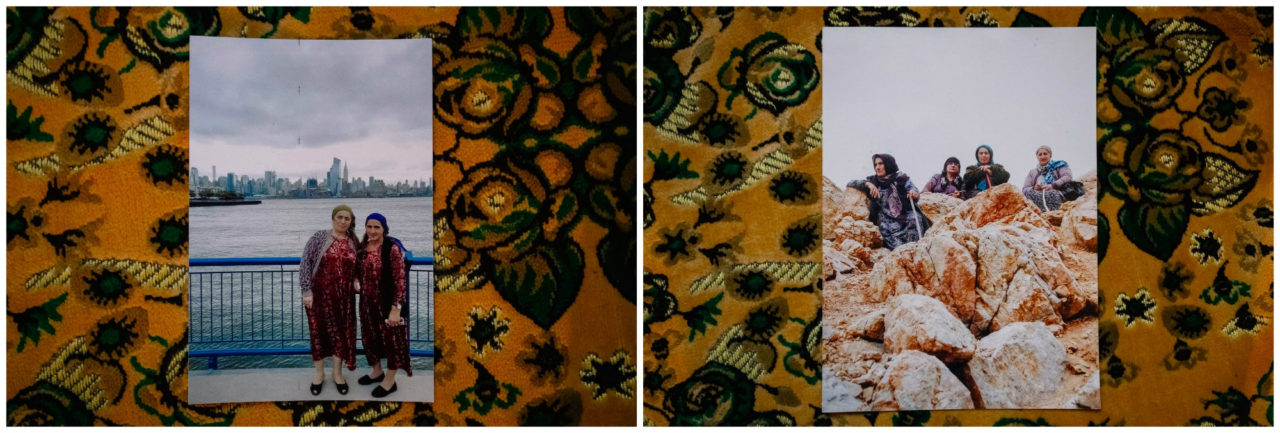 Zahra and a patrimrate. Photos from the family archive photo: Evgenia Zhulanova/Schschi for TD
She, although she does not sing more at the funeral, still collects funeral crying and poems. Something remembers something from the funeral that he goes to, buys something in stores where they sell religious literature. All this writes out in a special notebook, which allows everyone to rewrite.
At the request to sing a funeral song, a woman denies, but then inferior.
“I heard the news that it was scary to listen. The news that I believe in and do not believe. Is it really true? You were like a month that appears in the morning. Have you really disappeared ahead of time? You were like a finish palm tree for your wife, have its roots really shrunk? You did not stay in the world. We did not have time to get tired of you. Your death is very difficult for me. When your golden soul flew out of the body, how did people survive this? (The literal translation from Darginsky. - Approx. TD), ” she reads.
The nurse looks into the ward and breaks our conversation with a surprised exclamation. Hospital staff is outraged that we violated the rules, sitting much longer than the due time. You have to hurry to leave.
“You were like a month that appears in the morning. Have you really disappeared ahead of time. "While I wandering around the corridors in search of a way out, it sounds in my head: “When there is no urine and strength, for the sake of the prophet Ahmad, for the sake of stamina in faith, for the sake of the science-alims, sorry, Rabbi (Lord), sorry, Allah, is a song that sinks, sitting in the ward of the Makhachkala hospital. She asks the Almighty and all revered saints to forgive a certain deceased. But it is clear by the face that this request for her son, whom she could not mourn in a “appropriate” way.
Publishing view
The culture of the platens is coming to naught, the Dagestan ethnographers are sure. One of the main reasons is the strengthening of Islam in the North Caucasus.
“A few hundred years ago, there was such a form of mourning when women scratched their face or pulled out their hair. During the Imamat Shamil, such an expression of sorrow was prohibited. Nazy (governors) Shamil in both Dagestan and Chechnya stopped such actions, since this directly contradicts Islam, which prohibits loud crying, sobs, lamentations about the dead at the funeral, and the deployment of physical injuries, ”says Shaban Khapizov, ethnographer, candidate of historical sciences.
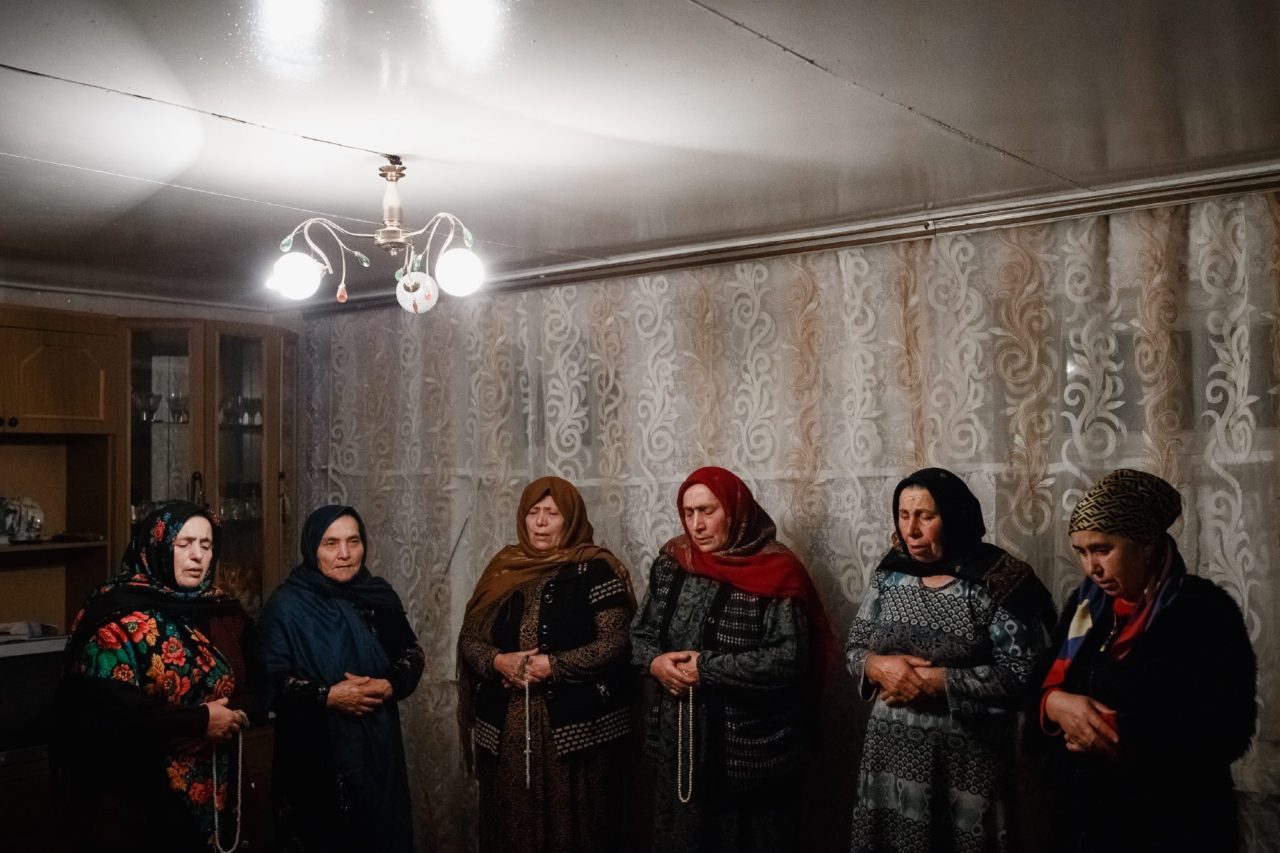 Patimat with friends read Movlid Photo: Evgenia Zhulanova/Schschi for TD
 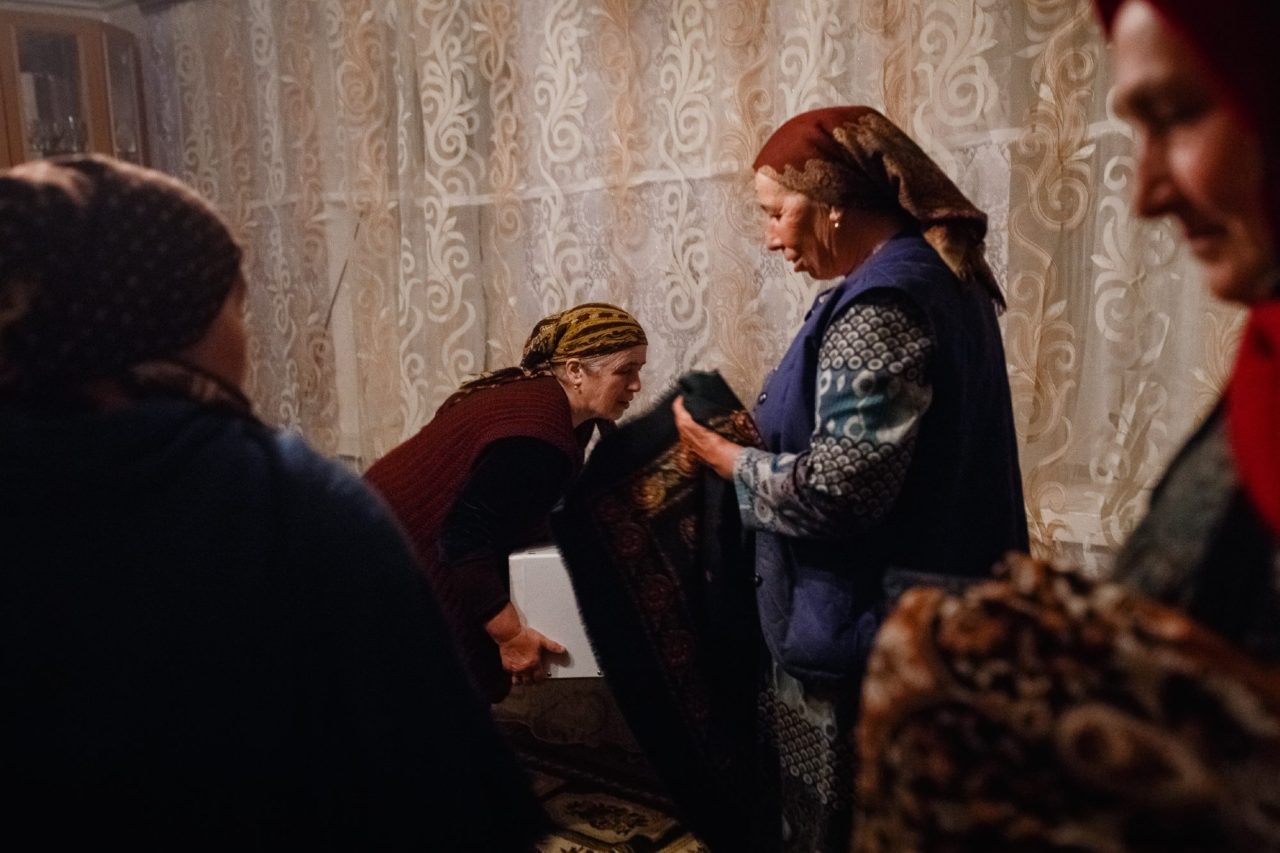 Patimat with friends are preparing to read Movlid Photo: Evgenia Zhulanova/Schschi for TD
Despite the prohibitions, many songs performed by women at the funeral of the more or Chechen Abreks (the highlanders who waged the partisan struggle against the tsarist troops in the 19th century) entered the folklore of these peoples.
After the fall of the Imamat, the tradition was revived and preserved until the middle of the twentieth century. Then the conduct of the rites began to prohibit the Soviet government. In the middle of the last century, the rule was still preserved that if someone could not go to the funeral (due to health reasons or because he lived far from his native edges), he had to write poems dedicated to the deceased and transfer them to the family. In extreme cases, send it by mail. As a rule, these were white verses, after all, not everyone has a poetic talent.
After the fall of the USSR, the inhabitants of Dagestan ceased to carry out religious rites in secretly, but since the 2000s the so-called salafites have appeared in the region, who condemn many traditional forms of religious rites. The Institute of Posaria dies.
Custom above the law
Ilminaz Gasanova was born and lived all her life in the Dagestan city of Derbent. Immediately after graduation, she was married.
“Already married, I went to work in the bank. Then, with the permission of her husband and father -in -law, she entered the correspondence department to study banking in Astrakhan. My husband gave me an education, ”she says, sitting in the VIII century mosque, where Movlid had just reported. Movlid (in Turkic is pronounced as “Muvlid”) - a religious rite during which prayers and stories about the life of revered saints and ancestors are read.
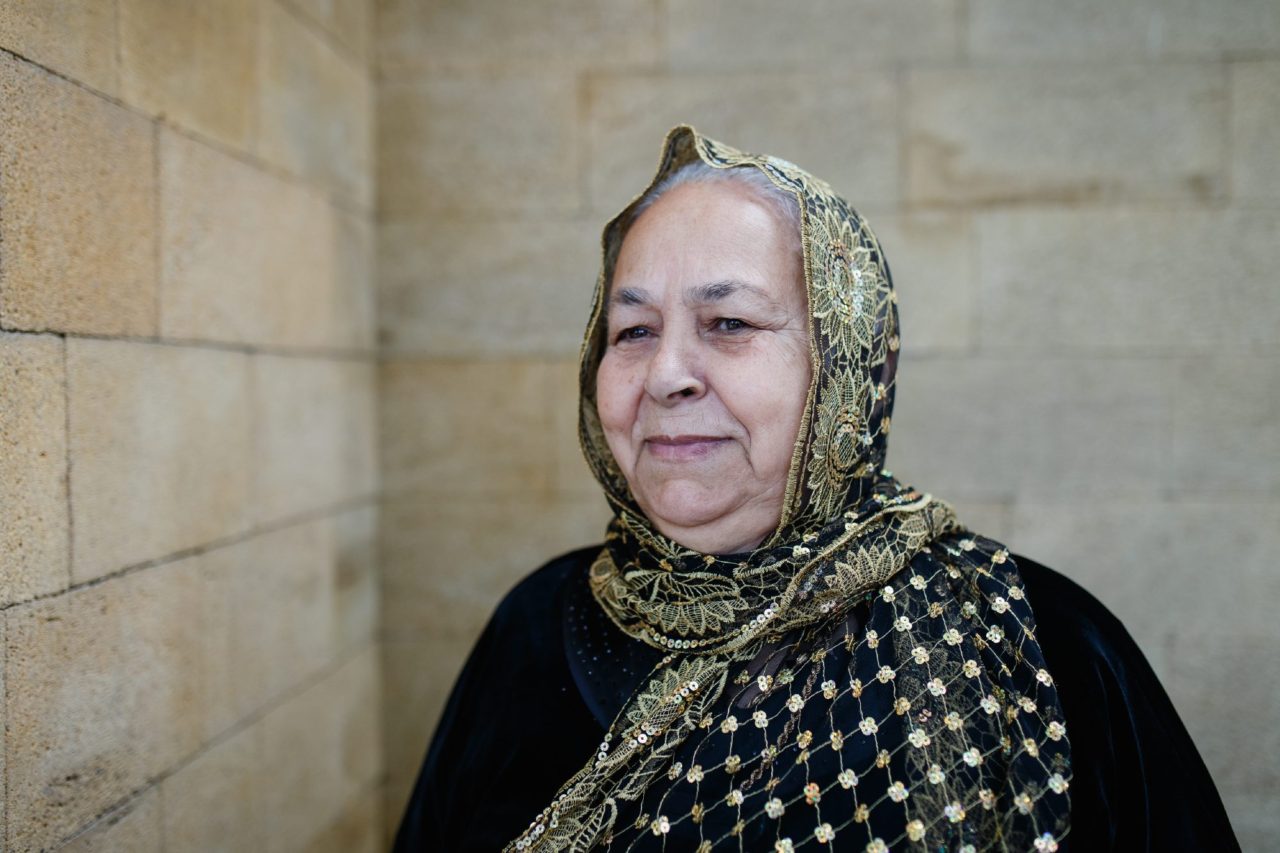 Ilminaz photo: Evgenia Zhulanova/Schschi for TD
 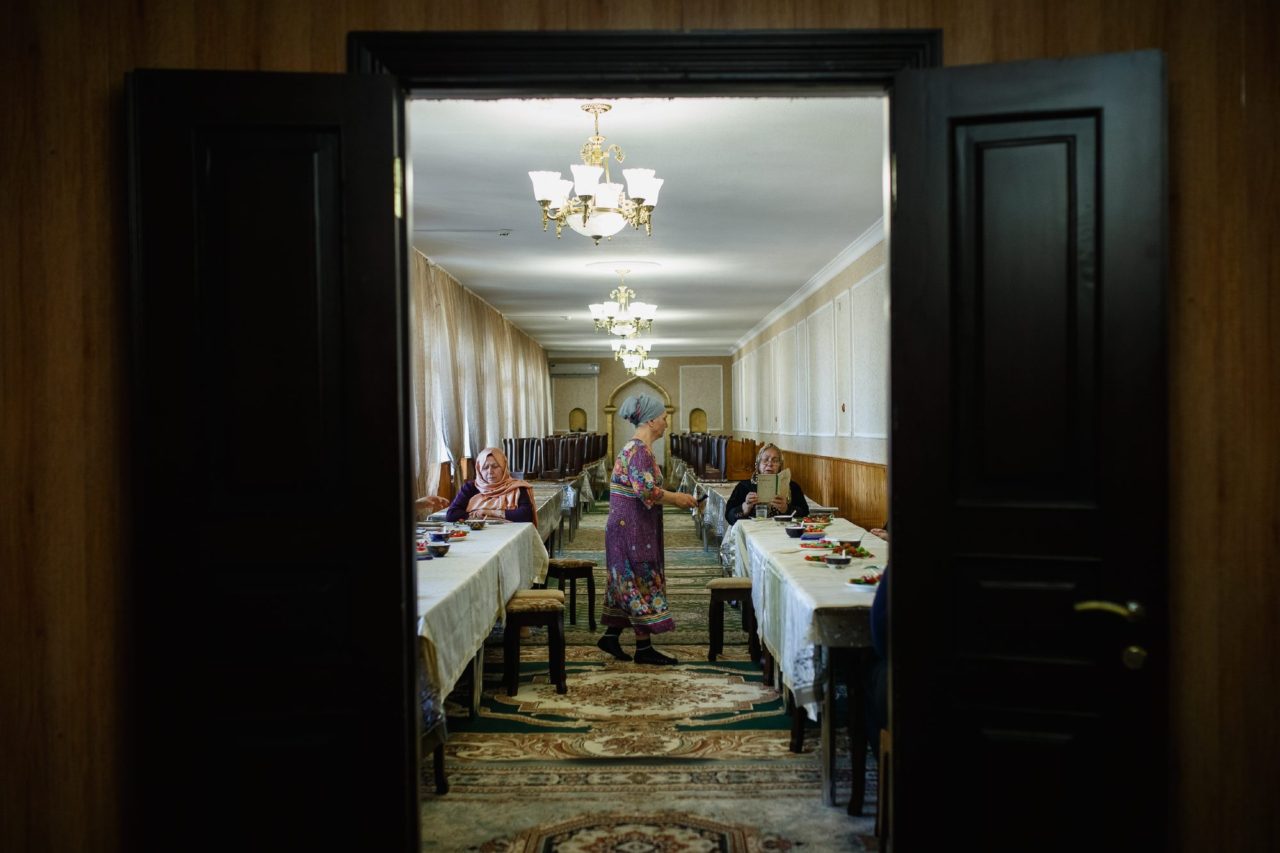 Ilminaz reads Movlid in Juma Mosteum, Derbent Photo: Evgenia Zhulanova/Schschi for TD
Like many peoples of the Caucasus in the last century, the inhabitants of Derbent conducted religious rites and tried to do it quietly, not attracting the attention of the Soviet authorities.
Until now, young women learn from the elders, repeating after them and remembering the texts. Each makes up its own personal notebook, which is used during the funeral.
“At the funeral we sing about the ancestors. Songs differ depending on the age of the deceased. If the young died, one text. If small children, I sing what relates to children. If a person is dead, another text. For example, everything goes according to plan. I cook my notebooks with records. The city is small, everyone knows each other, all personal qualities, dignity, merits and family of the deceased, ”says Ilminaz.
The listing of ancestors and deceased relatives depends on the wishes of the inviting side. The list of those who need to be remembered, the poster is given in advance.
She does not hide the fact that they would make gifts invited to the funeral, sometimes, at the discretion of the owners of the funeral, give money. But there is a moral code.
“I don’t take a dime from the poor - my witnesses are the whole city. There is no mandatory amount or object that is given. A fixed amount as a fee for the rite is shame and shame, I won’t do such meanness in life, ”says Ilminaz.
"A fixed amount as a fee for the ceremony is shame and shame, I will not do such meanness in life"It is supposed to bury the deceased until two hours in the afternoon. After a person was betrayed by the earth, the poster can leave the house and go about his business. However, most often she goes to read Movlid in the mosque. There are several women in Derbent, whom the Azerbaijani community knows, and their name is songs at the funeral. All of them are of respectable age, the Ilminaz is the youngest, she is “only” 69 years old. To mourn the deceased with a song - honorable. If you were invited, it means that you are considered to be your social status in the community.
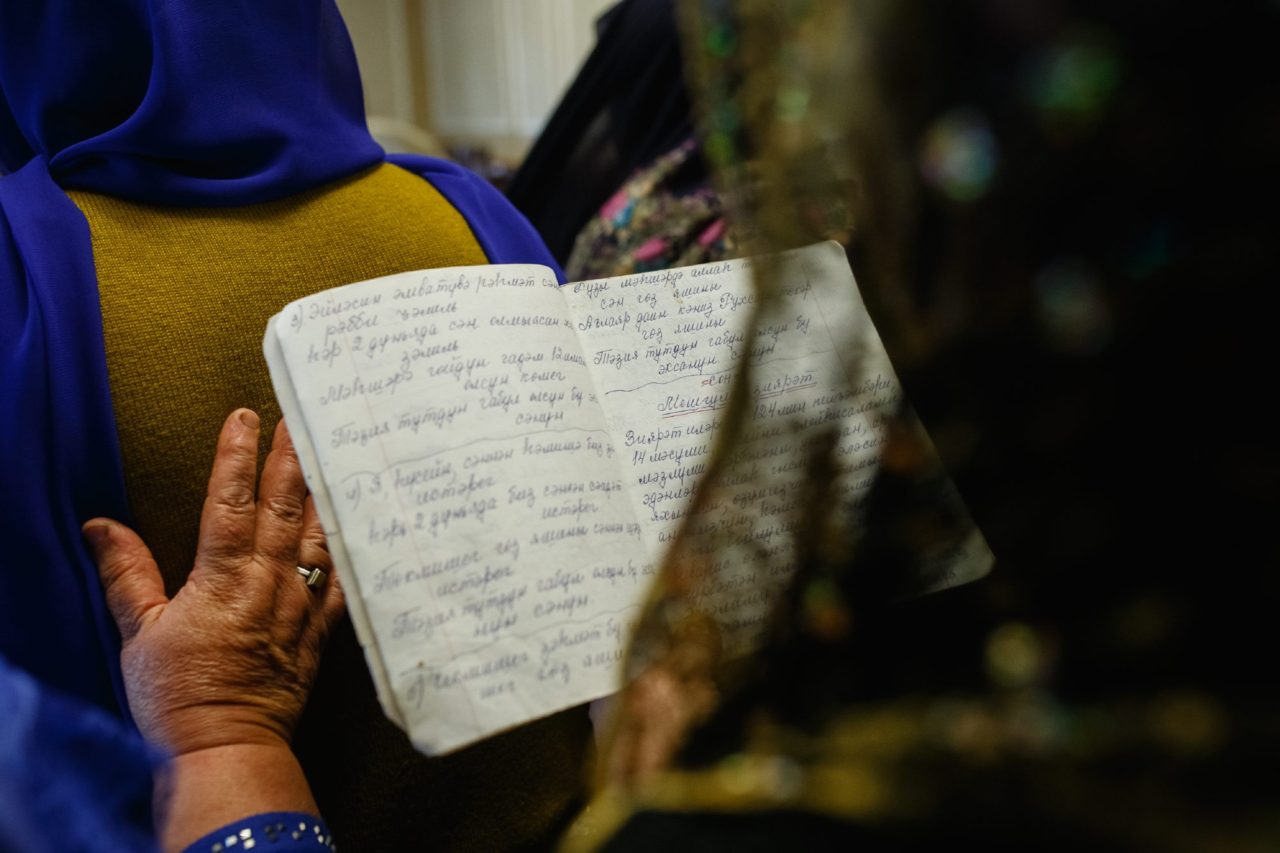 Ilminaz reads Movlid in Juma Mosetes, Derbent
 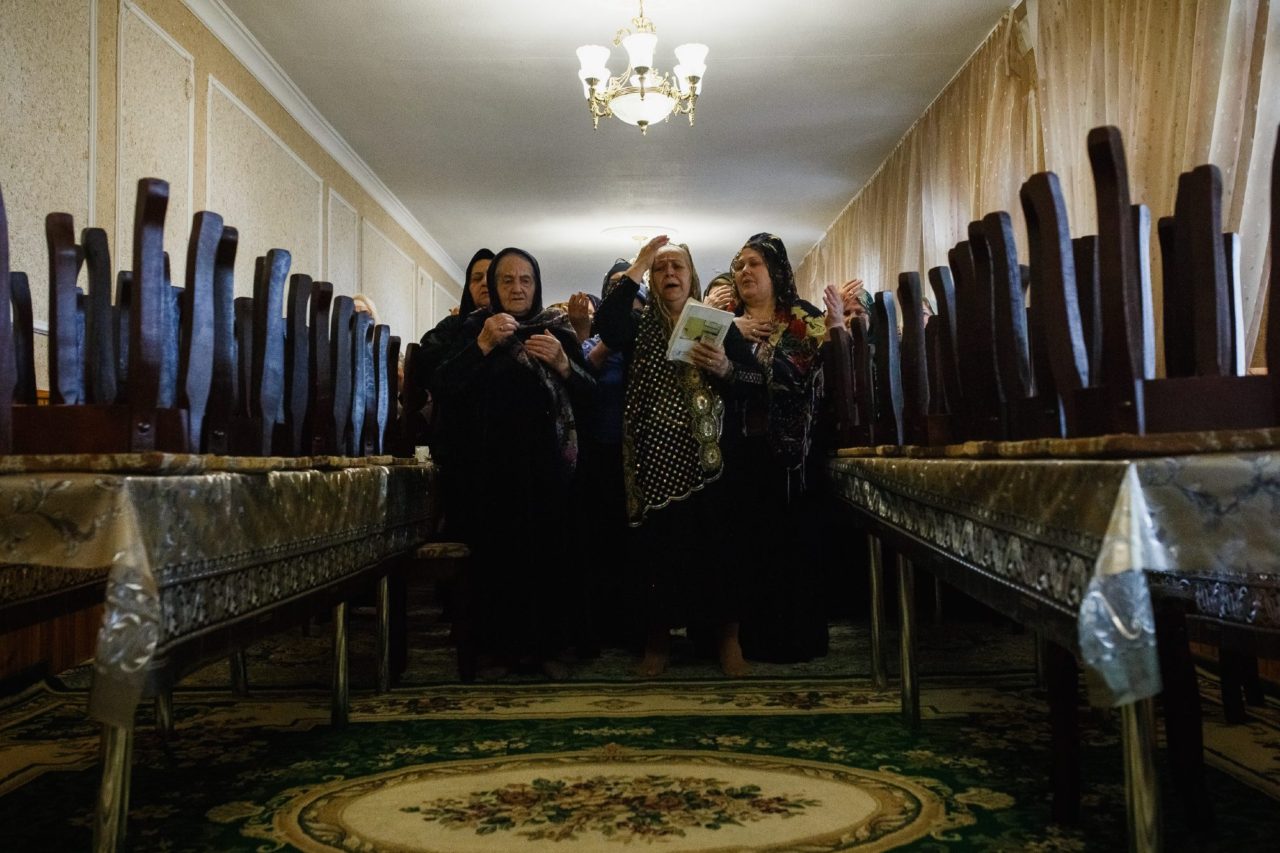 Ilminaz reads Movlid in Juma Mosteum, Derbent Photo: Evgenia Zhulanova/Schschi for TD
“It happens, and strangers invite. You can refuse only if you already promised to come to other people on this day. And so, of course, I do not refuse. For some reason, they contact me first of all, if I can’t, then to others. Although they are already older than me, and in public status higher. I don’t know why it happened, ”says Ilminaz.
To the statement that they will ever stop singing at the funeral, it is skeptical:
“So it was, is and will be. It cannot be without it. This is our order. The custom is above the law. "
"I heard news"
In Derbent, a funeral. After the illness, a 34-year-old man died. Since only relatives and neighbors come to the funeral, and an outsider can regard the visit of an outsider as an insult, Said-Ahmed, the cousin of the deceased, hesitates. After the persuasion to which the imam of the local mosque is connected, he decides to lead me into the room where women gather. For five minutes.
Read also Thousands of Russian citizens are sitting in me that demons have already entered into them, and go to the exorcist for help
On the second floor of the house a large room, from which there is crying and chanting in Turkic. In the center of the room there are a stretcher with deceased. They are covered with fabric on which flowers lie.
Around on low chairs - close relatives. In the far corner is a table at which an elderly woman with glasses sits with a notebook. Along the walls, extending their legs, other women. Their black scarves are tied so that they close the hair and neck. Following the instructions of Said-Ahmed, I try not to stake up, but I go and immediately sit in a row near the wall. I stretch my legs.
In the heads of the deceased, a woman cries loudly, relatives echo her. The rest are sitting quietly. At some point, a woman with a notebook begins to sing, and everyone is silent. For about five minutes the weeper sings in silence. Then the women begin to wreck again. The poster sings.
She pronounces the line in the Turkic, pauses, and she is repeated in an undertone by all women sitting in the room. So it will continue until the body is betrayed by the earth. From century to century.
“I heard the news that it was scary to listen. The news that I believe in and do not believe. Is it really true? You were like a month that appears in the morning. Have you had disappeared ahead of time? "