
Translated material
"The victory of an opposition candidate with a result of 50.6% did not at all a surprise."
Mongolia votes "against all"
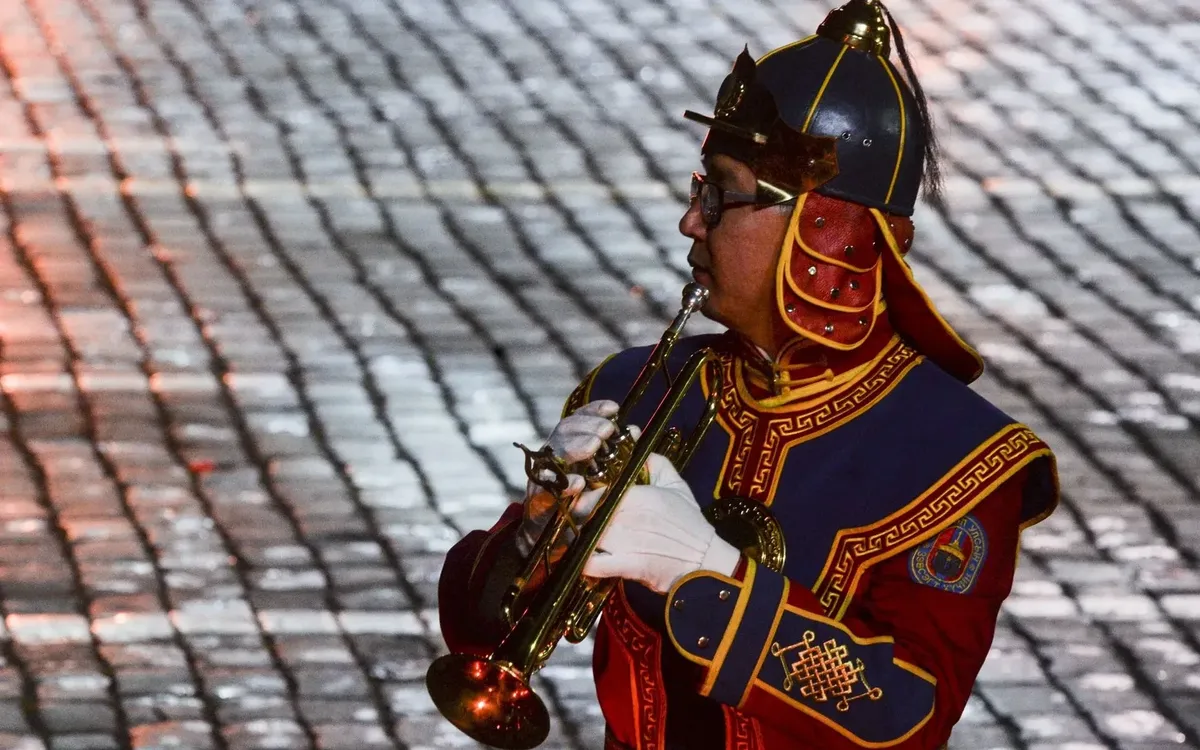
In the presidential election in Mongolia, the opposition won. For a country surrounded by authoritarian regimes, this is a normal practice - here it has long been able to build a political model based on the change of power. This time, in the second round with a result of 50.6% (580 thousand votes), the candidate from the Democratic Party Khaltmaagiin Battulga won. The turnout amounted to 60.9%. The situation in the country is commented on by the famous Mongol Politanalist and TV presenter Dambadarzhaa Jargalsayhan, director of the Defacto Independent Research Institute.
Dambadarzhaa Jargalsayhan
Director of the Institute of Independent Research "Defacto"
- In the first round of the presidential election, not a single candidate was able to get more than 50% of the vote, so the second round was appointed. Initially, there were three candidates who represented different political parties. According to the Mongol Constitution, presidential candidates can be put forward only by those parties that have places in parliament. There are only two of them now: the People’s Party, which has in parliament the absolute majority in 65 seats, the Democratic Party with 5 places, except for them in parliament there is another deputy.
The transfer of power is scheduled for Sunday. July 11 - a large national holiday in Mongolia, and the people want a new president to open it.
The victory of an opposition candidate with a result of 50.6% did not at all a surprise. Prior to this, the parties all the time replaced each other in power, once or twice they even had to form a coalition government. If our two large neighbors, Russia and China, the president decides everything, then in Mongolia it is not at all. When the people are dissatisfied, he goes outside and resists. Governments in Mongolia are replaced by approximately every 1.5 years. Therefore, large projects and international treaties with neighbors are delayed. I think that in relation to Russia in the politics of the new president, nothing will change, he will simply fulfill his promises more consistently.
In these elections, we observed two important trends. The first is the unwillingness of the people to give all power into the hands of one political force. Although the president is a symbolic figure in Mongolia, he plays a rather large role in the appointment of the judiciary.
The second trend is that people are tired of two large parties: folk and democratic. They gave a lot of populist promises and did not fulfill them.
This led the country into big debts, now we had to ask for support from the IMF.
There is another important nuance. According to our laws, you can vote "against all." This time there were almost 100 thousand such votes - for us it is a phenomenally a lot. In Mongolia, the second time of the presidential election takes place for the first time and for the first time so many people refuse to vote. This is due to the fact that the people very low evaluate the ability of these political parties to rule the country. The media in Mongolia are relatively free and the people sees what we have not seen before, including different corruption affairs. For parties, everything that happens is a signal that they urgently need to start a great restructuring and think about why they lose their support for people. If they fail, then after 3 years in the parliamentary elections we will simply recover completely new political forces.
In general, these elections show that young Mongol democracy continues to strengthen. The people begin to take responsibility for what is happening in the country. Unfortunately, many issues are resolved for too long because of this, but in general we are moving forward.