Translated material
Your next camera will be a mirror
We explain why - along with Fujifilm
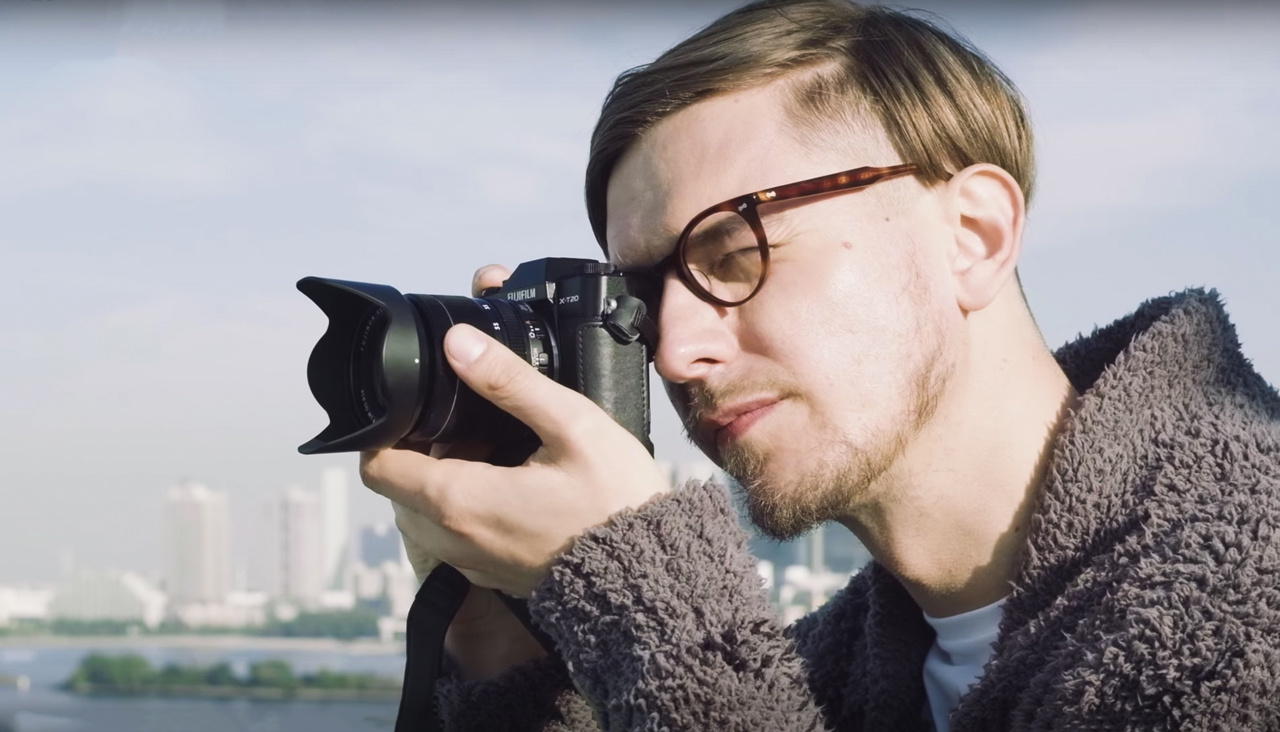
Over the past four to five years, peeling cameras have appeared on the shelves of photographic equipment stores that can compete with traditional mirrors: both give an excellent picture, for those and others there is a replaceable optics. Medusa, along with Fujifilm , figured out whether the mirror is crucial and what advantages modern mirrorless have. And also for clarity, she gave a mirrorless camera to the photographer Alexander Vrublevsky to check the technology in practice.
Why in the camera mirror
Previously, photographers used cameras with two lenses: through one they aimed before clicking on the descent, and the other was used directly for photofixation. This design was quite bulky. By the middle of the 20th century, serial cameras began to appear mechanisms of a movable mirror that allowed them to abandon the second lens. This greatly influenced the dimensions of the cameras: the devices became smaller, and using them became more convenient.

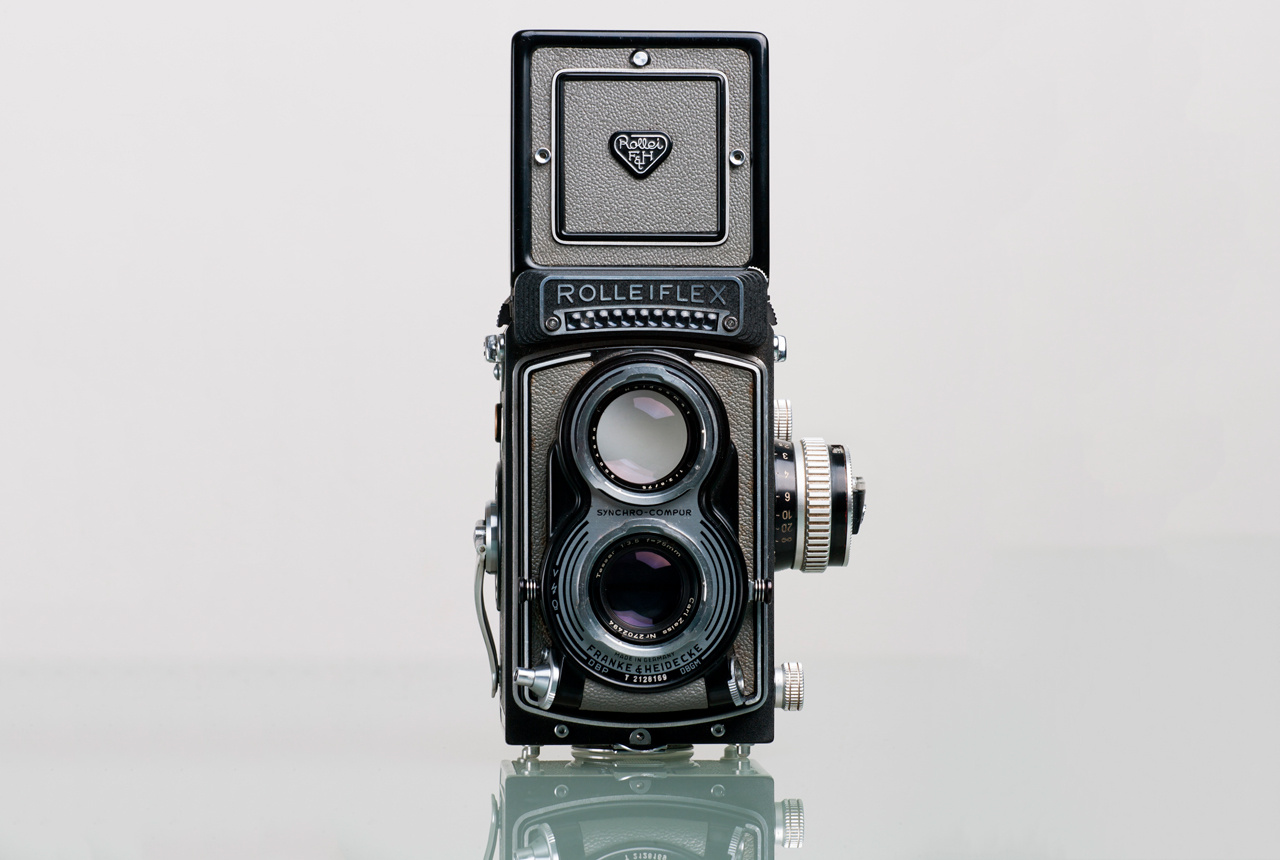
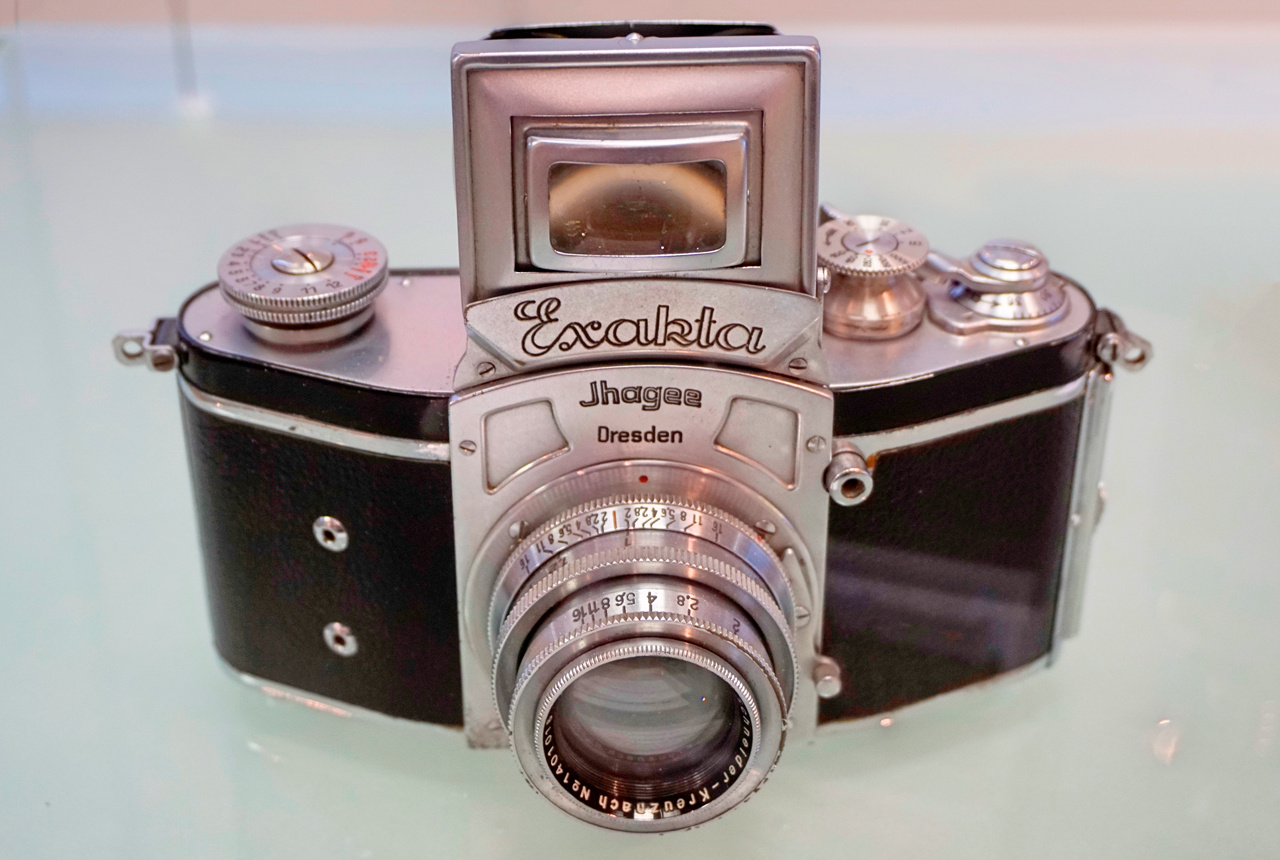
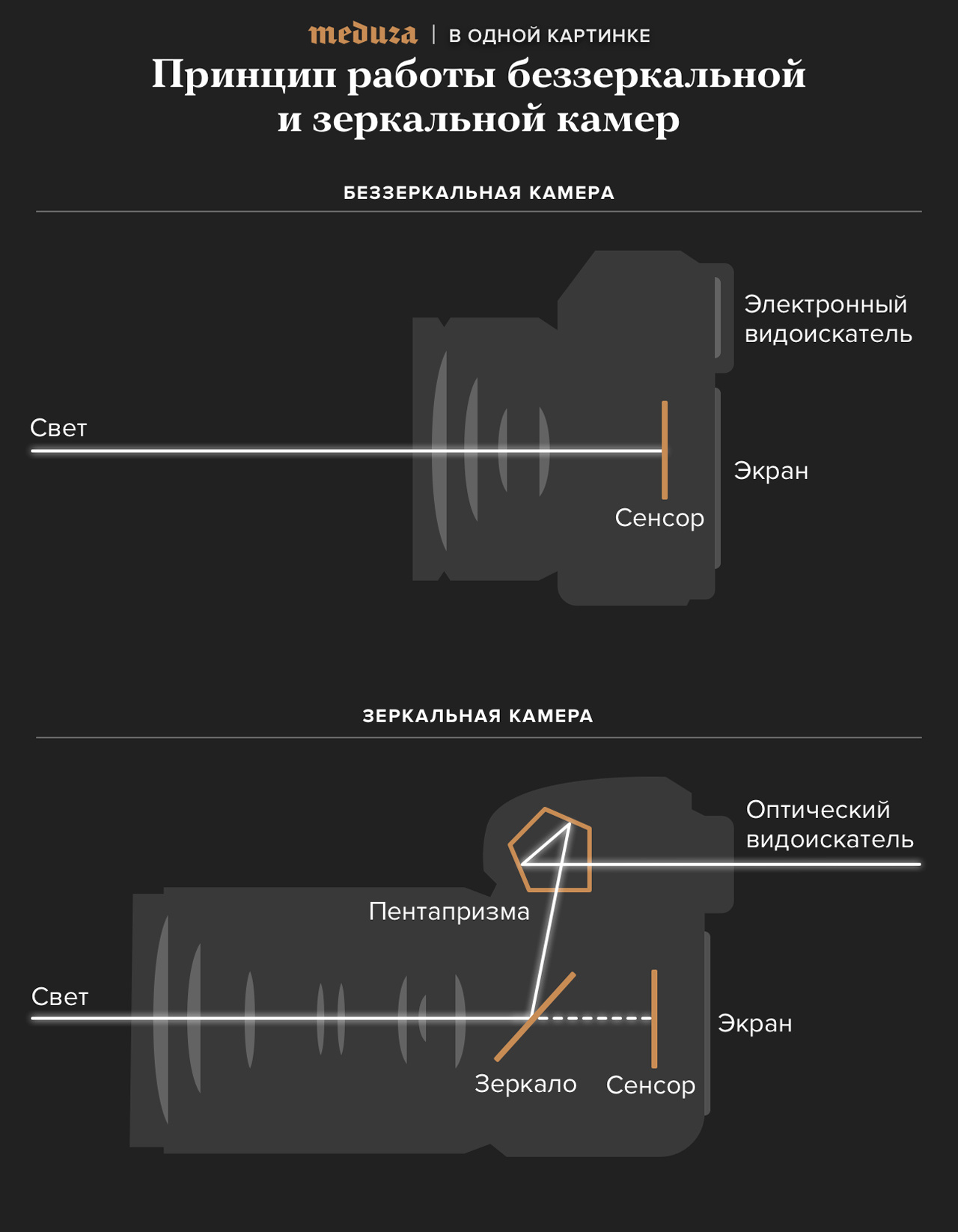
Today's mirror cameras inherited the principle of operation of cameras of the 1950s. The light passing through the lens, reflected from the mirror, falls into pentaprism. In it, the frame is reflected twice and enters the optical viewfinder, which we look into before taking a photo. Before the click of the shutter, the mirror rises, and the light already without barriers falls on the matrix of the camera, after which the picture is on the flash drive.
How managed to get rid of the mirror
With the development of new electronic modules and matrices, it became clear that pentaprism can be removed, since it has a very indirect attitude to the quality of the photo and it is needed only to guide the object. And what we see in the finished picture depends on the size of the sensor and the quality of the sympathy optics. As a result, about 10 years ago, a new class of digital cameras appeared, which began to be called mirrorless. Unlike digital soapsmen who worked on a similar principle, they had interchangeable lenses.
Such a camera works simply: the light, bypassing the mirror, falls on the camera sensor, after which the picture is immediately displayed on the LCD display or in the viewfinder. The weak point of the first models was a low -resolution vitrogener and a very small frequency of personnel. The very idea of a compact device with replaceable lenses quickly found its fans, but professional photographers did not take such cameras seriously.
The quality of the sensors and the performance of processors grew over the years, manufacturers have released whole series of lenses for mirrorless, with models for every taste and budget. There were also adapters that allow you to install third -party lenses. And then experiments began: lovers began to use old Soviet lenses, and professionals - specialized or rare optics from their arsenal.
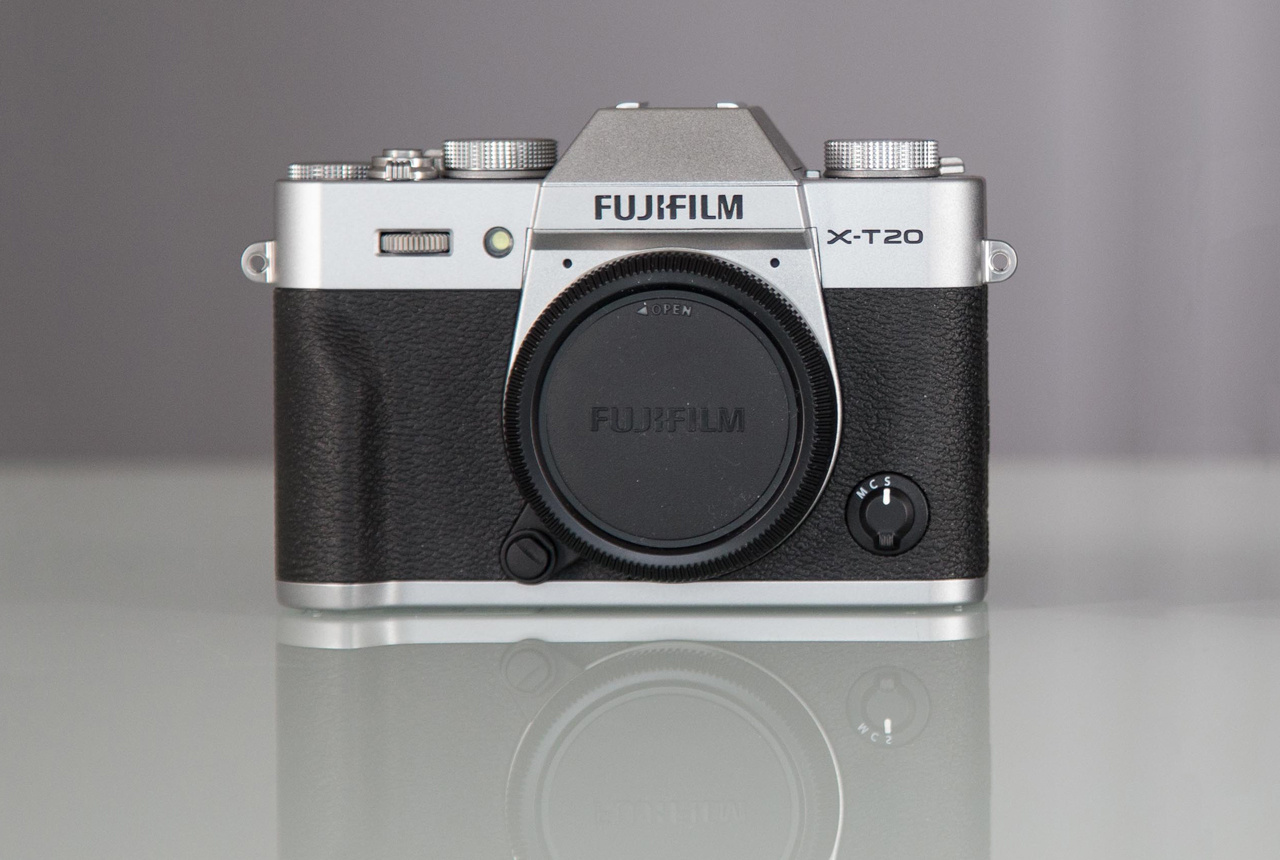
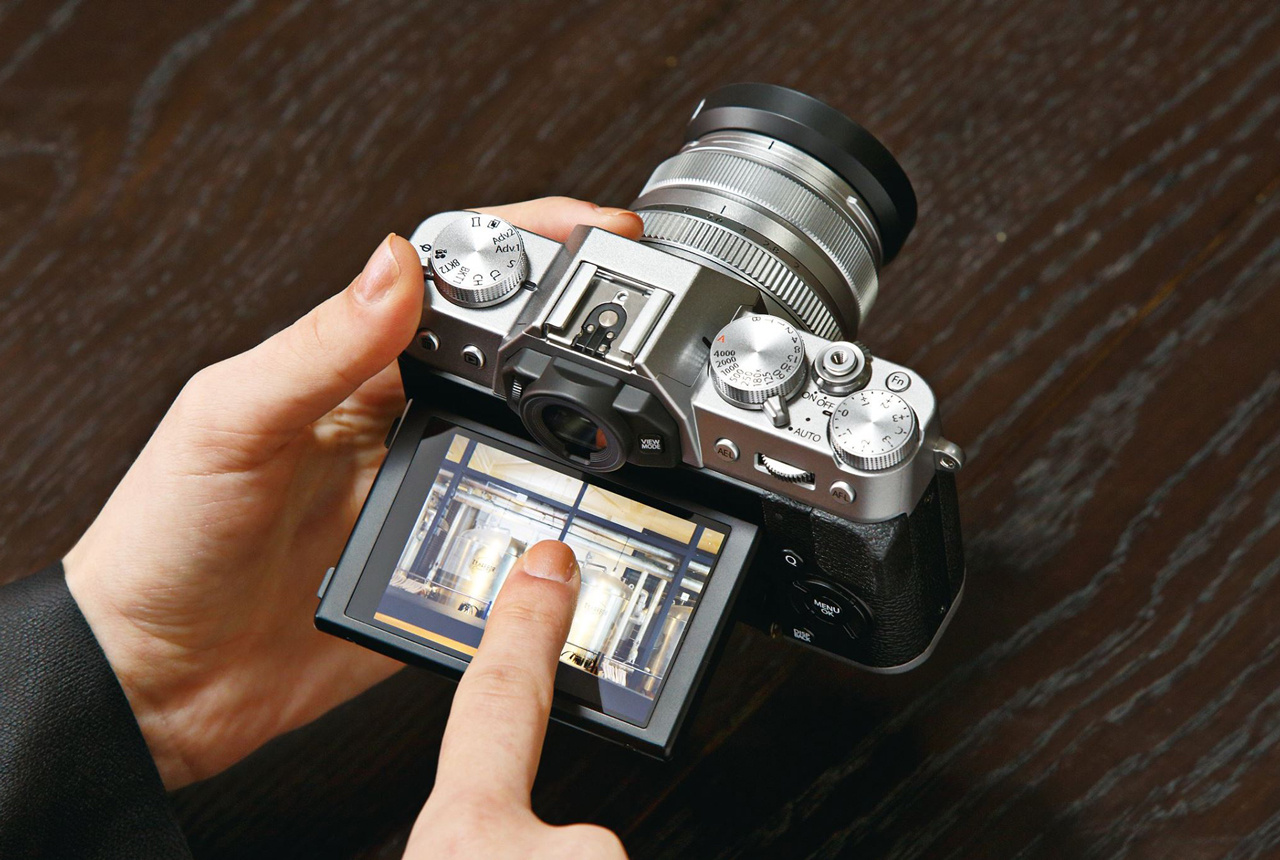
Modern jigsaws have become more technological and got rid of the shortcomings of its predecessors. A good example of modern mirrorless-Fujifilm X-T20, which has a number of advantages over its mirror competitors.
6 advantages of a mirrorless chamber
1. Compact dimensions and small weight
Even if the matrix of the SLR and the mirrorless of the same size, the second will be easier and more compact. The absence of extra details and the mirror block affects sizes and reliability. A professional set of a mirrorless chamber with lenses will take less space than a mirror. And the compact camera does not attract much attention from passers -by. For lovers of street photography, this will be almost the main advantage.
2. In the viewfinder you can immediately see what photograph will be
When we look at the optical viewfinder of the mirror chamber, we see the picture with the naked eye - the way it is. If you click on the descent button, the photo may be much darker or lighter than expected. This happens because the future frame is recorded by the matrix of the camera, which sees the world a little differently than the human eye. But if we look at the endower of the mirrorless, we see the finished photo immediately and notice the depth of sharpness, and whether the settings of the exposure, the balance of white, etc. are correctly installed. Fans of black and white photography, exhibiting the corresponding mode in the camera, will see the discolored picture in the viewfinder and will be able to notice all tonal interactions of objects in the frame.
3. Quick autofocus
The autofocus of modern mirrorless cameras is in no way inferior to the SLRs. Here we have at our disposal a decent number of focusing points throughout the frame, while choosing the right one with a simple touch to the touch screen. For lovers of portrait shooting, there is a function of determining faces and even an eye, so the camera will always keep your model's face in focus.
In addition, the BEK-Focus effect is not terrible to nonsense cameras (when the camera focuses correctly, but the frame goes out of the inconsistency of the autofocus sensor and mirror). Their focusing sensors are located directly on the plane of the matrix, and you can not think about what justification is.

4. Sinless electronic shutter
Due to the lack of clapping mirror flashing mirrors in the process of shooting, can work almost silently. To do this, there is an electronic shutter mode, when the mechanical curtains are disconnected and the exposure is fully designed by electronics. Such soundlessness will not betray you during the shooting in the museum, theater, the temple and other places where loud clicks are inappropriate.
Another advantage of the electronic shutter is ultra-short exposures (for Fujifilm X-T20 to 1/32000), which are useful when shooting in sunny weather at an open diaphragm, for example F/1.4 or F/1.2. If earlier to reduce the amount of light had to use expensive neutral-gray filters, now it is enough to set the settings.

5. Writing video in 4K
Not all mirror cameras are able to shoot video in 4K - this option only has devices from the top segment. But mirroring even the middle segment can write a video of ultra -high clarity. An external microphone is also connected to an audit of the mirror, and the shot material is easily displayed to the external monitor through the HDMI port. By the way, 4K video is so high that you can make a stop frame from it and use them as a photo.
6. Support for USB and external batteries
Bezklokalki is often criticized that the electronic viewfinder requires more energy, and their batteries sit much faster. To avoid this, they usually advise turning off the camera immediately when it is not used, or reduce the brightness of the screen by a minimum. The latter models of jigsaw are charged from USB and support, including external batteries - Powerbanks, just like smartphones.
To whom the jerk is suitable
Of course, mirror and mirrorless cameras are slightly different tools. For example, there are photographers who simply do not like an electronic viewfinder because it is not suitable for shooting stars in the night sky: when there is very little light, nothing but dark is visible. Other photographers are important for a short Blackout , the presence of a wider fleet of light -lump -focus optics or special system accessories. The third one would like to have a SLR, because a large heavy black camera in the eyes of their customers looks more representative. But if you discard the conventions, the current mirrorless cameras are already directly competing with the mirrors, including in reporting and sports shooting. They can be safely recommended not only to lovers, but also by pros. Many honored photographers, such as Alexei Malyshev , Nathan Elson , Johnny Paciens , Simon Paekham , have already switched to mirrorless.
The new Fujifilm X-T20 camera is an excellent example of a technological and compact device that is suitable for street photography and travels and for shooting children and other dynamic scenes. Thanks to the high -quality color reproduction of the camera, the filmed photos will not require a long post -cutting. The camera has convenient control, stylish appearance, and there is also the possibility of simulating the film.
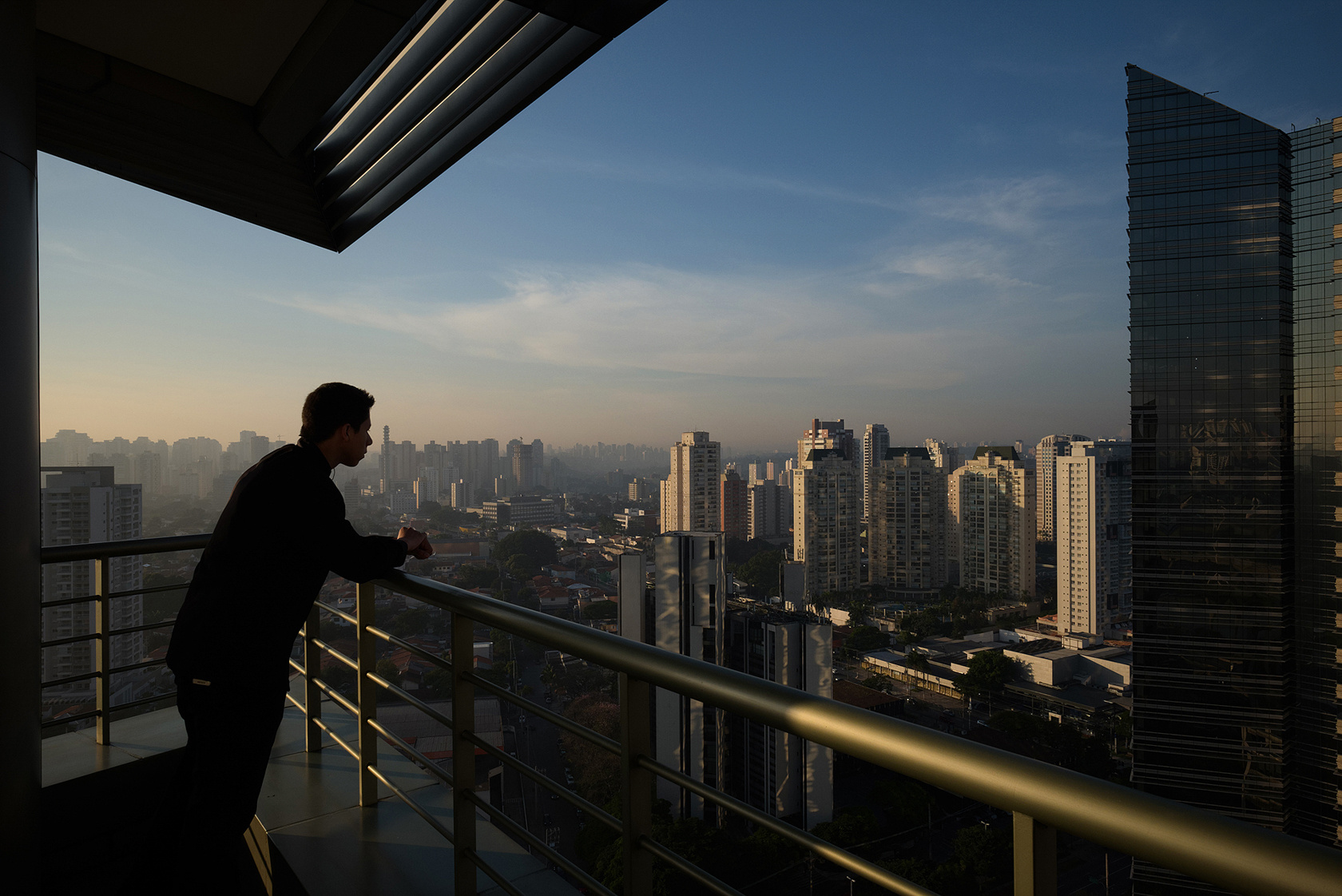
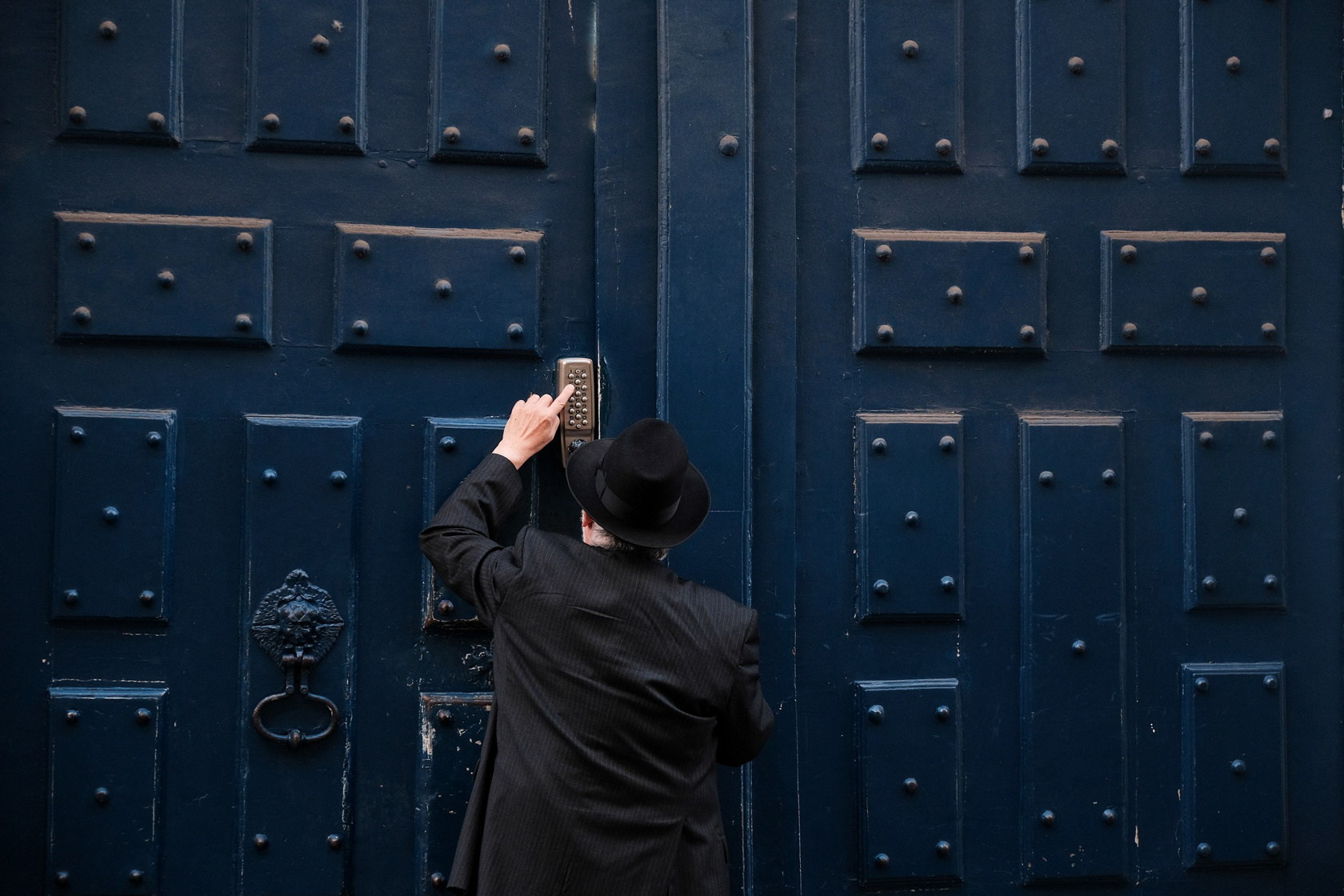
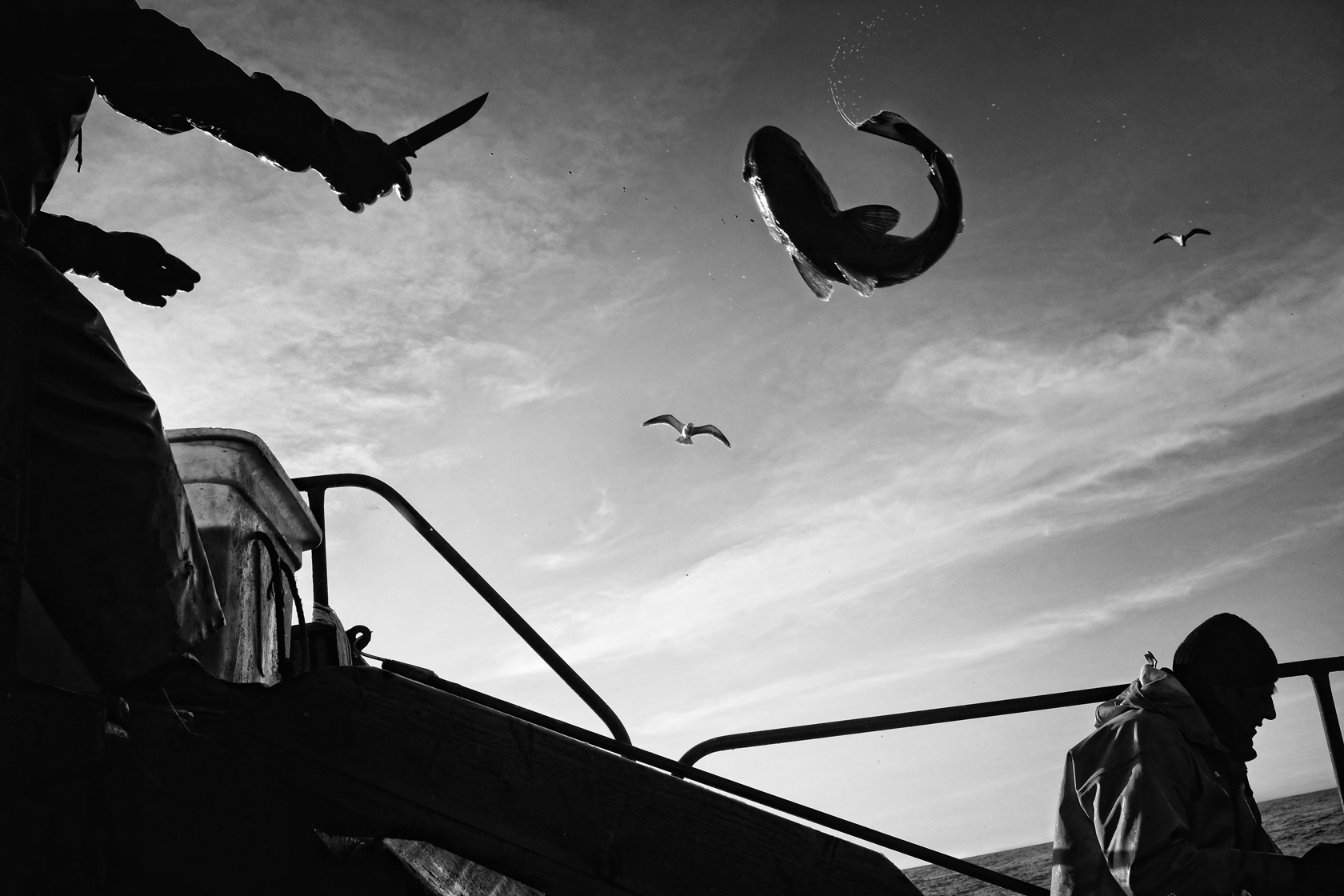
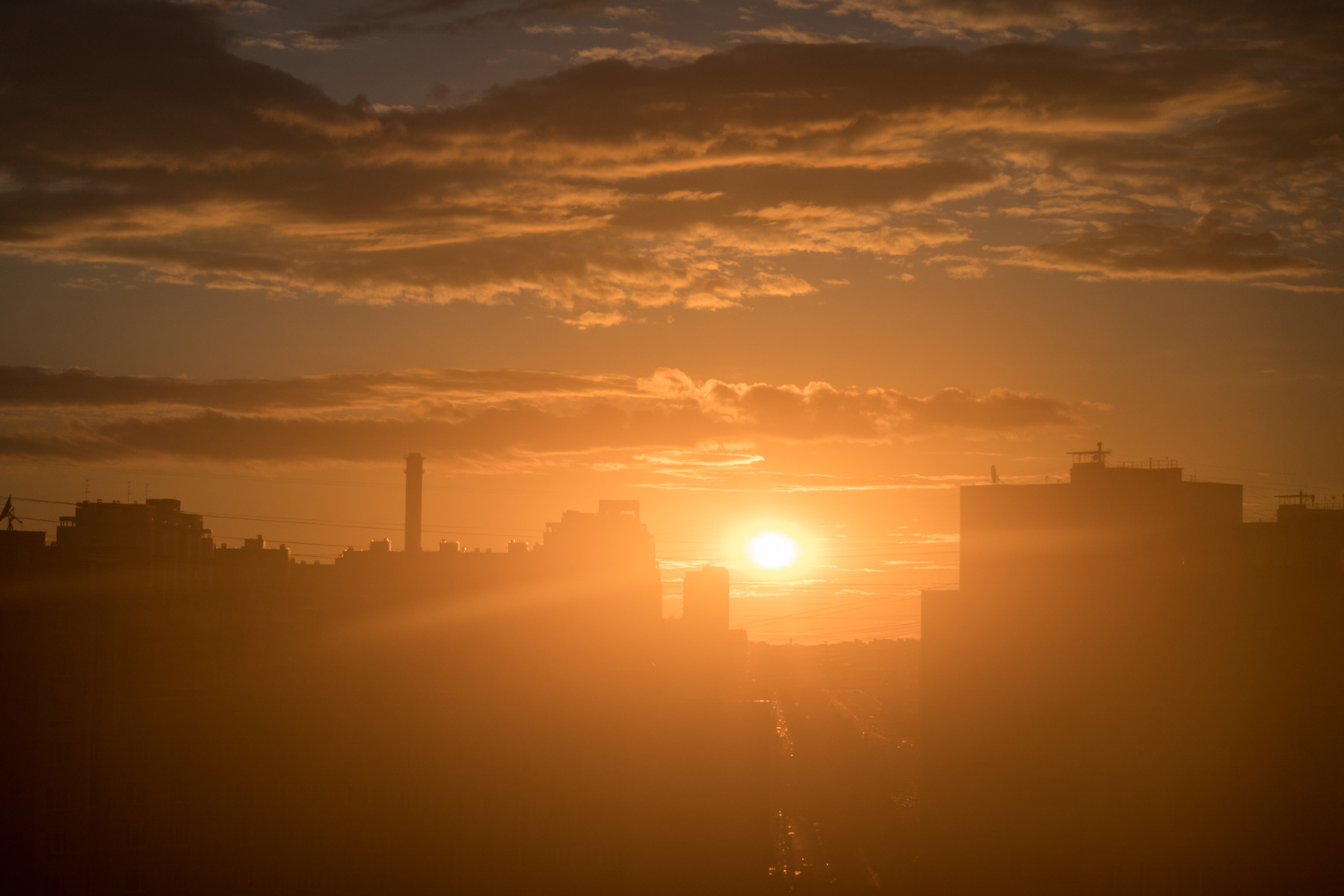
For clarity, here is a gallery with the frames that we shot on the Fujifilm X-T20 camera.





More photos can be found on the official Fujifilm page on Facebook or on the hashtag #fujifilmru on Instagram .