
Translated material
A ban on the image
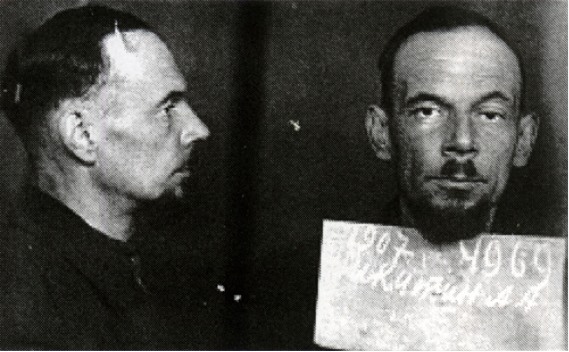
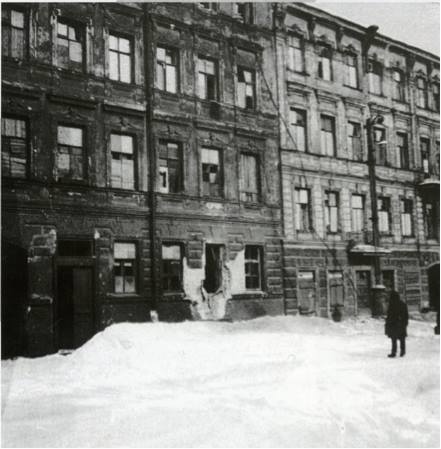
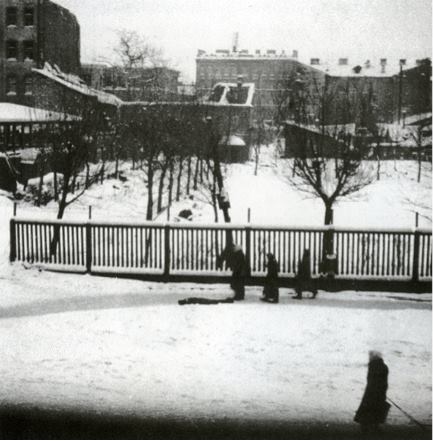
During the blockade, Leningraders confiscated cameras, all pictures of the besieged city were prohibited by everyone except official correspondents. The photose amateur Alexander Nikitin violated this ban, took three pictures of destroyed houses and paid for them with life: vigilant citizens handed it to the police. In addition to the camera, he found a map on which Nikitin noted the destruction places. This was enough to accuse the espionage, Nikitin was convicted of five years under the 58th article, and he died of exhaustion in the camp near Solikamsky.
Three pictures that Nikitin managed to take were printed by state security officers and preserved. They were found in the archives of the KGB by his namesake, the historian of the photograph Vladimir Nikitin and published in 2002 in the album "Unknown Blockade". In 2014, the Limbus Press publishing house released the second, supplemented publication-the pictures of official photojournalists who worked in the besieged Leningrad were also included in it: to show the suffering of starving residents, only their labor achievements and will to win.
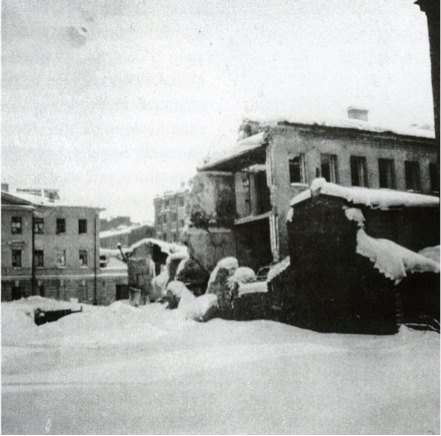
In 2014, photographs from the Album "Unknown Blockade" were presented at an exhibition held at the St. Petersburg Museum of City Sculpture. In the same 2014, the Triumph Gallery was held by the exhibition of Maxim Shera " map and territory " dedicated to the blockade. Now the artist has prepared a project about the fate of Alexander Nikitin.
This is perhaps the only private visual certificate of blockade
“I was interested in this story, because in fact this is almost the only private visual certificate of blockade (the rest are the habitual images made by military photocations, that is, employees of state funds of information, which means the presence of a certain visual“ matrix ”in them. For example, there are practically no visual evidence - photographs that would be taken inside apartments and houses), this project should have been called a“ prohibition of on The image "and explore this ancient tool for control and repression on the example of the blockade," says Maxim Cher .
Nikitin’s story was only the starting point of the project “map and territory”, but Maxim Cher wanted to make it the core of the new exhibition, hoped to find a criminal case of a photographer and other materials about his fate. Perhaps its other pictures have been preserved?
The Gulag Museum substantiating repression is a "new bottom" in a bottomless hole
"My project is devoted to the protest of one person against large narratives, against the reinforced concrete" state "history, the use of fiction to comprehend the truth, that is, an attempt to conquer the right to mythology from the state. Nikitin is interesting to me that he tried to take what was happening to him as a private person," explains Maxim Cher, citing the projects of Valid Raada , Akrama. Zaatari , Rabiha , who rethinking photo and video surveillance of civil wars in Lebanon.
However, the state still claims to be a monopoly on the truth about the war, suspicious of everything that does not fit into the Stalin-Brezhnev myth about the "great feat of the Soviet people."
My project is against the state monopoly on pictures
“When I proposed my Rosphoto project, they told me:“ It is too conceptual for the blockade topic, this topic can be represented only with the help of photographs of military photocations, ”and my project is just against them, against the state’s monopoly on the pictures,” says Maxim Cher. He was counting on the help of the Gulag Museum, which could help in the search for materials in the FSB archives, but even there his project did not cause interest. The wording of the refusal outraged Maxim Shera. Elena Solozobova, an employee of this "state cultural institution of the city of Moscow", explained to him that the Museum’s scientific and methodological council did not consider it possible to do Nikitin’s business, because the amateur photographer who knew that it was impossible to shoot without permission, nevertheless went to shoot and was convicted under the laws of wartime, which means this is not a topic for the museum.
“The blockade is a taboo, with the blockade the rain has already been burned, now everyone is blowing on the water, but the Gulag museum, justifying repression, is a new word or, as they say, a“ new bottom ”in a bottomless hole,” Maxim Cher is indignant.
The artist spoke about this story on Facebook, and in the comments there was an explanation of the Deputy Director for Development of the Gulag Museum Anna Stadinchuk , who apologized for the delay in consideration of the application, but confirmed the position of the museum. “In our opinion, the theme of the blockade of Leningrad is really less than others from Soviet history is related to the theme of political and ideological terror and repressions that are dedicated to the Gulag Museum of History. The besieged city lived according to the laws of wartime, according to which a significant limitation of some rights and freedoms of citizens-not only a ban on photographing streets for unknown purposes,” Stadinchuk wrote. Maxim Cher deciphens this polite refusal as follows: “It is not known for reliably whether the residents knew about the ban on shooting - this is far from a fact. But the Gulag museum is sure: they knew, bitch, there was nothing to go to the camera with a camera, sitting at home, would have survived. This is the position of the museum, dictated by politically motivated and morally unreasonable separation Political repressions on those that were before or after the war, and those that were during the war and during the blockade, plus the parallels with the current political situation instantly and inevitably pop up. "
The story of Maxim Shera caused a discussion on Facebook, not everyone agrees with his assessment of the Gulag Museum, but the disputes are barren: it is clear that in the current political situation the exhibition about a person who has not subordinated to the Stalinist state during the war cannot take place, and, therefore, we do not learn anything about the fate of Alexander Nikitin. When asked what remains in this situation, Maxim Cher replies: "Protest, betray, try to do what you are doing, no matter what."