
Translated material
Gibson against Ellis
How "Glamorama" ruined "recognition of images"
Sometimes it happens that a good romance comes out at the wrong time. There is a strong plot, memorable heroes, its own philosophy, but the novel does not become a great. Just because a similar book has recently been published - this happens even with famous authors. Alexei Polyarinov tells how the “recognition of images” of William Gibson was in the shadow of “Glamorama” by Bret Ellis.Every big novel gives birth to imitators. And the point here is not only in the laws of the market or the desire to get into the financial wake of a successful writer. Most often, imitation is the highest form of flattery: so it was, say, with the “secret history” of Donna Tartt, when after the book entered the market they fell into the market, and still felled, clones about beautiful linguists, their bright heads and dark divisions. And the same thing happened after the release of the “endless joke” of Wallace in 1996: all the young authors of the United States suddenly decided that it was cool to take entire layers of text into the footnote.
But there are other cases: when a novel, which, not being a clone, nevertheless finds himself in the shadow of a more powerful predecessor, simply because he came out at the wrong time. This is what happened with the “recognition of images” of William Gibson; Everything is fine with this novel, there is only one problem - it is published after the "Glamorama".
I'll explain. And I'll start with the name that we have a little incorrectly translated. And, yes, I understand that I am now in a very weak position, criticizing someone else's translation, and yet: translating “Pattern Recognition” as “recognition of images” is an error, because a pattern is not an image, it is a system of repeated images (examples: DNA spiral, spiral staircase, patterns on the wallpaper); And the novel itself was entirely built on the idea of repeating each other advertising templates, not to mention the fact that an important metaphor for the book is apothenia, that is, people's habit of seeing meaning and structure where they are not.
The main character of the novel, Case Pollard, brand specialist. She has a gift - she just needs to look at the company's logo to understand whether he will be popular or, conversely, will bring losses. In a sense, the case is PR-CAMERTON, she always knows what is fashionable now, what will be fashionable tomorrow and why; It is so sensitive to style that sometimes it is physically sick at the sight of some logos.
The plot is based on a strange avant -garde film of an anonymous director, in search of which the case goes. Here, Gibson is true to himself: the heroes often go in search of things at first glance insignificant: pants, caskets or a film - things that gain value only in the hands of the connoisseur/expert. “Recognition” just such a novel is about putting meanings. And the author, together with the heroine, is trying to answer the question: what exactly defines things - their functionality or meanings brought from the outside (interpretation, advertising)?
The question is actually terribly interesting, you can extrapolate it anywhere - even for litcritics, even for contemporary art. Here, let's say, an avant -garde film: Does it have value in itself? Or is he just an informational soap bubble, filled with an exceptionally competent marketing strategy of the author and response of connoisseurs?
In general, of course, to consider Gibson a science fiction writer is a big mistake; He is a real postmodernist, and all his novels, if you cut off the excess, about the relationship of things/people and imposed meanings. Here is the “recognition of the patterns”-a book about PR-symularacs, about the relationship between facts and post-truth, if you want. No wonder one of the most important replicas here is the words of the director of the advertising agency: “Think, because today the commodity advertising requires much more creative resources than its production.”
And here's the question: why a novel - if he is so rich in ideas and topical - was so coldly met?
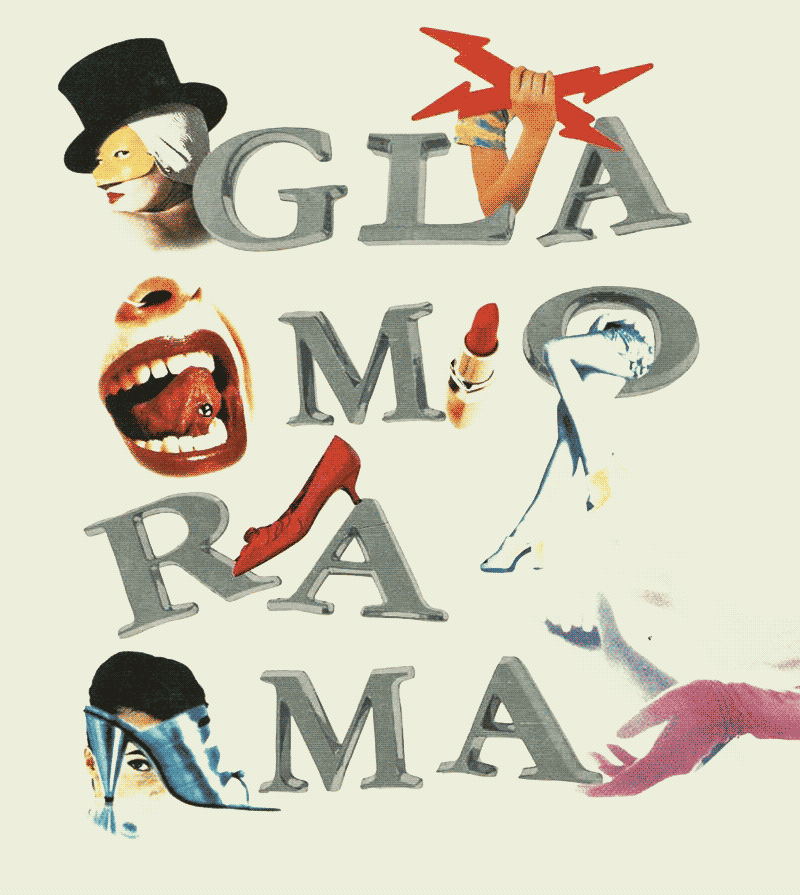 My version: he was in the shadow of his predecessor. Five years before, he appeared “Glamorama” by Bret Ellis, a great password novel about logos, fashion and madness. And if you look carefully, it will become clear that both of these books, in essence, about the same thing: about the search for the present in the world, where everything is covered with rainbow film of advertising and PR technologies; And about attempts to break through this very film.
This is strange: Gibson in his novel does not seem to notice Ellis - does not argue with him and does not agree, does not rely on him, does not quote, on the contrary, he desperately pretends that the “glamoramas” were not at all. It is as if someone had tried to create a novel about whale, obsession and white today today, but he would have written it as if “moby Dika” does not exist. The idea is brave, but obviously doomed to failure. You can’t deceive literature.
And the point is not at all the similarity of these two books: they are just unlike, but they are connected by a common, on the verge of fetishism, obsession with logos, and the main idea about the form that kills the content. And, yes, I am aware of the irony: perhaps the connection that I see between them is nothing more than a particular case of the Apofenia-the thing is that in the 98th Ellis set the discourse, in a sense brought the topic of fashion and logos to the limit, leaving behind the scorched field. Which later settled his bastards like a Begbeder, but now not about them. This destroyed Gibson, he tried to write a thin and thoughtful novel about the mechanisms of modern fashion, but it seems, he himself did not notice how he ended up in a huge whale shadow of his predecessor; Plus, frankly, if Gibson was not enough, then anger. Anger, which has Ellis over the edge.
That's interesting, right?
Sometimes in order to come out a masterpiece to the writer, you just need to get angry well. How true is the opposite - the excessive caution of the author can sink the most bold idea. Because there are things that you cannot talk about - they need to yell about them.