
Translated material
Adishcheva Pipe
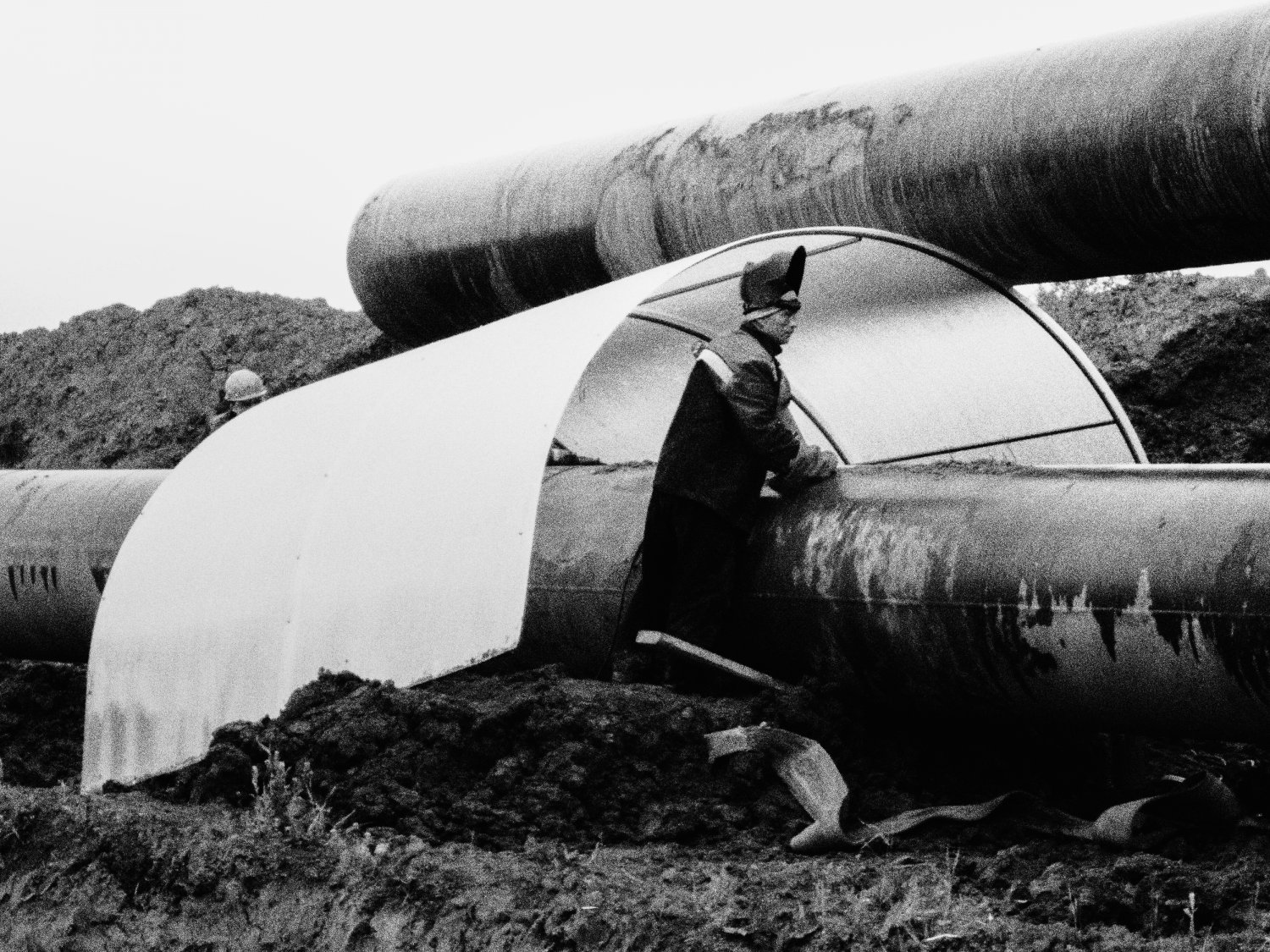
People live in a village, build, plant gardens - and once receive an order to demolish their homes, because a stone's throw from them is an oil pipeline. Transneft, which he belongs, believes that people should demolish at home for free and themselves. People do not agree. Another court session has been scheduled for today
August night last year Permyachka Tatyana Protsenko got into a specially hired car with Ukrainian numbers, heading towards Moscow. A few more residents of the Perm microdistrict of the PRRED and the bishop, the villages of Adishchevo and the Garden Partnership "herepoths", who did not want to use their own vehicles, rode with her. They were sent to Moscow, to a coordinated rally against the demolition of housing around oil and gas pipelines.
- Well, this is oil, it is! They can stop, block the car, the guys from Tatarstan generally gathered on the outskirts of the republic and only then went to Moscow - Tatyana confidently steaming her clumsy “Patrick”. Previously, she had an expensive foreign SUV, but, according to her, due to endless court litigations with Transneft, the car had to sell and buy a used UAZ Patriot.
 Village Adishchevo photo: Evgenia Zhulanova/Schschi for TD
More than a hundred people from all over Russia participated in the rally in Sokolniki. On home -made slogans it was written: “SNT“ Aksenovo ”asks them to save/and Gazprom still says: to demolish!”, “Have you already built? Then we go to you ”,“ Power, protect your people from arbitrariness and monopoly! ”
Separate and rule
The village of Adishchevo stands on the arrow of the Kama and Chusovaya rivers, the main street ends with an idyllic sandy beach with weeping Iwi. They come here to swim and fish, so now the man busily takes out a folding stool, a couple of spinning rods from the trunk, takes off his T -shirt and puts on Panama. To the left of his fishing place is a concrete fence box with barbed wire launched on top. This is part of the Kamenny Log -Perm oil pipeline, owned by Transneft.
The house of Tatyana Protsenko also goes to the main street of the village - and to the oil pipeline going right along her fence. Now it is indicated by brand new hangers - rectangular signs with the technical characteristics of the oil pipeline - every few meters. According to Tatyana, when she bought the land, there were no veils, and they learned about the oil pipeline in winter, surprised by a strip of non -freezing land along the fence. Sometimes, locals tell, even the grass breaks through on it in the exemplary season - if the pressure of oil is increased and the earth is warming.
 Tatyana, Village Adishchevo photo: Evgenia Zhulanova/Schschi for TD
 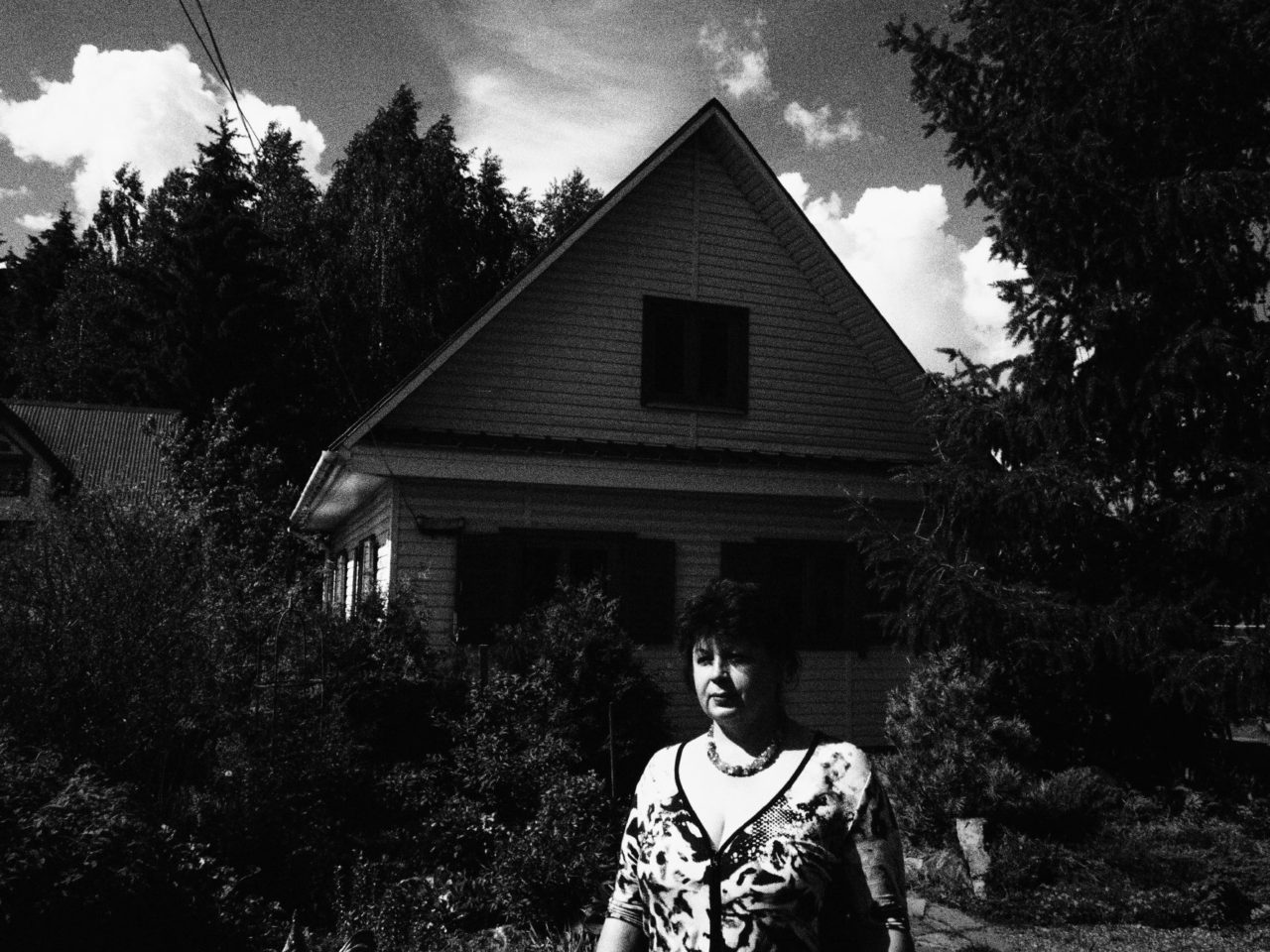 Tatyana at her house, the village of Adishchevo photo: Evgenia Zhulanova/Schschi for TD
Tatyana bought the land and built a house in 2013, and two years later, with the help of the website of the bailiff service, she learned with amazement that this house should be demolished within a thirty -day period, independently and at her own expense.
“I think this is a matter of personal hygiene,” Tatyana laughs. - I got up in the morning, brushed my teeth, checked the fines from the traffic cops, looked that the tax authorities wanted you from you, asked the bailiffs.
The demolition of any buildings and fences during the oil pipeline determined the suddenly altered SNiPsThe demolition of any buildings and fences during the oil pipeline determined the suddenly changed SNiPs (construction standards and rules): a plot purchased without any burden was in the security zone of the oil pipeline. Together with Tatyana Protsenko, instructions on the demolition of her houses, fences and generally any buildings were received by the owners of several more houses pulled out of the street along which the oil pipeline passed in an arbitrary order.
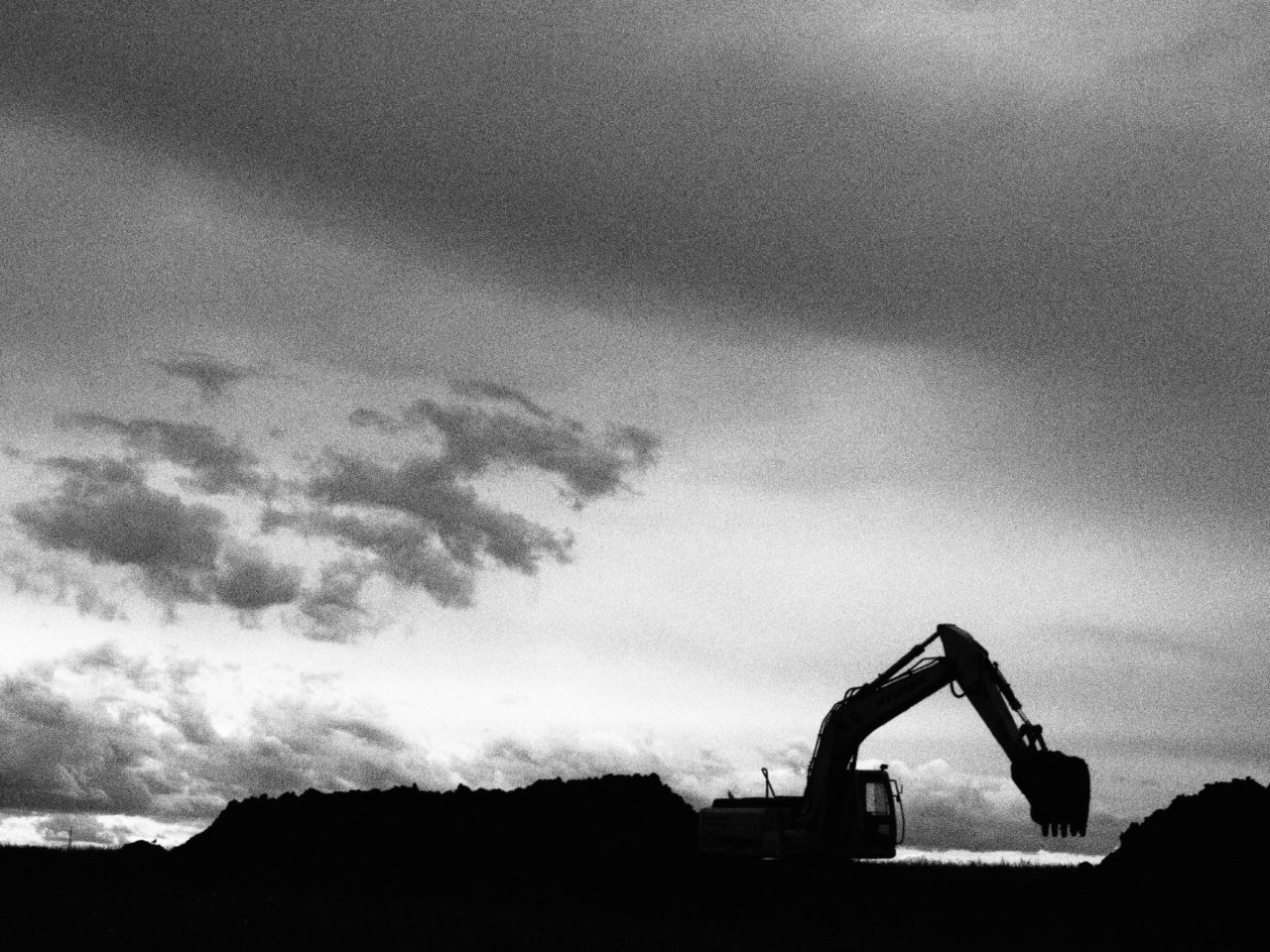 Repair of the gas pipeline next to the oil pipeline in the PRODEL PHOTO microdistrict: Evgenia Zhulanova/Schschi for TD
“We received a demonstration of demolition, and our neighbor, whose plot is even closer to the oil pipeline, is not,” says Julia Mikova. - Therefore, he is calmly built, the house has already finished, and we are all fighting. It is not clear why.
The Mikov family has been owned by the nineties. The site is similar to a boat: on the one hand, a narrow rising wedge of the earth, on the other, is a solid wooden house, on the veranda of which the son of Julia is engaged in mathematics. The boy grew up here, but it is possible that this is the last summer that he will spend here. After numerous court lawsuits, the Perm Industrial Court awarded the family compensation. For the demolition of the buildings that fell into the security zone, Transneft must pay Mikov 3.24 million rubles. Before receiving this money - and even before the possibility of receiving it, is still far away. Transneft gives appeals, believing that people should demolish at home for free and themselves. The next court hearing is scheduled for July 17.
Guest pipe
Vyacheslav Gennadievich, neighbor Tatyana and Julia, walks his dogs on a village street at home-in shorts and slippers. Binding the one that is angrier, to the pillar, he shouts to Tatyana:
- Well, how are we?
“Like you - I don’t know, but I have everything in the process,” Tatyana answers sarcastically. She is annoyed that her neighbors, who have not yet received a demonstration of demolition, do not want to actively participate in the fight against the oil pipeline. She is sure that the selective lawsuits are aimed precisely at the division of public protest, but then by analogy they will receive with the rest of the houses - this was already in several areas affected by the conflict with the oil workers.
Selective lawsuits are aimed at dividing public protest, but then with the rest of the houses they will do the same“There was no oil pipeline until 2006,” says Vyacheslav Gennadievich, who lives in Adishchev since the nineties. - Then they came and said: "We will carefully lay the pipe here, you will not bother us, and we will not bother you."
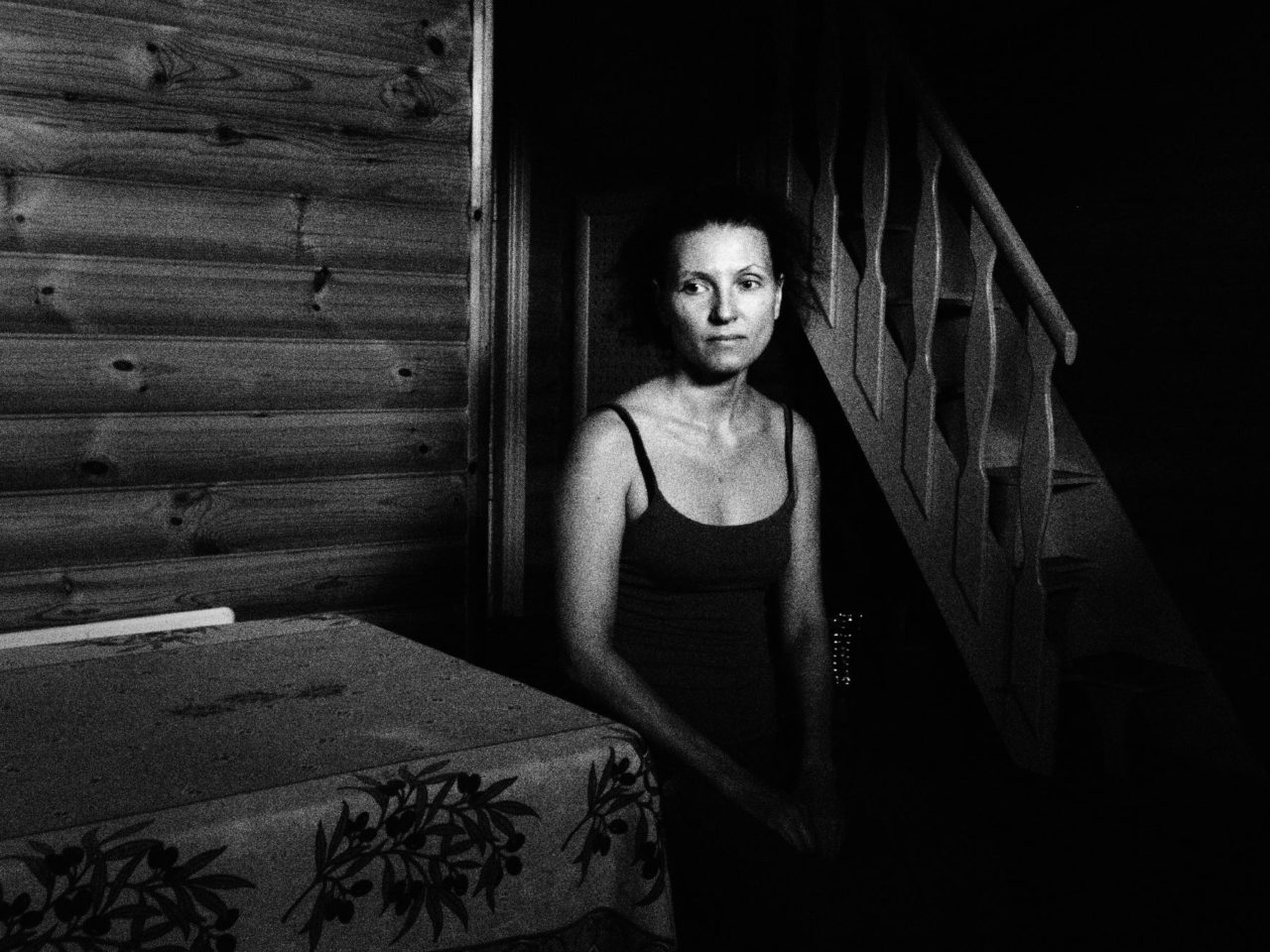 Julia, Village Adishchevo photo: Evgenia Zhulanova/Schschi for TD
 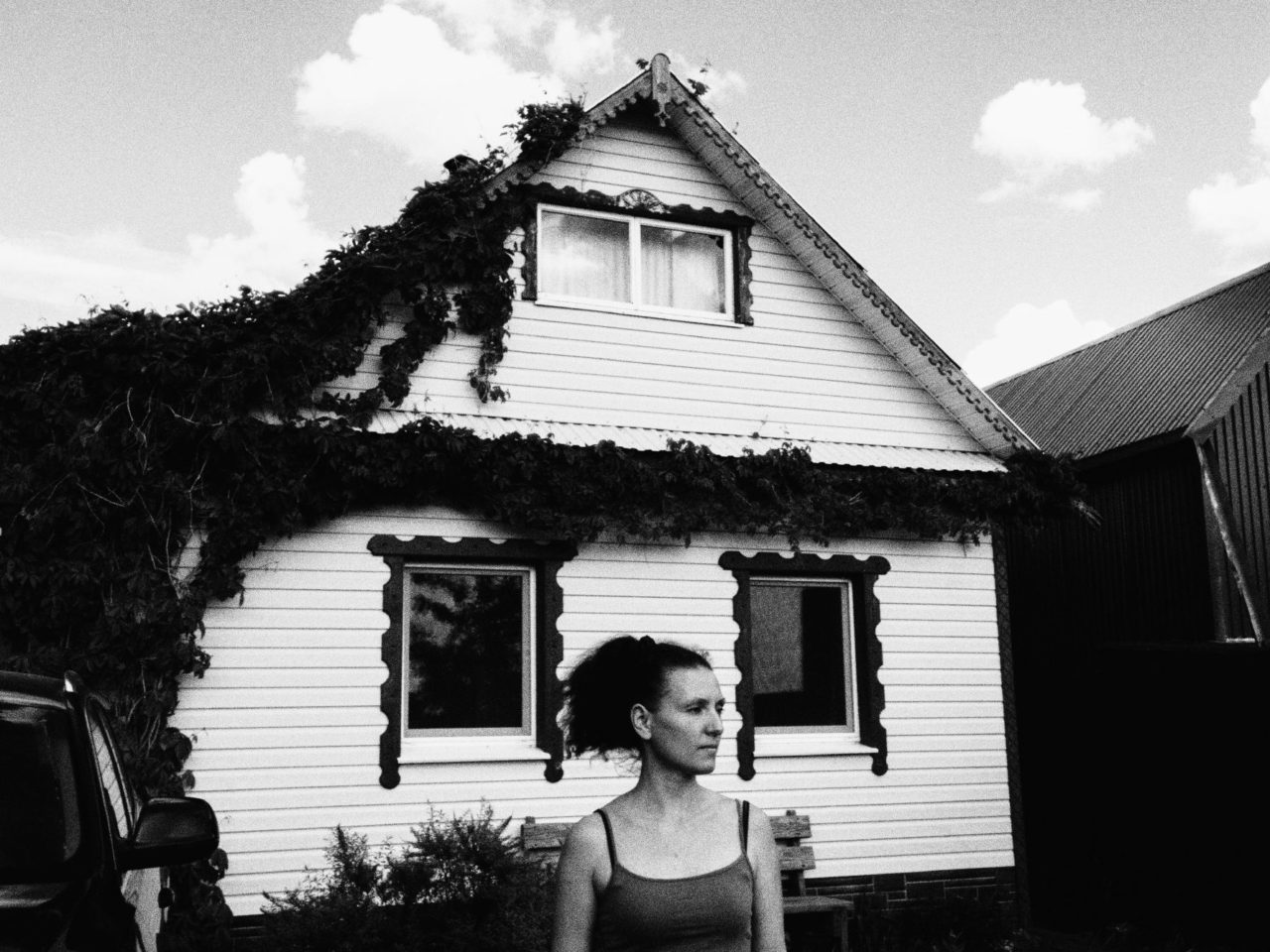 Julia, Village Adishchevo photo: Evgenia Zhulanova/Schschi for TD
-They want to imagine that people themselves stuck around the self-building oil pipeline, but this is de-re-up! Not the village came to the pipe, this pipe came to visit the village, - Protsenko is indignant. She leads us to the oldest house of Adishchev, built in the thirties of the last century. Now two sisters, Elena and Tatyana are ruled in it, they show passports, where the “place of birth” is indicated “the village of Adishchevo”.
- And they will tell you that we are illegally built here? They climbed here, climbed into a intoxicated. Now we can’t build or sell anything here. In theory, even digging on a bayonet, more deeply than twenty centimeters, we cannot.
The sisters have no instructions for the demolition of the house, but, given the distance to the oil pipeline, their site is now considered a security zone.
Adishchevo in the European Court
Transneft lawyers do not contact local residents, but in March this year, the company published an “official response to the media inquisites regarding the legality of the construction and operation of the oil pipeline”. It states that the oil pipeline was built back in 1961, "and on modern Perm cards the track of this trunk oil pipeline was put in 2007." According to local residents, in the sixties the oil pipeline was really built, but a few kilometers from the village.
“As a state -owned company,“ Transneft ”is obliged to provide legal protection of property belonging to the state and the safe operation of oil pipelines. This is done primarily in the interests of our citizens, ”they say in an oil company. Houses are also offered to be demolished in the interests of citizens - it is unsafe to live next to the oil pipeline, after any transneft's emergency would have to be compensated for damage. Now, if something happens, you don’t have to: the court has become a side of the company.
 Village Adishchevo photo: Evgenia Zhulanova/Schschi for TD
- Do you know what is written in my court decision? First, the arguments of Transneft, then mine, and then ... - Tatyana pours tea to us, his nephew, mother, but then he puts the thermos on the table and makes a theatrical pause. - The court examined and made a decision on internal conviction!
- How is that? If the parties contradict each other, should there be someone who is right?
- And so! There is an article in the Administrative Code, about belief. They read, heard and convinced. That people are fools, and "Transneft" well done.
It is unsafe to live near the oil pipeline, after any transneft emergency, it would have to be compensated for the damageTatyana appealed the decision to demolish her house in all instances up to the Supreme Court. The decision remained the same: the house is demolished, since it is in the zone of minimum permissible distances from the Kamenny Log -Perm oil pipeline and threatens the safety of the oil pipeline. Then she filed a complaint with the European Court of Human Rights. After the complaint was accepted for consideration, the writ of execution on the demolition of houses in Adishchev was recalled, but this does not mean cancellation of the decision on demolition.
“We have Putin’s elections in the eighteenth year, and I will not be surprised if these writ of execution immediately after the elections will be presented,” the woman suggests. - And there for thirty days to execute a court decision, the first time is a fine, the second time - a fine, and then criminal liability. Either you demolish the house, or sit in prison.
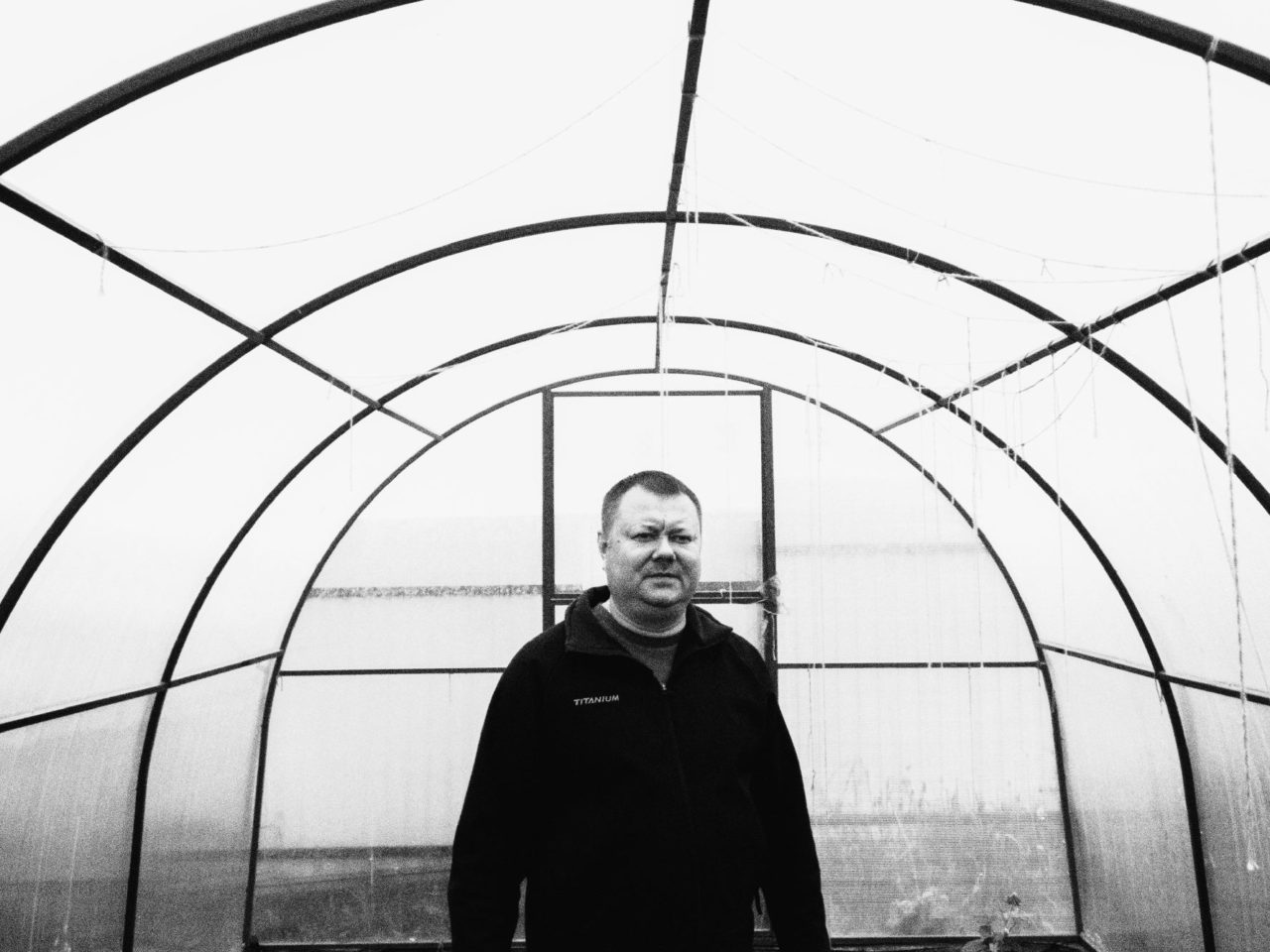 Dmitry in a greenhouse at his house, microdistrict prohibit photo: Evgenia Zhulanova/Schschi for TD
 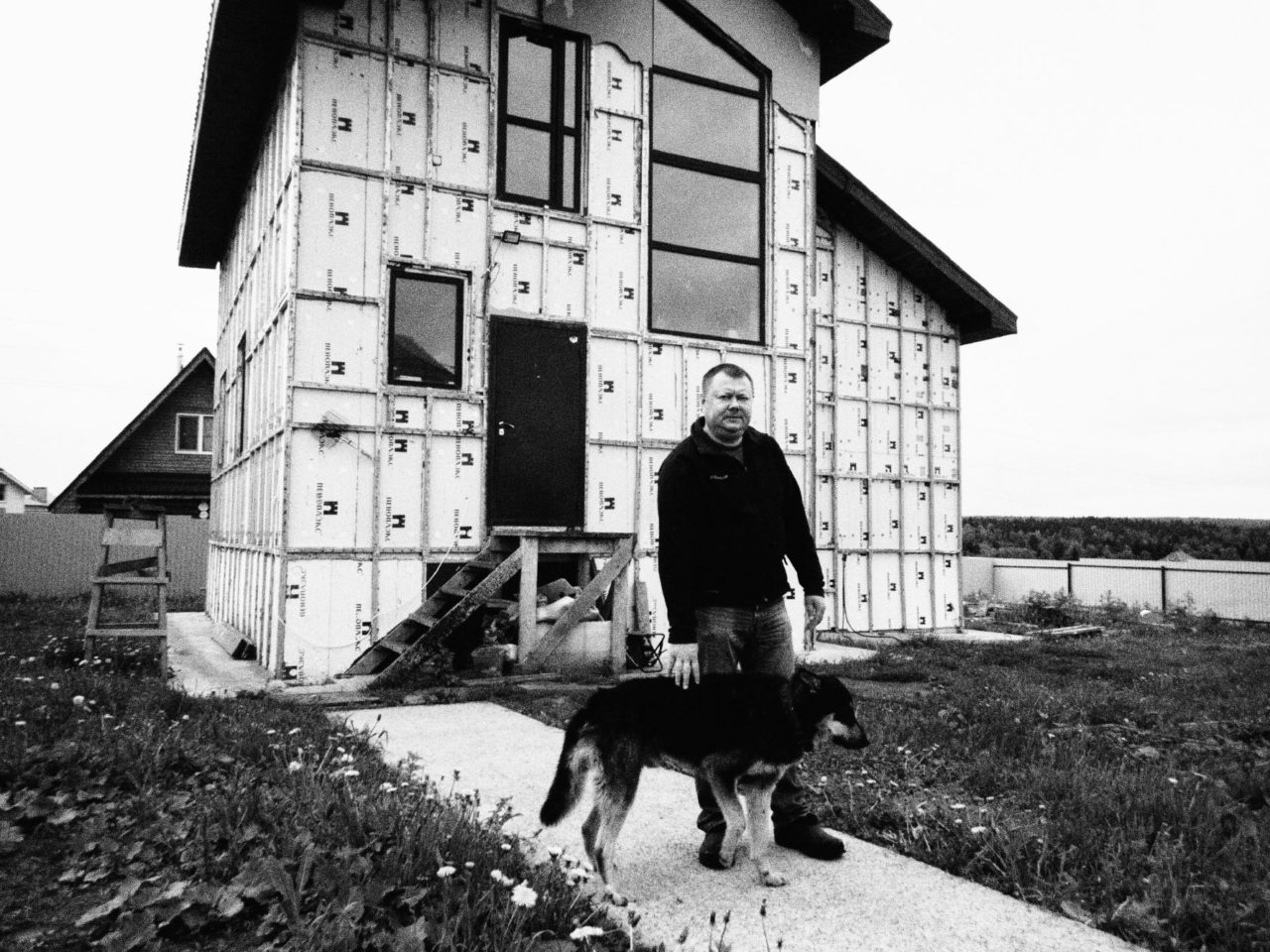 Dmitry at his house, microdistrict prohibit photo: Evgenia Zhulanova/Schschi for TD
The complaint to the European Court Tatyana Protsenko was a lawyer Lyubov Turova, a resident of the Perm district of the PRRUD, who also received an order to demolish his house. The PRRUD District is located twenty kilometers from Adishchev, there are already 54 decisions on the demolition of houses located in the security zone of the oil pipeline. According to Turova, the representative of Transneft publicly stated that it was planned to submit about a hundred similar claims.
Residents of the Farade and Adishchev cannot sue with Transneft collectively - documents are submitted at the place of residence.
“And so we have a lot in common with the Zaprudsky,” Tatyana Protsenko grins. - For example, we have a common oil pipeline.
Caution, oil pipeline!
Perm is a very elongated city, multi -storey buildings alternate with private, many forest plots, the total area of city forests occupies almost half of the territory. The dam is a former state farm fields surrounded by forest on the one hand and Lyadovsky tract on the other. Dmitry Semerikov comes out to meet us - how he went out to meet an ambulance, taxi drivers, any delivery, because his house has no address in the prohibition and the navigator does not “see it”.
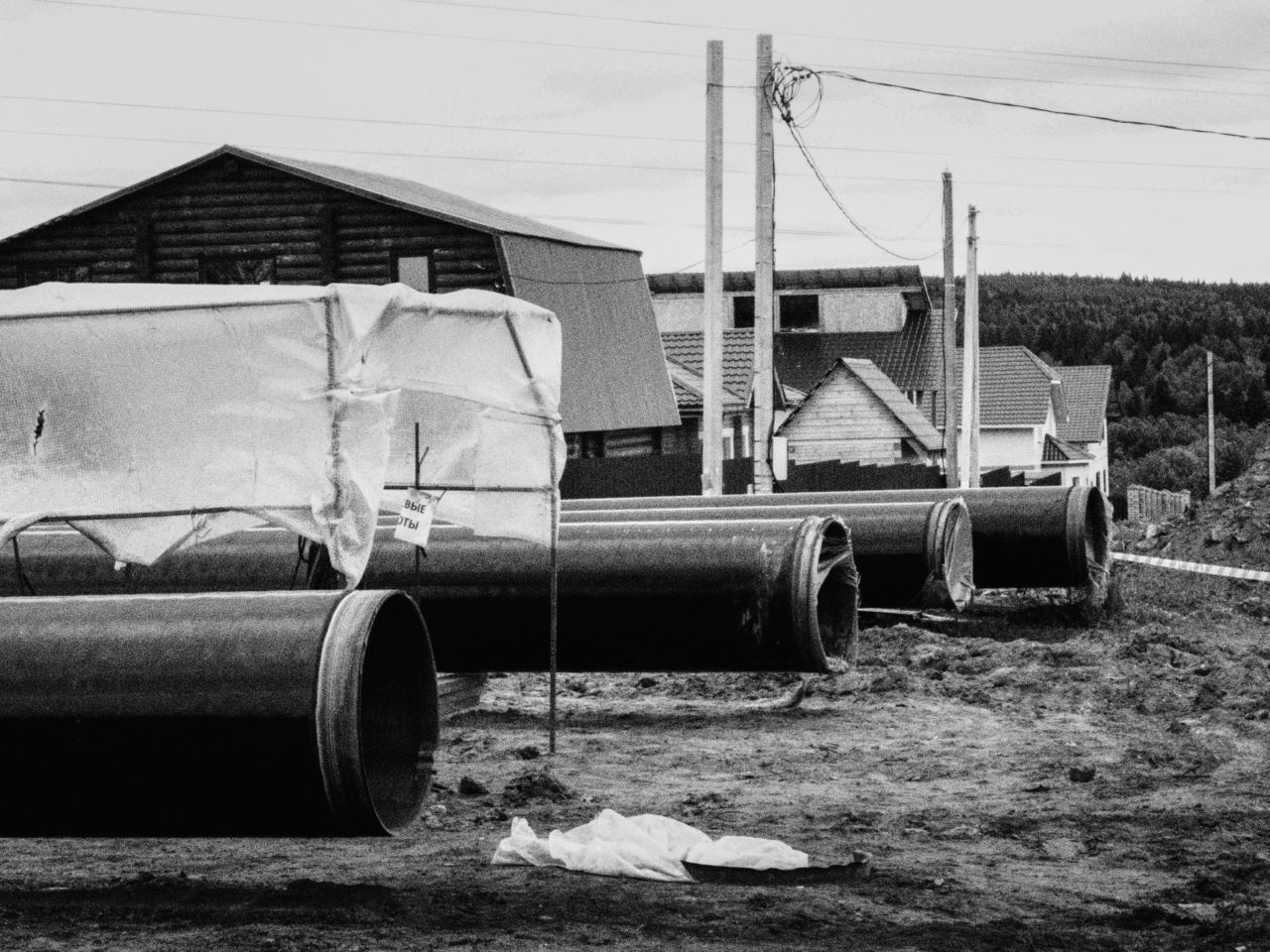 Repair of the gas pipeline next to the oil pipeline in the PRODEL PHOTO microdistrict: Evgenia Zhulanova/Schschi for TD
The House of the Semerikov family is their only housing, Dmitry bought a house with a land plot in 2014. For purchase, he issued a mortgage loan at Sberbank for the next fifteen years. Now he lives in the house with his wife Olga and two children, the youngest, Ivan, recently turned a year.
- Do you know how a mortgage is given? - Dmitry takes out a weighty folder of documents and says that the last two years filled with endless trials carry it with him all the time. - Our house is a deposit, all the necessary inspections of the collateral property are made by the bank, Sberbank in our case.
Sberbank even spoke in court by a third party in the Semerikov case, demanding that Transneft refuse to demolish the demolition, since he conducted all the necessary legal inspections of the house and land and did not reveal any violations. The court ignored these arguments.
 Love in his house, microdistrict prohibition photo: Evgenia Zhulanova/Schschi for TD
 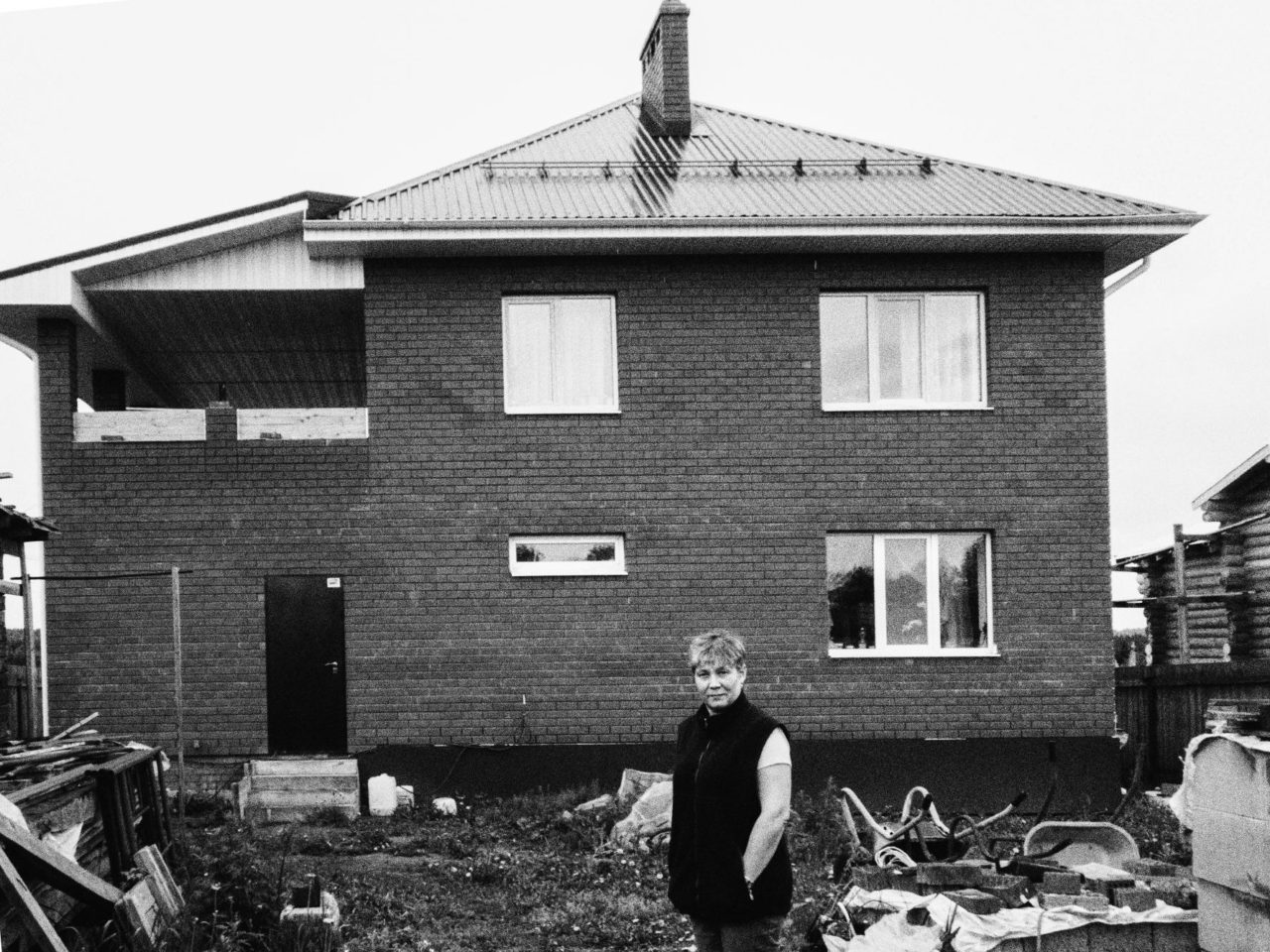 Love at your home, microdistrict prohibition photo: Evgenia Zhulanova/Schschi for TD
“The most interesting in this whole story is that they don’t take the land from me,” says Dmitry. -I can be on the site with my children, grow some agricultural crops there. I say: “Well, what then embarrass the fence and the house? And if I put a tent? "
In 2006, a ruined state farm decided to distribute land shares to its employees, who later resold them further, having previously leased a small segment of the land for rent to the oil industry workers. On this earth, according to local residents, Transneft paved a new thread of the oil pipeline. The company itself claims that the oil pipeline was always here and in the two thousandth it was only repaired.
“I myself am an oil industry, I worked in Lukoil and built oil and gas pipelines, I know how the approvals are going on,” says Dmitry. -There was no talk about demolishing something, we even have a road that was only in the project, bypassed through the forest, made a clearing. Everyone agreed with land owners, then made a reclamation, sowed the places through which the pipe passed.
 Village Adishchevo photo: Evgenia Zhulanova/Schschi for TD
He leads us along the oil pipeline, where there are warning veils. “When I bought a house, there were no close to them,” the man is getting excited. - You think when I chose the house, there was a sign: “Attention, dangerous: a gas pipeline and an oil pipeline”? No, there was a huge shield: "Sale of houses and plots."
"Leave people alone!"
- Am I like an idiot? - Lyubov Turova came from one court and will soon go to the second, she sets on the table to eat for the first time in a day. - I am a lawyer, of course, when I bought a house, I checked it thoroughly. And, of course, no one knew about any oil pipeline.
Lyubov Turova bought a land plot in the prohibition in the spring of 2012, and by the end of next year, her family finished building a house there. “My documents are absolutely clean,” says the woman. - It clearly says that these are lands of settlements, existing restrictions and encumbrances are absent. There was a permitted conditional type of use of this land plot - a personal subsidiary farm, that is, I could build a residential building, this house could be registered. ”
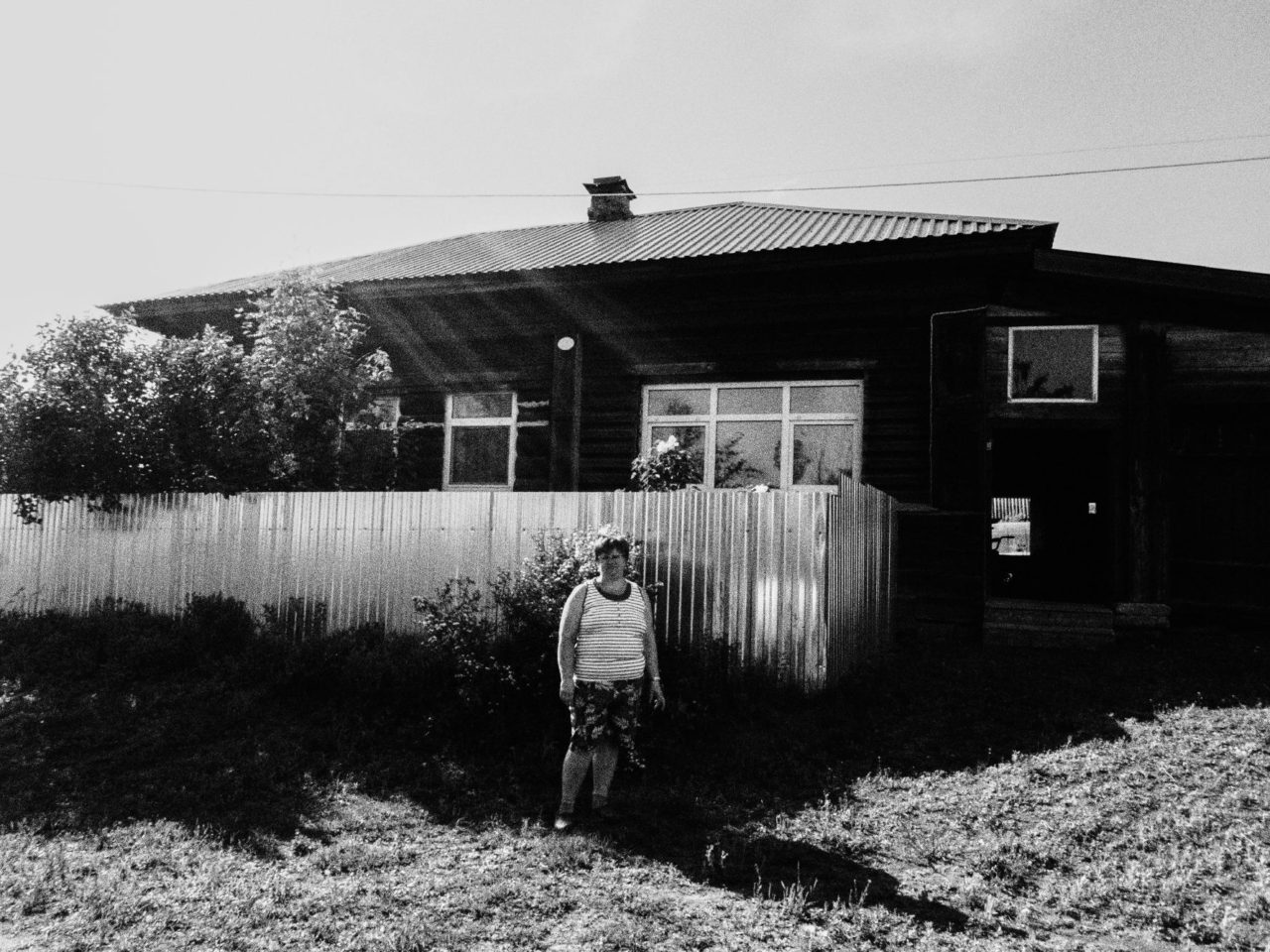 Elena at her house, the village of Adishchevo photo: Evgenia Zhulanova/Schschi for TD
 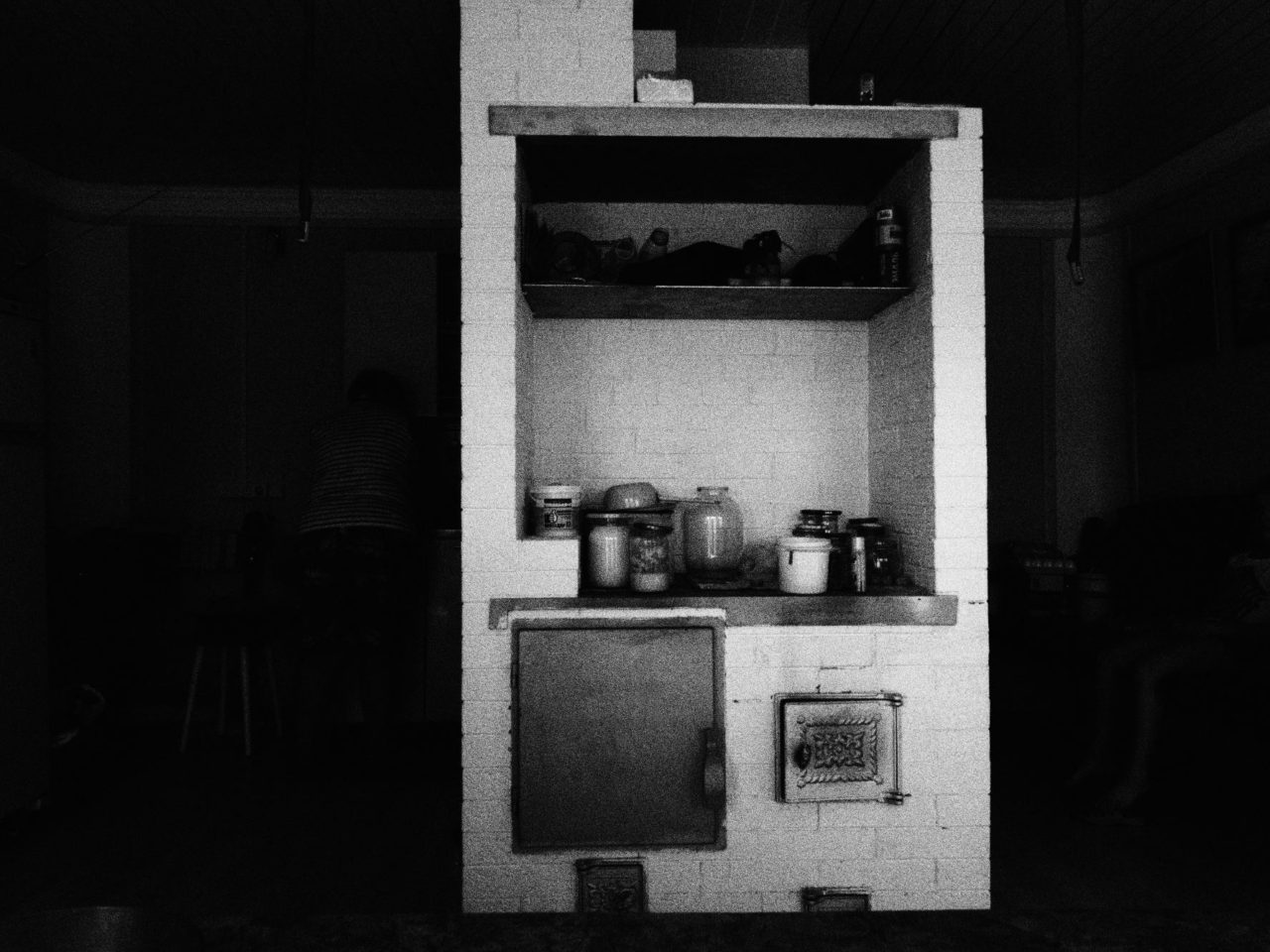 In the house of Elena, the village of Adishchevo photo: Evgenia Zhulanova/Schschi for TD
Already after people bought plots, the Perm administration without a public hearings made changes to the rules of land use and development of the city. “They removed the conditional type of permitted use that we could apply,” says Lyubov Leonidovna. “And thus, people today have lost the right to somehow legalize their housing.”
Turova suits, sits in the archives to prove that the oil pipeline was built in the two thousandth years, and not earlier, submits appeals and organizes city rallies. “I recently saw my grandson for the first time just now,” she says. - I have already have no personal life for a year at all. I can’t drive away, because they will definitely make some dirty trick. You will come, but here you are not your house, only excavators are standing. ”
In June 2017, a resident of Chelyabinsk phoned a direct line with Vladimir Putin. She said that her garden plot, which she used since 1981, fell under a new, increased security zone of the gas pipeline, after which she was obliged to demolish the house on this site at her own expense, without compensation. The woman asked the president if he considers it fair. “Unjust! - answered the President of Russia. - I think that this law must be changed. In any case, those people who have already built there - they need to be left alone. Of course, you need to do everything to ensure the safety of people, but they need to be left alone. I’ll do everything to make this decision take place. ”
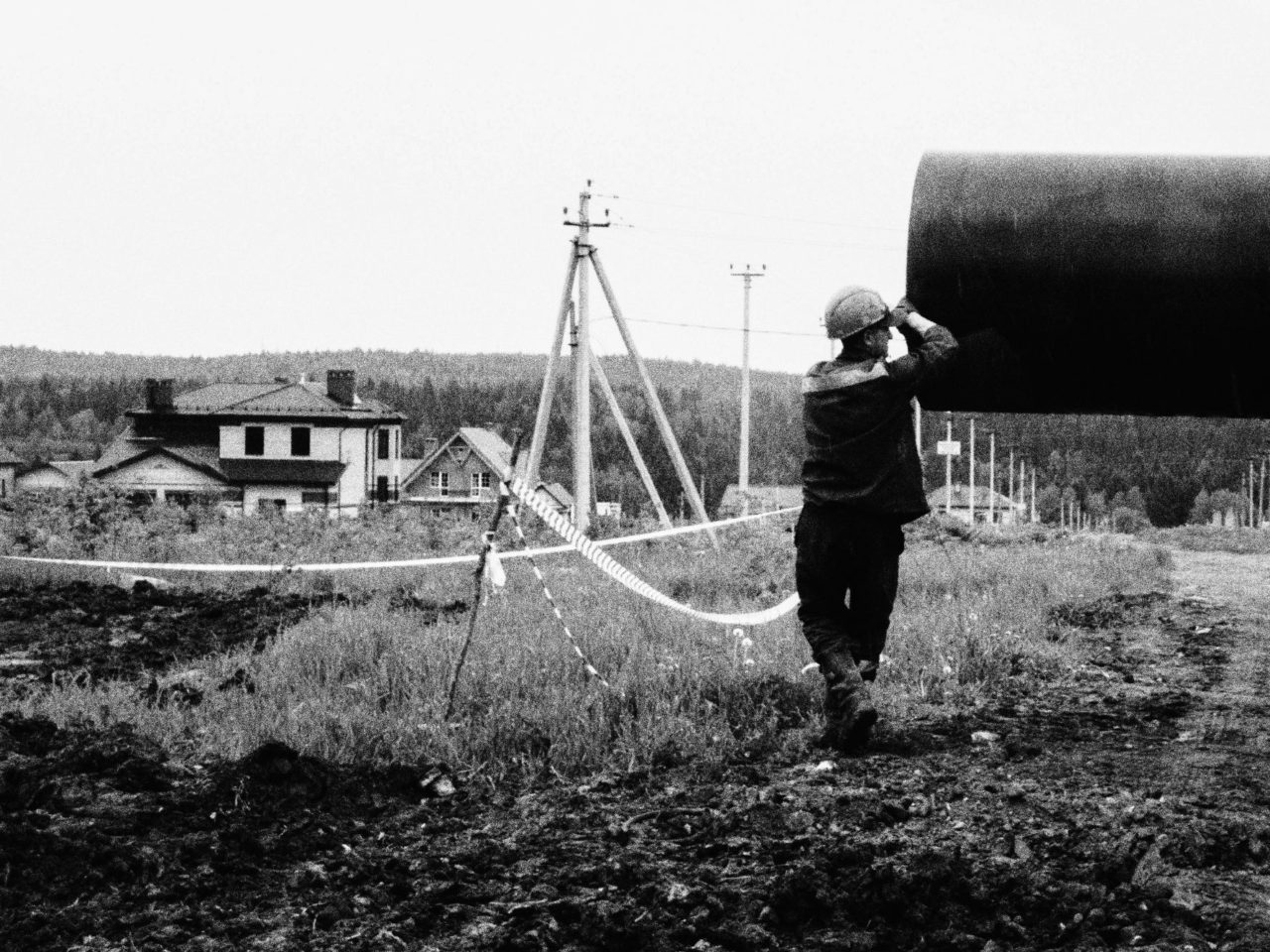 Repair of the gas pipeline next to the oil pipeline in the PRODEL PHOTO microdistrict: Evgenia Zhulanova/Schschi for TD
The inhabitants of the Farade and Adishchev also called a straight line and sent dozens of SMS. Turova is sure that precisely because there were many such messages, Chelyabinka and brought live. The point is not in specific areas and houses, she says, simply legislation related to the conduct of oil and gas pipelines, so vague and so poorly performed that this obviously implies conflict situations. She hopes that the president’s words will affect something-or at least they will be an additional argument in the courts.
“I understand that many do not care, but we just fight for our housing,” says Dmitry Semerikov. - This, of course, is so, I am not twenty years old to start all over again. But still, it seems to me that when people can be deprived of at home just like that, by click, it is more global than the fact that my family and I will go to a rented apartment again.
The head of Perm Dmitry Samoilov said that the development of a “centralized resolution of the issue on such buildings is at the federal level”, and added that “you need to look and find a compromise”. Now under the city government there is a working group, but the city authorities could not give an operational comment on its current decisions “such matters”. However, it was the city authorities of Perm in April that Transneft agreed that the company would not present court decisions on the demolition of housing in the security zones of oil pipelines. However, in what form this agreement was concluded, the press service was not informed, while there is a decision to demolish houses, they can be transferred to the bailiffs at any time.
Save
The struggle for rights