Translated material
How is it done in Paris
Tatyana Yurasova, author of the Mytishchi Gate investigation, was looking for falsifications in the parliamentary elections in France
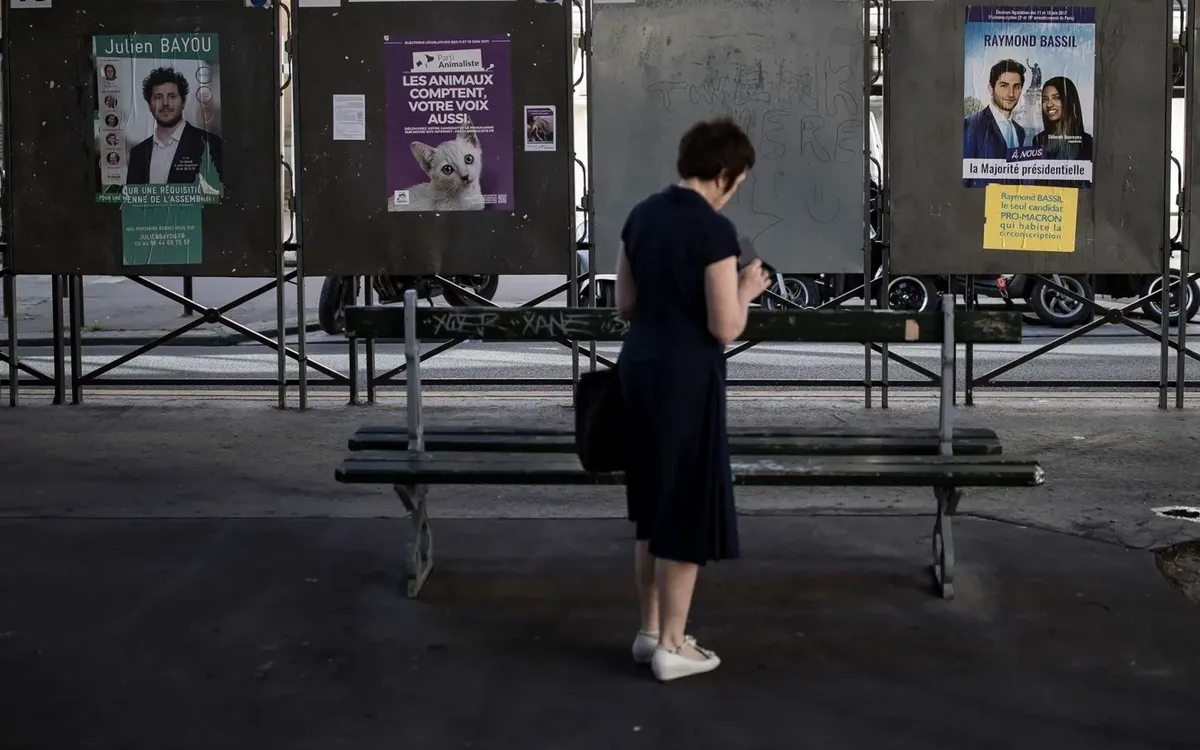
The French make many complaints to their electoral system. But at the same time, even the opposition trusts the election results. Together with the author of Novy Voice, the author of the Voice, who watched the second round of voting to the France Parliament as part of the European platform for democratic elections (EPDE), were convinced.
“Standing? For what?"
The clock on the tower of the City Hall of the 15th district of Paris, an impressive building of the second half of the 19th century, pierced eight in the evening. The huge hall of meetings, in which three polling stations are located, instantly came into motion. In our site No. 002, the last voter lowered the envelope into the urn with the ballot of his candidate. “Monsieur N voted,” said the chairman of the election commission, Madame Francoise Malassis. Two members of the commission immediately buried the voter books, considering the number of voters, two more began to move the tables.
"Why are they not extinguishing the ballots?" - Colds inside me. However, after a moment I understand that in France the ballot is not a document of strict reporting, which means it makes no sense to extinguish unused forms. In Russia, the election is usually used in the elections, common to all applicants to the ballot; Like banknotes, it is protected from fake and printed centrally. In France, each candidate himself prints his ballots, and in the absence of money draws them by hand. A document like an ordinary leaflet without any brands with a hologram and watermarks looks like. Keeping the secret of choice, the voter is gaining ballots of different candidates. But in the voting booth, only one candidate puts in an envelope. If no one suits, it leaves the envelope empty or seals two or more ballots into it.

Logically, the 63-year-old Philip Guzhon should defeat the right-centric candidate from the Republicans. He has been the mayor of this prestigious district of Paris for 9 years, and most likely he has “everything is captured” here. I am interested in how an administrative resource works against a 38-year-old consultant in the field of communications of Olivia Greguar from the movement of President Macron “Forward, Republic!”.
Meanwhile, Madame Malassis reads a list of voters who agreed to help with the vote count. Such a proposal was made to many, as a result, 16 volunteers volunteered. We met one of them, his name is Alain Valsemo. He said that for the second time he voluntarily participates in the calculation, and explained why: “I am a supporter of democracy and I think that it is important to follow democratic procedures.”
When all the volunteers settle down, Madame Francoise bypasses the tables and instructs people regarding the order of counting. In contrast to our collective action among the French, the procedure is somewhat reminiscent of the conveyor: one takes the ballot from the envelope and passes it to the second, he looks and calls the name of the candidate, the other two volunteers, independently from each other, fill the corresponding cell in the statement.
Behind the bustle with the volunteers, I miss the moment when they opened the ballot box with ballots. The envelopes extracted from it suddenly find themselves on the table, and the commission members begin to put them in piles. No one controls them. The observance of the procedures in all three areas is watching one lami, sent from the prefecture of Paris. There are no independent observers as such. On a vaulted ceiling painted in the style of art deco, not a single video camera is visible. Even an inexperienced falsifier would not be difficult to put a certain amount of charged envelopes.
Alain and three more men are sitting at the nearest table, two motorcycle helmet under the table. A member of the commission brings them a stack of 100 envelopes, and volunteers begin to count. “Guzhon, Guzhon, Greguar” ... My attention is aimed at the one who takes out the ballots from the envelopes. Theoretically, he may well throw a dozen. During the break, I ask Alena about the probability of stuffing. “Standing? For what?" - The face of the Frenchman reflects complete misunderstanding.
Perhaps he has never heard of such violations. I admit that in France they do not know about the existence of stuffing at all. Nevertheless, I am embarrassed by the number of loopholes for potential falsifiers.
Municipal filters are not provided
The building of the city hall of visual agitation is not visible for the candidates. But it is full of adjacent streets. Three smiles from the posters placed on special stands: Philip Guzhon - in addition to his photo, he also published election promises from eight points; His rival Olivia Greguar, and instead of the program of action, is a photograph of Emmanuel Macron. Similar posters with photographs of candidates without a political background paired with the recently elected president of all Paris.
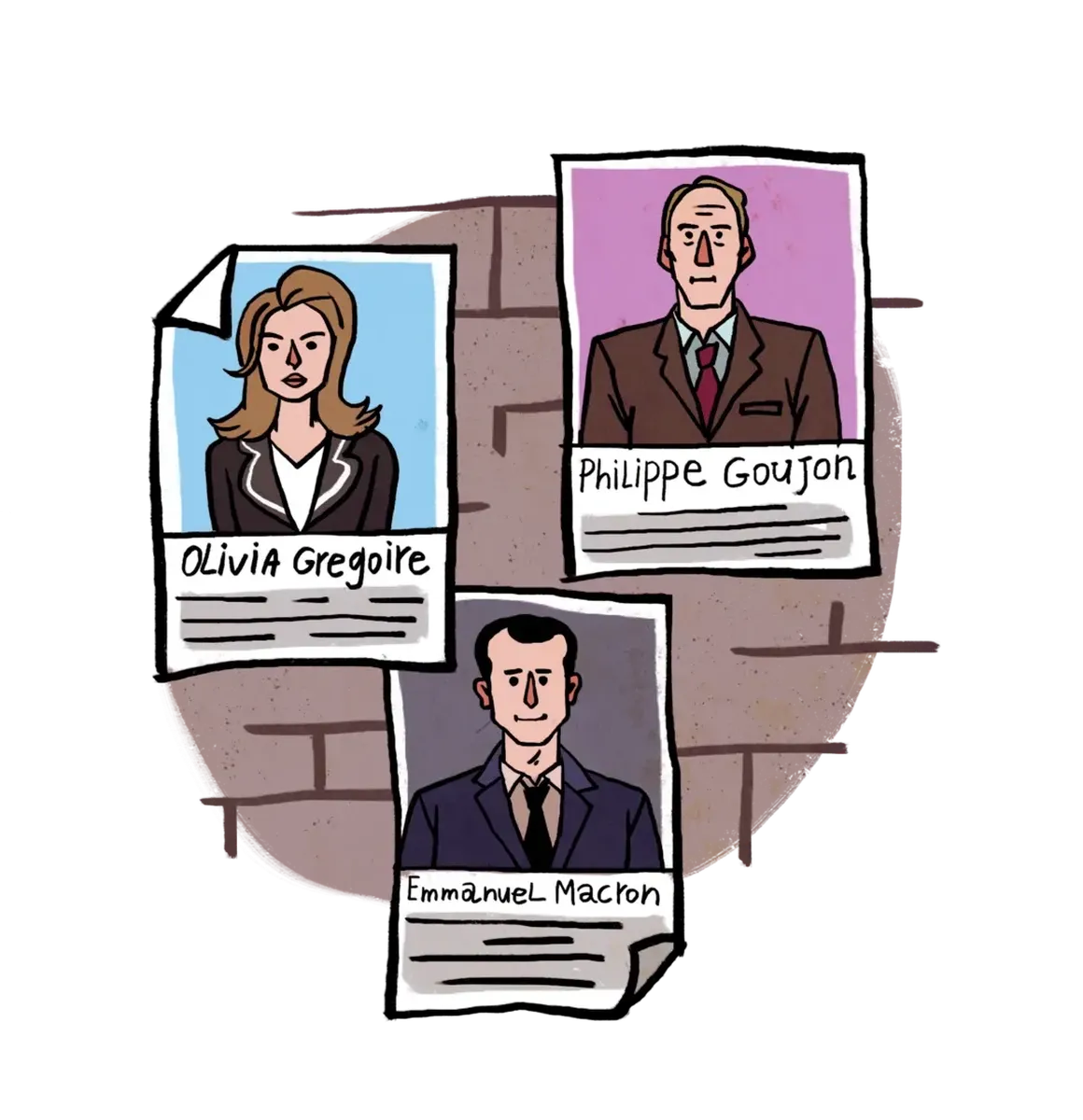
Unlike Russia, becoming a candidate in France is very simple. To do this, you do not need to collect signatures, make a deposit and consist in the party, except to find money to print ballots. According to the law, it is enough to submit an application to the prefecture: it is this body of the region’s executive branch that organizes elections, as well as be older than 18 years and have all civil rights, told us, the group of observers and elections researchers, in the Il de France Prefecture. This is something like the administration of our federal district: Il de France with a population of over 12 million people includes Paris and seven more departments.
In the futuristic building of the prefecture on Leblan Street, four commissions are engaged in elections. One checks whether the law consistent with the law of the candidate, including the ballots made by him. Another commission sends materials to the sites, as well as voters; The third checks how the precinct commissions comply with the procedures, and the fourth, together with the magistrate, considers the received protocols for violations and approves the results.
“Every week we examined more than 360 statements of candidates, this is a huge job, we even had to attract volunteers for a little compensation,” said Francois, head of the Prefecture Department for the election, protection and economic regulation.
- And how many failures were there? - We ask by chance.
- Not a single one! One applicant himself withdrew his application, ”the official replies.
The prefecture is also involved in the work of the municipal commission under the district city hall, which is engaged in voter lists. Register at the city hall, a citizen receives a voter card - only when it is presented, together with the identity certificate, he is allowed to vote at the site at the place of registration. Apparently, therefore, none of the French people interviewed I have never heard about the “carousel”. However, as well as about fraud with absenteeism and voting at home, since there are simply no early and submarine will in France. True, the voter has the right to vote by proxy, but not more than two people.
In addition to prefectures and municipalities, the Ministry of Internal Affairs is also engaged in the organization of elections, in the field of its competence, cutting of electoral districts and summing up the final results.
“We are not a vertical, but a decentralized electoral system,” says Jilly Gilali Gerza, head of the strategy and analysis of the prefecture of the prefecture. He does not hide that the prefecture performs political tasks. Including he is engaged in election analysis: he conducts closed polls of public opinion and prepares forecasts for the government on the turnout and results. One can only guess what advantages this information of the ruling party gives, and absolutely for nothing.
- Yes, the president appoints all prefects, but they are constantly changing, Monsieur Gerza anticipates the question. -In order to remain independent and act in the interests of the state, the prefect holds its post on average for two to three years.
My attention is attracted by the activities of a commission engaged in the verification of campaign materials. In French, its name sounds ominous: a commission on propaganda. What criteria are evaluated by candidates and what happens if the leaflet, according to the commission, contains an appeal to extremist activity?
“No, no, the commission has no right to have its own opinion,” Madame Francois is afraid. - We are interested in compliance with technical requirements: for example, whether there is not a candidate of an image of the French flag on the ballot - this is prohibited by law.
In parting, the employees of the prefecture once again recall that one of the main tasks of their institution is to provide all candidates with an equal relationship. How equidistance is in practice, it is best to find out from the candidates themselves.
Press, money, two loans
- France looks like an exemplary democratic country, but in fact it is a Potemkin village. Therefore, people do not go to vote, ”Valran de Saint-Just, heading the party’s department in the Il-de-France region, immediately sets all points over the“ I ”of the treasurer of the National Front. He has been participating in the elections since 1989, but his 18th campaign has developed unsuccessfully: in the first round of elections, he scored 3% and dropped out of the race. The party also did not speak out: if almost 11 million French people voted for its leader, Marine Le Pen, after the 1st round of parliamentary elections, the National Front received only about three million votes. The result of the 2nd round will be even lower-less than 1.6 million votes.
In failures, Mr. de Saint-Just blames primarily the media and the existing system for financing candidates. “In this election campaign, all the media were on the side of Macron,” he complains.
- They did not give you time on the air? I am surprised. In the prefecture, we were informed that all applicants are allocated for free and in equal quantities, for which the special department monitors. It is forbidden to buy air over this in the last six months before the elections.
- No, time was provided, but without taking into account the content. They will give a 10-minute plot and tell what our party is bad!
According to Valran de Saint-Just, the problem is not in journalists, but in the monopolization of the French media, 80% of which are controlled by five oligarchic groups. As an example, he cited the most popular BFM TV news channel, which is part of the NEXTRADIOTV group. “Monsieur Weil (founder and owner of NEXTRADIOTV.— T. Yu.) Himself supports Macron, and journalists will support him,” the politician said convincingly. Ironically, in the municipal elections of 2014, BFM TV received a warning from a media regulator just for the fact that the National Film Crontant provided more broadcast than other parties.
Even more complaints from Monsieur de Saint-Zhust causes financing the election campaign. Candidates can use three main sources: donations of supporters (unlike Russia are forbidden to sacrifice to legal entities), own funds and money of the party. According to the law, if the candidate received more than 5% of the vote, then subject to a number of conditions, he has the right to reimburse about half of his expenses. “Between the moment when you pay printing houses for leaflets, and the moment when you reimburse the costs after checking the financial account, it takes six to eight months, so candidates take loans,” explains the funding mechanism for the treasurer of the National Front. According to him, Emmanuel Macron easily received 8 million euros, like the extreme left Jean-Luke Melanshon; But when a presidential candidate from the National Front turned to the same bank, she was openly refused. Previously, on the air of BFM TV, he even called that bank - HSBC. Mr. de Saint-Zhuste did not go away with us in particular, he only stated indignantly: “Madame Le Pen did not receive a Santima!”
For this reason, the party leader is forced to look for money for elections abroad. In 2014, she received a much noise loan of 9 million euros from the first Czech-Russian bank. Information on the return of the amount could not be found. In March, the MediaPart publication published documents indicating an attempt by Marin Le Pen in the summer of 2016 to receive a loan at the Russian Strategy Bank in the amount of 3 million euros.
“We wanted to get a loan for these election campaigns, but the bank has withdrawn a license,” admits Mr. de Saint-Just. “They tried to find another bank, but did not find it.”
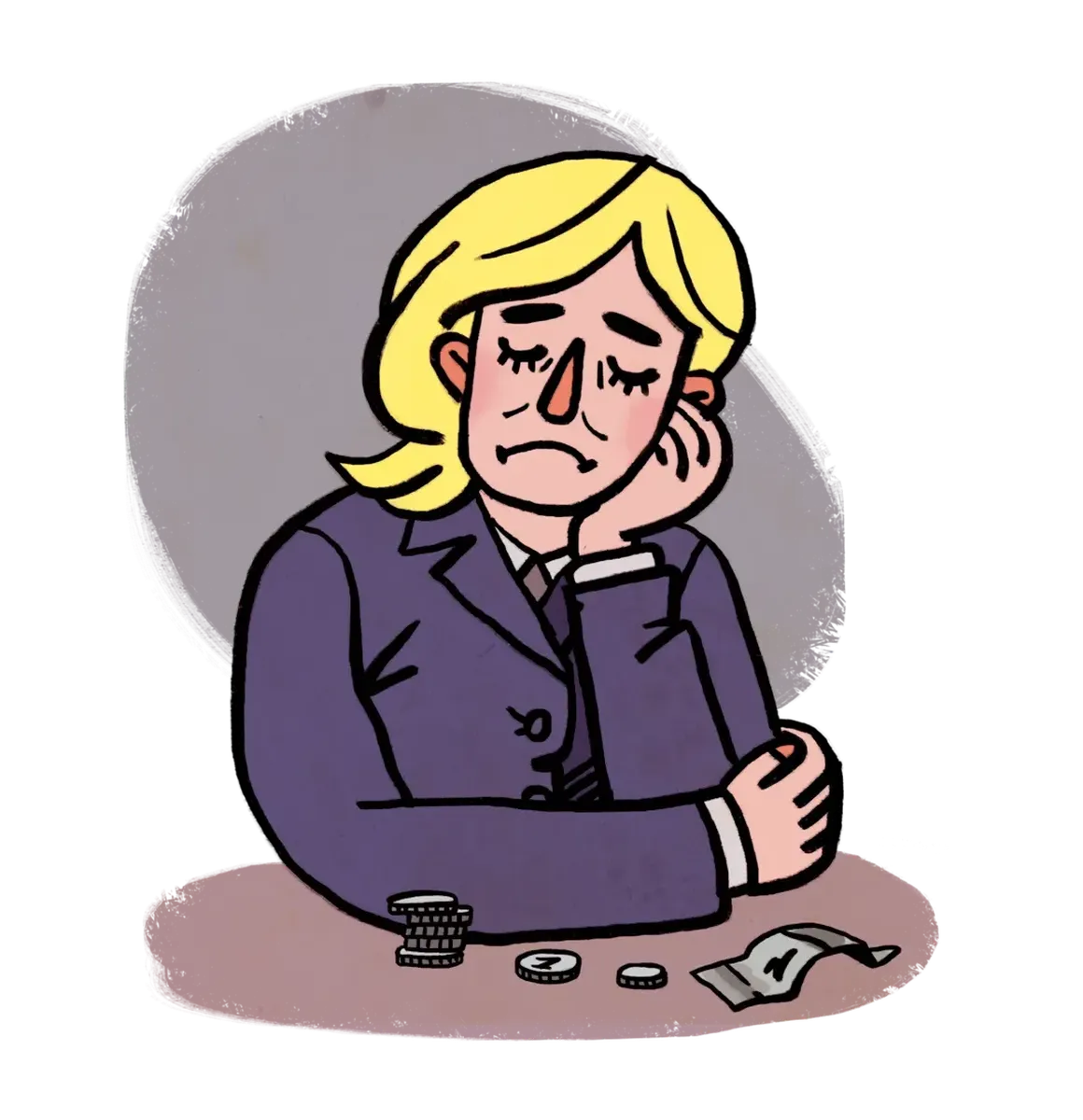
A similar financing system, when candidates depend on banks, in his opinion, is unfair and harms democracy.
- And the support of the supporters of the party? What share is the donations? - We are interested. In France, a private person may donate a party up to 7.5 thousand euros. Given only the party members, and there are more than 85 thousand of them, a decent amount can be obtained.
“600 thousand euros,” Mr. de Saint-Zhuste answers without enthusiasm. According to him, the president and his party are supported by wealthy people, for them to sacrifice 7.5 thousand is not a problem, therefore, “Forward, the Republic!” collected almost 9 million euros. And the support of the National Front is simple and not very rich French, donating 15-50 euros.
- And how honestly is the vote itself?
- Oh, plots, ballots - there are no problems here. There is practically no significant deception in the elections.
When even the representative of the opposition party, the honesty of the elections is not in doubt, this says something. Nevertheless, with an equal attitude towards candidates in financing matters, not everything is clear yet: who is nevertheless more equal to the admin resource? I expect to receive answers to my questions in the National Commission for Control over the Viewing and Financing of Political Parties (CNCCFP) - it is this administrative body that decides to whom to reimburse the costs of the campaign and who does not.
On a financial hook
“If banks do not want to finance candidates, we cannot force them to give money,” Francois Loero, chairman of CNCCFP, shrugs their hands. Its office is located in the very center of Paris, the name “Saint Frends” was preserved on the facade of the building-earlier there was a headquarters of the ruined textile empire, for which the Lyon weavers worked.
In contrast to Russia, where the abdominal monitoring of political financing is carried out, the French commission is a kind of accounting chamber that specializes in the elections and does not depend on the government. Actually, just the post of president of the Accounts Chamber and occupied Monsieur Logoro before his arrival in the commission 13 years ago. From Wikipedia, I learned that he was 80 years old, he is a gentleman of the Order of the Legion of Honor and other higher awards of France. Perhaps, even if desired, it is difficult to press a person with such a track record and reputation.
As it turned out, not only the National Front Marin Le Pen, but also other non -parliamentary parties experiences difficulties with loans. “The leader of the Democratic Movement party Francois Bayra ran for three times, but never could get a loan. Emmanuel Macron received a loan only for very difficult financial obligations, ”Mr. Lozho recalled.
The reluctance of banks to give money for elections becomes a big problem for the electoral system, he admits, and the government discuss the plan for creating a special bank. At the same time, a bill has been prepared prohibiting candidates to accept donations from foreign states and organizations. “This is a consequence of history with the receipt of a loan from the first Czech-Russian bank,” Lozho explains.
- It really was a loan, not money laundering, what was Mrs. Le Pen suspected of?
“We checked that loan - it was a real loan,” said CNCCFP chairman.
The commission observes not only sources of funds, but also so that the candidates do not exceed certain limits of expenses. They are installed for each type of election. On local ceiling is from three to 25 thousand euros, on parliamentary - 60 thousand euros, and in the presidential election - up to 22.5 million euros. “This is necessary to ensure a minimum equality: so that the candidate and his party, if they have a lot of money, do not suppress political competition,” explains Mr. Lozho.
Actually, for this reason, 30 years ago, the state decided to reimburse the pre -election expenses of candidates, hoping to reduce the volume of shadow financing. Before that, it paid only the costs of campaigning: ballots, programs of applicants, etc. And candidates with ties received significant advantages: in the form of access to closed funds, services and secret financing, such as the Communist Party, which received assistance from Eastern Europe and the USSR. “All this was opaque, and scandals periodically arose,” recalls Mr. Lozho. Therefore, in the late 80s they began to create a system of state financing-with equal access for all candidates and with clear rules of the game, transparent and understandable.
Now all candidates are obliged to report on their sources and expenses, confirming them documented. If the commission does not receive a report, she shall notify the court. For example, in 2014, he deprived the mandates of four senators. We usually have financial statements are checked by members of the election commission, in fact, the non -specialists helped by a bank representative, professionals are engaged in this in France. In case of confirmation of expenses, the commission establishes the amount of compensation, but not more than 47.5% of the candidate's costs (do not take into account donations). If some expenses are not confirmed, the amount of compensation is reduced. На объем финансирования партий влияет количество депутатов: за каждого она получает дополнительно 37 тысяч евро (у нас платят за число голосов, по 153 рублей за каждый), а также соблюдение принципа гендерного равноправия. Если разница в пользу кандидатов-мужчин составляет более 2%, то партию штрафуют. Так, из-за дисбаланса полов партии республиканцев выплатили вместо 18 млн евро лишь 14 млн.
По оценке Ложеро, по итогам предшествующей кампании в возмещении отказано примерно 1,5—4% кандидатов. В 2012 году экс-президенту Николя Саркози отказались компенсировать 11 млн евро. В процессе аудита у него обнаружили запрещенные источники финансирования, после чего дело передали прокурору республики. Сама комиссия ничего не расследует и лазейки в законе перекрыть не пытается. Как хороших аудиторов, ее членов интересует лишь одно — чтобы государство не переплачивало.
Судя по структуре предвыборных бюджетов, партии уже успели подсесть на господдержку, а это ни много ни мало 28 млн евро в год. По итогам местных выборов 2015 года, пожертвования составляли только 10% бюджета, тогда как 40% приходилось на кредиты и займы, подлежащие возмещению. Чем выше уровень выборов, тем больше доля кредитов, а значит, тем сильнее желание кандидатов получить господдержку. И все же серое финансирование остается, не отрицает председатель CNCCFP.
Вскоре после нашей встречи об отставке объявили сразу четыре министра из союзной президенту партии «Демократическое движение»: функционеров заподозрили в создании в Европарламенте фиктивных должностей для оплаты своего партаппарата. Еще через неделю схожее обвинение предъявили Марин Ле Пен.
Однако французские силовики занимаются не только финансовыми махинациями партий и кандидатов, независимо от их окраса. Во Франции полиция отвечает за работу национальной информационной системы, куда поступают итоги голосования со всех избирательных участков. Это как если бы наша ГАС «Выборы» работала под крышей МВД. Но в отличие от нас, это не рождает у французов сомнений в честности результатов. И мне интересно, почему.
«Зачем вы, русские, всегда создаете сложности?»
— У меня есть только 15 минут, чтобы обнародовать данные с итогами голосования на сайте министерства. Если за это время они не появятся, то на 16-й минуте меня отправят в тюрьму, — шутит заместитель главы Дирекции информационных систем и коммуникаций министерства внутренних дел Филип Дешам, отвечая на вопрос о вероятности введения фальсифицированных итогов в базу данных. Во Франции информационная система (наподобие нашей ГАС «Выборы») действует, начиная с уровня префектур, она не связана с интернетом и дублируется на всех уровнях. Логистика немного отличается от российской: данные с участков не везут в территориальный избирком, где вдали от наблюдателей их подчас «корректируют», а сразу передают по телефону или по электронной связи в мэрию и префектуру, где их вводят в информационную систему. При передаче присутствуют члены избирательных комиссий и добровольцы. Как только результаты со всех 66 500 участков поступают в централизованную базу данных, подчиненные господина Дешама публикуют результаты на сайте министерства. По сути, реальность тюрьмы на 16-й минуте — не такое уж большое преувеличение.
Но еще до появления официальных результатов информация о них появляется на всех телеканалах. Сразу после восьми вечера на ТВ оглашают результаты опросов общественного мнения и данные подсчета с так называемых репрезентативных участков, отражающих общефранцузское распределение голосов. И все они всегда подтверждают итоги, которые позже появляются на сайте министерства. Для убедительности глава отдела информации и коммуникаций Давид Жюйар кивает на огромный монитор в пресс-центре министерства.
«Прозрачность — это один из столпов нашего избирательного процесса, поэтому граждане доверяют результатам выборов», — говорит он.
Не меньшее значение имеет и доверие граждан к самой полиции. За пару дней до выборов в институте опросов общественного мнения IPSOS, известном своими точными прогнозами, мы общались с руководителем исследовательской группы Матье Галларом. Среди прочего он показал график с результатами исследования об уровне доверия французов к основным институтам. Как оказалось, больше всего граждан (77%) доверяют именно полиции. Для сравнения: судам доверяют 50% французов, СМИ — 35%, а партиям и того меньше — 24%.
— Как полиции удается сохранять беспартийность на выборах, если министерство возглавляет политический назначенец президента? — чуть ли не хором спрашиваем Давида Жюйара. Для большинства из нас равноудаленность полиции — это что-то из области фантастики. Например, у себя в Мытищах я не раз сталкивалась с тем, что правоохранители покрывают тех, кто занимался махинациями в пользу «Единой России». Не понаслышке знаю о подобных историях в Дагестане, в Смоленске и других регионах.
— Доверие основано на работе всех подразделений, которых никто не назначает. Мы работали при пяти министрах, — кивает он на своего коллегу Филипа Дешама.
По русской привычке мы с ходу придумываем сценарии возможных злоупотреблений, но господин Жюйар не может представить ситуацию, чтобы министр вмешивался в избирательный процесс. Тем более что во Франции закон обязывает госслужащих не выполнять незаконные указания руководства. «Наша задача — защищать избирательную систему, а вы ищете, как ее обойти», — говорит он с упреком.
Возможно, он просто не в курсе, что в России защита избирательных прав граждан — дело рук самих граждан. Поэтому вопрос сопредседателя «Голоса» Григория Мельконьянца о возможности для избирателя получить копию протокола с итогами голосования ставит его в тупик.
— Это не предусмотрено, хотя и не запрещено… А зачем это вообще нужно? He is perplexed.
— Чтобы использовать копию в суде в качестве доказательства, если вдруг результаты выборов фальсифицируют, — объясняет Мельконьянц. На минуту господин Жюйар теряет дар речи.
— Зачем вы, русские, всегда создаете трудности? — вздыхает он.
Не раз и не два возникает ощущение, что мы живем на разных планетах. Это приходит на ум в мэрии, когда на «наших» участках не обнаруживаем ни одного полицейского — и это в городе, где из-за угрозы теракта у каждой станции метро стоят полицейские с автоматами! Потом выясняется, что по закону ни один вооруженный человек, в том числе полицейский, не может зайти на избирательный участок, так как голосование не должно идти под прицелом. Поэтому избирательные участки в мэрии полиция охраняла «по периметру», тщательно проверяя людей при проходе через рамки. В результате люди спокойно голосовали, потом считали бюллетени: не было ни вбросов, ни «каруселей», ни скандалов из-за наблюдателей и СМИ и, как потом я проверила на сайте МВД, никто не переписывал результаты голосования (оппозиционерка Оливия Грегуар победила действующего мэра, получив 56,75%). У нас на каждом УИК дежурят минимум два офицера полиции, разделяя тем самым ответственность за многочисленные нарушения.

Словно в утешение, Давид Жюйар признает, что нарушения и даже фальсификации бывают и у них, но, как правило, на местных выборах. «После Второй мировой войны никто во Франции не подвергал сомнению результаты общенациональных выборов», — уточняет он.
Меня интересует не столько масштаб нарушений, сколько реакция на них самой избирательной системы. Передает ли она разбирательство в другой орган, умывая руки? В общем, кто расследует и принимает решения?
Нарушения в обмен на мандат
— О, да, махинации у нас бывают, на местных выборах много таких случаев: то «мертвые души» в списках, то кто-то за своих стариков голосует. Пресса просто захлебывается! — смеется индивидуальный предприниматель Ален Берлиоз. Он живет на другом конце Франции, в департаменте Савойя — горном районе на границе со Швейцарией. Я позвонила ему, чтобы прояснить ситуацию за пределами Перифери́к — Парижской окружной дороги. По словам господина Берлиоза, нарушения чаще бывают на муниципальных выборах, но не только; например, в прошлую парламентскую кампанию среди разосланных избирателям рекламных материалов не оказалось программы одного из кандидатов — ее то ли случайно, то ли специально забыли положить в конверт. Из-за нарушения принципа равенства кандидатов результаты выборов были аннулированы. На памяти моего собеседника были и другие случаи с отменой.
Обычно жалобы принимаются после выборов, но кандидат может пожаловаться в суд и в ходе кампании, например, в случае нарушений при проведении дебатов. Суд подобные жалобы рассматривает в обычном порядке. Если он сочтет, что жульническое поведение на дебатах может повлиять на исход выборов, он просто отменяет их и назначает новые.
Но чаще решения об отмене результатов принимает специальный орган — Конституционный совет (не путать с Конституционным судом). Поэтому путь мой лежит в Пале-Рояль, где он находится по соседству с Госсоветом и «Комеди Франсез». Как и орган финансового контроля CNCCFP, его возглавляет очень авторитетный отставник — бывший премьер-министр Лоран Фабиус, также в число ареопага из девяти членов входят экс-премьер Лионель Жюспен и бывший президент Валери Жискар д'Эстен.
— После президентской кампании ни на одном участке результаты не аннулировались. Что касается выборов в парламент, то решения по всем жалобам будут приняты до 28 июля, объясняет уполномоченный Конституционного совета по вопросам выборов Ги Прюнье.
Среди прочего этот орган осуществляет контроль за электоральными процедурами на предмет их соответствия Конституции. Во время парламентской кампании Совет проводит «политику невмешательства».
Обжаловать нарушения кандидат может только после окончания выборов — вплоть до отмены результатов. Пожаловаться может и простой избиратель, правда, лишь на нарушения на своем участке и при условии, что жалоба его занесена в протокол УИК. Все обращения Совет должен рассмотреть в течение месяца, то есть к концу июля.
По словам господина Прюнье, после каждой кампании Совет получает в среднем 700 жалоб, из них 80—100 обращений носят серьезный характер. Если есть основания подозревать, что нарушения повлияли на исход голосования, выборы отменяют и назначают новые, так как пересчета бюллетеней после оглашения результатов не предусмотрено. Обычно аннулируют результаты по 4—6 округам из 120. Как правило, только там, где разрыв между победителем и проигравшим кандидатом очень незначительный. Например, в 1986 году в общий подсчет голосов по округу забыли включить результаты голосования на одном участке, что привело к победе другого кандидата. Поэтому Совет отменил выборы во всем округе. К слову, в некоторых случаях аннулировать результаты может еще один орган — Госсовет. В частности, он отменил несколько выборов в городе Корбей-Эсон, когда победителя (миллиардера Сержа Дассо) заподозрили в незаконных схемах по финансированию кампании, в превышении допустимого уровня расходов и в прямом подкупе избирателей.
Помимо этого, выборы могут отменить, если кандидат не имел права избираться. Допустим, за непредоставление финотчета претендента лишили этого права в Новой Каледонии, а он выставил свою кандидатуру в Париже и прошел. Общефранцузского списка «лишенцев» пока нет, МВД обещает подготовить его к 2018 году. Тем не менее и здесь французы действуют без фанатизма: новоиспеченный депутат может сохранить свой мандат, если на него никто не пожаловался.
Главное отличие их Конституционного совета от нашего Центризбиркома — в способности выносить решение по существу жалобы. Получив обращение проигравшего кандидата, Совет направляет запрос с перечнем указанных нарушений победившему кандидату, а также организаторам выборов — в префектуру, МВД или МИД (для зарубежных участков). Те могут прислать нейтральный ответ или вовсе не ответить, но Конституционный совет все равно выносит решение. У нас разбирательства по серьезным нарушениям тонут в трясине разделенной ответственности: ЦИК перекладывает расследование на правоохранительные органы, а те не в состоянии расследовать по причине отсутствия нужной компетенции, а подчас и желания. Об этом свидетельствует идущая восьмой месяц проверка по факту массовой фальсификации итогов голосования в подмосковных Мытищах. Об этом говорит и статистика: по итогам единого дня голосования Центризбирком передал в правоохранительные органы материалы по 570 нарушениям, а те завели лишь 23 уголовных дела.
Критика справа и слева
— Нужно восстановить прежнюю систему, чтобы сначала избирать президента, а уже потом парламент, а то такое впечатление, что он избирается под президента, говорит Антуан из Проекта политических инноваций Point d'aecrage. В 2002 году тогдашний премьер Лионель Жюспен, движимый своими интересами, поменял порядок выборов: сначала стали избирать президента, а через месяц — парламент. Выборы в Национальное собрание превратились в отголосок президентских, соглашается его коллега Диана. Она не исключает, что лучшим вариантом стал бы единый день голосования. Антуан с Дианой и их друзья — те, кого обычно называют левыми интеллектуалами. С ними мы встретились в Фонде Жана Жореса, чтобы посмотреть на избирательную систему «взглядом слева». Как оказалось, участников Проекта также не устраивает принцип большинства, лежащий в основе избирательной системы. Поэтому они поддерживают намерение президента Макрона ввести в мажоритарную систему элементы пропорционального представительства. Диана даже более категорична: нужно не устраивать гибрид, а полностью переходить на пропорциональную систему.
Схожую критику мы услышали и с крайне правого фланга — от Вальрана де Сен-Жюста из Национального фронта. По его мнению, трудно назвать справедливым представительство, когда за кандидата голосуют 11 млн человек, а партия получает лишь несколько мест в парламенте. Как потом выяснится, Нацфронт получит 8 мандатов, тогда как партия Жан-Люка Меланшона, проигравшего мадам Ле Пен, — 17 мест. О необходимости перехода на пропорциональную систему говорили почти все, с кем мы беседовали. Еще одна проблема, волнующая многих, — граждане, незарегистрированные в списках избирателей. По данным издания L'Express, более 4 млн французов с правом голоса нет в списках избирателей. Фактически не голосует каждый десятый француз!
И тем не менее мне не удалось встретить человека, который бы сомневался в честности и легитимности выборов. Возможно, система устарела и уже не столь эффективна в условиях изменившейся повестки, говорили некоторые, но институты работают. Конкурируют между собой партии и идеи: правые и социалисты не смогли адаптироваться к новой повестке дня и проиграли, уступив место центристам. Делают свою работу СМИ, которые спутали все прогнозы, раскопав злоупотребления кандидата в президенты Франсуа Фийона. Выполняет свои функции МВД, руководствуясь законом, а не политической целесообразностью. Возбуждает дела прокуратура: против правых и левых политиков, а также миллиардеров. Отменяет выборы суд, если те прошли с нарушением. Ограничивают в правах партии и кандидатов, допустивших финансовые нарушения.
— Главное, французы доверяют счетным комиссиям и людям, которые там работают, — говорит эксперт движения «Голос — за честные выборы» Станислав Андрейчук, когда поздним вечером после выборов мы возвращаемся в гостиницу.
— А мы не доверяем никому, все наши процедуры отражают это недоверие, доносится из темноты голос другого коллеги.
— Просто наши избирательные системы направлены на решение различных задач, — резюмирует Андрейчук.