
Translated material
The United States protested in connection with the restriction of diplomatic use in Russia
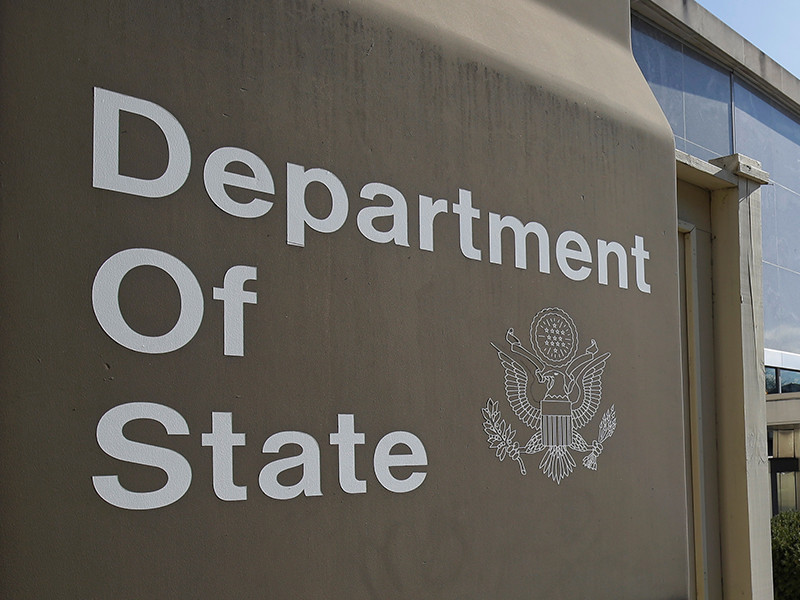
Washington protested Moscow in connection with the decision of the Russian side to respond to new American sanctions, reports The Washington Post . In the Foreign Ministry, the restrictions on the use of property are called retaliatory measures for the new strict sanctions that have not yet been adopted. However, on the night of Saturday, the White House announced the readiness of President Donald Trump to sign the bill adopted by Congress in the current form.
“We are deeply disappointed and protest,” said the head of the press service of the State Department, Heather Nawaert. According to her, US Secretary of State Rex Tillerson and the American ambassador to Russia John Tefft have already brought Washington’s position to the Russian authorities.
Against the backdrop of the introduction of new sanctions against Russia, the Ministry of Foreign Affairs of the Russian Federation on Friday announced diplomatic restrictions on the United States. The agency demanded from the US Embassy on August 1 to suspend the use of all warehouse premises on the road street in Moscow and cottages in Serebryany Bor.
The Russian Foreign Ministry also demanded that by September 1, the number of American diplomats and technical employees working in Russia was reduced to 455 people. It is noted that the same number of Russian diplomats and technical staff is located in the United States.
The Foreign Ministry added that Russia reserves the right to other measures that can affect American interests. According to the deputy head of the department, Sergei Ryabkov, Moscow "does not exclude any steps to bring the United States to feelings."
The new package of restrictions on the part of the United States can become the largest since the beginning of 2014, the document basically applies to the Russian energy sector. In addition, he limits the powers of the president to cancel or reduce the previously imposed sanctions. The final version of the bill is sent to the White House.
The Russian Foreign Ministry in the Russian Foreign Department was called "blackmail, aimed at restricting the interaction of foreign partners with Russia," which poses a threat to many countries and business. The Foreign Ministry emphasized that the law is designed to create "unscrupulous competitive advantages for the United States in the global economy."