
Translated material
The Finnish scientist exposed the myth of combat moose - the heroes of the museum exposition in Karelia
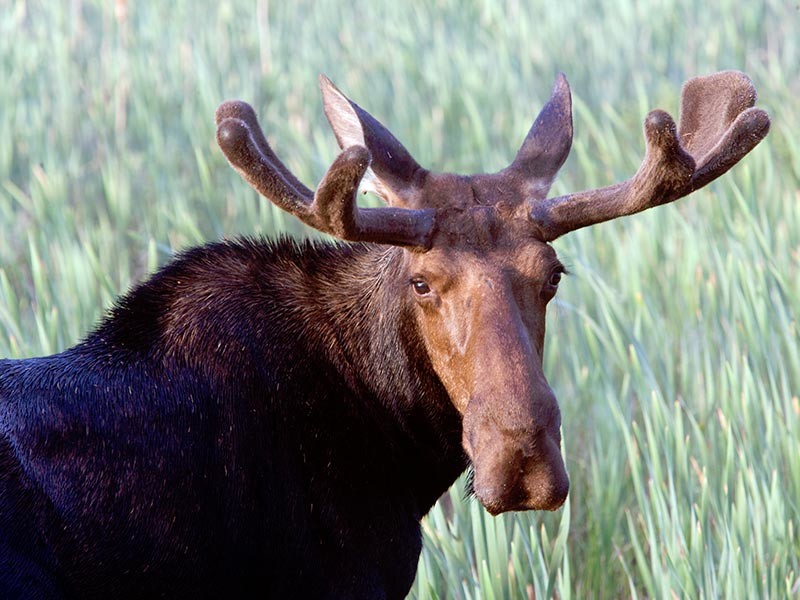
The Finnish scientist exposed the myth of combat moles - the heroes of the museum exposition in Karelia. The Mount Filin Museum itself recognizes that they took information from the Internet, but finally they do not refuse a version of the combat use of moose in the northern wars, the Russian Yle Russian Service reports. The Finnish television channel believes that the museum accepted the Pervom -Aprilian publication for a pure coin.
The story with combat moose at the Museum of the city of Lahdenpokha began in June. Then Yle appreciated the exposition "Filin's Nest" and came out with a report, where the photo of combat moose was called the most amazing exhibit.
Then the museum claimed that moose was tamed in the Red Army in the 1930s. In the USSR there was a special guide for their training. They riding combat moles, and tried to attach Degtyarev’s machine gun to their horns. However, the animals were frightened by the sound of shots, so they were never used to complete a real task. The texture resembled an article by the magazine "Popular Mechanics", which adorned the April issue of the publication in 2010. On the site , however, it is dated March 22, and not on April 1.
After that, a discussion of the authenticity of the information presented by the museum unfolded in the media. And now the Director of the Museum Vadim Gavrilenko admits that the information posted in the museum is completely based on sources from the Internet, and the museum did not advise historians on this issue. He does not refuse his version, but promises to check the information.
Yle received a comment by Professor Dmitry Frolov from the National Archive of Finland. He suggested that museum data can be based on other experiments with the moose that the USSR conducted in the 1930s. “It is true that the Red Army trained moose. However, they were intended for transportation of goods, as well as dogs, camels, horses or deer ... There are several famous Soviet photographs, in one of which the girl sits on the losa, and on the other the soldiers of the Red Army stand next to the moose. But in these photos the moose is not a combat, but a harness,” the scientist says. According to Frolov, "fighting moose is a myth."
Note that the liberty in the interpretation of history by the museum can be seen even on the title page of the official site . On the Big art, the T-34 tank was drawn, which could not take part in the hostilities in Finland, since its serial production began in June 1940. Subsequently, the T-34 became the most popular tank of the Great Patriotic War and one of the symbols of the victories of the Red Army.
The Soviet -Finnish war continued from the end of 1939 to mid -March 1940. The beginning of hostilities led to the fact that in December 1939 the USSR as an aggressor was expelled from the League of Nations - an organization preceding the UN. The war ended with the signing of the Moscow Peace Treaty, as a result of which 11% of the territory of Finland with the second largest city Vyborg departed to the USSR.