
Translated material
You sent mine, I will drive yours
Leonid Mlechin - On diplomatic wars in the USSR
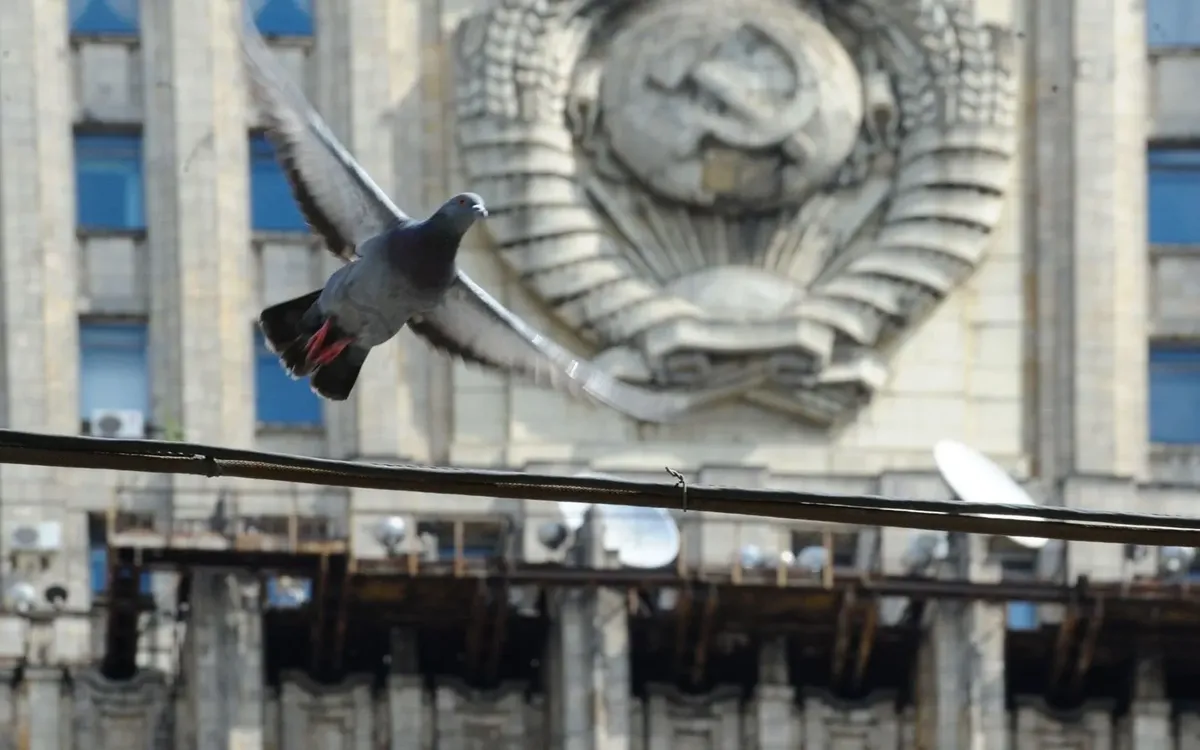
On July 27, the US Congress voted to tighten sanctions against Russia. Even if Donald Trump imposes a veto on the bill, Congress will be able to overcome it. Vladimir Putin said that “it is impossible to endlessly endure some kind of rudeness against our country,” and the Foreign Ministry, without waiting for Trump’s decision, demanded that the United States reduce the number of diplomats working in Russia by September 1.
The observer of the “New” Leonid Mlechin tells how the diplomatic wars between Russia and the USA were held in the past.
The Soviet government initially suspiciously belonged to foreigners. Alien diplomats were perceived as enemies and spies.
The first foreign diplomats who wished to deal with the Bolsheviks who had just taken power in Petrograd arrived from Berlin and Vienna. The German-Austrian mission in cases of prisoners of war was headed by Count Wilhelm Mirbach, who will then return to Russia as a German ambassador and will be killed in July 1918.
Employees of the mission were deprived of the right to freely move around the city. The hotel in which they were settled was guarded by the gloomy Latvian arrows. Mirbach complained about oppression, tried to purely humanly explain that the employees of his mission are “young people” and need motion ... But the People’s Commissariat for Foreign Affairs remained indifferent to the suffering of German and Austrian diplomats. When one young man nevertheless got into the city, he was pretty shocked.
At the beginning of the thirties, the situation in Moscow changed somewhat. The Soviet Union established diplomatic relations with the United States, joined the League of Nations. Diplomatic life in Moscow has become active. Receptions were often arranged. The largest was given in the St. George Hall of the Kremlin on the occasion of the next anniversary of the October Revolution. All Soviet leaders came. The guests danced, drank and ate until the morning. Foreigners quickly became convinced that competing with the owners in drinking and food is useless. By morning, many guests were in poor condition and hardly got home.
Communication with foreigners is dangerous
In the midst of mass repressions, communication with foreigners became deadly. On November 26, 1938, the day after the People’s Commissar of Internal Affairs was appointed, Lavrenty Beria signed an order that said: “In relation to Soviet citizens visiting foreign embassies and consulates, to practice the detention and clarification of the personality of the detainees. The detention should not last more than 48 hours, during which, in the presence of compromising materials, it is necessary to arrest the arrest of the detainees with the accurate compliance with the relevant articles of the Code of Criminal Procedure or release them if there are no necessary grounds for arrest. ”
Not only ordinary people bypassed the embassies, but also the employees of the People's Commissariat of Foreign Affairs shunned foreigners, tried to quickly go to the embassies to go to the embassies.
Enemies became friends
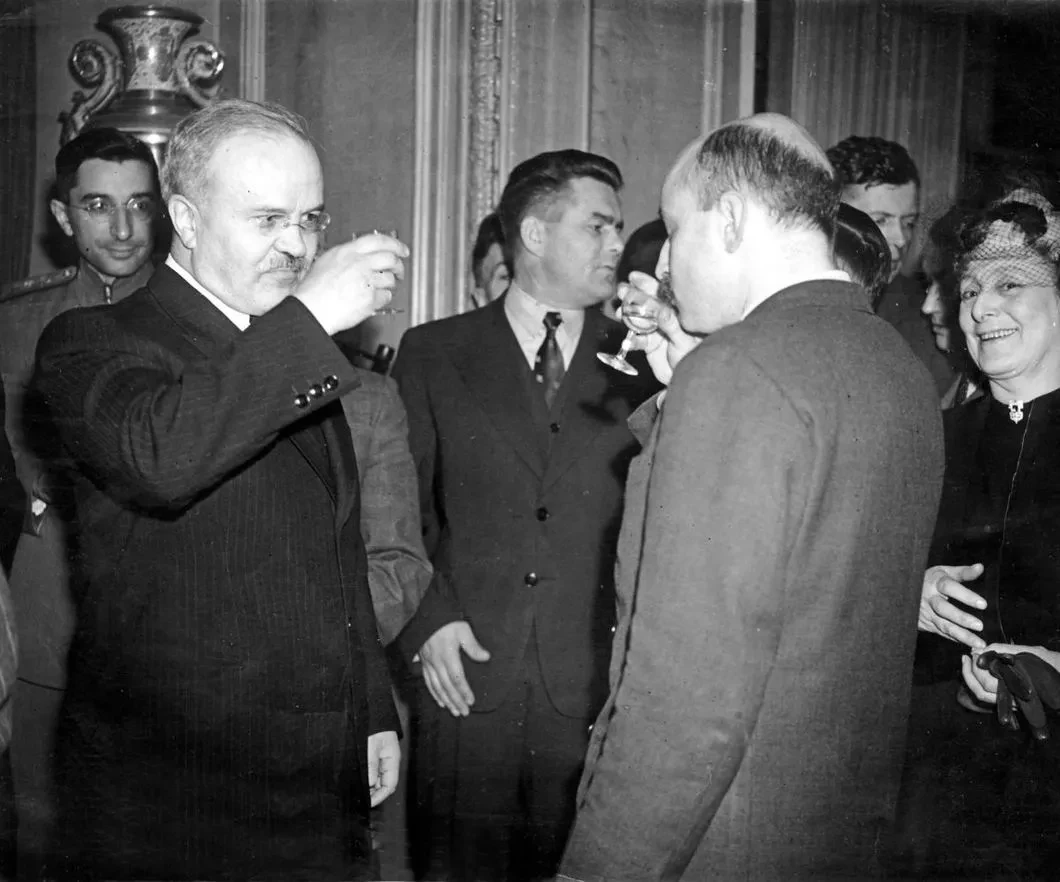
The war, allied relations with the United States and England again led to some liberalization. They tried not to touch diplomats.
Two assistant to the Soviet Air Air Attache in the United States on June 10, 1941 were declared persons Non Grat, but after the German attack on the Soviet Union, they received the right to stay. Foreign intelligence resident in New Jork Gayk Ovakimyan in April 1941 was taken by the FBI officers with red-handed. He was released on bail of twenty -five thousand dollars and were going to judge. After the Germans attack the Soviet Union, the Americans' attitude towards the Russians changed. Ovakimyan was allowed to calmly leave, the deposit was returned.
One of the former Soviet intelligence officers told me that during the war and in the first post -war years in Washington they freely visited the American military ministry and, if the owner of the office was not in place, opened his desk and studied any papers.
Soviet officers were everywhere greeted as allies and friends.
Receptions for foreigners in Moscow, who were arranged by the government and the People’s Commissariat in the hungry of the war years, impressed their generosity and luxury. On November 7, 1943, the writer Ilya Ehrenburg recalled, the People’s Commissar of Foreign Affairs Molotov arranged a magnificent reception in Spiridonovka: members of the government, Soviet diplomats in just introduced uniforms, generals who were hung with orders, writers, actors, journalists. The American journalist enthusiastically told Ehrenburg:
- For the first time in eight years, I feel good in Moscow. That's what the Union means!
At official dinners and techniques, toasts of the most friendly properties were pronounced. But the real attitude towards the British and Americans in the Kremlin remained the same. After the Second World War, the Cold War broke out with renewed vigor.
In anticipation of arrest
The British ambassador Clark-Cerrer complained that in Moscow he lives like in a cage. He was constantly following him. Only one thing comforted him:
- I was surrounded by four, and the other ambassadors were eight people.
The famous American journalist Harrison Salisbury in March 1949 arrived in Moscow by the New York Times: “I began to send letters or call everyone I met in Moscow during the war. I did not get through to anyone and did not receive an answer from anyone. And when he came across friends on the street, they pretended that they did not notice me. Contact with the American "spy" could become fatal. "
The Americans (employees of the embassy and their wives) were not recommended to walk along the streets of Moscow alone. Yes, no one was walking, what kind of joy to wander under supervision?
“Young people of 20-30 years of age were a miserable species,” Salisbury recalled. - As a result of the same training, they were all similar to each other. They wore the same waterproof raincoats, velor hats and heavy boots. One of the May Day days I stood on Red Square and noticed thirty or forty bacons, all in new burgundy or green velor hats, in new yellow boots with thick soles and new gray cloaks - undoubtedly, a gift from the ministry to May holidays. ”
Trips abroad (literally units were released) and contacts with foreigners at their homeland (only high -ranking representatives of the elites were allowed to go to the receptions or watching foreign films to the embassies) were sufficient to factory the case. Soviet translators and secretaries of foreign missions were the first to please bars.
Contacts with foreigners were dangerous, even Soviet diplomats avoided meetings with correspondents, went to the embassy by order of the authorities. On November 14, 1949, they adopted a special resolution of the Politburo: “Due to the fact that employees of the Ministry of Foreign Affairs of the family of their service supported contacts with foreigners and consider it necessary to assign the Chekist service of the Foreign Ministry apparatus to the MGB.”
On July 4, 1951, only a few ordinary Soviet officials came to the traditional reception at the American embassy and left after half an hour. It was a sure sign that the relationship was deteriorating.
Declaring the ambassador of George Kennan Persona Non Grat in September 1952, the United States representative office washeaded.
In the last Stalin year, American diplomats lived in Moscow, as in the besieged fortress, they had the feeling that they could be arrested at any moment.
“It was the worst time,” recalled one of the employees of the embassy. - Events developed according to a very bad scenario, it went to the breakdown of diplomatic relations. The embassy staff was reduced to a minimum. ”
Blows and response blows
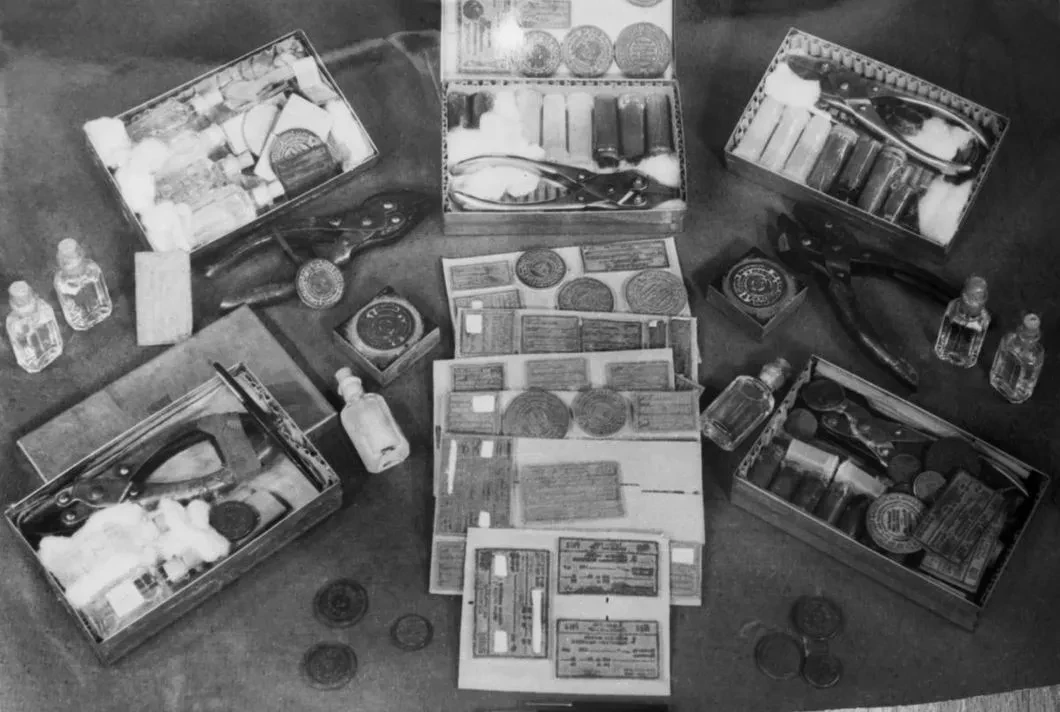
In the late Soviet years, they sent out those who wanted to get rid of.
In September 1971, Oleg Lyalin, an officer of the London residency of Soviet intelligence, went to the British. In Moscow, Major Lyalin served in the department “B” (intelligence-sabotage) of the first main department of the KGB. Division “B” was recruiting agents for subversive shares in case of war and identifying objects on which it will be possible to arrange sabotage.
Lyalin issued everyone he knew; This was for the British the desired reason for the mass expulsion of Soviet intelligence officers. The British have long expressed displeasure of the swollen states of Soviet representative offices in London. There were many more Soviet diplomats in England than English in Moscow. The British suspected that there were few real diplomats among them. The residences of the KGB and the GRU grew to a large extent due to people who wanted to live in the city on the Thames. British counterintelligence was not able to keep track of them.
The British sent one hundred and five Soviet citizens from the country, and the residency had to be formed again. Immediately they introduced quotas to Soviet workers, and there were no people to send as many people to London.
Such mass expulsions happened later. In April 1983, a large group of Soviet diplomats was expelled from France overnight, who were accused of actually engaged in espionage. True, out of fifty -seven, according to experts, only thirty -seven were identified by special services. The action was approved by the then President of France Francois Mitteran. They say that he even selected himself, whom to send from hundreds of “candidates” presented to him by counterintelligence.
Moscow abstained from the response. The blow was strong, but they did not want to spoil the special relationship with France and the president-socialist. When it was about other countries, the Soviet leaders were not so condescending.
Who is sent and why?
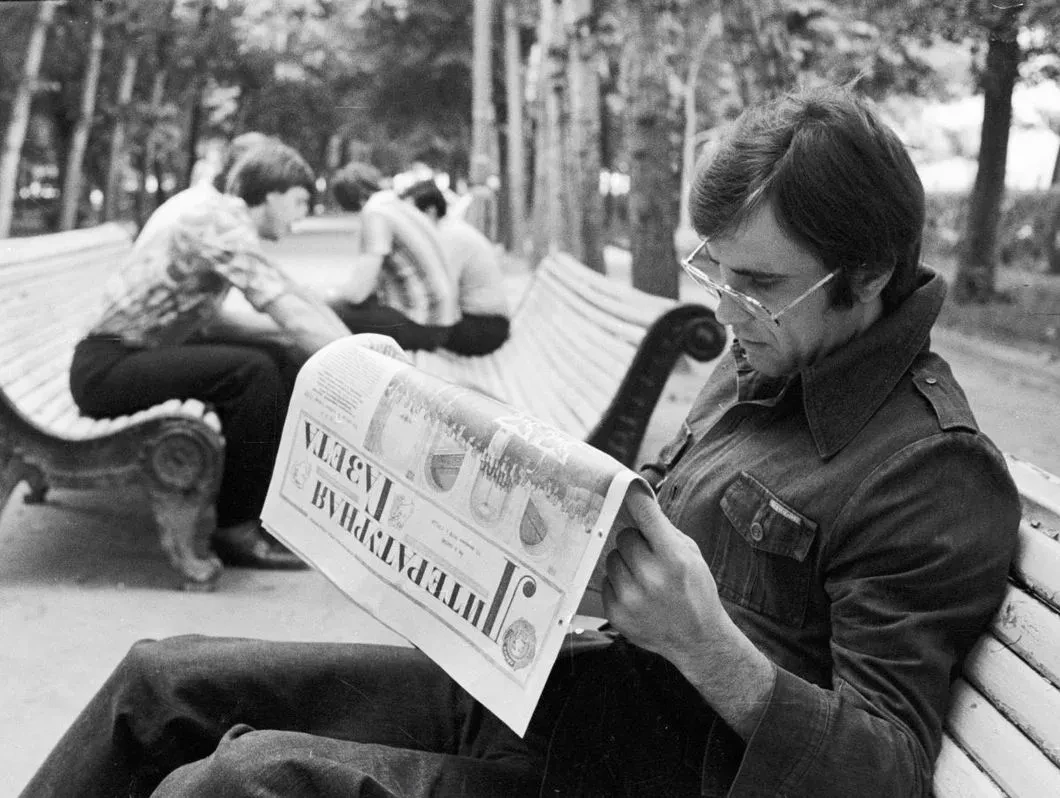
In 1976, opening the next number of the then popular literary newspaper, the young press attache of the German Embassy in the USSR Eberhard Haiken saw his name. The newspaper reported that the German diplomat is a scout who had hung up for diplomatic immunity.
But Eberhard Haiken did not work for West German intelligence! And in the KGB they knew about this: not a single embassy is able to keep a secret who is a real diplomat and who is a disguised spy. Haiken was sacrificed to a spy-diplomatic game between Moscow and Bonn.
West German television shot the film "Moscow Spies" about Soviet diplomats. The FRG ambassador unofficially notified that the appearance of the film on television will be interpreted as a hostile act. Warned that there would be consequences. But the Ministry of Foreign Affairs of Germany is not powerful over television. The film was shown.
Then the Haiken press attache was declared a spy. Why did the choice fall on him? Why didn’t they call spy a real employee of the Federal Intelligence Service, who worked at that time in Moscow? This is a common practice. Contrary to widespread opinion, counterintelligence does not always turn to the Foreign Ministry with a request to send the identified intelligence officer. It is much more practical to follow him, determine his methods of work, connection, try to play with him. If it is decided to arrange a small public scandal, then a person who is not related to intelligence is selected for the role of the victim.
In any case, Eberhard Haiken was supposed to return to Bonn, because the term of his business trip to Moscow expired. The KGB and the USSR Foreign Ministry did not even rush the German press attache. And if so, then the Germans had no reason to take a response step, send a Soviet diplomat.
Haiken wanted to forget about Russia forever, to do something else. Nevertheless, he forced himself to consider this sad story an accident at work. Haiken spent four years at the German embassy in Washington. And yet he returned to Russian affairs. In 1989, he again came to work in Moscow. He was appointed plenipotentiary Minister of the German Embassy in Moscow - this is the second person after the ambassador. He was given a visa immediately. Nobody ever stuttered about that story. However, there were no people who wanted to apologize either.
Microwave scandal
As a reflection of an irreconcilable confrontation, a “microwave scandal” arose.
American diplomats in Moscow complained that Soviet intelligence agencies irradiate the embassy. It was believed that the KGB counterintelligence either activated the radio transmitting devices left in the embassy building, or tried to determine by the vibration of window glasses what the diplomats are talking about ...
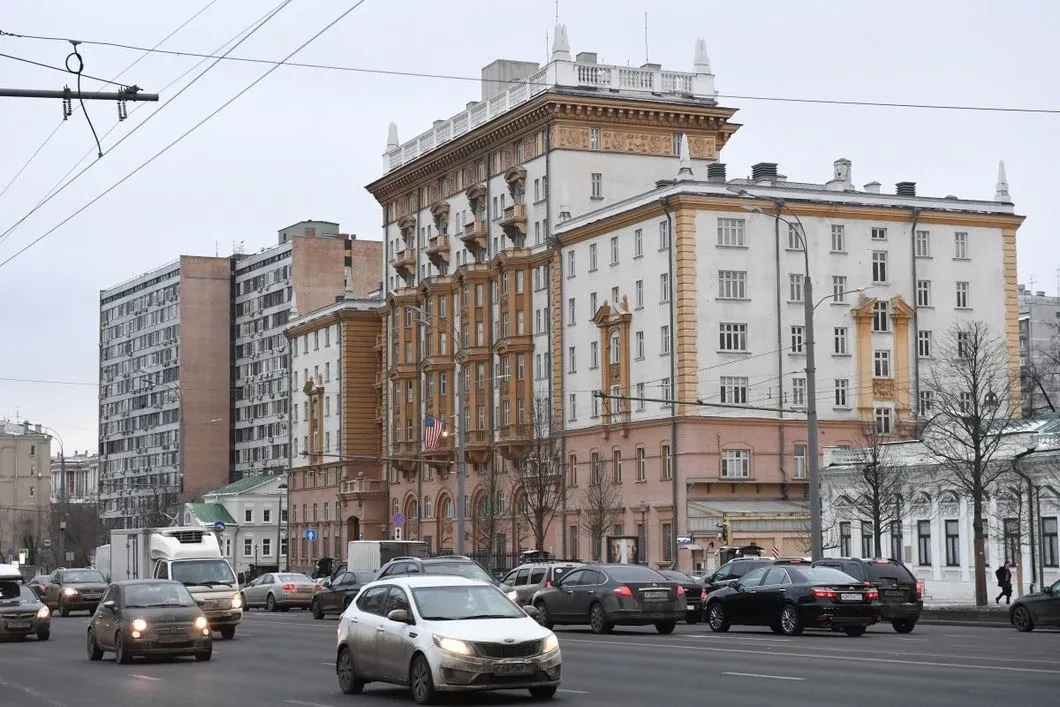
“The fact that the Soviet authorities bombarded the US Embassy for several years to be in confusion and fear,” recalled Rebecca Matlock, the wife of one of the American ambassadors. - They found out how many Americans working at the embassy in Moscow died of cancer. The State Department conducted a complete medical examination of all who worked or lived in Moscow, and argued that the incidence of cancer among them does not exceed the average level. ”
American diplomats believed that irradiation ceased after a fire occurred in a building through the street, from where the radiation came. Many years later, Colonel Yuri Gorbachev, a teacher at the General Staff, said that the 9th department of the main operational department of the General Staff (the fight against enemy radio electronic weapons) received an order to block technical intelligence funds, the antennas of which were on the roof of the American embassy on Novinsky Boulevard. On the other side of the boulevard in the apartment, several aircraft station installations were placed in the apartment.
When the US Ambassador complained to the Soviet Foreign Ministry of the Foreign Ministry, they replied that a scientific laboratory was working on Novinsky Boulevard. The then ambassador Walter J. Stessel died in 1987 from leukemia, blood cancer.
The arrest of a journalist with large consequences
On August 22, 1986, the Soviet intelligence officer Gennady Zakharov, who worked under the guise of an employee of the UN Secretariat, was arrested in New York. In response, the Chairman of the KGB Chebrikov authorized the detention in Moscow of the American correspondent Nicholas Daniloff.
His great-great-grandfature was the Decembrist, Grandfather General served in the Russian army in the First World War, his father-Russian left his homeland after October 1917. Daniloff treated Russia with the deepest and sincere interest, tried to trace the history of his ancestors. He did not work for American intelligence, and they knew it on Lubyanka.
The KGB convinced Gorbachev that the journalist should be arrested, since this is the usual practice - an eye for an eye.
Soviet counterintelligence did not believe that American editors stopped providing the “roof” to scouts. They did not believe because most of the Soviet correspondents abroad were KGB and GRU staff.
Mikhail Sergeyevich agreed. After the arrest of the American journalist, a scandal erupted.
The fate of Nicholas Daniloff was engaged in President Ronald Reagan himself. On September 3, he wrote in his diary: “The Soviets accuse him of espionage. This is naturally lies. They are doing this for the fourth time. Whenever we arrest the KGB agent. Previously, they took businessmen. Then they try to arrange an exchange of prisoners. ”
The president addressed a personal message to the new general secretary. Unsuccessfully. On September 7, Reagan marked in his diary: “Gorbachev’s answer to my letter was arrogant. He rejected my statement that Daniloff was not a spy. I am damn furious. We have already seen all this. We arrest the spy, the tips grab any American, come up with the accusation and require the exchange of prisoners. ”
On September 19, Reagan wrote: “George Schulz brought the Soviet Minister of Foreign Affairs Shevardnadze to the Oval Office. Gorbachev proposes to meet in Iceland or London. I explained that we want Daniloff to be returned before the meeting. I am angry that he is called a spy after I gave a word that he was not a spy. I explained to the Soviet minister the difference between our systems. He said that they cannot understand that we attach the meaning of the person, because they do not have such feelings. ”
The solution was found. Gennady Zakharov appeared before the judge in New York. He did not dispute the accusations, was found guilty and expelled from the country. The case of Nicholas Daniloff, who spent two weeks in the Lefortovo prison, was stopped, and he flew home. At the same time, the Soviet dissident and human rights activist Yuri Orlov was released. A participant in the war, a physicist, he worked in Yerevan, was elected a corresponding member of the Academy of Sciences of Armenia. The first leader of the Moscow Helsinki group, Orlov was convicted and served in the deadline in Yakutia.
The last entry in Reagan's diary about this case of October 1: “Daniloff accepted the family in the White House. There is nothing to say that they are happy. And we too. We thank the Lord for making it possible to save Him. ”
In parallel, more than seventy employees of the Soviet embassy and representative office at the UN were sent from the United States, calling them identified by the KGB and GRU officers ... In response, the American embassy in Moscow was forbidden to hire Soviet citizens to work at the embassy and the residence of the ambassador. And only three Italians remained in the Spaso House. The life of American diplomats has been very complicated.
Sometimes scandals are extinguished
The relations of the United States and the New Russia at first were quite friendly. But without mutual expulsions and scandals, it did not do.
После ареста работавшего на российскую разведку сотрудника ЦРУ Олдрича Эймса в 1994 году из Вашингтона выслали руководителя резидентуры российской разведки Александра Лысенко. В ответ советника американского посольства Джеймса Морриса, возглавлявшего резидентуру ЦРУ, попросили в семидневный срок покинуть Москву. Начальник внешней разведки Евгений Примаков обещал:
— Мы не пропустим ни одного удара.
But this was limited. Президент Клинтон не хотел, чтобы шпионский скандал мешал ему помогать демократической России.
«Возникли вопросы, — вспоминал Билл Клинтон, — если Россия ведет направленную против нас шпионскую деятельность, не следует ли нам отменить или приостановить оказание ей помощи? На встрече с представителями обеих партий в конгрессе и отвечая на вопросы журналистов, я высказался против прекращения поддержки России. Кроме того, шпионы были не только у русских».
Договариваться не о чем
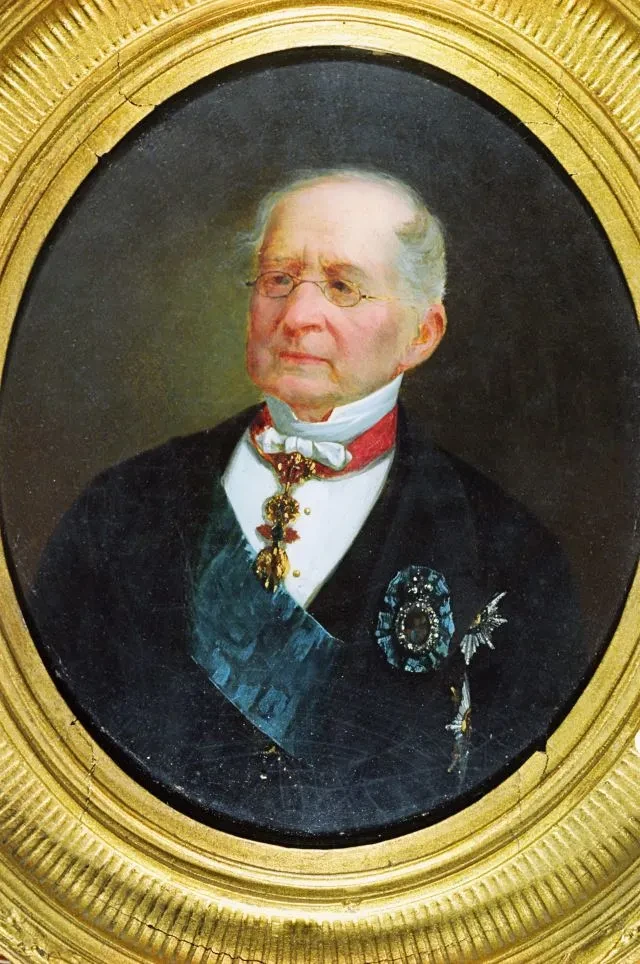
Хотя и в ту пору возникали весьма острые конфликты. В декабре 1997 года в Москве на здании Дипломатической академии открыли барельеф светлейшего князя Горчакова. Он был министром иностранных дел России двадцать шесть лет, с 1856-го по 1882-й. Горчаков, умело противостоявший Западу, признан идеалом российской дипломатической службы.
В академии собралось все руководство МИДа во главе с министром Игорем Ивановым. По такому случаю распили несколько бутылок шампанского. И именно в эти часы Россия отозвала своих послов из Лондона и Вашингтона — в знак протеста против авиаудара по Ираку — государству, которым тогда управлял Саддам Хусейн.
Отзыв послов — один из самых сильных жестов в дипломатии. Сильнее только разрыв дипломатических отношений и объявление войны. Но этот кризис был преодолен, послы вернулись на боевой пост. И в Москве, и в Вашингтоне у власти находились люди, которые не только реально хотели взаимодействия, но и существовали в общей системе координат.
Ныне Россия и Соединенные Штаты живут в разных мирах. Противоречия носят фундаментальный и мировоззренческий характер, поэтому устранить их на сегодняшний день невозможно. Очевидно, что вообще нет желания вести переговоры — не о чем договариваться! And I don't want to!
Остается только одно: вооружаться, переругиваться и доставлять друг другу неприятности всеми возможными способами, в том числе высылая иностранных дипломатов.