
Translated material
"Our country looks wild"
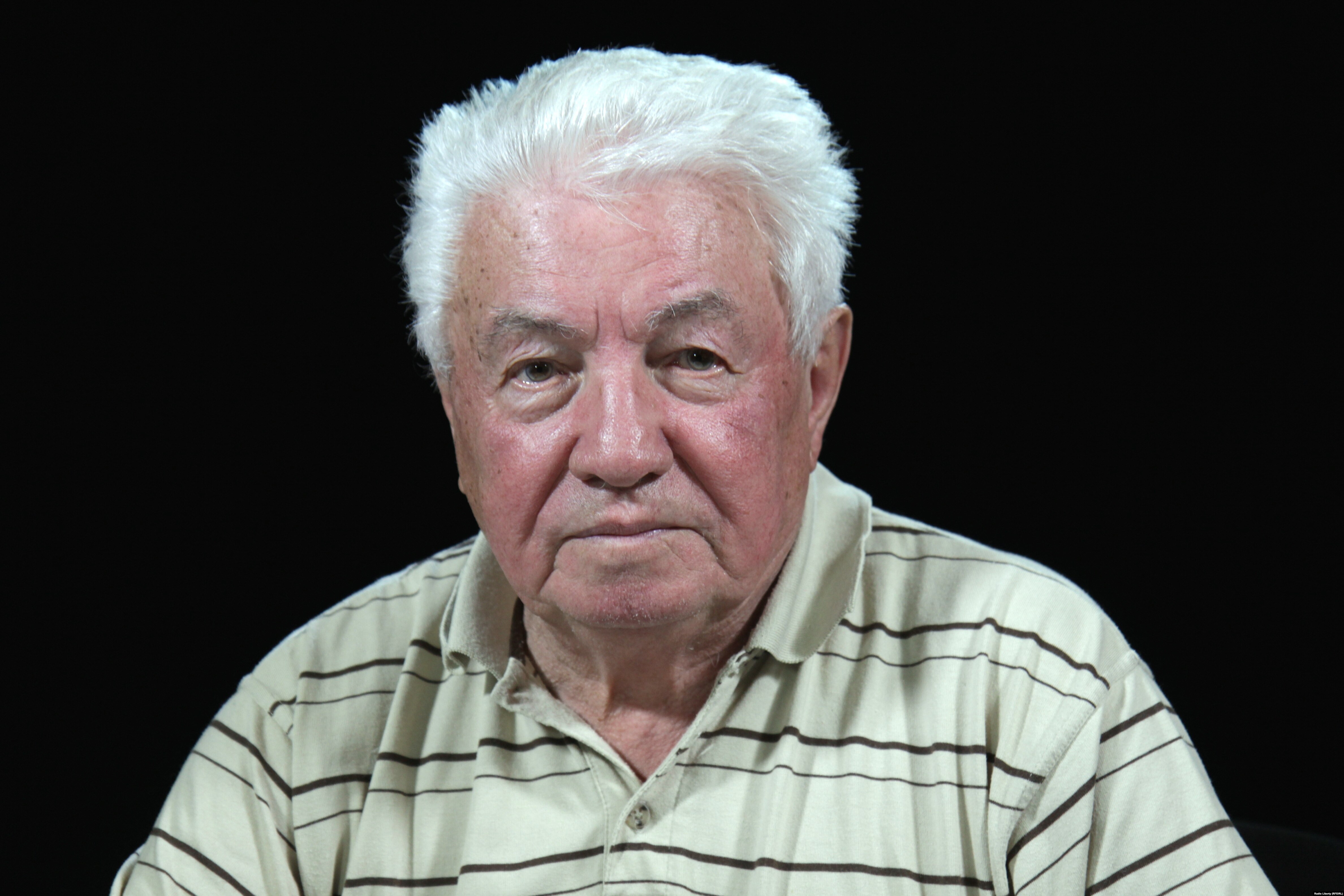
Vladimir Voinovich on the air of Russian-American sanctions relations, about the naval parade in St. Petersburg and the "so young Lenin" on Palace Square. Presenter Elena Rykovtseva.
Full video version of the program
Elena Rykovtseva: I represent our guest - Vladimir Voinovich with us. We will begin the conversation on the case - with American sanctions, about which everyone has long known. Vladimir Putin confirmed yesterday in an interview with Vladimir Solovyov that a very large number of American diplomats would be sent back. Putin told Soloviev that we had been waiting with this for a long time, we pulled, but we see that they were not going towards us. And most importantly, he said that this answer to Russia will be sensitive to the United States, the diplomatic expulsion of these people. How sensitive, what do you think?
Vladimir Voinovich: He will be sensitive to our citizens. The first thing that comes to my mind is that all the people who want to get visas will be lined up there in huge long lines. In general, going to the United States will already be a problem. Hope to go there will become very complicated.
Elena Rykovtseva: Do you think that Vladimir Putin worries that someone will have problems with a trip to the United States?
Vladimir Voinovich: So far, he himself did not have a problem. The fact is that this is our specific answer to Chamberlain always this: beat your own so that strangers are afraid. Therefore, the so -called "Law of the Schools", product antisanctions. If they make us bad, let's make us even worse.
Elena Rykovtseva: When Vladimir Putin said about 755 American diplomats who have to leave, Trump wrote: we do not have so much. The people were surprised where to get so many diplomats to send. And this is what Dmitry Peskov tried to explain.
Dmitry Peskov: Yesterday, when Putin said, he said that diplomats and technical employees. That is, this is not purely about diplomats, of course, there are no so many diplomats, we are talking about diplomats and people with non -excessive status, and those accepted on the spot, that is, Russian citizens who work there. Since the total number of personnel, including diplomats, not diplomats and accepted on the spot, is now about 1200, since it was decided to synchronize the levels, that is 450, there are further mathematical calculations.
Elena Rykovtseva: This was not immediately realized, maybe Vladimir Putin, that we are talking about Russian employees. Of this 1,200 people are half, if not more, that is, people will simply lose their jobs.
Vladimir Voinovich: All sorts of secretaries, translators, technical secretaries, police officers who are standing. Although no, they are probably not reduced.
Elena Rykovtseva: Then he talked a lot to Vladimir Soloviev in the same way that we have many areas, because Solovyev asked what else you can answer. For example, a diplomatic story is still an answer to Obama, this Obama sent 35 people in December, just waited a long time, thought that they would be corrected, they could not improve, and put forward new sanctions. But when Soloviev asks him, what we can still answer, he has long been sorting out some spheres of some kind of cooperation that can be sensitive. Then he says: no, you know, maybe we will do more damage to ourselves, if we beat these areas, we will refrain for now.
Vladimir Voinovich: The writer Golyavkin had such a children's story as the boy scored a carnation in his head so that the hairdresser broke the machine.
Elena Rykovtseva: According to diplomats, he thought that the nail was scored by them, it is sensitive to the diplomatic sphere, and to figure out about visas and the fact that these are Russians - this, of course, was not there, I didn’t guess about it.
Vladimir Voinovich: We must open a new exchange rate for the dismissed employees next to the embassy.
Elena Rykovtseva: Under the Kremlin. From the embassy immediately to the Kremlin. What do you think, he does not dare to say-and we will hit such industries, and the reason that he is not daring is really really nothing to understand the United States?
Vladimir Voinovich: There is nothing true. Russia is generally not able to deliver some other blow to the United States, except for a nuclear war. The United States does not depend on Russia. The only reasonable way out is still a little retreat from what has been done. We pretend that we are hated just like that, for no reason, but what Crimea was taken, and what was it here, we would still hate us. Ukraine would still hate us. I think, frankly, I will have to give in anyway, just with great resistance, causing the greatest harm to yourself. There is such an opportunity when people, retreating, say that we won, now you can go back. At least so.
Elena Rykovtseva: So far, there are not even traces and hints of this, because he immediately starts with this all the conversation with Solovyov, that he does not understand why, for which, unmotivated, unproven. They whiten with these sanctions. We waited, we tried to establish relations, the gestures of goodwill offered, and they whitish. And when will this insight come when this step happens back?
Vladimir Voinovich: A step back must be taken, you need to stop, in the end, intervene in the affairs of another country. We must be realistic, you need to understand that the adventure does not pass, that it will not bring any benefit to anyone, it will bring only harm. Our relationship with Ukraine is the farther, the worse both for Ukraine and for us, there is no winning. It's time to think soberly, somehow crawl out of this situation. I'm not talking about Syria. Further movement in this direction is completely hopeless, we just rest on some kind of dead end, from which there is no way out.
Elena Rykovtseva: When he understands this, because there is no one else, no one else controls Russia, does not make decisions. Even according to diplomats, he made a decision.
Vladimir Voinovich: Politics should always be compromised. And we want no, the sanctions are not imposed on us, but we will not concede. So, we will continue to endure everything.
Elena Rykovtseva: There was still such a stroke, all this is an interview that Vladimir Solovyov showed about sanctions with Vladimir Putin, as part of the preparation of the film. Another new film for 2018, apparently, is preparing. And Soloviev has already made one film, the second, third. What do you think is the image of Putin in Russian documentaries how will it develop, that they can tell about Putin yet? Cut new frames with straight lines?
Vladimir Voinovich: Since I lived for many years, I saw many films about Stalin, Stalin, Stalin Syaka. Stalin, when he flies to Berlin, how he leaves the ladder, how the people rejoice. There were no glee scenes.
Elena Rykovtseva: Actually, there is no from the ladder.
Vladimir Voinovich: It is necessary that huge crowds, people.
Elena Rykovtseva: This is not, by the way.
Vladimir Voinovich: People with happy faces.
Elena Rykovtseva: That is, the documentary of Putin will move towards more veneration and deification, worship?
Vladimir Voinovich: Yes, of course. As a matter of fact, the competition of people who stand at the throne begins here. They also compete with each other, compete who licks better, who will do it with great grace.
Elena Rykovtseva: And for the elections, this competition will intensify and intensify.
Vladimir Voinovich: Competition will intensify. But it seems to me that she will have some opposite effect in the end, because the fact is that the cult of the personality who is planting, he cannot go in parallel with criticism. Under Stalin, there was a cult of personality and it was impossible to publicly express any other opinion about Stalin. Now there is still the Internet, there is radio freedom, there will be no such real cult of personality. There was sincere love for Stalin, just the masses of people. I remember, a woman who then had a completely different opinion, but she, when she was 17 years old, graduated from the 10th grade, she walked along Red Square in a demonstration, saw Stalin, said: Lord, if he only said “die for me”, I would die. It was sincere. The current cult is planted, it is not real.
Elena Rykovtseva: The younger generation is being pulled to this cult. Because we just saw the children who were sitting with Putin, talked, gifted children, there was a whole show. The presenter of this show Irad Zeynalov says that we have one boy, he waited a very long time for him, we will give him a word now, because he had a dream, and it seems that his dream came true. And in fact, the word can not be given to him, because it was realized in the fact that he saw you. Vladimir Putin called him, they took pictures, even the small ones should understand that God is in front of them.
Vladimir Voinovich: But still, it is still for many people that causes completely different feelings, annoying someone, calls someone irony, mockery. There is still no such popular.
Elena Rykovtseva: There is no adoration, as it was, they will not achieve this, will not be?
Vladimir Voinovich: In addition, there are people who want to see a person who, say, is not only Putin, but who they see on TV - here he is, alive. Look at the same Solovyov, when he walks along the street, probably many look around, come up, squeeze his hand, they respect him only because they see him on TV, and not because he tells them something close to them.
Elena Rykovtseva: If you reach and look into it, in the previous broadcast, I had a guest Boris Nadezhdin, a famous politician who performs on TV, he honestly said that he has a dream to live to Russia without Putin. I know so many people who have such a dream. Do you have it or do you care?
Vladimir Voinovich: I don't care at all. I already have little hope left. I just survived so many. Incidentally, I had one friend, a famous person Antonov-Ovseenko, he went in for sports for up to 90 years or more, all the time when he pulled himself on the horizontal bar, he said: we still need to survive someone. He survived so many, I also survived many. But in general, I would like to survive until the time when I would understand that from this moment there will be people, they will be a certain period of time at the highest post, they will leave within their time, no matter how good they are, remarkable.
Elena Rykovtseva: Or bad.
Vladimir Voinovich: Or bad. A bad person, I take an example of Ukraine, for example, Yushchenko, elected President Yushchenko, corrected a little, people did not like him, they took him and re -elected. With Yanukovych, it has already happened differently. In any case, this is normal. Of course, there are good elections, there are successful elections, there are unsuccessful ones. Constant replacement is still an opportunity to fix the mistake.
Elena Rykovtseva: The main thing is that he is, a choice.
Vladimir Voinovich: And never renew. Because the extension of the term - this always leads to very poor results. Because when a person remains in power for an indefinite period, then he can allow himself to make mistakes that he will not correct, I do not even talk about crimes. The longer he is in power, the more impunity all his actions. Each person, let even with dictatorial manners if he knows for sure that he will stay for 8 years and after that he will leave, it will limit him. If he does something very bad, then after 8 years he can be held accountable.
Elena Rykovtseva: Even an awl on soap is better than a continuous awl.
Vladimir Voinovich: Yes. I'm not in order to agitation, they say to me: but Navalny will be the second Putin. I say: the second Putin will be better than the first.
Elena Rykovtseva: Another example is Medvedev. Suppose he appoints it for some reason once again the successor, it is still better that Medvedev is.
Vladimir Voinovich: I would not want it.
Elena Rykovtseva: This is understandable. We are discussing the issue of awl and soap. The soap is better in your theory.
Vladimir Voinovich: The fact is that just when he became, he was so addicted, he was not so president himself, if he was again done, again on the same conditions, then it will again be a zits-chairman.
Elena Rykovtseva: But nevertheless, anyway, I want to catch you on your theory, which is still better, still different.
Vladimir Voinovich: It's still better. The most important thing, nevertheless, in the Constitution, the deadlines were precisely indicated, so that four of four each without the word “in a row” were indicated and then the worst cannot create everything that comes to his mind, because he will know that there will be a deadline and after him they will be asked from him.
Elena Rykovtseva: Behind our backs in the studio there is a parade yesterday’s naval in St. Petersburg, in which Vladimir Putin took part. An insanely rich sight. I do not know how much from the point of view of patriotism, probably it inspires someone, but the money is invested in there, it is simply clear that the living millions are sailing, shooting your backs. You know how much it swells twice every year in these rehearsals of parades endless. Why do they hold on to this kind of demonstration?
Vladimir Voinovich: Because these parades, these spectacles of the military and parades, ships, tanks, heavy missiles that carry along Red Square are a replacement of everything, as if we have no other entertainment. Say, in the West, in the same America, all this is also, but they do not take it, I lived in Washington, I have never seen some heavy howitzers, American poplars. This will still lead to the fact that people are getting tired. The fact is that when Putin came to power, he, in addition to the Constitution in which something was written, he turned to the most conservative part of the people, mainly focused on veterans of the Great Patriotic War, on the old people who participated there, found not so much with a large number of orders, but many signs for long-term years. He referred when he offered to sing this anthem, something else, he referred to the opinion that this is the opinion of the majority. It was already an appeal to the past. And the policy of appeal to the past began. At the same time, it should be normal any policy to the future. It was necessary not to count on these old men who died out and died out, but at the youth who was born, grew up. Now she has already grown up, and she is no longer interested. In my childhood, it was somewhat interesting to my generation in my childhood, because then the feats of the pilots, the exploits of tankers, the orders made a strong impression on the then youth. And now the youth, she has many different entertainments, much more interesting, funny, with all the solemnity of this there is some gloomy that we are so strong, we are so powerful, and that we are funny, we are inventive, we are free.
Elena Rykovtseva: In Brazil, they rely on the carnival, and Russia relies on a military parade. Let's see the survey made by your order, we asked the question: do not send them all? Why are only 700 people send them, why is there so small, are not all Americans from the Russian Federation? Let's see what they answered.

Width PX Height PX
The url has been copied to your clipboard
No Media Source Currently Available
0:00 0:02:02 Download the media fileElena Rykovtseva: They did not succumb to provocation, they seriously answered you that we would leave it. Are you satisfied with the survey results?
Vladimir Voinovich: The girl said, what bad Americans to expel, and leave good, I am surprised that she thinks that there are still good ones.
Elena Rykovtseva: Yes, people are not as zombie as it seemed before. Regarding, you said - people get tired, and what happened in the evening of the same day when we looked at the parade. People gathered in Palace Square to listen to the Turkish choir. What did the Turkish choir offer them? At first, Turkish invited them to sing a "song about anxious youth" - "we have such a job." The square sang. Then Turkish suggested singing a song "and the battle continues again." Let's show a fragment to believe that yes, they sang, that Lenin is so young.
(Video watch in the video of the broadcast)
Elena Rykovtseva: They sang about Lenin, then they sang the Komsomol-Volunteers, then sang “Nadezhda, my Earth's Compass” a little later. It made a difficult impression. These are strange songs, it is strange for me to tell the author of an amazing song “on dusty paths”, which you can sing and sing, these are Soviet good songs, melodic, in the “Song of Alarming Youth” there is no crime, nevertheless, you have a certain horror when these people with burning eyes, inspirationally, you need to see how the whole area is picked up and sings ”our concern, our work is simple. There would be a native country and there are no other worries. " Although in reality, unfortunately, they are. Ukraine is where the concern is a real Russian person. What do you feel about it? You say that you get tired, this stylistics does not bother.
Vladimir Voinovich: A song is such a genre that acts in a special way on people. I will say such a case from my biography. In Soviet times, the only time I was allowed to go to Czechoslovakia for 20 days, before that, I, however, served in the army in Poland. I went there, it was on the eve of the so -called Czech spring, or rather, it was the fall of 1967. In the circle of Czechs, thinking about the same as I, I was generally very anti -Soviet, we were very configured, we sang songs about Stalin all night, because it was funny. Maybe people when they sing "and Lenin is so young," maybe it’s funny to them, this is such a joke, speaking in today's words.
Elena Rykovtseva: It didn’t seem like that.
Vladimir Voinovich: Songs about Stalin at some time began to sound like very funny songs: "Stalin is our glory fighting." The melodies were usually decent there. Мне не кажется, что люди, которые пели "И Ленин такой молодой", что они действительно к Ленину испытывают позитивные чувства, скорее всего, нет.
Елена Рыковцева: Они испытывают позитивные чувства к времени, к этой стилистике.
Владимир Войнович: Хор Турецкого – хороший хор, они тоже заражают, когда они выходят. Люди очень любят петь песни советского времени, потому что они чаще всего мелодичные, чаще всего профессиональные, там и тексты обычно, какие бы ни были, но они все равно.
Елена Рыковцева: На вас депрессивного впечатления это не производит, что годы идут, эпохи меняются, а вам включают площадь, кстати говоря, любой концерт будет нафарширован этими старыми песнями о главном. Вы в этом никакой символики не видите? Мне кажется, есть в этом во всем попытка сохранить то время, чем дольше вы храните старое время, тем больше вы будете обращены в прошлое, тем больше будет вот эта политика, нацеленная назад?
Владимир Войнович: Нет. Вы правильно говорите, но мне не нравится. Я не знаю, какие слова подобрать, потому что это действительно обращение к прошлому, о котором у меня воспоминания очень негативные. Вся эта символика, стилистика того времени, естественно, мне не нравится. Больше того, меня это очень тревожит, я не люблю такие слова говорить, как гражданина, но мне крайне обидно, что наша страна застряла в каком-то таком, не то что даже остановиться не хочет, а все пятится назад и пятится назад. У нас часть говорят – у нас уже 1937 год. Я бы сказал, что 1937 года еще нет, а 70-е вполне. Какая-то разница есть, но есть то же самое – митинги разгоняют, людей сажают, примерно такие же обвинения, но дают не по семь лет, а по два года. А теперь начали и выгонять кого-то. Потому что, например, сейчас выгнали главного редактора газеты "Ведомости", лишили гражданства.
Елена Рыковцева: Он хозяин, владелец, Демьян Кудрявцев.
Владимир Войнович: Лишили его гражданства, потому что у него израильское какое-то, но он родился в России.
Елена Рыковцева: И он москвич, конечно.
Владимир Войнович: Он, по-моему, в Ленинграде родился.
Елена Рыковцева: В Москве очень много лет живет.
Владимир Войнович: Он по праву рождения имеет право на гражданство, его могут лишить любого другого гражданства, но по праву рождения его нельзя лишать российского гражданства, а его лишают.
Елена Рыковцева: Давно же этого не было, с ваших еще пор, казалось бы, притормозили с этим – лишать гражданства. Понятно, лишают гражданства террористов.
Владимир Войнович: Террористов необязательно лишать гражданства, террористов надо сажать. В Советском Союзе людей расстреливали, не лишая гражданства.
Елена Рыковцева: И это, получается, возвращается.
Владимир Войнович: Да, возвращается очень много. Возвращается массовая психология того времени. Мне неудобно говорить, но я все-таки очень осторожный оптимист, я думаю, что это дело все-таки скоро кончится, потому что это невозможно. Наша страна выглядит просто дико на фоне других цивилизованных стран. Может быть, если бы мы жили в окружении Северных Корей, то мы бы выглядели еще как-то, но мы живем в окружении все-таки стран, живущих по другим законам, живущих там, где есть законы, способствующие нормальному развитию отдельных людей, нормальному развитию всего общества, к благополучию ведущие, а у нас все в другую сторону. Вот эти вооружения, они все бессмысленны. Если бы мы вели себя нормально, то в этом не было бы никакой причины, плевать было бы, приблизилось ли к нам НАТО, да оно бы не стало приближаться, а если бы приближалось, то нас бы это не беспокоило, мы и сами могли бы в него войти, в это самое НАТО. Но мы окружены врагами, наше положение материальное ухудшается, – это противоестественное существование.
Елена Рыковцева: Попросила своих друзей, подписчиков на "Фейсбуке" задавать вам вопросы. Вот Савушкин Владимир спрашивает: "Хотелось бы узнать, где тот предел, после которого Войнович эмигрирует из России?". Где ваш личный предел?
Владимир Войнович: Я в свое время добровольно не уехал, сопротивлялся даже до каких-то крайних пределов. Я не знаю, но сейчас мне, честно говоря, иногда так надоедает все это наблюдать, меня это физически и материально прямо не касается как будто пока, но просто мне становится очень тошно от одного этого. Иногда, честно говоря, хочется уехать. С другой стороны, если мы все уедем, то что будет?
Елена Рыковцева: Кому мы это оставим? Обидно будет, конечно. Один человек задает вопрос, а второй с ним полемизирует, поэтому вам придется ответить и на вопрос, и на комментарий к нему.
Владимир Войнович: Я хочу сказать, что если меня начнут выгонять, я все равно добровольно не уеду.
Елена Рыковцева: Вы как Саакашвили. То есть вы нас организуйте, мы за вас пойдем под Кремль. Итак: "Когда ваш народ (видимо, человек пишет с Украины) отдаст награбленное?" При этом ему отвечает другой корреспондент: "Лично я как часть российского народа у других народов ничего не крал. У вас к Путину вопрос, Войнович при чем?" Два человека между собой поспорили, один вас спросил, когда ваш народ вернет награбленное, а другой ему пишет здесь же, что при чем здесь Войнович – это же Путин.
Владимир Войнович: Я, между прочим, вчера давал интервью какому-то украинскому телебаченню, я сказал, что Крым я бы сравнил с почкой, оторванной у другого человека, третья почка пришита к твоему организму, которая, даже если она здоровая, она все равно начинает отторгаться и здоровья человеку не прибавляет.
Елена Рыковцева: Еще и заражение начнется.
Владимир Войнович: Крым сравнивается с чемоданом без ручки, а я с третьей почкой сравниваю. Я думаю, я социологическим исследованиям не очень верю, которые проводятся, но мне кажется, что все-таки многие люди начинают осознавать, что все лишения, которые уже наступили и ждут нас, не стоят того, чтобы забирать Крым. Therefore, I do not know.
Елена Рыковцева: Вы надеетесь, что это когда-то случится.
Владимир Войнович: Я знаю, что для украинцев это очень болезненно, когда кто-то говорит, что как только я приду к власти, я сразу отдам Крым. Это просто ни у кого не получится, к сожалению. Вообще можно было не брать Крым, а способствовать развитию там русской культуры, русские дома культуры, русские университеты. Если бы у нас были прежние хорошие отношения с Украиной, то влиянию России на Крым никто не препятствовал. Лужков, я помню, туда ездил, что-то такое открывал. А все наши рассказы, между прочим, о том, что мы заботимся о русских, о том, что русский самый разделенный народ, то объединить его есть очень простой способ – призвать всех русских вернуться в Россию, в России пространства хватит, 25 миллионов – в Москве почти столько же. В России можно расселить, построить коттеджи, дать землю, по корове каждому, пускай живут, если мы о них так заботимся. Необязательно с оружием в руках приходить туда, где они живут.
Елена Рыковцева: Зоя задает аналогичный вопрос: "Когда ваш народ выступит против войны?" Я бы так сказала, когда он поймет, что он на войне, потому что ему рассказывать, что ни на какой не на войне, ему говорят, что война чужая, поэтому сложно ждать от него выступлений антивоенных.
Владимир Войнович: Народ – это понятие такое, народ очень редко выступает против войны. Они выступают против войны, когда их самих ждет поражение. Бывают антивоенные настроения, они бывают чаще в свободных странах, где и то не сразу, например, американцы массово выступали против войны, когда уже Америка стала терпеть поражение во Вьетнаме и так далее. Все-таки люди выступали, их не били за это дубинками по голове, не давали за это сроки. Народ, который находится под влиянием пропаганды, редко поднимается на какой-то массовый протест.
Елена Рыковцева: Неутешительный прогноз, но какой есть. Ольга из Орла, здравствуйте.
Слушательница: Еще раз выражаю благодарность, что вы просто есть, потому что иначе, конечно, источники есть информации, но я к вам привыкла уже, года три-четыре вместо телевизора слушаю вас. Как раз, когда были дебаты Навального с Гиркиным, я все думала, почему он не скажет, Гиркин твердил – разделенный народ, русских надо защищать, почему он не скажет: пусть русские возвращаются сюда. Это же элементарно. Не надо ехать к ним и воевать по всему миру. В Америке очень много русских, речь же не идет, что мы на Штаты идем войной, чтобы защитить каких-то русских. Я согласна с уважаемым Владимиром Войновичем, думаю, что длительный процесс, потому что никаких нет предпосылок, что что-то прозревается, сознание меняется, а я вижу только ухудшения. Сейчас за последние несколько лет сознание уголовника, менталитет, который пропагандируется сверху, настолько, мне кажется, уже пронизал большинство людей, просто страшно становится. Вырви глаз, вырви у слабого – эта манера общения, просто страшно становится.
Владимир Войнович: Я хочу сказать, что если Россия начнет всех русских освобождать, на разных территориях, в некоторых местах русские станут с оружием в руках сопротивляться, которые там живут.
Елена Рыковцева: Это освобождение начнется с Брайтон-бич, например. Тоже интересно будет посмотреть схватку. Новый роман: Брайтон-бич против военно-морского флота Российской Федерации. У меня еще много вопросов от ваших читателей. Итак, важный вопрос, спрашивает вас Александр о ваших планах, что вы пишете сейчас, что собираетесь писать. Об Украине, говорит, не спрашивать, мы сами разберемся.
Владимир Войнович: Пусть разбираются сами. Я пишу какую-то новую книгу о русской провинции, так я скажу в общем. Подробности пока не буду разглашать.
Елена Рыковцева: Ирина из Москвы, здравствуйте.
Слушательница: Может быть, несколько запоздало, но я хотела сказать про Турецкого. Дело в том, что у Турецкого был концерт в Калифорнии недавно, он этот репертуар давал на концерте там, так же люди его радостно встречали и так далее. Очень жалко, что такой хороший хор использует себя совершенно в каких-то таких не очень хороших сценах.
Елена Рыковцева: В Берлине он устроил аналогичный концерт с теми же песнями, с той же риторикой, счастливы были прийти туда русские, которые живут в Берлине.
Владимир Войнович: Песни воспринимаются не так, как, например, просто стихи, тем более проза. Песня, там и мелодия, и слова, если они просто складные. "И Ленин такой молодой" наверняка многие поют с юмором. Это могут в пьяной компании петь.
Елена Рыковцева: Знаете, в пьяной компании я не возражаю, потому что в пьяной компании поют то, что помнят. А что помнят люди? Конечно, свое прошлое, естественно. Но когда это культивируется, когда вам это предлагается петь на площадях, становится гвоздевым номером программы, эти попурри из советских песен – это вызывает вопросы. Слушаем Игоря Михайлович из Москвы.
Слушатель: Я вас считаю классиком, потому что я вас начал слушать еще в 80-е годы по приемнику ВЭФ в Калужской области на пригорке, когда читали "Чонкина".
Владимир Войнович: Но читал не я, я читал "Москву 2042".
Слушатель: У меня к вам такой вопрос: вышло два фильма по вашему роману сатирическому, первый двухсерийный фильм, где играл Зиновий Гердт, а второй уже более поздний, первый фильм вышел во времена Ельцина, по-моему, на киностудии "Мосфильм". А второй вышел многосерийный, просто его смотреть, даже не поймешь, о чем. Как вы относитесь к этим двум фильмам?
Елена Рыковцева: Вы их видели?
Vladimir Voinovich: Yes. Я с вашей оценкой в целом согласен. Во-первых, первый не двухсерийный, а односерийный, он идет ровно 90 минут, к сожалению, не двухсерийный. Там не только Гердт, а там и другие замечательные актеры наши играют. Там самое большое открытие этого фильма – это Геннадий Назаров и Зоя Буряк. Зоя Буряк уже снималась до этого, она была известна по фильму "Холодное лето 53-го года", а для Назарова был его дебют, и было очень точное попадание. Он был тогда еще никому не известен. Дело в том, что этот фильм делал гораздо более опытный режиссер, чем режиссер Кирющенко, который делал сериал, это делал Иржи Мензель, он был лауреат премии "Оскар", так что с большим опытом.
Елена Рыковцева: В общем оценка нашего слушателя примерно совпадает с вашей.
Владимир Войнович: Примерно совпадает. Дело в том, что в этом сериале тоже есть, Кирющенко сторонник таких бурлесков, там много отсебятины, иногда смешно.
Елена Рыковцева: Очень короткий вопрос задает Валерий Буряк, он задает два вопроса: "Будет ли продолжение "Москва 2042" и будет ли в России чемпионат мира по футболу 2018?".
Владимир Войнович: Чемпионат мира по футболу, мне кажется, будет.
Елена Рыковцева: Под санкции не попадает. Или ответные санкции России: а мы вас лишим чемпионата мира.
Владимир Войнович: Продать билеты. Хорошая идея, нам с вами кто-то должен заплатить за это. Продать билеты и не пустить. Кстати, это компенсация тех трат, которые Россия понесла на других санкциях. Что касается продолжения, я продолжение писать пока не собираюсь.
Елена Рыковцева: Мы уже боимся ваших продолжений ваших романов.
Владимир Войнович: Если бы я написал продолжение, было бы немного не такое. У меня более оптимистический прогноз на продолженное время. Я бы сказал, что уже многое сбылось из того, что было предсказано на 2042 год, пора переходить к другому развитию событий. А другое развитие событий, я не знаю, будет, когда закончится эта эпоха, начнутся какие-то перемены обнадеживающие. Чем кончится – не знаю. Кончиться может плохо, но моя надежда, что что-то хорошее возникнет.
Елена Рыковцева: Владимир из Нижегородской области, здравствуйте.
Слушатель: У меня вопрос такой к Владимиру Николаевичу: что будет, если американцы перестанут выдавать русским гражданам визы?
Владимир Войнович: Я думаю, что они не перестанут выдавать визы, потому что это противоречит всей политике Соединенных Штатов с самого зарождения.
Елена Рыковцева: Просто медленно, сложно, долго.
Владимир Войнович: Но могут ужесточить, могут какие-то группы людей подвергнуть остракизму, но вообще они не перестанут выдавать визы.
Елена Рыковцева: Виктор Александрович из Санкт-Петербурга, здравствуйте.
Слушатель: У меня такой вопрос: в "Малиновом пеликане" вы очень много пишете о миллиардах, утекающих за рубеж, об олигархах, жиреющих, лопающихся от жира. Но ведь надо все-таки корень явления какой-то искать, вот этого всего, что сейчас творится. А корень этот, несомненно, правление Ельцина. У вас что-то об этом ни звука ни в каких ваших произведениях я не видел. Как вы относитесь к тому, что Ельцин – это корень всех тех явлений, которые мы наблюдаем сейчас, сегодня?
Елена Рыковцева: Вы считаете, что не было бы Ельцина – и не было бы этих явлений, которые сейчас наблюдаются? Представьте, Россия путинская без Ельцина предыдущего, этого бы не было?
Слушатель: Ни олигархов с миллиардами.
Владимир Войнович: Вы знаете, если бы я написал продолжение "Москвы 2042", скажем, "Москва 2082", я бы написал какое-то общество, где очень много олигархов, и все бы говорили, что виноваты Ельцин и Гайдар. Дело в том, что я не знаю, насколько виноват Ельцин. Я не защитник Ельцина. Но Ельцина почти два десятка лет как нет у власти во всяком случае, и все время Ельцин виноват, но за это время можно исправить. Если говорить о всех недостатках, Германия была разгромлена, лежала в руинах, но через 20 лет это было уже цветущее государство. Все ошибки 90-х, если они были, их можно было исправить.
Елена Рыковцева: Короче говоря, времени было достаточно для того, чтобы забыть, если были ошибки.
Владимир Войнович: Чтобы создать еще больше олигархов или разорить тех, кто есть.
Елена Рыковцева: Хватит сваливать на Ельцина. Очень короткий вопрос, мне пишут: "Будет ли выставка ваших картин, если да, то когда?".
Владимир Войнович: Да, будет выставка моих картин. Я прошу прощения, у меня будут юбилейные выступления в Доме литераторов 26 сентября этого года, там же будет моя выставка.
Елена Рыковцева: Здорово. Все приходим 26 сентября.
Владимир Войнович: Приходите все, если поместитесь.
Елена Рыковцева: Поместимся, мы постараемся, мы уплотнимся, у нас санкции, мы поедим поменьше хамона и придем.