
Translated material
How to "import" Turkish tomato?
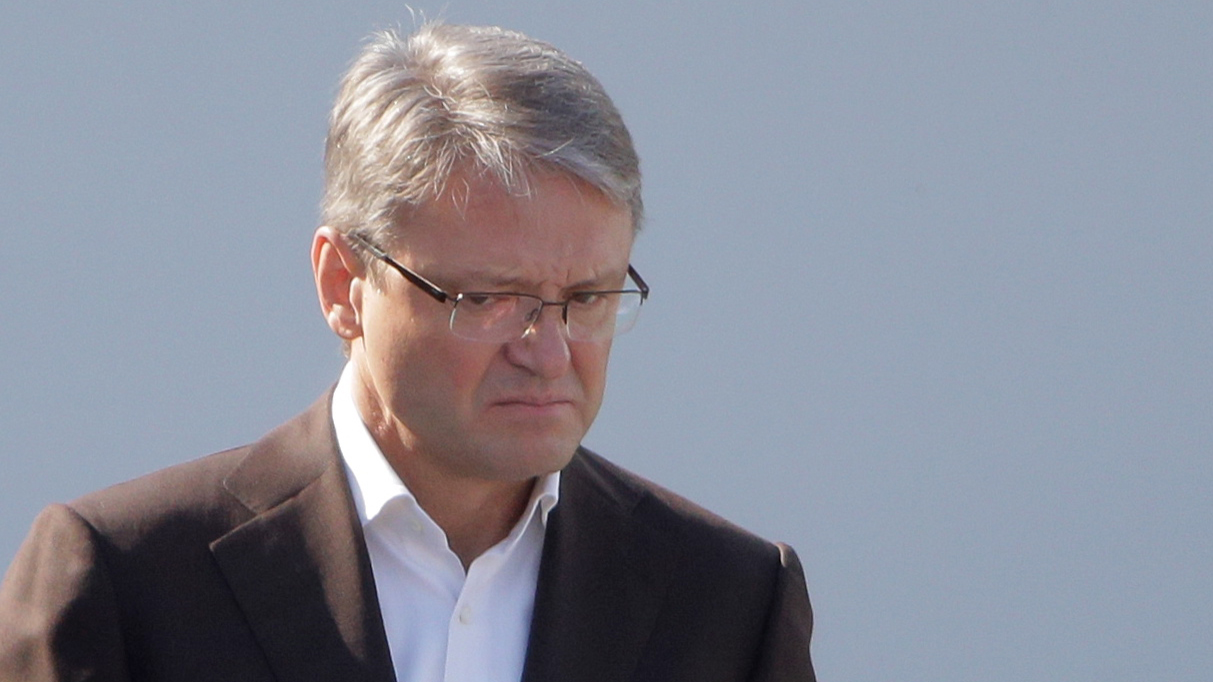

Alexander Tkachev
Minister of Agriculture of Russia
"We need five at least three years, in order for us to close our market by 90% by vegetables. We develop at a very active pace. We added to 30% of the production of vegetables for three years. This is significant."
Source: Interfax Not a fact of an increase of a third took much more yearsThree years ago, Russia, by introducing counter -sanctions, banned the import of some types of food and agricultural products from the EU, USA, Canada, Australia and Norway. The so -called "grocery embargo" expanded the share of domestic manufacturers in the domestic market due to a sharp reduction in imports. Some branches of agriculture - for example, vegetable growing of closed soil, that is, growing greenhouse and greenhouse vegetables - were in a particularly advantageous position. So, in 2016, the import substitution of fresh cucumbers amounted to 80%, notes in an interview with Artem Gelrud in the Chelyabinsk Region, the director of marketing of the Churilovo agricultural complex in the Chelyabinsk region. According to him, in Russian greenhouses, 500 thousand tons were grown with an import of 130 thousand tons. According to the tomatoes, "the situation is different: imports amounted to 370 thousand tons, while 300 thousand tons were produced."
The head of the Association of manufacturers and suppliers of food products "Rusprodsoyuz" Dmitry Vostrikov gives slightly other estimates: "The share of domestic cucumbers in the domestic market reached 85%, tomatoes - more than 50%."
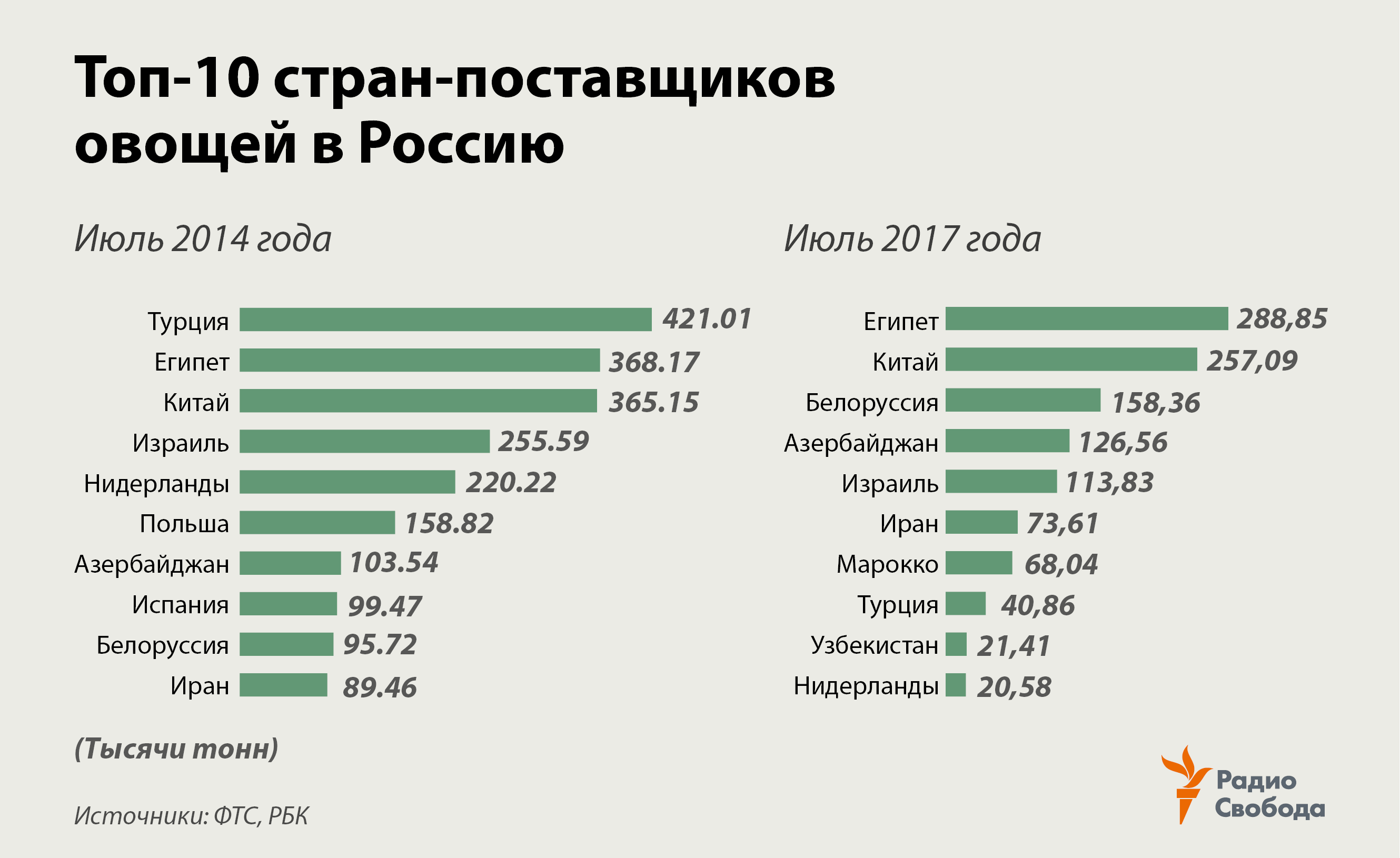
In 2016, a record harvest of vegetables was harvested in Russia - 16.3 million tons (excluding potatoes, according to which Russia is second only to China and India in the world), and the import of the main types of vegetables was reduced by 33.5%over the year.
However, in general, over the past six years, the average annual growth rate of vegetables in the country, according to the International Independent Institute of Agrarian Policy (NIAP), amounted to 4%. If we turn to the data of Rosstat, then they confirm that the total harvest in the country of "vegetables of open and protected soil" (excluding potatoes) really grew by almost 30%, but ... over 10 years! Whereas over the past three years, the growth amounted to only 6%in general: from 15.4 million tons in 2014 to 16.3 million in 2016.
The Russian consumer pays an inflated price in the store because it is focused on the high price of Russian tomatoes
Nevertheless, the director of the Agricultural Marketing Institute (IAM) in Moscow, Elena Tyurina, also quite agrees with the forecast of the Minister of Agriculture: "I think that after three years of import of vegetables will be about 10%." According to Tyurina’s forecasts, already in 2018, the share of the import of greenhouse vegetables will be less than 20%. Dmitry Vostrikov, for his part, remarks : "In order for domestic farmers to take a dominant position in the tomato market, it takes another three years."
However, "the results of 2016 show that the positive (for Russian agriculture) the effect of the introduction of the food embargo is practically exhausted - the results of the past and the year before last from the point of view of import substitution are almost the same," said Roman Titov, an expert of the analytical center under the Government of the Russian Federation.
The removal of restrictions on the import of Turkish tomatoes can seriously change the situation, warns the chief analyst of the Russian Fruit -Room Union Kirill Lashin: “On the one hand, the prices can drop sharply, but if it is good for consumers, then for domestic manufacturers, a blow that they will not soon recover. Over the past year, in Russia it was introduced in a total area of 160 hectares.
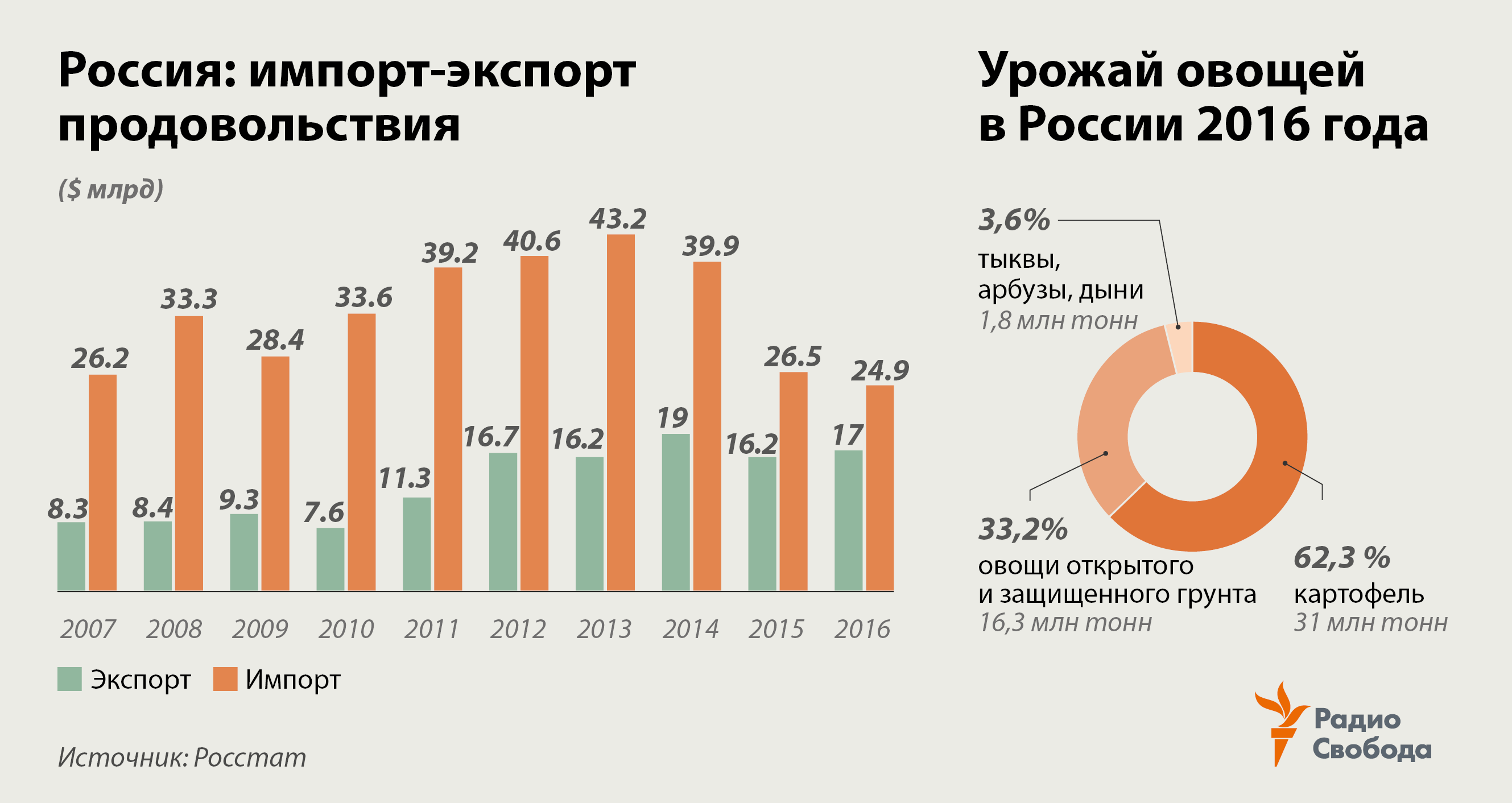
Recall, a year and a half ago, 43% of all import tomatoes sold in Russia came from Turkey. After the introduction of approximately 60% of the volume of the entire former Turkish food import from January 2016, the government approved the import substitution program in the production of closed soil vegetables, the total investments in which both the budget and the business amounted to about $ 570 million, experts of the Russian Academy of National Economy and Public Service (RANEPAS) and the Institute of Economic Policy and the Institute of Economic Policy. E. Gaidara (IEP). (And it takes time to somehow pay off.) For comparison: the total import of tomatoes and cucumbers from Turkey to Russia in 2014 amounted to $ 508 million. "Russia is not ready to purchase Turkish tomatoes and will not do this," Minister Alexander Tkachev said on August 7. And he added: "We need to produce more so that the price does not grow, but decreases."
It will be difficult to compete with Turkish tomatoes of our products
The prices of Russian tomatoes of closed soil are much higher than imported, experts of the RANEPA and IEP noted in a special review of Tomato War with Turkey: Intermediate results. As a result, the Russian consumer is in a very unbearable position. “Firstly, the price in the store exceeds up to three times the price at which tomatoes will import into Russia. Secondly, the selling price of the Russian greenhouse farm significantly exceeds the average import price of imported tomatoes, designed for all importers. Thirdly, if the import of tomatoes of protected soil from Turkey continued now, their price would be lower than deliveries to Russia from other countries. The Russian consumer pays an inflated price in the store because it is focused on the high price of Russian tomatoes. "
In general, vegetables in Russia over the past three and a half years have risen in price by 46.4%, RBC reports , citing Rosstat estimates. In turn, experts of the RANEPA and IEP calculated : the cost of a set of "sanctions" goods could be 3% lower today, and "non -ances" - 2.9% lower if Russia had not introduced a "grocery embargo" in August 2014. Due to counter -sanctions, experts note, additional expenses per per capita in Russia amounted to 4380 rubles per year (~ $ 75 at the current rate).