
Translated material
In the Ministry of Health of Turkey, messages about the epidemic of the Koksaki virus in the country
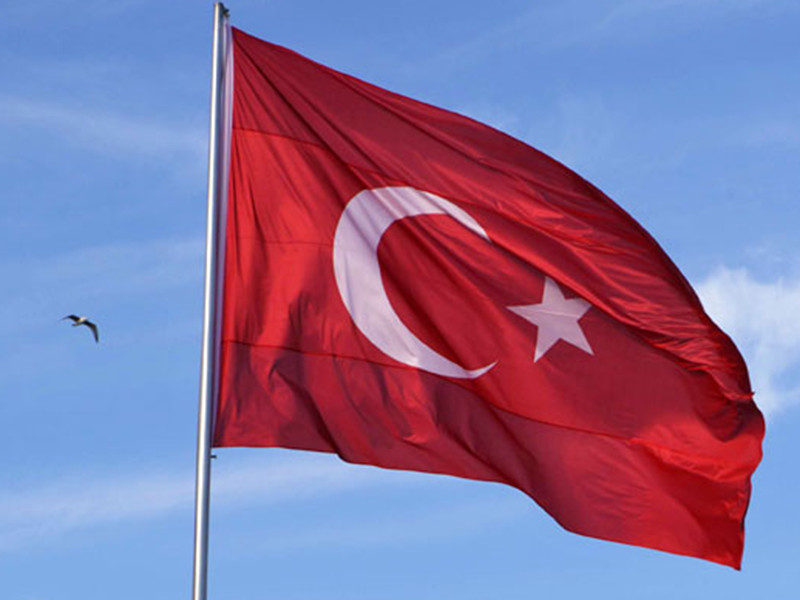
The Ministry of Health of Turkey refuted reports of the Epidemic of the Koksaki virus allegedly raging in the country. This is stated in the response of the department to the request of RIA "Novosti" . Earlier, some media reported that the number of tourists who infected this enterovirus infection is growing in Turkey, and therefore dozens of vacationers are forced to interrupt their vacation ahead of time.
On Monday, at the Directorate of Culture and Tourism of the Turkish Province of Antalya, the agency reported one case with the Coksaki virus of family members who came from Ukraine. Rospotrebnadzor in this regard opened a hot line for Russian tourists.
According to the Ministry of Health, the audit reported that seven Ukrainian tourists on vacation in Antalya really had a rash on the skin. However, the department noted, such cases can occur in any country.
"According to the results of our investigation, there can be no talk of any epidemic. We evaluate the spread of news about it in Russian social networks and the media as a speculative," the Turkish side noted. The ministry assured that Russian tourists "could safely go on vacation to Turkey."
The day before, the head of the hotel hotel federation Osman Ayyk said that information about the spread of the virus is not true.
They ask not to panic at ATOR
The Association of Russian Tour operators on Wednesday urged Russian tourists not to panic. According to the organization, cases of the disease in Turkey enterovirus infections characteristic of the summer period were really fixed, but they do not be massive. Such cases occur annually in the resorts of both Turkey and other countries of beach holidays in the peak of the vacation season, they assured the atore.
Since the beginning of the second week of August, Russian television has been demonstrated by stories that again tell about the "Epidemic of the Koksaki virus in Turkey," the report said. At the same time, journalists report the "mass escape" of vacationers from Turkish resorts. Meanwhile, the Consulate General of Russia in Antalya and Rospotrebnadzor do not record any “mass” appeals of citizens on this subject - among tourists there is no excitement, nor panic, ”they pointed out the ator. Diplomats did not receive a single request to promote an urgent departure to their homeland due to illness.
According to tour operator companies, Russian tourists continue to rest at the resorts of Turkey. Although some Russians who have planned rest in the country really treat questions about the situation with the Koksaki virus, tour operators “for single exceptions” do not fix requests for early interruption of vacation or increase the number of cancellation of tours to the country. Demand for Turkey in Russia is still as high, noted in association.
Tour operators and insurance companies called the information that Russian tourists are massively leaving Turkey due to the Koksaki virus, Irina Tyurina, a spokeswoman for the Russian Union of Trade, told Interfax . "The epidemiological situation in the resorts of Turkey remains normal," she said.
In turn, the Executive Director of the EDV insurance company Julia Alcheeva said that tourists' messages about the infection with the Koksaki virus in Turkey hotels appear every summer. According to her, this year, out of three thousand appeals to the company, only 80 had to go to the Koksaki virus, so you cannot talk about some kind of increased danger. "We as insurers are now more worried about Rotavirus, which rages on the Russian coast of the Black Sea. All infectious departments in Sochi and Abkhazia are filled," Alcheeva said.
The Rospotrebnadzor reported that information about the complication of the epidemiological situation in Turkey has not yet been reported. Only five Russians with questions about the virus called the hotel's hot line.
The Koksaki virus belongs to the pathogens of children's infections, transmitted by airborne, domestic, as well as through water. Signs of the disease - impaired intestinal, diarrhea, high temperature, general intoxication, weakness, rash on the skin. The disease passes after 7-10 days, but can lead to complications.