
Translated material
Aisha curse
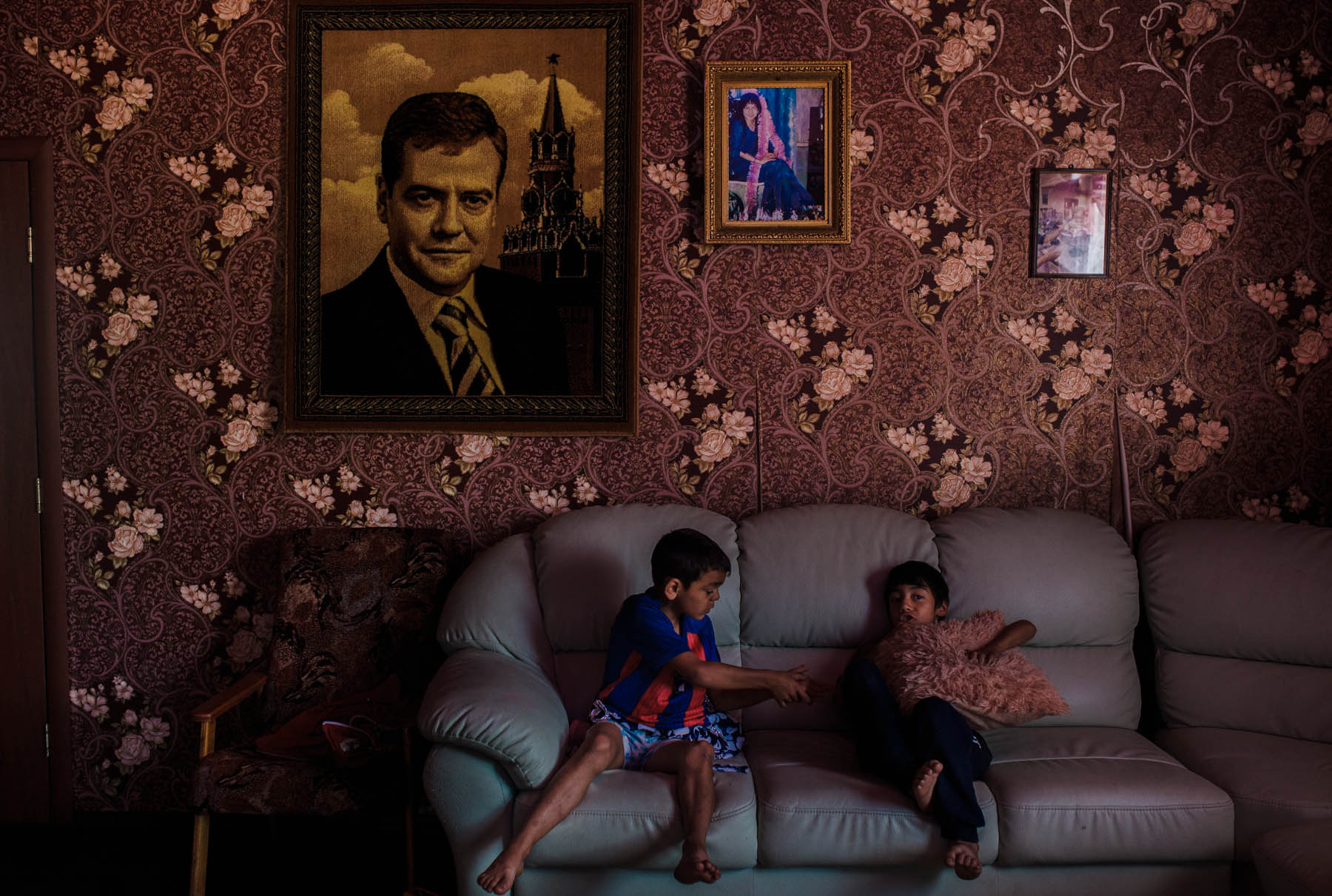
Houses in a gypsy village were sneaking with the ground. Left without a roof over their heads, the gypsies cursed the chairman of the Aishinsky settlement. The next day he died
The village of Aisha from Tatarsky is translated as “living” and is located about 30 kilometers from Kazan, surrounded by forest and meadows. There is a school, kindergarten, shops, an outpatient clinic and a cultural house. Asphalt roads are laid. Russians, Tatars, Chuvash and Gypsies live in the village. I go to the house on the house along the Cooperative Street past respect for private houses with well -groomed front gardens and leaf iron fences. And I see what remains of the gypsy village.
A week ago, on a large area purchased by a gypsy camp in property, there were 20 houses. They lived 50 adults, 40 minors and one disabled child. Now in a huge courtyard, representing a mocking tractors and land trucks, three houses are left.
They are registered, like the Earth itself, the remaining 18 houses were self -building. In August last year, Ayshinsky filed a lawsuit demanding to demolish unauthorized buildings. In September, the court appointed an examination. According to the plaintiff, the audit revealed violations of construction and sanitary and epidemiological standards.
The gypsies were recognized as illegal buildings until August 1. And they did most of this work.
They broke it with your own hands
I go through the courtyard to a group of men sitting on boards and plastic chairs at the preserved brick house. Men smoke and calmly look at me, not surprised at the arrival of the journalist - recently they frequented here. A large middle -aged uncle with a good -natured smile that exposes golden teeth seems to be Yanosh Caldaros. I understand that this is the baron that a gypsy lawyer on the phone told me about. The status of the baron was preserved only by Kotlyar gypsies - those who earned boilers in Russia. The baron is chosen by a person with everyday wisdom, knowledge of local laws who can speak well in the local language.
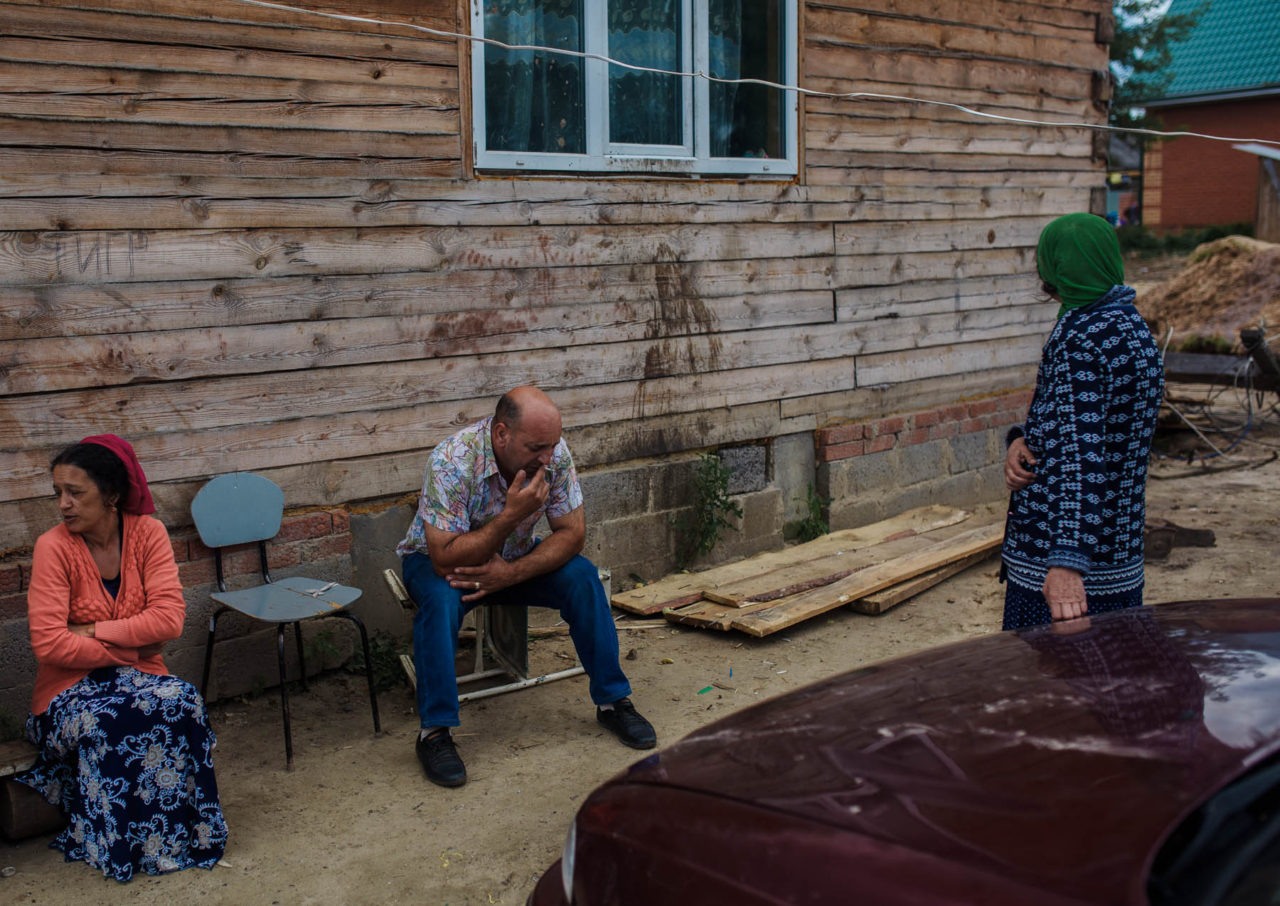 Baron communicates with women at his house photo: Alexander Levin for TD
“Sit down, there is no truth at the feet,” the baron pushes my chair and represents the audience: “This is Volodya, Arthur ...
Men immediately get down to business, interrupting each other:
- Why do we have a fine of 1 million 100 thousand? They said that we ourselves would break at home, then we would not need to pay money for their equipment. We broke. In addition to three legal houses, we did not make out only two that we promised to leave. But they drove the equipment, broke these two houses and now demand money from us, as if they had broken all at home!
“150 riot police, 150 special forces, 50 bailiffs, police, dogs, machine guns, electric skills, armored personnel carriers, waterflows”- It was scary here! 150 riot police, 150 special forces, 50 bailiffs, police. The whole street was cordoned off to the store. Dogs, machine guns, stun gunners. BTR, waterlets. Women stood with batons in their hands. We thought we would fight! For 20 people, so many people were driven!
“They break the house, things are all on the street, the rain is going on, weeping,” one of the old gypsies who came up to us say this in a hoarse voice.
Two sisters - Sophia and Vera Vryanovna Kaldaros - the elders, all of them in the Tabor obey. Vera Vryanovna is the mother of the baron. Their faces are dark from tanning, wrinkled from the years old, cigarettes smoke in rugged fingers with large golden rings. Gray hair of the old women is braided into skinny braids with ribbons. On the heads of the scarves, like all gypsies in a tabor, are dressed in long dresses that they sew themselves. Bright colors, velvet and artificial silk with rhinestones. The grandmother of faith has two large gold earrings in each ear. Then they will tell me that this gold is given to every gypsy for a wedding and she wears it all her life.
- Where do we get this million? - Vera is indignant, Vryanovna. - We have no roof over our heads. When at home they dismantled, the children were put in the house, and for three days they slept on the street, by the fire. And then they sent the children along with the daughter -in -law for relatives to Tabors in other cities.
- And how many of you are left?
- 20 people! We ourselves broke almost everything at home! Hands hurt. And men, and women, and children - all broke. These riot police were not necessary. What are they to blame for? I tell them: "You were adjusted like dogs, stand and look."
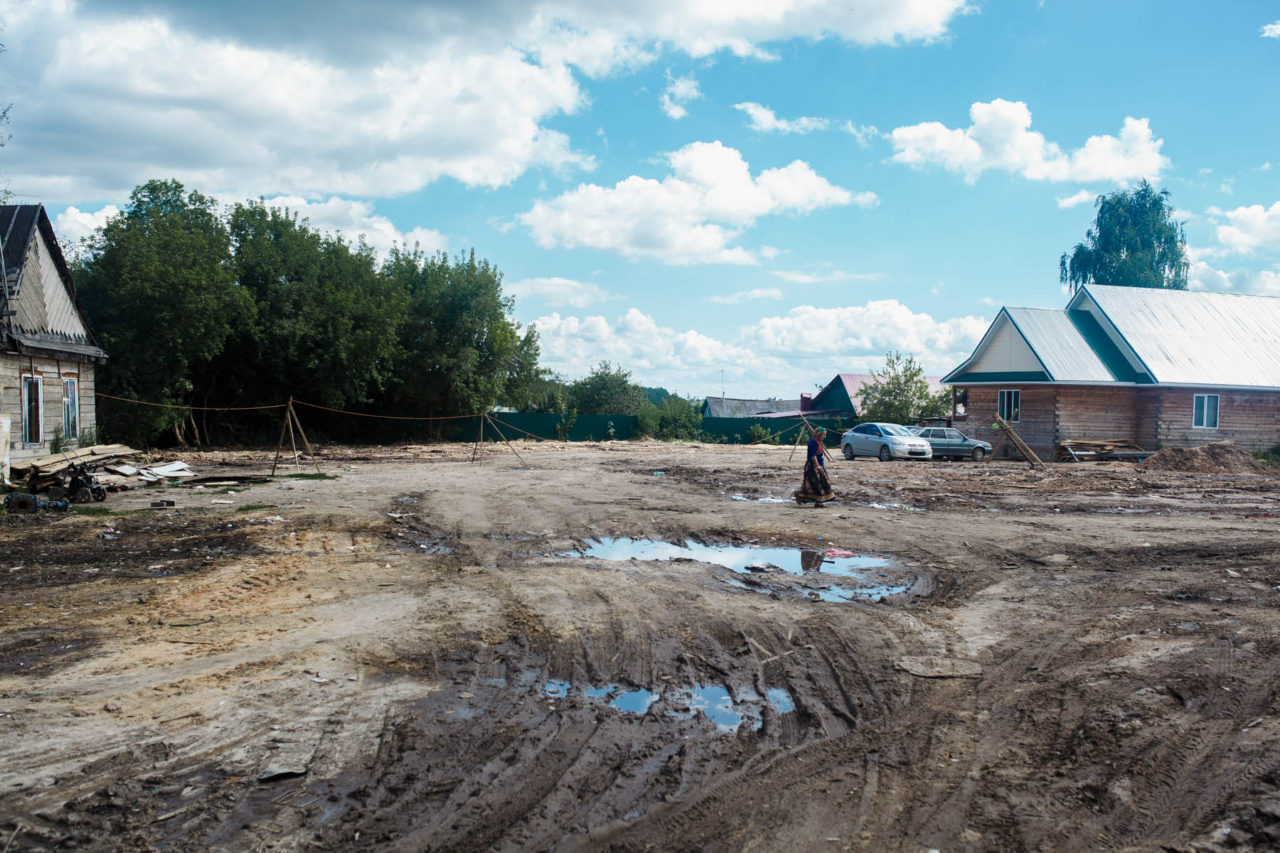 The courtyard in which three houses are left : Alexander Levin for TD
Gypsies say that there are nine large families in the Tabor, each of which is under the law of land. So far, only three were allocated. According to gypsy logic, before demolishing at home, it was necessary to allocate to families the laid areas where they would transfer their homes and legalized. And where to go with children now?
- Is it possible? To deprive the children? Break a nest? You can’t, - Vera Vryanovna carefully looks into my eyes. - We began to curse. I didn't want that. I did not want the death of the chairman of Moiseev. But I cursed him. And he died. God is upstairs. I am not happy that he died. And God forbid to rejoice in death. Because we forgave him. He himself came to us when all this ended, and said: "Forgive me, I am not to blame, I was forced."
“Is it possible? To deprive the children? Break a nest? It is forbidden. I did not want the death of the chairman of Moiseev. But I cursed him "“It was so,” Sofya Voreanovna agrees. - When all this technique left, we sat at the house and cried. The chairman brought his son in his car, he apparently drank for courage, approached us, lifted his shirt and hits himself on his bare chest: “I am a little man. Do not think that I'm big. I was forced. " And left. And in the morning, at five o’clock, died. We do not know what.
“Now they say that this is gypsy witchcraft,” her sister continues. “But we did not conjure.” They just wished. We are persecuted. We cannot be offended. Do not touch us, and we will not touch us. But he touched. So he hit that, you know, I wanted to burst in place !!! I always helped people when they came. But he made me take a sin to my soul. I am now living with this sin. After all, they plunged all the boards and logs. I say: "Leave, we will drown them with them." But no, they took away and said that then we can pick them up for the money at the landfill. But I replied that gypsies do not go to landfills. The gypsies never bomes. The gypsies do not give their children to the shelters, they do not hand over their parents to the homes of the elderly. Until I die, I will live with my son and his children. We are all relatives here. All of their own.
- And now there is no one to feed! - the elderly gypsy Maria exclaims with tears in her eyes.
- Why didn't you draw up documents? - I ask.
- Three houses were designed for us. And we did not think about others. My son has three son, they were married, they will not live in the same house, he built them around the house for everyone in his site. We just did not know what to decorate.
“The neighbor looks and says:“ Oh, how delighted I was that you had broken at home ”” ”“We are not saying that we are good,” Vera Vryanovna takes my hand in a conciliatory manner. “We are not good.” It was necessary to legalize and live. The noise was from us. There are a lot of children, they walk, dance, prefire bonfires, and play. The neighbor is good, God grant him health, never said a word. But the neighbors along this street ... - she waves her hand towards tall trees. - Yesterday I walked to take the water from the column. The neighbor looks and says: "Oh, how happy I was, that you have broken at home here, let's break these houses." Rejoice.
Knew what to pull for
- In Tula they broke, in Ivanovo they broke, in Lipetsk they broke, they did not pay any fines. Why do we need to pay? - continues the conversation Sofya Vryanovna. He talks about gypsy villages, in which the authorities also recently demolished illegally built houses. - There for gas a camp was supposed to be millions. And we should not. We pay for the light, pay for water. We have been living here for 16 years, we have only gas in the same house, no one has illegally connected, all houses are cooked on stoves and tiles.
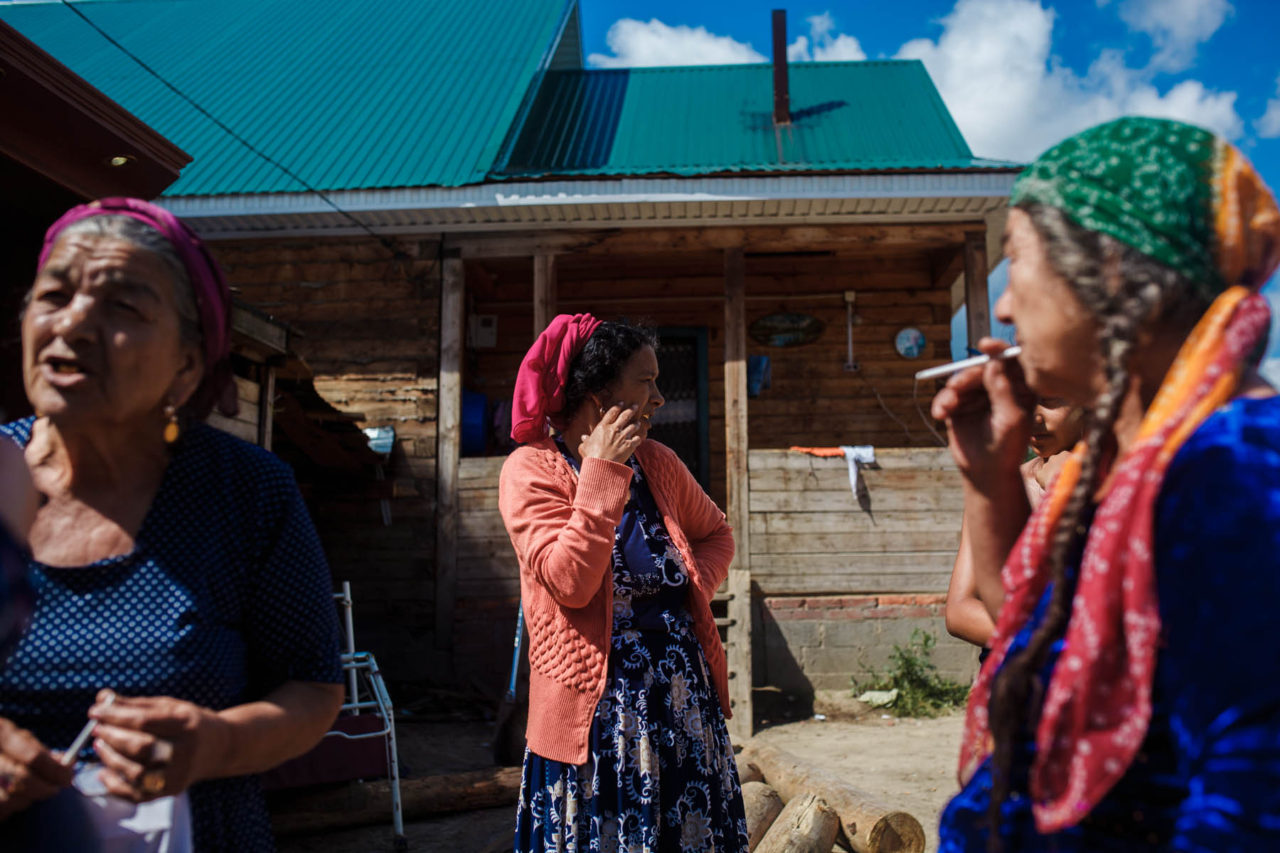 Gypsies talk about the demolition photo: Alexander Levin for TD
- On TV, they said that we have no toilets and counters. But we all have counters and were. The guys who broke at home said: “My God, they say that they have no toilets. There are toilets, we break the toilets, ”Vera Vryanovna notes.
“The workers cried,” Maria recalls. - One policeman took our dogs, cats, pulled out of the underground so that they would not be damaged.
- They worried about the dogs, but they did not worry about our children! - exclaims Sofya Vryanovna. - I collected money from all over the camp and paid for the light. For garbage. For water. We had toilets. Street. But only they are blocked. We are ashamed when the toilet is visible. They just complained. They said: “We know where it hurts, your thread is children. We will pull it for her and you will do everything. ” And they pulled, and we let it break at home.
- How much do you live here? Where did you come from?
- We are 32 years old in Tatarstan. Since 1986. Previously wandered. Either in Ukraine, then in North Ossetia, then in Uzbekistan. Then we arrived in the Urals, to the Orenburg region, and from there to Tatarstan. And then the 90s began. All. Where will you go? Big money is needed. Previously, take one or two tickets, five people will pass on them. And now not. We lived in Sviyazhsk for 16 years, we had plots. And then they moved here, the old man fell ill with us, and it’s hard to get to the hospital from Sviyazhsk. And it was difficult with firewood there. We arrived, bought several sites with perva-liners, built. Children grew up, there is no money to buy other areas, so we began to build here.
Gypsy class
The gypsies complain that oppression began in recent years and from all sides. First, they were required to take drugs and various diseases several times a year. When several children fell ill with hepatitis, all the gypsies were banned from serving in the hairdressers and cafes of the district center of Zelenodolsk. Gypsies blame the head of the Zelenodolsky district Alexander Tygin in the began conflicts with the authorities.
“Why didn’t they come and said when we built two or three houses that we built incorrectly?” - the young gypsy is indignant, propping sides with his hands.
- So then Tatar was! - Sofya Voreanovna answers her. - Good chairman. He came, respected. And there was also the head of the Pimenov administration. Good person. And there was another, also a good person, he is now in Kazan. He did not touch us. There was Emelyanov, he praised us. We go to church every Sunday, to the Raif Monastery. And he went there. He said: “These are my gypsies. They do not steal, do not trade muck. My gypsies are good. ” Then they removed him, put Tygin and this new chairman, Moiseev. And they began to saw, they began to judge us. They wanted to take away children for electricity debts. We went to the Supreme Court three times so that they would not take his grandchildren. And the judge said: "For energy that they do not pay, I have no right to take children."
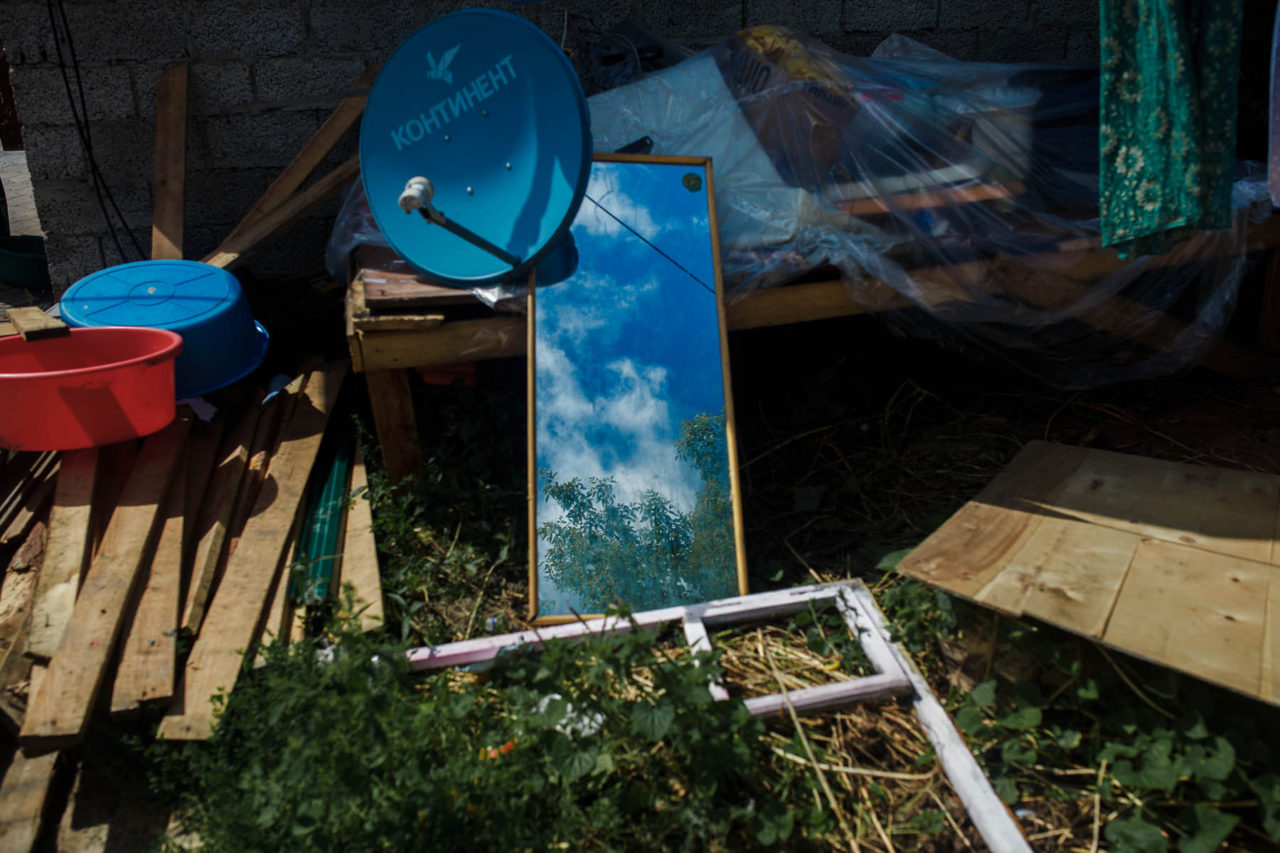 The things that have survived after the demolition are now randomly lying on the street photo: Alexander Levin for TD
 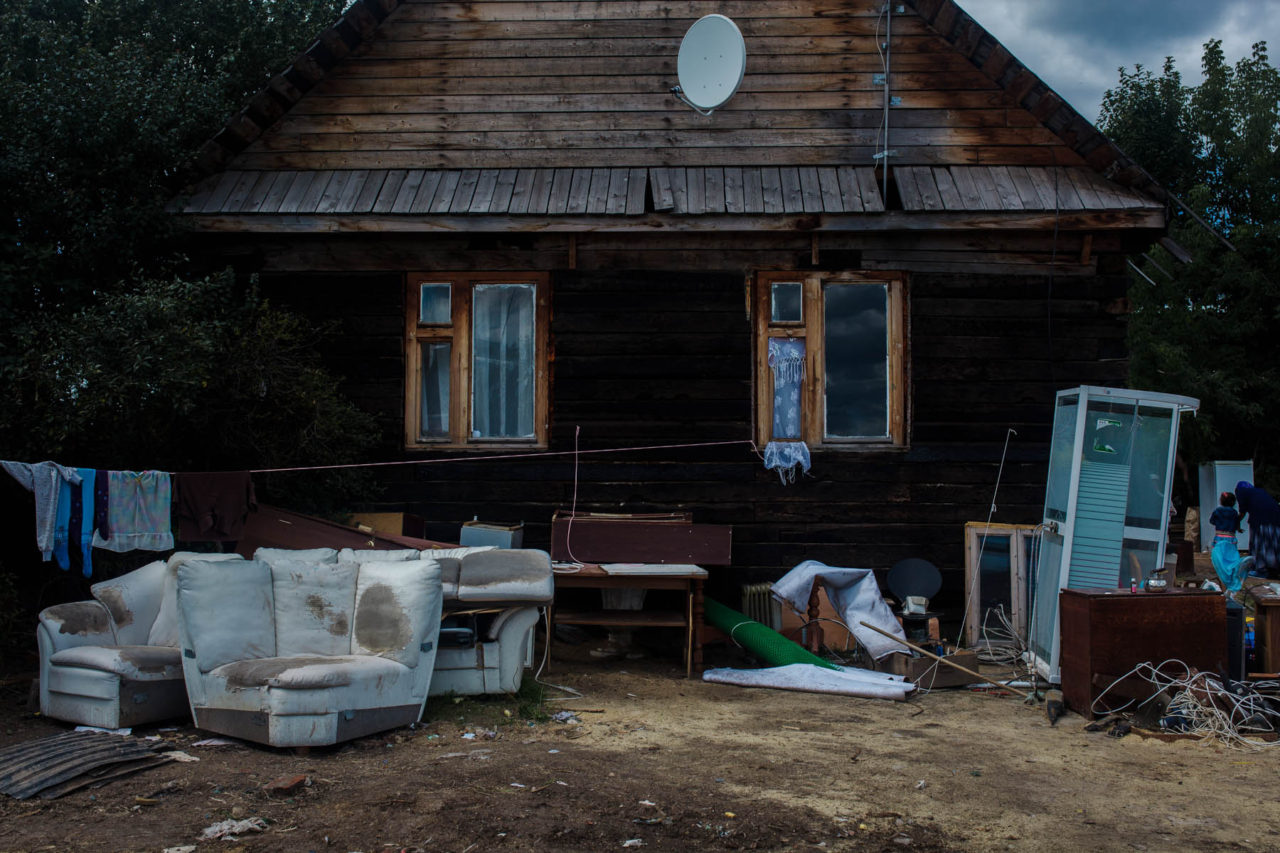 Sofas, showers and children's chairs are thrown near the rest of the house photo: Alexander Levin for TD
-And when they destroyed at home, the guardian arrived a day later with the bus. Here's how they decided: they broke it at home, children have nowhere to live, it means that they take them to a children's shelter, ”says Vera Vryanovna. - And when they began to break at home, they sent children to relatives in other cities.
During our conversation, other young gypsies, married, sit on the wall squat, listen, cry.
- I read that gypsy children in a village school were allocated to a separate class under the letter “c”? - I ask them.
- Yes, the gypsy class. Tatars and Russians gave porridge with a cutlet, and they only porridge, - did not endure and intervened in the conversation between Janos, who was at a distance.
"Tatars and Russians gave porridge with a cutlet, and ours - only porridge"- Honestly! - exclaims the gypsy Tamara. - The Christmas tree was put separately to the gypsies. Round dance to drive did not call them with all the children. Is it true! And then the children gradually knocked down. They went, then did not go to school. They had no respect.
- Help us not to pay this money! We do not have this money! Where will we get them? - Sofya Vryanovna turns to me in despair.
Young gypsies are coming to Vera Vryanovna, and she takes out a pill from the pocket of the apron. He says from the heart. For her husband, his name is an old man. He is sick, does not get up after what happened.
We are going to watch sheds where things from destroyed houses are composed - sofas, chairs, bales with clothes. Everything is raw from recent rains.
We enter into a low -like log house, upholstered by non -trained boards. The gypsies are so in charge: so that the home looks discreet, but everyone seeks to decorate it. And this house is one of the best (the best belongs to the baron - brick, two -story, which was collected by the whole camp to bring the most important guests, for example, matchmakers). Here on the floor are carpets, in the kitchen high refrigerators, a modern headset, round tables, coolers, whitewashed village stoves. The rooms are quite clean, the girl sweeps the floor with a broom. In the hall on a soft couch, children are sitting and watching a cartoon on the plasma screen of a large TV, in a spacious living room large mirrors, paintings in gilded frames, a huge dining table, several modern TVs. In the corner on the shelf Orthodox icons.
Gypsies say that these valuables were demolished here from all destroyed houses.
“Now we eat all together,” says Sofya Vryanovna. - We look at each other and cry.
We return to the courtyard, where teenagers in jeans and tight -fitting T -shirts are stingy of used cars.
- And where are your guys working? - I ask the baron.
- Who is where. In the summer seasonal work, they build cottages. They sell non -excesses, non -ferrous metal, work with loaders.
- Do you get education?
- No, we do not need it. Three to five classes finished, the pointer know where to turn on the road, they married. Rejoice in children, grandchildren. Yes, and how many people studied at the institutes in Russia, and then few people work by profession.
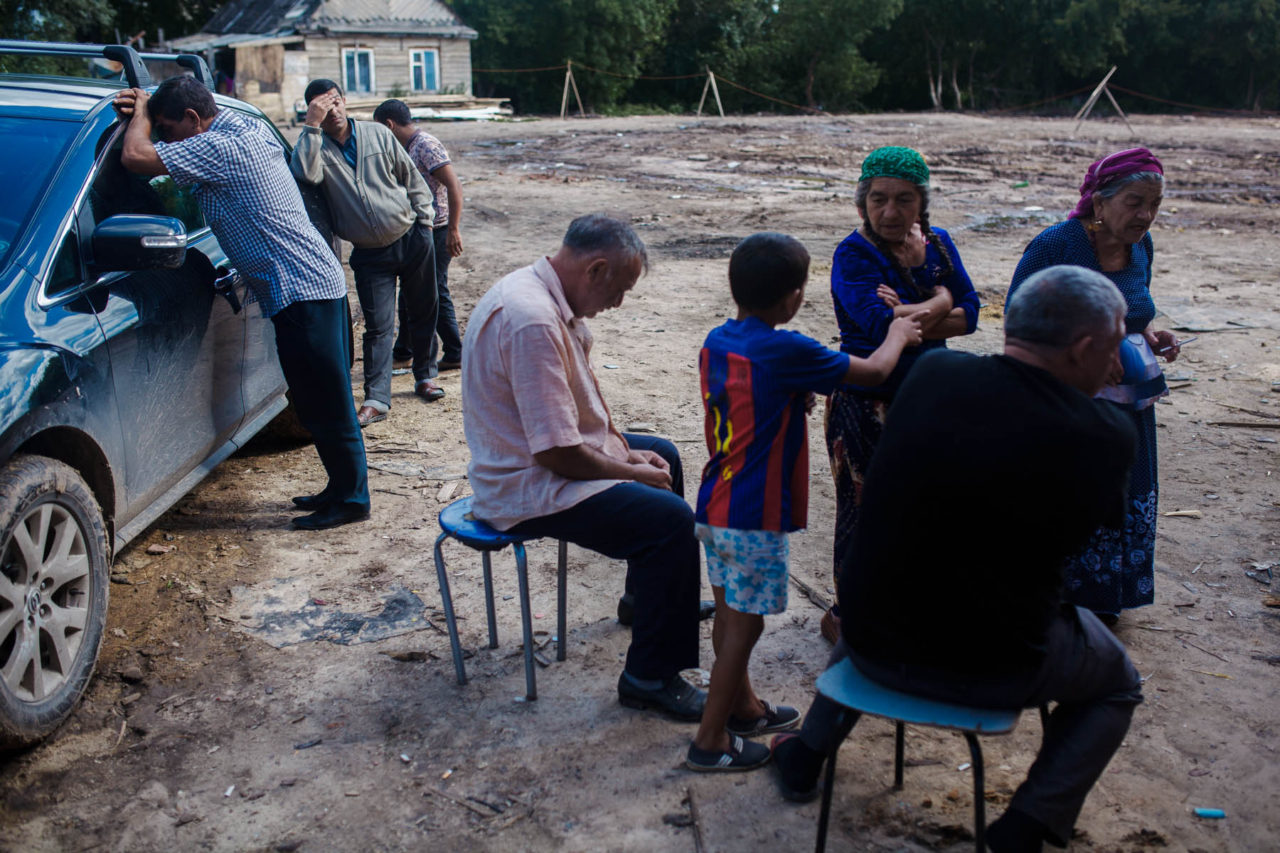 Local gypsies discuss what is happening photo: Alexander Levin for TD
- Drink?
“Yes, we drink more than Russians and Tatars,” Yanosh answers with a laugh. -If we drink, three or four bottles on a person. And you eat the meat in tons, do not bite the sleeve. But women do not drink at all. It is not good if women drink.
- Do women work for you?
“They are sitting at home,” Vera Vryanovna enters into conversation. - Previously guessed. Now we don’t go. The men bring everything. A woman should sit at home, look at the children, cook them to eat.
- The nose is already winter. What will you do? I ask.
- To exist, to live. Why lose heart? The gypsies have no time to lose heart! - Vera Verianovna grins.
“But we no longer want to stay here,” Yanosh notes. - We will sell the land and at home little cheaper and leave.
A gypsy comes out of the house, carrying potatoes in velvet hem.
- Now we will cook in the pan, we will feed everyone.
We will legalize
- Benefits, including the receipt of land for large families, are not provided to them. One child of cerebral palsy is not even paid a pension, ”Andrei Suchkov, lawyer, representative of the Kazan human rights center, who has long helped gypsies from Aisha, tells me. - They are all registered at this address. While we are at the stage of appealing the court decision - now at the Moscow level, then we will enter the European court. The main argument of the court decision was that the houses were unsuitable for living. But in order to come to the conclusion that they are unsuitable for living, it was necessary to conduct a construction and technical examination. However, only land management examination was carried out in fact. And this honorary landowner concluded that at home they do not meet the requirements. And his education is a landowner. He cannot draw conclusions. But at the same time, the judge writes in the decision that there is a conclusion of a construction and technical examination.
In general, to gypsies in the village of discriminatory attitude. They lived there for many years. If this power suited, why did you decide to change everything now? On this occasion, there was already a decision of the European court in relation to Bulgaria. There are many compact settlements of the gypsies, they also have many unformed houses. And the authorities also arrived, everyone broke and took everything out. And the court decision was such that even if they had the right to break, they did not have the right to take their property. Practice has already developed, in particular in the European Court, in order to legitimize such buildings. And we will adhere to this practice.
"The court decision was such that even if they had the right to break, they did not have the right to take their property"No mysticism
- Denis Sergeevich, what is this story with 150 riot police, who cordoned off the street in the village of Aisha? - I ask by phone at the head of the public relations department and the media of the Zelenodolsk municipal district Denis Anisimov.
- This was the execution of a court decision on the demolition of illegal buildings on the territory of the Aishinsky rural settlement. Gypsies appeared in Aisha about 15 years ago. They own four land plots. On this earth, they built houses. Three were built legally, that is, in compliance with all norms. The remaining 18 is illegal. They have repeatedly made suggestions that illegal buildings should be legalized. But they did not consider it necessary. On their part, there were repeated unauthorized connections to electric networks, arbitrarily crashed into the water supply and nourished at home, also without meters and without payment. They have one, I don’t know how to say it is, tradition: they have no rescounted places, they went to the toilet anywhere. This created certain sanitary problems in the village.
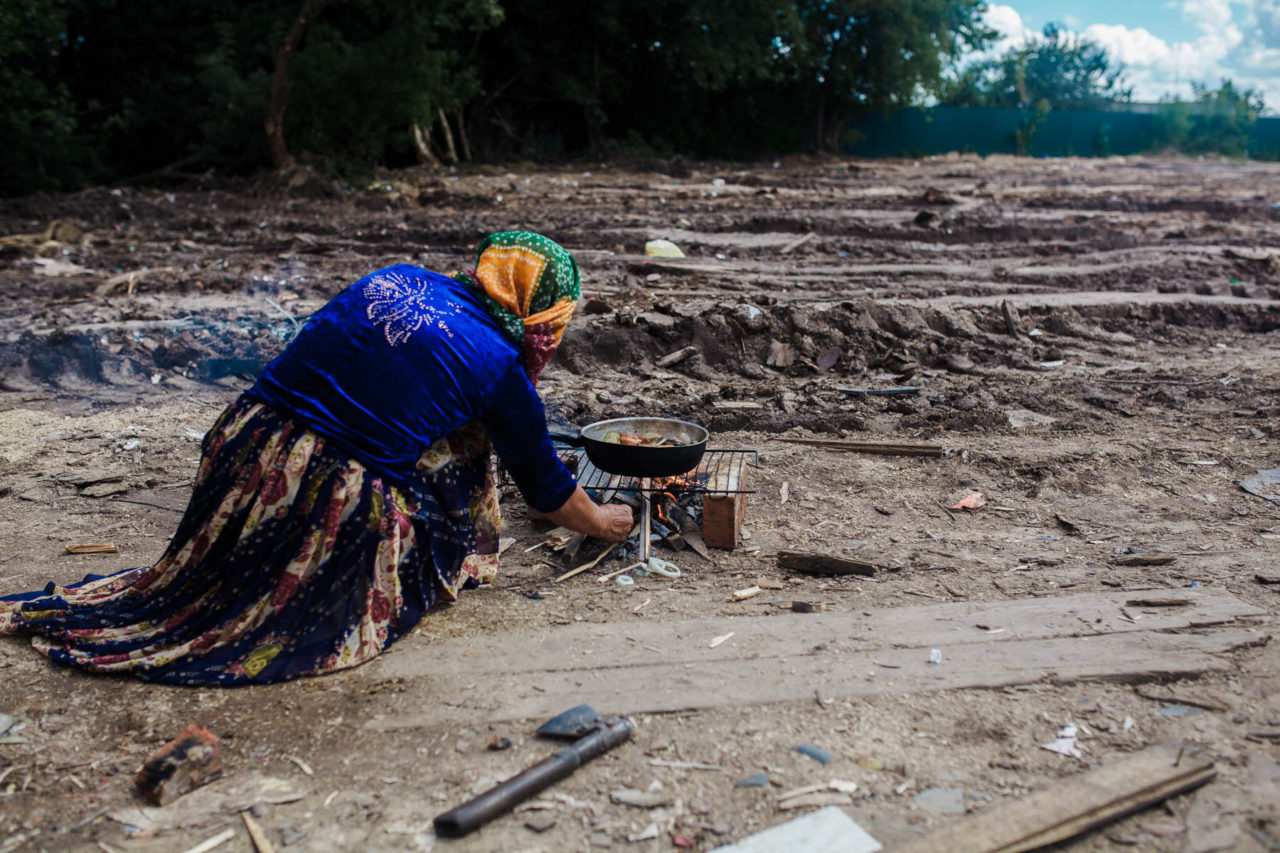 In one of the surviving wooden houses, there is no longer possible to cook food, so you have to do this on the street photo: Alexander Levin for TD
The settlement filed lawsuits in court and won. Собственники всех четырех земельных участков были обязаны снести незаконные постройки, разобрать и увезти до 1 августа. Оставить участки чистыми, без строительного мусора.
Цыгане разобрали 13 домов и просто складировали их в виде кучи мусора. Пять домов они даже не тронули. Когда пришло 3 августа, исполнительный лист по решению суда был передан приставам, приехавшим в сопровождении спецтехники и отряда ОМОН (порядка 100 человек), который нужен был для обеспечения работы спецтехники. Были также привлечены сотрудники ГИБДД, которые оцепили дорогу, чтобы можно было вывозить мусор, и был гарнизон полиции из 45 человек, которые следили за общественным порядком на месте проведения работ. За один день все вывезти не удалось. Пять домов снесли и вывозили в течение двух суток. Всего было вывезено 350 КамАЗов строительного мусора.
— А почему увезли строительный мусор, ведь он является собственностью цыган?
— По решению суда требовалось не только разобрать постройки, но и устранить их с территории, занимаемой цыганами.
— А 1,1 миллиона рублей штрафа откуда?
— Это вполне может быть штраф за вывоз мусора, за аренду спецтехники. Исполком Айшинского сельского поселения эту технику арендовал. И теперь Айшинское поселение подает иск на оплату тех операций, которые не выполнили цыгане по решению суда.
— Цыгане говорят, что вы хотите отобрать у них детей.
— Дома, в которых они проживали, снесли. Понятно, что дети, которые живут там, а это порядка 40 человек, не могут оставаться на улице. Взрослые цыгане могут по закону жить на этой земле даже в палатках, вопросов нет. Но дети в таких условиях по закону жить не могут. И пока цыгане не решат свои жилищные проблемы, для детей мы готовы предоставить комнаты в социальном приюте, а не в детском доме. Там их будут кормить, поить, у них будет постель, это хороший городской приют. Рассматривалась даже возможность забрать их туда с мамами. Но они почему-то приняли это близко к сердцу и вывезли их к родственникам.
— Они также жалуются, что им не выдают участки, положенные многодетным семьям.
— Я созвонился с отвечающими за это людьми и узнал, что три мамы стоят в очереди на получение земли в Айшинском сельском поселении. Это дело не быстрое.
— Что скажете о странной смерти главы поселения Сергея Моисеева?
— Царство ему небесное, последний раз я целый день провел с ним в Айше, когда сносили дома. He was very excited. И когда обсуждался вопрос о том, что нужно привести спецназ, технику, вызвать ОМОН, он был единственным человеком, который сказал, что не нужно этого делать, что лучше все миром решить. Он очень сильно переволновался в первый день, когда мы там работали. Врачи сказали, что причиной смерти стал сердечный приступ. Мистики тут никакой нет.
борьба за права суды цыганский поселок