Date
Author
Иван Трефилов; Светлана Прокопьева; Елена Поляковская
Source

Preserved copy
Translated material
In anticipation of the fall
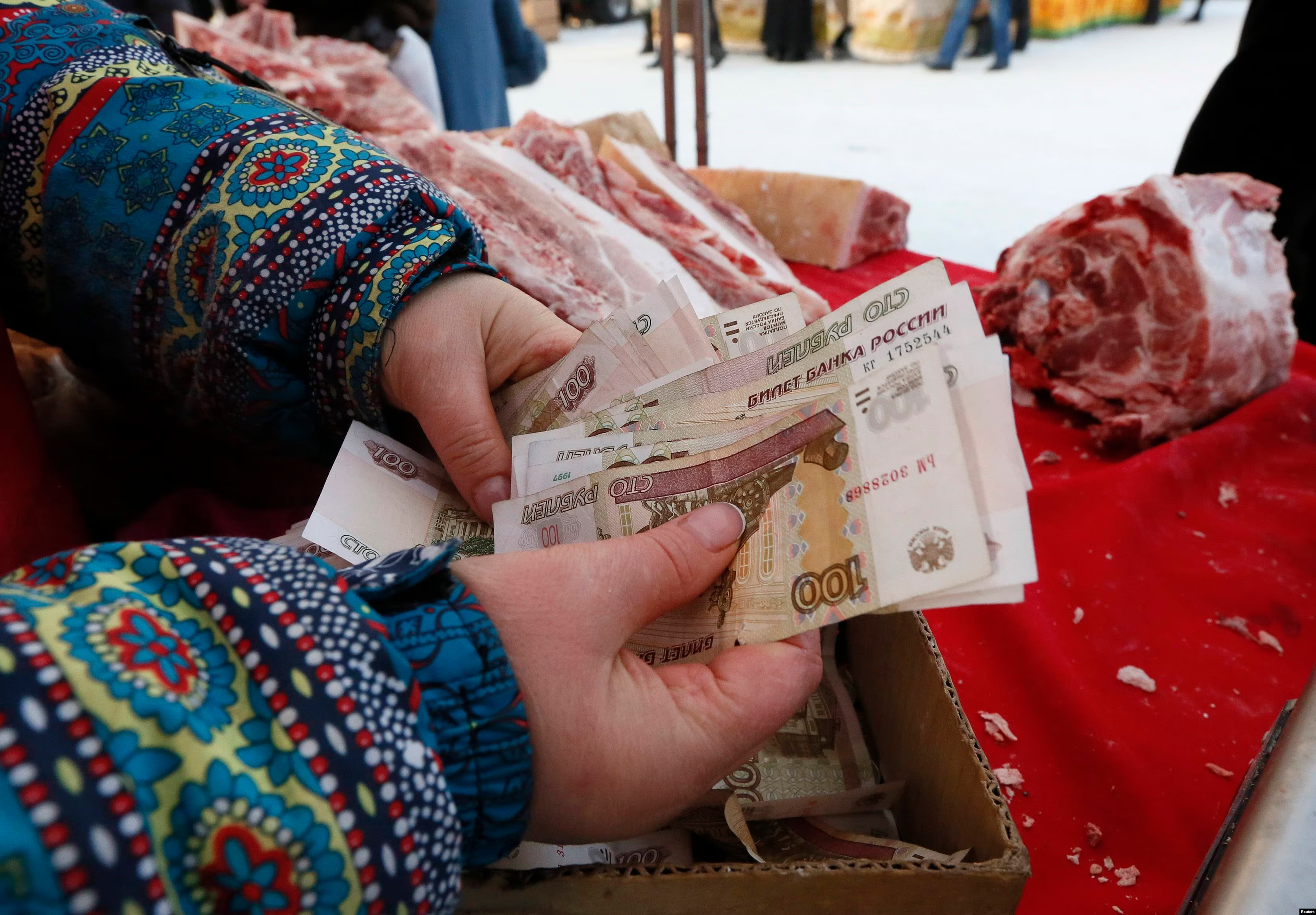
The population of Russia does not yet really believe in the long-term stability of the national currency, still in their savings relying on the dollar and euro. And Radio Liberty continues its project, in which its correspondents track the prices for some food and non -food goods and services throughout the year to compare their dynamics with official statistics. In Russia, two cities were selected for the experiment - Moscow and Pskov. Over the past month, a seasonal decrease in prices was noted there, but the possible weakening of the ruble in the future should again force goods to rise in price.
To monitor the prices of Radio, Liberty chose its conditional consumer basket, which included seven main foods: meat (beef), sunflower oil, white sugar, milk, potatoes, eggs and bread. In addition, AI-95 gasoline is included in it. Forecasts for changing their prices in Russia during the year can be read in the first material on this topic . In June, the prices of the “consumer basket” of Radio Liberty as a whole slowly grew - with the exception of potatoes, which is growing in price as a record pace. But by the beginning of August, much has changed.


Width PX Height PX
The url has been copied to your clipboard
No Media Source Currently Available
0:00 0:00:58Meat
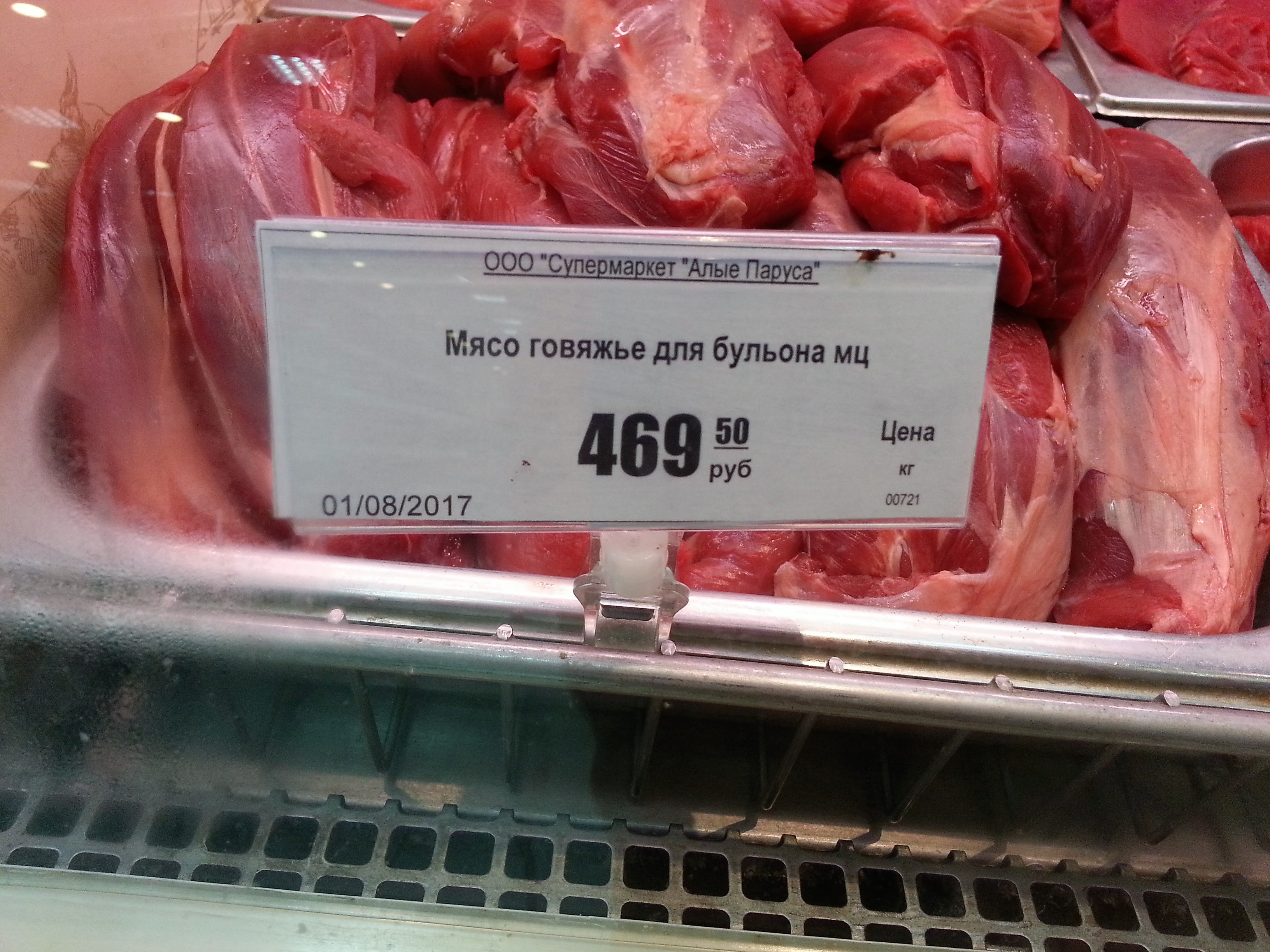
Prices for chilled beef, the assortment of which in Russia is quite diverse, has already set an absolute record of stability. In Moscow, in the National Sails Universum, for example, a kilogram of the cheapest meat (beef for the broth) in early August still costs a little less than 470 rubles-exactly the same as at the beginning of the year. About the same situation in Pskov: in January, the minimum price of a kilogram of beef increased by 5.5 percent immediately - from 360 to 380 rubles, but then it decreased by the end of May to 340 rubles per kilogram. For June, beef went up to 380 rubles, and in the end of July again fell by almost 8 percent - up to 350 rubles per kilogram.
Sunflower oil
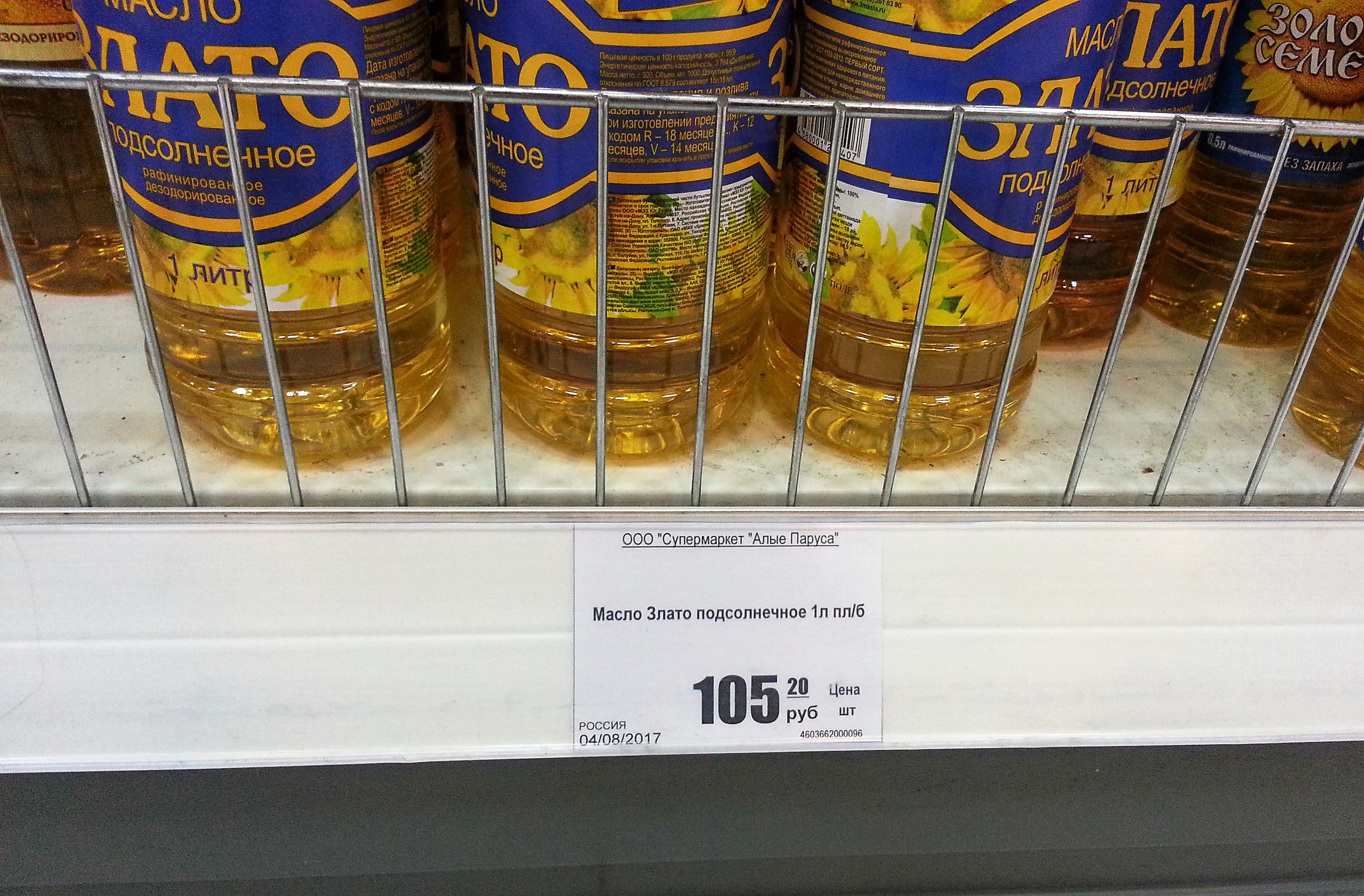
The prices for sunflower oil in Russia are quite unstable - they depend on the choice of the manufacturer, stability of supplies and shares that the stores themselves arrange. In early January, in Moscow, on the day of the "control purchase" the cheapest oil cost 115 rubles per liter, after a month - 119 rubles. But further prices began to decline - to 95 rubles in March. For April, sunflower oil rose again - up to 100 rubles per liter, in May and June its cost has not changed, and for July it added another 5 rubles in the price. In Pskov, the sunflower oil, available in the store, went up in price in the first month of the year of almost 23 percent - from 70 to 86 rubles, but then, on the contrary, it became shameful - up to about 82 and a half rubles. In April, prices rose to 99 rubles, for May they again dropped sharply - to 67 rubles per liter, and in June again rose - to almost 80 rubles. In July, again a decrease - by 2 rubles per liter.
Sugar
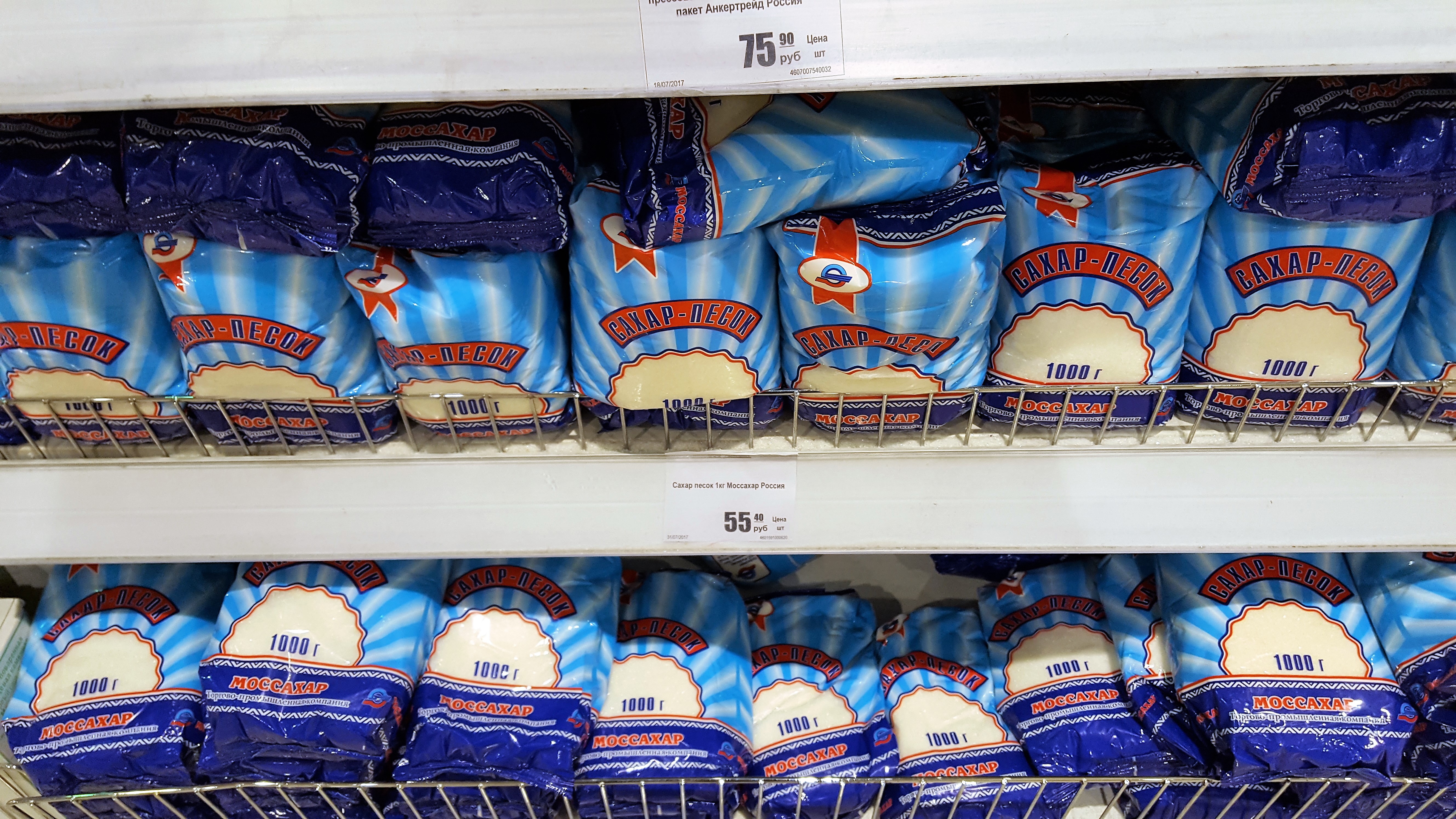
Prices for white sugar in Russia practically did not change until April. In Moscow in the first quarter, they were at the level of 53–54 rubles per kilogram. But in early April, sugar in the capital has significantly went up - immediately 12 percent, almost to 61 and a half ruble per kilogram. At the same level, he remained by the end of the first half of the year. In July, sugar, on the contrary, fell by almost 10 percent. About the same picture in Pskov, where the products are generally cheaper: from the beginning of January, by the end of March, white sugar fell from 43 to 38 rubles. Then, as in Moscow, sugar rose again - almost 39 and a half rubles, prices did not change for May, and in June they rose sharply - more than 50 rubles per kilogram. Approximately at the same level, its cost remains now.
Milk
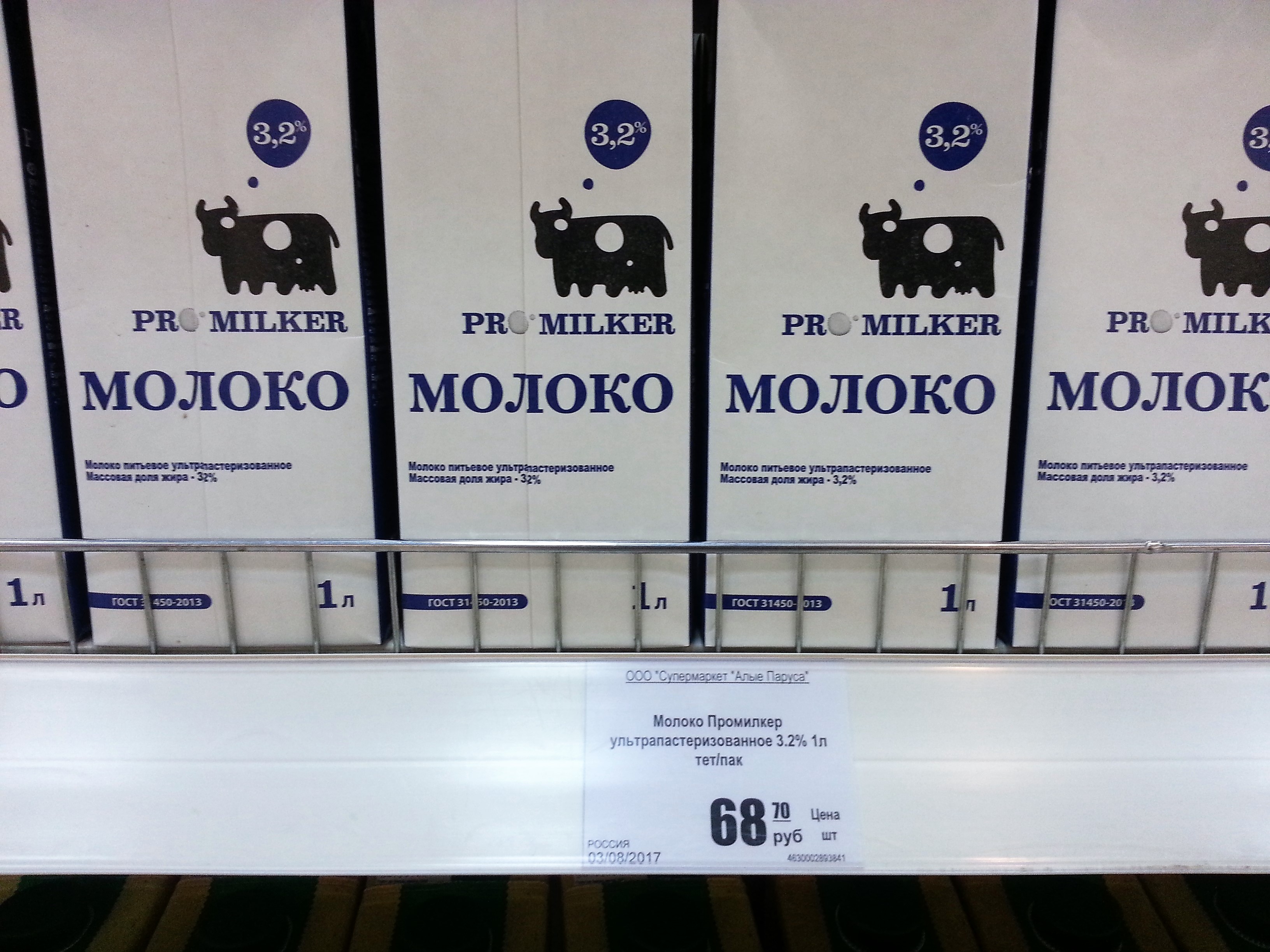
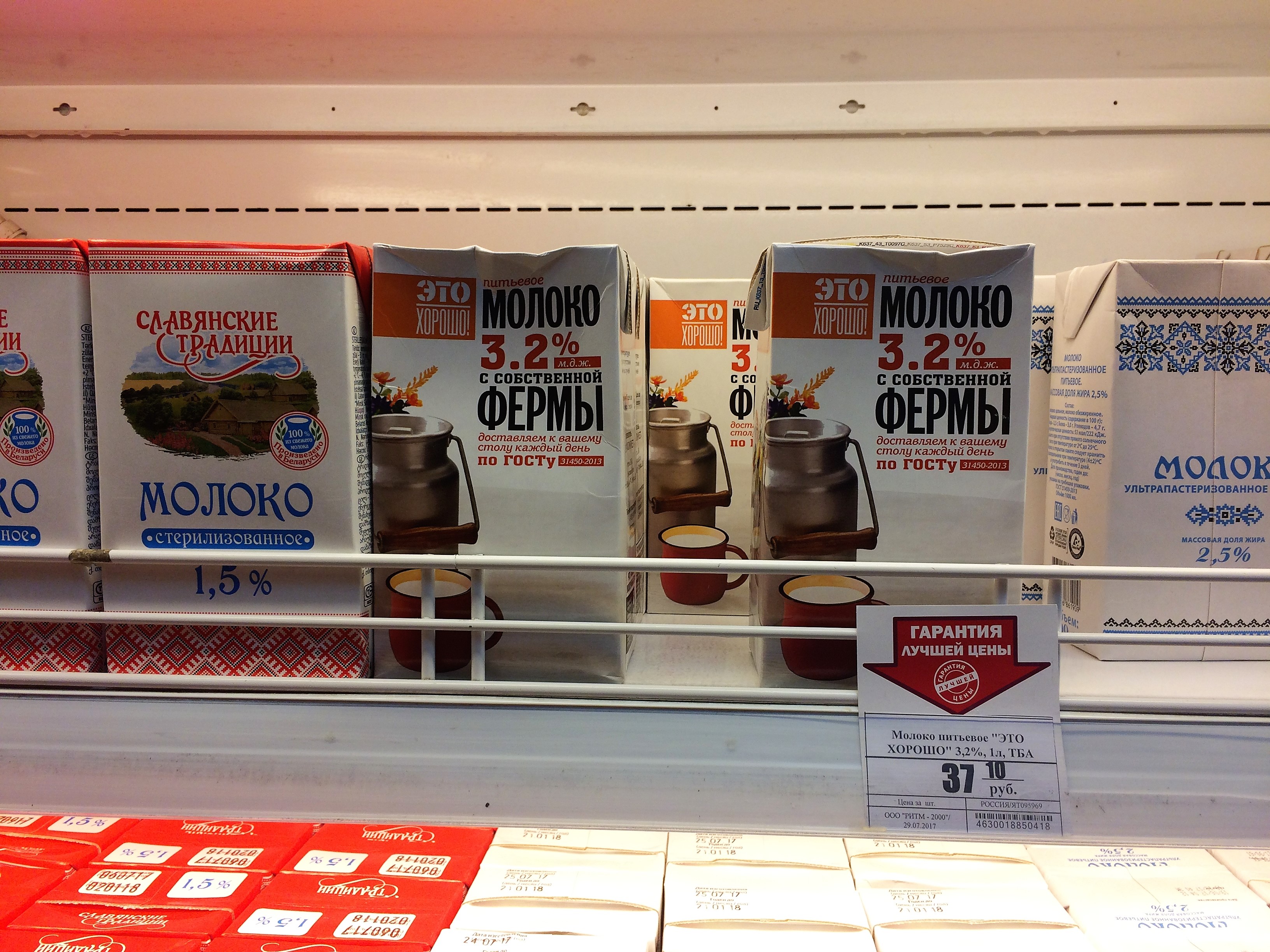
Prices for milk (for their monitoring in Russia, Radio Liberty correspondents chose a long -term storage product with a fat content of 3.2 to 3.5 percent), show similar dynamics. In Moscow, its cost continued to slowly grow - since the beginning of the year, a liter by the beginning of March has risen in price from 67 to 70 rubles. Then the increase in prices ceased and the milk even fell a little - by the beginning of May to 68 rubles. But then it again cherished sharply - immediately at 11 and a half percent, up to almost 76 rubles per liter. In June, prices did not change, and in July they fell again - almost 9 percent. In Pskov, milk in January, on the contrary, became cheaper - from 46 to 45 rubles, by early March and April, prices have not changed. Then the liter suddenly fell into a price immediately by 20 percent - up to about 35 rubles, but according to the results of May, its price again rose to almost 46 and a half rubles. At the same level, milk was held in June. In July, in Pskov, a sharp decrease in milk prices was noted - at once by 20 percent, up to about 37 rubles per liter.
Potatoes
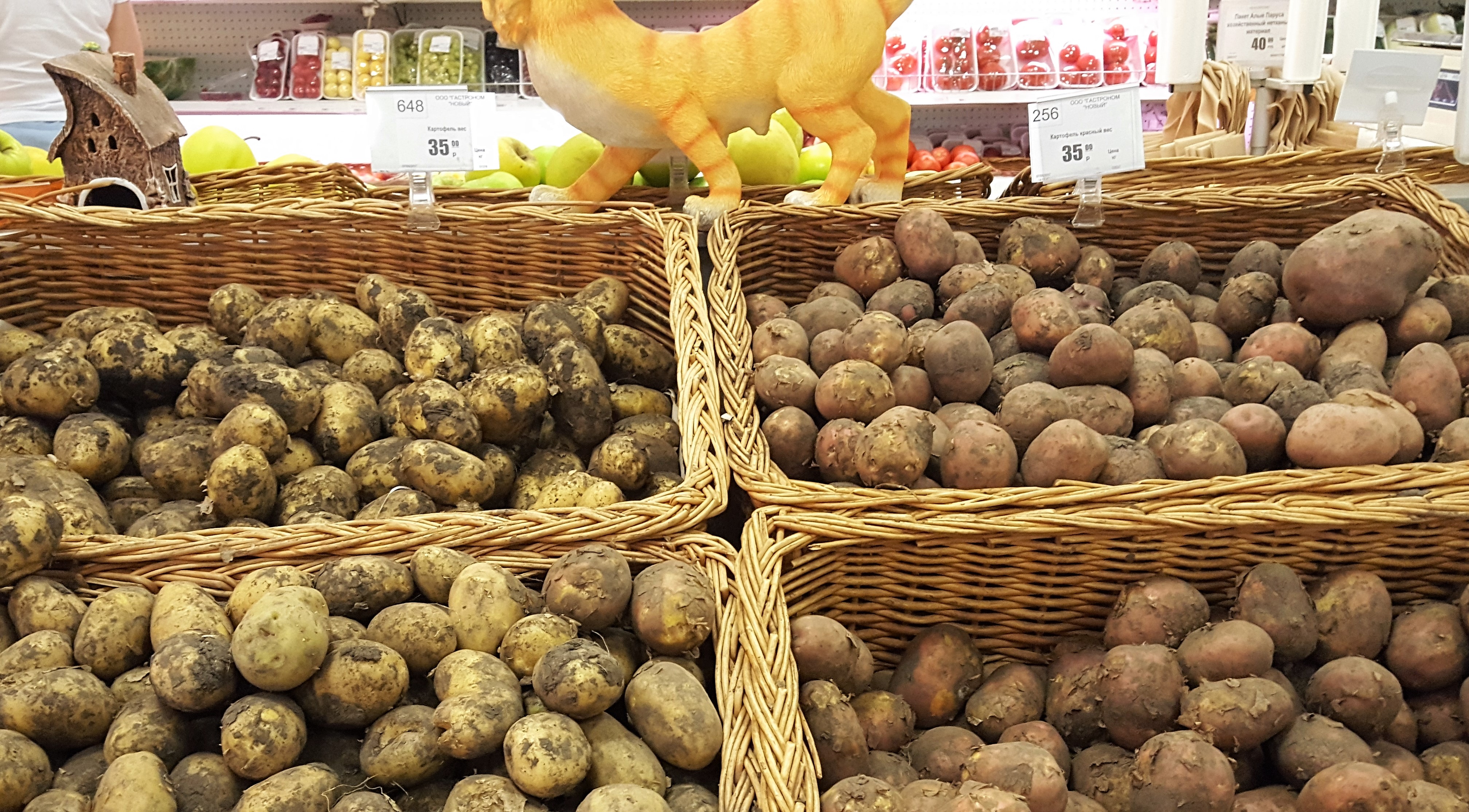
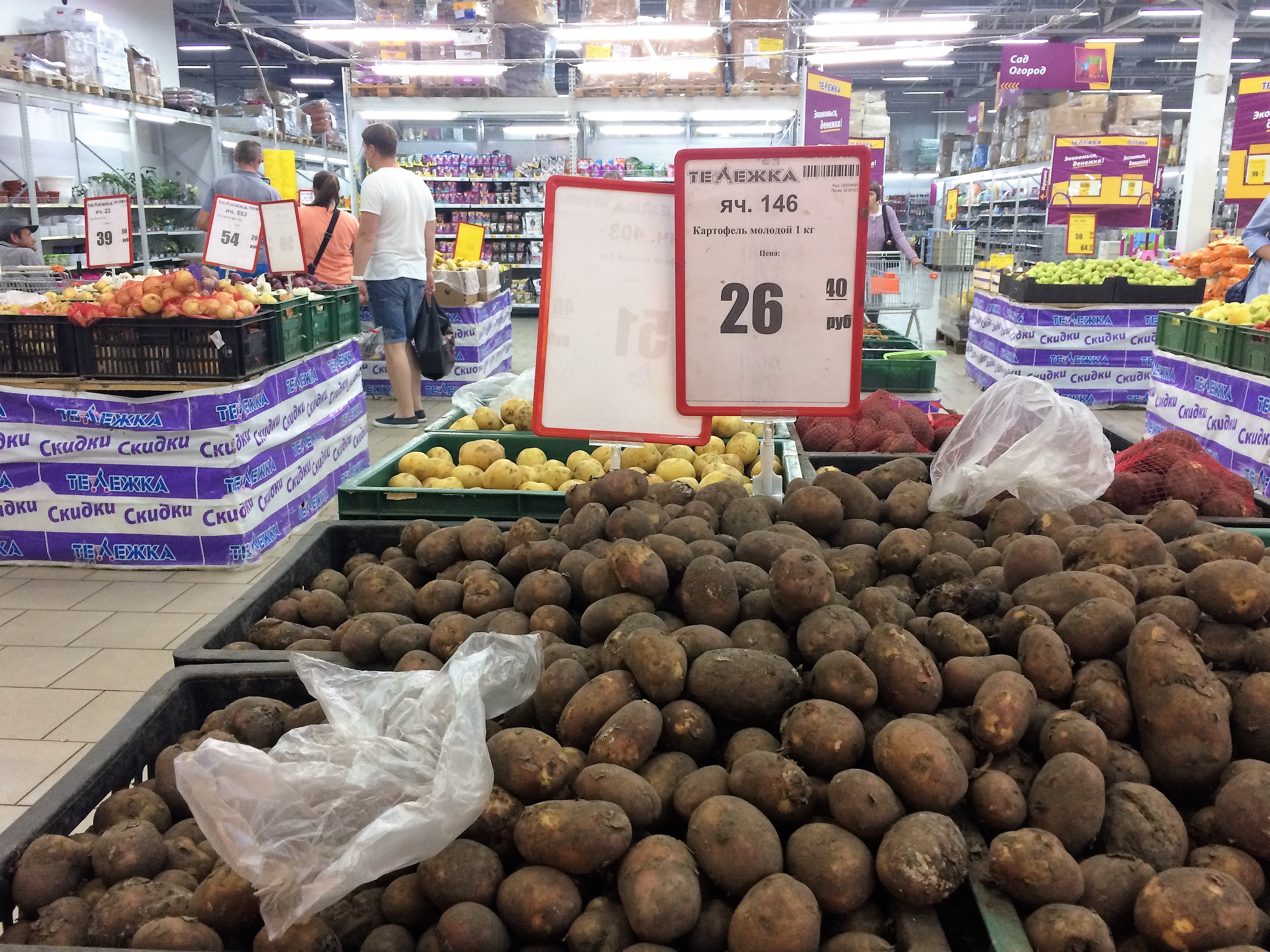
In the first half of the year, potato prices showed growth records, since the cheap crop of last year in stores finally ended, and the fresh product just started to go on sale. Since the beginning of the year, in Moscow, by the beginning of July, a kilogram of potatoes has risen almost three and a half times - from 24 to 83 rubles. But then a fresh crop (mainly imported) arrived in time, as a result, by early August, potato prices collapsed by almost 60 percent by the previous month, up to 36 rubles per kilogram. The situation is about the same in Pskov: in the first five months of the year, the potatoes there have risen more than three times there - almost 50 rubles. However, in June, the price of it fell at once by 20 percent, and in July another 30 percent - up to less than 26 and a half rubles.
Bread
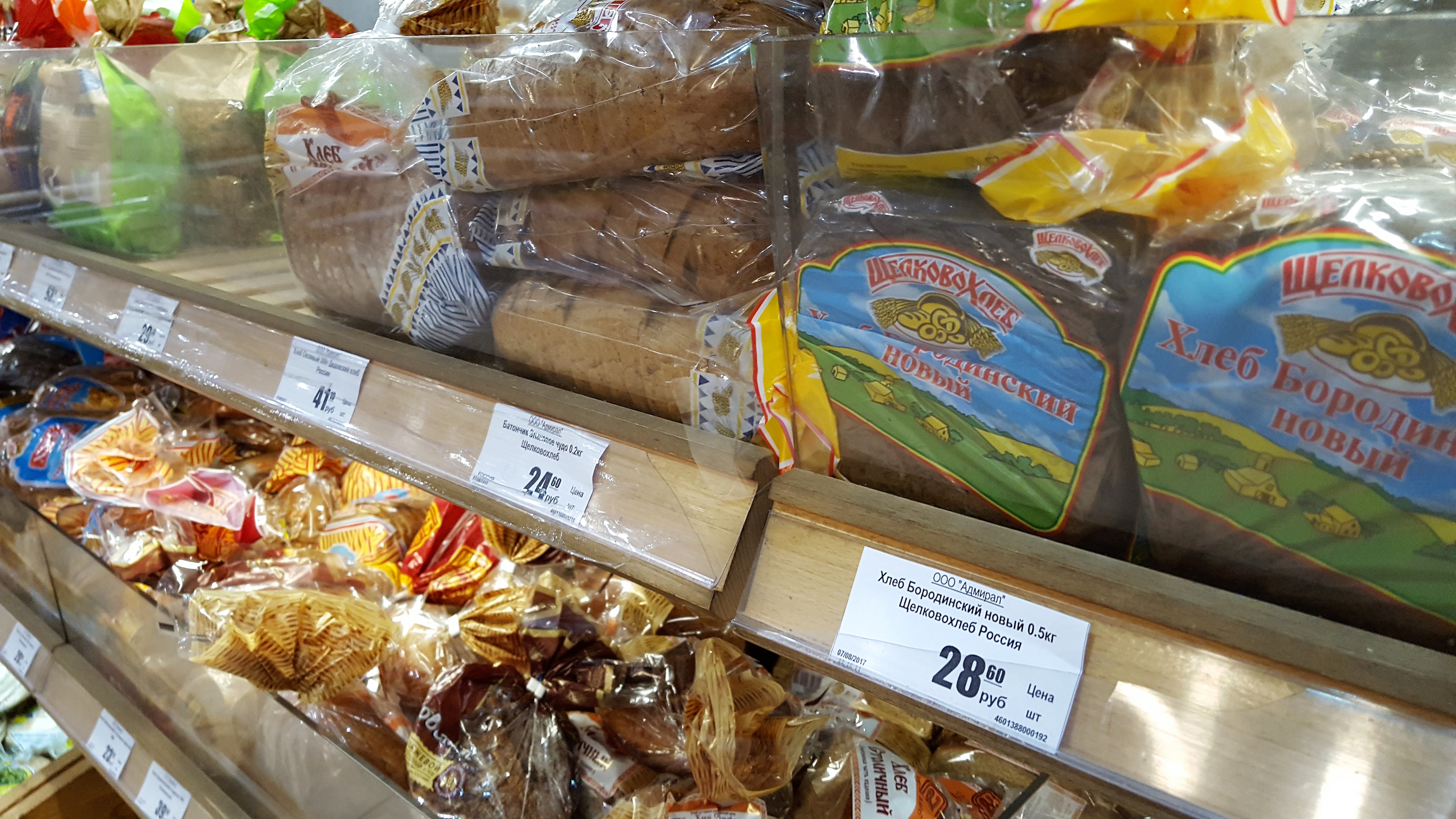
But bread prices, as well as cheap beef, are still stable. For monitoring, Radio Liberty correspondents chose Borodinsky bread weighing 500 grams. At the same time, the dynamics of prices in two Russian cities is different: since the beginning of January in a month in Moscow, bread has risen in price from 27 to almost 29 rubles (by 5.9 percent), then its price did not change. In Pskov, for the first month of the year, bread, on the contrary, fell from 21 to a little more than 20 and a half rubles (minus 3.8 percent). But then prices recovered and still hold at the level of 21 rubles per loaf.
Eggs
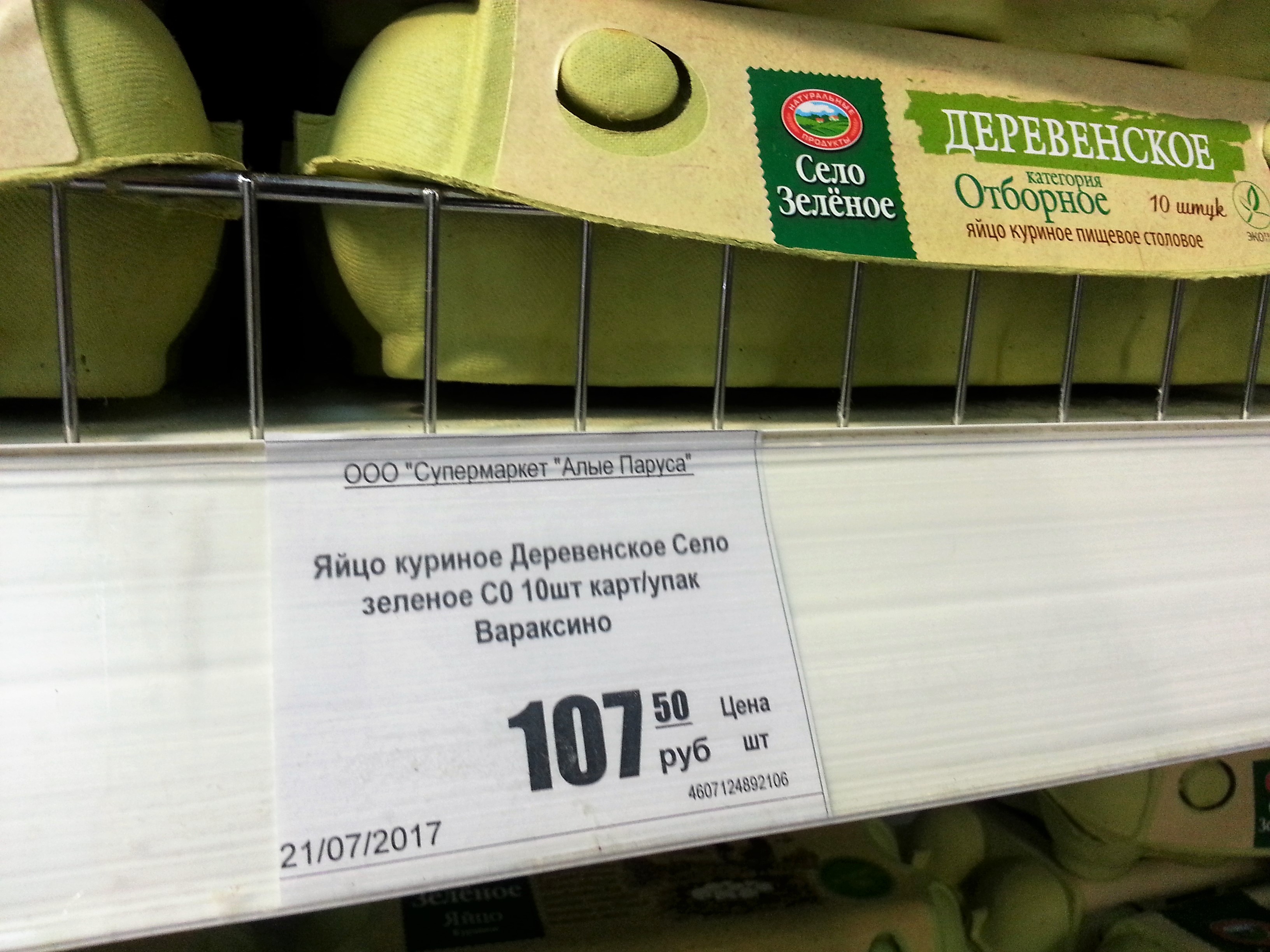
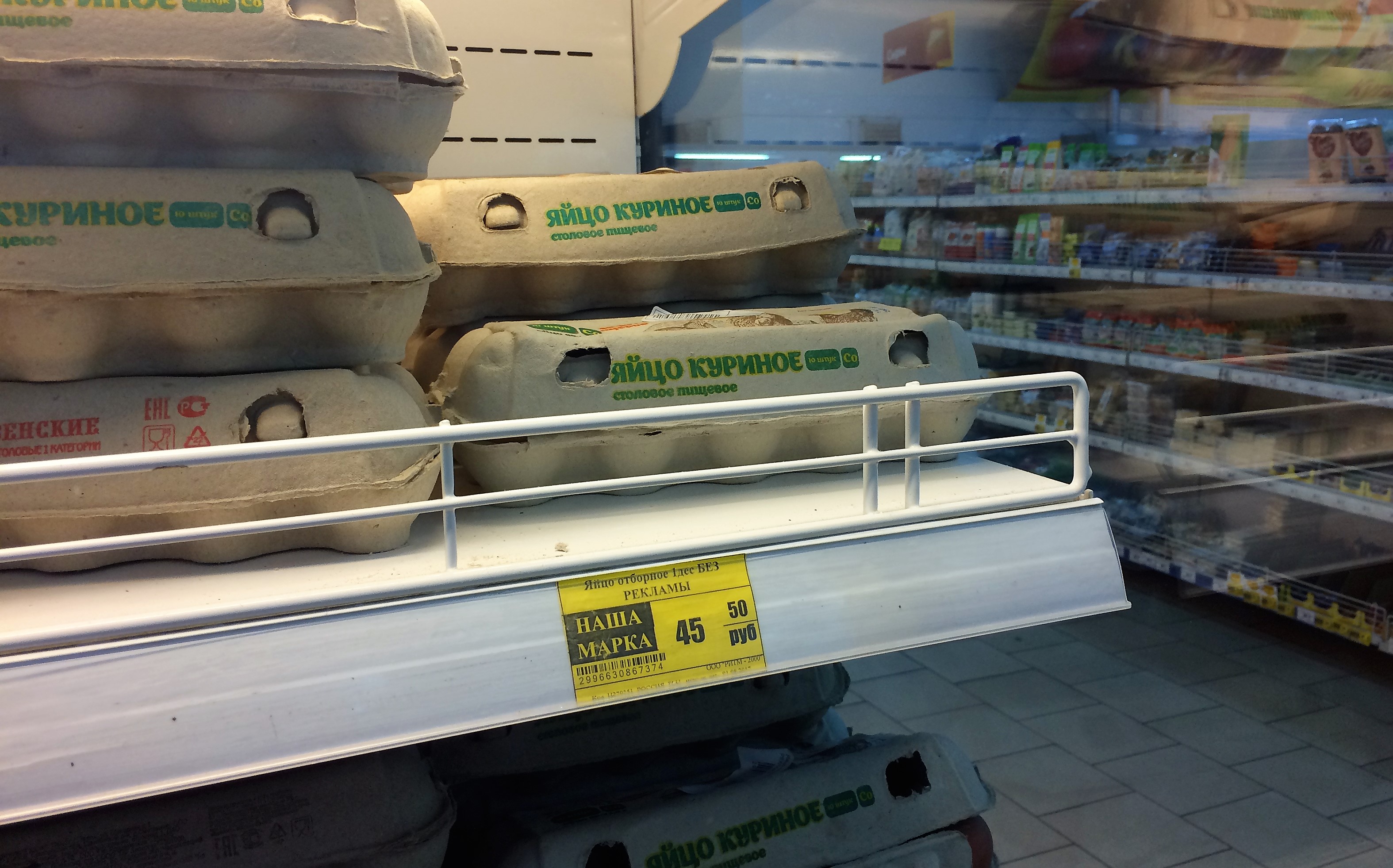
Prices for chicken eggs marked by Radio Liberty correspondents are instructed. In Moscow, the cost of a dozen in the “Selective” category in January decreased by more than 15 percent from 115 to 88 rubles, but by the beginning of March it increased again - to 97 rubles. Then a fall of up to 68 rubles per ten, and a new height - immediately up to 105 rubles. Approximately at the same level (104 rubles per ten), egg prices remained in May and June. For July, a dozen again added 3 more rubles in the cost. In Pskov, about the same picture: in the first month of the year, eggs fell from 64 to 55 and a half rubles (minus 13.4 percent), but in February they again rose sharply - almost to 69 and a half rubles per ten. Then a decrease in prices began - by early June, the cost of a dozen eggs decreased to a little more than 46 and a half rubles. By the beginning of July, they rose again - about two rubles, but by the end of the month they fell again - up to 45 and a half rubles per ten.
Gasoline
Car fuel in Russia continues to rise in price regardless of the dynamics of oil prices. From the beginning of the year, by the beginning of July in Moscow, gas prices have already risen by 6 and a half percent - from 38 rubles 30 kopecks to 40 rubles 80 kopecks per liter. July was a pleasant exception: at the gas station that the Radio Liberty correspondent tracles, the cost of a liter of gasoline has not changed. In Pskov, the rise in price of gasoline was less noticeable, but not stopping: in the first half of the year its cost increased by 3.9 percent - from 38 rubles to about 39 rubles 50 kopecks per liter. Another 30 kopecks or 0.7 percent gasoline rose in July.
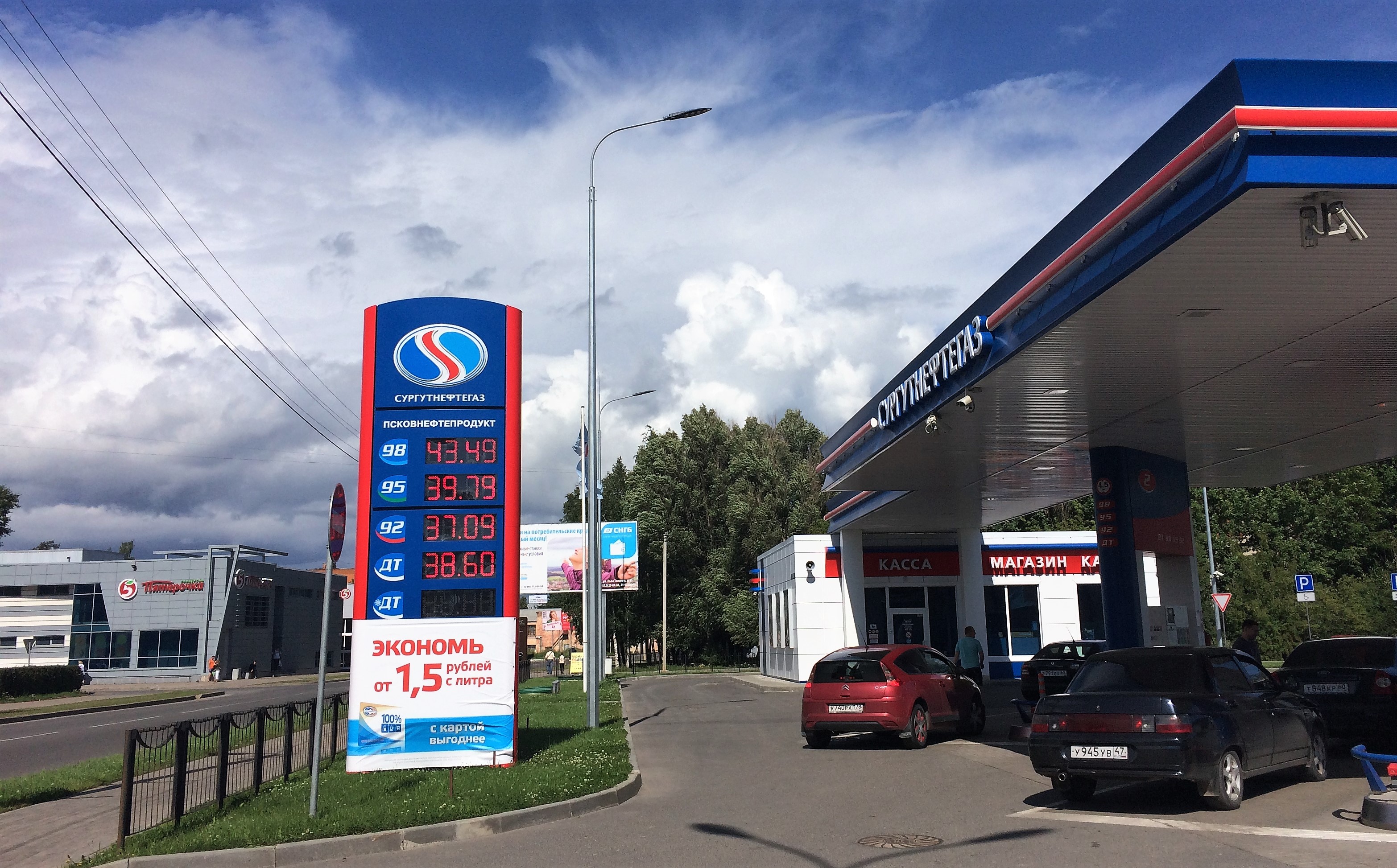
Official statistics
Inflation in Russia in July this year amounted to 0.1 percent, Rosstat reports . For comparison: in June, its indicator was at the level of 0.6 percent, in May - 0.4, in April - 0.3, in March 0.1, in February - 0.2, and in January - 0.6 percent. In general, according to the results of seven months of the year, consumer prices increased by 2.4 percent. At the same time, in the last week of July, for the first time in the year, a decrease in consumer prices by 0.1 percent was noted. In July, according to Rosstat, a decrease in prices was noted by a third of the observed types of food products.
A significant impact on the dynamics of prices for food products was reduced by the reducing of fruit and vegetable products. So, prices for white cabbage fell by 34.5, potatoes fell by 21.2, beets, tomatoes, cucumbers, bananas and lemons - from 8.3 to more than 15 percent. At the same time, the prices for oranges and apples increased by 8 and almost 6 and a half percent, respectively. At the same time, as noted in the Ministry of Economic Development of the country , the potential for reducing prices for fruit and vegetable products in the coming months has not yet been exhausted and is about 15 percent.
In a group of fish products, a live and chilled fish fell in price by 1.1 percent. At the same time, Russian caviar of salmon fish, chilled and frozen striped salmon rocks, as well as canned food for oil with the addition of oil, became 0.4-0.6 percent more expensive by Russian.
Of the observed types of cereals, the most significant decrease in prices was noted for buckwheat chips - by 2 and a half percent. At the same time, the rice has risen by 0.3 percent.
Do not believe in the ruble, but believe in crisis
And the population of Russia is still trying to place its long-term accumulations in foreign currency, fearing, according to experts, further weakening of the ruble. As evidenced by the data of the Central Bank of the country, as of July 1, 2017, more than 11 trillion 200 billion rubles were placed in Russian credit institutions in Russian credit institutions. Of these, on deposits in rubles - almost 7 trillion 600 billion rubles, and in foreign currency - 3 trillion 700 billion rubles in terms. Thus, deposits in foreign currency make up about a third of all long -term savings of Russians.
And this despite the fact that the rates for foreign exchange deposits are now minimal in the market, experts interviewed by the online publication Gazeta.ru note. Those clients who keep funds in them, either make money in currency, or spend in it, or fear the next devaluation jump, that is, they do not do this, says Stepan Sorokin, director of the Bank Sorokin Rosgosstrakh development department.
When the currency is expensive, it makes no sense to open foreign exchange contributions. This is worth doing only in the hope of weakening the ruble or hedging of foreign exchange risks, said Andrei Lushin, deputy chairman of the board of Loko Bank.
According to Oleg Safonov, managing director of the BCS Ultim, in general, the ruble in the second half of this year will be prone to weakening. By the end of the year, provided that oil prices are preserved near the current levels of the pair of the ruble - the dollar, according to its forecast, can go to the zone from 62 to 64, a couple of rubles - to levels 73–75.
Meanwhile, the share of Russians, who believe that now in Russia there is an economic crisis, has decreased to 65 percent against 75 in August last year, the Public Opinion Foundation reports .
Saying that it is exactly what this crisis is manifested by the respondents indicated inflation, rising prices, tariffs (29 percent), reducing the standard of living of people, their income, delay, reduction of payments (26 percent), unemployment, reduction at work (12 percent), as well as poor development of industry, agriculture, the decline in the economy as a whole (5 percent). Meanwhile, about every fourth participant in the survey does not see the crisis in the economy.
Among those who recognize the presence of crisis phenomena, 18 percent believe that in a year the economic crisis in Russia will be stronger than now, 8 percent - which is weaker, 2 percent - that it will end completely. The fact that the situation in this matter will not change, 28 percent of the respondents said.