
Translated material
Letters on the skin
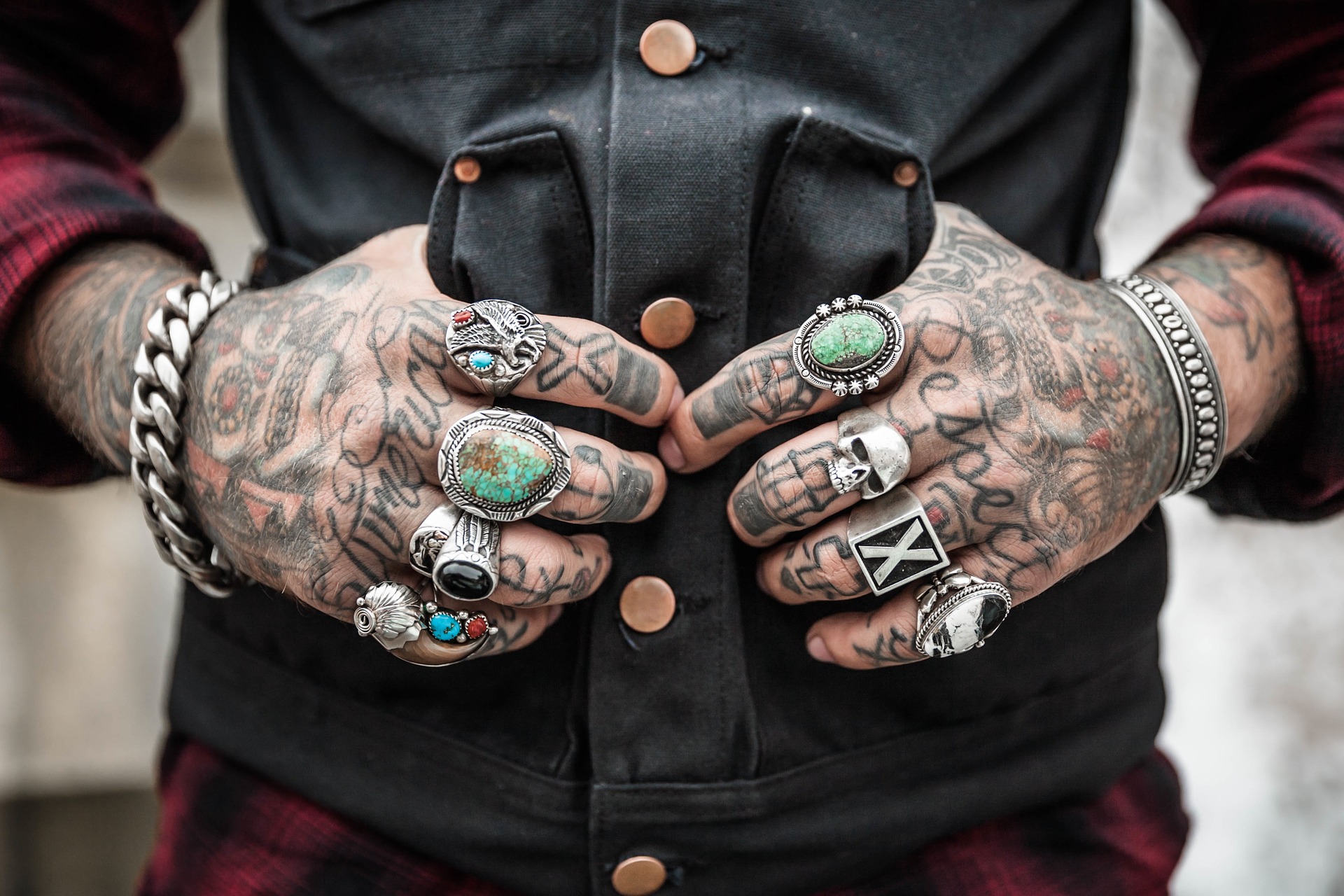
What are the tattoos talking about? This topic is discussed by the culturologist Oksana Moroz and sociologist Ekaterina Vorobyova
Sergey Medvedev: Summer. Heat. People on the street show their bodily - pants and sleeves shortened. And it became obvious that more and more people on the streets wear tattoos. Ten years ago, this was the belonging of a subculture or counter -culture. But now, it seems, the tattoo has become a universal phenomenon, universal fashion. About the history of a tattoo in the plot of Anastasia Tishchenko .
Anastasia Tishchenko: People began to draw on their skin more than six thousand years ago. In different historical periods, the tattoo was a bias from evil spirits, a body decoration, the method of stratification of society and a sign that a person belongs to the circle of the elect.
So, in the New Zealand tribe, Maori tattoos indicated the connection of man with God. In Japan, they were a privilege of emperors for a long time. But then they became a beautiful symbol of the criminal world: with the help of images of cranes, Sakura flowers, Yakuza dragons, they mean their position in the group. In medieval Europe, the drawing spoke of a human profession: a blacksmith, a carpenter, a sailor.
People began to draw on the skin more than six thousand years ago
The first tattoo sites opened in large port cities. It was the sailors who brought to Russia the taxes as a cultural phenomenon. The massive spread of tattoos in this country is associated with the birth of criminal structures. The thieves stigoms are well known: the bells mean that their carrier completely served the term, the Mother of God - that became a criminal at a young age.
Russia was able to get rid of prison meanings only in the late 90s, when the tattoo under the influence of the West became a fashionable occurrence. There were masters who consider their work to art. People stopped hiding drawings under their clothes. But a simpler attitude towards tattoos influenced their perception. Today, birds on the back mean birds on their backs, not an attribute of God, as it was in Japan. And people are looking for new ways to get rid of the drawings.
Sergey Medvedev: We are visiting Ekaterina Vorobyova , graduate student of the Institute of Sociology of the Russian Academy of Sciences, and culturologist Oksana Moroz , associate professor of the Moscow Higher School of Social and Economic Sciences ("Shanka") and the carrier of tattoo culture.
Tattoos are mainstream, no longer a subculture?
Oksana Frost: In different cultures, this can be represented in different ways. This is very largely dependent on the community that makes tattoos. For some, this is still a definite sign, symbol. It depends on the national context, on the location.
When we are talking about a tattoo, it makes sense to remember that very different practices that are represented by different carriers and different manufacturers of these practices fall under this concept. But, of course, the very practice of tattooing is now much more mainstream than it was in Russia in the 80s and earlier.
More and more people on the streets wear tattoos
Sergey Medvedev: Russia lags behind the West in the introduction of tattoos into public space?
Oksana Frost: lags behind in terms of the quality of the manufactured product. We have not yet very well developed system of tattoo sites or some individual studios. We still have a mass idea that a tattoo is necessarily something related to violation of all sanitary standards and medical practices. And to a very large extent, a dialogue between the community is not developed, which makes tattoos, piercing and so on, and close subcultures are artists, doctors, and anyone. Any person who has a tattoo can tell dozens of stories about how he came across representatives of these loved ones, in which he did not find understanding. And this is a problem.
Sergey Medvedev: Catherine, historically the roots of tattoos are purely magical? Is this a person trying to find some kind of amulet, protection from external forces, from adverse circumstances?
Ekaterina Vorobyova: If we talk about the genesis of tattoos, then the magical function is unlikely to be the main one. The tattoo always carries several functions. Firstly, this is the designation of the place in the tribe, the designation of belonging to the tribe. Sometimes it is really a decoration, sometimes a religious function, sometimes a function of intimidation before the battle, for example. Sometimes this is a designation of the number of killed enemies. It turns out such a personal biography of a warrior: how many scars on him, he killed so many people.
Sergey Medvedev: Initially, it is belonging and social status.
Ekaterina Vorobyova: Yes, social function. The magical function also takes place, but not in all tribes.
Sergey Medvedev: That's when they found an ice man , he had tattoos on his knees, on his elbows, and very strong arthritis were discovered on the joints.
Ekaterina Vorobyova: Yes, there was an assumption that this is such a methodology for acupunctures.
Sergey Medvedev: And how important is the element of suffering, pain in the tattoo, the fact that this is a certain rite of initiation - after all, applying a tattoo implies a certain violation of the integrity of the body?
Ekaterina Vorobyova: This moment was very important in the tribes. Tattoos were mainly applied during the period of adulthood. It really hurts. In modern tattoo culture, people who make large tattoos consciously understand what they have to do. As one tattoo master told me, if you are doing a tattoo, you must go through pain, because only through the pain you understand the value of the beauty that you get as a result.
The very practice of tattooing is now much more mainstream than it was in Russia in the 80s and earlier
Oksana Frost: Different people have a different pain threshold. It can be painful, or it can be almost painless. Some are sleeping during the session. Of great importance is the experience of tattoos. If you are already doing the ninth tattoo, then pain is not a key experience. There are parts of the body on which tattoos are very painful - for example, on the stomach or on the bones.
When we are talking about tattoos now, in the post -industrial period, we must understand that there is philosophy, there is mythology, there is an aesthetic indicator, but there is an idea that this is an intervention in the body. And this intervention should be acceptable organized. It must be safe. We live in a situation of comfort culture. And this means that modern carriers of tattoos, in a good way, coming to the tattoo sites, signing the agreement that they understand what they are going to, are in a situation of providing a quasi-human service. And taking into account the fact that there are all sorts of digital technologies that are also associated with introduction into bodily, this in an interesting way combines different spheres - medical, technological, aesthetic.
Sergey Medvedev: Yes, there is some kind of dialogue with the body and a completely new format of bodily-this is that a person himself determines his threshold of pain and what he wants to carry his body into the external environment.
Catherine, we talked about group affiliation. Initially, the tattoos were marked by strictly defined groups - criminal, for example, or sailors.
Ekaterina Vorobyova: There are tattoos denoting professional affiliation, there are tattoos of closed social groups - army, fleet, prison. This is not a fashion, but a tradition.
There was such a famous ethnographer Danzig Baldaev , who collected Tom with drawings of prison tattoos. He collected them for 30 years, sketched, classified. There are nationalist, protest, and iconic tattoos.
Sergey Medvedev: In general, the phenomenon of prison tattoos is the twentieth century, or was it done much earlier?
Ekaterina Vorobyova: This is much earlier.
Initially, tattoos were marked by strictly defined groups - criminal, for example, or sailors
Sergey Medvedev: Still on hard labor?
Ekaterina Vorobyova: It was a brand. At first it was forcibly. And voluntary tattoos are already found in Lombroso - basically these are tattoos of the criminal environment.
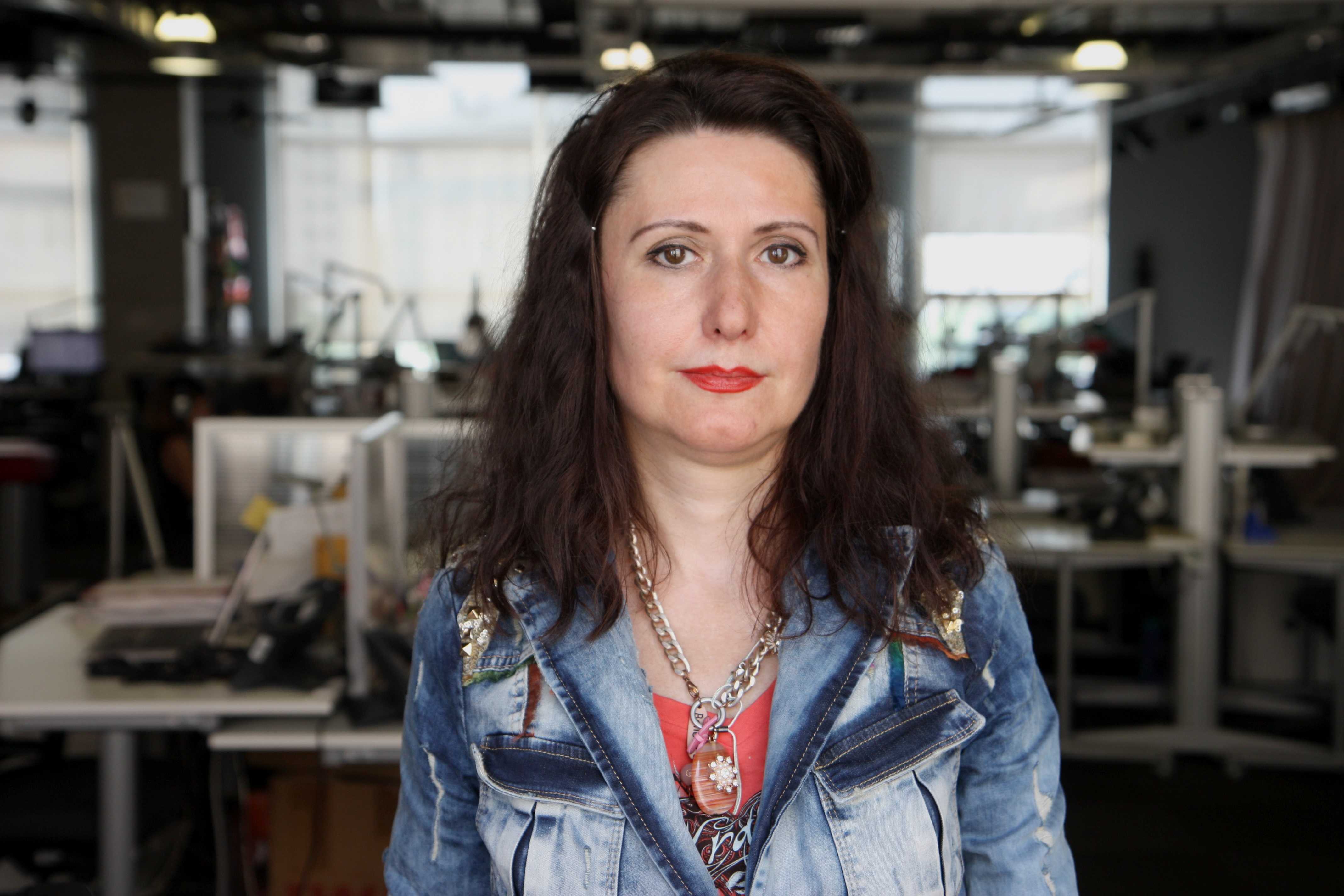
Criminal tattoo culture is a special tattoo culture. If generally talking about modern tattoo culture, then I would not call it a subculture. But the prison subculture is definitely such. This trend is still preserved in many areas. But, unfortunately, in the so -called "red belt", where prison authorities cooperate with prisoners, in recent years, tattooing is no longer related to insignia and is often applied simply for beauty. Or you can buy, for example, the status of "thief in law" and strip a star for yourself. Commercialization even penetrated the prison walls.
Sergey Medvedev: And from professional or from countercultures, who remained with tattoos?
Now you can buy the status "thief in law" and strip yourself a star
Ekaterina Vorobyova: There are separate subcultures that require tattooing - for example, anti -fascists; Pankovs often have a web, these are some musical subcultures.
Sergey Medvedev: Rockers.
Ekaterina Vorobyova: bikers. The tattooing fashion is preserved, but less and less. When I conducted a study among subcultures, they said that the first tattoos were made as a sign of belonging to the subculture, and then expanded their motivational sphere.
Sergey Medvedev: Oksana, it turns out that the tattoo, as it were, comes out of subcultural niches to the general cultural space?
Oksana Frost: Yes, the classic "sale riot." The fact that was part of the strategy of representing oneself as an alternative to something big due to the professionalization of the community that does this is turned into a wide range, the range of, in fact, goods and services, and due to this it becomes even more popular. Accordingly, more and more people come there with new ideas about professional boundaries and professional skills. People who learn to sell it come, PR, marketing come, and everything blooms with a violent color.
Now on every large street of the city you can find a dozen various kinds of tattoos, which have an approximately averaged idea of the consumer comfort and plus or minus about the same picture of what can be filled. There are stylistics that are successful. There were waves when, for example, some oriental motifs were successful. These waves replace each other. This, of course, is associated with advertising, how it is sold. When a museum of the “garage” type is brought together with the exhibition of some tattooist who makes small pictures to everyone, this, of course, is not counterculture, but, on the contrary, belonging to the most wide audience: he came to look at the museum for contemporary art, and at the same time stuffed a banana.
The tattoo, as it were, comes out of the subcultural niches to the general cultural space
Sergey Medvedev: One of the pioneers of tattoos as art in Russia Alexei Minashkin, nicknamed the Chinese, talks about the changing tattoo habits.
Alexey Minashkin: In 1984, I got into the Soviet army. I drew from childhood. Well, and old -timing soldiers raised everyone at night to mock, and they told me: "Come with us, you will do tattoos." That's how it all began with me.
1984 is such a fracture. People were, I think, no matter what to do. "Make a line!" Me: "What the hell?" And I think: "Oh, head with horns." Drawed quickly. "Oh! What you need." It was all household chores. You had to know who to come to, was supposed to be recommended by someone.
And then I opened the first wave. We tried to do it all at the state level. We even wore needles for examinations, handed over paints for examination. But nothing came of it. There are still no licenses for tattoos at all.
The tastes change strongly, because I have been doing this for a long time - not the first ten years. Now it has become so accessible ... After the 2000s, the tattoo crawled out-hands, face, neck. You look-just some kind of madness in the subway! A person should be able to dress in normal clothes and be like everyone else. Another question is that the convicts also did it to themselves, but they did it on purpose. They have a point of no return. If he walks with rings, it is clear that he will not return back to normal life.
For me, a tattoo must bear a semantic load. I note some events in life or, for example, visiting some important places for me. I used to loudly say that this is art, but in fact - no. This is rather something applied. This is on the border of initiation, medicine and art. This is some kind of strange thing.
For me, a tattoo must bear the semantic load
Some 3D tattoos are now popular. But five to seven years pass, and it all turns ... Still, in my opinion, a tattoo-it should be something logo-like. You need to understand: if you are doing it, then she must live for some time, until death.
Sergey Medvedev: You are not there temporary tattoos - you wear to death. This is a really new relationship format over time.
Oksana Frost: Now, in addition to tattoos, people are constantly making covers. We constantly repaint tattoos. Every person who lives with a tattoo for more than two to five years, even if it is very good, wants to repaint, because something has changed-an idea of yourself, some guidelines from which we came. And it can be repainted. For example, many tattooists have their arms, legs are clogged, and the case is black. They are in a tattoo, but at the same time, from under this black paint it does not see what was there before. Accordingly, a tattoo living with me a whole life is not that a myth, but this is no longer for everyone.
Sergey Medvedev: Here tattoos on the shoulders, on the arms, on the hands, on the face began to open. But does this mean that a person wants to convey this message to the city and the world? And why not approach and ask what this means? This is a certain form of openness.
Oksana Frost: This is a question about the boundaries and conditional area of the personal space, which is considered normative in one or another culture. Different people constantly ask me such questions. I am very positive about some questions if, for example, friends, acquaintances, former students ask me, because these are questions about recommendations. You can come to a good master only on the recommendation. And if not too sober people pester me in transport, then I will not answer these questions.
We constantly repaint tattoos
But if we say that a tattoo is a certain way to communicate with your own way, then asking a similar question is not very ethical, because a person with such a tattoo at the level of social functions, psychological features, some cultural paradigms in a public space should not differ from a person not tattooed.
Sergey Medvedev: This is the same as asking: "Why are you wearing a short skirt?" Or: "But you, a woman, go in a handkerchief - are you, Orthodox?" (Laughter in the studio.)
Catherine, there is an issue of openness, closed or half -open tattoos. After all, many tattoos seem to hint that they are. Here the question arises of the ratio of tattoos and sexuality.
Ekaterina Vorobyova: Tattoo carriers are more associated with self -expression than sexuality. Sexuality stands somewhere in third, fourth place. Self -expression, self -knowledge and this aesthetic function are two main functions for which people make tattoos. This is the acquisition of personal and social identity. If, for example, a "beloved girl" or "beloved dog" is applied, then it is clear that we can talk about the formation of social group identity. There is personal identity when a person, on the contrary, is rebuilt from some team. Then the image will be different. It’s like clothes - what we want to say about ourselves, we apply such a tattoo.
Sergey Medvedev: And you decide what to open and what to close.
Ekaterina Vorobyova: That's right. Another thing is that there is a fairly numerous category of tattooing, which does this exclusively because of fashion and cannot really explain why. This is a purely imitative hieroglyph. This is one type of tattoos consumers. And there is another type that delves deep into the topic. And the deeper, the more conscious a person comes to a tattoo, the more the nucleus of personality is affected. This is a very serious psychological act.
Sergey Medvedev: Do you study in a dissertation, how is the distribution by age and by men and women?
Tattoo carriers connect the tattoo with self -expression than sexuality
Ekaterina Vorobyova: Yes. For men and women the same way. And by age-mainly, of course, it is 18+ and somewhere up to 30, and then the decline. But when a person has a tattooist, then this is for life. They themselves understand that this is a "blue disease" (there is such a term). Those who begin to get down seriously can no longer stop, because this dialogue with the body is acquisition of constant identity and its renewal as a person develops, this is an infinite process. He can end only with the death of a person.
Sergey Medvedev: Oksana, do you already think about the following tattoos?
Oksana Moroz: I even think about where they will be, and plus or minus I know that it will be. I have a cycle from six months to a year - about once during this period I have to make a tattoo. Rather, this is not about personal history, but about some reference points. Если что-то происходит, мне важно это что-то отразить. И есть еще один момент: когда ты забиваешь определенную часть тела, смотришь на себя в зеркало и думаешь: "Что-то ноги как-то голо выглядят". Это часть визуального образа.
Екатерина Воробьева: То есть неоконченное произведение искусства.
У меня цикл от полугода до года – примерно раз в этот период я должна сделать татуировку
Оксана Мороз: Да. И в какой-то момент ты начинаешь думать, как эти татуировки согласуются друг с другом, ведь ты же не забор, чтобы на тебе все было написано. Это должна быть единая эстетическая система. Это особая задача, потому что одну татуировку ты сделал в 20 лет, а другую – в 40, и они между собой плохо сочетаются. А нужно сделать так, чтобы все-таки, когда ты смотришь на себя обнаженного, в твоих глазах это как-то эстетически соотносилось, чтобы был какой-то нарративный проект. Это отдельная головная боль: как сделать так, чтобы, с одной стороны, то, что я публично показываю, имело какой-то смысл, а с другой стороны, чтобы моя внешняя идентификация, которую вижу только я, имела для меня какое-то согласованное содержание.
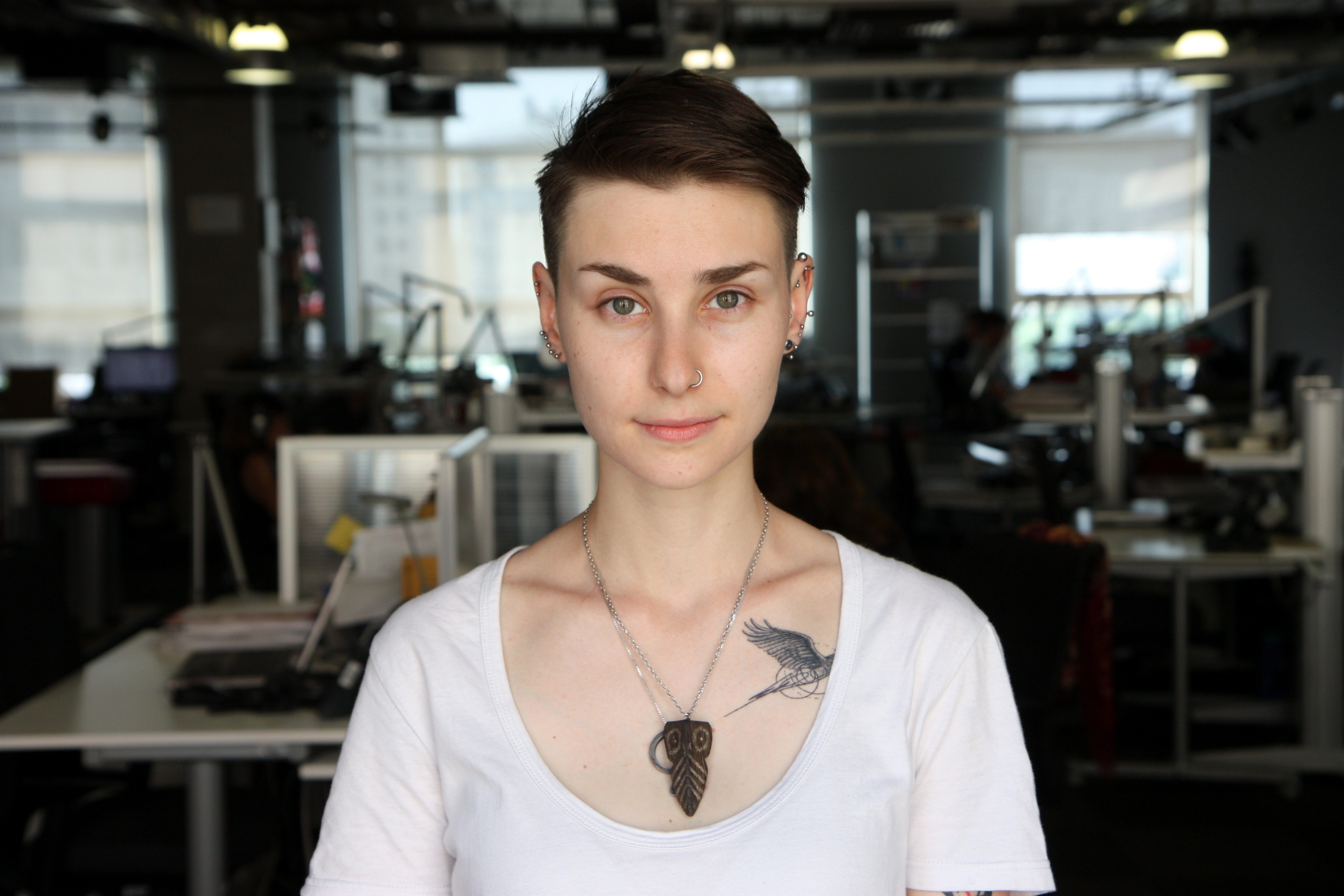
Сергей Медведев: Люди пишут историю на собственной коже, но это же является и неким месседжем для внешнего мира. Почему это должно умирать вместе с человеком? Допустим, человек хочет, чтобы остался цифровой след. Человек может уйти, а его кожа остается в качестве некоей картины.
Екатерина Воробьева: Так есть такие музеи – музей татуированной кожи, например.
Люди пишут историю на собственной коже, но это же является и неким месседжем для внешнего мира
Сергей Медведев: То есть с людей после смерти снимается кожа?! Она мумифицируется, и можно ходить и смотреть?
Екатерина Воробьева: Да.
Сергей Медведев: Говорит еще один носитель, треш-модель Дженнет Мимун , как мне было приказано ее представить.
Дженнет Мимун: Так сложилось, что из-за татуировок в России пока все-таки возникают проблемы с работой. Поэтому я сделала это своей фишкой и создала модельное агентство людей с татуировками, чтобы зарабатывать на этом деньги и как-то развить это в России. Татуировки – это норма. Я всю жизнь фотографируюсь, хотела стать моделью. Но потом начала забиваться и поняла, что модельные агентства с татуировками не берут. Даже отмечают: "чистая кожа". Какая дискриминация! Поэтому я создала некую альтернативу обычному модельному агентству.
У меня – наоборот: без татуировок не беру. Только это начало приходить в Россию как мода, и уже наших моделей начали приглашать на такие крупные мероприятия, как фешн-уик. И, наконец, это все-таки начало выходить за рамки гетто, так сказать.
Первый раз я забилась, по-моему, лет в 14 или 15 – закончила 9-й класс и сделала первую татуировку: такая вроде отметочка, что я стала старше, заканчиваю школу.
Из-за татуировок в России пока все-таки возникают проблемы с работой
Часть татуировок у меня, конечно, что-то значит. Они сделаны в какой-то определенный момент жизни. У меня есть татуировка в память о погибшем друге, а часть просто нравится. Сейчас я начала перебивать руку, потому что втянулась именно в стиль орнамента. Планирую остальное тело покрыть просто красивым орнаментом, потому что это эстетично, красиво. Для меня татуировка больше об искусстве, нежели о какой-то памяти.
Я езжу по многим тату конвенциям, смотрю на работы мастеров. Бывают просто такие холсты, что хоть в музей выставляй. Сейчас моден реализм, забиваются на него. Я считаю, что реализм – это не очень интересно. Набить портрет собаки или еще что-то – не очень круто, по-моему, хотя работы реально шикарные. Непонятно, правда, во что это превращается с годами.
Я бы не стала бить себе какие-то сатанинские изображения, потому что татуировка отражается на твоей жизни
Никаких табу нет. Я как-то сказала, что никогда не забью шею, а через два месяца пошла и начала забивать шею. А потом я говорила, что на лице никогда, а через месяц пошла забивать лицо. Поэтому я решила, что больше не буду ставить себе никаких рамок. Но я бы, например, не стала бить себе какие-то сатанинские изображения, потому что я все-таки считаю, что татуировка отражается на твоей жизненной позиции, на твоей жизни. Она все-таки несет какую-то энергетическую нагрузку. Но какой должна быть татуировка, решает сам человек, который носит ее на себе.
Сергей Медведев: Каково отношение к этому окружающих? С какими реакциями доводилось сталкиваться?
Оксана Мороз: Обычно – холодно-вежливое. Разумеется, люди реагируют, а дальше все зависит от того, к какому сообществу принадлежит человек. Если это какая-то группа, для которой наличие татуировки ничего не значит, ни плохого, ни хорошего, либо, наоборот, сообщество считает, что это нормально, то это милая история, такое ритуальное обнюхивание. Если это более традиционное сообщество, то это может вызывать уже несдержанное любопытство или даже первичную негативную реакцию. Хотя я в своей профессиональной практике ни у начальства, ни у подчиненных, ни у студентов никогда не сталкивалась ни с каким открытым негативом или враждебностью.
Сергей Медведев: Вы работаете в достаточно либеральном вузе. А если бы вы работали в МГИМО?
Оксана Мороз: Но я работала и в школе с детьми, и ни разу не было никакого конфликта. Да, конечно, я вела себя весьма скромно. Но тут тоже надо делать поправку: я живу в Москве и нахожусь в этой культуре. Да, здесь это абсолютно нормативно. Если бы я жила в каком-то другом месте или в какой-то другой национальной культуре, то было бы по-другому.
Сергей Медведев: Екатерина, а вам доводилось в вашей полевой работе сталкиваться со случаями явного неприятия татуировок, стигматизации их обществом?
Екатерина Воробьева: Безусловно. Я проводила исследование об отношении к людям с татуировками, и выяснилась очень любопытная вещь: половина респондентов без татуировок связывают татуирование с уродованием собственного тела. Но при этом на вопрос: может ли татуировка быть эстетичной как произведение искусства высокого уровня? – те же самые люди отвечают: "Да!". Отношение к самой татуировке и к людям, наносящим татуировку, – это не одно и то же. Они понимают, что это искусство, но это и "уродование тела". Но кто-то понимает, что люди таким образом самовыражаются или эпатируют. Самые разные мотивы приписываются татуированным большинством не татуированных. Но в основном конечно, если говорить о негативном восприятии, то в большей степени это все-таки старшее поколение. Молодежь очень лояльна или даже равнодушна. Последние исследования показывают, что им просто все равно.
Сергей Медведев: Наверное, очень часто возникают конфликты с родителями?
Половина респондентов без татуировок связывают татуирование с уродованием собственного тела
Екатерина Воробьева: Конфликт с родителями у многих. Многие делают татуировку в пику родителям себе на 18-летие – такая вот инициация в чистом виде: я доказываю себе, что мое тело – это мое дело.
Сергей Медведев: А в тату-салонах имеют право бить татуировки только с 18 лет?
Оксана Мороз: По письменному разрешению родителей, а лучше с ними.
Сергей Медведев: Можно ли свести татуировку полностью, без следа?
Оксана Мороз: Смотря какая татуировка. Останется рубец, который придется зататуировывать черным. Но сведение каких-то татуировок возможно, остается минимальный косметический дефект. Рубец остается в любом случае.
Сергей Медведев: А есть какой-то процент людей, которые потом хотят свести татуировку?
Екатерина Воробьева: Как правило, те, кто делает это, не задумываясь, те потом и сводят, а те, кто делает осмысленно, не сводят.
Сергей Медведев: А вот бодимодификации – это же часть гораздо большей вселенной. Здесь может быть и скарификация, и клеймление, и чипирование, и люди шрамируют себя. Это измененное состояние телесности, измененное отношение к телесности?
Оксана Мороз: Сложно сказать. Это, конечно же, отношение к телу как к оболочке, которую можно менять и модифицировать как угодно. Бывают разные причины, но это отношение к собственному телу, которое может подвергаться разным изменениям, в том числе, тем, которые не очень понятно, каким образом отразятся на здоровье. Если татуировка – это длительный и болезненный процесс, который связан с относительно нормальным заживлением, то современные технологии скарификации, когда человека шрамируют, потом втирают краску, потом отдирают, потом втирают еще раз, чтобы получился цветной шрам, это, конечно, очень больно. Дальше вопрос: насколько эти эстетические желания соотносятся с вмешательством в существование человеческого тела?
Но это в значительной мере вещи, которые идут рука об руку – татуировка, пирсинг, шрамирование, бодимодификация. Это вопрос того, во-первых, что человек обозначает, как более понятную, удобную и связанную с ним практику: ему больше нравятся картинки на теле, или ему нравятся импланты. Второе – это вопрос о том, насколько далеко человек готов зайти в этих логиках пересобирания себя. И третье, что немаловажно, это вопрос о том, насколько развита соответствующая индустрия. Татуировщики могут не иметь системного медицинского образования, но они проходят медицинские курсы, а человек, который делает бодимодификации, конечно же, должен иметь медицинское образование, потому что это массированное долгоиграющее вмешательство.
Сергей Медведев: Екатерина, это часть того, что шире называется "бодипозитив" – это преподнесение своего тела как некоего эстетического объекта?
Любые телесные модификации – это проектирование собственной идентичности
Екатерина Воробьева: Тело как проект. Любые телесные модификации – это проектирование собственной идентичности. Это бесконечный эксперимент. У меня есть одна респондентка, которая любит подвешиваться за ребра. Это жуткая боль. Ее протыкают крюками для туши, и она висит. Она подвешивается раз в год. Я говорю: "Зачем ты это делаешь?". Она отвечает: "У меня, во-первых, высокий болевой порог, я не очень чувствую боль. Во-вторых, этот мир становится ярче". Она очень любит проводить такие опыты. У нее расширяется сознание.
Оксана Мороз: Есть история про бодипозитивное движение, которое выстраивает личную и индивидуальную идентичность, а есть история про бодипозитив как социальное и политическое действие, своего рода активизм. И вот когда я исхожу из того, что мое тело – мое дело, и занимаюсь экспериментами с самим собой, конечно, это разговор про то, что я настраиваю свои отношения с телесностью, обнаруживаю свои границы. Это нужно мне. Но если мы говорим про то, что все эти практики становятся борьбой за что-то или против чего-то, и они становятся частью продаваемых стратегий, конструирования человека и конструирования его свобод, то это, конечно же, о публичном и о политическом. И в этом смысле те же самые подвешивания, которые были частью предоставляемых на шоу и в тату-салонных услуг, можно рассматривать как индивидуальную практику общения человека самим с собой, а можно рассматривать как часть шоу-бизнеса.
Если мы говорим про индивидуальные практики, то дальше нужно оставлять человеку пространство для выбора. Он может выбирать и то, что общество называет патологией. Если это его выбор, то это его ответственность. Если же мы говорим о публичном, то стоит задаться вопросом: почему на это есть спрос? Потому что это экзотика? Или потому, что нам нравится смотреть, как другие мучаются, и это какие-то штуки, оставшиеся нам в наследие от пыток? Или потому, что нам хочется посмотреть на фриков? Ведь есть такая часть аудитории Тату Конвенции – люди, которые приходят смотреть на фриков, как в зоопарк, как в какую-то клоунаду.
Протестный мотив всегда присутствует в мотивационной карте татуирующего
И дальше вопрос к социальным наукам – и к социологии, и к антропологии, и к культурологии. What is this? Разумеется, если мы говорим о том, что человеку нужно подвешивание для того, чтобы видеть мир по-другому, то любой психолог или психиатр скажет – ну, это зависимость от адреналина. Но этим же самым страдают мотоциклисты и люди, которые прыгают с парашютом. В этом смысле это не зависимость, а часть биохимии, которая приобретает некоторое культурное содержание. И очень важно, чтобы человек как-то окультуривал какие-то свои собственные психологические практики и собственные моменты переживания связи с телом, для того чтобы это приобретало некоторую содержательную стратегию, чтобы это нельзя было оценить как патологию, чтобы это было частью культуры.
Сергей Медведев: Может быть, это своего рода ответ на биополитику – на биополитику религии, на биополитику власти. Мы живем в эпоху, когда государство начинает проникать в наши телесные практики, в наши спальни, в наши кухни, в наши холодильники. И человек в ответ на это говорит: "Нет! Это мое тело – мое дело. Что хочу, то я с ним и делаю. Хочу – набиваю себе тату, хочу – подвешиваю себя за ребро, хочу – занимаюсь скайдайвингом. Это мое дело, мое право".
Оксана Мороз: Протестный мотив всегда присутствует в мотивационной карте татуирующего, осознается он или нет, потому что человек занят социально неодобряемой телесной практикой.
Сергей Медведев: И это прекрасно, потому что это еще один фронтир нашей свободы, о которой мы говорим в каждой передаче!