
Translated material
Anna Sakoyan: Media and Economic Progress
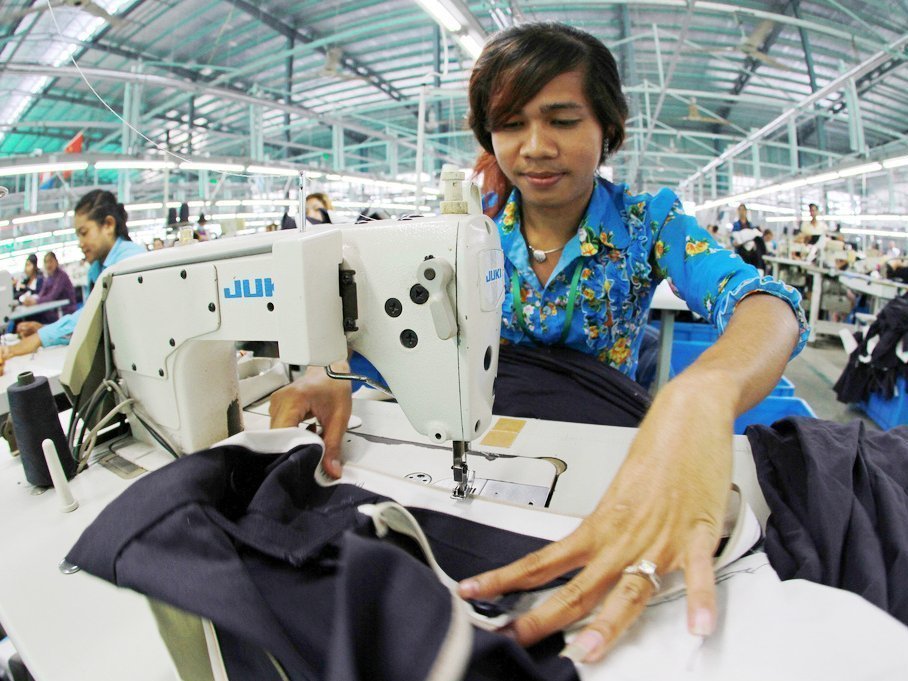
Anna Sakoyan 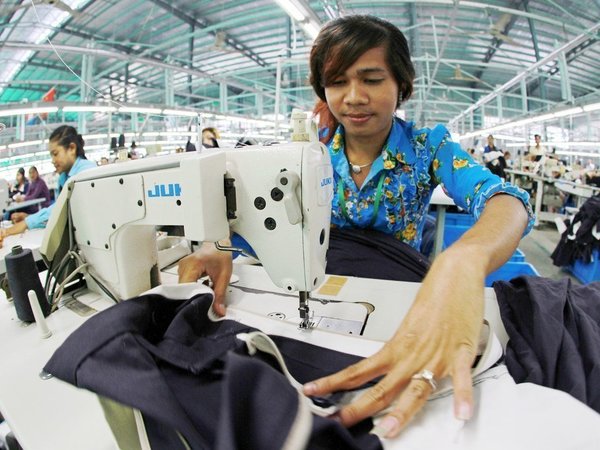 Sewing Factory in Cambodia World Bank Photo Collection
 T Omislav Georgiev / World Bank
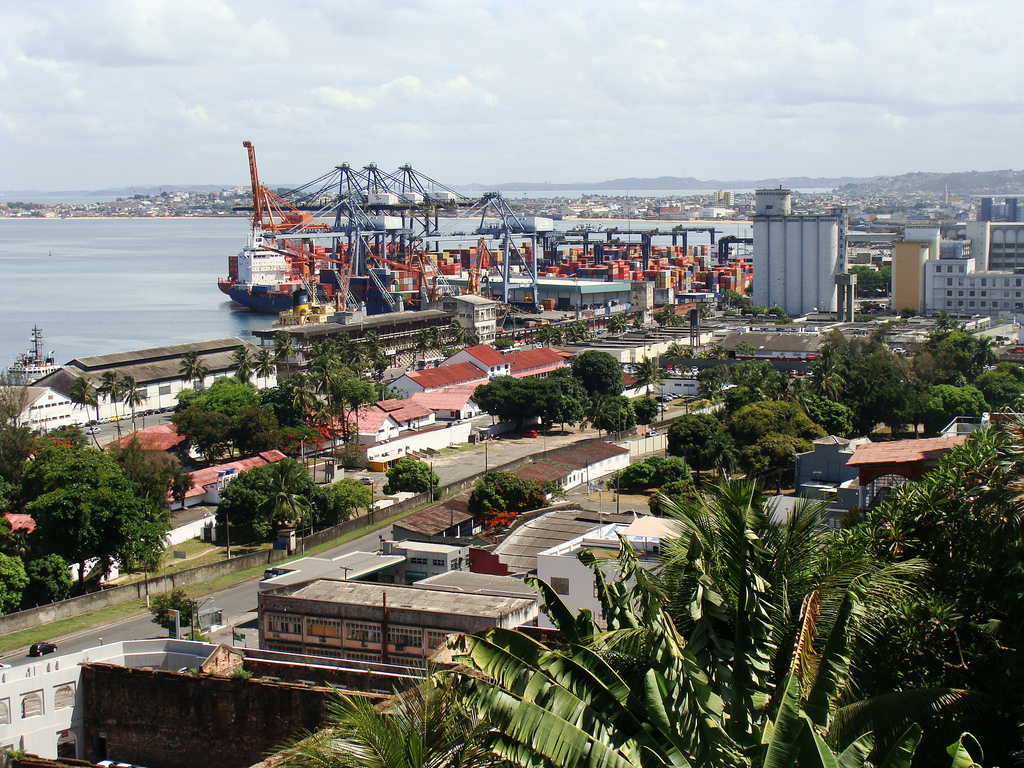 Trade port, Bai, Brazil Mariana Ceratti / World Bank
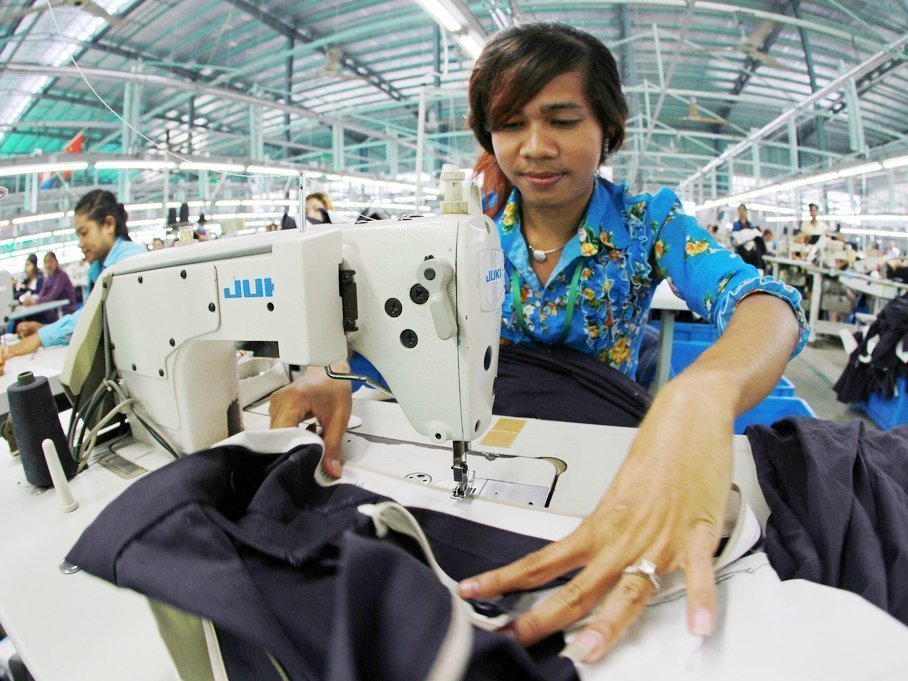 Sewing Factory in Cambodia World Bank Photo Collection
At the end of the past and in the first half of this year, the English -language media enthusiastically discussed the threat of “populism ” advancing on all fronts. This populism was contrasted with balanced liberalism, not too generous, but at the same time reasonable and thorough. By the middle of the year, however, the fascination with populism retreated. Instead, stories about economic successes and tips on further improvement of the economic situation began.
The media continue reports of impressive progress in restoring the EUROZONA economy. In late July - early August, there were talk that the growth rate in the second quarter exceeded expectations. Now there have been reports that the indicators were even better than before before.
T Omislav Georgiev / World BankThis news, Wall Street Journal emphasized, appeared at a time when the economy in the USA and China began to slow down. Meanwhile, now observers indicate not only to improve the general indicators in the unified currency zone, but also to improve indicators in those countries that have not recently been given much hopes.
WSJ mentions, in particular, the Netherlands, which this year survived the period of uncertainty from the elections. At the same time, the growth of their economy for 2017, according to estimates, can be more than 3%, and such a result in the Netherlands will be the first time since the beginning of the financial crisis. Some progress is also demonstrated by the Italian economy. She still remains one of the weakest in the zone, but now she began to show signs of life.
The World Bank published another manifesto of liberalism - a report on the benefits of open trade. According to a study conducted by his economists, it turned out that foreign trade plays a large role in enriching economies. In this case, the openness of the relationship is of key importance.
Trade port, Bai, Brazil Mariana Ceratti / World BankThe authors explain the role of trade in the development of the economy, which began at the end of the 20th century. Some economists prove that this is a very important factor in development, others object that the evidence is unconvincing. Recently, however, the advantage has been on the side of those who consider trade a significant factor. Although the discussion has not yet completed, work has recently appeared, where specific examples show a trend indicating the causal impact of trade on income and economic growth.
The authors of this report set themselves the task of prove the example of a sample of countries that growth indicators depend not only on the volume of cross -border trade, but also on the quality of trade relations. This includes, in particular, the technological exchange and exchange of competencies, which should increase the integration of players into international markets and help consolidate the roles market participants, which will then determine trade relations.
The authors of the study are polemicized with a common point of view that the success of trade is determined by the competent identification of priority products and spheres of production. According to the results of their analysis, it turned out that the combination of products and their quality is even more important. The second important factor is a combination of trading partners, especially from the point of view of that, they relate to the center or the periphery of the world economic system. An additional success factor, the authors emphasize - this is trade openness, as well as the level of human capital.
See also: Anna Sakoyan USA vs. China: Economic War Anna Sakoyan The anniversary of the financial crisis: where to wait for the trick of Anna Sakoyan the famous performance of the drag. Five years later