
Translated material
Dear children
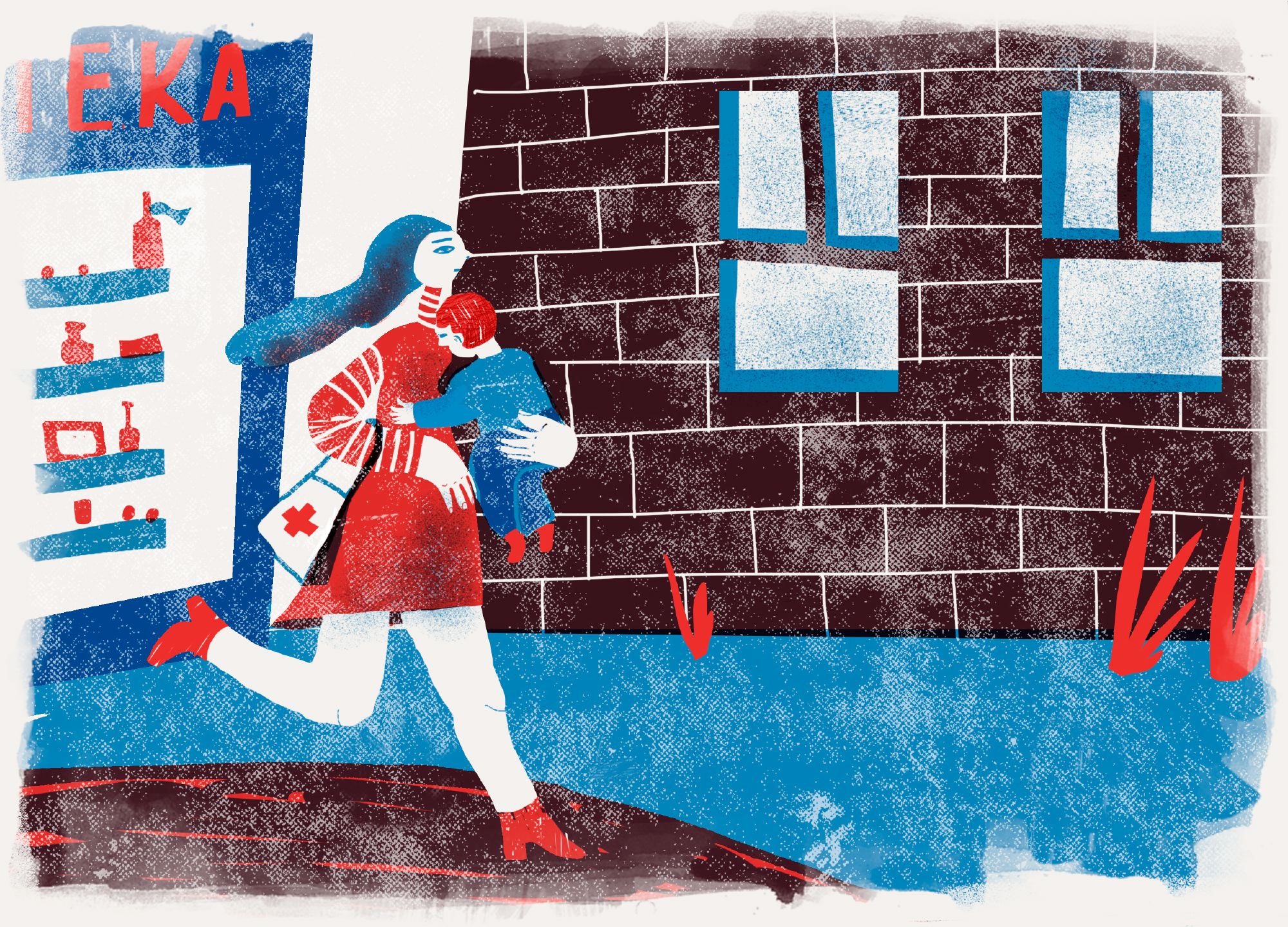
Valentina complained to the prosecutor’s office on how her son was treated in the Kemerovo Regional Hospital. Now she is threatened by the deprivation of parental rights
“Probably, now I have to prove to you that I don’t beat Sasha,” says Valentina Litvinova, mechanically stroking a weighty blue folder with documents. - Only I don't know how I can do it? "
Valentina and I are sitting on the boulevard in the very center of Kemerovo, and Sashka rushes along a wide alley on a bicycle. One circle, the other, stands on the pedals and waves, proud that he holds behind the wheel with only one hand. Sashka tanned, clever and slightly shy: it is worth looking at him directly, how he turns away, laughs and leaves.
"Mom, wait!"
There are hundreds of sheets in the blue folder with extracts, recommendations and analyzes. It lies in Sashkin cystic fibrosis, from the first day before discharge of week ago. Sasha has disability, and his disease is orphan, rare. But this is a genetic disease that affects the glands of external secretion and the gastrointestinal tract that does not allow to breathe normally - the most common among well-known hereditary diseases. Sasha Litvinova was made the correct diagnosis only at four years old.
“ I lived with a healthy child for a month ,” Valentina sighs intermittently, seeing his eyes, who almost stopped into the flowerbed. - First, snot, then wheezing, and the pediatrician tells us: "Drive Aquamaris." We dripped-dripal, but finally, with a scandal, we knocked out the direction to the X-ray. ”
X -ray showed pneumonia. Many months of wandering began in hospitals. From resuscitation to the department, from diagnosis to diagnosis. They suspected the heart, hematology, surgery, some sly neurology. Sasha survived the sepsis and intubation, breathed poorly and did not gain weight - at six months we weighed as much as in two months. I ask why they did not immediately suggest genetics.
“They suggested, but how! - says Valentina. - Only the spectrometer, which is needed to conduct genetic analysis, was all the time broken. I called to Tomsk, tried to send there - no, mother, wait. That you can send an analysis to Moscow, I did not know then. ”
The Litvinovs reached the four years themselves, then a new pulmonologist came to the clinic, who finally sent them to the right analysis - and confirmed the diagnosis. Valentina fed her son, sat by the hour with a spoon, set the regime. Sleep, timely ventilation, walks, arranged so as not to meet with other children. Until four years old, no kindergarten - Valentine, a baker by profession, could not return to work. Now she is blamed right in a medical discharge.
Whose negligence?
“The very fact that a non-working woman (two children of pupils of children's preschool institutions) with the necessary frequency and duration conducts an exercise therapy with a child in kindergarten for most of the day, casts doubt on the implementation of a very important medical work in the family,” the pediatrician Tatyana Garanicheva, the attending physician of Sasha and the employee, writes in the substantiation for extension of disability. Kemerovo Regional Clinical Hospital. S.V. Belyaeva. In 2009, in this hospital, on the basis of a pediatric department for young children, the regional center of cystic fibrosis for children was opened - children from all over the Kemerovo region are hospitalized here. And also children with SARS and pneumonia, with asthma and problems on nephrology and hematology.
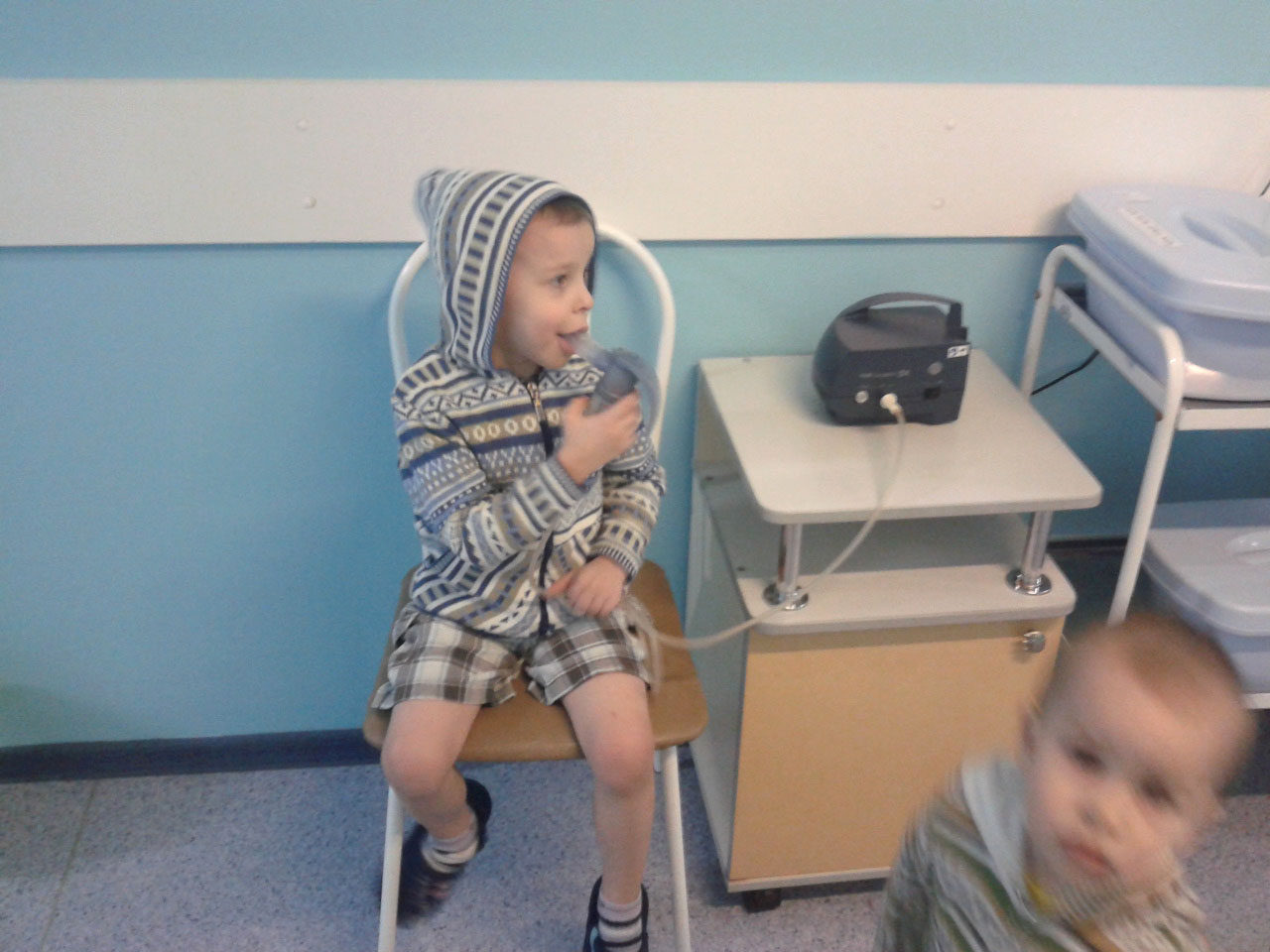 Sasha in the regional hospital photo: from personal archive
I read several times, asking for Valentina, what is meant.
“I mean, ” she says sharply. - That I do not take care of my child. That I am not flying him. That I do not deal with it. "
Cycle scene is a disease in which human health and life expectancy directly depend on daily, constant and thorough work. Competent observation of specialists, therapy of drugs, with originals, not generics, constant inhalations and homework. For patients, it is vital to engage in kinesitherapy, a special complex of respiratory gymnastics aimed at "training" lungs. It can and should be done at home, but for each patient a special program taking into account the age, physical capabilities of the patient’s condition is developing a kinesitherapist.
“They didn’t explain anything to me in the center of cystic fibrosis, they said“ get the information on the Internet, ” says Valentina. “ The fact that I can do special dishes for Sasha’s diet, to engage in breathing exercises and gymnastics, to work on simulators is the merit of other mothers and the Internet.”
According to her, there is a position of kinesitherapist in the regional center of cystic fibrosis, but the specialist went on maternity leave exactly when Sasha was diagnosed. Now they have found another employee, but Valentina has not yet met with him - when her son was in the hospital, the kinesitherapist was on vacation.
“Now they blame me that I did not go to the orthopedist, that I did not go to the phthisator, did not visit the pulmonologist,” said each of the medical specialties, Valentina carefully takes out the leaves from the folder. Conclusion of a pulmonologist, consultation of an orthopedist, dozens of tests.
“They are trying to prove that I didn’t treat the child on purpose that they diagnosed my negligence so late, ” the woman says. “And up to the four Sashkins, they looked at me like a panicarsh, like a fool.”
“You are not a fool,” Sasha says to her mother, and smiles shyly.
During the last hospitalization, Sasha lay one in intensive care - in the department where the regional center of cystic fibrosis is located, there was a repair. However, Valentina says that the boy generally all the necessary three or four hospitalization per year lies one and a half years old-doctors say that there are no conditions for a joint stay with his mother. When Valentina visited the child, their attending physician Tatyana Garanicheva approached her and asked if Sasha was inclined to fantasies.
“ Allegedly, nurses in intensive care said that Sasha was afraid of her mother, says they beat him, ” says Valentina. - The doctor asked him after that, and he confirmed him. I say: "Or maybe you asked him leading questions?" The doctor laughed! "
Valentina wrote a complaint to the chief doctor of the hospital, and a few days later she was called from guardianship. The employee first advised me not to worry, and then asked if Litvinova really beats the child and neglects his treatment. A few days later, amazed neighbors looked at Litvinov: they also came to them with questions.
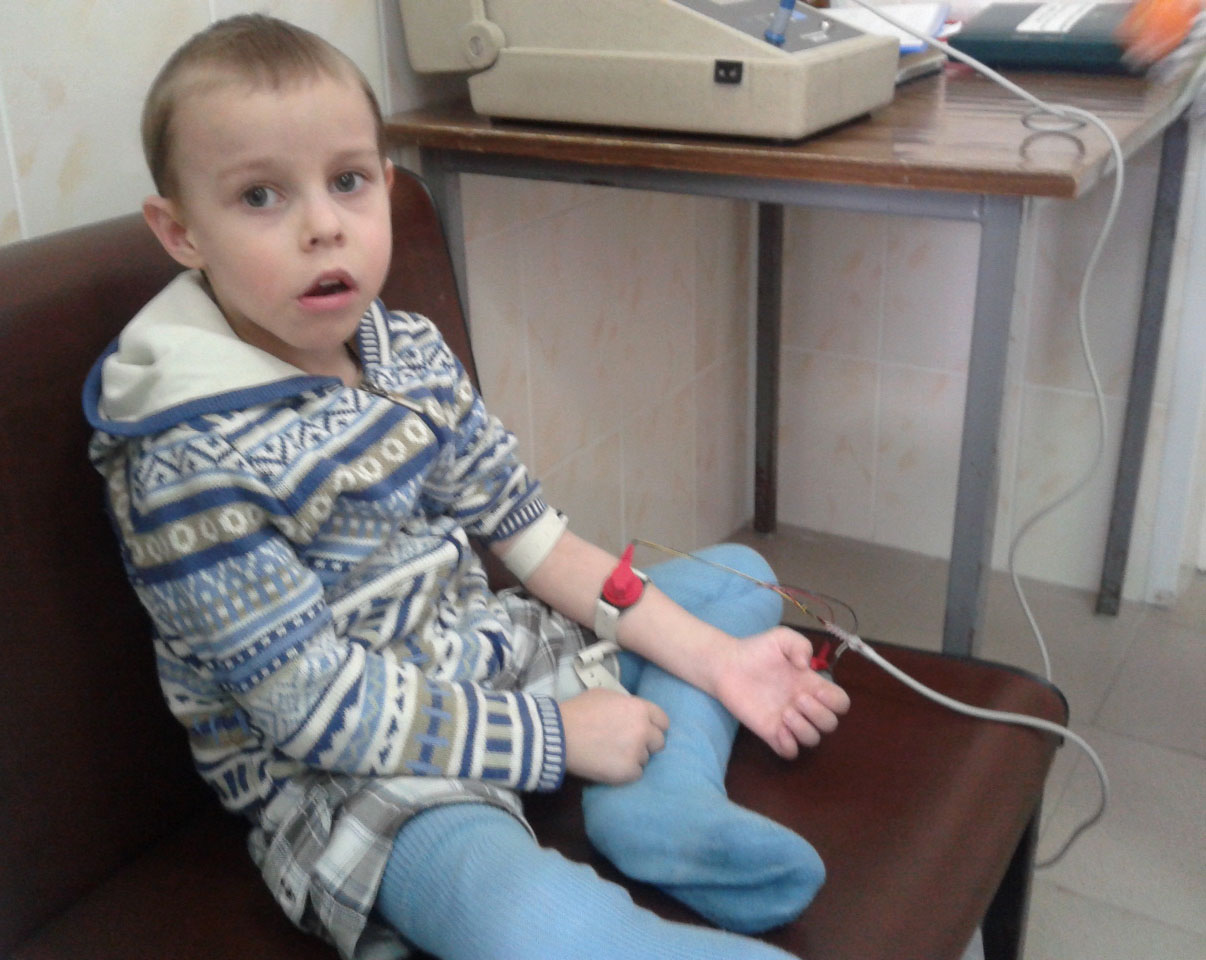 For the first time in four years, Sasha took a sweat test in the regional hospital photo: from a personal archive
“We have not arrived in our house for a month, we always lived there, my husband in general since childhood, everyone knows us, ” says Valentina. “And how we treat children, they know that everything is in sight.”
In the Kemerovo custody of “such cases” they said that specific affairs could not comment, but they assured that they were aware of the situation and they would definitely figure out everything. Valentina collects documents in her folder, calls Sasha - dining time, power supply. The last document is a copy of Litvinova’s complaint to the prosecutor’s office that the Burkholderia Cepacia epidemic in the Kemerovo Department of Cycidosis, children do not receive the right treatment, the request to understand. It was from this complaint, according to Litvinova, that it all began - in the Kemerovo regional center of cystic fibrosis, they were offended by the test initiated.
Cross infection
“In our cystic fibrous business, some holes and failures are a complete catastrophe ,” says Irina Dmitrieva, chairman of the board of the Moscow Patient Organization “in one breath”. - Information about Kemerovo infection began to spread to patient regional organizations for a long time. Due to the lack of specialists, people travel to treat children in neighboring regions and, of course, to Moscow. The risk of cross infection increases repeatedly, especially when you consider that in the regions they are laid in hospitals about and without. ”
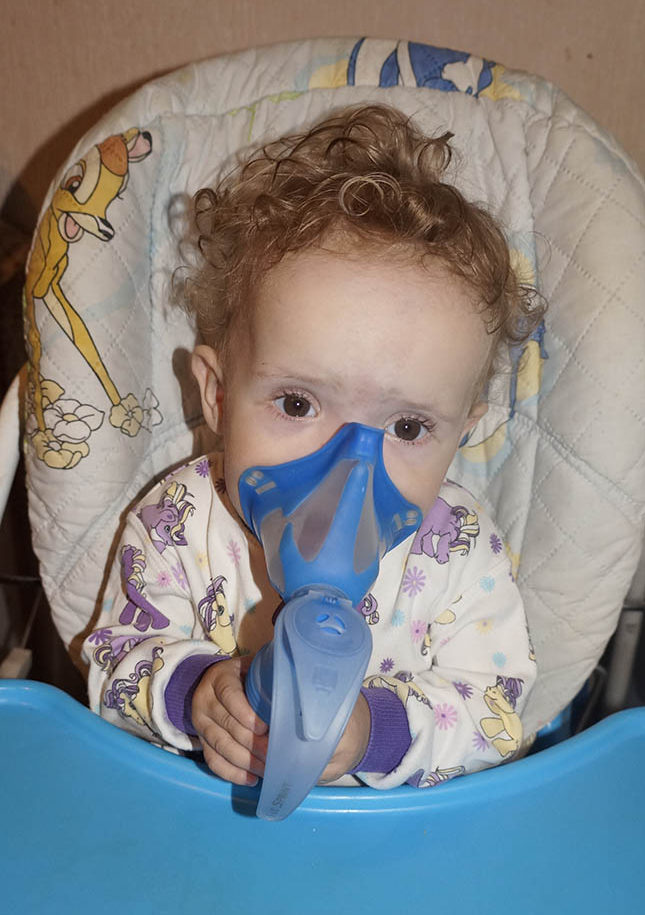 Matrona breathes Kolistin at home. “Fighting with a pseudoscience infection on their own, since the medicines from the department have not yet waited” the photo: from the personal archive
In the West, if the patient's condition is not serious with cystic fibrosis, they try to avoid hospitalization. Such patients are susceptible to several dangerous lung infections, including Burkholderia Cepacia. These bacteria multiply in thick mucus in the lungs and can cause severe complications. The danger is that patient with cystic fibrosis can infect another patient with close contact or coughing, this is called cross infection.
In the spring of 2017, immediately in 22 Kemerovo children - that is, almost every second patient with cystic fibrosis of the child in the region - the Moscow laboratory in the flushing of the flora sipped a sepation. This does not mean that all the children were infected at the same time:
“We have a bad laboratory in Kemerovo, ” says Lyudmila Elkin. “D is about the ridiculous, the flora analyzes from the Samara laboratory come to me - they have a pungent wand in them, we hand over the next day in Kemerovo - everything is clean.”
Lyudmila has three children, with cystic fibrosis, the youngest, one and a half year old sailor. In addition to the main diagnosis, the girl has problems with the gastrointestinal tract, several operations were done immediately after birth, she poorly gained weight. Lyudmila says that in the Kemerovo Center for cystic fibrosis there is neither a nutritionist nor a gastroenterologist who is vital for children with such a diagnosis. The time is suitable for the next hospitalization - no one gives antibiotics necessary for Matron, you need to go to the hospital.
“I just can’t put her in the department where there is a sepiation ,” says Lyudmila. “I don't know what to do.” I wrote in the SES with a request to check the department, there is still no answer. We will ask for hospitalization to neighboring regions, maybe in Moscow. ”
Accusations and complaints
“They tell us so:“ What, have learned to write complaints? Complain, please, the right is on our side, ” says Tatyana Nazarkina, the mother of two children with cystic fibrosis, who had a sepation. “Of course, we began to write that we need medicines, we need a good laboratory, we need conditions for separate hospitalization of children.”
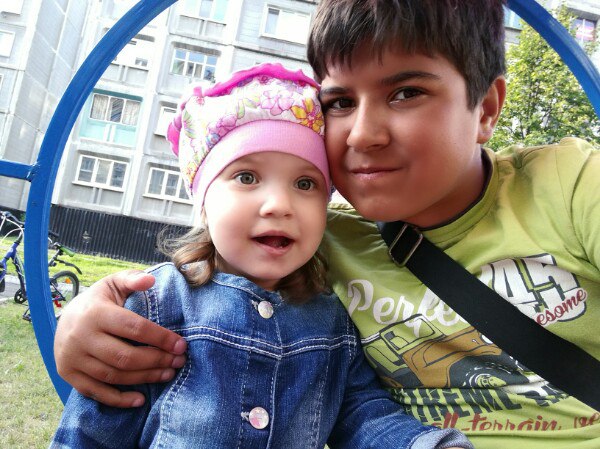 The son and daughter of Tatyana Nazarkina. Both have with cystic fibri photo: from personal archive
Tatyana knows Valentina Litvinov and is sure that she did not beat the child, and she received accusations of poor care of the child because of her complaints. Tatyana says she personally is not afraid of anything.
“I was afraid when I drove my daughter with a temperature of forty in a taxi to hospitalize it,” the woman says. “ I live in Novokuznetsk, we used to be observed there, and now we have to go to the Kemerovo hospital for any sneeze .”
According to Nazarkina, now her children are accused of bringing to the department a bacterium from the Novokuznetsk hospital and infected everyone else. This outrages the woman, according to her, the administration of the Novokuznetsk hospital raised all the samples made by the sanitary and epidemiological station in a few years, and the Burkholderia Cepacia bacteria was not found there. Tatyana is sure that the children were infected in Kemerovo, in the regional center of cystic fibrosis.
Several more Kemerovo families who turned to the Public Chamber of the Russian Federation also think. They said that in case of disagreement with hospitalization, they are refused to provide the necessary antibiotics, outpatient care and providing drugs for the treatment of patients with cystic fibrosis were not organized in the region.
“We have already dealt with Kemerovo,” says Ekaterina Kurbangaleeva, deputy chairman of the OP on social policy. “They sought to have a disability to children with cystic fibrosis immediately before 18 years old, and parents with children did not go to the ITU every year or two, proving the obvious and risking to become infected with something else.”
Kurbangaleeva asked the Ministry of Health of the Russian Federation, the Prosecutor General and Aman Tuleyev to personally figure out the situation. So far, there is an answer only from the specialists of Rospotrebnadzor - they have not established the connection of infection with a bacterium of children with their stay in the hospital.
The Kuzbass Department of Health considers the problem far -fetched. According to officials, "patients with cystic fibrosis specialized medical care are provided in full and in full." The head of the department, Vladimir Shan-Sin, refused the “such affairs” correspondent, referring to a tight work schedule. In his written commentary, he noted that, on the initiative of the head of the Kemerovo Regional Center for Kygistzidosis and the chief pulmonologist of the region, Tatyana Protasova organized a meeting for parents, attended by Professor Elena Kondratyeva, head of the Russian Center for Micodicidosis.
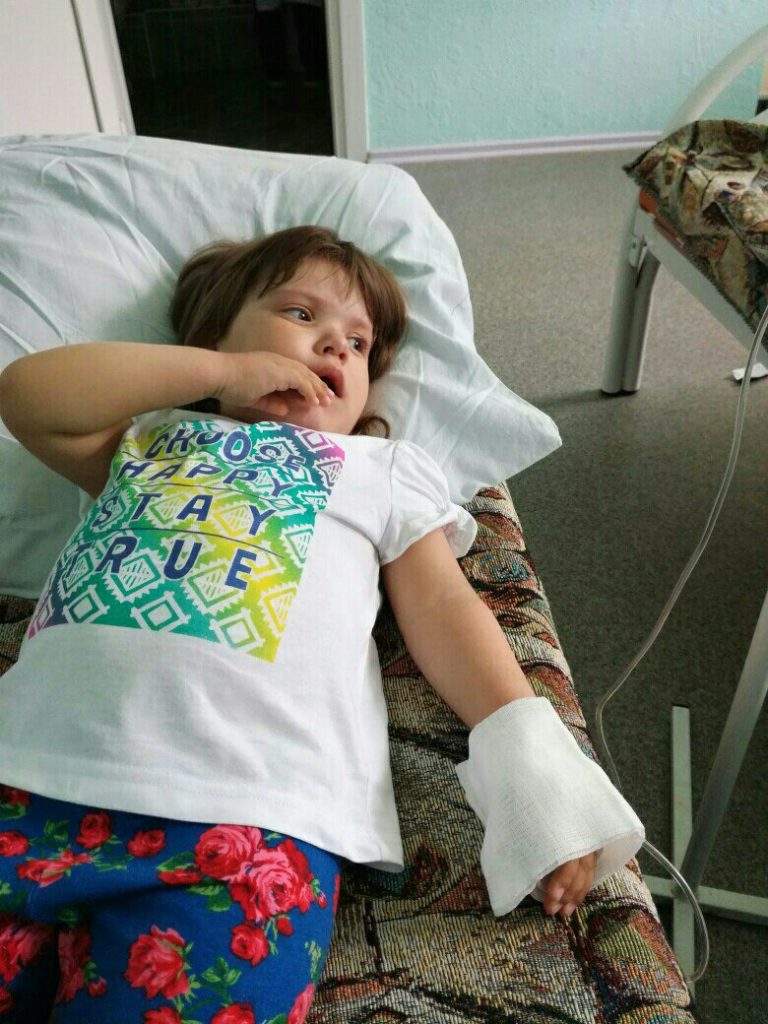 Maryam, daughter of Tatyana Nazarkina, in the Kemerovo hospital photo: From a personal archive
“I was at this meeting , ” says Natalya Drobysheva, whose fifteen -year -old son also became infected with a sepation. - Representatives of the department yelled to parents that there was no money in the budget, that we ourselves are to blame for the infection, that our children are very expensive for the budget. That is, when we were treated in a hospital and infected with this infection, our children immediately became very expensive, right? "
Moscow doctors appointed the son of a Drobysheva road antibiotic, the answer came from the department: "Buying, waiting."
“I have nothing against Dr. Protasova, she is an excellent specialist, the only one on the region, but she has to work in already established circumstances,” says Drobysheva. - For example, she advised me not to navigate Moscow. Moscow is rich, Novosibirsk is rich, and you say thank you for getting something at all. ”
Why do we need sky -high heights?
Tatyana Protasova calls me herself - now she is on vacation, and she is not in the region. The doctor says that there is not a single day so that she is not pulled about the next complaint or verification. “I'm just shocked by this situation, I have two hundred pressure , ” Protasova says quietly. “ You understand that a child with cystic fibrosis can wear completely different flora, who caught this sip - it is not clear, this did not necessarily happen to us.”
Protasova says that on her own initiative she decided to check the flora of children not in the Kemerovo laboratory, found quotas and sponsors, sent sputum twenty sick children to the Moscow laboratory. When the results came, and it became clear that in the region the Sepation, she organized tests in Moscow and Samara for all other children. The doctor emphasizes that it was free for parents.
“Now isolated boxes have appeared, which is not in any center of the country except Moscow, ” says Protasova. - This is me, personally, although they can lie in ordinary chambers according to SanPins. I invited Professor Elena Ivanovna Kondratyeva, organized a meeting in the department, painted treatment for everyone - that’s all my crime. ”
The head of the regional center of cystic fibrosis says that she does not know why parents are filed, she is personally familiar with the situation of Valentina Litvinova, but he believes that not a single doctor would have complained to the guardianship. Drug support, in her opinion, is established normally in the region, but parents need to wait:
“They ask to buy medicines, but it wasn’t just“ took it and went to the pharmacy. ” Tender, contracts ... Parents promised to buy medicines, but not tomorrow. This is a normal process for the state machine. ”
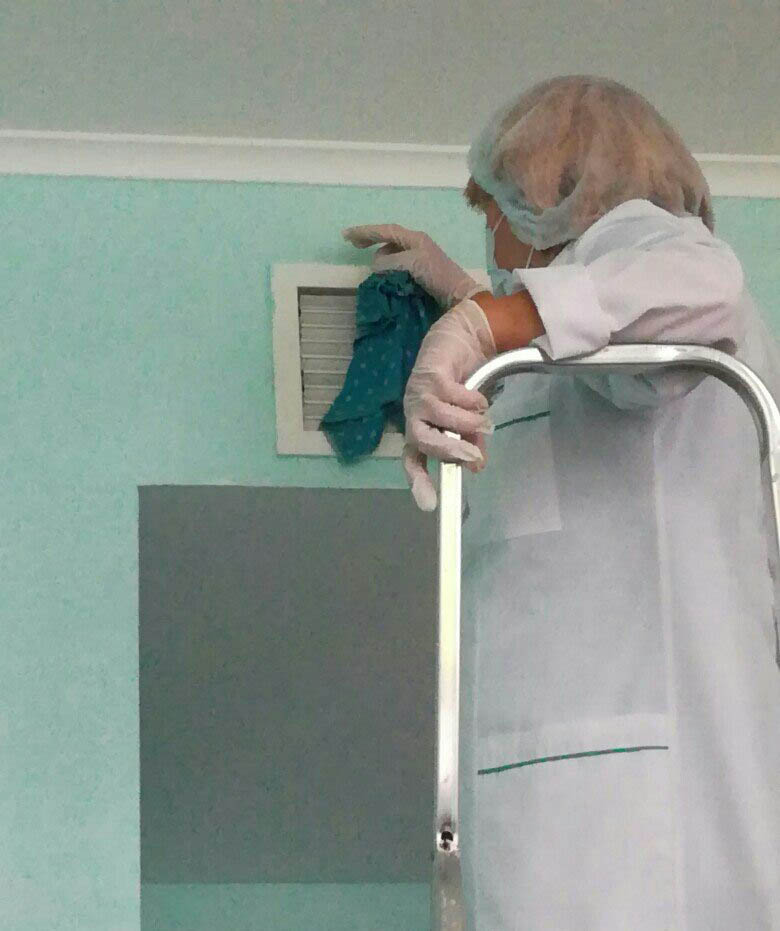 In the Kemerovo hospital. At eight o’clock in the evening, the ventilation and chandeliers are extracurrently drank before the next verification commission. Photo: from personal archive
Tatyana Protasova says she does not leave the post of head of the regional center of cystic fibrosis only because there is no one else to treat children:
“In the same Samara, in other regions, parents unite with doctors, fight with them for their children, and we are all fighting.”
Deputy Protasova Tatyana Garanicheva meets me in the department of the Kemerovo Regional Hospital, where the regional center of cystic fibrosis is located. She proudly demonstrates fresh repairs, bright bedding on the beds, cartoon heroes that are glued with the walls.
“Have you seen such conditions anywhere else? There is only no need to nod to Moscow, all of Russia feeds Moscow, ” she says.
In the wards there are one or two persons, someone is inhaled, someone is sleeping, someone looks at the tablet. The doctor calls the girl about ten years old, she puts off the book and, approaching us, puts the mask with a worked out movement.
“You see , ” Garanicheva tells me. - Those with whom parents have been dealing with childhood, all know and know how, this is a reflex! "
About Valentina Litvinov and complaints to the guardianship of Garanicheva does not want to say:
“I wrote an explanatory about this and I am waiting for an answer as a nightingale of summer. I fulfilled all my functional duties, I will not discuss the details with you, but the prosecutor's office will figure it out. And the Investigative Committee will figure it out! "
Garanicheva is sure that the Kemerovo laboratory copes with the identification of dangerous bacteria perfectly. When asked why then it was necessary to send children's tests to Moscow by pursing his lips, he replies: “This is a personal decision by Tatyana Aleksandrovna.” For the question of what medicines - originals or generics - children receive in a hospital, the doctor raises me to laugh:
“And you will call me the area where the originals give! Generics do not harm, because these are ordinary, not heavy children! Kids go to kindergarten, boys and girls fall in love, study. Why do we need sky -high heights? Нас устраивают эти препараты не потому, что других нет, а потому что мы видим по анализам, что ситуация управляемая. От основной группы родителей никаких демаршей мы не получаем».
Неактуальная проблема
Глава Российского центра муковисцидоза профессор Елена Кондратьева говорит, что еще до того, как она приехала, в Кемерове было сделано многое: «Силами больницы и завотделения Татьяной Протасовой организовали отсек с боксами для больных с сепацией, начали антибактериальную внутривенную терапию» .
Профессор осмотрела больных и отделение, дала рекомендации по профилактике перекрестной инфекции в стационаре и на амбулаторном приеме. «Администрация постаралась исправить положение и с лабораторией, не допустить распространения инфекции, но средств на лекарства, я думаю, у области не хватит» , — добавляет она.
Кондратьева говорит, что проблемы Кемерова — это проблемы всей страны. Пациентам нужно многокомпонентное дорогостоящее лечение, а из федерального бюджета оплачивают только один препарат. «Бюджета региона не хватает на закупку, прежде всего, ингаляционных антибиотиков, в которых больные с сепацией будут нуждаться еще очень долго, а ведь у многих детей есть синегнойная инфекция, которая требует лечения, нужны и таблетированные антибиотики длительными курсами» , — объясняет профессор. По ее мнению, сложившаяся в стране практика ингалировать детей только в стационаре порочна и сокращает жизнь больных.
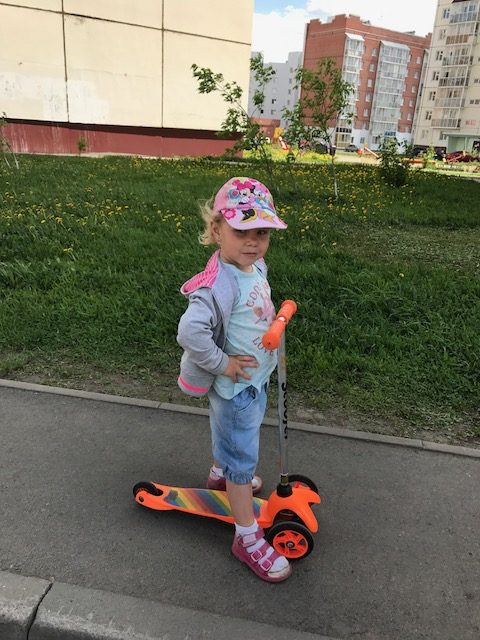 Дочь Карины Фото: из личного архива
В Москве и Московской области больных муковисцидозом стараются госпитализировать только по строгим показаниям, даже внутривенную терапию по возможности проводят дома или в дневном стационаре. По словам еще одной кемеровской мамы, Карины Сучинской, это стало не последней причиной того, что она ездит лечить своего ребенка в столицу.
«Когда мы в первый раз легли в местный центр, я активно искала информацию, и московские мамочки научили меня уму-разуму , — говорит Карина. — Я ничего не знала про перекрестное инфицирование, как раз вычитала во время госпитализации. Больше мы в наш центр уже не возвращались, живем от Москвы до Москвы».
Еще одна бывшая кемеровчанка, Анастасия Данилова, продала трехкомнатную квартиру в Кемерове и вместе с мамой и сыном перебралась в небольшую «однушку» на территории Новой Москвы.
«Когда я лежала в нашем центре, мне давали пачку карт и говорили: «Веди, мамочка, ребят на УЗИ», — рассказывает она. — Я же не знала про перекрестное инфицирование! А когда нас с Арсением госпитализировали в первый раз, то положили в палату, где лежал подросток с синегнойной инфекцией».
Анастасия долго перечисляет свои претензии к организации лечения в Кемерове, но потом говорит, что окончательно решение приняла, когда ее ребенка в плохом состоянии не приняли в центре:
«Я пришла в наш центр с Арсением, который тряпочкой висел у меня на руках, 31 декабря, врачи мне сказали, что все нормально. Я пришла домой и купила билет в Москву, восьмого января стояла с сыном у врача, — Анастасия улыбается. — Он звонит коллеге, говорит, давай помогать, тут какая-то бешеная мамочка из Сибири приехала».
Московские врачи определили, что у мальчика начался синдром псевдо-Барттера, тяжелое состояние, характерное для больных муковисцидозом, когда из организма очень быстро выводится калий, от чего человек слабеет и обезвоживается. Терапию скорректировали, мальчик пошел на поправку.
«Я должна думать о том, каким будет будущее моего ребенка, как он будет жить, когда повзрослеет , — говорит Анастасия. — За последнее время в Кемерове ушло из жизни четыре подростка, я их всех знаю. Я считаю это катастрофой. Вы знаете, я даже на Первый канал звонила, Малахову, но мне сказали, что это неактуальная проблема. Какой-то муковисцидоз, какие-то смерти. Шурыгину пять выпусков обсуждать, видимо, гораздо интереснее».
Future
Когда я говорю «Кемерово», Майя Сонина, директор благотворительного фонда, помогающего больным муковисцидозом, сразу отвечает: « Женя Евстафьев ». Подопечного фонда, двадцатисемилетнего юношу, пришлось срочно эвакуировать в Москву, одновременно собирая на это деньги, организовывая грамотное медицинское сопровождение, ругаясь с местными и федеральными чиновниками и умоляя их о помощи одновременно. Местные врачи не видели для Жени другого пути, кроме как ИВЛ, искусственной вентиляции легких. «Это очень распространенная история в регионах, которая практикуется и в Кемерове , — рассказывает Майя. — Врач получает пациента с дыхательной недостаточностью, смотрит в методичку, в которой написано, что нужен медикаментозный сон и интубация, делает все по правилам — и этим убивает пациента». Через несколько дней больной умирает во сне на ИВЛ, его смерть объясняют тяжестью состояния и летальностью заболевания.
Евгению Евстафьеву, как и многим в Кемеровской области, не хватало лекарств. Фонд собирал деньги, искал и покупал медикаменты, договаривался о том, чтобы мужчине доставили кислородный концентратор из соседней Новосибирской области. Местная больница отказывалась отпускать Женю, на него кричали, прятали его одежду.
«Врачи в регионах боятся ответственности , — говорит Сонина. — Они не знают, как лечить, не знают, что делать, зато знают, как нужно прикрыться. В случае с летальными заболеваниями это не очень сложно» .
Все случившееся с Евгением сильно ухудшило его состояние. Через несколько месяцев он скончался в Москве, легкие пересадить ему не успели.
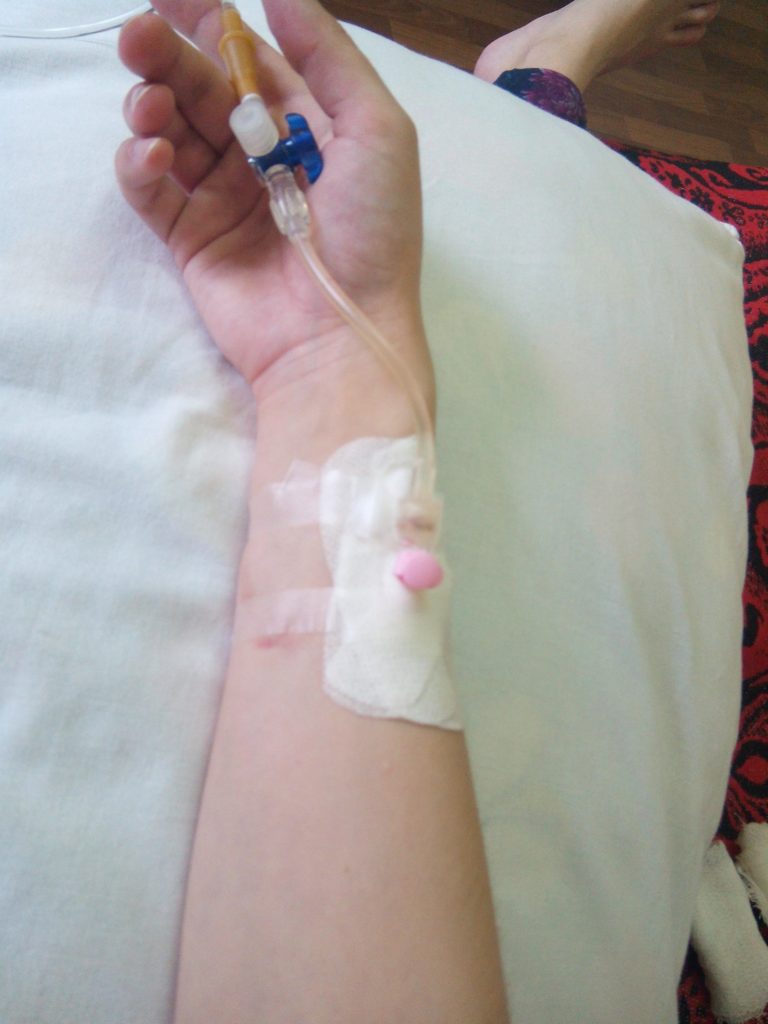 Irina. «Чтобы не колоть вену три раза в день, для антибиотиков ставят катетер, с ним можно ходить одну-две недели. В Кемеровской областной больнице, во взрослой пульмонологии ни в какую не хотят его ставить, говорят, что у меня хорошие вены» Фото: из личного архива
По данным местного минздрава, сейчас в Кемеровской области зарегистрированы 58 больных, страдающих муковисцидозом, 52 из них дети, шесть — взрослые. Во всем мире взрослых людей с муковисцидозом больше, чем детей, они могут жить полноценной жизнью, работать, иметь детей. В России соотношение 30/70. Это значит, что большинство из тех, кто родился с этим заболеванием, до взрослого возраста просто не доживают.
«Если бы была возможность получать нормальные лекарства, если бы решился вопрос со специальным питанием, я была бы уверена в сопровождении — я бы попробовала забеременеть и родить ребенка».
Ирине Черновской 24 года, она одна из тех самых шести взрослых Кемеровской области, больных муковисцидозом. Девушка зябко кутается в вязаную кофту — хоть день не очень холодный, хрупкость телосложения не дает согреться до конца. На встречу ее привез муж и сразу уехал, неделю назад его сократили, работу надо искать срочно, потому что в семье единственный добытчик он. Ирина успешно училась на маркетолога, но работать пока здоровье не позволяет. Для того, чтобы она себя чувствовала лучше, нужны оригинальные лекарства, а в области их нет. Когда удается поехать на госпитализацию в Москву — состояние улучшается, именно потому, что там девушка получает оригинальные препараты.
«Сейчас мне нужно принимать колистин, это дорогой антибиотик , — поясняет Ирина. — Я пишу письмо в минздрав, мне приходит ответ: «Вам дают лекарства из федерального списка, что вам еще надо?» Московские врачи говорят: «Добивайтесь лечения на месте, вся Россия ведь в Москву едет»».
Ирина говорит, что желает родителям детей с муковисцидозом удачи, но не очень верит в то, что ситуация изменится : «Наш регион вроде бы не из самых бедных, уголь, все дела. Но вот с лечением муковисцидоза у нас тут пока темный лес».
Кемерово муковисцидоз орфанные заболевания