
Translated material
Climbing Elbrus: what they don't write about
The reader TJ about the preparation and personal experience of the ascent.
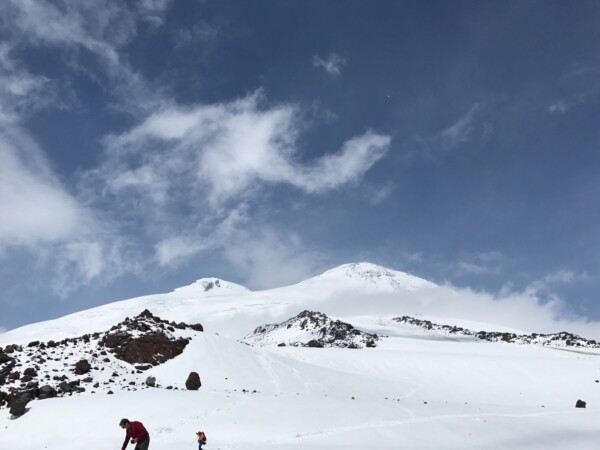
A few years ago, I rested in the winter in Elbrusier with friends, skiing. Perhaps it was then somewhere in the subconscious after a tourist ascent to the rocks of Pastukhov (4800 above sea level) I had the idea of the assault on the top of Elbrus. The views of the mountains and glaciers that extended in front of me seemed amazing (but by that time I had already seen quite a few) - either you can still see there, higher. Moreover, here they are - two chapters of the main European peak, right at least with your hand, it seemed, you can reach out.
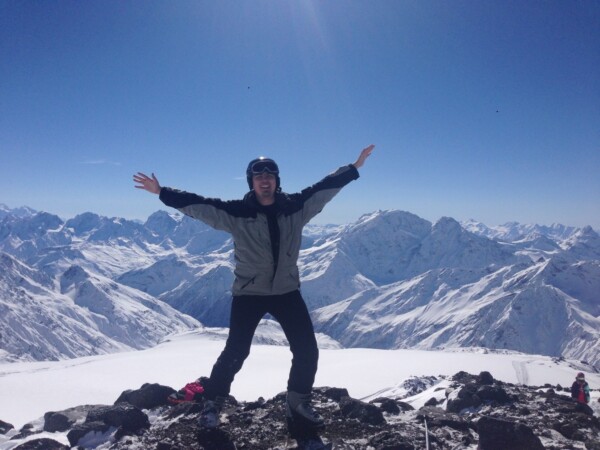
However, taking with me several beautiful volcanic pebbles, I then went to Moscow and plunged into the whirlpool of familiar affairs. I didn’t think about the mountains.
Until the end of 2016 - early 2017. Then suddenly it seemed to be covered - it is not known where the thought of raising on Elbrus erupted (maybe pebbles on a shelf with a secret?), Along the way, I reviewed several films about climbers, tracking in the Himalayas and even separately studied the experience of expeditions that stormed Everest.
I passed some videos and books several times, peering into the screen of my iPhone with deaf night. For me, it was so desirable and absorbing occupation that I was even a little shy, trying to hide the increased interest in the mountains from households if possible.
In March 2017, I decided to buy air tickets for August. With the help of his friends from Kabardino-Balkaria (hello to you, Aliyev brothers), he found himself a mentor who undertook to organize my training and ascent.
His name is Rasul Gazaev, he very patiently and thoroughly corresponded with me about the necessary physical activity, the list of necessary things and the most diverse organizational moments.
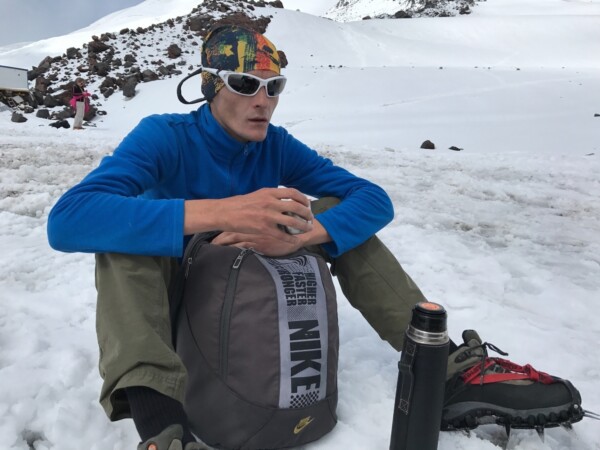
I note that the substantive correspondence with Rasul in my case was constantly in a state of antagonism with the study of the Internet, internal fears and doubts. With perfect preparation, as I now understand, it is random to study the Internet, especially with horror and stories about tragic or unsuccessful ascents - it is categorically not necessary.
What is worth taking care of ascending
Physical training
For beginners without special sports preparation, it makes sense to start preparing in at least six months. The basic exercise for the ascenders is running. At the peak of the form, you should overcome 10 kilometers evenly and without stopping. Ideally, if you can make the last kilometer faster than the first and not in the last breath.
It is necessary to prepare the main muscles - heart, all the foot bends and extensors, it is worth adding squats, various work on simulators in a sitting and lying position. Experienced also advise long walks up and down the stairs of multi -storey buildings. It is especially important to train the lower back. As my senior comrade Dmitry Galochkin says: “Hyperctstenesia is an exercise for real men”).
For the gradual and sustainable acquisition of the necessary properties of the body, I conducted at least 2 running training (cross -country - for the duration (example: 8 or 10 kilometers. Another interval - with torn high -speed areas and rest (4 times with a vacation of 5 minutes between approaches) and 1 lesson in the format of general physical training in the elevation (I tried very hard to fall into general invasive or general invasive or generals Thursday fees with comrades in the NSB).
I note that in the framework of physical training, they indicate the benefits of swimming and a bicycle (in addition to the run, and not as a replacement) and the need for classes on the horizontal bar and the harmonious development of the entire muscle corset. In my material, I focus on those aspects that I consider important based on the personal experience of preparation and successful ascent to Elbrus.
To consolidate and develop results, you need to train regularly. It’s better often a little bit than intensively, but once every two weeks). It is also necessary to high-quality and balanced nutrition (preferably by the clock) and a full sleep (at least 6-7 hours daily).
Ideally, on the eve of the trip a week before departure, you need to give yourself a maximum vacation and almost completely abandon any sports load. Because after seven days, the body will need to show everything that it is capable of overtraining (some begin to run away and swing and swing in the last week) here.
Health state
Even without Elbrus, you should understand the features of your body as best as possible. Obviously, it will not be excessive anxiety if you consult with a sports doctor or with the specialist in the line of which you know the heel for yourself.
Particular attention should be paid to the state of the cardiovascular and respiratory system, the musculoskeletal system, the “ear-hill-too”, the eyes and specific features of individual reactions to the height, lack of oxygen, cold, change in temperature and pressure.
I know that in the framework of preparation for climbs, some give special tests on the basis of the Olympic centers. Honestly, I have not gathered.
Moral preparation
In approaching the top, not only on the physical, but also at a spiritual level, long and measured breathing is necessary. You should catch a middle ground between a sincere desire to climb to the top (it is necessary for success) and the obsessive idea of “doing this” at all costs (you should remember that even with excellent preparation you may not be lucky with the weather or under the influence of any other circumstances will be inaccessible).
In my case, due to the excessive study of horror stories on the Internet and fears, not to calculate strength, for example, on the return trip, I rather had problems with the first component. The instructor seriously told me during training that the key reason I can not be able to rise is a lack of motivation. As soon as I felt the displacement of this “center of gravity”, then I worked accordingly to put it in place.
Things with you
The list of necessary things for climbing should be compiled (agreed) with the participation of your instructor or organizer of the entire expedition. It consists of the features of the chosen route, the time of year, your characteristics of health and other specific moments regarding individual people.
It should be understood that there are two extreme approaches to the formation and collection of a list of things: buy all your VS all your VS (collect for friends). From experience, I believe that in its pure form, both one and the other approaches are insolvent. I advise you to have your own: all the clothes and shoes, except for plastic climbing boots with “cats” for climbing, assault down jacket and glove-bustle.
Carefully and seriously, you should take the choice of tracking boots and socks - all this should be of high quality (that is, do not rub and warm!). A good option of warm pants side fasteners (the so -called self -disclosure), however, I coped with the usual ski pants.
An important story is the presence of dark glasses and a ski mask. When choosing glasses, the consultant should be able to see the angle of “light” (depending on the characteristics of the structure of your face) and understand what height with these glasses you are going to. The mask can be standard and is used in combination with glasses, depending on weather conditions.
When moving and nights on the mountain, a very important thing - a sleeping bag (almost on the street you feel sometimes to sleep during acclimatization), a foam (the so -called “fenopop”) - will always allow you to sit down for relaxation even among snow and stones.
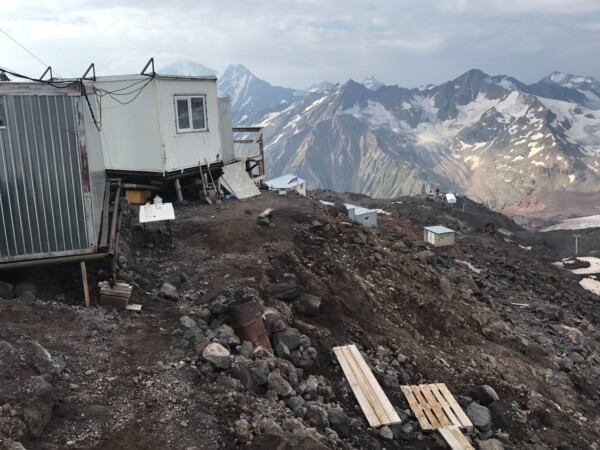
It is also important that your thermos with tea is well or perfectly “holding” at a negative temperature. Hot drinking with lemon on the mountain works like a wonderful elixir for Asterix. Accordingly, in a critical situation, its presence or absence can be a very essential circumstance.
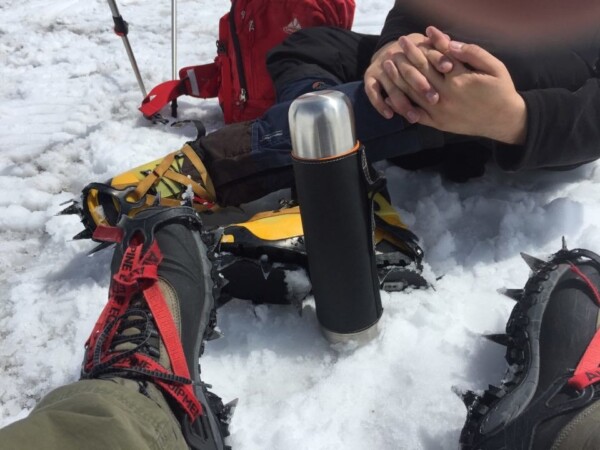
Lemon should generally be said separately. On the mountain, the use of vitamin C is very useful (coaches indicate a useful property of liquefaction of blood and additional enhancement of immunity) in a wide variety of combinations.
Personally, I always drank tea with lemon and in addition to my mountain adventures daily took a sparkle ascorbic diluted in water. I don’t know, about the full impact on immunity, but it was quite tasty and placebo effect (God forbid, the blood would thicken :) It was evident.
A first-aid kit (basic without taking into account your features and prescriptions of a doctor, I do not advertise any tablets, I write about those that I myself have ever used)
- Sunscreen cream (I had 50 + for high -mountain terrain). Paper napkins are dry and wet (a lot, on the mountain is not superfluous). Peroxide for disinfection. Plasters (it is very real to hide or grate something on the eve of the assault).
- Anesthetic: general (for example, with a headache, manifestation of a mountain disease). Ibuprofen (I learned on the mountain, I took Citramon C with me, but he said is weakly. Ibuprofen himself took on the first night - it helped). Local with an anti -inflammatory effect (spasms in the back, injuries and so on). Diclofenac (I had everything successfully, I did not need it). Spying aspirin: recommended to counteract a mountain disease or acquired viral diseases (for example, from hypothermia). In my first -aid kit, in case of the virus, there was also a kagocor (once on a campaign on Elbrus I used me to effective and quickly treat an infectious sore with temperature and other charms). For (“from”) the stomach is flulazole or activated carbon (black or white) in case diarrhea suddenly begins (it happens with some).
- Ointments: Sports-heating (I use Bengea before and after sports loads, removes pain and stiffness in the muscles well) and analgesic (in case of injury)-good debt and voltaren (with diclofenac). Elastic bandages in case of sprains and dislocations.
In addition, I’ll tell you that, on the advice of several friends of athletes (fighters and athletes), I acquired for better recovery in the conditions of intensive loads Mildronate (sold in a pharmacy without a recipe). As a result, he was afraid to accept and refused this venture, since he did not find a single climber who used the drug in the highlands.
On the plain, I personally had an experience of one -time (although it is believed that the effect of a whole course occurs) taking the drug and felt its serious and specific effect on my body, which I did not like and did not seem constructive.
Climbing
The top consists of four main components: weather, acclimatization, physical training and luck. At the moment when you come to the valley (I lived in the clearing of Azau), only the second fully depends on you and your Sensei.
From the very beginning, you need to develop a full-fledged Work-Life Balance for yourself. That is, work with full return on acclimatization outputs and completely relax your head in the evenings. The second was difficult for me - the jacket was growing at the top and here I am very grateful to the instructor for patience, friendly tact and correct advice.
It is important, especially in the early days you live in the valley, sleep and eat fully (with all this on top, and the nights on the mountain are required for good acclimatization - many are problematic). My acclimatization scheme is considered classical and has been used from Soviet times:
The first day is the arrival of Azau Polyana (2300 above sea level), rest (night)
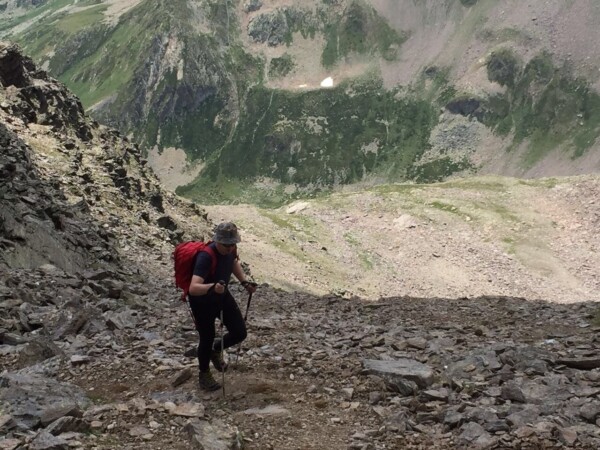
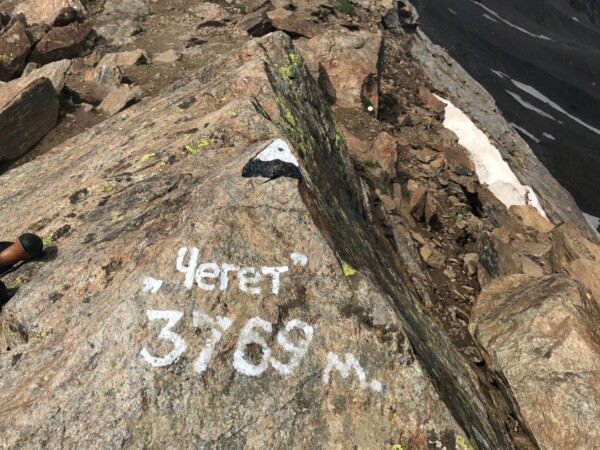
The second day is the exit to the top of Mount Cheget (3700 meters, but many say that in reality a little lower). Tracking is about 3.5 kilometers. Overnight - 2300.
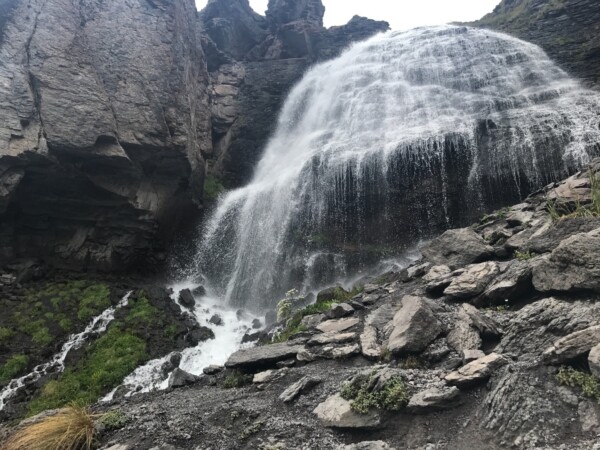
The third day is the access to the waterfall of the girl’s braids and the observatory in Tereskol (height 3100 meters). Tracking 18, 2 kilometers. Overnight - 2300.
The fourth day is the move “with things” to the mountain to the trailer at 3800, the first exit to the mountains “in cats” to 4,500. Tracking is about 4.5 kilometers. Overnight for 3800.
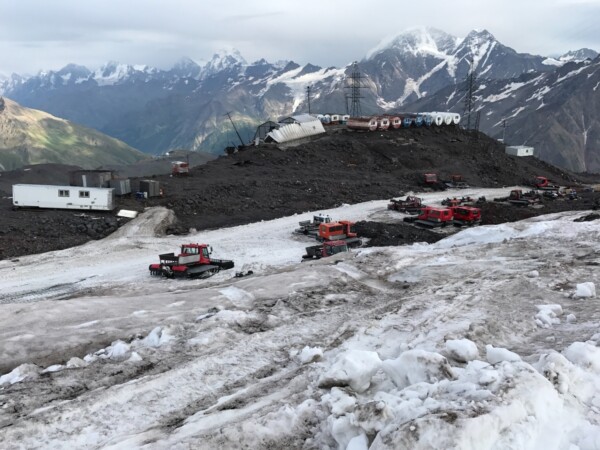
The fifth day is the exit from 4100 (Mir station) to 4800 (Pastukhov rocks). Tracking is about 4 kilometers. Overnight for 3800.
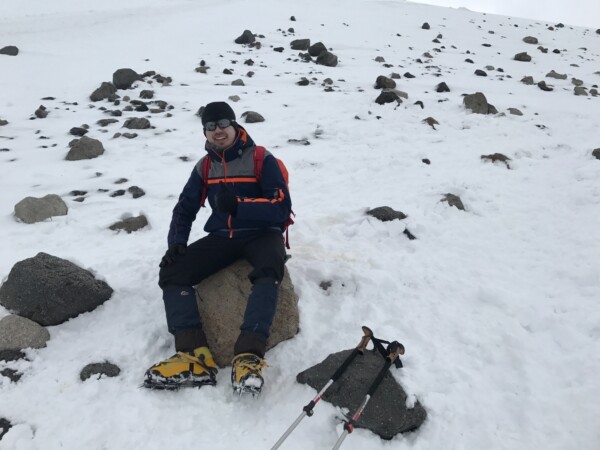
Sixth day - rest. All day for 3800. Evening sleep for 3800.
Seventh day . Exit to the assault from the mark 4800 (Pastukhov cliffs). Raise to the western peak (5642 meters above sea level) and descent up to 3800. Tracking is about 13 kilometers. Depending on the time spent, the descent into the valley or an extra overnight in the “trailer”.
The features of my case should include a pre -planned shift of the instructor after the fourth day of classes. For the assault and high -mountain outputs, the instructor Rasul advised me the young, but very experienced and reliable guide of Dalhat Olmezov. I am immensely grateful to Rasul for sincerity and a balanced position. When he asked him why he did not want to go to the top with me, he honestly answered: “Because I know that Dalhat, in the company with a novice, will do it much better and more confident.”
I admit that for me, in the conditions of growing “psychological moments”, separation from Rasul, especially against the background of quite satisfactory (in the sense of three!) The exit on the fourth day on the mountain was quite traumatic. Here, in my case, it turned out to be a very important event on the fifth day, and not just on the assault (although we also worked out such a scenario), go out the mountain with Dalhat.
I note that an experienced instructor will be able to choose and continuously in motion maintain a single rhythm of your ascent. Having learned the features of the body's reaction to height and fatigue, it will also be an adequate recreation schedule, tea parties and snaps. Plus, only in the process of heavy physical work through “I can’t” and “I don’t want” you will develop the necessary chemistry of relationships, trust and respect for each other, which will definitely be useful on the assault.
On the eve of the assault
When they ask me what day or moment the most difficult when climbing Elbrus, I sincerely reply that for me it was a day of rest on the eve of the assault.
I think this is a very serious test for will and patience. You must definitely try to sleep, eat, relax and disconnect from constant reflection of grief. We must try to avoid interlocutors who browing and pushing you with the future upsurge and doubly avoid those who, for one reason or another, have not coped with the rise. No need to guess about the weather (this is the care of the eldest on the climb) and be afraid of accidents (when, to whom and what is destined only in heaven).
It’s easier, if you understand and accommodate that death is not the worst thing that can happen to a person (thought is not fresh, but you begin to realize it in a new way and to a greater extent in an adult way).
Caution and responsibility for his future, however, this, of course, does not cancel. Having talked with guides and other ascenders, I learned a lot of stories about eccentric adventurers and excessively self-confident single climbers who replenished lists of dead or missing on Elbrus. In fact, it turns out that almost every plot is a series of serious mistakes and (or) egregious carelessness.
Provided serious and thoughtful preparation and exit with the instructor, you undoubtedly do not make all these mistakes, which means that there is nothing to nightmare. It is better to spend the evening and the right time to the top of the discussion, and ideally jointly (with the participation of the instructor) collect the necessary equipment and things in the assault backpack.
On the assault
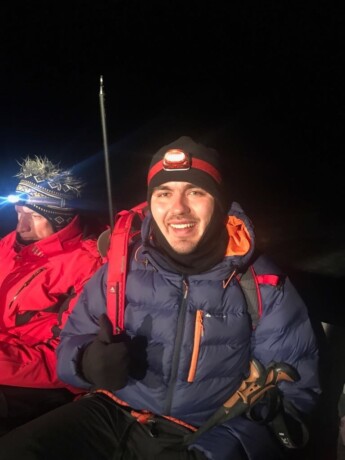
The situation itself and my feelings were similar to the exam. The growing stress should go into the correct mobilization of all resources and a worthy performance (it is important not to burn out and not fall into the tremor and a complete refusal of all operating capacities!). It must be understood that any way out, even 5000 meters above sea level, is a very serious and cool achievement for a beginner who should be proud of rightfully. In the same way, any reaction of the body to a height cannot be considered shameful (on the oblique shelf, saddle, and even more so on the traverse along the railing to the top, different ones can even belong to the “supermens”). The mode “do what and be as it is” for such conditions is what you need.
However, the most important principle of the path to the top my mentors helped me formulate in advance. And so he did not give me rest for a very long time.
You will need exactly 110 percent of your strength to do it. Do not think that even with a uniform rise, you can go to the top with a margin.
All this, frankly, was very strained. “After all, 110 percent may mean that at some point I can not without the help of a guide. Can he cope with my problem? Will he abandon at a difficult moment? ”, Like this spun in his head.
By the way, it is very interesting that when climbing the mountain, I personally had (some of my interlocutors confirmed the same thing), mainly two phases of mood: euphoria and ultimate optimism (mountains on the shoulder), dark depression and pessimistic thoughts (well, you all).
There is only one antidote from such thoughts - communication, trust, sincerity and difficult joint physical work with the guide, as I wrote earlier.
In practice, the mental activity along with the physical (muscles and the bone-ligamentous apparatus of the novice in mountaineering, when climbing Elbrus, go to the limit) on the assault is intertwined into a serious and little predictable chemistry. Как итог, неприятные и не вполне контролируемые моменты на горе, судя по всему, происходят почти у всех, и я не стал исключением.
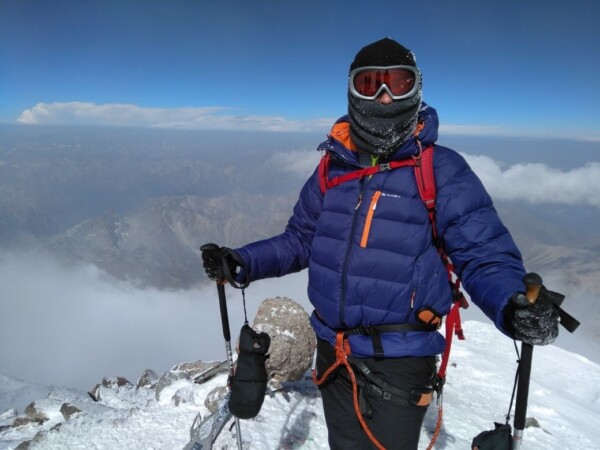
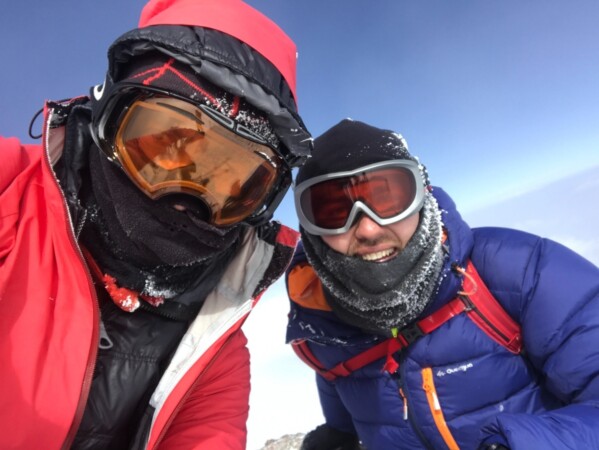
Впрочем, вместе с Далхатом мы справились со всеми неурядицами и чуть позже 9 утра 22 августа 2017 года взошли на Западную Вершину горы Эльбрус.
Он говорит, что я достойно справился с испытанием и я ему верю. А вообще ощущение от победы яркое вдвойне, когда она непросто даётся.
The Instagram block is not availableСопредседатель Медиасовета КС НСБ Павел Сорокин
#путешествия #истории #инструкция