
Translated material
Who are Rohingya and why they are killed
Several hundred Muslims in Moscow and hundreds of thousands in Grozny went to rallies in support of the Muslim minority of Myanmar
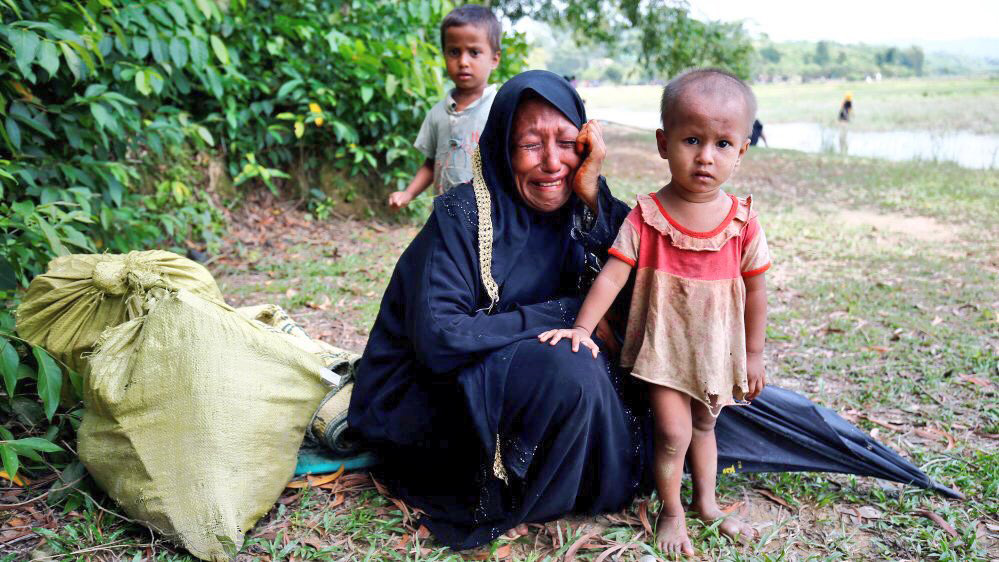
Photo: Twitter.com
Rohingja, representatives of the Muslim minority of more than 50 million Myanmar, whose population by 90%-Buddhists, again ended up in news headlines at the end of August-early September: in the Burmese Western state of Rakhin (Rakhain), where the population was 78% from Roinja, a series of arson of their houses and attacks occurred. As a result, according to the world media, more than 2,600 houses were burned, about 60 thousand Rohingya left Myanmar and moved to Bangladesh. Only according to official figures, about 400 people died in clashes with Buddhists. According to unofficial data on September 4, the number of dead Rohingya has already exceeded four thousand.
In total, about 800 thousand Muslim-Rhindge, who are called the most oppressed minority in the world, live in Myanmar. The crisis situation around them lasts since 2012. Then, in Myanmar, hundreds of political prisoners were released, a wave of pogroms of the Rohingja swept through the country, considering themselves the indigenous population of Rakhin. The pogroms, among whom were former wrestlers with a regime, and even the Burmese Buddhists, on the contrary, insisted that all Rohingya were relocated to the country during British rule from Bangladesh and should return to his homeland. In the same, in fact, the position of the official authorities. Discriminating measures were introduced against Muslims, Muslims refuse to receive citizenship in the same state of Rukhin, and civil marriages between them are punished for several years of prison. One of the most cruel pogroms happened in March 2013 in the 200 thousandth city of Maithil, in the center of the country, Buddhist monks took part in it.
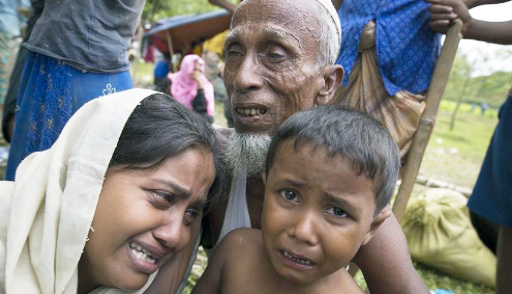
Photo: Diapazon.kz
After that, Rohingya created their underground militarized formations - the “Army of Salvation of Arkan Rohinge” (Asar). On August 25, 2017, a new outbreak of violence occurred - after the militants from the Asars began an organized attack on police posts and army bases, thus reacting to the new persecution of their fellow tribesmen.
Meanwhile, international observers express perplexity that the actual head of the Myanmar, the Nobel laureate Aun San Su Su Zhy has not yet reacted to a new round of violence against Rohinge. This can be explained only by one: the situation around the Rohingya is too complicated and ambiguous, any careless word, and even more so an attempt to take one or another side can only provoke another round of the crisis.
Read also " a country where women win the generals "