
Translated material
Memory of Victor Krasin
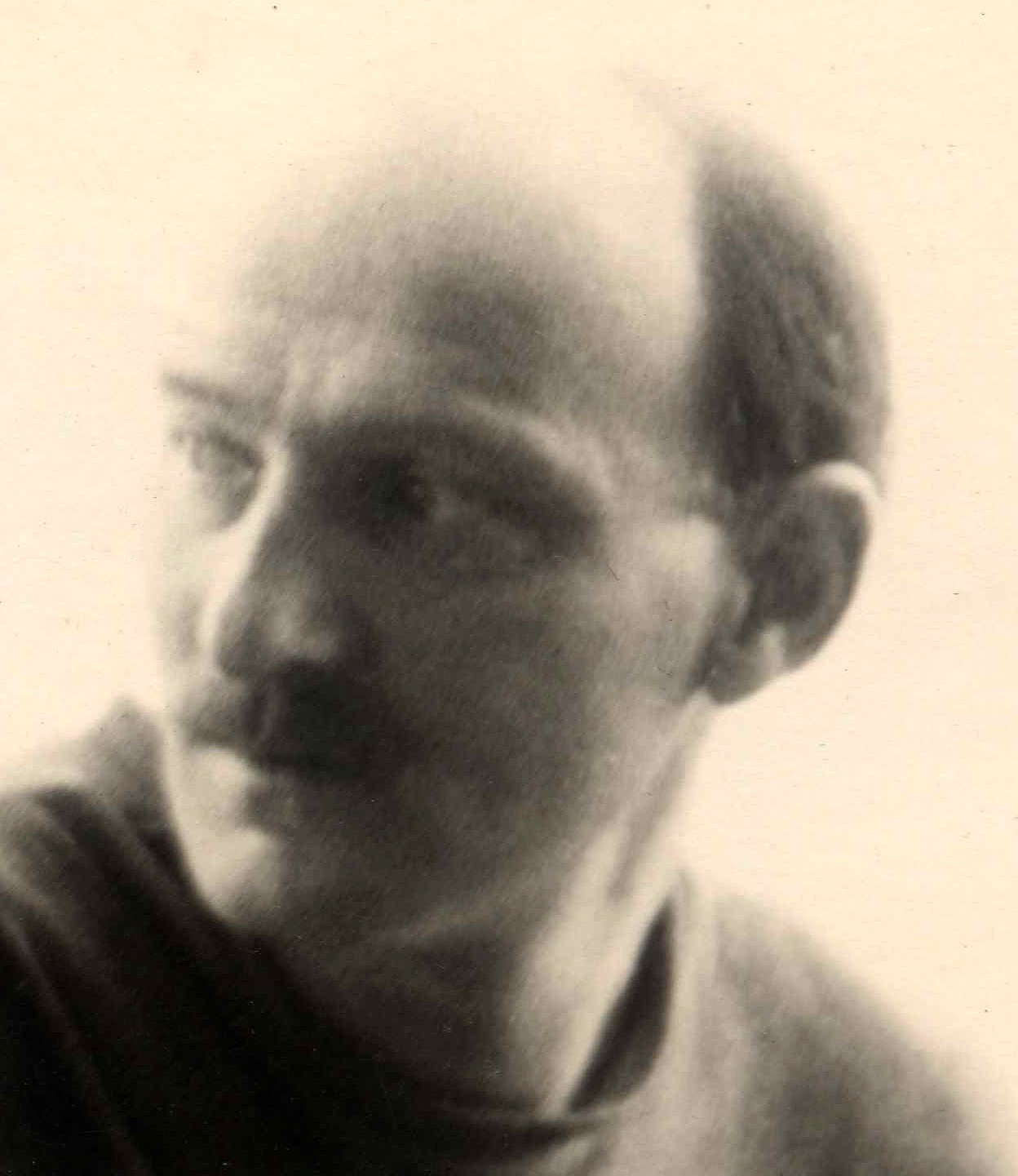
Andrei Loshak - about dissident Viktor Krasin, who lived a deeply unhappy life and who died yesterday alone with the terrible stigma "traitor"
The Soviet state began to break the life of Krasin since childhood. In 1938, when he was 10 years old, they took his father, whom he had never seen again. Krasin himself received the first term of 20 years. The company of students gathered in a private apartment and allowed itself to be “conversationalists”, in particular, ironic over Zhdanov’s decree on Zvezda magazine. Someone, as usual, was tapping. Krasin, a student of the Faculty of Philosophy of Moscow State University and a round excellent student, sentenced to eight years of labor camps. They sent him to leave for a tiered zone - it was there that his father disappeared. Soon, Krasin makes an escape, he is caught and given ten more, but here, fortunately, Stalin dies and, after six years of imprisonment, Krasin is rehabilitated.
When the dissident movement began to be formed in the late 1960s-then it was called human rights-Krasin, along with another Stalin Sidel, Peter Yakir, who was first arrested by a schoolboy, leading roles play in it. Their authority was not so much from actions as from the romantic halo of victims of repression, which were endowed with younger participants. In their view, Yakir and Krasin were old powerful wolves, which he tried, but could not break. Krasin was an active participant in the dissident meetings in the Yakira’s apartment on Avtozavodskaya, where, on the one hand, there was a kind of headquarters, on the other, a place for friendly Podoks. Young dissidents soon noticed that Yakir was too fond of alcohol and does not know how to keep his mouth shut, and Krasin has exorbitant ambition and a tendency to leadership. They began to move away from them, especially with the advent of the first dissident media - the chronicle of current events (HTS), which required strict conspiracy.
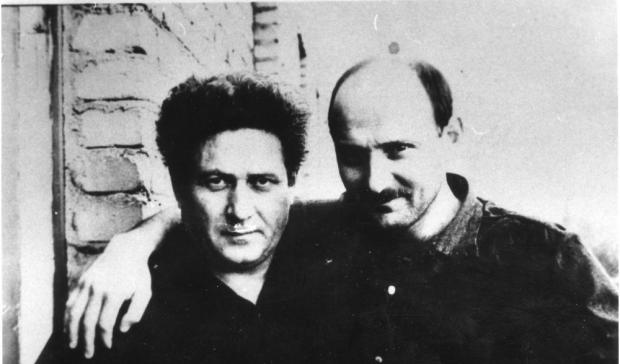 Peter Yakir and Viktor Krasin stand on the balcony of Yakira's apartments in the "Avtozavodskaya" photo: from the archive "Memorial"
It was in connection with the HTS case in 1972 that Yakir and Krasin were again arrested. Then something incomprehensible to the mind happened. The old wolves, according to dissident expression, “flowed” - began to testify. Yakir and Krasin passed everyone - more than 200 people, including their own daughter (Yakir) and her own wife (Krasin). Later, Krasin and Yakir were explained his behavior by the fact that they threatened them with a shot 64th article (treason), although the dissidents did not take these threats seriously, because none of them were higher either before the process or after and after all. Lyudmila Alekseeva later wrote that even before her arrest she felt “fear, which forever paralyzed a prosperous fourteen -year -old boy who was taken away from her mother.” Something similar, perhaps, felt Krasin. They both had to sit when people were shot for dissent by staff. The “wolves” were in the soul of frightened boys, whose will the camps were not tempered, but forever broke.
Having achieved victory, the KGB decided to squeeze out the maximum from it. The prisoners were offered to repent to the television cameras - they agreed to this. Before shooting, the investigator lent Krasin his tie. Public repentance inflicted a strong reputation blow to the dissident movement, from which it could not recover for several years.
Part of Krasin’s deal with the devil was that he and his wife will be released from the country soon after the process. The Chekists held back the word and even gave the Krasin lifting (three thousand dollars - the same 30 silver). In 1975, he left for the United States, where he lived for almost 40 years - before his wife, Nadezhda Emelkina, also dissident, but, unlike Krasin, who retained authority and reputation in a human rights environment. It was she, a deeply religious person, forced her husband to write a confession. The tiny book “Court” came out in New York more than 30 years ago and since then became a bibliographic rarity, which is very unfair. The "court" should be in every school library. This is one of the worst and most important books that I have ever read.
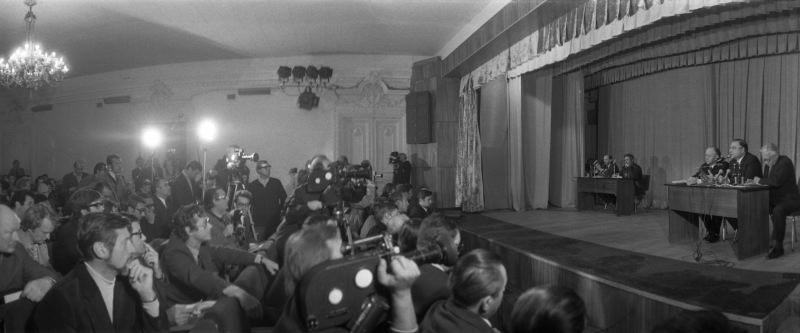 The central house of the journalist. A press conference in connection with the open trial of Peter Yakir and Viktor Krasin. September 5, 1973 Photo: Mikhail Kuleshov/RIA Novosti
In the book, Krasin signs his behavior in the investigation - this is an anatomy of betrayal, written without any self -pity: “I started writing a book many times, but to tell the whole truth, not hiding anything, passing all the investigative hell and all the dirt of my actions again, without sparing myself, turned out to be infinitely difficult. It took many years while I found the strength to do it in myself. ” Here's how Krasin describes the process of issuing money to the Chekists, turning to his wife in the book: “When we left, you begged me:“ Do not take money from them. Enough shame. ” Unlike me, a conscience tormented you. I promised not to take. And the next day he sat in the same reception, and Bulat presented me with a pack of 50-dollar banknotes. “Let's count that there is no mistake.” “Yes, I believe you,” and put a pack in his pocket. ”
“Court” is a documented descent to hell, leading us to one unconditional conclusion: “Death is better than a betrayal.” And for this innermost knowledge, we must be grateful to Krasin. The dissidents made another conclusion that did not lose relevance today: never and under no circumstances should be done with the Chekists. You can’t play games with them - they will still beat you.
I met Krasin in Moscow five years ago, when I prepared a documentary for dissidents for NTV. After the death of his wife, he returned to Russia and then lived in a tiny apartment on the "Belarusian". The dissidents did not forgive him and arranged a harsh obstruction to Olga Romanova, who invited Krasin to meet the Sitting Russia. He complained about loneliness and the fact that no one wants to finance the development of an algorithm that he discovered, with which it would be possible to earn on the exchange. We recorded an interview on the kitchen littered with dirty dishes - after the book, it made a strong impression on me with its confessional force. The NTV project was not destined to take place, but the recorded interview with Krasin did not give me rest. And then-to the 40th anniversary of the trial of Yakir and Krasin-I made the film "Anatomy of the Process" for the "rain", which was based on the very interview. I am very grateful to Viktor Alexandrovich for agreeing to tell that he had to endure, and about the price that he paid for this.
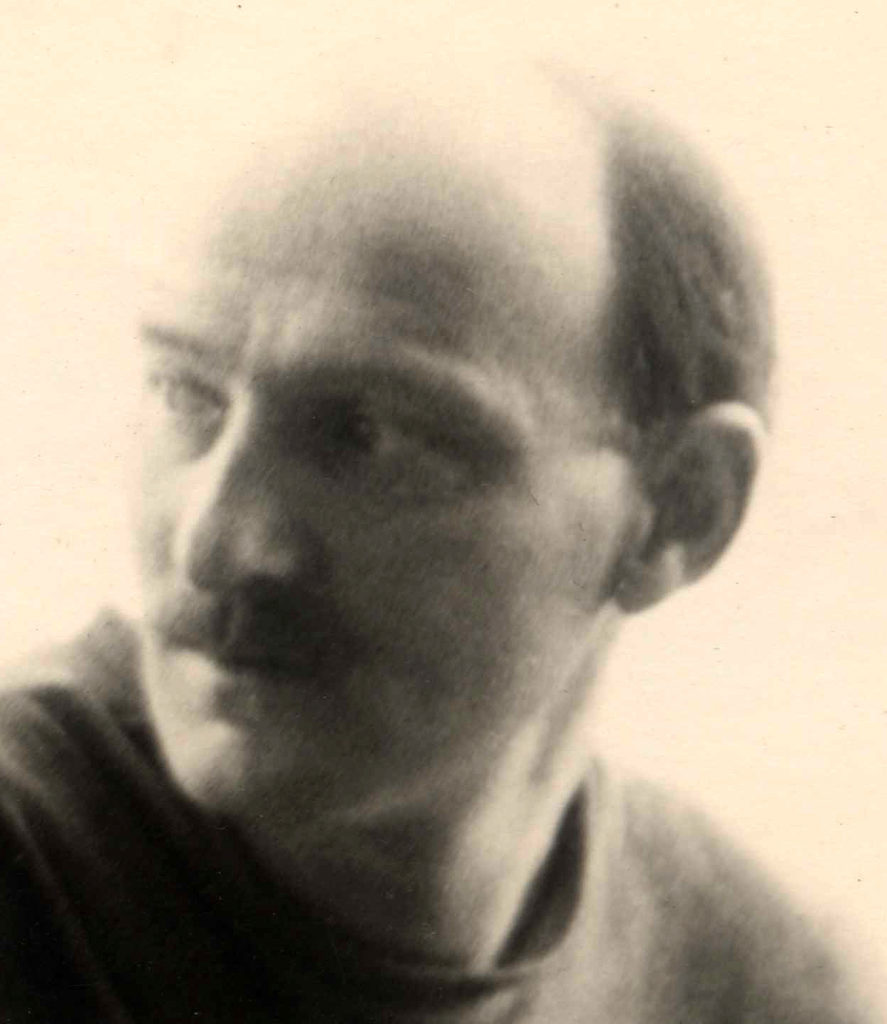 Victor Krasin, 1968 Photo: Victor Krasin/Commons.wikimedia.org
The fate of Krasin, broken by the Soviet authorities, became known largely due to his confession - this is a warning to descendants about what a totalitarian state does with people. The topic in Russia, alas, is always topical. On the last page of the book “Court” - a photograph of a money transfer sent to the address of the KGB to Moscow. Krasin paid in full.
Victor Krasin Gulag victim Gulag Historical memory History