
Translated material
The main elections. Three conflicts
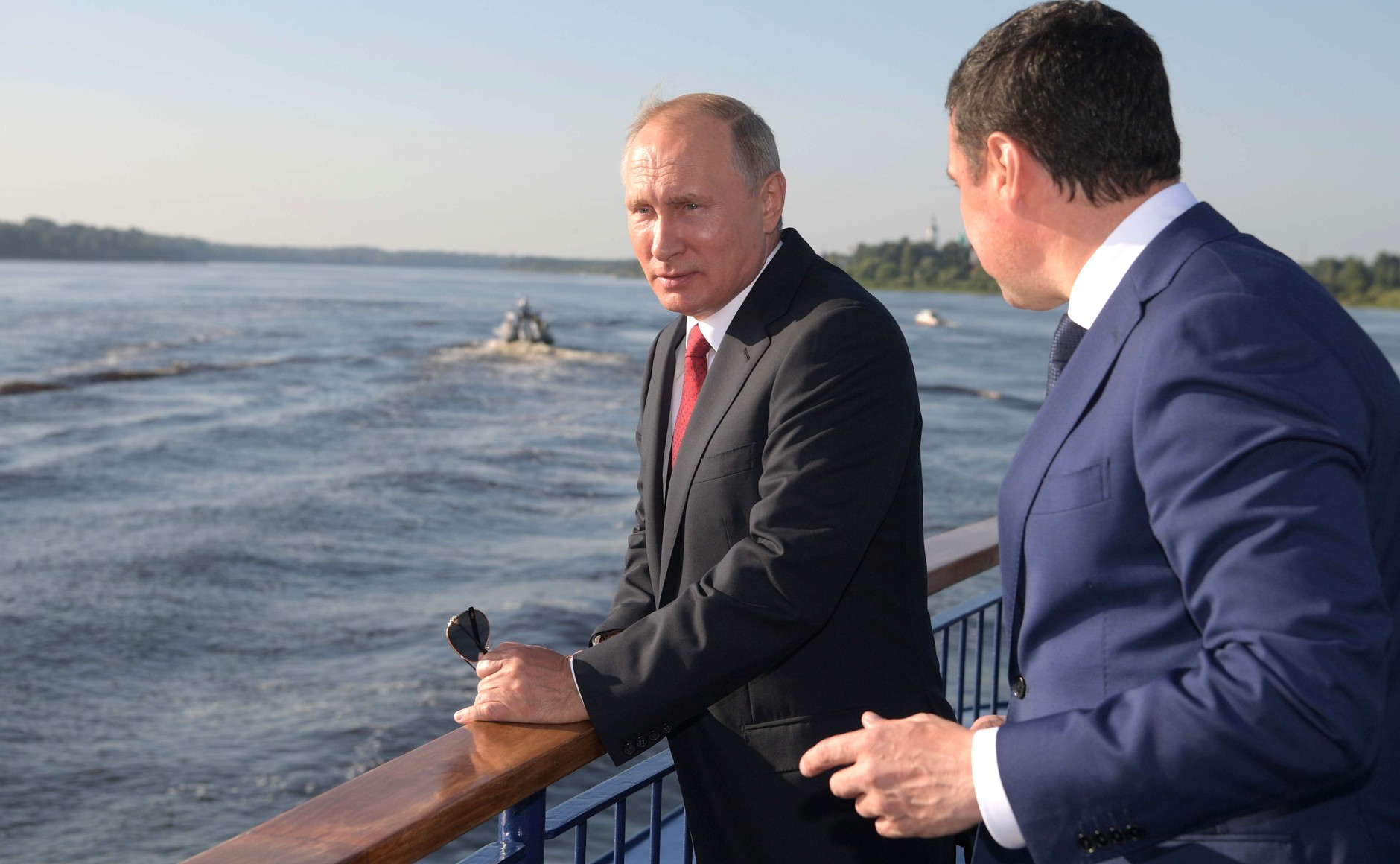
Experts of the St. Petersburg Politics Foundation found three main conflict topics, the unsuccessfulness of which threatens instability before the presidential election. This is stated in the published rating of the socio-political stability of the Russian regions for August.
The first problem, indicated in the report, consists in the conflict between the Kremlin’s desire for the personnel and age -related renewal of the governor’s corps and the demand for the experience of previous generations. If Moscow in the fall continues the course to replace the old-and-armed governors, then the presidential elections in the next March will have to hold the young governors, "without even the minimum electoral experience."
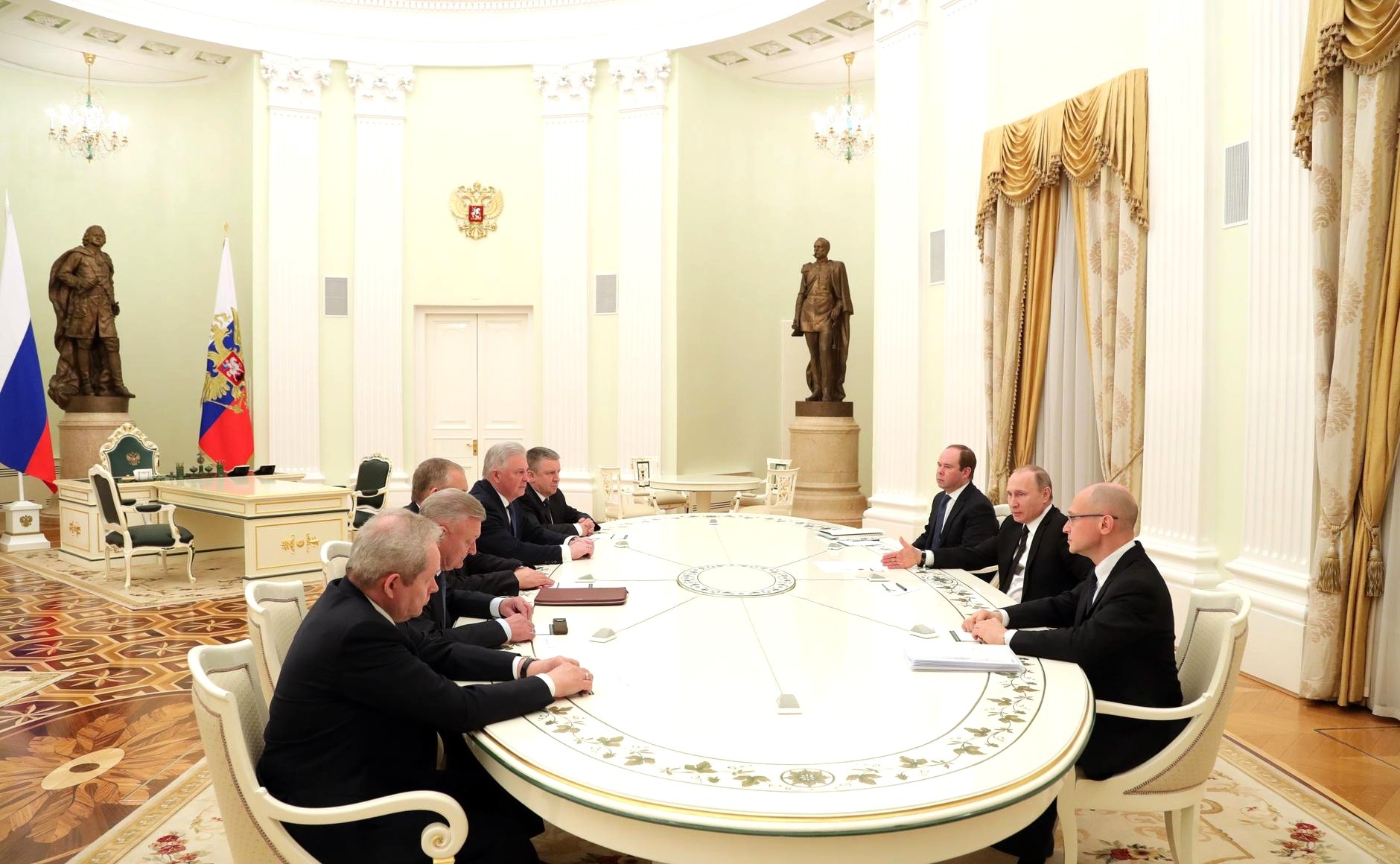 Meeting with former leaders of a number of regions kremlin.ru
And this with a high probability will lead to further accumulation of intra -elite conflicts in a number of regions and a general decrease in their controllability. As such potentially conflict regions, experts call Bashkiria, Nizhny Novgorod, Samara and Chelyabinsk regions, as well as Kuban.
The problem is associated with a probable increase in tension in relations between the center and the national republics. The most striking example of the “St. Petersburg policy” is called Tatarstan, “where neither the former electoral merits nor mediation in negotiations with the Crimean Tatars were perceived by the federal center as a sufficient basis for the symbolic steps to highlight the special status of the region.”
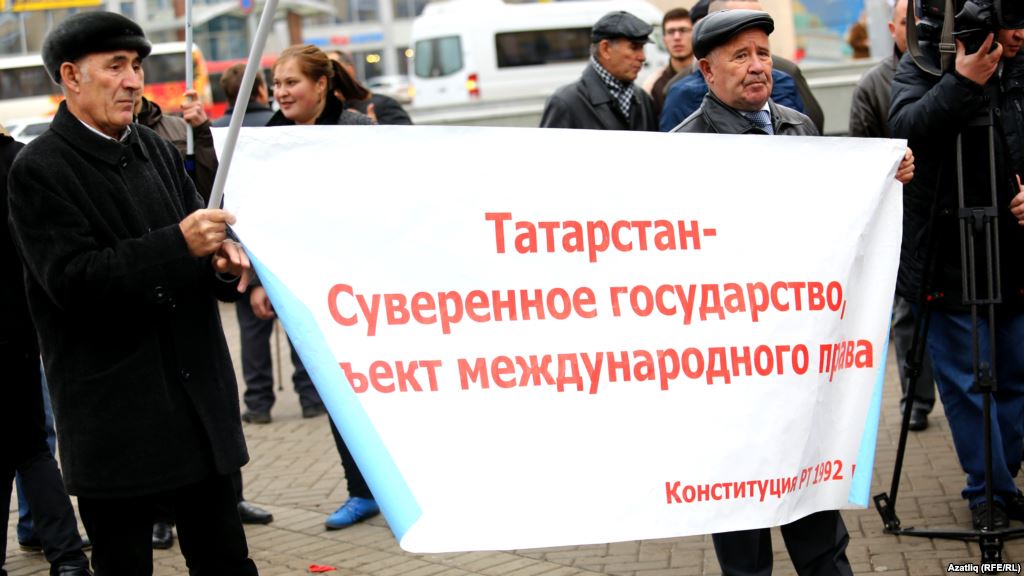 Picket TOC in Kazan. 2013 Azatliq (RFE / RL)
“ The events of the beginning of September showed an increase in ambiguity in relations with the North Caucasian elites, some of which demonstrated the ability to increase bets without the apparent resistance of the federal government,” the report said.
The thesis about the emergence of “political Islam” in Russia looks premature, its very presence raises the question of expanding concessions, which the federal government is ready to follow in exchange for the support or neutrality of the national republics on the topics of the “Russian world”, Russian policy in the Middle East. “ The eeral authorities will have to balance, not giving grounds for accusations of providing immigrants from the republics of a privileged position (regulation of mass shares, the contrast between Varvara Karaulova and the non -consideration of families who arrived in Chechnya from the territory of the IG). The theme of the negative reaction of Buryatia, Kalmykia, and Tyvs with the advent of anti -Buddist rhetoric on the federal agenda are not so sharp due to the political weakness of Russian Buddhism, but it also requires compensating symbolic steps, ” experts are sure .
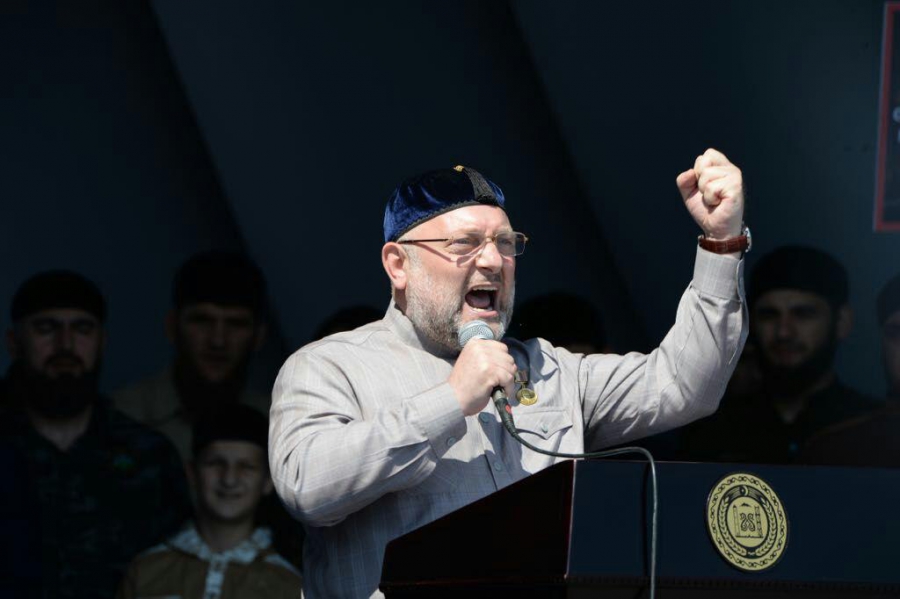 Minister of the Chechen Republic of National Policy Dzhambulat Umarov at a rally in defense of Muslims Myanmar Chechnyatuday.com
And the third problem is associated with the conflict between the emphasized “sterilized agenda” of the federal media and the increase in negative topics that are not adequate reflection in them. A striking example in the report of “St. Petersburg Policy” is a young man’s attack with a knife on visitors to a shopping center in Surgut, which federal television channels, for example, were called a domestic crime, although the Islamic State group forbidden in Russia took responsibility for the attack.
Of course, all these risks can not only affect the presidential elections, but also influence domestic policy in the next few years. However, it is the elections that are now primarily occupying everyone.