
Translated material
Spinners: conclusions for the toy industry
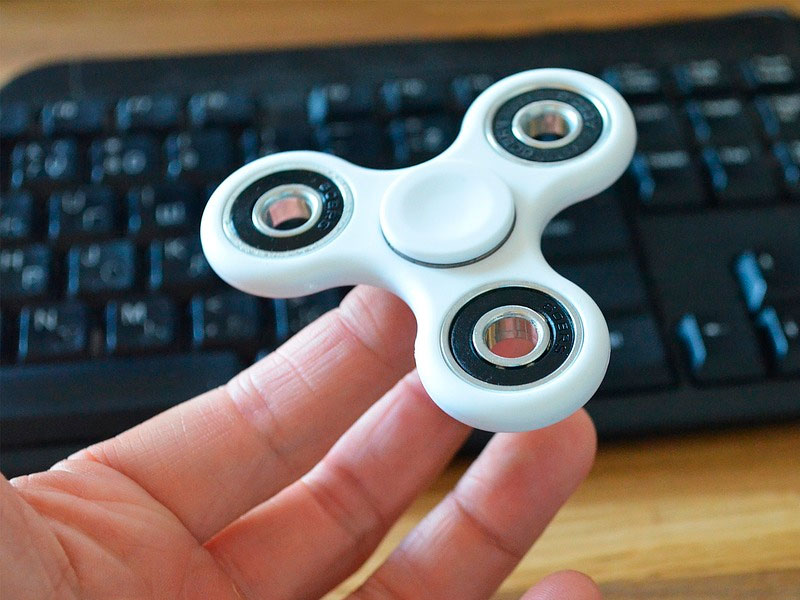
The Economist discusses how the popularity of spinners influenced the toy industry. Initially, the author notes, spinners were created to calm children with attention deficit or autism, but then they became the most popular toy in the world. Now the sales went on decline, which should please those schools where spinners banned, citing the fact that they distract students. But due to this huge surge in popularity, the toy industry got an idea of a new category of toys that can be turned in your hands.
Passion for spinners, the author stipulates, flared up in the USA in February this year. By May, spinners and anti -stress cubes have become the best toys sold at the Amazon. Manic hobbies of a similar property have been before. For example, in 2014, bracelets woven from rubber bands were unusual popularity. But a wave of enthusiasm for toys that can be turned in hands differs in the speed and scale of distribution. No one knows how many spinners were sold. According to some estimates, only in the rich countries of the world in six months their number is at least 19 million according to other estimates, their number exceeds 50 million.
Large manufacturers of toys at first were not ready for such a turn of events. The specifics of spinners is that this is a non -parted toy that anyone can produce. It owes its popularity not a purposeful advertising campaign, but the horizontal distribution of information, primarily in social networks, especially on YouTube and in Instagram. Most of all, small stores won from this, which in large quantities sold these easily accessible and not burdened objects.
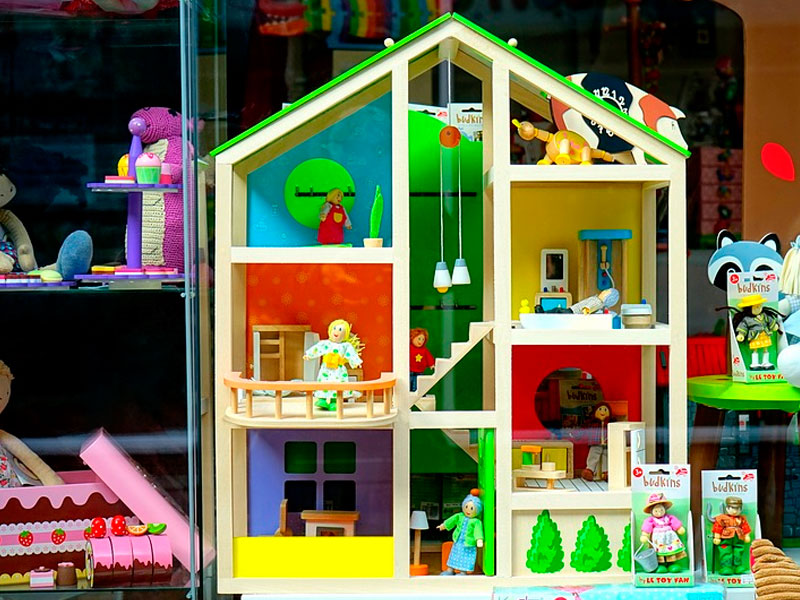 Toy store / pixabay.com
Large manufacturers, the author explains, usually plan a list of their goods of the year and a half before the peak season, which, in particular, is the summer or Christmas holidays. Sometimes the production of products can be timed to the release of cult films - such as Star Wars or "Cars". These moments become central to planning, and manufacturers are first oriented towards them.
Experience with spinners showed that the toy industry is time to change the approach to business from the usual fundamental to a more flexible one. The waves of demand are spontaneous and, at first glance, may seem unpredictable. Spontaneity, however, can be well compensated by monitoring and analysis of social networks, on the basis of which you can make forecasts and identify trends. This, most likely, will now take into account both manufacturers and toy stores. Manufacturers will also have to optimize the development and production time in order to keep up with trends. In addition, selecting promising trends, you can contribute to the growth of the popularity of the corresponding toys.
 Figures of toy hares / pixabay.com
Actually, the industry is already moving on to actions. Sellers, for example, became interested in sticks (shifts, walking sticks) of Japanese production. Interest is caused by the success of spinners and the hope that the sticks can become the next generation of toys for verification in their hands.