
Translated material
Siberian tract
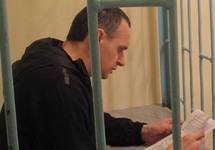
Ukrainian film director Oleg Sentsov, sentenced to 20 years in prison in the fabricated case of terrorism in Crimea, was transferred to the Chelyabinsk region. This was reported by Interfax with reference to the public supervisory commission of the Irkutsk region on Tuesday.
"In the Irkutsk pre -trial detention center -1, information was received that Sentsov was taken out of Irkutsk to Chelyabinsk today," said the PMC member. It is still unknown about the reasons for the translation of Sentsov.
On September 10, Sentsov’s staging to Irkutsk from the Yakutsk IK-1, which contained a political prisoner, became known the day before. Sentsov did not explain the reason for his sending from the colony. In Irkutsk, Sentsov was placed in a single camera in the basement of the Red Corps of the SIZO-1, where, according to the prisoners, there are press khats. However, on Monday, Sentsov was again sent to the stage .
Sentsov sentenced Sentsov on August 25, 2015 the North Caucasus District Military Court in Rostov-on-Don. The second person involved in the case - the left activist Alexander Kolchenko - received a 10 -year term. On November 24 of the same year, the Supreme Court left the verdict to the Political Zeal unchanged.
Neither Sentsov nor Kolchenko pleaded guilty.
In October 2016, it was reported that the Russian Ministry of Justice refused Ukraine to issue political zones. Officials referred to the fact that Sentsov and Kolchenko after the annexation of Crimea became Russian citizens, and therefore, according to Russian laws, even if they have citizens of other states, they are not subject to time to retire to these countries. In fact, however, neither Sentsov nor Kolchenko became citizens of Russia. Both political prisoners have repeatedly emphasized that only Ukrainian citizenship have.
As reported by the cousin of Sentsova Natalya Kochneva (Kaplan), in the Yakutsk IK-1, Politzeck was repeatedly placed in a schizo. Meanwhile, lawyer Dmitry Dinze, who visited his client in the colony in December 2016, reported that he had "everything is fine." The director told the lawyer that during the imprisonment he wrote five scenarios and one story .