
Translated material
The terrorists have been processed
Old organizations are replaced by loners inspired by preachers on the Internet
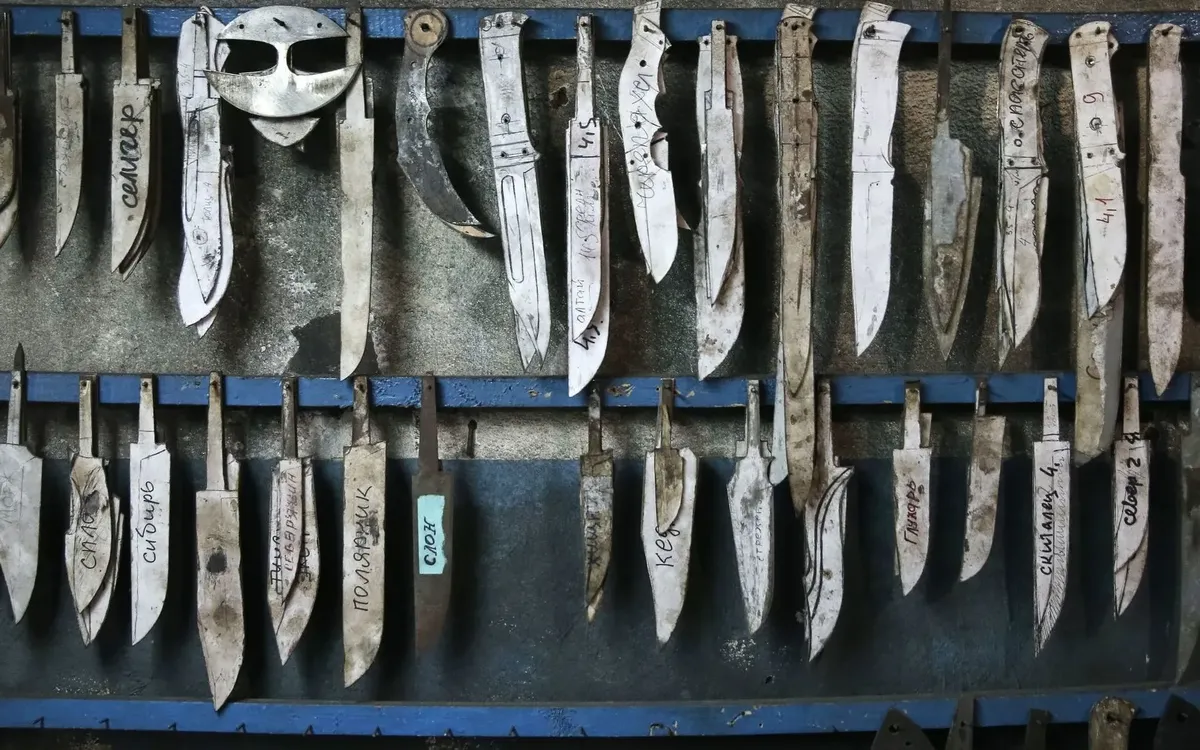
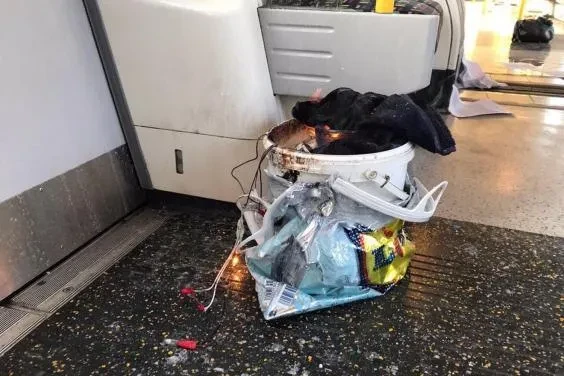
In the London metro, the simplest homemade bomb based on a combustible mixture exploded. Russian cities have been attacking anonymous telephone terrorists for a week, provoking the evacuation of tens of thousands of people from shopping centers and schools. Throughout Europe, in recent months, intentional vehicles of cars for accumulations of passers -by have been marked. Finally, terrorists simply attack people on the streets - with knives or axes from the nearest household store.
The task of terror remained the same: to sow panic in a large society, to use the fear of ordinary people to pressure democratic governments and attract attention. But in order to terrorize residents of developed countries, you no longer need complex technical means or expensive weapons, or special skills, as well as centralized coordination of the actions of criminals. The methods of terrorists are radically simplified, lonely, inspired by preachers on the Internet, come to replace old branched organizations.
Terror tools are any improvised things. This means that we enter the new era of everyday terrorism -
The prologue to it was the events of September 11, 2001, when civil liners were used to attack the United States.
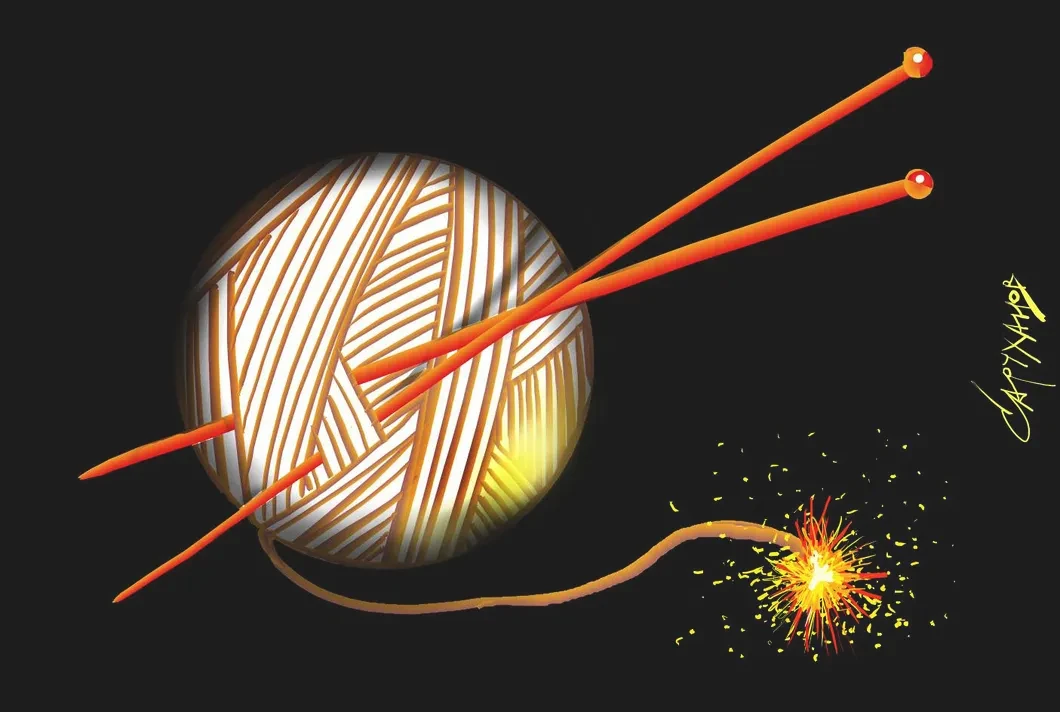
On the one hand, such a reference of terrorists suggests that special services around the world have learned to quite effectively fight terrorist organizations operating in the world in the last decade. Preparing large terrorist attacks began, apparently, and more expensive, and more risky than before.
On the other hand, the developed special services technologies are not too suitable for a new situation. The key method of protection against terrorists is agent work, the introduction of terrorist organizations in order to get information about it at the eve of an attack at the eve of an attack. In a situation where a person has seen enough of the sermons of the next “sheikh” on the video, bought a knife and tried to cut the policeman, the agents become useless. So the most important question now facing Western societies is related to what answer to a new challenge by terrorists will be found by states. And what will happen to civilian freedoms in the world where the state will take on the obligations to ensure the safety of citizens from “altered terrorism”?
The decisive role in the current transformation of terrorism is played by new media. On the one hand, they become the only communication channel between the organizers and the performers of crimes, and often completely open, general schools like video hosting are used for this. The variety of content on the network and its segmentedness do not make it possible to control all the information descending from “teachers of faith” to potential single terrorists.
This, by the way, means that attempts by Russian special services (and their colleagues in some countries in the West) are betting on per lustration of messengers is quite archaic - user messages also will not help solve the issue of the current asked terrorism.
On the other hand, the new media can repeatedly enhance the effect of terrorist attacks
- Even if they are not too significant in terms of real damage. The terrorist manages to inflict a slight stab wound to a passerby, after which he is detained, but the people nearby are still scared and report their fear in social networks.
It seems that society needs to be more actively included in the discussion about what we do with all this so that the state does not record all the users of the Internet in the accomplices of terrorists.