
Translated material
Who about what, and he is about ban
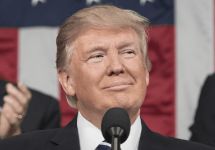
US President Donald Trump introduced new restrictions on entry into the United States for citizens of the DPRK and Venezuela. This was reported on the White House website.
There is also a ban on the entrance for citizens of six countries with a predominantly Muslim population listed in the second anti -migrant decree of the president: Iran, Yemen, Libya, Syria, Somalia and Sudan.
For citizens of the listed countries, some exceptions are provided: subject to additional verification, students from Iran will be able to get to America, and members of official delegations, tourists and businessmen will be able to come from Venezuela. For North Korea, a complete ban is valid.
The new procedure for entering the country will begin to operate on October 18.
At the same time, the current American visas and grinkarts (residence permit) will not be canceled.
The ban on the entrance was introduced on the recommendation of the US Department of Internal Security. In the White House statement, it is noted that the governments of those who fall under the restrictions of countries do not cooperate with the American authorities in security matters.
“Make America safe - my number one priority. We will not let those in whose security we doubt,” Trump wrote on his twitter.
The head of the Foreign Ministry of Iran Javad Zarif called the ban on the entry of Iranians in the United States insult. "Trump's sympathy for the Iranians looks even more false with his new and much more offensive prohibition of entry," the official wrote on Twitter.
Trump introduced new restrictions instead of the second anti -migration decree, the validity of which expired on Sunday. The document provided for the ban on the entry of six Muslim countries to citizens.
The second anti -migrant decree was issued on March 6 . In addition to the ban on entry to citizens of Muslim countries, the document also provided for the termination of refugee states for 120 days.
March 16, a few hours before the decree entered into force, the federal judge in Hawaii Derrick Watsontemporarily blocked his action . On June 26, the US Supreme Court temporarily upheld the decree in force . On September 8, the Court of Appeal in California repeatedly blocked the document . However, on September 12, the Supreme Court at the request of Trump's administration again resumed the decree.