
Translated material
"Taganka was an oxygen mask for us"
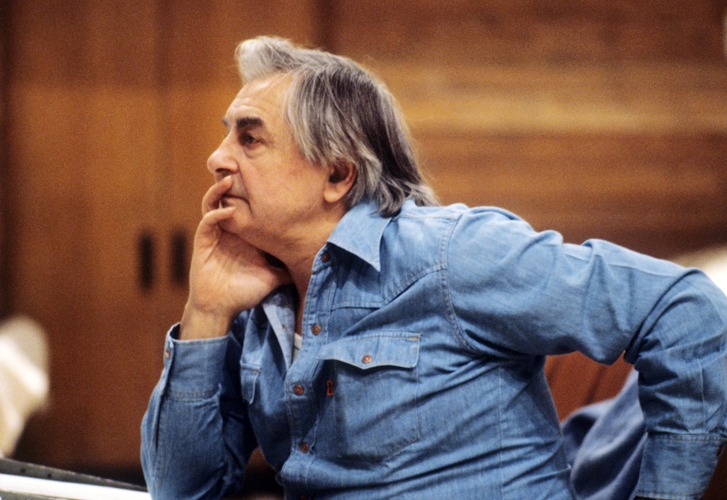
Tomorrow, September 30, turns a hundred years old Yuri Lyubimov. Until the end of October , the Charitable Fund for the Development of Theater Arts Yu.P. Lyubimova will present in Moscow a detailed program of events dedicated to the anniversary of the great Russian director - among them the exhibition “Lyubimov and Time, 1917-2017” at the Moscow Museum, and the premiere of the performance of Maxim Didenko “10 days that shocked the world”, and the anniversary concert at the Bolshoi Theater. Today, Colta.ru publishes the fragments of the book of memoirs “100 contemporaries about Lyubimov”, which were kindly provided to the editorial office, the presentation of which was held last week at the Stanislavsky Electric Theater. The text is printed in the source.
Sergey Yura
Undustible
Where did he come from? I'm not talking about biography and questionnaires, this can be found out in detail. I’m not even talking about Taganka - the world famous theater that he created, and the collective that he raised. And it’s not at all about performances, dramatic, opera, set by him in different countries - I did not see them, I only read about them. I about himself - about the absolute originality and integrity of his system of views on the theater, his methods of communicating with artists, with viewers, with the world around him, about his temperament and unshakable confidence in the correctness of this system and this method. Where did this come from?
Yuri Petrovich Lyubimov! The glorious name now celebrates its century.
And the real Yuri Petrovich almost the entire centuries -old term was here on this earth. And until the last days I retained the spirit of creativity and impulse to activity.
Marvelous!
Inaccessible!
The Russian Drama Theater experienced two explosive take-offs: the very end of the XIX century is the creation of the Moscow Art Theater Stanislavsky and Nemirovich-Danchenko, and the 60s of the twentieth century, when for only a few years the names of Tovstonogov, Efremov, Efros and Lyubimov broke out.
Ultimately, with any deviations, we are all today, the heirs of the Moscow Art Theater School and the Stanislavsky system (well, except, perhaps, the most striking and independent present -up young people who may begin the third theatrical explosion, but they are not talking about them now). Those four leaders - the sixties - were completely different. In civilian life, they supported each other, showing attentiveness and goodwill, but in creativity they did not allow any influences from the part, each jealously protected their own direction.
So - Lyubimov! A very noticeable and successful vachtang artist. Role is a characteristic hero. Growth, appearance, smile, charm! Leading actor of the famous theater. And that means - the heir to Stanislavsky through the Vakhtangov branch: absolute psychological reliability, subtle nuance. And suddenly a sharp turn, rather a cliff! From the bowels of the theater school, Yuri Lyubimova grows up. Where did the spirit of the local theater come from, that tough rhythm, penetration of musical bursts, the existence of the actors “at the limit”, on the verge of a tear? The influence of Brecht, his views system? After all, the directorial theater of Lyubimov began with the production of the “good man from the Sezuan” Brecht with students of the Vakhtangov Theater School-Studio. Then Yuri Petrovich began with this performance the life of the theater he created. Brecht, of course, is an influential author, but the performance of Lyubimov was, first of all, a pronounced creation of the director, and the director-teacher, when not only the misansen, but the very existence of actors on the stage is clearly permeated by the influence and ideas of their master.
Lyubimov left an acting profession in the past (the role of Moliere in a television performance staged by Efros was an exception). But the spirit of execution, acting in it raged. He wanted to be not only the commander in chief at rehearsals, but also a direct participant in each performance. Hence his unique extravagant idea, which has become a branded Taganka label is a constant presence at the performance in the director of the director with a flashlight in his hand and managing the rhythms to represent this flashlight. I admit that I am not a fan of this method of communication of the actor and director. I have been on a professional scene for 60 years, but at any age I simply could not stand it. And its actors? How are they? Until a certain time (for decades!) They followed their leader unconditionally, they were proud of their involvement in Taganka.
Until a certain time! And struck an hour! They withstand the fire of criticism, the water in which they wanted to dissolve them, they swam and did not dissolve. Copper pipes of incredible glory failed to relax them. But the worm of the internal split crawled into the very core and managed to destroy the stone unity.
Sorry, reader! Your right to stop me and reproach me. We note that we celebrate the centenary of our outstanding contemporary. Now only words of admiration and gratitude are appropriate. And let it be so! We will not return to the years of the split, collapse, emigration of the creator of the theater, bitterness, confusion, not noise, but the roar of public opinion - all that happened with us, inside us, excited the press, tormented the whole theater world with indignation and sympathy. We will not return to this today. I am not a participant, I am a witness of drama. Drama! But not tragedy! Because Yuri Petrovich Lyubimov overcame this strip of his life. And returned! And he did not “leave efforts”, and the maestro remained for all of us, his contemporaries.
If anyone is interested, I will talk about my personal impressions of communicating with Lyubimov. For the first time, we shook each other's friend's hands in my (ours with Basilashvili and Garichev) of the Grimalnaya Tovstonogovsky BDT in Leningrad. Yuri Petrovich watched “Woe from Wit”, went for the scenes to thank, and we, of course, suggested that he sign on our memorable ceiling for especially expensive visitors. Human handwriting reflects his character. Our guests wrote with a brush, in an unusual position - with their heads, sometimes standing in a chair, but individualities were strikingly manifested - in choosing a place, choosing paint, the size of letters, the presence or absence of additional signs, jewelry. Say, "A. Solzhenitsyn ”was drawn definitely, noticeably in the lateral lower part of the vaulted ceiling in large initial letters, which gradually decreasing to the end of the word. "Jean Vilar" is very clear even small letters at the absolutely central upper point of our vault. The square hieroglyphs of the Japanese writer Cobo Abe convexly glowed in the interweaving of the Cyrillic alphabet and Latin - these are the names of the ceiling and the names of these thousands.
Lyubimov signed, as they say, from the heart - in the side of the upper part of the vault, very large printed letters - thank you, name and surname! Similarly with him later, only one person - Mark Chagall in another part of the ceiling.
The conversation with Lyubimov was unhurried. Heart came from him, sincerity and ... the suddenness of judgments. He had the ability to avoid common words. This meeting was very remembered. And then ... Then I went to many of his performances. Surprisingly - we all played a lot in the theater, starred in cinema and on television, went on tour, at every day the watches were tightly driven to each other, but in an incomprehensible way we managed to see everything that colleagues do. Over the years, this ability has somehow evaporated. Age, or what? Yes, age. And fatigue. And many optional worries. And growing egoism. And then! Living in another city, I saw almost all the premieres on Taganka. And in "Contemporary" and at Malaya Bronnaya.
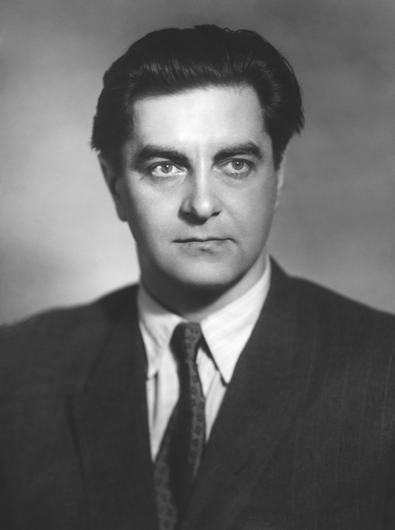 © TASS Yuri Lyubimov, 1952
Lyubimov was always in the theater. The people swirled in the lobby, crowded at the exit - they were in no hurry to disperse. Tryludya guests in the office of Yuri Petrovich. And I was there. And I saw the walls similar to our ceiling, dotted with signatures, exclamations, wishes. Walls! I do not boast, but I will restore justice: this is our dressing room in the BDT impressed Lyubimov, and he started his “ceiling memorable book”.
Taganka brought “wooden horses” on Fedor Abramov to Peter. This performance pierced me through. At the end, after the endless applause, I went on stage and said a thanksgiving speech on behalf of the Leningrad Theater Public. I felt (and said about this publicly) that today the director and actors revealed to us a new level of truth overcoming theatrical convention. I remember that the next day I had a conversation with Tovstonogov, and Georgy Aleksandrovich reproached me for excessive enthusiasm - “there is no common concept of truth and convention,” he said, “every theater, even everyone has a time, is the secret to mix the momentary reliability and connection with the general time and with the big world.” A very interesting thought. Leg. He didn’t even hide that his reproach is worthless jealousy and even suspicion - do I prefer the truth of the Taganka’s discoveries to our search and achievements in the BDT? I rejected this suspicion. My admiration for other theaters has always been an admiration and assessments of an outsider. Human and acting inside me were divided - there was never the opportunity to live and play in another theater. And again-until a certain time!
There was a special meeting place for theatrical people - Shchelykovo! The former estate of the great playwright A.N. Ostrovsky, turned into a WTO House of Creativity. They talked, bathed, walked mushrooms, had fun with cabbages, wrote, the actors, directors, and artists wrote relations. The everyday conditions were the most primitive - summer cottages, only partly adapted for housing. For three weeks we lived there in a small room with my wife Natalya Tenyakova, and behind the plywood wall lived with his wife Lyudmila Tselikovskaya Yuri Petrovich Lyubimov. The audibility was through. Horror! And before breakfast, after breakfast, before dinner, after dinner and until night, the favorite of the public, the famous actress loudly sawed the director who had reached the world fame, making endless reprimands for his creative and domestic mistakes. But what about Yuri Petrovich? And Yuri Petrovich occasionally filed remarks and never objected.
He often sat alone on a bench and looked at the fast waters of the Kukeshi River. In general gatherings, draws, volleyball matches did not participate. In communication, he was polite, friendly, laconic. He was amazingly not like himself at the director's table, in the bosses, where he had to defend his truth, in communication with actors and employees. There he is the Creator! Fighter! An irreconcilable propagandist of his own beliefs, a stinging mockery who puts in the awkward position of his opponents of any ranks and, ultimately, the father is a defender of his children-actors of the troupe he had generated. Zeus-groomovets and a polite, immersed citizen, ready to endure the resentment, just not to offend the other (the other!). Both that were in him.
But finally the painful “rest” ended, Lyubimov returned to the theater. And again there were premieres, each of which caused a scandal and conflict with the authorities and at the same time repeatedly strengthened the burning and already international interest in the theater.
I won’t forget - when I got into the strict pressure of the authorities and was forced to leave Leningrad, Yuri Petrovich held out my hand - I received an offer to work in his theater. I think we both understood that we were creatively not to converge, but I appreciated the noble friendly gesture completely. However, I became a Muscovite.
And in Moscow in 1982, three theatrical prohibitions rumbled at once: Lyubimov’s “Boris Godunov” by Pushkin on Taganka, “Suicide” by N. Erdman at the Satyra Theater (production of V.N. Plutka) and the “funeral in California” by R. Ibrahimbekov at the Moss Council theater in my production. These were the latest theatrical prohibitions of the Soviet regime. The time was vague, stormy and crushing. The mood is bad. And here Mark Rozovsky came up with an idea - a play about Meyerhold! He writes the play, Lyubimov should put it, and I am playing Meyerhold. Mark asked me to outline this idea to Yuri Petrovich. And I went to Taganka. This happened on the very day of November, when they reported that instead of the just dead Brezhnev, Andropov was elected general secretary of the CPSU Central Committee. And here I am in the office of the artistic director of the theater on Taganka. You cannot come up with a more untimely visit than my visit to Lyubimov. The Khudoruk was alone in his office, all tables, sofas, chairs and even the floor were littered with hundreds of instances of today's Pravda newspaper with a portrait of Andropov. I have never seen Yuri Petrovich Lyubimov in such excitement as that day. A compressed fist with a portrait was raised above his head. Lyubimov did not speak, but shouted. The phone continuously called. He grabbed the phone and continued to scream. I hung up the phone, dial a number and screamed again. I don’t remember and then I could not make out the contents of his monologues, but the meaning came down to the fact that: “Well, now we will see! And now you will understand! Now they will find out! ”
I did not quite understand the reason why Yuri Petrovich had high hopes for Andropov, although it was known that Andropov, the only one of the old Politburo, favored Taganka. Horodor ran around the office and shouted. Emotions went out. It seemed to Lyubimov that in front of him, in front of his theater, rainbow prospects were opening.
Meanwhile, an explosion was approaching - a final conflict with the authorities and the final split in the theater. Lyubimov went abroad and was deprived of Soviet citizenship. Life in the country went across the expectations. Andropov was replaced by the deceased by the deceased Chernenko right there. In confusion and chaos, the star of the authorities of Mikhail Gorbachev ascended, and the word unknown - perestroika! For me personally, this meant that after many years of prohibitions I was allowed to go abroad. In 1987, I arrived with a concert to Paris, as it turned out, at the same time as Taganka, who arrived on great tour. Lyubimov on the other side of the world came on a date with his brainchild. Tagani tagani stirred the theatrical life of Paris - I am a witness to this. However, there, in France, we did not meet.
We saw each other a few years later in Israel, where Yuri Petrovich then settled. I called him, and the great emigrant invited him to visit his apartment. The conversation was long. Actually, not a conversation, but a monologue of Lyubimov. He played the scenes of his conflict clashes with the Soviet authorities, quoted the absurdities that his former rulers stuffed. He was very interested in Yeltsin. He really liked Israel, where they loved him, where they were ready to fulfill any desires. However, it was noticeable that he was crowded in a small country. His prospects, intentions, directorial fantasies rushed to Europe and further, beyond the ocean. He talked about this, and the story was interrupted by phone calls - negotiations were already a reality. And then today's reality came - his wife Katya, Hungarian Katalin Kuntz, returned from the campaign, returned from the campaign, and now she said. Home concerns, son, life ... Yuri Petrovich now assented and gave remarks.
Was there a conversation about returning to Russia then? I try to remember and I can’t. In any case, on that day this thread seemed ragged.
But she did not break!
Lyubimov returned! Nikolai Gubenko, his actor and student, who temporarily became Minister of Culture of Russia, with colossal public support, achieved the return of Lyubimov now not Soviet, but Russian citizenship. And he again headed his theater. And again, as if in evidence of the complexity and irreversibility of life, problems began. It rumbled and there was a split.
In theatrical life, centrifugal force began to act more and more. They met a little, engaged in themselves, did not see much what others were doing. But what I can’t forget is one evening on Taganka. There was an evening of a remembered man of a wonderful and at one time very famous - Dmitry Pokrovsky, creator and leader of an outstanding team: an ensemble of folk Russian song. Lyubimov collaborated with Dima in the production of “Boris Godunov”, and with me Pokrovsky screwed the choir culture into “Truth is good, and the happiness of Lychche” A.N. Ostrovsky at the Mossovet Theater. Dima was a gambling and inspiring person. The participation of the ensemble and himself became not just a musical addition to the dramatic action, but determined the whole style of the schedule. This is not forgotten.
The people at that evening of memory were an unthinkable number - his students and followers from all over the country gathered. Taganka was packed to capacity - the auditorium, the scene, the lobby, the corridors. The speakers replaced each other for an hour, the second, the third ... The time is half a little, and the evening did not end. I sat in the office of Lyubimov. People came in and left. Yuri Petrovich treated, poured. Ryumki raised, they said words. And then they remembered a lot - both Dima, and the initial eighties, and ourselves, then, then, then. So there was such a long commemorated evening. On Taganka. In the office of Lyubimov.
I only know what happened later. It was impossible to understand anything, and I did not want to believe in the string. But Yuri Petrovich Lyubimov again left his office and left his theater. Forever.
But he did not give up! He again had ideas, desires and strength. He returned to the theater of his youth and staged a performance on the Vakhtangov stage. He was already ninety.
He - the actor by nature - became one of the brightest artists of the directorial theater. His style, his method was tested by many influences, but his own intuition was the main thing, the need for creativity that was not equipped with a written theory. Не без оснований говорят, что режиссерский театр давит актерские индивидуальности, лишает актеров возможности становиться творцами. Так оно и есть, это правда! Но вот оглянем десятилетия насквозь режиссерской Таганки и назовем имена: Высоцкий! Золотухин! Филатов! Смехов! Славина! Демидова! Шаповалов! Шацкая! Это только начало списка! И это выдающиеся индивидуальности, порожденные бывшим актером и деспотом режиссером Любимовым... Да, господа! Не укладывается Юрий Петрович ни в какую теорию…
Вспомню еще последнюю нашу встречу, случайную, мимолетную. На телевидении, в дверях. Он выходил со съемки, а я шел на съемку. Я знал о его сложностях, о неприкаянности, в которой он оказался на старости лет. Но не было в лице его неприкаянности и озабоченности. Он шел под руку со своей Катей, улыбка его была доброжелательной, рукопожатие крепким. Мы перекинулись приветствиями, традиционными «Ну, как? Well? That's nice! Вот и хорошо!» Я смотрел им вслед. Они шли к ожидавшей их машине. Он вел ее под руку. Они шли по скользкому снегу. Походка его была уверенной.
В Вахтанговском на похоронах были толпы людей. Со слезами и с чувством благодарности прощались мы с человеком, который в душе каждого из нас оставил след.
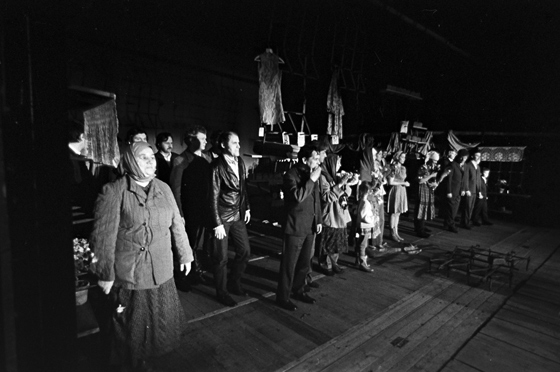 © Анатолий Гаранин / РИА Новости Премьера спектакля «Деревянные кони», Театр на Таганке, 1974
Зиновий Марголин
Непроизнесенный тост
Летом 2012 года я с коллегами поехал к Юрию Петровичу в Италию, готовиться к постановке «Князя Игоря» в Большом театре. Они с Каталин много лет снимали в крошечном городке Абруццо в горах верхний этаж дома. Нас поселили в настоящей средневековой крепости, принадлежащей семейству Медичи, которая ныне превращена в отель. Мы каждый день ходили к Любимову обсуждать спектакль. Все это сопровождалась бесконечными застольями и, конечно, невероятными историями от Любимова. В окнах — горы до небес, за столом — загоревший Юрий Петрович, который чуть иронично что-то рассказывает, иногда хохочет, а потом становится необычайно серьезным в те моменты, когда мы обсуждаем оперу.
Иногда мы вместе ходили гулять. В белом костюме и шляпе, невероятно обаятельный человек медленно передвигался по узким улочкам Абруццо, обязательно со всеми здороваясь. Он был похож на какого-то знаменитого итальянца. Но все вокруг знали, что к ним уже много лет приезжает русский режиссер!
Уезжать совсем не хотелось. В последний вечер Любимовы повели нас в местный ресторан, где хозяин был похож на персонажа из рассказов или сценариев фильмов друга Любимова Тонино Гуэрры. Он лично подавал к столу, так как знаменитый русский режиссер привел целую компанию, и это было большим событием для его заведения. Я сделал во время застолья много фотографий, а в конце поднялся на балкон и оттуда снял огромный стол, за которым остались только Каталин и Юрий Петрович. Пустые тарелки, фужеры, сдвинутые лавки. И два человека, которые смотрят с улыбкой куда-то наверх.
Теперь за этим столом осталась одна Каталин.
Я очень часто смотрю на эту фотографию и думаю, что Любимов действительно остался один за огромным опустевшим столом, где многие годы его окружали равные ему великие люди. И мне в конце досталось ненадолго там местечко. К сожалению, как-то я вышел из-за стола не попрощавшись и не поблагодарив. Теперь, наверное, поздно говорить тосты, но тем не менее…
Любимов, конечно, был главный герой людей театра на протяжении, наверное, пятидесяти лет. I am no exception. Не увидел бы Таганку — не пошел бы работать в театр. But this is not the main thing. Он, несомненно, был для нескольких поколений воплощением свободы. Находящиеся в адском удушье, мы ловили каждое его слово! Его поступки вызывали немыслимый восторг. Таганка была для нас кислородной маской. Так вышло, что Юрий Петрович жил и творил за многих замученных и расстрелянных поэтов, артистов, художников. Он ставил спектакли за несколько поколений русских режиссеров, которые, обескровленные бесконечными запретами, так и не сказали то, что хотели, и не поставили свои лучшие спектакли. Ставший медиумом, он озвучил огромный онемевший хор.
Именно Любимов во второй половине двадцатого века проломил железобетонную стену, и мир узнал, что у нас есть великий театр. Он продолжил дело, начатое Таировым и Мейерхольдом, став главным реформатором русского театра. Он говорил о том, о чем все остальные, пораженные вечным страхом, боялись даже подумать. Он был такой всегда, до последней минуты. Он был героем приключенческих романов и в то же время былинным персонажем. Он много раз умирал и возрождался. Как же мы все ему завидовали и восхищались им!
Я всегда удивлялся его немыслимой энергии. Когда я шел на первую встречу, то страшно волновался. Как все будет? «Князь Игорь» — это многофигурное полотно. Любимову же почти 95! В первую минуту я понял, что ошибался. Навстречу мне почти бегом вышел обаятельный и невероятно энергичный человек. Потом — долгий разговор. И вот это прекрасное: «Ну, налей мне тоже чуток, пока Катька не видит». И дальше строгий голос Каталин: «Юрий! Я все вижу!» И его заразительный смех. И бесконечные рассказы про свою жизнь. Про две войны, про то, как было страшно. И казалось иногда, что это все небылицы, потому что столько в одну человеческую жизнь не умещается. И все это было как пересказ огромного романа, где автором и главным персонажем был он.
И потом по две репетиции в день на протяжении нескольких месяцев! И это после болезни, которая почти не оставляла шансов выжить. Но ему там, наверху, отпустили еще немного времени.
Он всегда знал, что на него возложена миссия. И что он последний из великих.
Очень важно понимать, что у него был ни на кого не похожий взгляд на мир. Та волшебная оптика, через которую он на все смотрел. Это и есть мера таланта человека. Я помню каждый наш разговор и то, как я каждый раз удивлялся тому, что и как он говорит о будто бы очевидных вещах.
Рассказывать про Любимова можно бесконечно, хотя я был знаком с ним лишь мгновение из его огромной жизни. Все, что я не сказал ему лично, теперь я могу передать только Каталин. Юрий Петрович уже сидит за другим столом в компании равных себе великих. Это люди, которые в двадцатом веке создавали театр, писали романы, получали Нобелевские премии по физике и литературе. Со многими из них он был знаком, со многими дружил. Там у них отличная компания! За ушедших пьют не чокаясь. Я бы с удовольствием чокнулся с ним и еще раз сказал ему, что он по-прежнему кумир всего моего поколения и мы по-прежнему помним о нем, любим и восхищаемся.
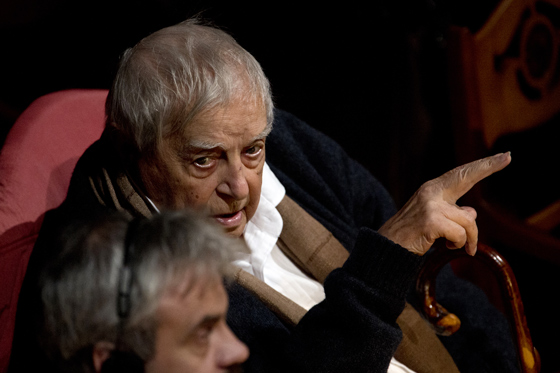 © Илья Питалев / РИА Новости Юрий Любимов на репетиции оперы Александра Бородина «Князь Игорь», 2013
Александр и Наталья Солженицыны
Meetings
Борис Можаев закончил повесть «Живой» (еще живой крестьянин, после стольких лет колхозного рабства! — обходчиво переназвали в «Новом мире»: «Из жизни Федора Кузькина»)… В «Новом мире» «Кузькин» при упорных поправках редакторов и сопротивлении цензуры все же прошел. Тогда Ю.П. Любимов энергично взялся инсценировать его. Это повело за собой долгую изнурительную схватку с высшими цензурными чинами, с секретарем ЦК Демичевым и министром культуры Фурцевой, приходившими и на контрольные просмотры спектакля и запрещавшими, — а потом маячили просветы и надежды, и снова обрушивался запрет. Все попытки «сдать» спектакль, провести его на открытую сцену, заканчивались запретами — 5 раз: в 68-м, 69-м, 71-м, 72-м и 75-м! (Поставили... через 21 год от начала попыток, в 1989-м.) Эти переволнения достаточно отдались и автору, и режиссеру. (Впрочем, Любимов мудро использовал тот шаткий период для цепочки «общественных просмотров» — и московская интеллигенция в немалом числе успевала увидеть запрещенный, да даже как бы и не доживший до своей премьеры спектакль.)
А в конце того же 1971-го пришлось нам с ним [Можаевым] — и с Ю.П. Любимовым — еще раз сидеть за столом, но уже на горьких поминках Твардовского, у Марии Илларионовны, на Котельнической набережной. Поздно вечером Любимов отвозил нас по Москве в своей машине, ее жестоко заносило и вязило в нечищенном снеге, и разговор наш, и видение происходящего были такими жестокими, как все события последних лет — от запрета спектакля с Кузькиным до, вот, смерти затравленного Александра Трифоновича.
Потом наступили два моих самых раскаленных года, в ту пору видаться не пришлось. Но вот в феврале1974 г. на дачу Чуковских в Переделкине, где я работал, уже ломились агенты переодетые в саму дачу, проверить, тут ли я. Обложили весь участок слежкой круговой. Вдруг в воскресенье 10-го — стук в дверь дома. Это — не побоялись, прорвались через кольцо, дав себя десяток раз сфотографировать и записать, — Боря Можаев и Юрий Любимов! Вот так смельчаки!
Очень я был тронут этим их прорывом блокады. Посидели полчасика, попрощались: доброго мне уж было не ждать.
Попрощались — с Ю.П. Любимовым на 15 лет. (Он приезжал к нам в Вермонт, оказавшись тоже без родины.)
А в конце 1983-го выехал на Запад Юрий Петрович Любимов. Писал мне из Лондона, что телевидение ФРГ хочет делать постановку по одной из моих книг, в первую очередь две новеллы о Ленине и Сталине (сюжет и охват еще не уточнены). Согласен ли я? Я ответил: согласие на постановку — пожалуйста, но: начинать со Сталина — это упрощение нашей истории, а «Ленин в Цюрихе» встретил могущественных врагов на Западе, вам будут препятствия.
Только что посвежу из советских придавленных кругов — Любимов многого еще, тут западного, не представлял.
А история отношений с Любимовым у нас была вот какая. Познакомились через Борю Можаева, были очень взаимно теплы и непосредственны, встречались несколько раз (и на поминки Твардовского ездили). По моему ощущению, он отличался постоянной открытой сердечной готовностью, которую никак не ограничивало его видное положение в театральном мире. Очень он непринужден, светлая улыбка, искренние порывы. Особенно же запомнился их с Борей бесстрашный визит ко мне в Переделкино, за день до моей высылки, когда надо мной все бури гремели. Они смело прошли через оцепление гебистских надзорщиков.
В связи с проектируемой постановкой Ю.П. хотел приехать ко мне в Вермонт тем же летом, и я уже посылал ему расписание самолетов и автобусов. Потом он смолк, больше чем на год, никак не объясняя; очевидно, уже вник в западную обстановку. И — прав. Тем временем он напечатал несколько обширных интервью, еще обожженный всей тамошней болью своей и своего театра…
Прошло два года — вдруг Юрий Петрович звонит из Бостона, что в этом ноябре он здесь (мы уже из газет знали), и очень нужно повидаться. Я рад ему, но знаю, что тактически ничем ему встреча не поможет: слишком разный жизненный опыт, разные углы зрения. Приехал, пробыл сутки. Все так же он был изранен положением театра и своим. Вот каков был его проект: сделать нам втроем с Ростроповичем какое-то общественное заявление о положении советского искусства — и с удивлением услышал от меня, что мое участие только потопило бы то заявление. (Был как раз пик травли меня в Соединенных Штатах.) До такой степени он изранен, а еще старше меня на год, — не знаю, как ему хватает сил тянуть работу, невыносимую, на иностранных языках, мало известных ему. Но поражаюсь, как энергично он справляется. (Еще год спустя, в горбачевскую новизну, промелькнула ему возможность вернуться в Москву, он звонил к нам, зондировал наше мнение — мы очень советовали ему ехать.)
Alexander Solzhenitsyn
Приезжал Юрий Петрович Любимов: впервые в Америке за два года, что остался на Западе; будет ставить в Вашингтоне «Преступление и наказание». Пока артистами недоволен, поехал других искать, в Нью-Йорк. Он — еще обожженный, больной… погружен во вчерашнюю боль и сегодняшние заботы (о сыне Петьке и жене говорит постоянно, боится за них и бьется — обеспечить).
Саня сказал: «Хороший он человек». И еще — что никогда не забудет: Любимов и Борька Можаев пришли к нему в Переделкине в самые последние дни, когда уж он не то что под травлей был, а уже за день-два до ареста. Вокруг машины стояли плотно, гебистские. А они пришли.
Наталья Солженицына
30 сентября COLTA.RU проводит уникальный лекционный марафон «Новая надежда. Культура после 17-го». Join! Почитать про марафон можно здесь , купить билеты — здесь .