Date
Author
Андрей Бабушкин

Preserved copy
Translated material
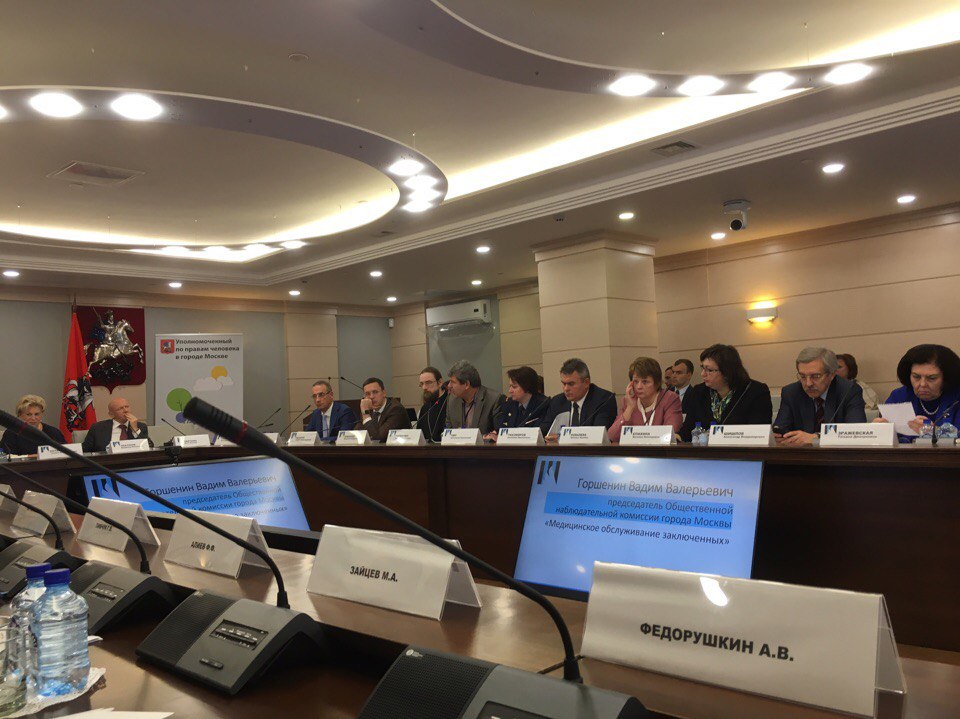
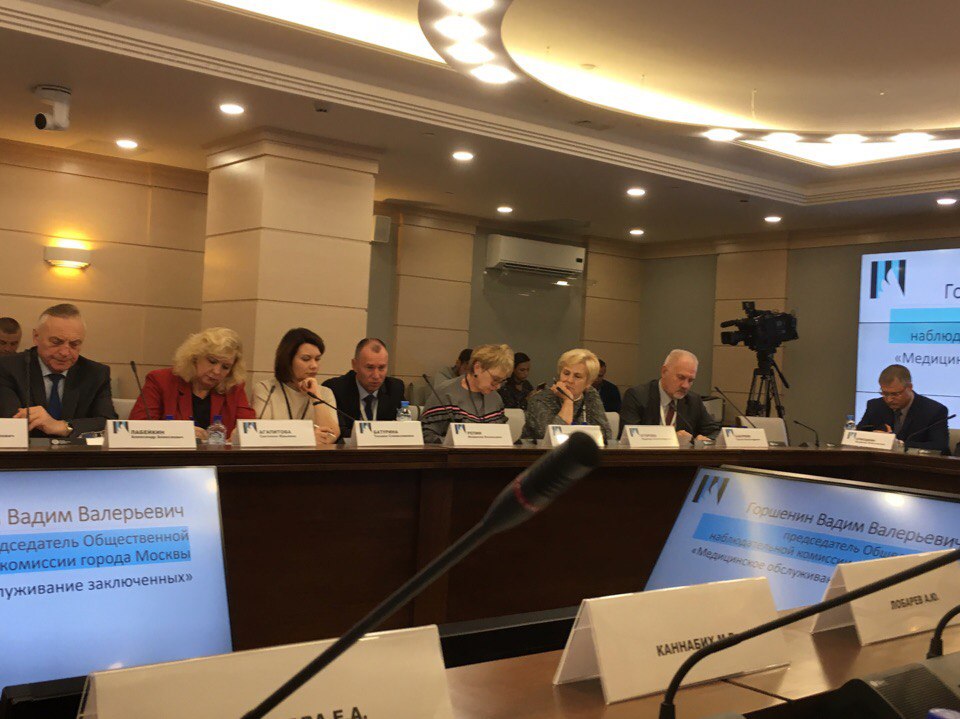
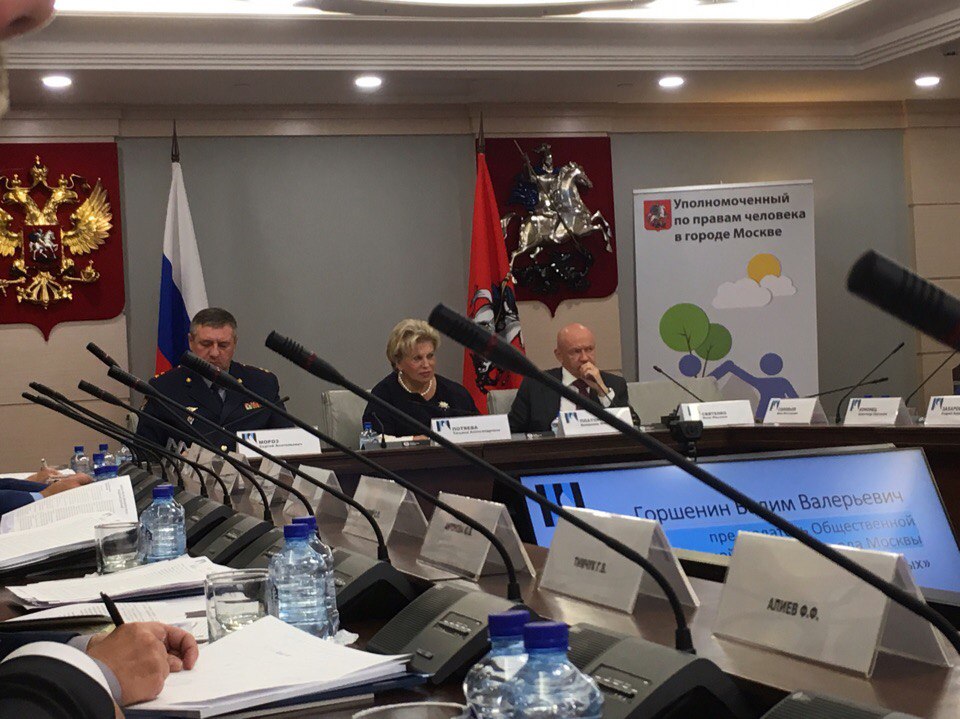
Human Rights Commissioners discussed human rights issues in places of detention

The initiator of the event, held in the Moscow City Duma, was the Commissioner for Human Rights Tatyana Potyaeva and the Moscow City Duma deputy, chairman of the Moscow Chamber of Commerce and Industry Vladimir Platonov.
Anton Shtykov, an employee of the Moscow HRC, presented a directory for prisoners issued by the Office. The directory covers issues of detention, receiving medical care, transferring medications, registering a disability group, and contains advice from a psychologist, incl. and for independent use. The directory contains a greeting from the head of the Moscow Federal Penitentiary Service and representatives of three traditional faiths.
Deputy Prosecutor Gantsev noted that respect for human rights in the pre-trial detention center has become a priority for the Moscow prosecutor's office, and the prosecutor personally receives everyone who has signed up to see him. By the way, next week there will be a meeting between members of the PMC and the deputy prosecutor.
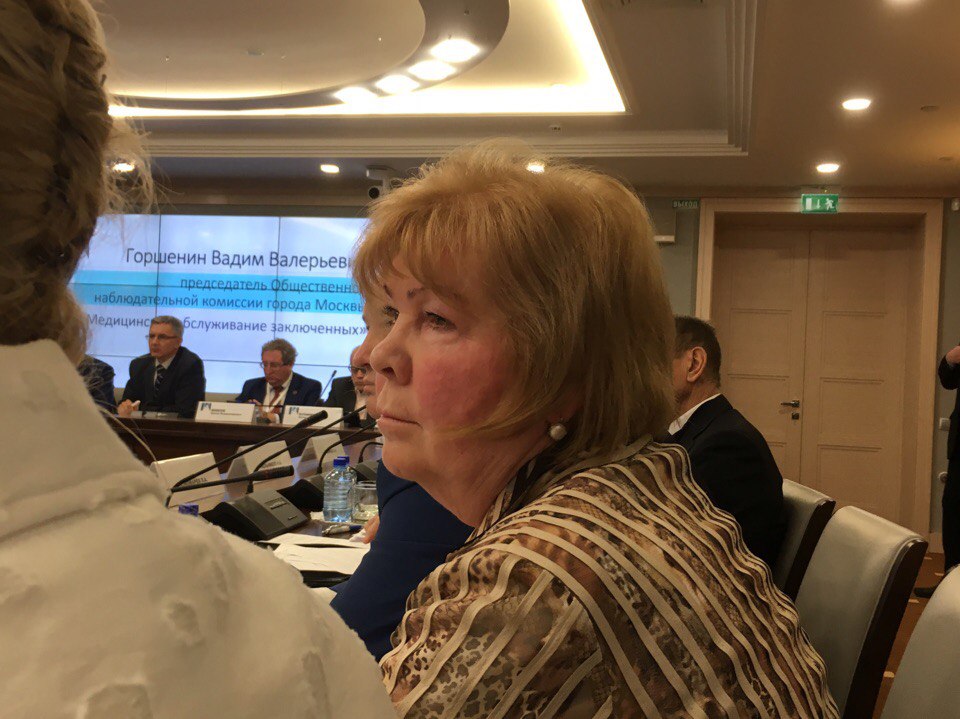
Chairman of the Public Monitoring Committee Vadim Gorshenin proposed extending compulsory medical insurance to those in custody and those in pre-trial detention centers.
Head of the Main Bureau of Inspectorate and Medical Examiners of Moscow S.P. Zaparii said that each pre-trial detention center has its own MSE bureau. He expressed his readiness, based on applications received from the pre-trial detention center, to develop individual rehabilitation programs for disabled people held in the pre-trial detention center.
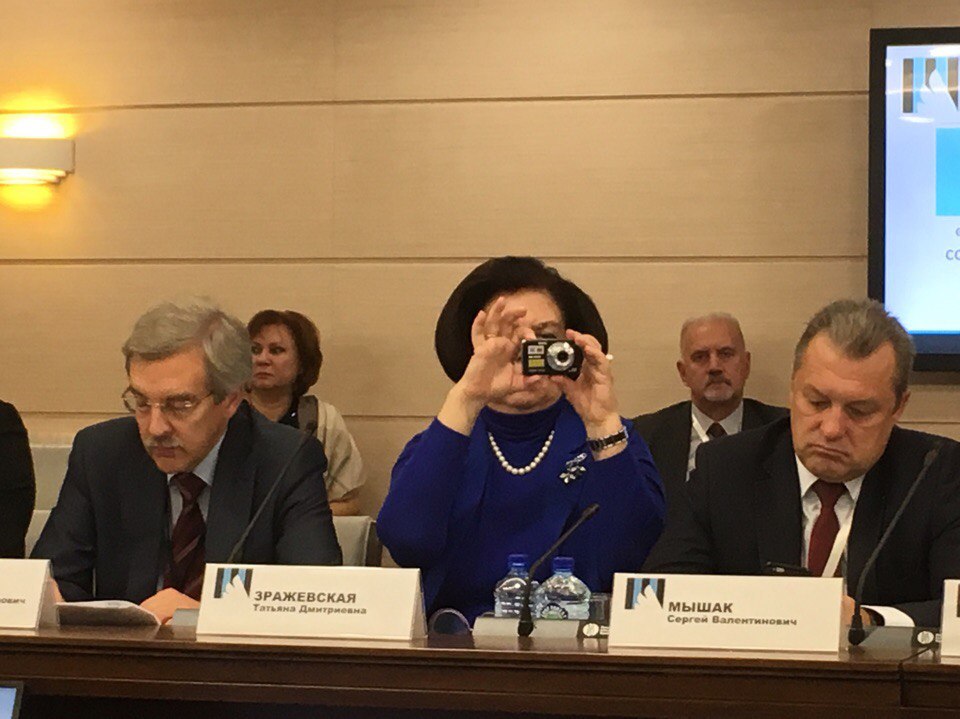
Former head of the Moscow Federal Penitentiary Service, and then the Moscow Region Federal Penitentiary Service, and currently deputy head of the Office of the Commissioner for Human Rights in the Moscow Region A.N. Tikhomirov said that although in 2016 the number of people sent under house arrest increased from 400 to 1,400 people, this did not solve the problem of overcrowding in the pre-trial detention center; overcrowding is 26%, and there is less than 3 square meters per prisoner. He called for a change in judicial practice and gave the example of the convicted Tashmatov (when he was the head of the Moscow penitentiary system, another person was released instead of this convict; Anatoly Nikolaevich had troubles, but he decided to figure out why Tashmatov was imprisoned and was literally shocked), who was arrested for stealing 3 T-shirts worth 1.8 thousand rubles, received after 5 months. detention, a fine of 20 thousand rubles. But the state spent 160 thousand rubles on his maintenance.
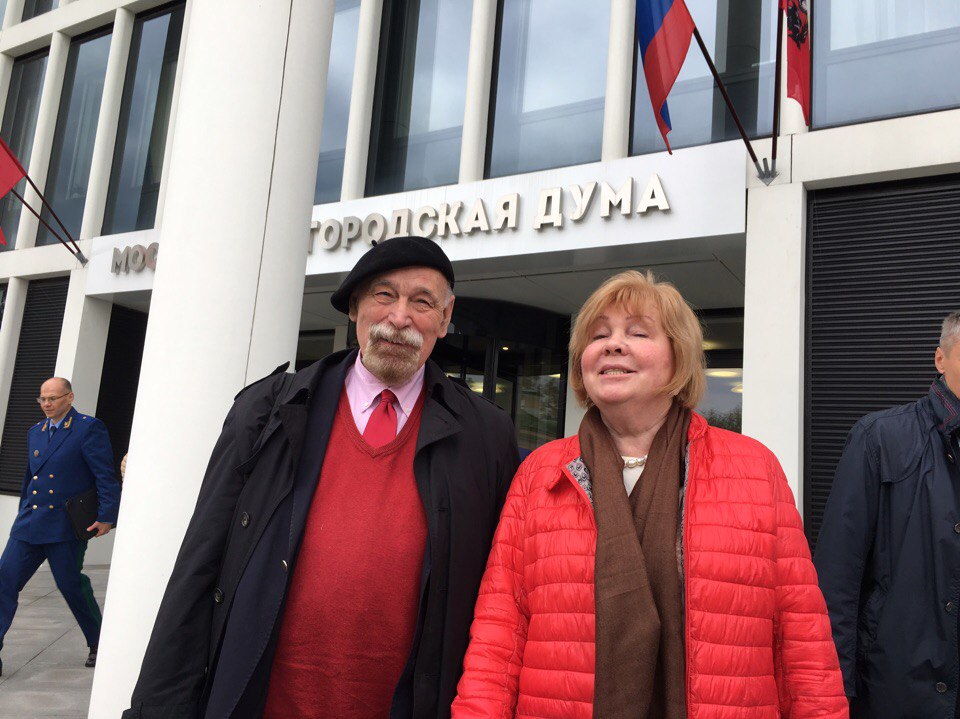
Touching upon release due to illness, Tikhomirov said that during the year 22 people were released due to illness in the Moscow region, and 5 people died without waiting for a court decision on their release. The courts actually release not the sick, but the dying. He gave an example when a judge decided to bring a man who was in a coma to court. Speech by A.N. Tikhomirov was one of the brightest and most interesting. I would not be surprised if somewhere and someday Tikhomirov becomes the Commissioner for Human Rights.
The Chairman of the Public Council at the Moscow Federal Penitentiary Service, Elena Zelenova, noted that society still does not really understand what the penal system is. She noted a decrease in mortality over the past 5 years. 63% of convicts had previously served a sentence, of which 39% - 3 or more times. She called for the creation of fairer conditions for convicts, but called for abandoning the idea of correction, limiting itself only to issues of execution of punishment. Many of Zelenova's proposals caused disagreement and controversy.
Member of the Public Council under the Federal Penitentiary Service of Russia A.Yu. Lobarev spoke about the round table on organizing interaction between the Federal Penitentiary Service and entrepreneurs, organized by the Moscow Chamber of Commerce and Industry.
V.V. Borshchev spoke about the practice of obstructing the activities of POCs in the regions. He proposed strengthening the role of the Commissioners for Human Rights in the formation of the 4th composition of the PMC.
Maria Kannabikh did not argue about the role of the Public Chamber of the Russian Federation, but spoke brightly and interestingly about the experience of creating rehabilitation centers and working with released women. An excellent expert on the psychology of those released and the “pitfalls” in working with them, she figuratively described the attitudes with which released women come to them.
Representative of the Department of Social protection of A.V. Pantyukhov spoke about the experience of participating in social networks. workers in pre-release schools in household detachments. servants in Moscow pre-trial detention centers. He proposed introducing the institution of a social defender to work with those released. He referred to the experience of France, where work on social support begins from the first day a person is in prison.
HRC Peter A.V. Shishlov proposed changing the procedure for forming the PMC, noting that the Public Chamber of the Russian Federation is not coping with this task. Shishlov's proposal met with universal approval. Personally, it seems to me that apart from Kannabikh, Mikheeva, Topoleva, Vinnitsky, Abazher and a couple of other members of the HRC, no one understands the work of the POC in the Public Chamber. However, everything is decided by the OP’s apparatus.