
Translated material
Catalonia Day
Residents of Barcelona and other cities go to voting urns - the Spanish police respond with rubber bullets: how the referendum on the independence of one of the richest regions of Spain will end
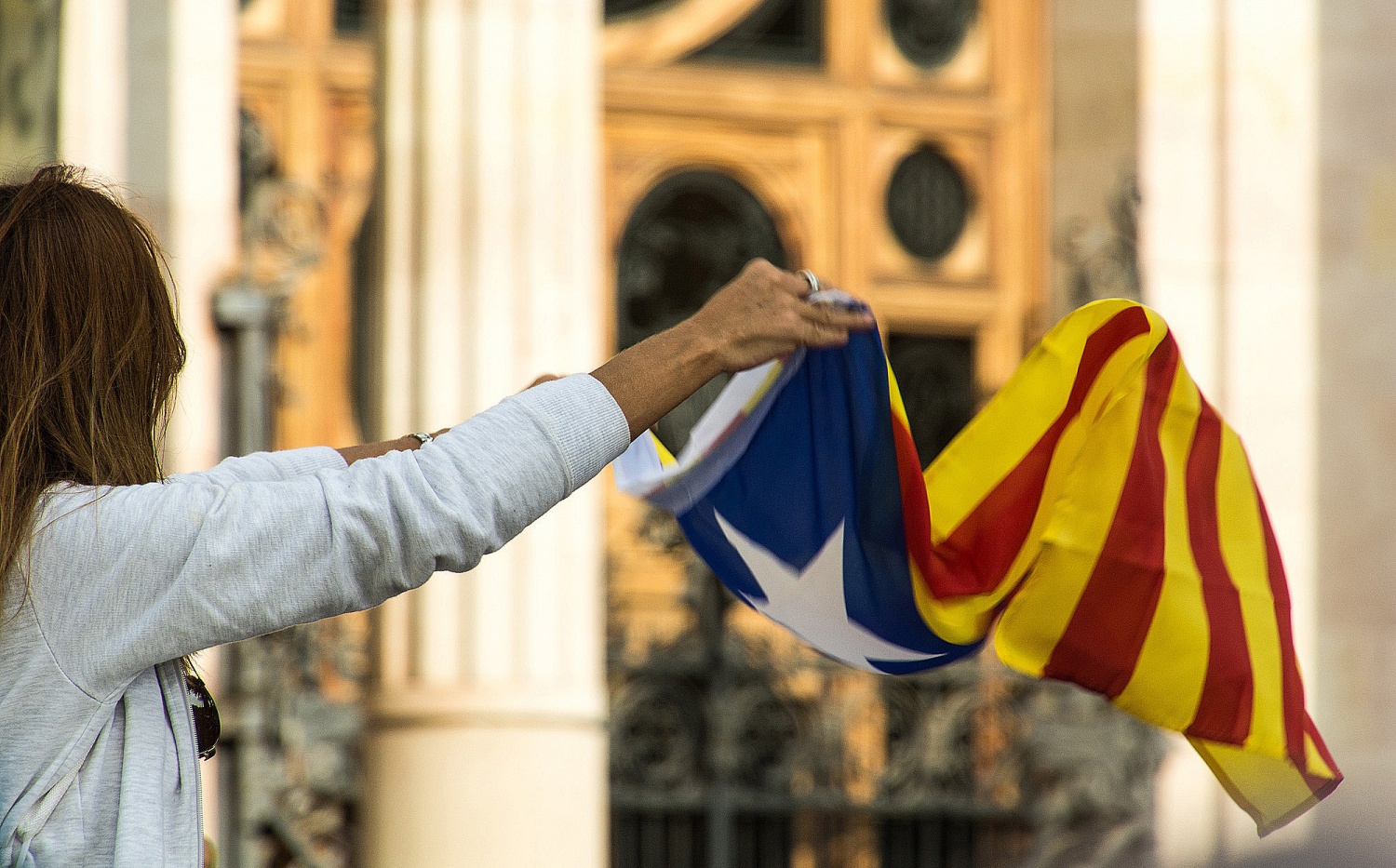
Photo: Flickr.com/ Ramon de Cal Benido
On October 1, Catalonia holds a referendum on independence. Spanish police closed 1.3 thousand - more than half - polling stations that were equipped in school buildings. But Madrid wants it or not - the vote will take place. According to the Catalan tradition, autumn is a protest season, when performances for independence were always held, and we only looked for a convenient reason for this-whether it was voting on the election of the new Catalonia government or regional elections-both in Catalonia always turned into a plebisite on the issue of independence.
The author of these lines is not a native Catalan, my ancestors moved here from another historical area of Spain. But it is enough to grow in Catalonia, it is enough to at least be a little interested in the politics taking place in the country to understand why many Catalans are uncomfortable to live in Spain.
Independence: why? ..
The background of separatist sentiments is simple as bread and wine. Catalonia is the richest region of Spain, immersed in a crisis, which has been going on for almost 10 years. And every year the feeling is growing that it is more or less withstanding the burden of the Spanish crisis, where the level of unemployment among young people is already approaching 30%, where it is pointless to end the university humanitarian faculty, because you can’t get anywhere else than a cashier in the supermarket, you will not get a job, Catalonia helps with your resources. Helps without getting anything in return.
Catalonia pays 21% of all taxes entering the Spanish budget - this is about € 16-17 billion annually. At the same time, 50% of tax revenues from Catalonia do not return to Catalonia in any form, and Catalonia can only occupy inside Spain, in the external market - no.
Catalonia produces more than 20% of the Spanish GDP. At the same time, Catalonia is obliged to invest in the Spanish infrastructure, while other regions of the country are not.
Spain, of course, gives Catalonia money. But - at interest. And these interest, by the way, exceed the average European ones, if you look at the EU markets.
Catalonia pays 21% of all taxes entering the Spanish budget - this is about € 16-17 billion annually. At the same time, 50% of tax revenues from Catalonia are not returned to Catalonia in any form, and Catalonia can occupy only inside Spain
But the matter is not only in the economy ... Catalans have their own native language. At the same time, 25% of the study time in schools should be assigned to teaching in Spanish - this is the requirement of Madrid. And there is also such a norm: if at least one student is a Spaniard in the classroom, then all teaching should be conducted in Spanish.
Who - for
Another question: supporters of independence - who are they, what cut of society represent? If we take not only activists of political parties included in the coalition for the referendum - and both the legislative power (president and parliament) and the Catalan Cabinet of Ministers, mainly just consist of members of this coalition, - the idea of independence is supported by small business and most Catalan intellectuals. At the same time, the CUP (Candidatura de Unidad Popular) is also for independence, uniting in its ranks of supporters of left and extreme left -wing “anti -capitalist” ideas, as well as feminists and anti -fascists. It largely resembles the Greek Syriza, but still younger in its demographic composition. At the same time, CUP also has a youth wing - Arran. This is perhaps the most radical of all separatist Catalonia organizations, making a bet on “direct action shares”. Therefore, there are now a lot of those who are afraid of the cruel clashes of Arran activists with the police. And God forbid, if blood flows, the consequences are unpredictable.
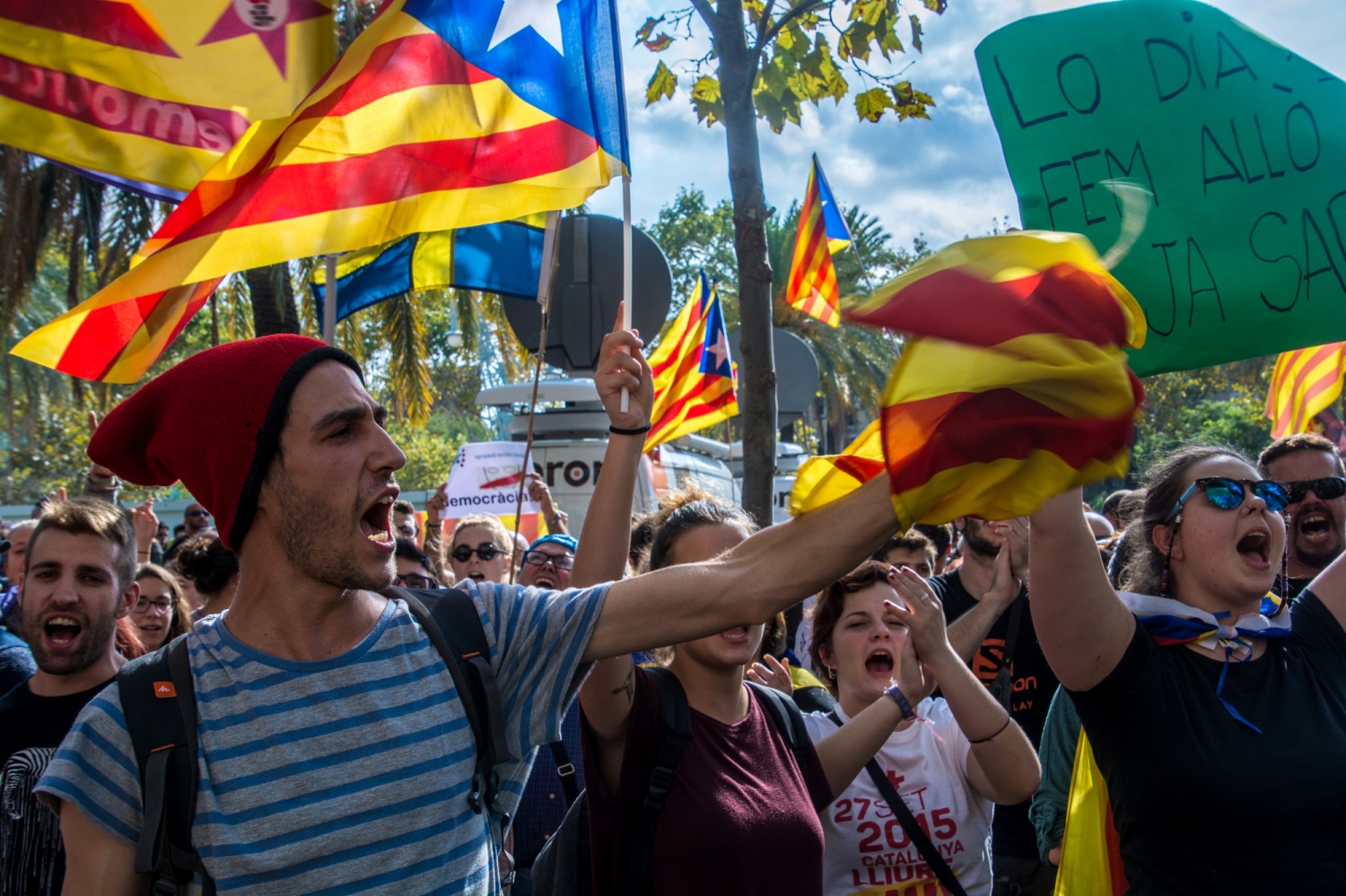
Photo: Flickr.com/ramon de Cal Benido
Who is against
At the forefront of opponents of Catalan independence - right -wing radicals from Falange and Democracia Nacional - these are not just supporters of the Union with Spain, these are the ideological heirs of Franco. In Catalonia, however, there are not many of them, only a couple of hundred people. Outwardly, they resemble Russian skinheads - the same type, corresponding aesthetics.
Several system parties advocate the preservation of the status quo, considering the most advantageous for Catalonia its current position on the rights of autonomy: this is conservative Partido Poplar, the Party of Socialist (PSOC) and Right Neoliberals from Ciutadanos. All of them are against the referendum.
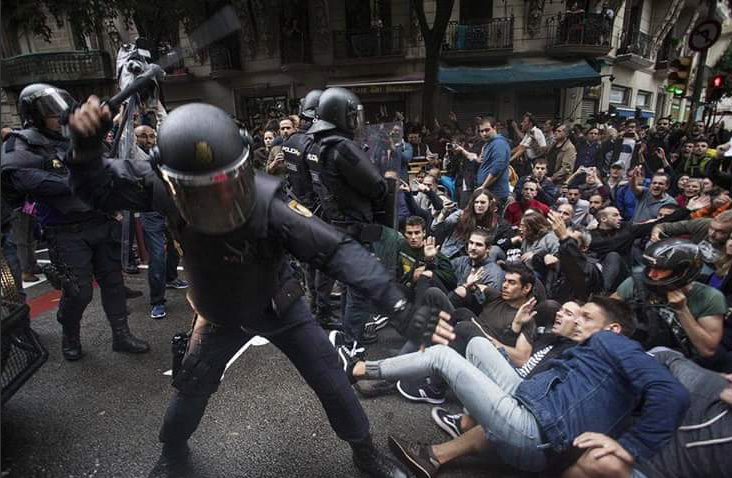
Photo: Twitter.com/@onlyhalfevil3
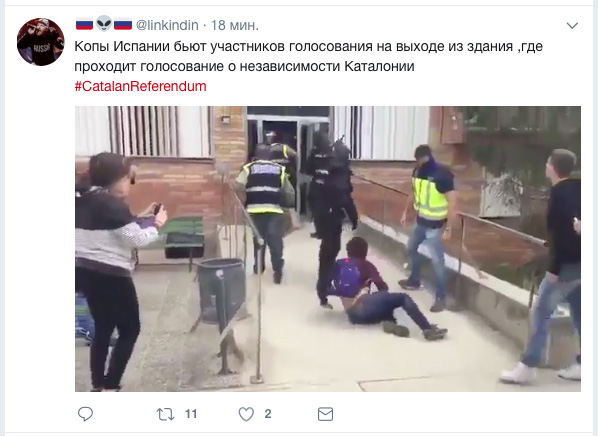
Photo: Twitter.com/@linkindin
The power component
About two weeks before the referendum, the situation was sharply heated. Madrid adjusted two ferries into the port of Barcelona, cursed by the police and gendarmerie. Parts of the Civil Guard were pulled from other cities. A week before the referendum, the Spanish police conducted raids on Barcelona printing houses, having seized millions of already printed ballots, more than a dozen high -ranking officials - supporters of independence, including Deputy Minister of Economics, were detained. The Spanish intelligence services try to take control of the Internet and mobile traffic: the offices of the largest mobile operators are under round-the-clock observation, hundreds of sites and Internet protocols are blocked. And after the leadership of Catalonia decided to organize a vote on a special online application, groups of nameless hackers began to continuously attack it.
Many Catalans took this as an unacceptable attack on democracy and, not even being supporters of independence, began to participate in the actions of those who for, from solidarity and respect for the main civil freedoms.
Initially, sociological surveys gave to separatists 41% of the vote of support for the population of Catalonia in a referendum at 49% - against. But the rigid psychological pressure of Madrid can add significant arguments - and real voices! - Supporters of independence.
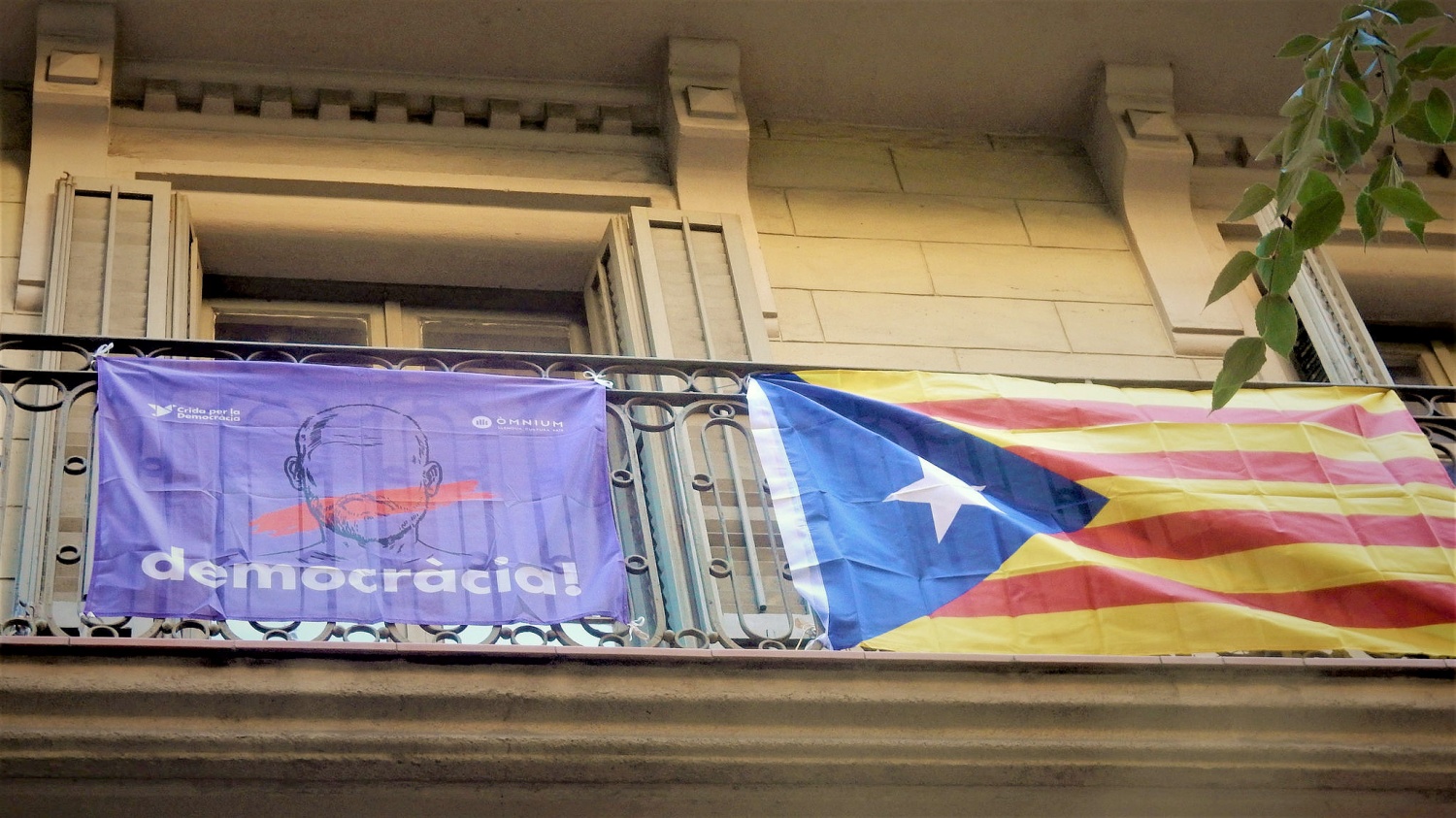
Photo: Flickr.com/lurdes
In the last days, before the referendum in the press and the network there were more and more photocations with buses and special equipment, including waterlets and armored vehicles heading to Catalonia from other regions of the country. They say that in Madrid there are now not even special police special forces trained in street battles with demonstrators - everyone is relocated to Catalonia.
The US Consulate in Barcelona has already warned its fellow citizens that in the coming days they better leave Catalonia, and if this fails, then not to get to the places of mass accumulation of people. (By the way, the prime minister of Spain Mariana Rahai specifically flew to Washington the other day to enlist the political support of the US administration, but what he was told there - the Spanish press is silent).
Initially, sociological surveys gave to separatists 41% of the vote of support for the population of Catalonia in a referendum at 49% - against. But the rigid psychological pressure of Madrid can add significant arguments - and real voices! - Supporters of independence
A separate question is how the Catalan police behave. In Catalonia, she is her own - Mossos d'Esquadra. It obeys the Catalan government, but since Catalonia is part of Spain, it has double subordination, and the Ministry of Internal Affairs of Spain, and, accordingly, the country's political leadership. But not everything is so simple.
When Madrid began to bring to Barcelona the National Police unit (Policia Nacional) and the Guardia Civil - they seized about 9 million ballots in Barcelona and arrested 14 officials, the Ministry of Internal Affairs of Spain appointed one of the Guardia Civil colonels by the coordinator of all power structures - and the Spanish, and the Spanish. and Catalan. However, a few days later the head of Mossos d'Esquadra refused to obey the orders of the Spanish government, saying that his people intend to obey only the Catalonia government.
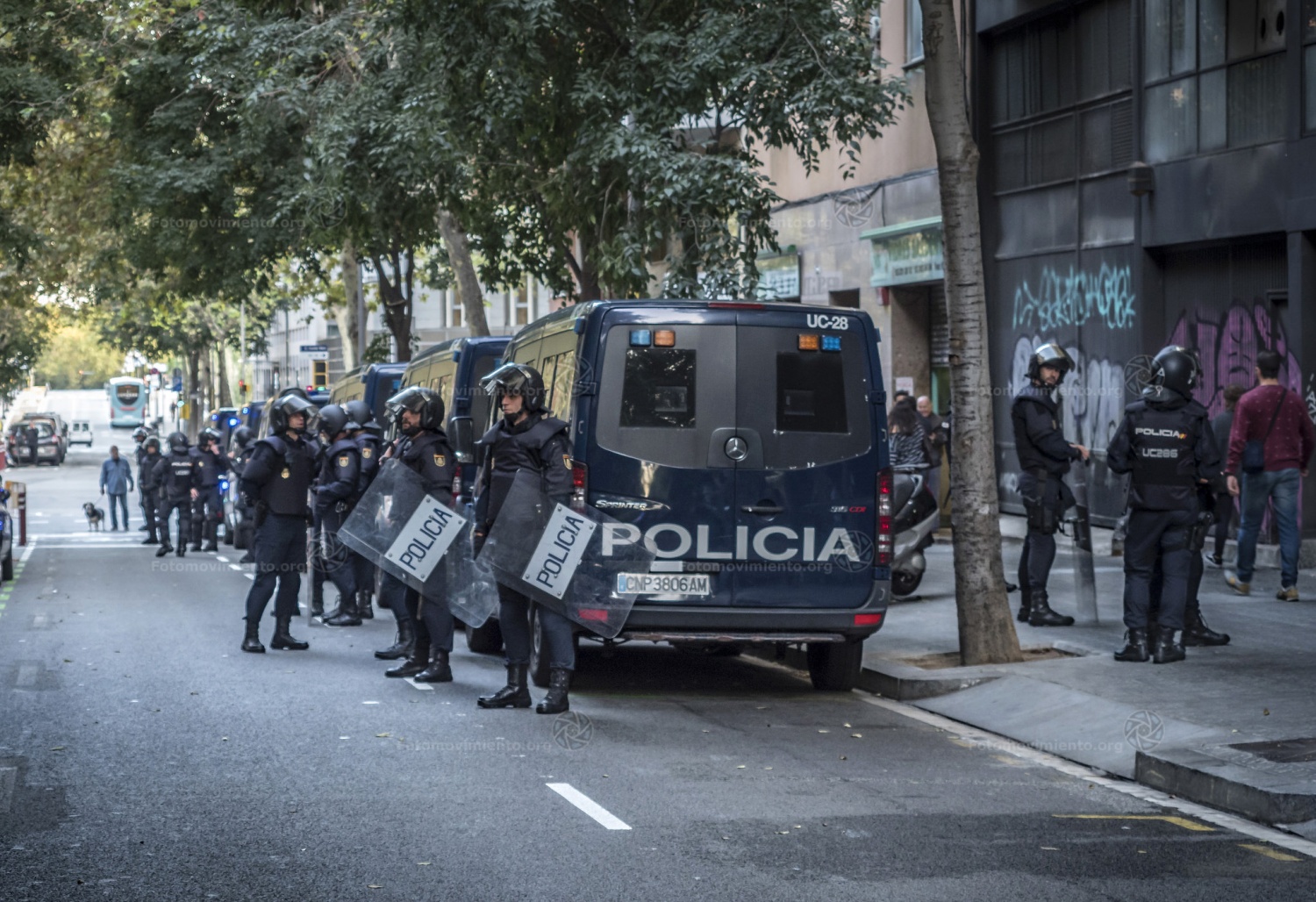
Photo: Flickr.com/fotomovimiento
Madrid's mistake
“Spain is robbing us and wants us to be happy and say“ thank you, ”this phrase has become a refrain in the lips of Catalan politicians and intellectuals. Madrid preferred not to hear her - for years. The unity of the country, territorial integrity, respect for the Constitution, which does not allow the unilateral exit of the regions from the state - of course, these are significant arguments. However, despite the previously data, Madrid did not revise the economic agenda of relations with Catalonia.
“Spain is robbing us and wants us to be happy and say“ thank you, ”this phrase became a refrain in the lips of Catalan politicians and intellectuals
The Spanish political elite mainly consists of those who were in power in the first decades “after Franco” and their ideological followers. This elite does not want to lose one of the most economically successful regions of the country. But at the same time, she does little to so that this region does not feel like a victim of economic injustice. Madrid proceeds from the fact that the idea of a referendum is by and large a toy in the hands of local politicians who tease the population from time to time. Say, few people think seriously such issues as the currency of independent Catalonia, its membership in the EU and its presence in the Schengen space, etc. But Madrid is mistaken. The separatist movement already thinks out options for how Catalonia will behave if the referendum is successful - and the introduction of the transition period, and the application for joining the EU, and even negotiations with Brussels on the question of who and how will pay for the huge external debt of Spain if Catalonia leaves its composition ...
Madrid admires that the Catalan elite is really ready for the construction of a new country. And this misunderstanding is perhaps the most alarming in the current situation.
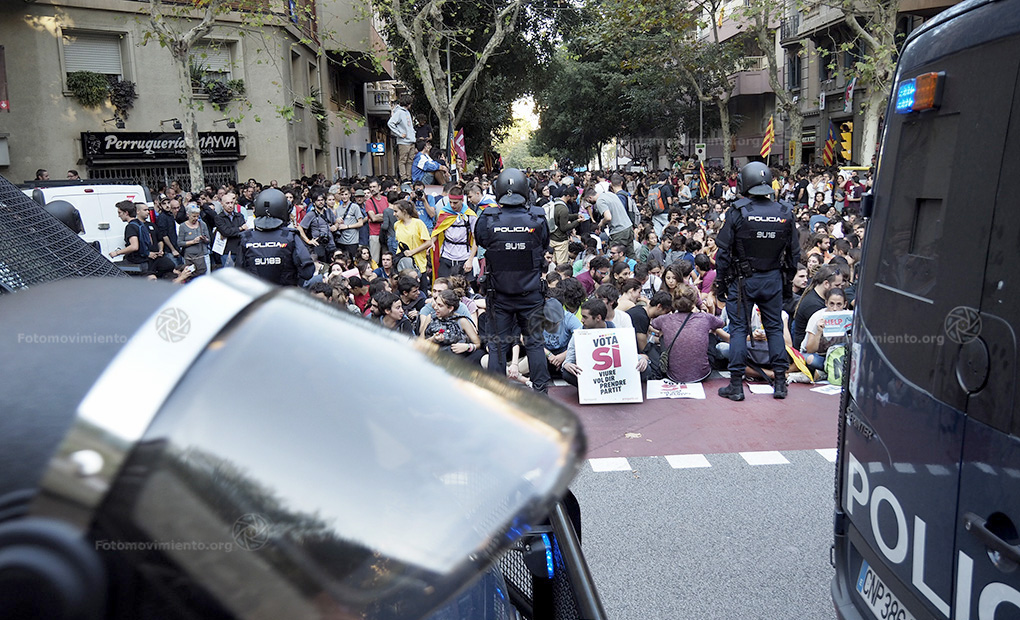
Photo: Flickr.com/fotomovimiento