
Translated material
Does Russia support separatism?
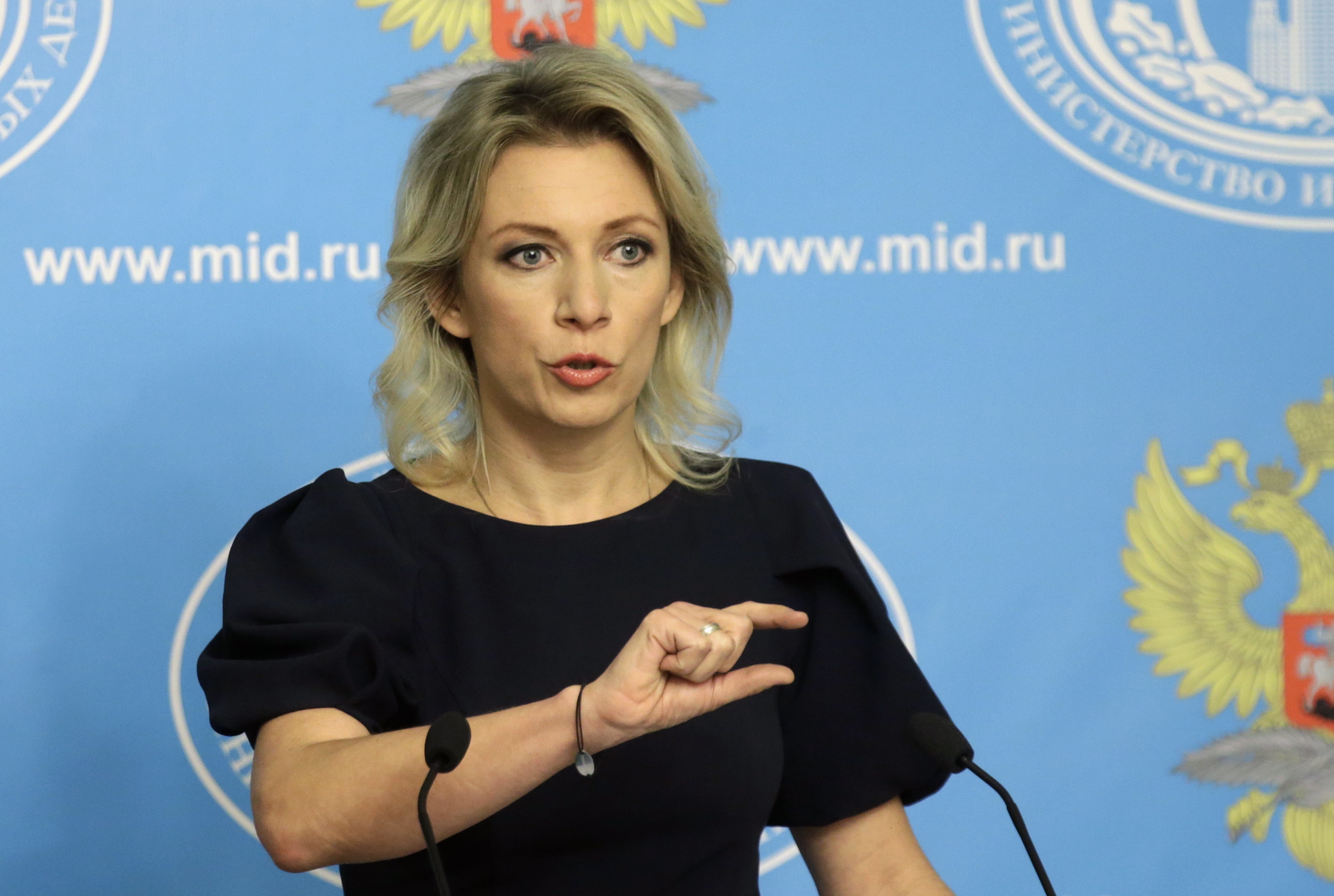

Maria Zakharova
Director of the Department of Information and Press of the Ministry of Foreign Affairs of the Russian Federation
"We consider the situation in Catalonia the internal case of Spain. We believe that the development of events around the Catalan plot should take place strictly in the line of the current Spanish legislation."
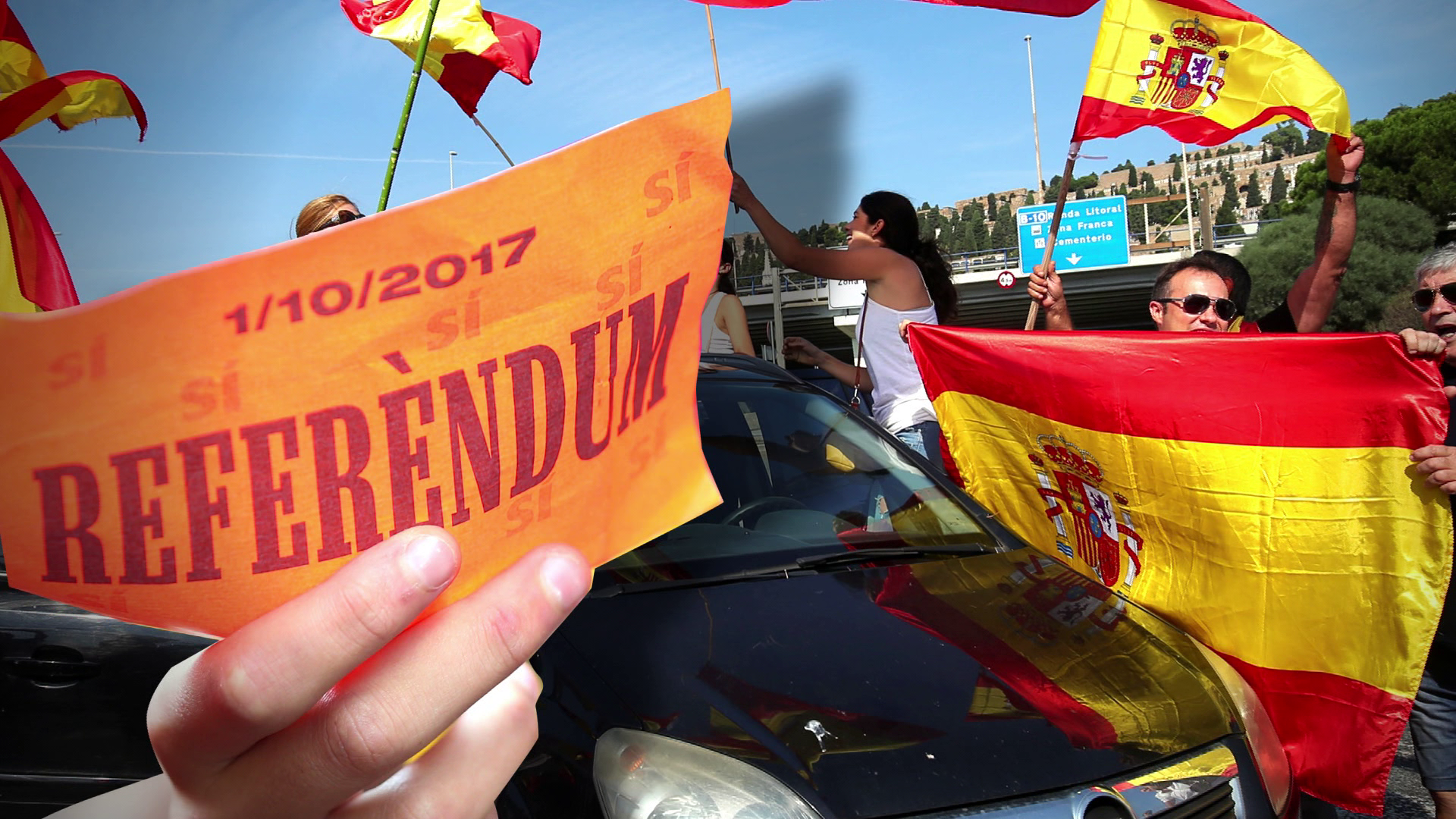
Source: TASS Doubtfully Russia pursues a dual policy regarding separatism in different countriesThe statement of the Ministry of Foreign Affairs followed on September 28, on the eve of the referendum in Catalonia on Independence from Spain, the regional law on which was suspended by the Constitutional Court of the country in early September. In the statement of the Russian Foreign Ministry, it was also noted that "in our relations with Spain we proceed from the unconditional principle of respect for the sovereignty and the territorial integrity of this country."
On the same day, in the largest Spanish newspaper El Pais, an article was published on how hackers from Russia and other former Soviet republics, according to the authors, help to bypass the blocking of the Catalan sites organized by the Spanish authorities, which published information about the polling stations and posted ballots for voting. Mirror copies of blocked sites appeared on resources posted on Russian territory, which, as the newspaper notes, avoids responsibility, because there are no agreements in the field of Internet factory between the European Union and Russia.
In addition, on September 28, a trial began in the National Court of Spain, two Russian hackers began in the dock. One of them is Pyotr Levashov, earlier, according to his own statements , who worked for the United Russia party (which the party itself was called “delirium” ) and a suspect in cyberspions during presidential elections in the United States. The second is Stanislav Lisov, he is considered a possible developer of the viral program, with the help of which, supposedly, was carried out by hacking databases of American financial companies.
The interests of Lisov in court are represented by a certain Alexander Ionov, to whom the wife of Levashov also turned to for help after the arrest of her husband in Barcelona (at the request of the United States). In the messages of the press, ions appear not only as a lawyer , but also as the head of the “anti -globalist movement of Russia” - the very one that in the past and the year before last organized the conference “Dialogue of Topping. The right of peoples to self -determination and build a multipolar world”. The chairmen of the main Catalan associations advocated for the independence of the region from Spain were also present at them.
Funds for the 2016 conference, which took place in the Luxurious Moscow Ritz-Carlton Hotel, according to Ionov, is allocated from the National Charity Fund. As noted on the fund’s website , it was “created in 1999 on the initiative of V.V. Putin” and “works under the patronage of the head of state, in contact with the administration of the President of Russia, its plenipotentiary representatives in federal districts, the leaders of the constituent entities of the Russian Federation, law enforcement agencies and departments.”
However, such a duality of the relationship of Moscow can be observed not only in the case of Catalonia, but also with the self -proclaimed republics of Donbass. On the one hand, the Kremlin’s official position is the non -recognition of referenda about self -determination in the so -called DPR and LPR and the elections that were held there. On the other hand, representatives of the Donbass neoplasms are not only present at the conference supervised by Moscow, dedicated to the “right to self -determination”, but also receive material support from Russia in the form of inexhaustible flows of humanitarian assistance not from charitable organizations, but from the Ministry of Emergencies of Russia (according to coincidence, the last in time of the column was also sent on September 28).
Cash payments on the territory of the DPR and LPR are also made in Russian rubles. In addition, the organization on security and cooperation in Europe (OSCE), which engaged in such monitoring in the region, claims that in Kiev, its observers saw both Russian weapons and Russian military with distinction signs. Finally, the identity documents, or the driver’s rights of the inhabitants of the DPR and the LPR, are recognized in Russia (the corresponding decree in February this year was signed by President Vladimir Putin) - newly made citizens of the self -proclaimed republics can officially draw up documents for a long stay in the Russian Federation, get up to work or enter educational institutions.
But with all this “for calls for separatism,” Crimean journalist Nikolai Semen was convicted on September 22, who wrote an article in which he positively appreciated the energy blockade of Crimea, organized by the Crimean Tatar and Ukrainian activists in September 2015. Not all Crimeans support the annexation of Crimea by Russia, but those who disagree from the peninsula were not invited to the mentioned Moscow forums whose guests were Catalans.