
Translated material
The government offers to sell medicines in supermarkets
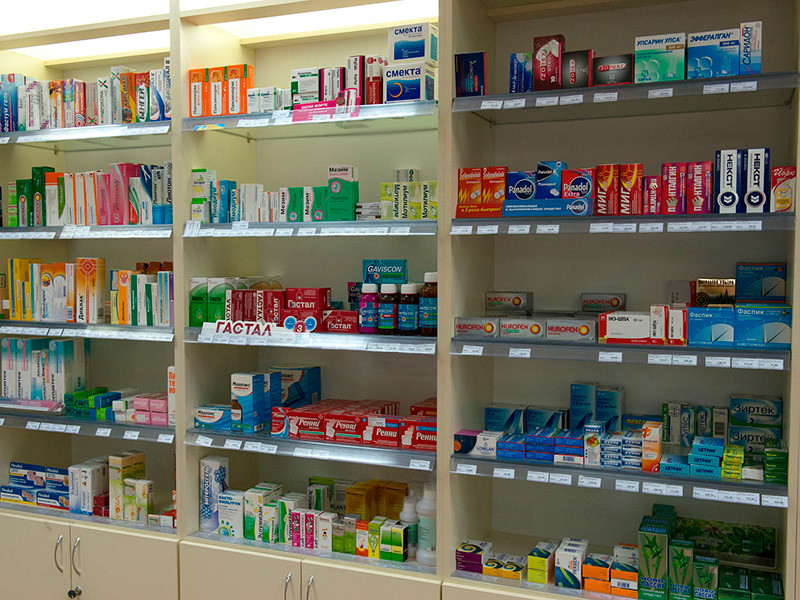
The government returned to discuss the opportunity to sell medicines in grocery retail chains, RBC writes with reference to sources.
This issue was raised at a meeting with the First Deputy Prime Minister Igor Shuvalov on August 31. It was devoted to another topic - the labeling of goods, but in the process of discussing, Shuvalov instructed the Ministry of Health to work out the issue of selling drugs in supermarkets. Shuvalov expressed the same request to the ministry in early 2016.
The Ministry of Industry and Trade support the idea of Shuvalov and believe that such a measure will increase the availability of medicines for consumers and increase competition in the pharmaceutical market. But the Ministry of Health opens against the sale of drugs in places without a special pharmaceutical license, which, unlike supermarkets, has pharmacies. "The presence of a license guarantees the correct storage of medicines and a qualified consultation of a pharmacist or pharmacist when selling them," the department was explained to RBC.
Pharmacies and manufacturers of drugs are also against such an initiative. According to the executive director of the National Pharmaceutical Chamber, Elena Nenolina, in the event of such a bill and its approval, the prices for medicines may jump. "Pharmacies are earned on the segment of drugs that are proposed to be transferred to supermarkets. If it is not there, they will have to raise prices for other drugs, for example, for the treatment of chronic diseases to cover losses," she explained.
In addition, if sellers with a pharmaceutical education work in pharmacies, it is not clear who will release medicines in stores. By the way, with many supermarkets, there are pharmacy kiosks, and a sufficient number of pharmacy organizations successfully copes with the needs of the population, said Dmitry Tsoluzov, Executive Director of the Association of Pharmacy Institutions of Soyuzfarm.
Pharmaceutical producers believe that the market conditions for everyone should be the same: if the pharmacy should receive a license to trade in medicines, then why should supermarkets work in privileged conditions? This opinion was expressed by the Deputy General Director of the Stada CIS pharmaceutical company Ivan Glushkov.
In February 2016, the Ministry of Health published on the website of the disclosure of legal information for public discussion regulation.gov.ru notification of the development of the bill on behalf of Shuvalov, but only 11 people supported it, while 2488 were opposed to the ministry, the Deputy Prime Minister asked to cancel their assignment.
Even earlier, in 2014, Shuvalov instructed the Ministry of Health to make a list of drugs that could be sold in grocery stores. The agency then included over -the -counter local antiseptics for the treatment of sore throat, sprays and hollow drops, activated carbon, antiviral and anti -allergic creams and ointments. The government has not yet approved this list.