
Translated material
The shortest guide for car racing: where did they come from? How to watch them? And how to play in them?
We explain with Microsoft
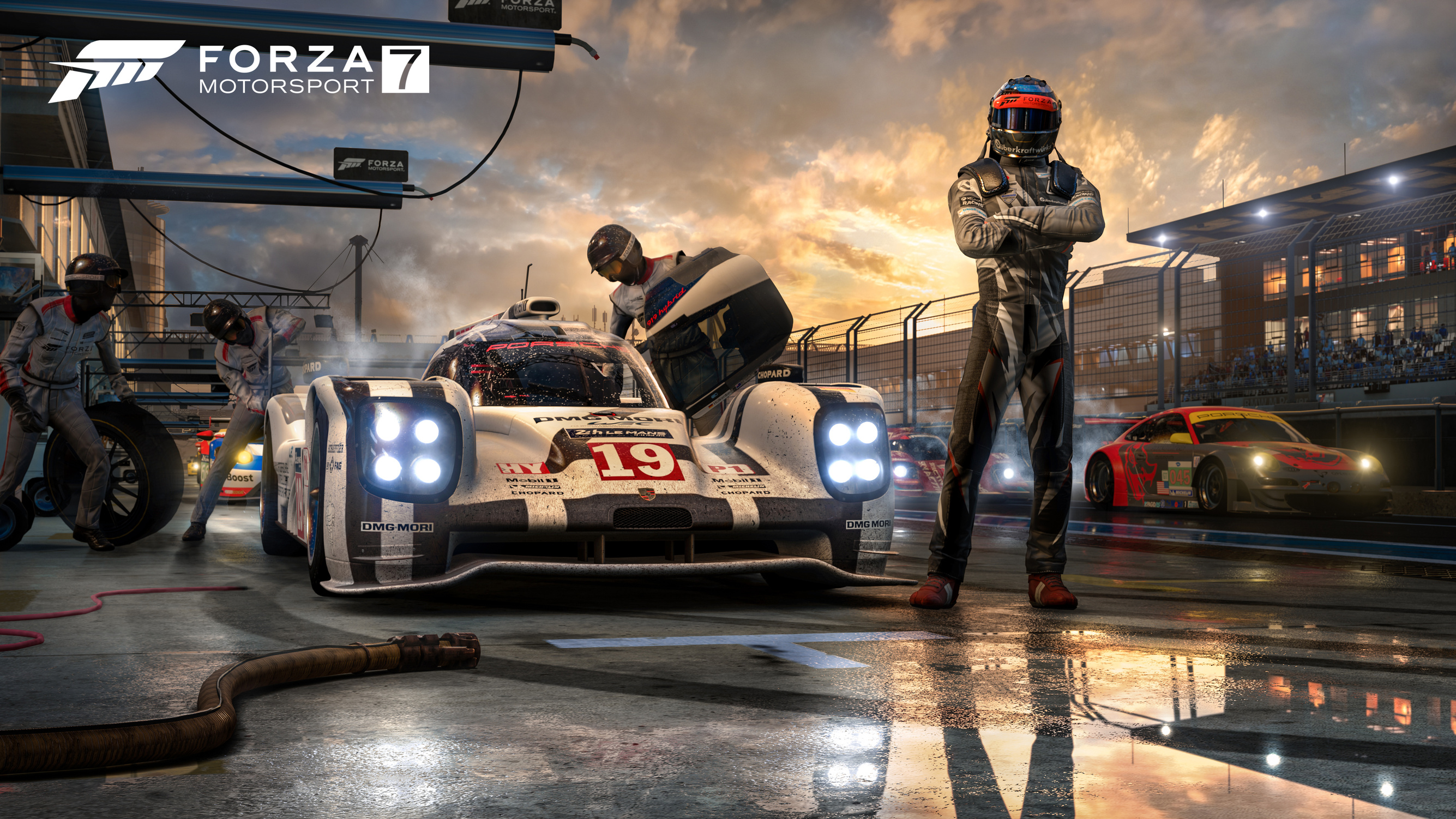
In early October, Microsoft released the Forza Motorsport 7 racing simulator - one of the most advanced video games in the industry. Here is the most realistic graphics in 4K, more than 700 cars, 30 locations and dynamically changing weather. For those who are weakly imagining what a motorsport is, but want to feel like a racer (at least virtual), we offer to read this short guide.
How did it all begin
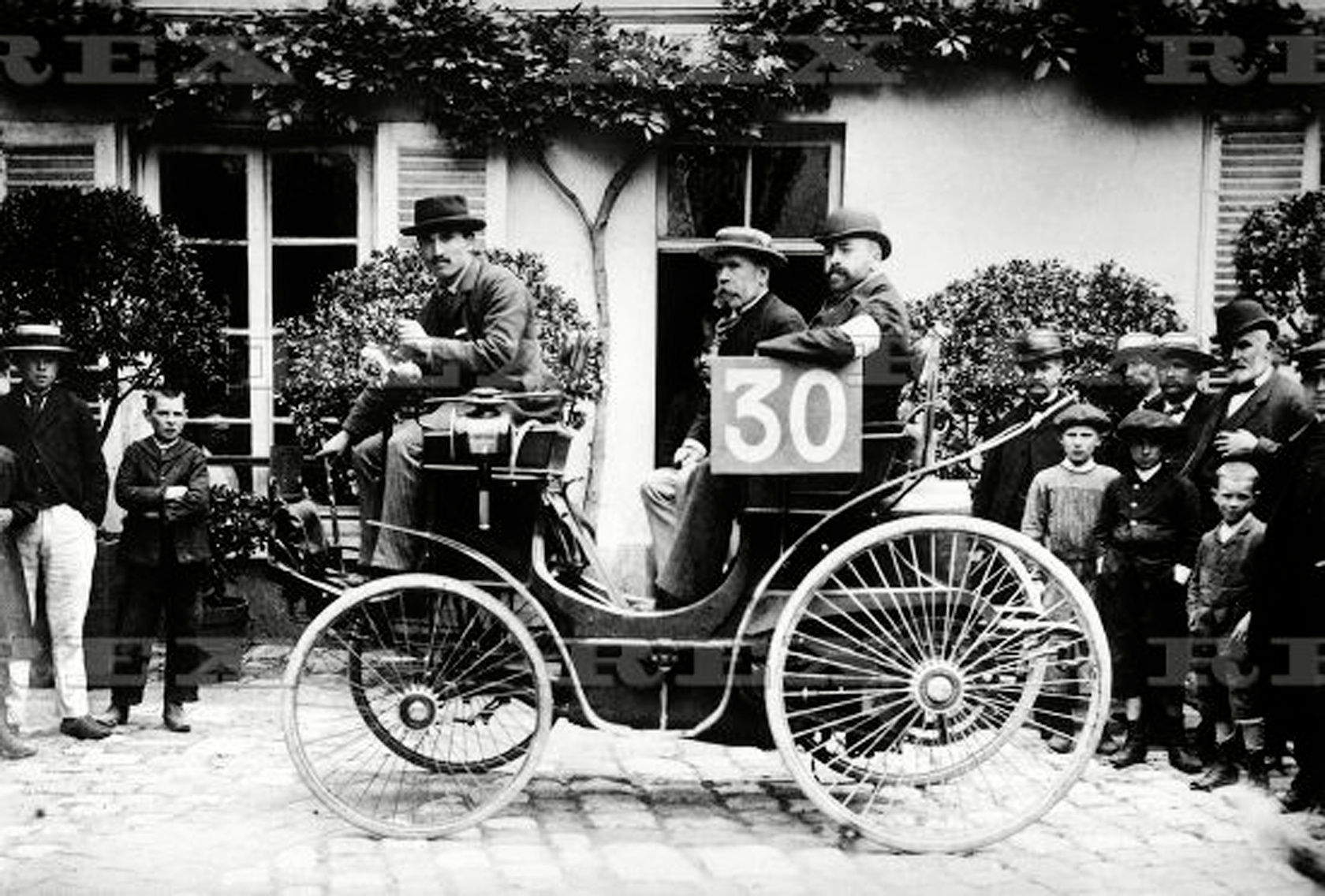
It is quite difficult to set the exact date of the first in the history of the car racing. Competitions on self -propelled carts with steam engines were carried out already in the middle of the 19th century. But there are not many reliable information about these events, and those vehicles can hardly be called full -fledged cars. The first race on machines with internal combustion engines was organized in 1887 in Paris, but the competitive part was absent then: only one participant appeared on it, who successfully overcame a two -kilometer distance. In 1894, a race was held along the Paris - Rouen route (this is 127 km), and several dozen crews took part in it, but then everything did not work out completely athletic: the winner determined the jury, and the first racer who came to the finish line did not get the prize - the judges did not like the construction of his car. A year later, a race with the rules that are familiar to us passed. Emil Lavasor won the race from Paris to Bordeaux and back in a car of his own development. The second participant reached the finish line six hours later than the winner.
What everything led to
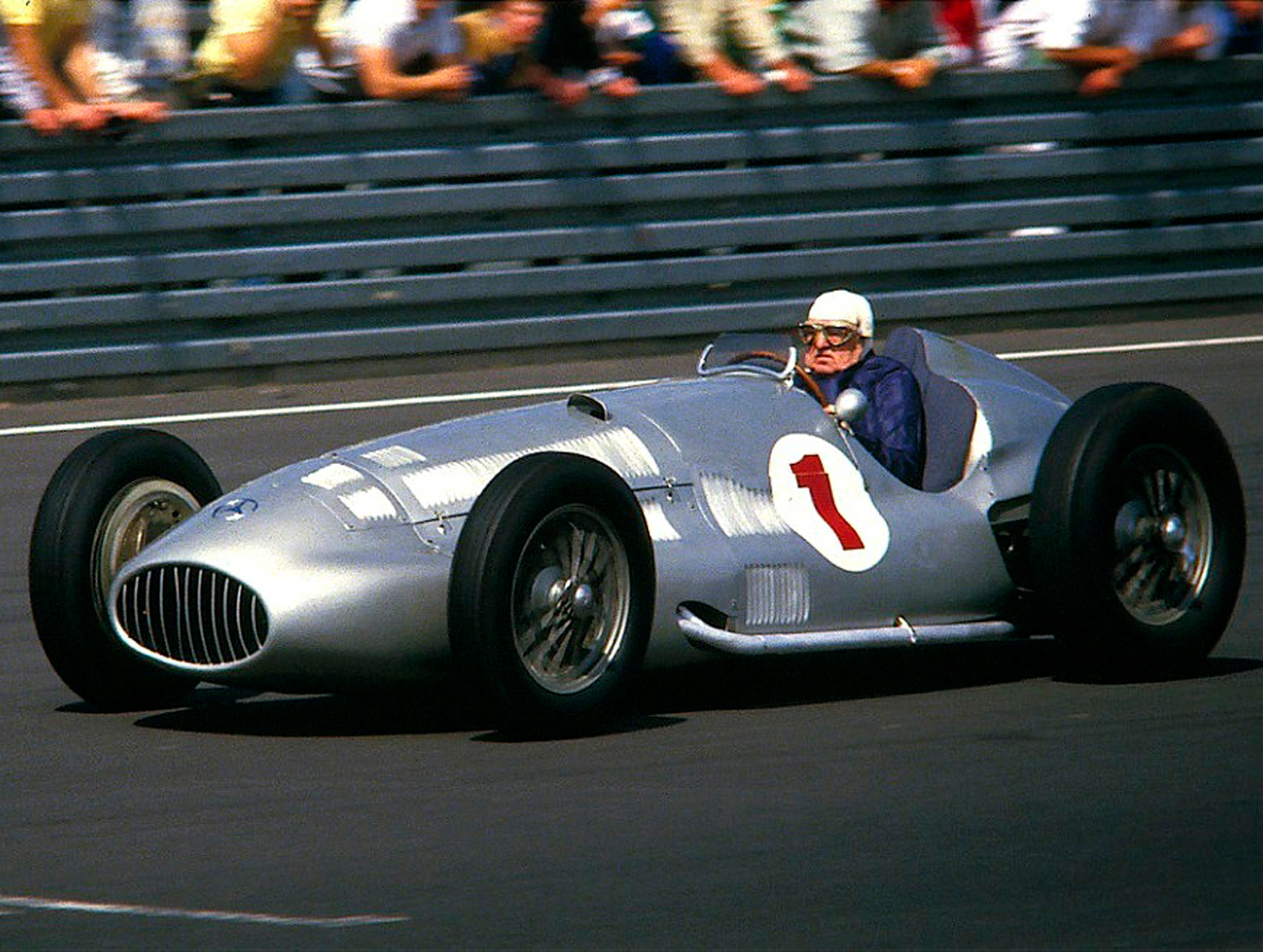
Then it went. The races between cities, which sometimes were on different continents, began to take place several times a year, although at first they were more likely to entertain for wealthy adventure lovers and the way to raise newspaper circulations. Already at the beginning of the 20th century, when cars became available to a wider public, ring races appeared - first at hippodrome, and in 1907 the first specialized motorsport route was built - the English Brooklands. In the same period, the International Motorport Federation (FIA) was founded, which today holds most of the main races in the world. In the 1930s, the most popular event was the European Championship, which after the war turned into what we now know as Formula 1.
What are the races
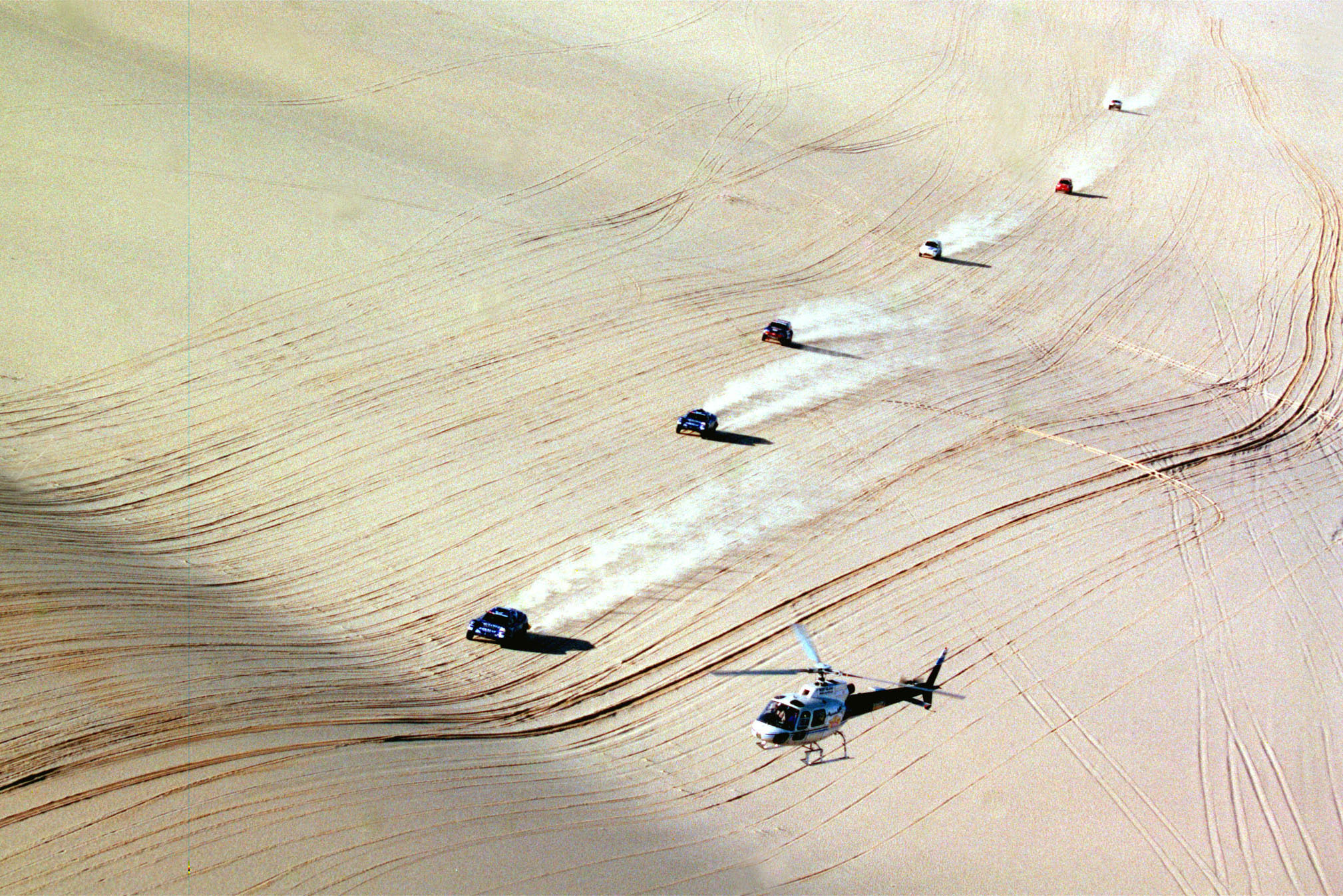
Today there are a lot of varieties. You can divide them into two large subgroups - ring and rally. In the first case, riders drive along a closed highway, usually many circles. In the rally, racers get from point A to point B, and they have to maneuver on blocked public roads. There is also a drag racing-this is when racingers compete on a short straight section of the road, who will gain speed faster. The trophy stands ostentally - races on cross -country off -roads. Well, some types of motorsport do not at all involve speed competition. For example, in a drift, that is, a guided drift (you could see this in a series of films "Fast and the Furious"), the jury evaluates performances-this is a kind of figure skiing on cars.
How the "formulas" differs from body races
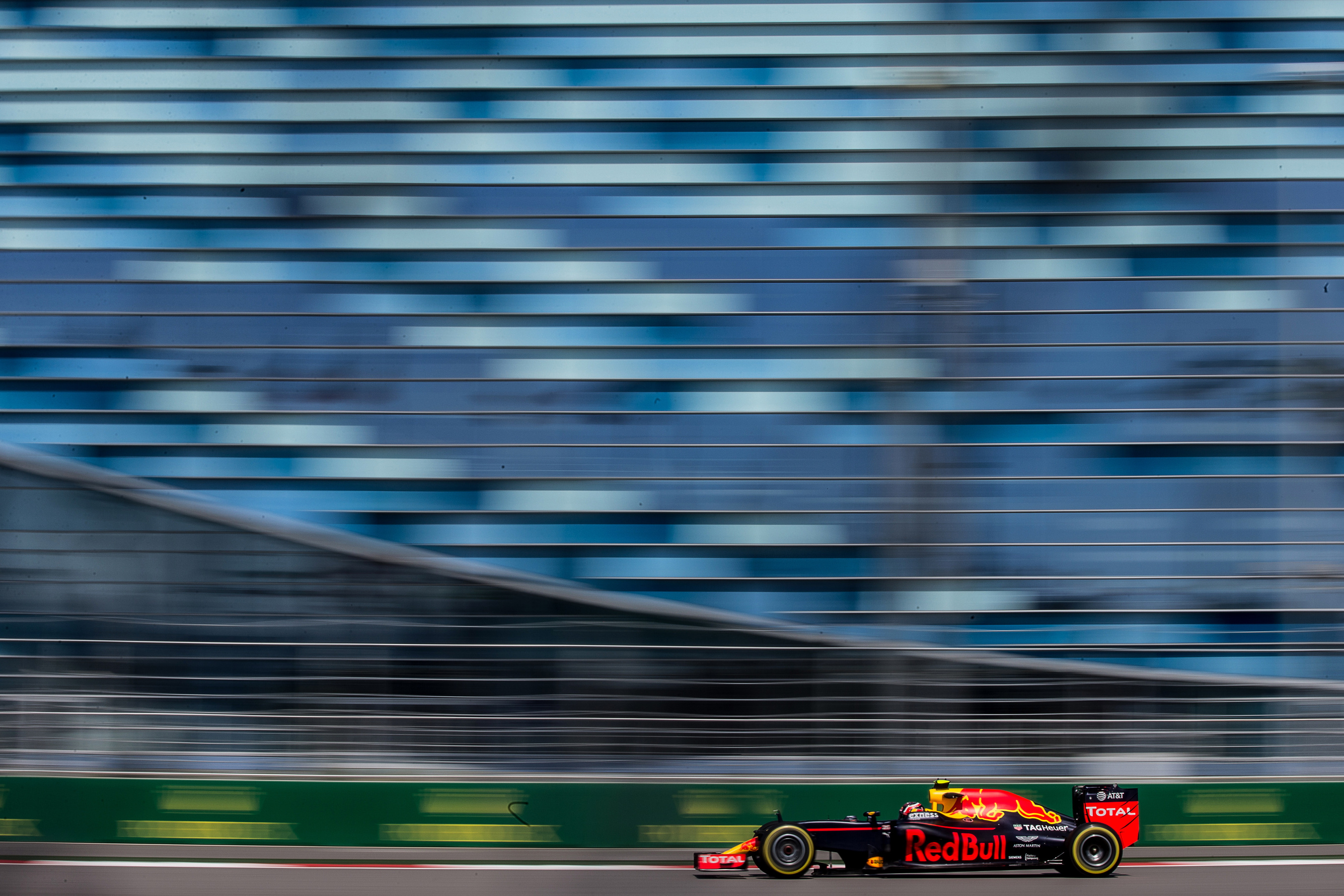
The most popular races in the world are highways. There are two main explanations: firstly, they are the fastest-cars often accelerate to 300 km/h, and secondly, it is more interesting to observe them, because the rivalry of riders is more clearly. In some episodes (that is, championships), they go on bizarre cars with open wheels - car, which are not at all like those that can be seen on the streets of cities. As a rule, such competitions are called “formulas”, although this word may not be present in the name (say, IndyCar). By the “formula” this refers to simply a certain technical regulation. The strange appearance of machines is the result of optimization to increase all indicators: from speed and maneuverability to pilot safety.
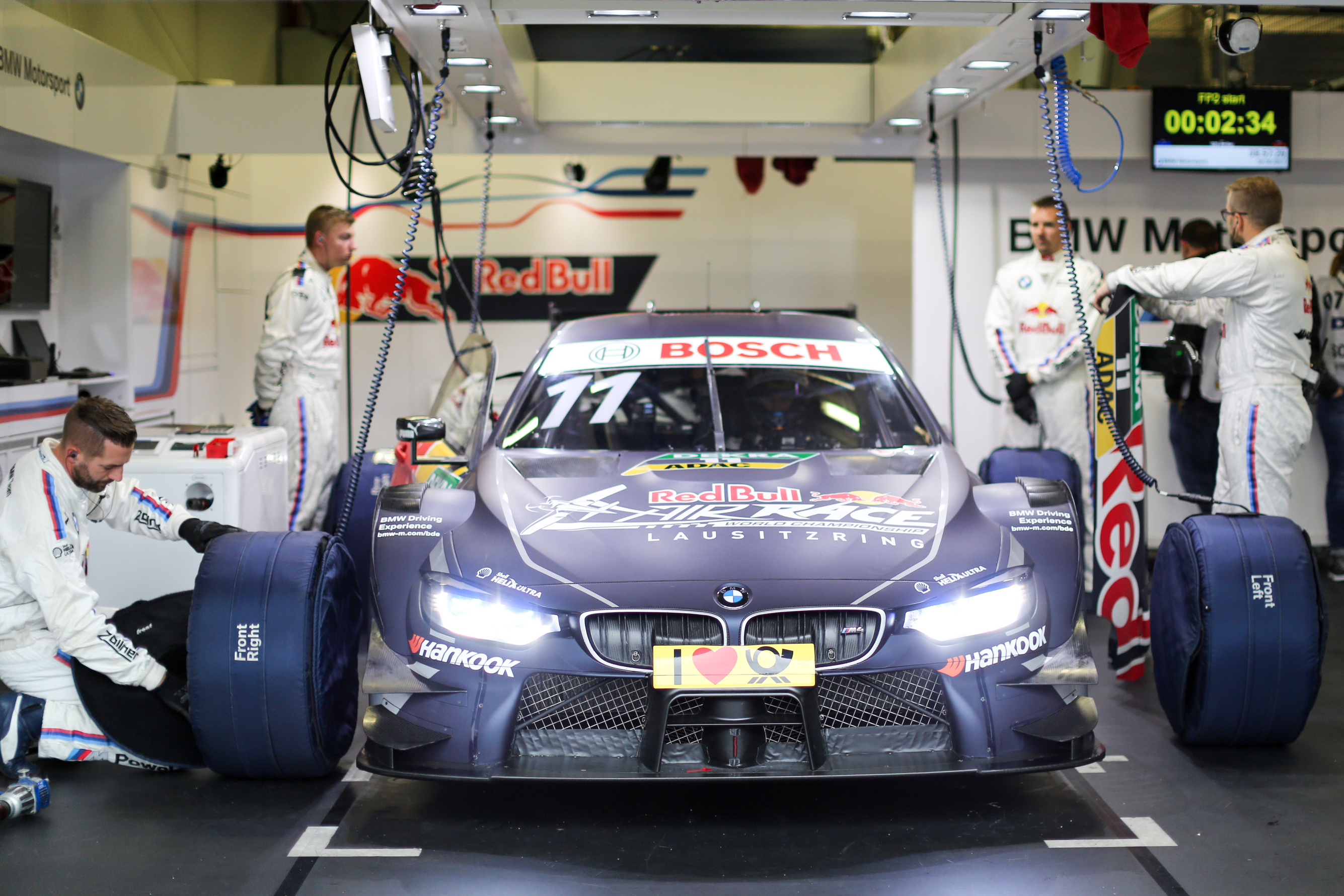
Another story is body racing. Here, the cars look like ordinary ones, only equipped with different elements like spoilers (this is such a design from the back that changes aerodynamics and improves car handling). Despite the external similarity, these are completely different machines that are built specifically for racing. Bolids and “body” do not compete with each other, and compare which is cooler, you can only in computer games, for example, in the recently published Forza Motorsport 7 , with which we made this article.
How racing cars differ from ordinary
In some episodes, for example, NASCAR North American, participants' cars can be called just as ordinary models available on the market. In fact, racing machines are very different from ordinary ones. Firstly, the races of incidents are great in races, so the racing machines provide additional protection of the pilot. Secondly, gigantic speeds and atypical maneuvers for standard driving suggest significant design tricks. And engineers need to fit into strict restrictions on the weight of the car. Closer to mass models, rally machines, but here the difference is quite large: consumer cars are not building in order to regularly jump on natural fences. At the same time, racing cars, of course, are much less comfortable for the driver.
How to watch races
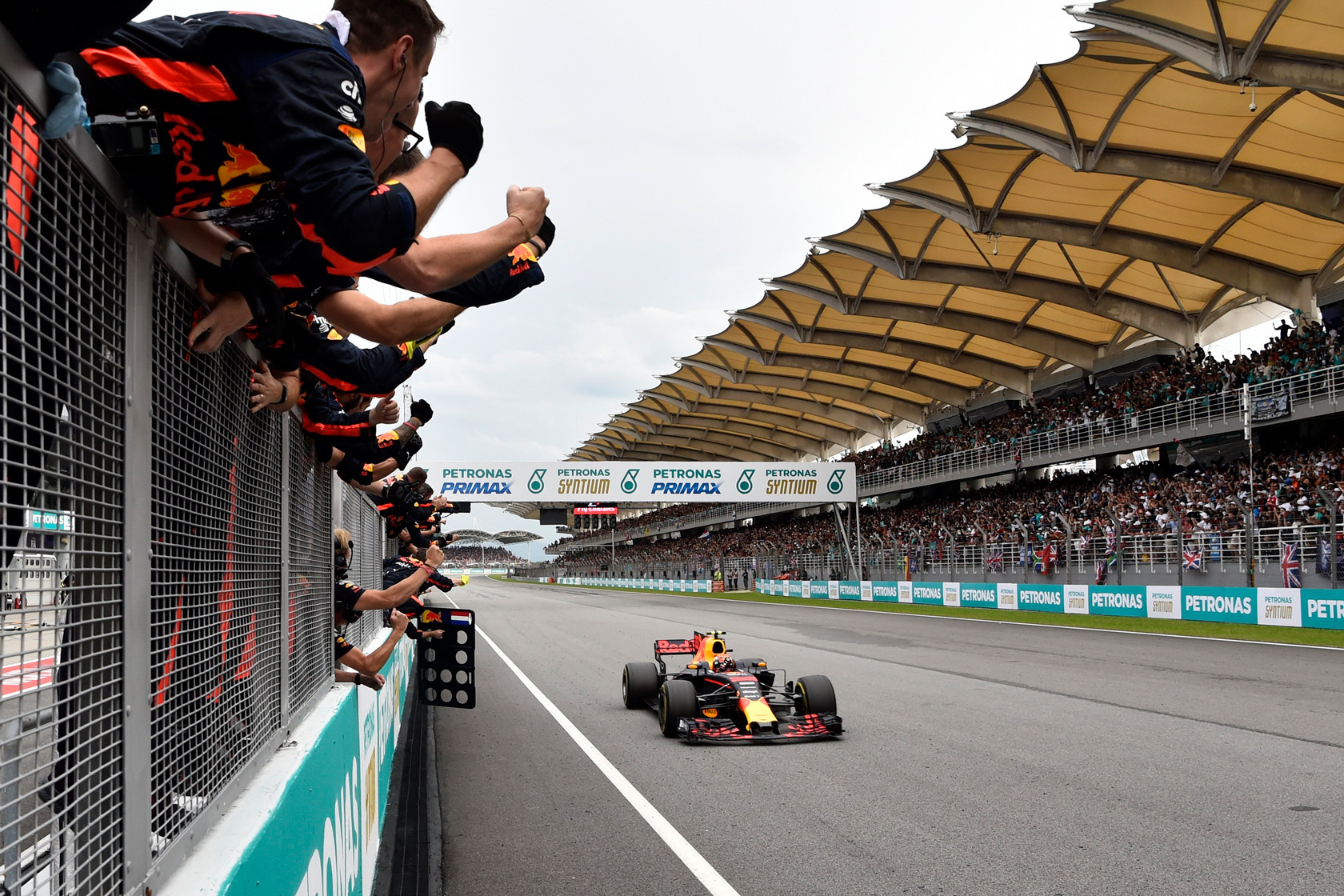
There are two options: watch racing on TV or live. During the broadcast of neophytes, the abundance of specific terms can scare the abundance of specific terms, but you can understand them intuitively after half an hour. Television allows you to observe all the most interesting things that are on the highway, sink repetitions and look at the race from exciting angles, for example from the cockpit. Races are one of the most popular television species, they are simply created to be broadcast.
Another thing is to personally attend the highway. If the races pass on a relatively small ring, then at least some action is guaranteed to you. Perhaps first it is worth studying the features of the route and choose places at the most promising turn, although they will cost more. But, if you're lucky, you will see the legendary overtaking, about which you will tell your grandchildren. The rally races are even more difficult to watch, because the cars will pass in front of you only once and will not return anymore. But the rally is usually carried out in very picturesque places, and it is customary to combine them with hiking or picnic in nature. And yes, wherever you go, get ready for what will be very loud, even in Berusha.
What is happening to Russian riders
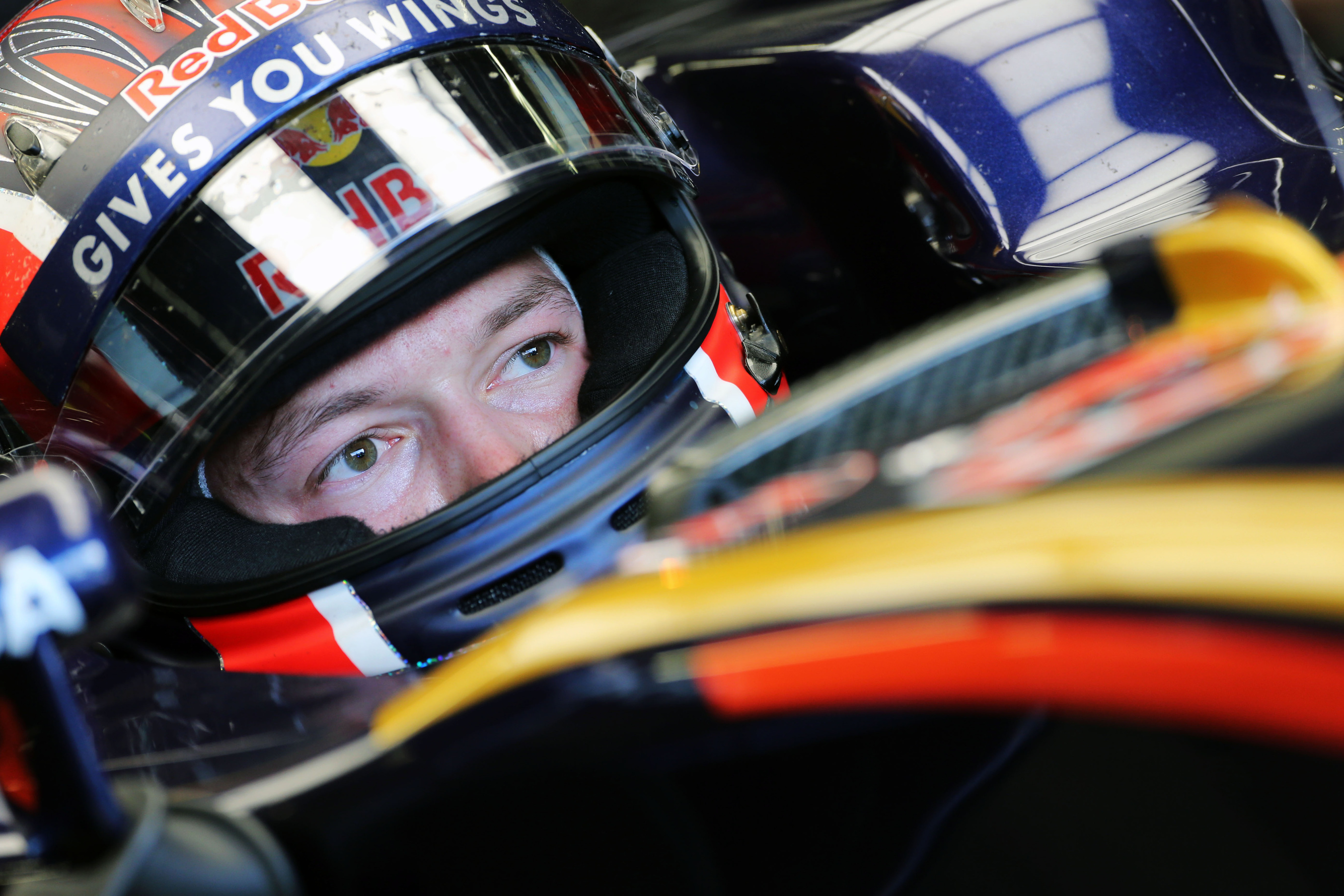
Yes, it is difficult for Russia to call Russia a conveyor for the production of motorsport stars, but there are many successful stories. Now the most discussed Russian racer is Daniel Kvyt. He was the champion of the prestigious GP3 series and even took second place in the Hungarian Grand Prix of Formula 1, however, now things are going a little worse for him. Kvyut is not the first successful Russian racer, before him was Vitaly Petrov, who won the races in the “Formula Reno” in the GP2 series. We also note Mikhail Aleshin, who also took gold in Renault, and until recently was driving in IndyCar - the main competition in car in North America. More often, Russians win in rally competitions, especially in the Dakar rally-this year the 15th victory took place.
How to become a real racer
It is very difficult to become a professional racer. If you are older than 20, then you can almost forget about this. 95% start with a children's and youthful picture, which allows you to feel the rhythm and master the basic techniques that are needed in any type of race. To move on, you need, of course, to win tournaments. Although this is not enough. As the British racer David Pittard notes, this is a very small world, and in order to become part of it, you need to stand out with something-an extraordinary style of driving or at least a bright life in social networks. At a rather early stage you will need a lot of money - it's still about a very expensive sport. If they are not there, you will have to attract sponsors, and in a very short time. In general, you should think ten times.
How to become a virtual racer
Due to the fact that becoming a racer is incredibly difficult, computer games about races have always been very popular. This is generally one of the main genres, which is present on absolutely all platforms. The breakthrough was the game Pole Position, which was released back in 1982. Now it will seem very simple, but it has laid the basis of the dynamics of almost all followed games, and also introduced a classic view of the rear. Another milestone in 1994 was Need for Speed with a revolutionary graphics and police pursuit for those times. The latest stage development stage is Forza Motorsport 7 , which was released in early October. The first reviews of professional critics are very positive.
How to play racing games
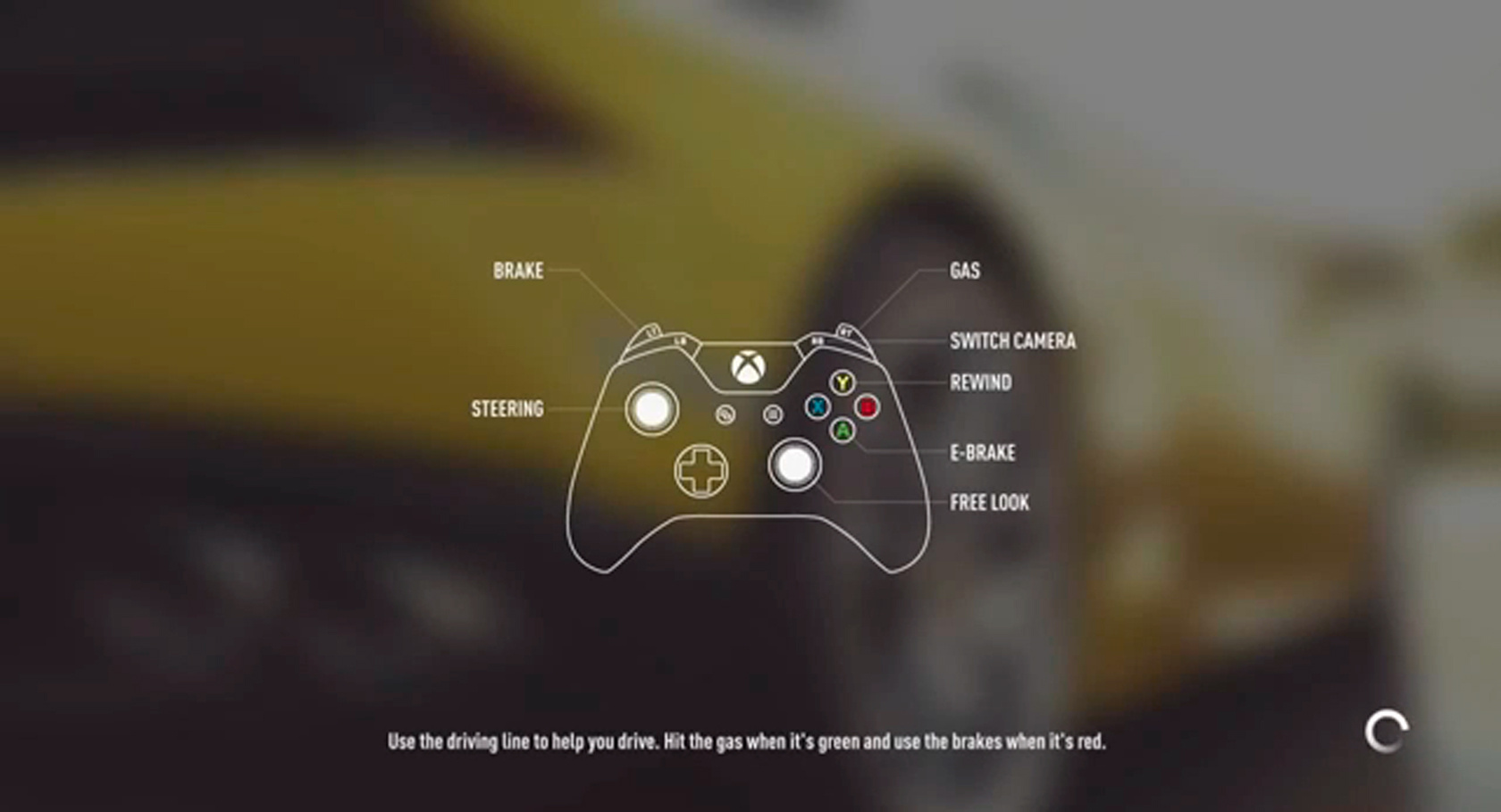
Everything is simple here, even if you do not know how to drive a real car. First you need to understand management in order to understand all the game capabilities. If you play with your friends, do not listen to tips like “getting out along the way” - stay with a bore for a couple of minutes, but then get much more pleasure. Next, you need a convenient controller: you do not need to immediately refuse a joystick or steering wheel - try all the options to choose the optimal for you. Drove! Several basic things. First - try to follow the best trajectory of movement, cut the corners, remember how to fit into different turns. The second - use the brakes. Paradoxically, sometimes you need to slow down a little so as not to lose the average speed of movement. Third, the laws of aerodynamics are laid down in all modern games, so move close to the car walking in front - you will push you forward the vortex stream created by it, and it will take on work to dissect the air flow. At the right moment, start overtaking, but hold on nearby: now the air will push you forward, and the opponent, on the contrary, will slow down.
Why Forza Motorsport 7
There are several reasons. This is the latest racing game, respectively, in it you will find all the latest achievements. The main thing, probably, is the most realistic graphics as possible - here each detail is perfectly drawn, which is noticeable even in dynamics. There are 700 cars from a wide variety of racing categories to choose from more than 30 tracks, both real and specially invented for "fortresses". Of the steep innovations - dynamic weather, when you go along the highway - and the clear sky is replaced by rain, and puddles on the coating grow right before our eyes. Of course, there is a convenient multiplayer. All this is available on Windows 10 and Xbox One.
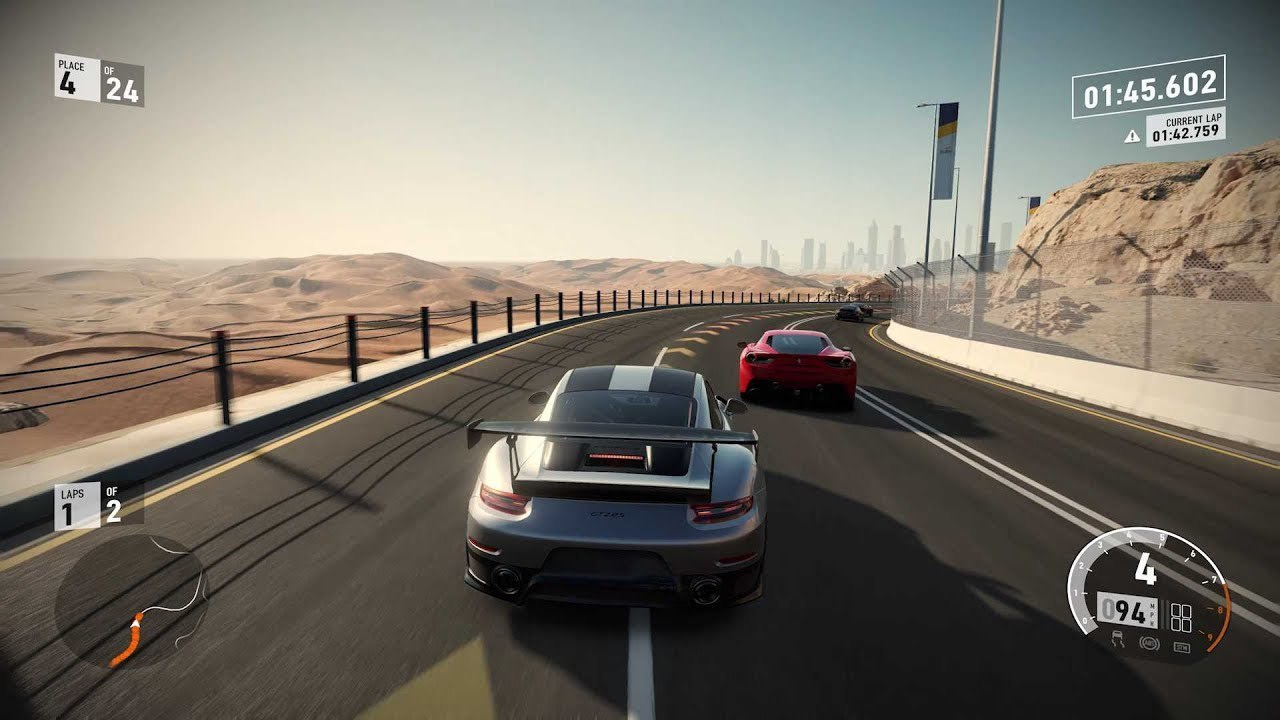
Photo in the announcement: Hoch Zwei / Zuma / TASS