
Translated material
The founder of the Miramax film studio Harvey Weinstein was accused of sexual harassment. He repented, but wants to sue for slander
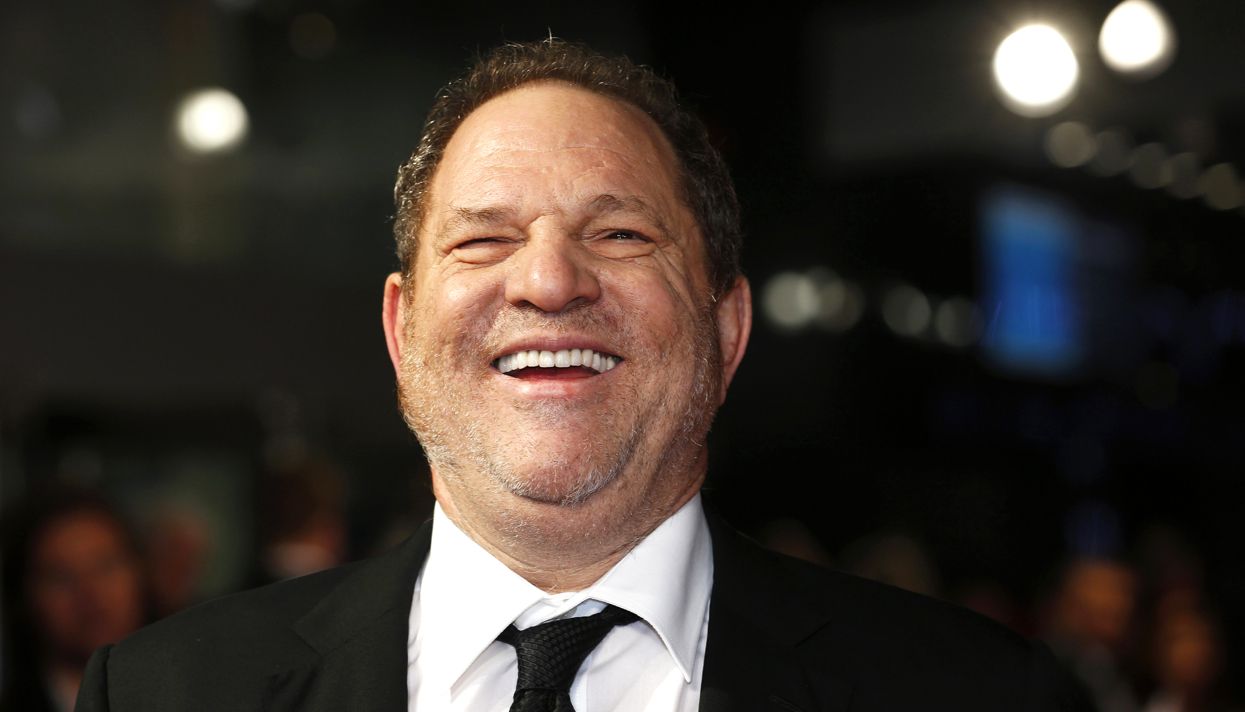
The New York Times has been an investigation about possible sexual harassment to actresses and subordinates from one of the most influential Hollywood producers - Harvey Weinstein. According to the publication, for decades, women (including actresses Ashley Jadd and Rose McGowan) became victims of his harassment, but not a single case reached trial. In response, Weinstein published an official statement with an apology and promised to improve, but then announced that he intended to sue. Charles Harder, lawyer, will represent his interests, who achieved the closure of Gawker at the claim of Halk Hogan. "Medusa" says what is known about this story.
Decades of accusations
On October 5, The New York Times has published an article entitled “Decades of Harvey Weinstein’s accusations of sexual harassment” - about the co -founder of the Miramax and The Weinstein Company film companies (on October 6, the heading was changed to Harvey Weinstein for many years. accusations of sexual harassment "). It says that the publication learned about a number of cases when industry colleagues and subordinates accused Harvey Weinstein of harassment - but these conflicts were resolved without the participation of the court and did not indulge. This was told to journalists by the former and current subordinates of Weinstein and other workers of the film industry. The publication also referred to official papers, correspondence and internal documents of both Weinstein film companies confirming this information.
According to two Winstein subordinates who wished to remain anonymous, the producer in different years regulated conflicts with at least eight women who accused him of harassment and undesirable physical contacts. Among them were two assistants (in 1990 and 1998), actress (1997), the Italian model (2015) and the employee of The Weinstein Company Loren Okonnor (also in 2015).
O'konnor wrote to the Weinstein Company to the leadership of various cases of sexual harassment by Harvey Weinstein, which she became aware of from colleagues. “This company has established a toxic atmosphere for women,” the letter said in a letter. She also said that her responsibilities included discussing potential roles with young actresses after Weinstein personally “interviewed” them in the hotel room. According to O'nonor, she was used to establish connections with “women in a vulnerable position hoping to get a job”.
As the New York Times emphasizes, all this does not fit with a publicly Harvey Weinstein. He and his brother Bob Weinstein founded the famous Independent Miramax film studio in the late 1970s and released copyright cinema, from Stephen Sodaberg to Peter Greenae and Pedro Almodovara. Among the well -known films of Miramax - “Clever Will Hunting”, “Shakespeare in love”, “Criminal reading” and “Chicago”; The Weinstein Company created by Weinstein Company on the account of such hits as “The King says”, “Game in imitation”, “inglorious bastards” and “Dzhango freed”. Harvey Weinstein called perennial cooperation with Quentin Tarantino “22-year marriage”.
Weinsteins supported Hillary Clinton during the election campaign and took the interns of the daughter of Barack Obama Malia. In the same 2015, when O`onnor wrote her report on harassment in The Weinstein Company, the film company released the sensational documentary about rape in the “The Hunting Ground” campus, and in 2016, Harvey Weinstein founded a private fund to support LGBT, women's rights, and in particular Women-directors in Hollywood.
Massage instead of a business meeting
According to The New York Times, most cases described by the alleged victims of Harvey Weinstein took place according to the same scenario. The producer invited young women to a business meeting in the hotel lobby, but on the spot it turned out that he was waiting in the room. There he either met a naked guest, or offered to make him massage (or, conversely, massage the interlocutor), or asked to see how he takes a shower.
This was first told in an interview with Variety in 2015 by actress Ashley Jadd, who played in thrillers “Amnesia”, “kissing the girls” and “double miscalculation”, as well as in three parts of “divergent”. Then Jadd did not name the name of the producer, but later confirmed that it was Harvey Weinstein. The actress said that she came to a meeting to discuss possible cooperation, he asked her to go to his room and immediately behaved very assertively: in particular, he began to offer her massage and help him dress, to which she stubbornly responded. She explained that she did not dare to go to an open conflict and immediately leave the room, but instead tried to come up with a way to finish the meeting so as not to angry Weinstein. After that, as she claims, his studio never offered her a role. According to Jadd, she later learned from other actresses that Harvey Weinstein behaved exactly the same with many of them.
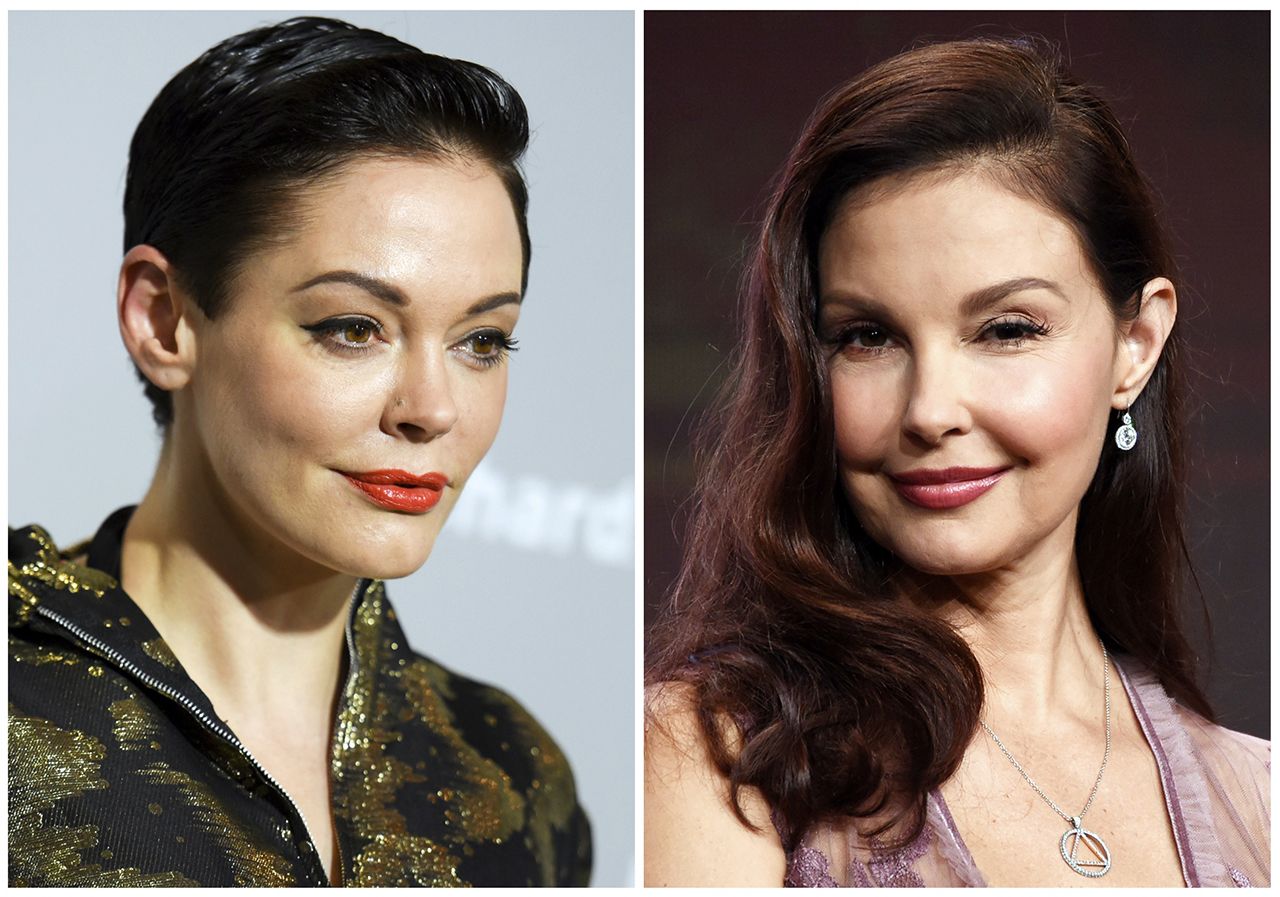
In particular, according to the publication, actress Rose McGowen encountered Winstein's harassment. Allegedly, the producer picked up a hotel in her room during the Sandensovsky Film Festival in 1997 - and later resolved the conflict in a non -judicial manner, as well as with other women accused him. The amount of compensation and the details of the transactions were not disclosed, but, according to sources familiar with the situation, women were paid from 80 to 150 thousand dollars for silence. Under the terms of the agreement, they do not have the right to talk about what happened; Rose McGowen and other participants in the alleged permitted conflicts refused to comment on the publication.
At the same time, The New York Times clarifies that many women who worked with Harvey Weinstein said that they had never encountered harassment on his part.
The fight against demons
Immediately after Lauren O`onnor’s appeal to the Board of Directors of The Weinstein Company, one of its members promised that an independent investigation would be conducted in the company - however, this did not happen. In the commentary of The New York Times, Harvey Weinstein admitted that his actions in the past caused his colleagues a lot of harm, and asked for forgiveness for this. “I try to improve, but I still have to work a lot on myself,” the producer said. After the publication, he issued a detailed official statement in which he referred to the fact that he grew up in the 60s and 70s, when the rules of conduct were different, asked him to give him a second chance and called the incident “an alarming call that opened his eyes.”
According to the producer, recently he realized that he needed to "fight his demons." For this, Vainstein, he claims, turned to psychotherapists, and also plans to temporarily move away from the company's management. He also says that about a year ago he hired a special team of advisers led by Lisa Bloom, a lawyer specializing in protecting victims of sexual harassment. Bloom herself called the producer “a dinosaur who is studying new manners” and said that she had to explain to him how people who are in a dependent position perceive his actions.
Shortly after the official statement of Harvey Weinstein, his lawyer Charles Harder ( who won the court at Gawker under the claim of Halk Hogan, which led to bankruptcy of the publication) said that the producer was going to sue the New York Times for slander. He believes that all the statements of the publication are based on rumors and journalistic mistakes. In response, the representative of The New York Times Daniella Rodes Kha emphasized that the editors did not doubt the published data, and also that Harvey Weinstein knew about the upcoming article and its contents and could challenge specific facts before the publication.
Olga Strachovskaya