
Translated material
Behind the factory set
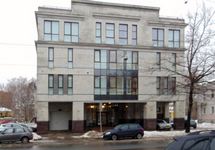
The St. Petersburg "troll factory" spent about $ 2.3 million on propaganda in social networks among Americans, RBC reports with reference to the internal reporting of the "factory".
It is alleged that of this money, about two million dollars were spent on salaries for employees for the last two years: 55 thousand rubles a month were paid to ordinary employees responsible for the compilation of content, the administrators of communities in social networks received 80-90 thousand rubles a month, the salary of departments exceeded 120 thousand rubles. In total, up to 90 people worked in the "American" unit of the "factory". About 80 thousand dollars in two years, 200 thousand rubles a month, used to the purchase of IT sections: proxy servers, IP addresses, virtual SIM cards.
Also, about 120 thousand dollars, five thousand dollars a month, for two years was spent on promotion in social networks. These funds mostly went on the purchase of advertising on Facebook.
According to RBC, the American department of the Troll factory led at least 118 communities on Facebook, Instagram and Twitter. These communities covered about six million users. The department began to work actively in June 2015. In August 2017, the social networks blocked the majority of the Factory communities.
According to a source close to the leadership of the "factory", the communities managed by it organized more than 40 offline events in various cities of the United States. Local activists helped to arrange them, while they did not know with whom they cooperated. Photos from each promotion were entered in the report of the "factory".
"Troll Factory" (the official name is the company "Internet research") is located in St. Petersburg at 55 Savushkina. She belongs to the oligarch Evgeny Prigozhin. This oligarch is called the personal restaurateur of Vladimir Putin.
On September 7, the Facebook administration said that when analyzing the advertising published on the social network for its possible connection with Russian interference in the American elections , about 3 thousand suspicious ads were found, which were placed from about 470 sub -pages associated with another and allegedly managed from Russia. Since the Facebook policy does not allow the use of fake pages, they were removed.
In September, the Facebook administration sent the US special prosecutor to investigate the intervention in Robert Muller's election data on advertising on request from Russia . The special prosecutor received copies of advertisements, the parameters of fictitious accounts, the owners of which purchased ads, as well as the criteria of customers to determine the target audience.
On September 22, Facebook Executive Director Mark Zuckerberg promised to make the placement of political advertising in his service more transparent .
On September 27, it became known that the US Senate Committee invited the top managers of Facebook, Twitter and Google to open hearings in Congress dedicated to Russian intervention in the elections. The meeting is scheduled for November 1.
On October 3, the Facebook administration stated that it transferred the Congress’s intelligence committees a full report on the placement of political advertising from Russia .
Twitter transferred the Senate to the Senate for Intelligence Information about the 201 account related to Russia's attempts to influence the presidential election.