
Translated material
Xi Jinping: President-reformer
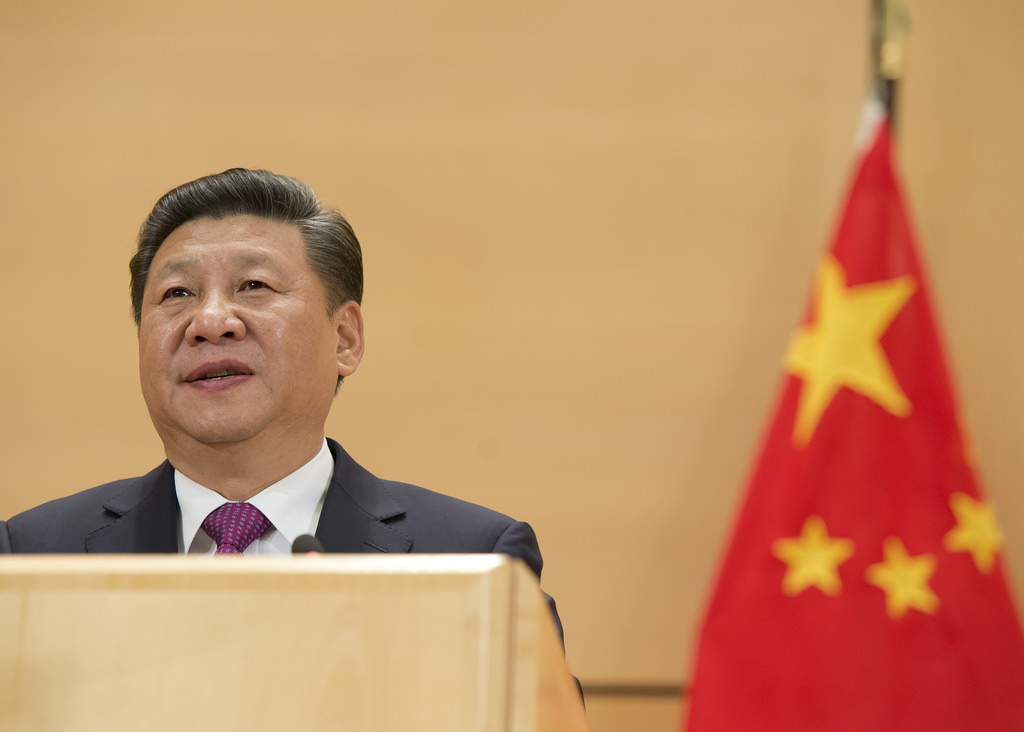
In China, the XIX Congress of the Communist Party began. This congress should marked the transition of Xi Jinping for a second term as the President of China. Commentators in the media in connection with this evaluate the successes of his first term and guess about how the next will be.
On October 18, the Congress of the Communist Party of China will begin, which takes place every five years and is the most important event in the country's political calendar, writes The Economist . There, in particular, a new Central Committee is appointed, consisting of 205 people who will rule the country over the next five years. Usually the party leaders rule China for 10 years, so Xi Jinping is now in the middle of this period.
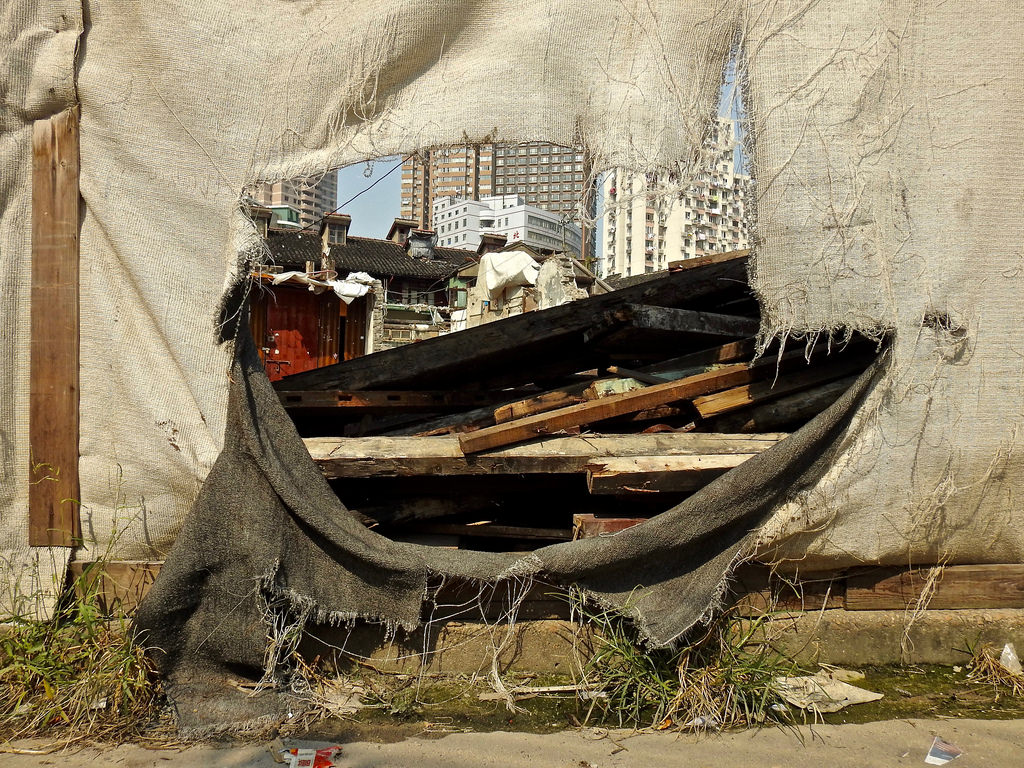 Shanghai, 2015 Remko Tanis
When Xi Jinping became the president of China in 2012, he was perceived, first of all, as a reformer of the economy. But already during his first public speech as the president, he spoke not at all about the economy, but about the revival of the Chinese nation. This topic became the leitmotif of his presidency. In September of this year, he again made a similar speech. This is a significant message, because it indicates the priorities of Xi Jinping in regard to the Communist Party.
Xi Jinping, the author believes, is the third Chinese president -reformer, standing on a par with Mao Zedong and Dan Xiaopin. Mao Zedong formed a communist state. Dan Xiaopin put this state on the path to enrichment, while retaining the party. Xi Jinping wants to make China the main state of the world and, again, preserve the party.
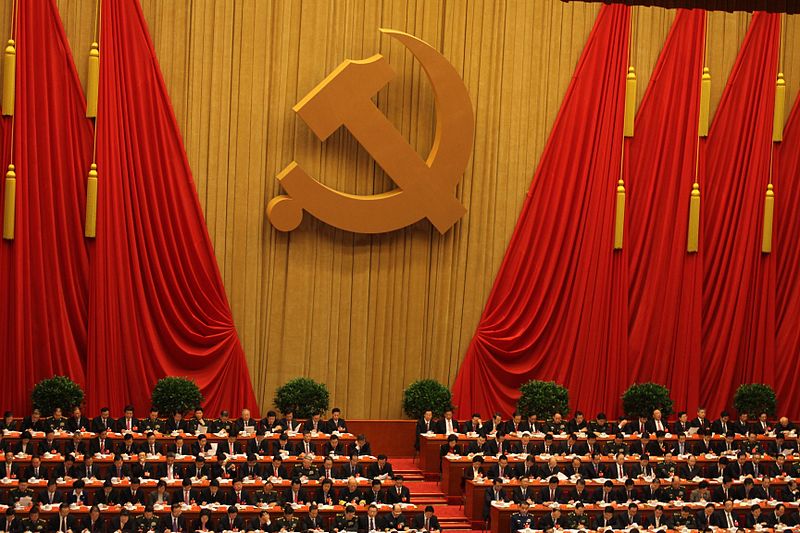 XVIII Congress of the Communist Party of China Voachinese.com
The powers of Xi Jinping are very great. He is the President of China, the party leader, and last July, state media also called him the Supreme Commander (the previous carrier of this title was Dan Xiaopin). He energetically rebuilds the bureaucratic apparatus. The two previous Chinese presidents were appointed, first of all, in order to continue the economic reforms launched by Dan Xiaopin. Xi Jinping was appointed in order to preserve his party. The collapse of the Soviet Union was an example of a bad script that China seeks to avoid.
According to the author, the activities of Xi Jinping may be good for maintaining the party. But its methods of impact on the non -party environment are bad for the country. It creates restrictions on the press, closes civilian societies and reduces opportunities for public discussions. All this leads to the fact that the search for correct political decisions lies mainly on the party, that is, the number of options is significantly reduced. Dan Xiaopin, reminds the author, in 1980 emphasized that it is important to distinguish between the party and the state. Xi Jinping them, on the contrary, is spitting, and this can poorly affect the development of China.
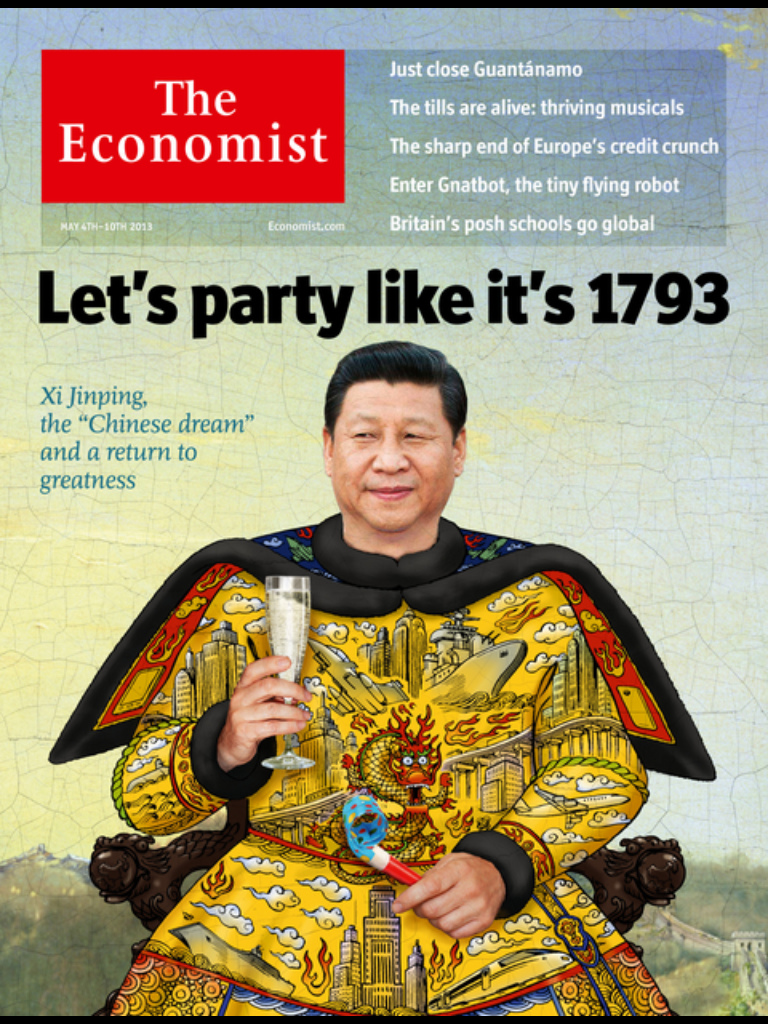 Cover of the magazine "Economist" for May 2013 with a portrait of Xi Jinping Sdobie
Financ I Al Times is wondering if Xi Jinping will follow the course of Dan Xiaopin or his main task will be a more “narrow agenda in the form of protecting the positions of the ruling party and its allies”. The author is more likely to be the second option. In this material, as in The Economist, it is also noted that the most significant difference between the reign of Xi Jinping and the principles of Dan Xiaopin was the erosion of the border between the party and the state. In addition, he was much less consistent in conducting financial and economic reforms: he is inclined to turn them away if they cause instability.
Further plans of Xi Jinping will be set out at the congress. The second term will formally begin only in March, when the new government will be approved by parliament. This political procedure is accompanied by secrecy, comparable only with the appointment of a new pope. But now, the author notes, it is clear that Xi Jinping will be a leader, while almost all other Chinese politicians are replaced.