
Translated material
Orthodox burial of the deceased
Burial rituals
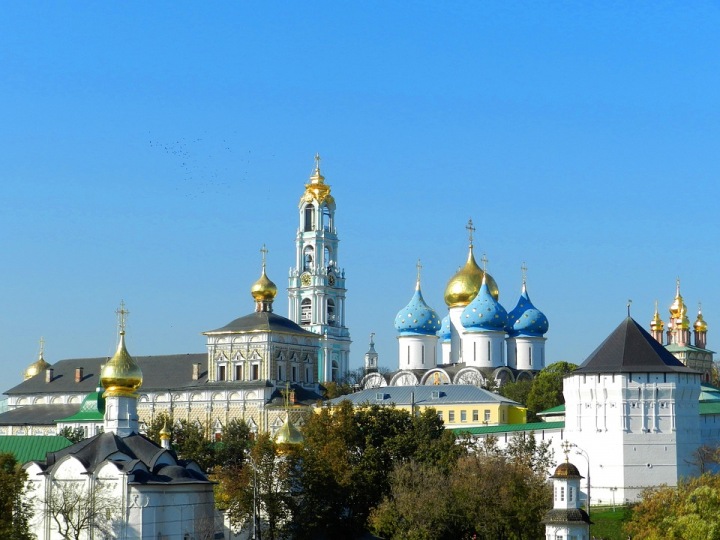
Orthodox burial of the deceased.
Such a topic as “ burial ” is rarely mentioned by us outside the context of what happened in our life, so few people represent the process of burial from the point of view of spirituality.
Burial rituals.
It is worth mentioning that prayers for the repose of the deceased were considered a kind of help to a person who, after death, is preparing to appear before the court, as if “reporting” before God for his life. They pray for the deceased in different ways, but they read prayers both during worship in churches, and separately, in personal prayers they mention the deceased. .
Carrying out cellar rituals.
What are the obligatory rituals that the relatives of the deceased person need to perform? After death, they first report to the official bodies - to the local clinic, if death occurred during the day, in an ambulance, if it happened at night, and the police. Only after the official organs recorded the death of a person, rituals are allowed. .
The first such ritual is the ablution of the body with warm water with reading prayers. After that, the deceased is dressed. Only new and clean clothes are allowed. If the body is at home to the funeral ritual, it is laid in the coffin, covering it with a white bedspread. On the deceased they put on a pectoral cross and have icons in the coffin. After dressing the deceased, they invite a priest, or they read prayers about the outcome of the soul on their own. .
If the deceased is in the morgue, then the workers of the morgue will do the ablution, and the relatives of the deceased will need to transfer only clean clothes and what is supposed to be transferred to the morgue for the deceased. In this case, the prayer for the outcome of the soul is not read above the body, but at the home altar. If compliance with all Orthodox rituals is important for the relatives of the deceased, you can ask the morgue workers to properly prepare the body. .
Burial.
The body in the coffin is carried out of the room in position with the legs to the door, and you need to carry the coffin close relatives. The priest at the same time opens a funeral procession. The coffin is placed in the grave with the head towards the East, and the cross is supposed to be placed in the opposite side of the head. The side of the cross that contains information about the deceased should be located so that the face of the deceased is turned to the cross. .
Before the burial, all people who have come to the funeral are thrown into the grave along a handful of land. This ritual has been preserved since ancient times - on the one hand, it serves for the connection of relatives with the deceased, and on the other hand, it, like a amulet, protects those who had thrown from future misfortunes. In relation to the Orthodox holidays, there are restrictions, for example, it is impossible to hold a funeral in Easter or Christmas.
More information about the prayers that read over the body and about other traditions can be read on the website www.palchevskiy.by.