
Translated material
Books that you cannot find without us
Three novels from non -literary countries - Lithuania, Nigeria and Bulgaria
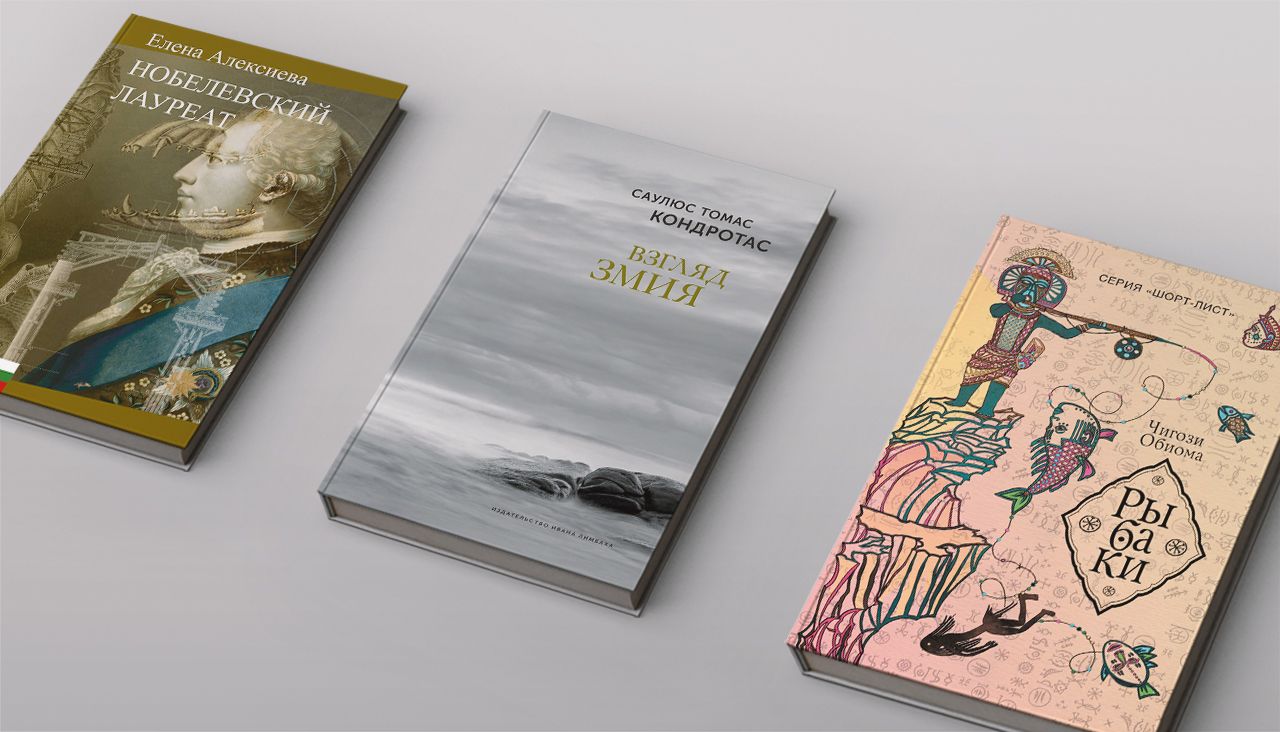
Literary critic Galina Yuzefovich tells about three good novels from non -literary countries: “Nobel Laureate” Bulgarian writer Elena Aleksieva, “Fishermen” by Nigerian Chigosi Obioma and the “Surmia” of the Lithuanian classic of Saulus Thomas Condrotas.
Elena Aleksieva. Nobel laureate. M.: Center for the book of Rudomino, 2017. Translation by Nankinova
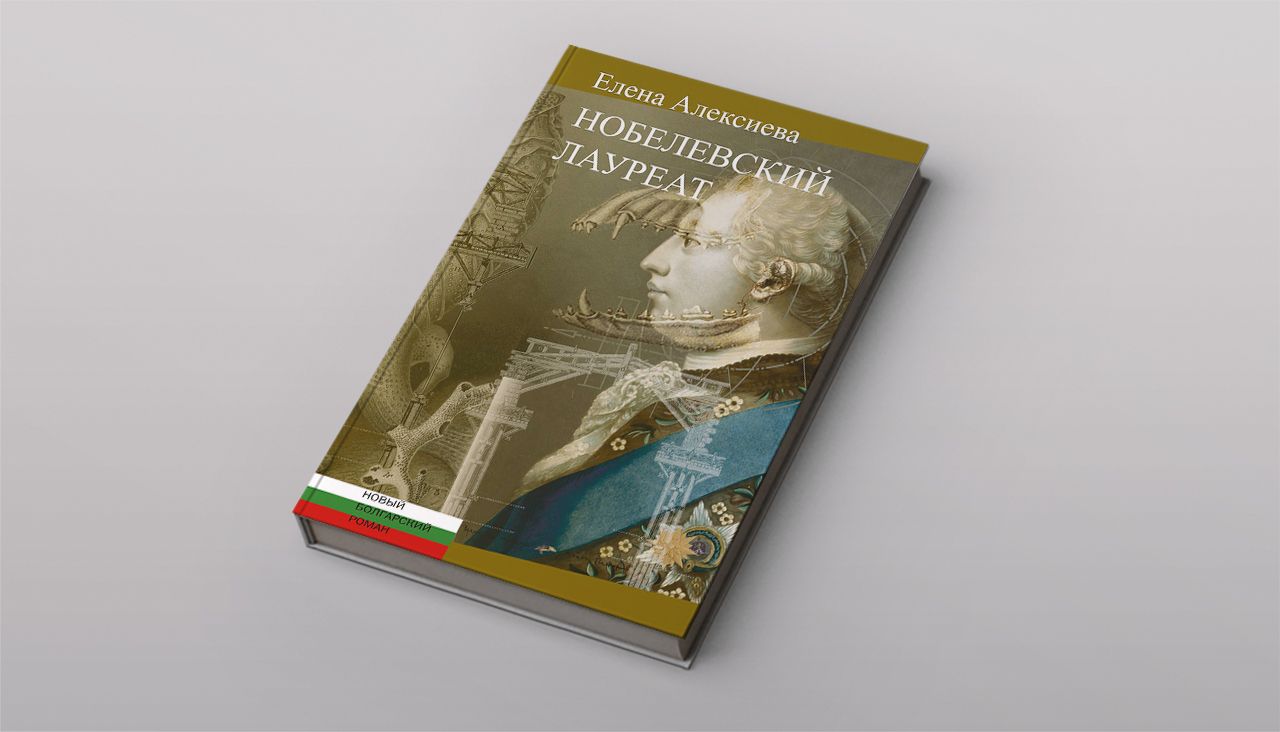
Eduardo Gerthelsman - the Laureate of the Nobel Prize in Literature, in full the program suffering from the post -Belian syndrome (the writer painfully crushes the burden of reading expectations on the writer’s shoulders, and inside him is empty and loud, as in a tin barrel) - he comes with an official visit to provincial Sofia. Having felt at the banquet arranged in his honor, Herthelsman pronounces the sacramental phrase “my next novel, I might like to write in Bulgaria”, and then leaves for the night to breathe fresh air - and does not return. After a couple of days, the writer’s agent receives a video: on it, Herthelsman, obviously cruelly beaten, stands on his knees with a bag on his head, and the abductors demand a huge ransom for his life. A few days later, the police find the corpse of another writer-Bulgarian and much less well-known, but for some reason put on a jacket and trousers belonging to the Nobel laureate. Vanda Belovskaya, a relatively young and lonely employee of the Sofia police, shortly before that, was either distinguished, which had been or arranged during the investigation of the high -profile case of corruption, is taken up.
Elena Aleksieva of those authors who, in essence, are completely not interested in writing a real honest detective. No less (and in fact there is much more) than the actual search for the ill -fated Nobeliat, she is interested in the relationship of the heroine with a manual iguana named Henry (difficult), with a mother (stretched), with her own excess weight (doomed) and with a former friend, and now the Minister of the Interior (ambiguous). Wanda’s dreams, her fears, poems that she writes (despising this “weakness”), the night Sofia, according to which Wanda wanders (at the same time miserable, pompous and cozy), spicy Indonesian smuggles, which the partner of the heroine smokes, and also permanently infringed national pride of the little people, post -socialist resentment, and soluble poverty and soluble. In the air, the historical memory - the “Nobel laureate” is packed with cute and touching things, but from the point of view of the genre obviously redundant. However, it is a sin to complain: Aleksieva manages to maintain a balance between the detective and literature itself. With all its considerable cultural baggage, the novel manages to break away from the ground and not without grace to fly the intended course towards the denouement - maybe not at all stunning, but in no way disappointing.
Judging by the reviews in the Bulgarian press, Elena Aleksieva is considered a strong middle peasant in his homeland, and not a superstar and a national treasure. Well, well - if this is really so, then, perhaps, it is worth a closer look at Bulgarian literature.
Chigosi Lemoom. Fishermen. M.: AST, 2017
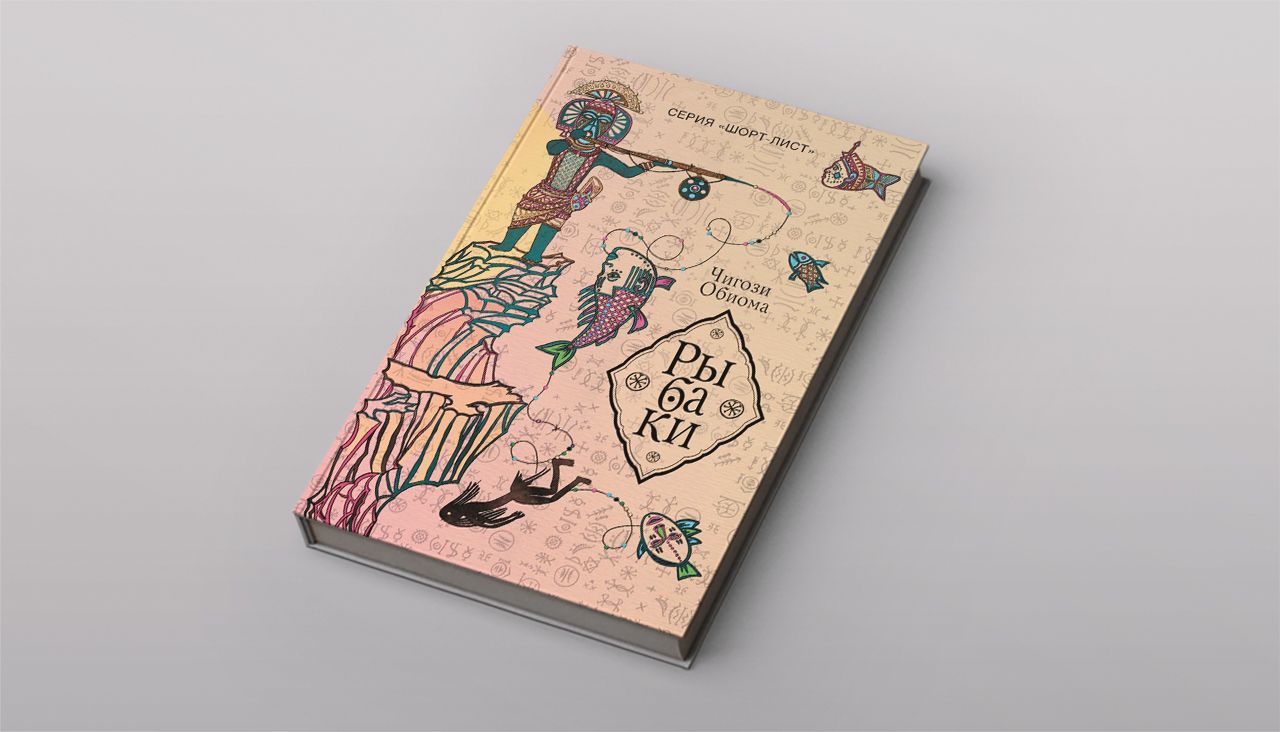
The debut novel by Nigerian Chigozi Obioma is a classic case of a book written in a specific task: the author obviously wanted to enter the short list of the Buker Kvota Prize for writers from the countries of the Commonwealth and brilliantly succeeded in this (the “fishermen” were called one of the main contenders for the award for 2015). As a result, the Book of Lyubov has all the advantages and disadvantages of the exemplary “premium” novel: secondary and predictability (we have already read all this many times, sometimes in a more talented performance), a sincere and deep abrupt, charming local color and a clear political message. In a word, if you have already read the “half of the yellow sun” of Chimanda Ngozi Adichi, the “god of the little things” Arundati Roy, the “inheritance of ruined” Kiran Desai and the “collapse” of Chinois Achebbe, then, in general, there are not many discoveries in the “fishermen”. However, this does not mean that they will not be at all: the number of unconditional successes of abstrus should include his ability to fill the plot from the provincial Nigerian life with a high pathos of the ancient Greek tragedy.
After the departure of the father, transferred to work to another city, four sons (the oldest fifteen, the youngest nine) are gradually going out of the true path. They begin to skip school, make dubious acquaintances with hooligans from city suburbs, but most importantly, they decide to be confused by fishermen. For six weeks, they, risking their lives, enthusiastically spend fish on a dangerous and fast local river, until a random witness does not bring the mother about their adventures, and she does not apply a veto on her son fun. However, these six weeks are enough to destroy the peaceful and prosperous life of the family: the crazy Abula met on the river shore, the senior of the brothers, Ikenna, who in the near future, will kill one of the younger ones. Little by little, this is a nonsense and, in general, an unreasonable prediction is overgrown with flesh, is poured by trouble and gains formidable power over the minds and souls of the heroes. Like the prophecy of the Delphic oracle, who predicted Oedipus to the evil fate, the divination of Abula becomes an instrument of merciless rock, and the reader is doomed to helplessly observe how warm related ties are torn, and betrayal, envy and enmity settled under the family grave. The backdrop for the heartbreaking family drama - and a counterpoint to it - is political turbulence in connection with the near elections with which the heroes associate rainbow (and, of course, futile) hopes.
Even by this brief retelling, one can easily note that the “fishermen” are collected from solid, who have passed, as they say, check the time of details of the post-colonial literary “Lego”, for the fidelity of the modern “story-thyllings” and “Creet-Ruting” for fidelity. However, rootedness in a powerful and original Nigerian literary tradition (few people remember, but Ben Rrie, and Amos Tutuola, and the Nobel laureate to the will of Shoyinka, and the already mentioned by the Ngozi Adichi and Chinoa Achebbe - all by Nigeria) allows the abundance to avoid completely obvious moves. The elements of magical realism, introduced into the text, relieve the novel from flat and dull unambiguity, and the smooth, but irresistible narrative rhythm, tangible even through the translation, works reliably, so that the heart is really puppy in the finale. And in the nose, by the way, it is also pretty well.
Saulus Thomas Condrotas. The gaze of the serpent. St. Petersburg: Publishing House of Ivan Lumbach, 2017. Translation of T. Chepaitis
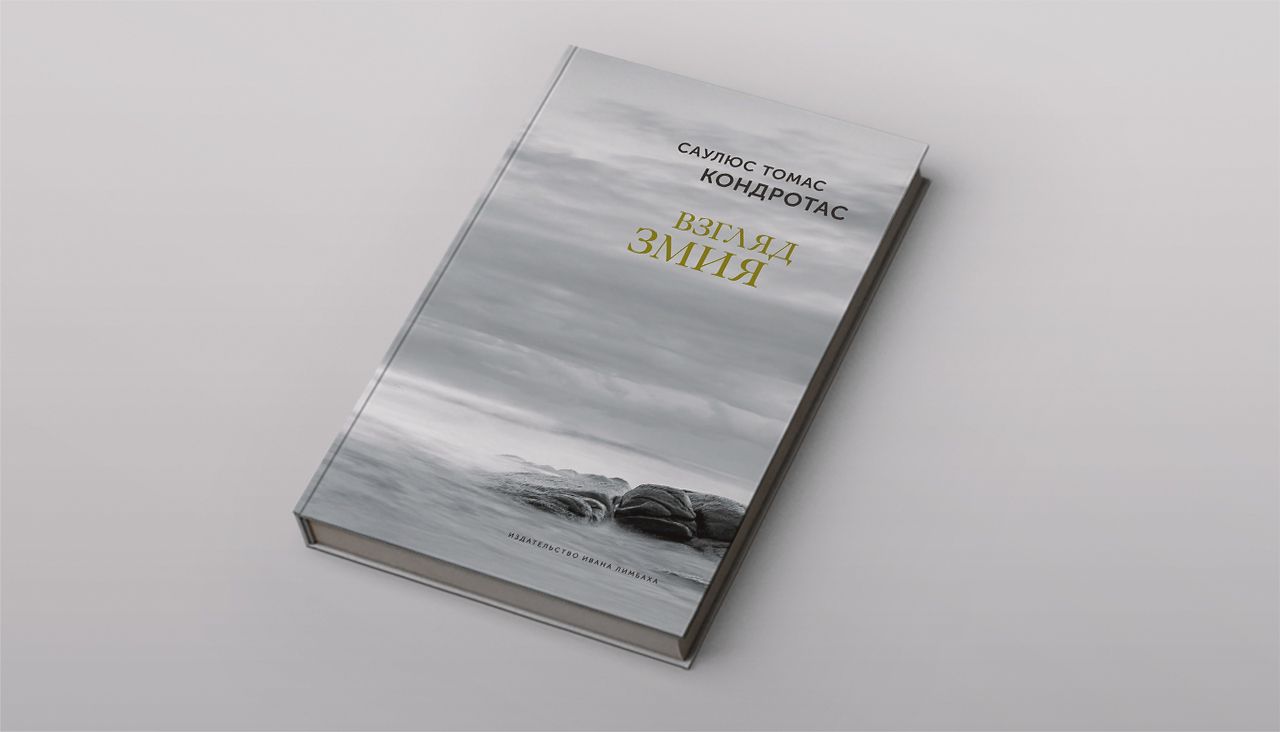
Saulus Thomas Condrotas is usually called the modern Lithuanian classic and the most famous Lithuanian writer in the world. It is difficult to argue with this statement-with the adjustment that his fame, alas, is still quite modest, local in nature: condrotas is known in Lithuania, a little in America (the writer emigrated in Los Angeles in the early 80s of the last century and tried to write in English), and even in Hungary and Italy. On this, in fact, everything, although Condrotas definitely deserves a much wider recognition: his main novel “The Snake of the Snake” is the book as strange as it is impressive.
The amazing, knotted and rough, as if the earthen prose of Condrotas does not look like anything familiar to us - and at the same time, it elusively resembles the “Valley of Issa” Cheslav Milos, “Fantastic Stories” Karen Blixen and “Saga of Yest Berling” Selma Laherlef. Magical realism, a late romantic-filter novel, family saga, timeless and supranational parables, a mystical thriller, the history of fatal love and the story of spiritual searches-if desired in the “Snake of the Serpent”, you can find all this (and much more), however, the Condrotas book stubbornly resists any unambiguous interpretation. Either soaring in an arrow to the supermanding heights, then, spitting at a mundane level, the writer completely disorients the reader and introduces him into a bewildered trance. And a crazy and dizzying composition, in which the connection between the characters is not indicated immediately by readable dotted line, makes the novel almost non -transcrutable.
Probably, it is most correct to say that the “snake gaze” is the story of four generations of an influential and wealthy peasant family of Mezhis. In fact, at the beginning of the novel, we are present at the wake of the virtuous patriarch - the old Ventzlovas Mezhis, and in the finale we escort to the scaffold of his great -grandson, nicknamed the shaggy, robber and murderer. However, this main narrative channel is fueled by many small plot streams, each of which is self -shaped and does not dissolve in the main stream without a residue. As a result, a deceptively compact romance (three hundred and fifty spacious pages) turns into the depths and finds several sub -war dimensions at once, becoming noticeably more inside than outside. Trusting entering the world created by Condrotas, the reader discovers himself in a huge and, confessed, not too comfortable maze, which is still very difficult to leave.
In a word, as was said, amazing, not similar to anything that I want to return, which I want to think and talk about - and, of course, one of the hidden treasures of European literature.
Galina Yuzefovich