
Translated material
Are there many readers in Israel?
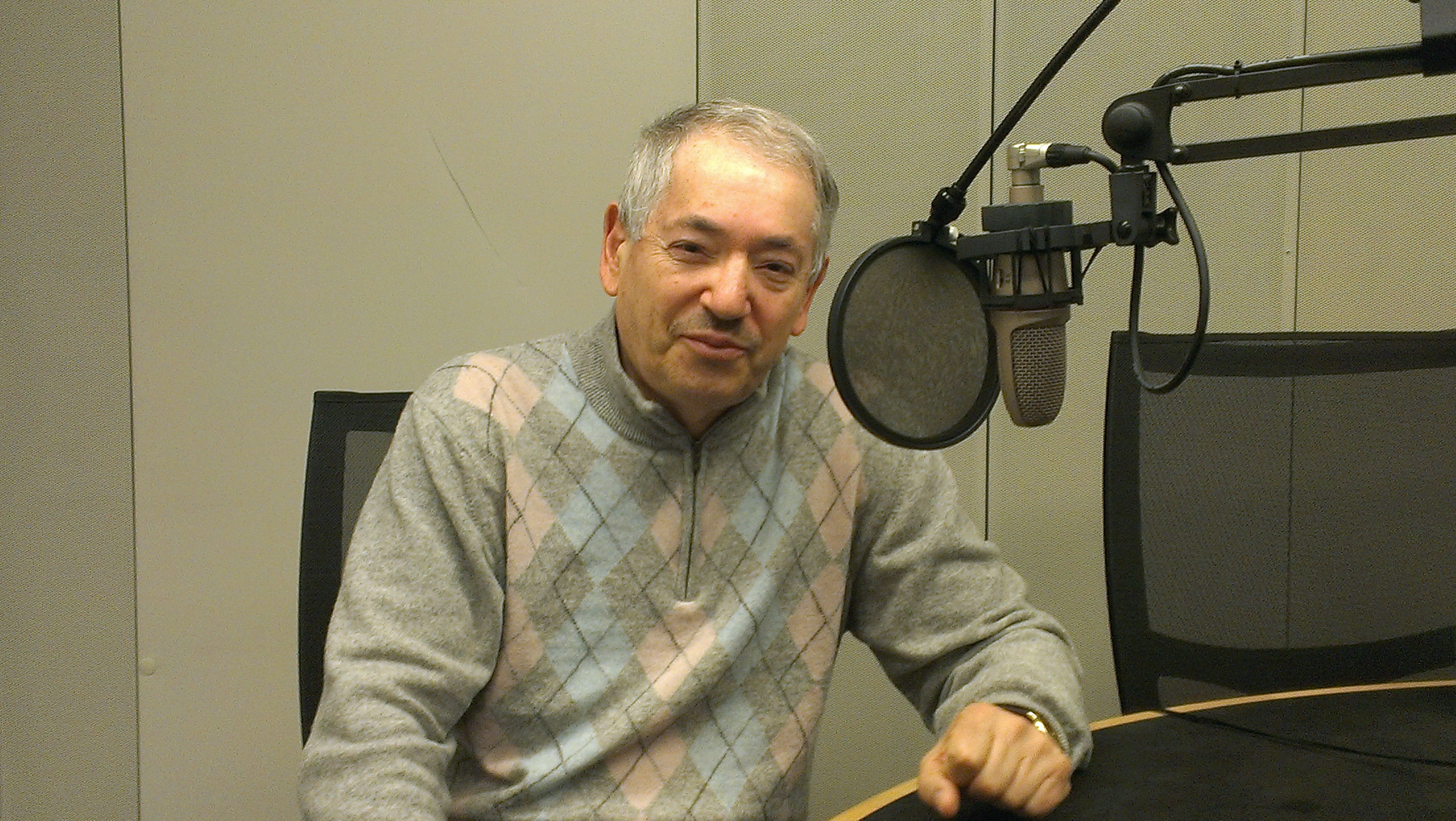
Conversation with publisher Leonid Univer
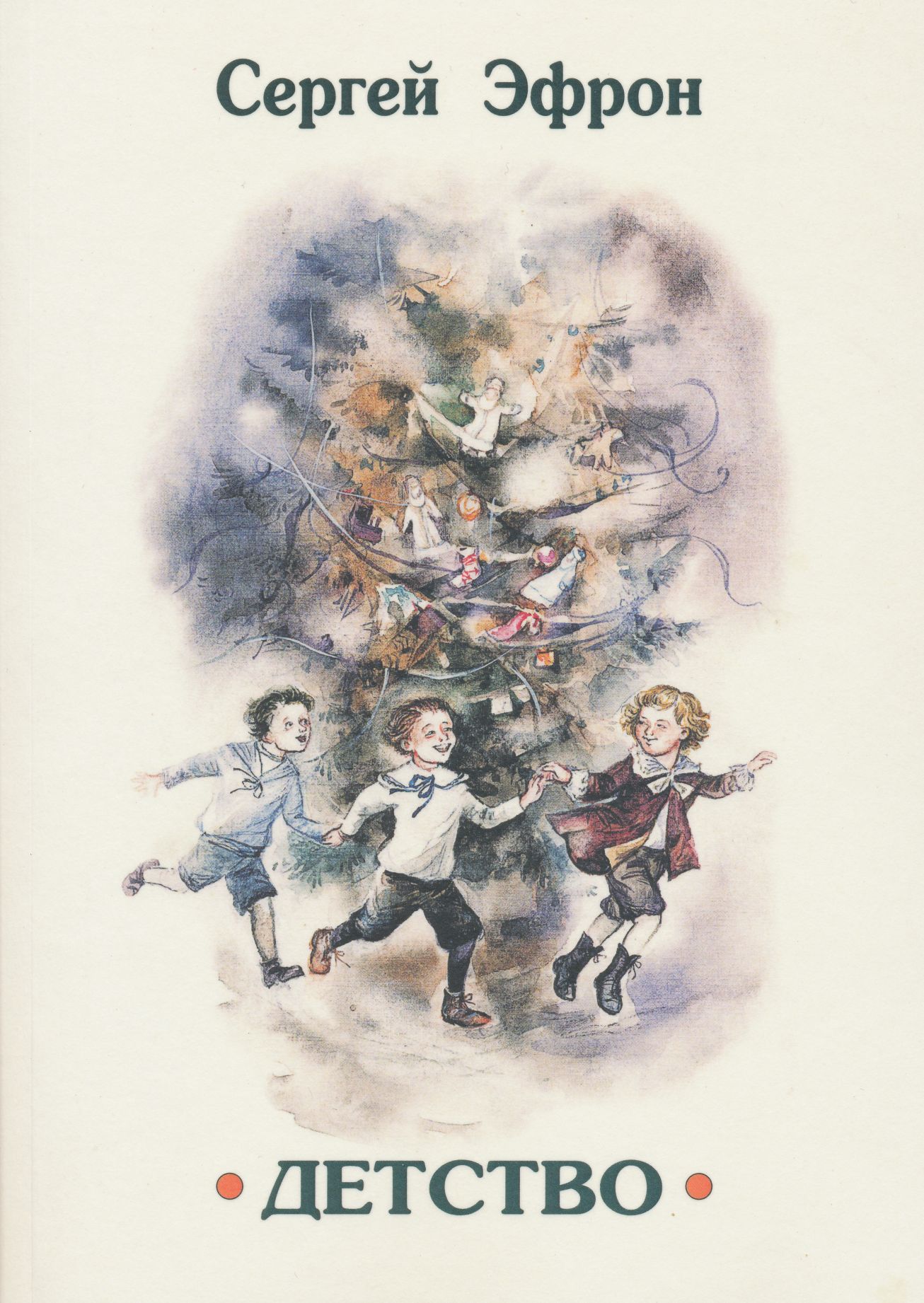
Ivan Tolstoy: Our guest is a book historian, an essayist, publisher Leonid Univer, a former Muscovite who has been living in Jerusalem for almost 30 years. A graduate of the Moscow Polygraphic Institute, defended his thesis on the topic "History of the publishing and book -trade activities of Joseph Knebel" (after 15 years he published it in Jerusalem with a separate very beautiful monograph). Fifteen years, Leonid Universg worked in the department of rare books of the Lenin Library, where in 1983 he became one of the creators of the Book Museum. Since 1990, a universon is a repatriate.
Leonid, Russian Book Israel - is there such a phenomenon?
Leonid Universg : Yes. Moreover, the first publications in Russian appeared at the beginning of the 20th century, later they gradually developed. At first it was a pilgrimage literature for visiting Christians from Russia. Then it was the author’s literature, copyright publications. The writer, who wrote in Russian and lived in the then Palestine, wanted to see a book in Russian, so he went into a printing house and published. As such publishers have not yet been.
Ivan Tolstoy: In what cities were there printing houses?
Leonid Universg: Basically, this is Jerusalem, Tel Aviv, sometimes in Haifa. These three cities.
Ivan Tolstoy: And where were these books where?
Leonid Universg: They spread mainly in these cities. These were the most densely populated cities, in them the percentage of Russian -speaking residents was quite high.
Ivan Tolstoy: Leonid, and any of our today's listeners can identify any names from those pre-war authors by ear? Did anyone become a celebrity of them?
Leonid Universg : At that time, perhaps, there were still no authors that the entire Russian -speaking community would know, which gradually only gained strength and grew quantitatively. Maybe, if we talk about Zhabotinsky, who was nevertheless published, it is clear that everyone knew him. This is perhaps the largest personality and name.
The heyday began after the first aliyah, that is, after the repatriates of the 70s arrived in Israel
Books on the history of Israel in Russian were published for those who came and gradually met, but the heyday began after the first aliyah, that is, after the repatriates of the 70s came to Israel. Professional publishers gradually began to appear, because the need for book publishing was clearly obvious. But the publishers and the market of the Russian book were even more professional when the Aliya of the 90s appeared, with which I arrived in the 90s and was one of those who participated in all these book affairs. At first, I worked in the editorial office of a 11-volume brief Jewish encyclopedia in Russian, then in 1997 I registered my Filobiblon publishing house and since then I began to work on orders of the authors, and gradually began to publish what I myself would like. That is, the publication was initiated, which I paid or found money. For example, for a five -volume edition of the Almanac "Jerusalem Bibliophile". This is the most serious publication, where the Russian book book in Israel first appeared for the first time.
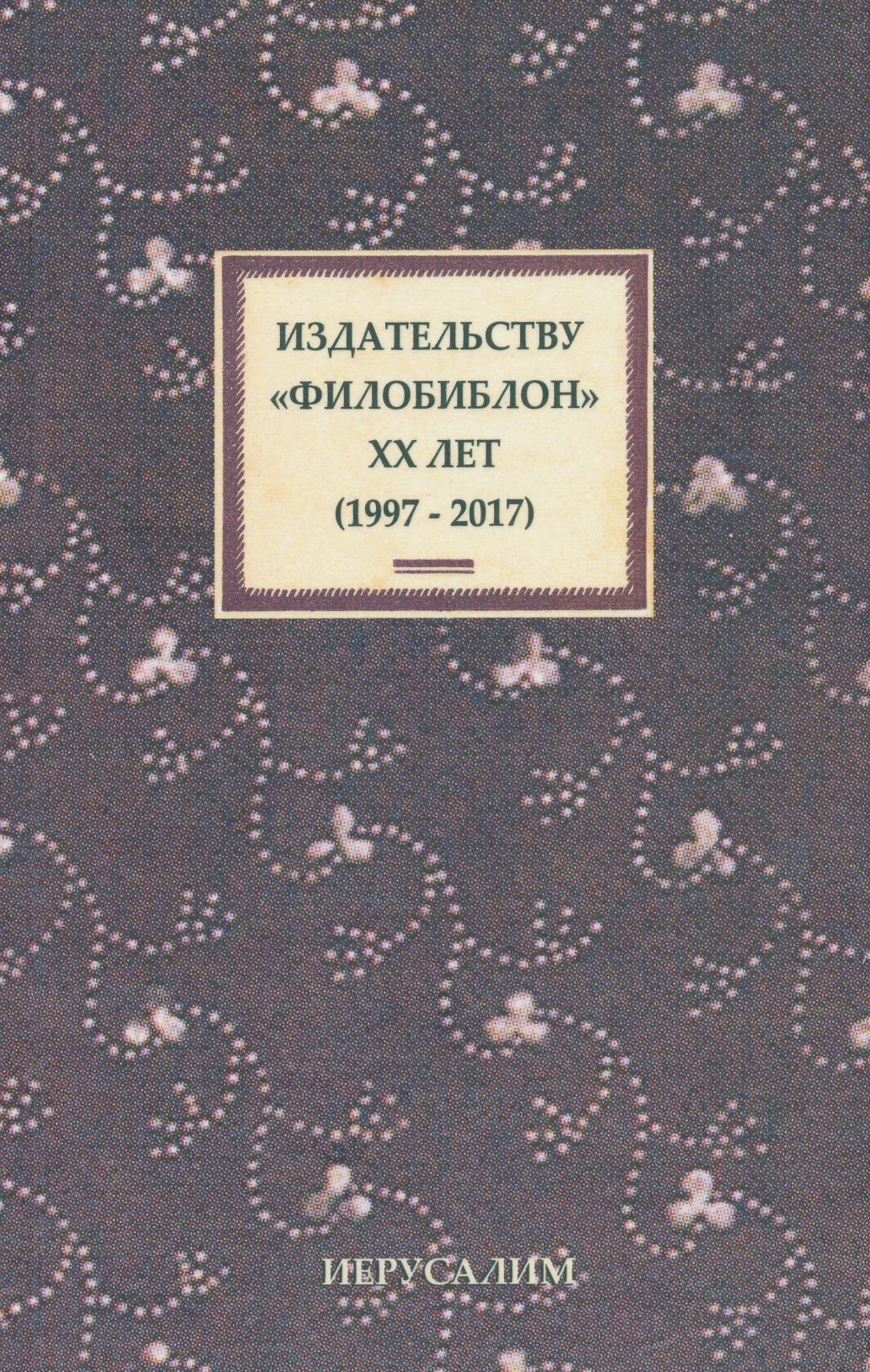
Ivan Tolstoy: Is it difficult to find money for such thick books? I saw them, and thanks to you, I am a happy owner of these almanacs.
Leonid Universg: At first, it was more or less difficult, because everyone wanted such almanacs to be a kind of guide in the Russian book world in Israel, and there were organizations that gave at least some part for the printing house. But I took on the rest - the preparation of the book itself, its formatting, layout, design, search for authors, composure. At first, it was a fairly narrowly Israeli edition, literally the first volume, and then the authors from the Russian -speaking diaspora around the world began to join, especially from Russia, Moscow and St. Petersburg - first of all, and this publication turned into international. The last, fifth issue was released in 2015.
Ivan Tolstoy: And how? You said that at first it was quite easy. And now?
Leonid Universg: Now I just began to publish at my own expense, and a small part, the last two issues, was helped by the National Union of Bibliophiles, of which I am and which is headed by Mikhail Ceslavinsky, the current chairman of the Russian press and mass communications committee. This is also an international organization, although its center is located in Moscow, headquarters. Being a serious big bibliophile himself, Mikhail Seslavinsky reacted to this publication with understanding. Among the authors there are more than a dozen members of the National Union of Bibliophiles, mainly from Russia.
Ivan Tolstoy: What is the book or reader market of Israel? Are there many readers in Israel? In Russia, it seems that all scribes left for Israel or America, in Germany. It’s like with ballpoint pens: everyone has ballpoint pens, but where are they concentrating? There is such a myth that all readers are in Israel. Is that so?
A significant part of these bibliophiles, book lovers are really in Israel
Leonid Universg: I hope that Russia is rich in talents - both writers and readers especially. Everyone, of course, did not move, but a significant part of the real bibliophiles, book lovers are really in Israel. At first, especially in the 90s, there were a lot of Russian bookstores that were replenished from Russian book reserves, new products. The warehous system was specially worked out, then small stores took books from these warehouses and sold in towns.
Ivan Tolstoy: Is this the situation of the early 90s?
Leonid Universg : Yes. Prior to this, in the 70s, there were separate foci of stores, literally two or three per large city-Tel Aviv, Jerusalem, Haifa. And already in the 90s there were simply ten of them in every city: in Jerusalem, maybe up to twenty stores and also in Tel Aviv. But with the development of the Internet, the number of publishers and the number of bookstores, and now, of course, the picture in this sense is incomparable with the beginning of the 90s. If there are five bookstores in Jerusalem, there are seven in Tel Aviv, including one large bukinistic one, which, unfortunately, is also ready to curl up, a lot is sold on the Internet, so the visit has decreased. The reading public has old, the youth who follow us, our children, grandchildren, few of them turn to the book in Russian, everyone has already mastered Hebrew and read more in Hebrew, in English too.
Ivan Tolstoy: This is a similar picture in all countries, this is understandable. And what is the difference between the Russian Book Israel from other countries, from other places where they love and read the Russian book? What is there in Israel that is not anywhere else?
Leonid Universg: I think that, first of all, the author’s level in Israel is quite large. Maybe in Germany there are also a number of very large Russian -speaking writers, in America, although not so many. But Germany and America are huge countries, people are dispersed in these cities, so communal life is much less rich there than ours. For example, everything is concentrated with us in Jerusalem, Tel Aviv and Haifa, a little in Beer-Shev. Jerusalem is such a center of communal life, first of all, because for 25 years the Jerusalem Russian library has existed there, which is headed by Clara Elbert, its founder, a former Moscow librarian. It is considered very prestigious to hold presentations, some evenings. A coming audience-a writer or artist-considers it his duty to perform in the library, there is its own audience, a good conference room for a hundred seats, and there are literally daily events and presentations for which our intellectual public gathers. Books are published in different cities, the authors live and print in different cities, and they order two or three in a month, two or three to speak in this library. Not all cities were lucky to have such Clara Elbert as ours, so their level of communal life is much lower. Even in the same Tel Aviv, although there are all newspapers, there are a lot of journalists there are writers, but all this, as always, depends on the personality.
Ivan Tolstoy: And please tell us about the famous Jerusalem club of bibliophiles, which I have heard a lot about, but, alas, have not yet visited.
Leonid Universg : We hope I always invite you, but so far you have not reached us. I was lucky to organize this club in January 1993.
Ivan Tolstoy: Soon the anniversary - 25 years.
Fans of books and bibliophiles come from all over Israel, because there is no second such club
Leonid Universg : In January there will be the 25th anniversary of the club. About three hundred meetings were held, every last Thursday of the month we have a meeting. Fans of book and bibliophiles come from all over Israel, because there is no second such club. Two issues of the chronic of meetings were released - the first hundred meetings and the second. I am waiting for the three hundredth meeting, I will release another one. I must say, there were about 300 people for all the time, while not only the Israelis, but also visitors from St. Petersburg, Moscow, America. The publisher of Liberty came to us, also performed.
Ivan Tolstoy : Do you mean Ilya Levkova?
Leonid Universg: Yes. One meeting was special. On the initiative of Mikhail Ceslavinsky, a joint meeting of the Moscow Club "Biblifil Hive" (this is a club under the National Union of Bibliophiles) and our club was held. It was October 27 last year. A delegation arrived, ten people from Moscow, they lingered for several days to see Israel, but the main goal was to hold this meeting. It was very solemn, very interesting, and this is the first joint meeting of the Russian and Israeli clubs in history.
Ivan Tolstoy: That is, in addition to readers, listeners, lovers of any book and interesting, there are also people who can write “bibliophil” in any of their counts on the characterization of a “hobby”. There are a lot of bibliophiles in Israel, and it is no coincidence that you called your own publishing house "Filobiblon", that is, "Book Libe" in translation. It is known that there was such a famous book "Philobiblon" by Richard de Beri, as I understand it, which they chased a lot at one time in the Soviet Union, so miniature, elegant, was published in the mid-70s. What kind of publishing house is this? What are you in this bell of Philo?
Leonid Universg : As I already mentioned, at first this publishing house fulfilled orders of the authors who came from Russia and wanted to publish poetry, prose or memories. This went on for several years, until 1999. In 1999, there was a two hundredth birthday of Pushkin. At this time, the famous Moscow artist Yuri Ivanov lived in Jerusalem. He learned about the club, began to visit the club, we made friends and decided to release the publication dedicated to this wonderful event together. Based on the fact that we will live at the 225th anniversary (the next serious anniversary), we did not know. We decided to release a small book, we called it "Golden Days, Golden Nights" - this is a collection of courteous lyrics of Pushkin. Yuri is a brilliant draftsman, he illustrated a countless number of times in Moscow, he even has a Pushkin youth cards with his drawings, which I acquired at one time, not yet familiar with him. And so we decided what we would do. I said: “Yura, one condition-you all choose. Always when you worked with publishers, you were dictated, ordered and said, someone stood and said what you need to do. Now choose yourself, so that you would like to illustrate from Pushkin on such a courteous theme-love, friendship, women.” He immediately agreed and made a number of brilliant illustrations in mascara and feather, which are simply amazing. He has more than two hundred books illustrated, but I believe that this is one of his best works because it was split, made at the command of the soul. We made two options. One is folk, in a thin cover, 40 pages of the total college, black and white drawings on cream paper, in the cover of soft. And the second option - fifty copies - we made a velvet, gold embossing in the binding, and he painted all these illustrations in two colors with watercolors. It turned out an unusually beautiful edition, and even in a super -car. We took this publication as a gift to the largest Pushkin museums - the Pushkin Museum on Moika and the Pushkin Museum in Moscow. I traveled in 2000 and made such gifts to them. Both to the department of rare books of the Lenin library, and to the department of rare books of our National Library in Jerusalem. And now, returning, literally a month or two, we receive a certificate and medals of the International Pushkin Society, the center of which was in New York, with gratitude for this book, for gifts. And so unexpectedly, we didn’t count on anything, we just wanted this book to be in these places expensive for us ... And this book has become the first artistic publication of my artistic project, and it seemed very close to me and wanted to continue it.
Ivan Tolstoy: I quote a fragment of the memoirs of Leonid Universg from the illustrated catalog to the Filobiblon Publishing House of XX years.
"I want to dwell on the responsibility that was assigned to me in the preparation of a book dedicated to I.N. Knebel. As you know, he always strove for the most artistic and qualitative book publishing. Following him, when preparing the layout of the book, I often looked into the genuine Knebele editions that I had, especially in the series of the Russian artists. I borrowed from there the appearance of the end text strips of chapters in the form of trapezoids that decrease downwards.
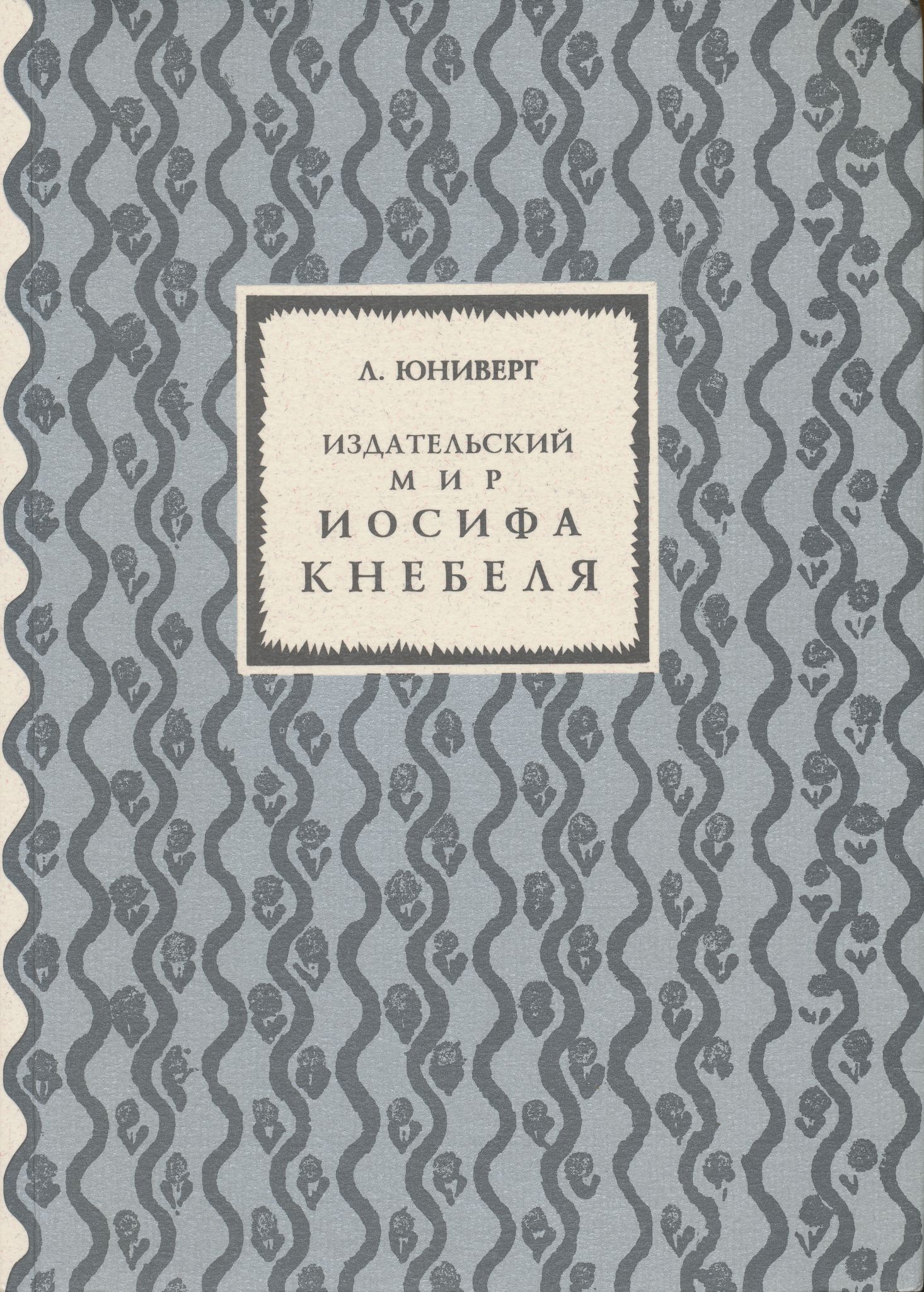
And another technique used by the Knebel in the mentioned series seemed to me important and fundamental. In each of the monographs dedicated to artists, their best works were printed in color and glued to dark gray dense pasparte, then woven into the book block. Reproductions of the remaining works included in the book were printed in black and white along with the text. If I had enough funds at that time, I would follow this example: I would single out the most significant publications (through their covers, binders or illustrations) and put on a gray background throughout the book block. However, this was done only at the end of the book on the gloss for thirteen color reproductions. The remaining dozens of documentary reproductions were posted on separate pages in black and white reproduction, but, as it were, in stylized framework and gray pass. That is, I wanted to emphasize the significance of the publishing heritage, whether it be works of book art or documentary evidence of an archive nature.
I will not hide that, to a certain extent, it was the exaltation of the publisher and his work was a response to the ugly published monographs in the series “Book Workers”, published in the Moscow publishing house “Book” in the 70–80s. It would seem, where, if not in a professional publishing house, to pay tribute to the work of the books of the book, but no - preference was given to the works of famous writers. Their design and quality of printing performance paid special attention, up to the chicly published miniature publications. And low -quality paper and gray faceless photographs are all that the publisher could thank the faithful knights of the Russian book case ... This served as the main reason that I refused to publish my monograph about Knebel in the publishing house "Book" (it was already adopted in the plan for 1991). And thank God that he refused!
(...)
The publication of my monograph made a certain impression on Israeli Russian -speaking publishers and readers, since here, with rare exceptions, it was not customary to pay much attention to the external and internal artistic appearance of the book. For me, this was the norm that I wanted to follow in the future. That is why I am starting my publishing activity from this book!
It should be noted that shortly after the release of the monograph about Knebel, the first authors began to contact me, who managed to meet her from one of my friends and friends whom I gave the book. Visual rumor and the first edition, which became my business card, replaced advertisements that I never resorted to. "
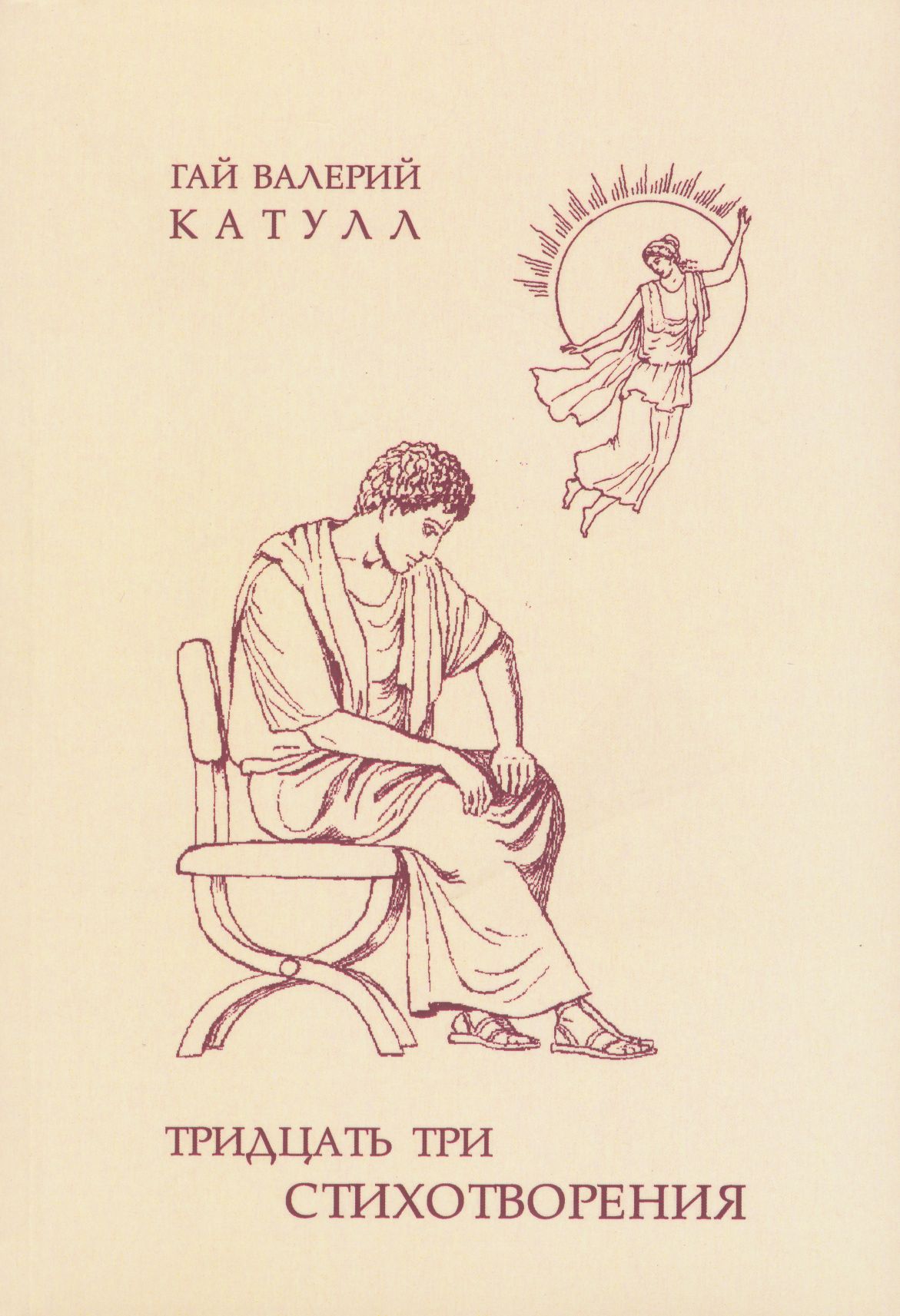
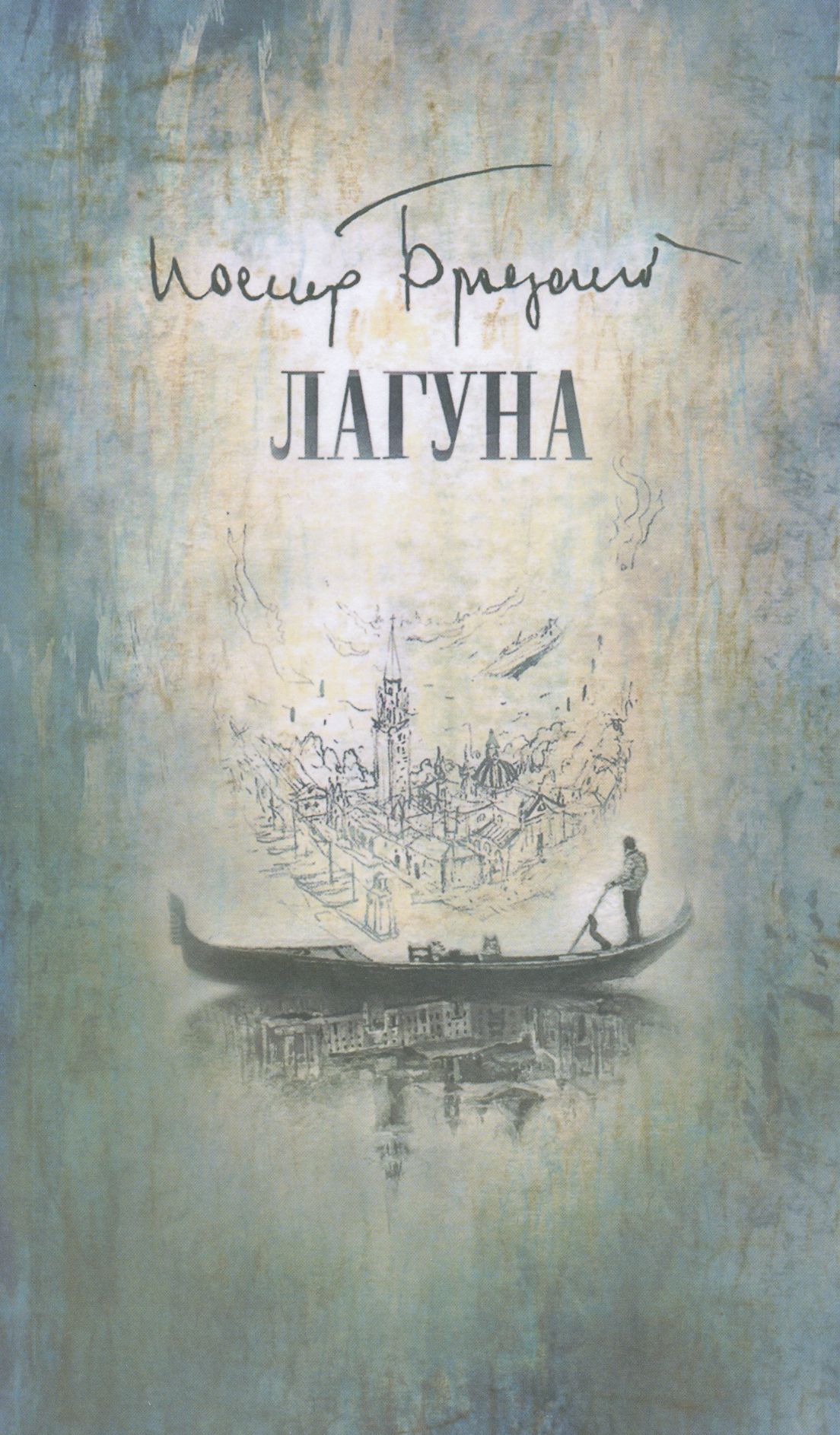
Leonid Universg : And in parallel with these custom-made publications that gave me the opportunity and the family budget, on the one hand, on the other hand, I put off something for these artistic publications. And the next book was “Guy Valery Katull. Thirty -three poems” with illustrations of Zelia Smekhov. They both - both Yuri Ivanov and Smekhov - finished the Surikovsky Art Institute. By the way, Yuri has now headed the book art workshop for several years, he returned in 2000 and continues his work there. But our friendly and creative relationships are preserved. We made a Catulla, which then demanded a second edition, because it quickly dispersed. Потом я сделал книгу "Античная эротическая поэзия" со вступительной статьей и короткими биографическими справками старшего внука Маршака Алексея Сперанского, а рисунки сделал его сводный брат Петр Воскресенский, москвич. Как нам кажется, это первое издание, которое иллюстрирует адекватно эту довольно свободную лирику, посвященную эротике, где иллюстрации соответствуют содержанию, в отличие от многих советских и даже нынешних российских изданий, где по-прежнему продолжают помещать вазы старинные с какими-то рисунками соответствующими, останки былых зданий. То есть откровенно посвятить тому, о чем пишут, этого пока я не видел в российских изданиях. Далее появилась книга, которая нам особенно дорога, это Осип Мандельштам "Времена года в жизни и поэзии", где мы впервые попробовали проиллюстрировать ряд стихотворений Мандельштама. Это сделала художница Ителла Мастбаум. И она была очень хорошо принята членами Российского Мандельштамовского общества, и закупили даже двадцать пять экземпляров для того, чтобы раздать своим членам. А потом я познакомился через того же Юрия Иванова с его ученицей, молодой художницей Софьей Карауловой-Каре, которая буквально два года назад закончила Суриковский институт, Мастерскую книжного искусства. Юра мне однажды сказал: "Обрати внимание – у нас сейчас на выставке висят работы – малый диплом студентов четвертого курса". И вот у этой Софьи замечательные работы – иллюстрации к венецианским стихам Иосифа Бродского. Я приехал в институт, как раз я был в Москве в это время, посмотрел, и мне очень понравилось. И тогда я предложил нам встретиться с этой Софьей, и родилась книжечка. Она просто была счастлива, что нам удалось вместе что-то сделать. И вообще студентка четвертого курса получила полноценное издание.
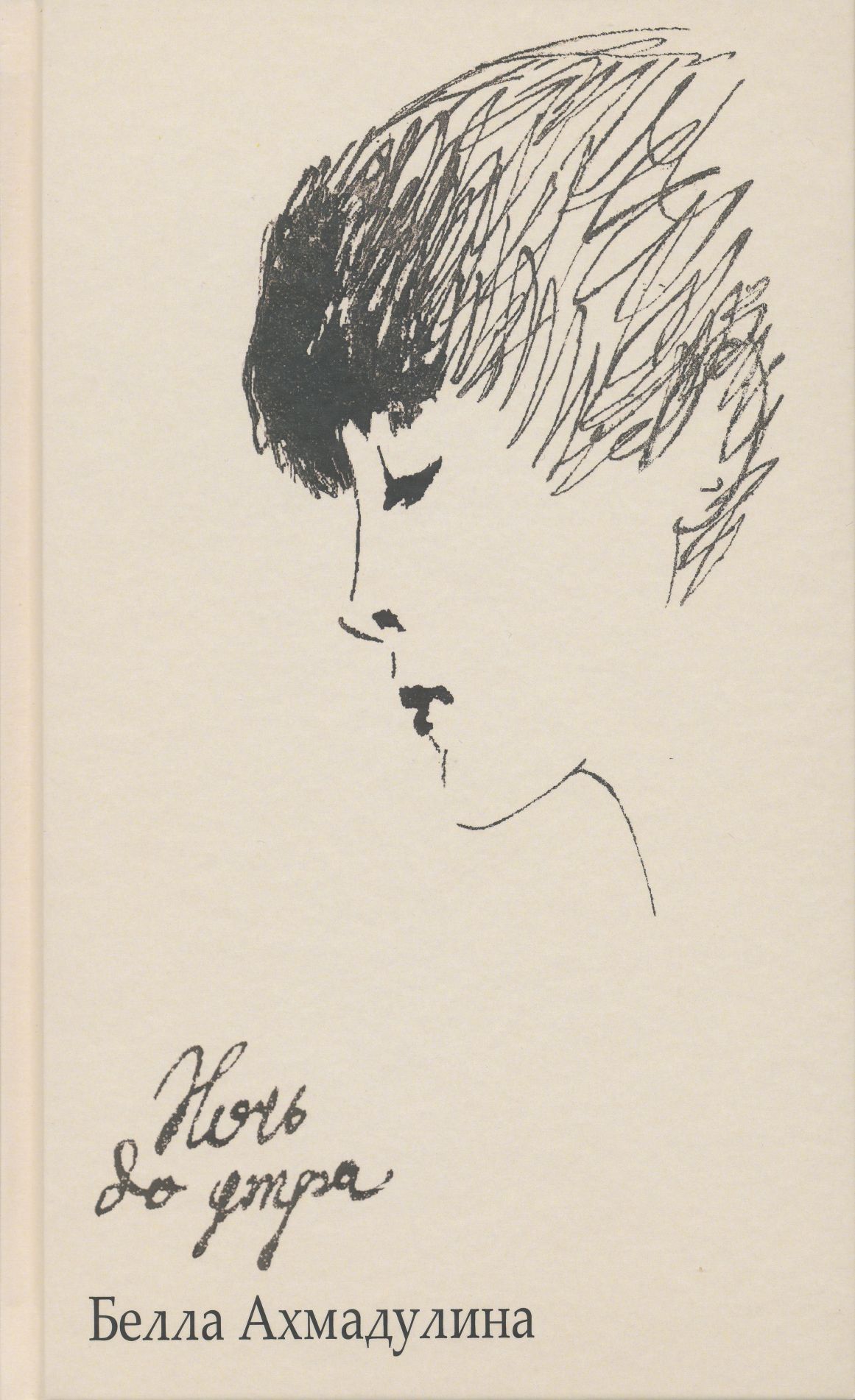
И потом мы почувствовали, что эта молодая художница действительно всерьез интересуется и хочет посвятить себя книжной графике поэтов Серебряного века или поэтов – последователей поэтов Серебряного века – Ахмадуллина, Бродский. То есть поэтов, которых иллюстрировать довольно сложно из-за их не вполне фигуральной поэтики. Ее дипломной работой были иллюстрации к Тарусскому циклу стихов Беллы Ахмадуллиной. Здесь, помимо замечательных рисунков, иллюстраций Тарусы самой, замечательные портреты Беллы Ахмадуллиной. Курировал, помимо Юрия Иванова, муж Беллы Ахмадуллиной Борис Асафович Мессерер, сам художник профессиональный, которому очень понравилось, что делает эта молодая художница. И с его благословения и Юриного я сделал этот сборник.
И, наконец, уже вне связи с ее институтскими проектами мы заказали ей книжку Бориса Пастернака, его стихи, посвященные, как мы условно назвали, железнодорожной теме – много поездок в поезде, стихи в связи с этими поездками, и лирика его, которые замечательно обобщила во вступительной статье израильский филолог Ирина Калинковицкая