
Translated material
Theophanes are special
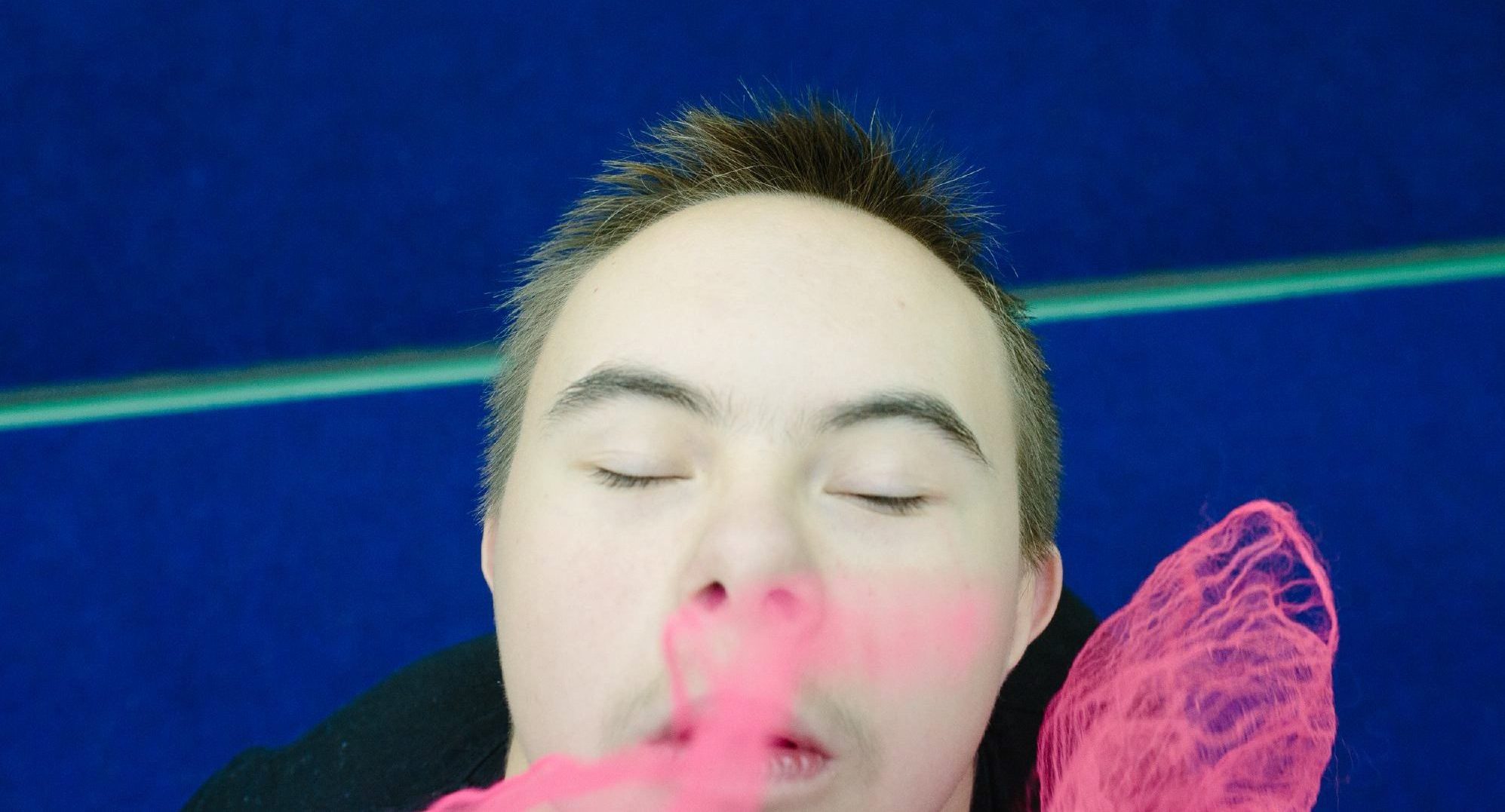
There are small hooligans in the Uppsala-cycle, and there are “lums”. From the word "love." This is the name of pupils with Down syndrome. One of them is Feofan
We help the UPSala-Circus helpTheophanes enters the stage in a red suit resembling a kimono. Around the neck is a voluminous scarf. The hat is on the head. A glass of water is in the hand. He sits in the center of the scene in the pose of the lotus and begins to drive along the edge of the glass with a thin finger, more and more opening the sound from which the “I -Basyo”, built on the Japanese hockey, is born completely unlike the circus performance. Theophanes turns into one of the students of the master, who everywhere is seeding, preventing him from philosophizing or sleeping or studying hieroglyphs with him. They try to fit themselves into the space of the bamboo forest, seeping through the picket fence of long tubes, dive under the rising, like the ninth shaft, the bedspread, managing to create their image under the dome of fabric. Someone is tumbling, someone makes the wheel. Theophanes lays down, straightens his hands and flies like a plane ...
And then he goes home, where his mother has already cooked meat in French, which he loves so much that he even learned to clean potatoes to help mom. Thefan prefers to eat with a knife and a fork - at home, and on tour, and in the summer camp. Before going to bed, he prepares the bed and mother of the bed, beautifully spreading the blankets and beat the pillows. And barely waking up the next day, he is accepted, in anticipation of classes and rehearsals, to make dolls and arrange a small theater.
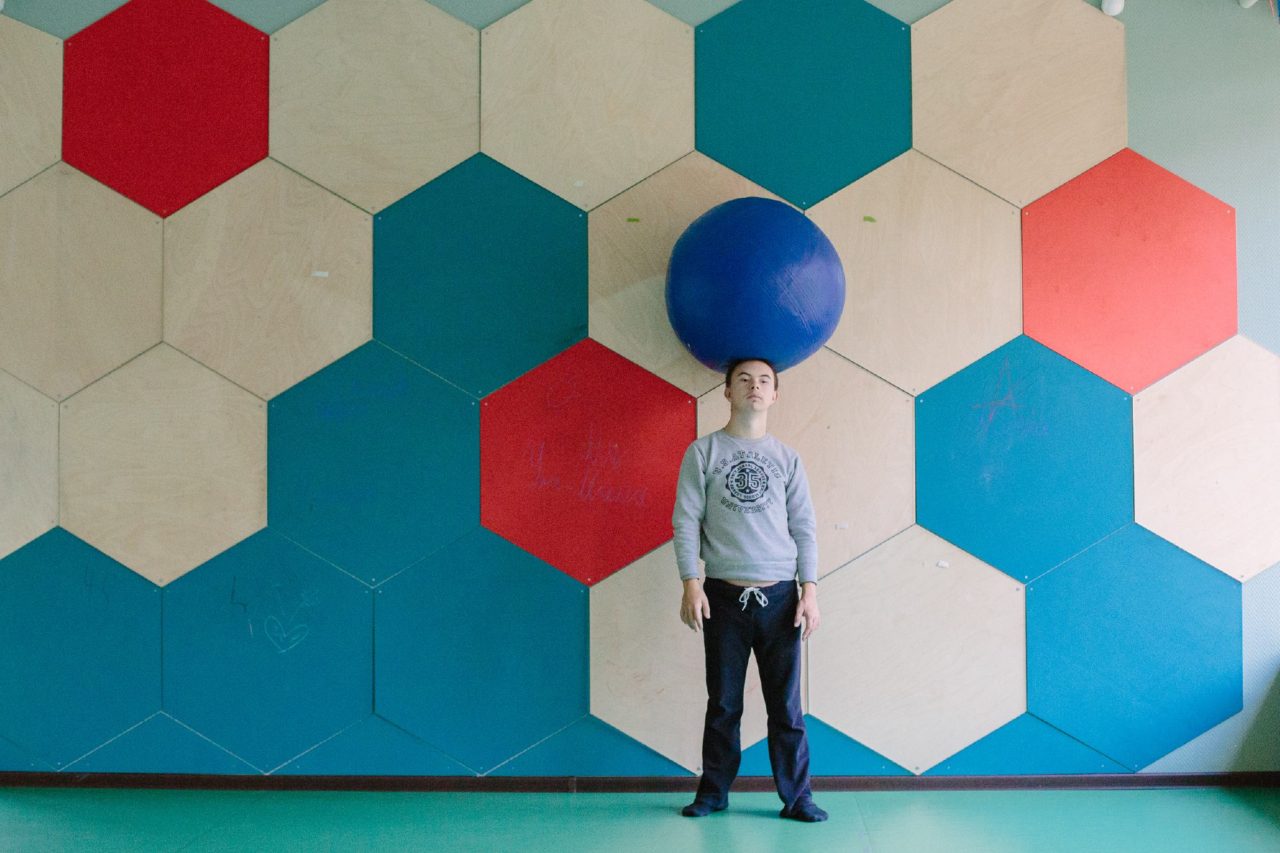 Theophanes in the creative center of the Uppsala-cycle photo: Ksenia Ivanova for TD
Feofan got to the Uppsala-Circus when he was 10 years old, quite by accident. God's fishing - says the mother, who called the son in honor of the patron saint, so that he helps the weak baby to survive.
At first, the circus did not have their premises, and the classes took place on the basis of one of the correctional schools in the physical education hall. Future "lums" showed an unprecedented interest in what children do in circus training. They pulled up flocks, first stood on the sidelines, then tried to repeat, dragged balls, rides and getting closer to the main group, realizing that no one was chasing. So, imperceptibly, the first group of children with Down syndrome has developed by the UPSala-cycle. It was decided to teach them circus art.
There lived a brave pakitan
Feofan is now 16. He and thirty “lums” are engaged in circus art three times a week for an hour and a half in a separate house, similar to Peter’s house in the summer garden - an uncharacteristic small building on the park of the park, among huge office high -rise buildings. This house, which once served as an anger, or rather, part of it, the circus leased, repaired and devoted it to unusual children. The house was called the "Creative Center" Pakitan ". Well, that is, captain. So one of the "Lamurchiki" called his role in the play.
In Pakitan, children learn not only tricks - stand on a balancing ball, somersault, jump on ropes and trampolines, but also plunge into game trainings, interactions with objects and art classes. Taking Theophanes to a balancing ball was not easy. He is very careful and afraid of heights.
The basis of pedagogy for "Lamorschiki" is that they cannot be motivated by nothing but pleasureThe main difference between pedagogy for “piles” is that they cannot be motivated by nothing but pleasure. A “ordinary” child can explain that “you need to make 15 repetitions, then it will be good to turn out”, but for a child with Down syndrome, you need to use another tactic. These children live in the moment, and the circus teachers are always inventing in the classroom such a world that everything around is ringing, dancing and laughing. Then the children turn into heroes, and their bodies forget about the reduced tone of muscles, about fears, about another world in which everything is not so rubilate and laughs, and they do something that they are not supposed to do due to the restrictions on health.
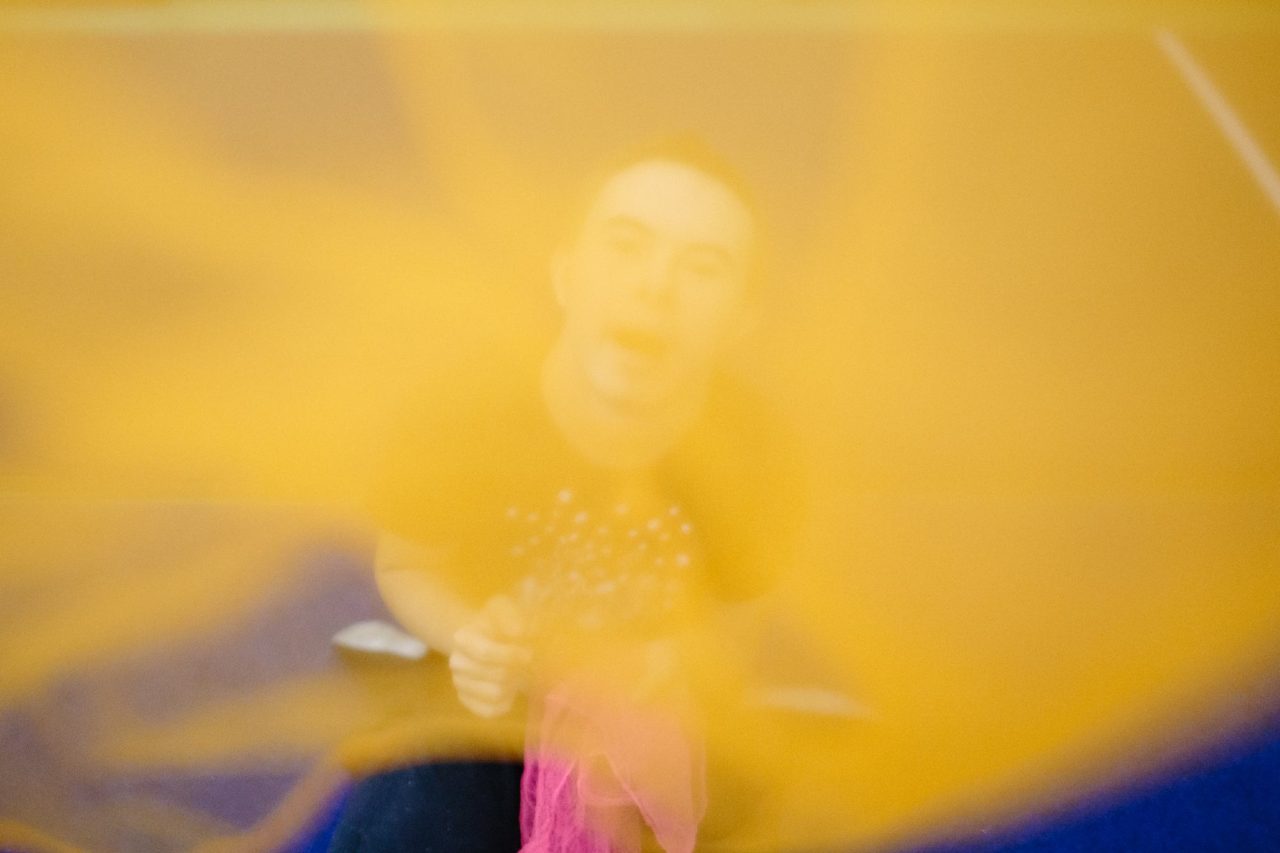 Feofan plays with scarves photo: Ksenia Ivanova for TD
In Feofan, the whole team sees a great artist. Larisa (Director of the Circus) even says that he is the first child-artist by calling, with a capital letter, for all 17 years of the circus. If the teacher asks to “jump”, then he certainly jumps in the image, if the task is “to say hello”-then he greets everyone in different ways-bowing his hand, shaking his hand, tickling behind the little finger, or hugging. And it is not clear that it is more important that he, as a result of classes in the circus, leaned several times according to the physical indicators of his peers with Down syndrome, who did not particularly cleverly control the body even in the household space (and Theophanes learned to dance a break!)-or that he was revealed creatively, but so that he was no longer a joke, but is seriously called the director.
At rehearsals, he shows more and more interest in theatrical equipment, knows how smoke guns and spotlights work. Along with the technician, he twists the wires correctly and changes light filters. “Larisa, the music was included incorrectly here,” he remarks when no one can remember, and at what moment the beginning of a musical phrase had to. Feofan remembers.
What he was talking about with airplanes
On a free day, Theophanes retires, preparing for the evening performance for colleagues. Collects props. He builds a scene out of the boxes, sets light from table lamps and thinks through its variations in advance: you can cover the table lamp with a rag, and it is better to find a few to turn on and off, creating a game of light and the theater of shadows. The actors can even be pieces of polyethylene - it revives everything that falls into their hands - and now, two bags do acrobatics, fly and bow like living artists. It conducts this tiny space - it seems that there are no restrictions for him and possibly everything.
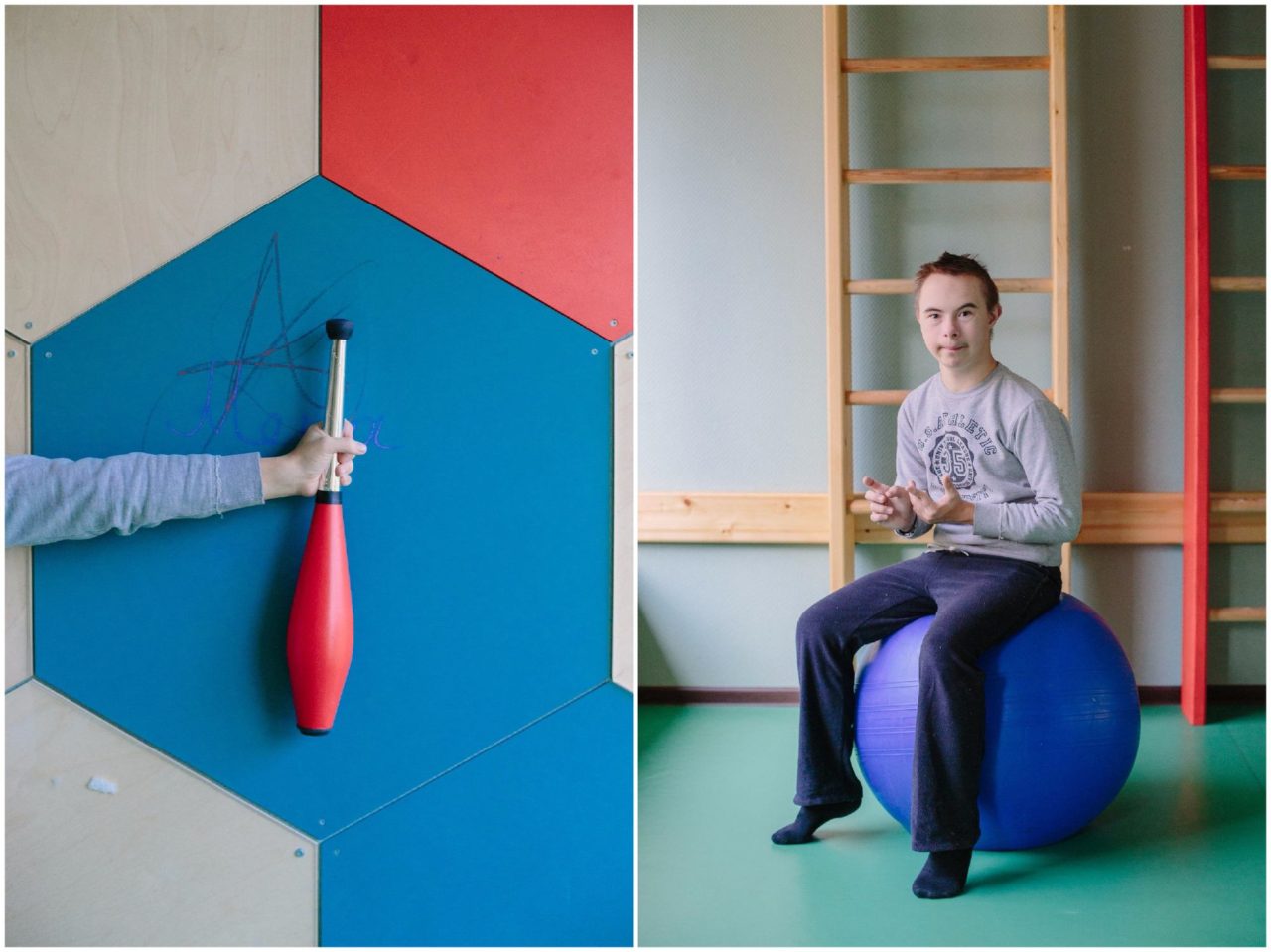 Left: Theophanes holds the mace
Right: Theophanes in the creative center of the Uppsala-cycle photo: Ksenia Ivanova for TD
Theophanes, like other children, the more time spends in the circus, the more he talks and more willingly. In this regard, there are statistics not in favor of Russia - in our country, the speech of people with Down syndrome is extremely limited, or is completely absent, while in many countries people with this diagnosis live ordinary lives - they communicate, go to a cafe, drink wine, talk for life, work, get married and travel. Society builds with them a dialogue to which these people are more than capable of.
The circus has long understood: Feofan, in order to get a dialogue, needs an atmosphere. This year, on tour in Cologne, the team lived in the house next to the road. Every evening Feofan went to the road, looked at the sky and talked with airplanes. And everyone understood that this was something important.
Once, sitting with Larisa Tet-a-tet after a rehearsal, Feofan told how one day he and his mother went along the highway in the car, and the plane made an emergency landing, flying right above their head. The next time, when Theophanes went to the road with Larisa and his friends, they realized that he was persuading the planes: “Fly away! Be careful! Here we are! "
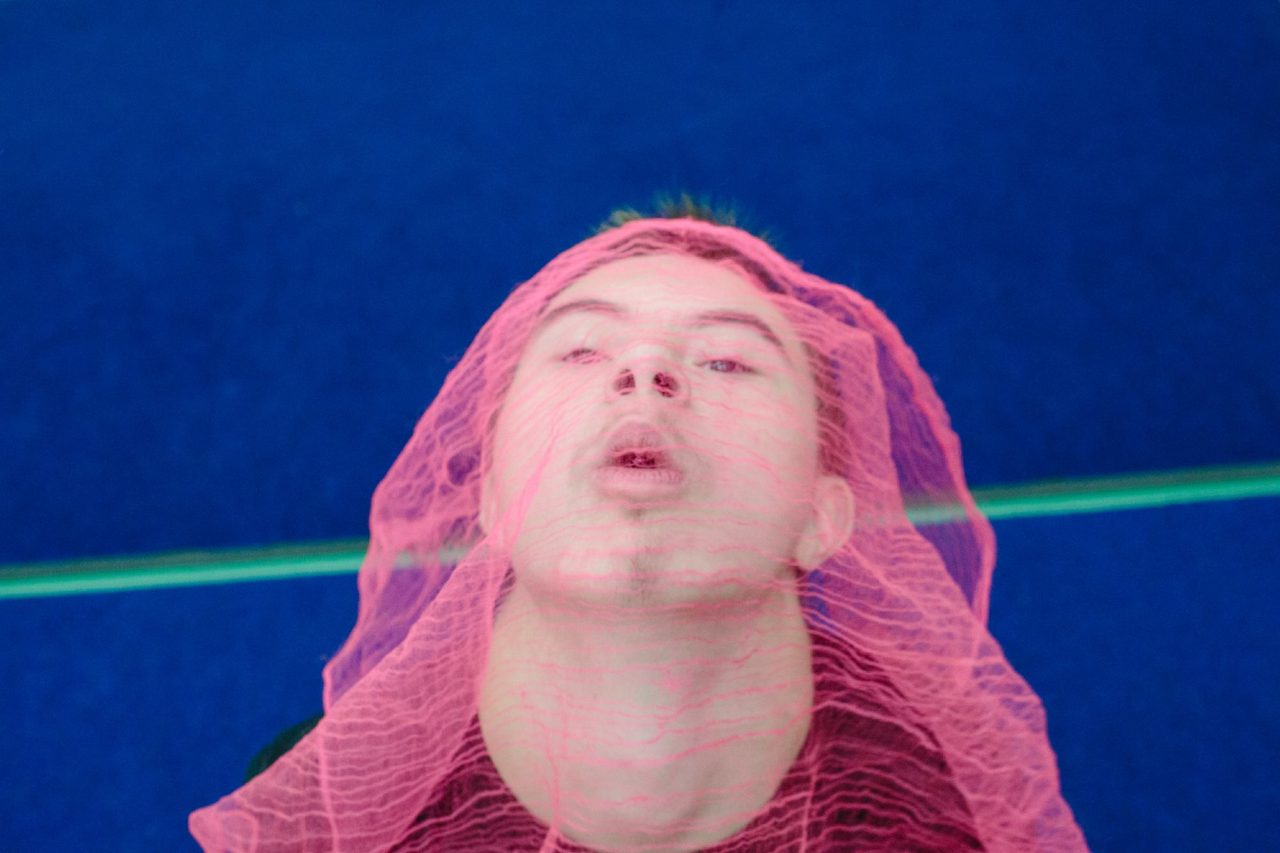 Feofan plays with scarves photo: Ksenia Ivanova for TD
So Theophanes protects the world where it is understood. He does not know that in two years he and his comrades graduation, and then it is incomprehensible. The release of "Lamurchiki" in the history of the UPSALARA was not yet. Everyone is already very worried about what to do and how to prepare “praud” for another life, how to let go. It would be great if another “pakitan” had been built on the lawn of the Uppsala-park, for adult artists. Or in order for the opportunity to rent part of the small Pakitan for actors with special needs. This will become possible if we will help the Uppsala-Circus right now, having designed even a small, but monthly donation.
Indeed, in the small one, a huge, unlimited, immense is often hidden - a big soul or great love.