
Translated material
The memory of the dead
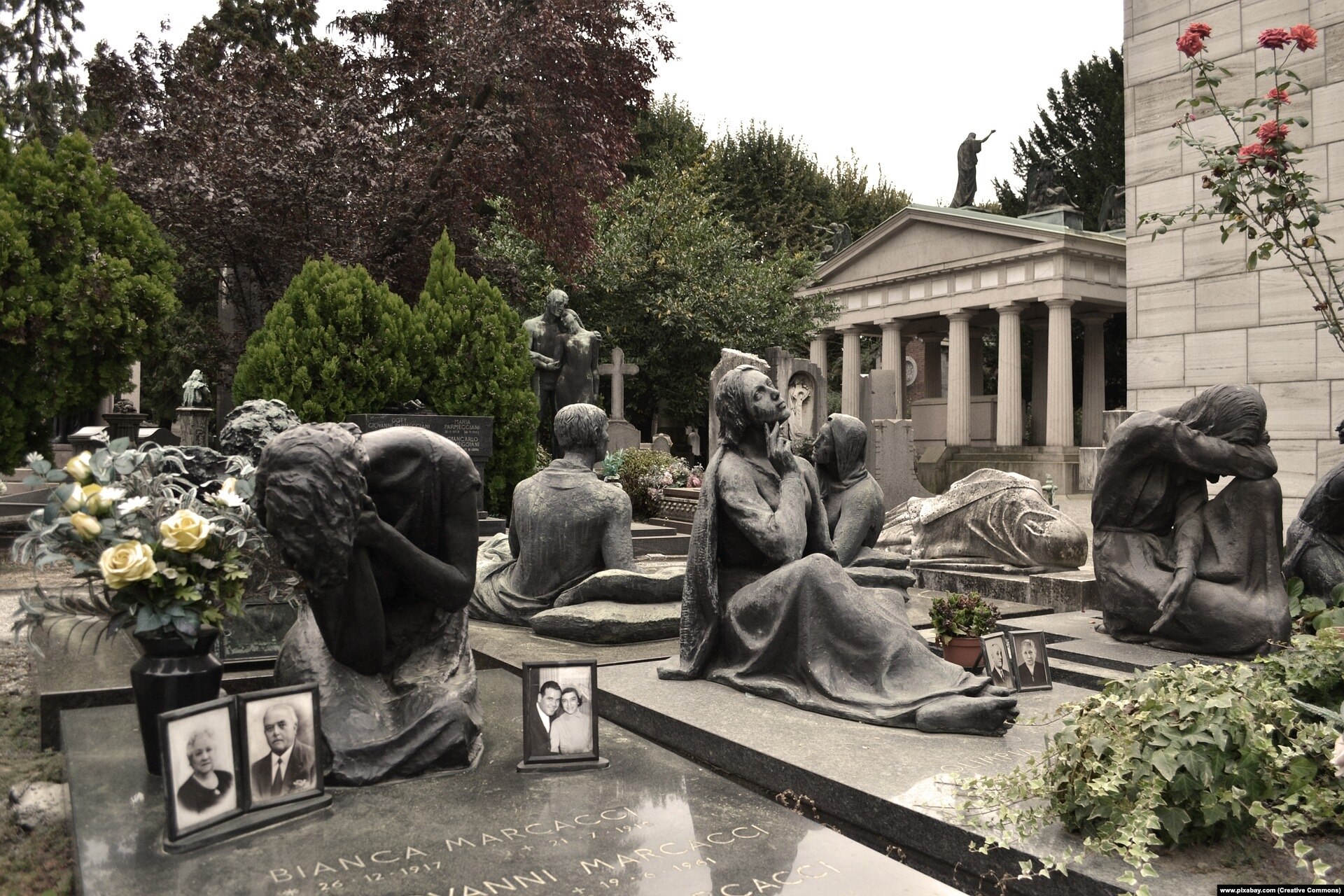
The creators of the play "Long Way" Erwin Gaaz, Alexander Gnezdilov and Vladimir Erokhin on the air
Yakov Krotov: This release of the program is devoted to the attitude to the deceased, to the memory of them. And probably two direct reasons for the program. One is that in Russia, a tradition has not been established for a long time if Halloween did not celebrate, then at least remember it. This is November 1, an old pagan festival of commemoration of the deceased, setting them up, so as not to harm them. And somewhere in the early Middle Ages they joined him, the Christian holiday was planted in memory of all saints. And already in recently, a custom appeared in Russia - at the end of October, next to November 1, to commemorate those who died from repressions. Near the Solovetsky stone, on the Lubyanka, opposite the GPU, they read the list of executed, among which many employees of the GPU, the Cheka, the NKVD, the MGB and the KGB.
In the Museum of the History of the Gulag is the play "Long Way"
Now in the Museum of the History of the Gulag there is the performance "Long Way". Today, our director Erwin Gaaz and one of the actors playing in this performance, Alexander Gnezdilov ; On Skype, one of the creators of the performance, composer Vladimir Erokhin , also takes part in the program.
The peculiarity of the performance is that it is not dedicated to some literary characters, but directly to the ancestors of Erwin Petherovich. As far as I understand, your surname Haaz is directly related to St. Dr. Fedor Haaz ?
Erwin Gaaz: There is no direct kinship, because the holy doctor had no children, he was not married, and this is the line of his brother, who remained in Germany. Gradually, she moved from Germany to Bohemia, and there, on a small European Piglet, where all nationality was crossed: Germans, Austrians, Czechs, Jews - the Haaz clan continued to live until the middle of the twentieth century. When the Nazis came to power, there was Anschlus, a protectorate of Bohemia-Moravia arose, and all the ancestors were either forced to escape from Germany or suffered, fell into concentration camps.
Yakov Krotov: Let's start with a small video interview with another participant in the performance - this is Wilhelm Haaz , the son of Erwin Petherovich. He is 12 years old. What does a person think on the threshold of adulthood about his ancestors, about why remember them?
Wilhelm Haaz: posthumously! Death, execution after torture, torment. Not a grave, nothing. How scary to him was these months! And, above all, from the realization that he brought his family, wife and little son here, to this hell, fleeing from another hell, believing in a beautiful lie about equality, brotherhood, internationalism!
We show and worry how we shot my great -grandfather Erwin Albertovich
We show and worry about how we shot my great -grandfather Erwin Albertovich. A reason-they said that allegedly he has something to do with the "oats" , to all these Jewish organizations, to the uprising. And he was simply shot for nothing.
It is quite easy to understand, because it is all in the originally in you, and when they tell you, you do not perceive it as new information, you simply pull out information that is hidden somewhere in you, pushes it out. Feeling this, you understand that this should not be repeated, and you try to convey to the audience: no need, do not do it again! Such a feeling.
I don’t know if it can be called fear. Here, for example, there was an example that I have to throw the things of my ancestors in order not to remember this, forget, go further so as not to bring anything to myself. I believe that if the people from whom these things were not to blame were victims, then there will be nothing bad with you, but only good.
Yakov Krotov: Vladimir Petrovich wrote music for the performance, but he is still familiar to our listeners as an Orthodox writer, publisher, spiritual son of his father Alexander Me .
At one time, when this custom appeared - to celebrate the day of memory of the victims of repression - it was not church, it remains such - partly, because the dead of different religions, and maybe also because the churches are not very common to look into the past. In any case, Christianity is still about the resurrection, and it looks forward.
It is not very common to look into the past
And there are two poles, one - that the perestroika was called according to Aitmatov’s famous novel - “Mankurt” : a person who is generally devoid of historical memory, he seems to be born every day from scratch. But the second pole is possible, and he is well familiar to everyone who goes to the ordinary official church, where the endless panachid, the repetition of the names of the dead, and it seems to be nothing about life, they rarely remember Christ, but behind the rest, for the rest, for the rest ... in your opinion, where there should be a Christian between these two poles - complete unconsciousness and fixation in the past, especially in the past, experienced in the past?
Man is the image and likeness of God, and his spirit does not die
Vladimir Erokhin: The fact that a person is remembered during life is understandable: this is love, and we are all united. The fact that he is not forgotten after death is also love. The whole man does not die, he is the image and likeness of God, and his spirit does not die. And we make a prayer for the dead, most likely not to make them better. We do not know what is happening with a person when he leaves our land, but it is important what is happening to us. If we remember both living and the dead, then we live correctly. And we do not forget that we are all the children of God, and God the Father is our first ancestor, according to legend, he created Adam and Eve. The Russian philosopher Nikolai Fedorov said that each person should remember his father and resurrect him, in any case, in his memory, and we sing: “Eternal memory ...” This means that God does not forget anyone that everyone is alive, and we remember everyone who is dear to us.
Yakov Krotov: Alexander Valentinovich, I will not reveal the secret if I say that you are a person close to Buddhism?
Alexander Gnezdilov: No.
Yakov Krotov: For you, all these Christian conversations about the commemoration of the deceased mean something to you? Or from the point of view of faith, for which there is no God the Father and for which a person may not be so unique ... Nevertheless, here you play in this performance-do you feel a roll call with the Christian tradition and some meaning of all this for yourself?
Alexander Gnezdilov: To some extent I feel. In this performance there is a ceremonial element of commemoration, which is related to what exists in many religions of the world. And if we talk about my personal to this attitude, then I, both as a person and as a Buddhist, also think that the history of the past answers the question of how to live here today. This is a question about our soul, about ourselves, about the path that we choose, about the Tao, according to which we go in one way or another, about the ability to achieve enlightenment. When Erwin invited me to participate in the play, I had the first very strong temptation - to refuse. And I began to look around in search of doors for the exit, but there were two things. Firstly, Erwin participated in my play "The Enemy of the People", he saved him, thanks to this he took place, and I am very grateful to him.
And when it became clear what the performance was dedicated ... I also repressed my ancestors, great -grandfather, who, fortunately, survived in the camps. He sat in the camp before the war, then fought in the penal battalion, lost his hand, returned home, and he was again taken away from the pregnant wife, and he returned only in the mid-50s, ten years later, saw his ten-year-old son, my cousin. He died in 1992, I remember him. And this is not the only relative repressed in my family, was still my great -grandmother's stepfather, was my great -grandfather on another line. And it was very important for me to participate in this.
The history of the past answers the question of how we live here today
When we had already begun to rehearse, at first I had such an idea that it is very difficult to break out of a certain stereotype of performances and films about the Gulag and the Holocaust, purely tragic, as if black and white, full of exclusively sorrow. And then it became clear that there was a lot of life.
Yakov Krotov: Have you seen a video where a 90-year-old Jew dancing on the threshold of Auschwitz, Zasenhausen with his granddaughters? He went around the Internet (there are several million views) and caused a violent negative reaction among many Jews, but not in Israel, but rather in Germany: they believed that this was still mockery. He himself was a prisoner of Auschwitz, survived, and for him it was such a way to identify his victory.
Alexander Gnezdilov: Yes, this is the story of the victory of life over death. And the heroes, the real living people, which are described in the play, did not fold their hands in any situation, tried to survive. And even in a concentration camp, they tried to find the crumbs of life, joy, freedom, to cope with difficulties and actively defeat evil, and not only active opposition, but also a sense of humor, a sense of partnership - these things are very important.
Each time, coming to the performance, I sincerely want to say thanks to all my colleagues for meeting again, I miss them. The team, which Erwin was completely consciously created, with special criteria for choosing participants, not only creative, but also human, is a very important story, similar to the feeling of partnership that people experienced then, facing the catastrophe in Nazi Germany or in the Stalinist Soviet Union.
Yakov Krotov: Erwin Petovich, these are your personal ancestors, but you grew up without this memory, did she come to the possyfactum?
Erwin Gaaz: More precisely, I had a kind of emptiness in this place all the time, a non -healing wound, like my father. All his life he was looking for at least some traces of relatives. In 1949, the pope was called to the Gray House in Ivanovo and said that a letter came with a request from Egypt from one of his father’s brothers, who managed to emigrate there.
Yakov Krotov: How did you end up in Russia?
Erwin Gaaz: My grandfather, Erwin Albertovich, was a neurosurgeon and a psychiatrist, working in a clinic in Arncdorf before fleeing from Germany. He was forced to flee-either in connection with his own Aryan origin, or because of the Jewish wife. He first fled to Paris, and then, at the personal invitation of Nikolai Burdenko, the main surgeon of the Red Army, arrived in the USSR, where he defended his dissertation for the second time, already in Russian. At first he worked in a very large clinic near Voronezh, and then at the department of the Ivanovo Medical Institute.
At the end of 1937, he was arrested on false denunciation and shot at the beginning of 1938. At that time, there was just a terrible mill in Ivanovo, this was led by a certain Radzivilov , a terrible man whom even the enkavedeshniki himself considered the beast. Then, one by one, the processes went, and grandfather “pricked” for belonging to Jewish organizations.
Yakov Krotov: I read about Friedrich Petrovich Gaaz, but nowhere I met that he was a Jew.
Erwin Gaaz: And he was not a Jew.
Yakov Krotov: So they married Jews?
Everything was destroyed, all traces were crossed out, and therefore I had a desire to find all my life all my life
Erwin Gaaz: In Bohemia, especially later, under the first president of the Czech Republic, Masarika was peace, all nations flourished. And in medical families, belonging to a caste of doctors, and not to a certain nationality or religion, was important. One of the characters in our performance, Wernan Neifles, my grandmother’s brother, a gardener, a Jew who survived the concentration camp Terezienstadt, says: "We never had a Hanukal Slimber at home, I went either to Catholic or Protestant lessons." Then in Europe it was like that.
Yakov Krotov: So, 1949 ...
Erwin Gaaz: Yes, their father is called to the Gray House, they talk about this request from Egypt and strongly recommend not to answer this. Then it was impossible to answer, the letter still would not have reached. And it is known what threatened these organs in those years. The father was 19 years old. He did not answer then, and the strings were interrupted. Then, already from Germany, at the time of the unification of Germany, he tried to find relatives, but the German bureaucratic machine worked no better than the Soviet and post -Soviet. Until the end of his life, he tried to find relatives, but never found.
All my life I knew about my grandfather repressed by my grandfather and grandmother, my grandmother was also exiled for ten years and died in exile in South Kazakhstan from rash typhoid. I knew only photographs from the investigative case: Babushkin - Anfas and profile, but even this was not left from my grandfather. Everything was destroyed, all traces were crossed out. And so I had a desire to find all my life.
Suddenly, the Germans became interested in the history of my ancestors, helped to find documents, the wonderful Judit Merkushev found documents in Wroclaw, and then my relatives, now still living in Israel. Only this morning I received a letter from a very elderly Mr. Fendays, who was the commercial director of this clinic in Arnsdorf, he writes: “I am already very bad, I can’t get out of hospitals, but I have to finish two things - make a memorable board on the clinic building that Erwin Gaaz worked there and release a brochure about it. If I do it, I can calmly die.
Yakov Krotov: That is, Gaaza is now in Israel?
Erwin Gaaz: No, these are nophies, grandmother's relatives.
Yakov Krotov: Vladimir Petrovich, do you know your ancestors well?
Vladimir Erokhin: I remember one of his grandfather, the father of my mother, I remember well: this was the artisan person Stepan Dmitrievich Rozhkov, a failed party. In the 20-30s, he was the director of the plant, and then for some reason lost this position. He was at the front, was wounded, his hand was roughly sewn by the field field paramedic. He could pour a mirror, cause a watch, make anything with his own hands, from metal, made of wood.
Many of my ancestors died under sabers, bombs and bullets of Kotovsky and Tukhachevsky, who created the court and reprisal
My father is Pyotr Andreevich Erokhin, party worker, front -line soldier, Stalings, disabled war. For many years he lived with two fragments of a German mine in his head. As a lieutenant, he commanded the penal battalion, which went to Stalingrad. Of course, I will never forget him, like my mother, Lilia Stepanovna Erokhina, in the girlishness of Rozhkova.
My father’s father, Andrei Alekseevich Erokhin, was a stoker in Kotovsk - this is the village at the powder factory in the Tambov region. The city is so named, because in those places Grigory Ivanovich Kotovsky, who was before the revolution, fought in those places.
Not much is known about my ancestors. Most likely, many of them died under sabers, bombs and bullets of Kotovsky and Tukhachevsky, who created the court and reprisal. By the way, among those who created the court and the reprisal of the Reds were the future writer Arkady Gaidar, who then suffered from depression all his life, did not crawl out of the sailor’s silence (it is understandable), and Marshal Zhukov, who, apparently, had better with his conscience. In general, I do not know anyone further than my grandfathers.
Yakov Krotov: I well remember your novel, where you described your arrival at the church, to the father of Alexander the menu, my first, I would say, anti -Soviet steps. And in this autobiography of the 70s, the motive that I met with other authors was very strong - a rebellion against parents, against the environment.
You see, you remember your grandfathers, and they were silent about your own. And the coming to faith was often perceived as a betrayal of tradition, Soviet power, as some kind of immature teenage act. The environment in this sense was not very favorable. Have you changed your attitude towards your ancestors?
Vladimir Erokhin: I have never had a definite attitude to the ancestors, but several years ago I still became interested in my origin. My ancestors on the part of my father, Mandrykin are, apparently, the Finns, they were the real owners of this land, the natives of our homeland, and all the lakes and rivers we have Finnish names.
So, from the side of the father is the village of Sosnovka, and nothing is known there. From the side of my mother - the village of Donskoye, there were socks there, and I remember the sisters of my grandmother and brother, who was a cavalryman. There was a legend: my great-grandmother mother lived in the Barin’s house, was a keychain, and in family traditions some mysterious hints were made that she was the daughter of a master. I checked what the Barin lived near the village of Donskoy, and there are about ten miles of Tulinovka, the Benkendorf estate. Alexander Konstantinovich Benkendorf just lived shortly before his mother’s birth, went to Tulinovka, studied abroad and came with his other Englishman. Perhaps there was a certain novel, and then, when the young master left to study again, the fortress girl rushed at the lady's feet: here, pregnant, - well, the mother was born, who became a favorite in the house of the master.
I'm not very interested in any of my ancestors
And Alexander Konstantinovich Benkendorf, which, incidentally, is surprisingly similar to, was the Russian Ambassador to the UK in the twentieth century, during the First World War, he established allied relations there, and he died on time - in 1916. And his older brother Konstantin Konstantinovich, the chamberlain of the imperial court, was torn to pieces by peasants in his estate in Westland in 1919.
But I am not very interested in any of my ancestors. I had a logic teacher - Georgy Petrovich Shchedrovitsky , and he sometimes said: "What am the ancestors to me? I am my own ancestor."
Yakov Krotov: Alexander Valentinovich, I understand correctly that from the point of view of the human word "God" is too sharp in meaning what we are dealing with when we turn to eternity ... Well, as the average Moscow intellectual represents Buddhism: reincarnation, reincarnation, and then nirvana, you go nowhere, in each - Buddha, and it is important to reveal it somehow. И предки – это все очень призрачно, и тогда что вспоминать, и нет разницы – репрессирован или не репрессирован, надо быть выше этого.
Александр Гнездилов: Будда говорил: поскольку мы не знаем, есть ли что-то после смерти, есть ли высшие силы и так далее, то задаваться вопросом об этом бессмысленно. И важно задать себе вопрос: как правильно прожить ту жизнью, которую ты ощущаешь как реальную, пусть даже это и иллюзия.
Мне очень повезло, что с раннего детства мама иногда рассказывала мне вместо сказки на ночь историю моей семьи. Я засыпал, слушая про прадедов, прапрадедов… И вот сейчас я слушал Владимира Петровича и находил какие-то пересечения. Большое количество оборванных, стертых историй… Моя прабабушка, мама моего деда с маминой стороны – дочь крестьянки, она родилась вне брака, брак был заключен после с человеком, который не был ее отцом. Кто ее отец – неизвестно, но почему-то дочь крестьянки отправили в Петербург учиться в пансионе, и к ней туда приезжал барин.
Яков Кротов: Да есть ли в этой стране хоть один полностью простонародный человек? (laugh)
Александр Гнездилов: При этом фамилия барина неизвестна. Прабабушка умерла в 1986 году, и в советское время ничего подобного в подробностях, с фамилиями, естественно, моей маме не рассказывала. Самый дальний предок, о котором мне известно, это прадед моей прабабушки. Его звали Илья, и он до 80 с лишним лет мог остановить коня на скаку, был очень сильным человеком. В первую русскую революцию он защищал господскую усадьбу от сожжения своими товарищами, односельчанами. Мы знаем об этом очень мало, история уничтожается.
Где в Москве больше новостроек, там народ больше голосует за власть, а чем более старые районы, тем больше голосуют за оппозицию
К той же прабабушке в середине 30-х годов, после убийства Кирова пришел ее муж, отец моего деда, Павел Метляев, и сказал, что он исчезает, чтобы не подвергать опасности ее и маленького сына, и исчез. Куда он уехал, почему опасался ареста после убийства Кирова, – это так и осталось неизвестным.
Через специальный сайт, созданный Министерством обороны, я решил посмотреть данные о боевых наградах своего деда с отцовской стороны. Я нашел его наградной лист, и там написано, что Гнездилов Василий Степанович, 1919 года рождения, в бою потерял руку, как и мой прадед с материнской стороны, только другую, он потерял левую, а прадед - правую, получил такие-то боевые награды, но вдруг: национальность – украинец. Когда я сказал об этом отцу, он страшно удивился: "Нет, это, наверное, другой человек!" У нас в семье об этом никогда не знали, и когда из Одессы семья перебралась в Москву, по документам все уже были русские.
Вот эти вещи очень важны. Даже когда мы смотрим карту голосования в Москве… Недавно были муниципальные выборы, я изучал результаты голосования в своем родном Таганском районе и видел очень странные пропорции: где больше голосуют за власть, где - за оппозицию. Где больше новостроек, там народ больше голосует за власть, а чем более старые районы, тем больше голосуют за оппозицию, за тех, кто поднимает вопросы экологии, сохранения исторического наследия, природной среды. Знание прошлого и непосредственная связь с прошлым определяет наше настоящее и будущее.
Яков Кротов: А может быть, это связано с тем, что в старых районах жилье побогаче, люди образованнее, и у них такое отношение к прошлому? Они лучше понимают, что меч - обоюдоострый, а голытьба, которая хлынула в Москву буквально как беженцы… Профессор Шанин сравнивал Москву в этом смысле с пылесосом, который высасывает из России несчастных людей, но они цепляются за власть, как за единственное средство. В этом смысле культ Сталин как отца, культ Путина как отца, восходящие, конечно, к главному культу Ленина, - это все тоже попытка обрести себе в этом мире надежного предка.
Александр Гнездилов: И это естественный процесс. Всегда понемножечку стирается память, сегодня уже трудно найти людей, которые скажут, что их предки были репрессированы Иваном Грозным, и понемногу злодеи прошлого становятся просто историческими персонажами. Мы в массовом сознании не помним поименно жертв Варфоломеевской ночи , но помним Екатерину Медичи , герцога Гиза … Именно поэтому все исторические ошибки: войны, преступления, репрессии, – и повторяются раз за разом.
Вот сейчас, в середине ХХ века, столкнувшись с чудовищными преступлениями доселе невиданного масштаба, человечество впервые, например, в Западной Европе осуществляет (и отчасти - мы, с помощью этой акции поминовения усопших "Возвращение имен") эксперимент по выучиванию уроков. И по мере того, как уходят люди, помнящие прежнее, в результате мы видим, что опять возникает угроза большой войны в Европе.
Культ Сталин как отца, культ Путина как отца, восходящие к главному культу Ленина, - это попытка обрести себе в этом мире надежного предка
Яков Кротов: Акция у Соловецкого камня (и я сам туда хожу, когда здоров) у меня вызывает сопротивление, потому что я всегда вспоминаю Ивана Грозного, у которого был так называемый "синодик опальных". Иван Грозный периодически испытывал глубокое чувство покаяния, и тогда он начинал рассылать по монастырям списки репрессированных и какие-то денежки, чтобы монахам было не обидно тратить время на чтение этих перечней. Эти перечни надо видеть: обычно вверху идут имена бояр, боярских детей, то есть будущих дворян - два-три десятка имен, а затем – еще три тысячи человек (ну, кто там считает холопов)… Псков – и еще пять тысяч человек. Это жутко! И тогда встает вопрос: он поминал, зачем ему это понадобилось?
Почему власть с 1989 года допустила поминовение и пока еще эта традиция продолжается? Видимо, в каком-то смысле это на руку несвободе, ведь это акция поминовения, но, получается, и акция устрашения: вспомни, ты - прах, побойся власти…
Эрвин Гааз: Для меня это необходимость. Я - всего лишь мост между прошлым и будущим моих детей, я должен понять, что творилось с моими предками, чтобы передать детям знания о них. Вот что нужно мне, что я делаю и этим спектаклем, и приходя к Соловецкому камню. Можно говорить о том, что важно для каждого отдельного человека, а не о том, чего хочет власть.
Яков Кротов: Но ведь Евангелие дает нам образ Спасителя, который начинается с исполнения пророчеств, а в центре - зачатие от Духа Святого, родословная Спасителя, блудница Раав и другие малопочтенные особы. В конце концов, царь Давид, как и царь Соломон - не самые святые персонажи в мировой истории. И я думаю, что путь к Богу рано или поздно начинается со слов Спасителя: "Оставит человек отца своего и мать свою"… Родиться заново! Но тогда предки не нужны, и поминать их не надо, ведь так?
Христиане ведут своих ныне живущих близких и память о своих предках к Богу
Владимир Ерохин: Это потрясающе интересная вещь! Во Христе мы все - евреи. Действительно, во Христе нет ни эллина, ни иудея. Это новый народ, мы - народ Божий, мы - новый Израиль. И мы своими молитвами можем выпросить у Бога прощение нашим предкам, если они были грешниками (а все люди - грешники, конечно). И мы вместе с нашими прадедами входим в это воинство Христово как передовой отряд. И христиане ведут своих ныне живущих близких и память о своих предках к Богу.
Яков Кротов: В сегодняшней исторической науке и в новом атеизме очень часто подчеркивается, что жизнь – это конкуренция, борьба за память. Вот есть память, которую конструирует власть, а есть память, которую конструирует вам бабушка, и у человека в душе эти тектонические плиты. Где совершается переход от того, что я – часть народа, к тому, что я – личность, я один, я ухожу в никуда от всех своих предков? У каждого человека один отец, одна мать, два деда, две бабушки, а потом идет арифметическая прогрессия, то есть две тысячи лет назад на Земле жили несколько миллиардов наших предков, а реально было сто миллионов человек. И Иван Грозный каждому из нас приходится по паре раз предком, и Бенкендорф, может быть, тоже, как и Александр Невский, святая Иулиания Лазаревская , у которой было шестеро детей… Причудливо тасуется кровь.
Не является ли эта память о предках и постоянное возвращение к ней, скорее, показателем инфантилизма? Человек не вырос из фазы: бабушка рассказывает сказки, и я позиционирую себя в мире по этим ниточкам. А где ты сам-то, без предков?
Александр Гнездилов: В центре Москвы, на Никольской улице, есть расстрельный дом, там выносились смертные приговоры Военной коллегией Верховного суда. Там был вынесен приговор Мейерхольду, Бабелю, Тухачевскому и многим другим, и часть этих приговоров приводилась в исполнение тут же, в подвале. Сейчас в этом доме хотят открыть бутики, парфюмерные магазины, возможно, гостиницу, владельцы перепродают его друг другу. Но есть люди, которым важно, чтобы там был мемориал, чтобы это место, политое кровью, существовало как знак не только памяти о прошлом в голом виде, ведь память о прошлом без видения будущего бесплодна. Когда мы говорим о необходимости помнить это, мы имеем в виду, что с нами нынешними и с новыми поколениями в будущем никогда нельзя так поступать!
То, что мы называем человечностью, это и есть неестественное, ненормальное, не природное, не биологическое поведение
Когда ты идешь по улице в Германии, ты видишь крошечные бронзовые и медные таблички, вмонтированные в мостовую, и нужно приложить усилия, наклониться и прочитать то, что на них написано. А там написано, что в этих домах или в домах, которые тут были, поскольку их разбомбили в войну, жили евреи, которые были вывезены иногда целыми семьями, с маленькими детьми в концлагеря, и большая часть их там погибли. Это же знак того, что "никогда больше!", это действие, направленное на нас сегодняшних.
Если бы все поколения, все люди начинали каждый раз в нуля, были бы полностью отделены от прошлого, то мы и жили бы до сих пор охотой и собирательством, потому что время человеческое конечно, мы живем не так долго, да и в сутках 24 часа, и мы успевали бы пройти только очень короткий путь от первобытного животного к людям, которые могут при необходимости поступать вопреки инстинктам. Это биологический вид и одновременно - больше, чем биологический вид. Ведь как раз то, что мы называем человечностью, это и есть неестественное, ненормальное, не природное, не биологическое поведение. Это там, где мы себя превозмогаем, поступаем вопреки логике.
И вот это сохранение памяти исключительно важно в сегодняшней России. Власть, конечно, заинтересована в создании атмосферы страха, тем не менее, если бы она хотела использовать для этого память о репрессиях, она гораздо больше рассказывала бы об этом в школах, снимала бы больше фильмов, нам бы все это показывали по телевизору. Вместо этого делается нечто совершенно иное, потому что для страха власти достаточно тех социальных институтов, которые есть у нее сегодня. Страх очень быстро распространяется в силу новейших технологий, и не обязательно сегодня расстрелять миллион человек, можно посадить сто человек и рассказать об этом всей стране, и люди будут бояться, что с ними поступят так же.
Я должен понять, что творилось с моими предками, чтобы передать детям знания о них
Эрвин Гааз: Дело не в том, что мы помним о своих предках, а в нашей оценке их пути. Я недавно смотрел документальный фильм о Нюрнбергском процессе, и там вспоминает сын одного из повешенных, Ганса Франка, "польского мясника", страшного человека, который всю жизнь ненавидел своего отца. Он критически оценил его путь, как критически оценила путь своего отца дочка Гиммлера, ставшая гражданской Израиля. И я счастлив, что у меня есть предки, которыми можно гордиться, к памяти которых я могу приходить, а у них этого нет. Важно наше отношение предкам и наша оценка того пути, который они прошли, чтобы передать это детям, в частности, моему сыну, который работает в данном спектакле.
-
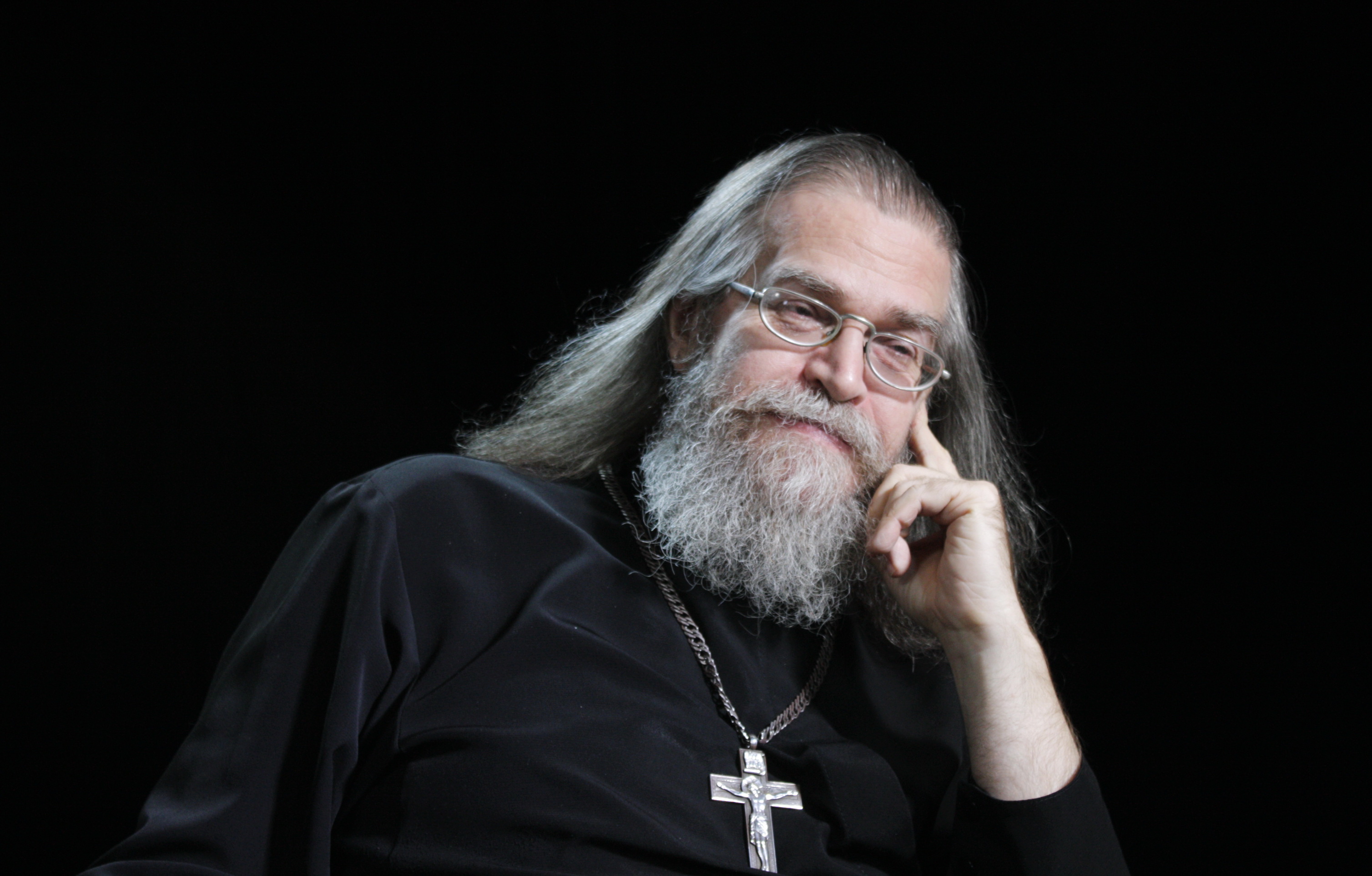

Yakov Krotov
Historian and priest, leading Radio Freedom Radio "Between Vera and Belief"
ykrotov@yahoo.com