
Translated material
The fallen angel of the Russian revolution
On the 100th anniversary of October, the series "Trotsky" is released on the television.
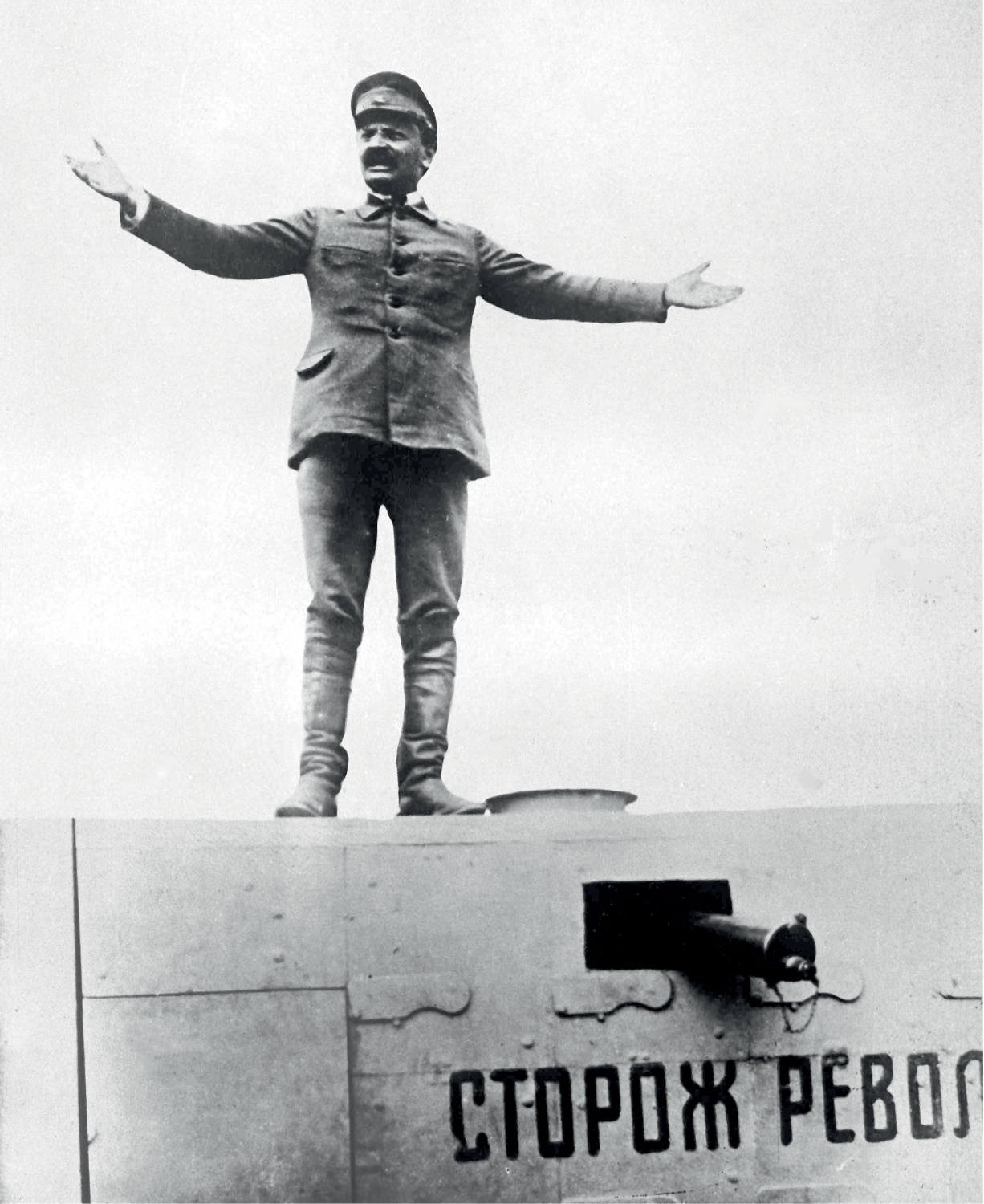
It makes a speech to the Red Army, February 24
1923. Photo: AP Photo
Lev Trotsky, which was symbolic, was born on the day of November 7, in 1879. And at exactly the age of 38, in 1917, he made a gift to himself, which became the top of his life and predetermined his death.
This name traditionally causes a storm of emotions. Passions around him always boiled - both during life and after death. He had more opponents than supporters. And the frantic charisma, combined with a demonic appearance for a long time, secured the role of him, perhaps, the most odious figure of the Russian revolution. Moreover, both among opponents of this revolution and among the Communists.
A difficult teenager
The future head of the Revolutionary Military Council and the creator of the IV International was born and grew up in quite bourgeois and, as it was customary to say, an emancipated environment. His father David Leontyevich Bronstein, who owned his own land near the village of Yanovka, Kherson province, was an obvious illustration that Lenin in his works called the American way of developing capitalism in the village. The free owner, engaged in the agricultural business on his land, is in Russia of the 80s of the century before last, as, indeed, now, this is rather an exception than a rule. The rest of the country lived in an old manner-with the king-priest in the head, the peasant community, the line of sedimentary and the officer, behind all this overturned. A clash with reality at the offspring should sooner or later should have happened, but while Lev was sent to the freedom -loving Odessa, where he studied at the Christian School of St. Paul.
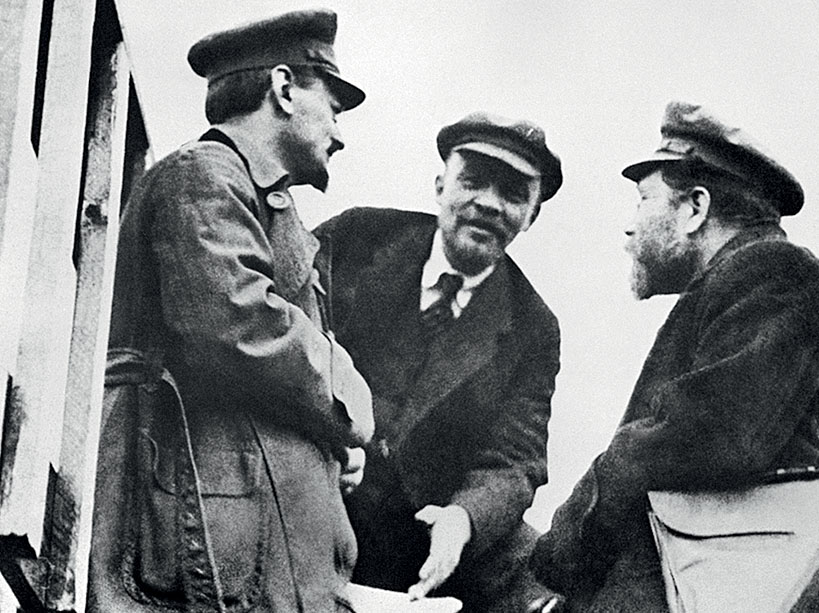
Photo: ITAR-TASS
He grew up in the house of a maternal relative Moses Filippovich Shpenzer, who owned his own scientific publishing house Mateesis. By the way, the environment of upbringing Trotsky was so secular and assimilated that from a young age he had not learned the Yiddish, not to mention the biblical Hebrew. Even in his children's photographs, a proud free -loving look is read. In pedagogy, such children are called non-standard, from them they are always expected to be more than from others. It would seem that the future of the son of the colonist Bronstein is determined: after the school - the university and a successful career. Non -standard thinking combined with will to achieve the result could bring considerable successes in science or commerce. But Leo was attracted by politics: at 18, he became one of the founders of the South Russian Workers' Union. In autocratic Russia, this was considered criminal. Actually, the then Russian society had no spaces for the legal civilized opposition: neither parliament, no elections, no free press, nor allowed parties. Anyone who showed increased interest in politics at best fell under suspicion. And from unreliable, it was not far to the "political". It is not surprising that a year later, the 19-year-old Leo was arrested. And soon, in fact, he became Trotsky: having fled from the Siberian exile in 1902, he took this pseudonym, borrowing the surname of the Odessa prison overseer.
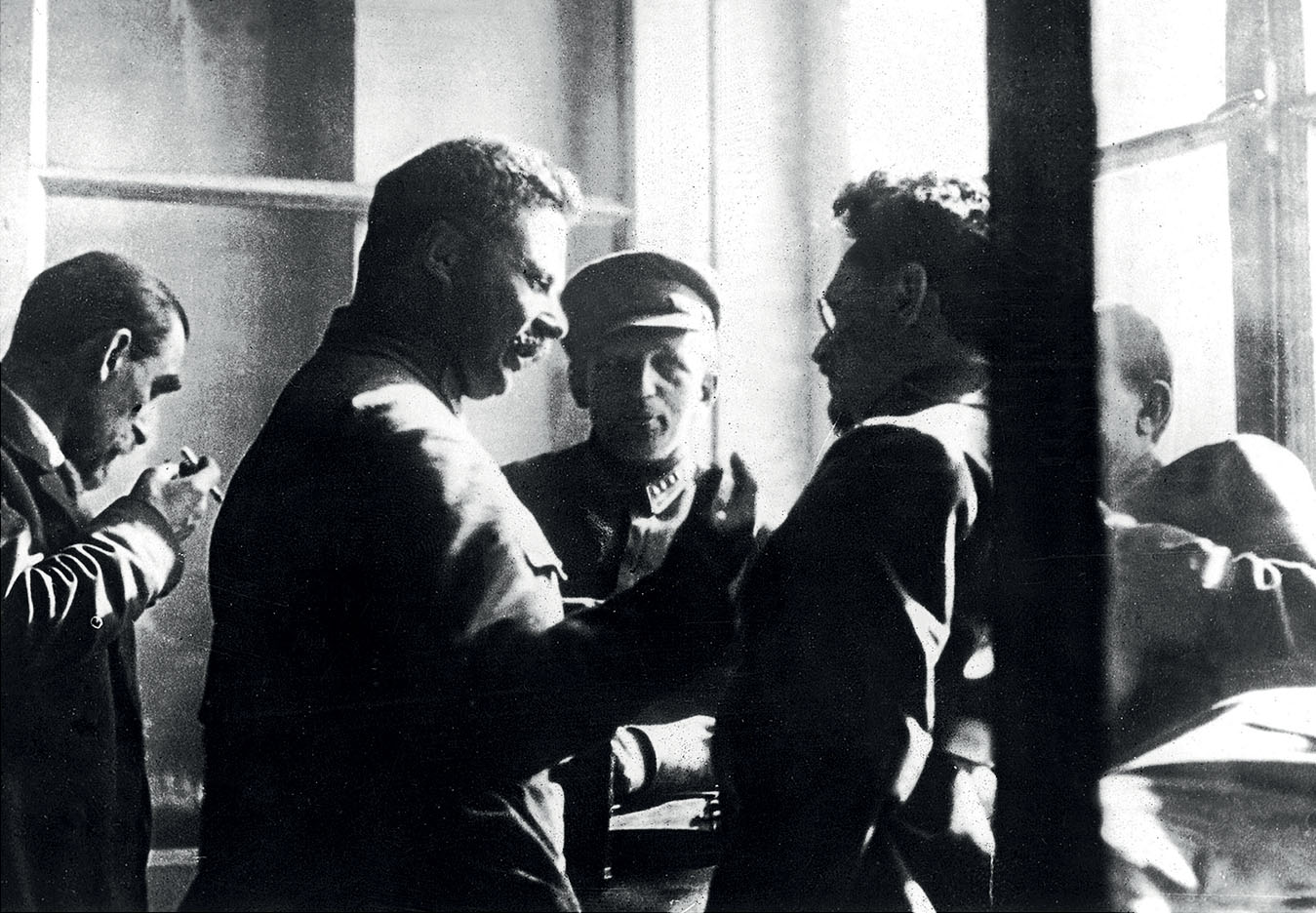
With Moscow Bolsheviks. Photo: Alamy/Photas
Fixtous revolutionary
Historians of the protective direction like to bring Trotsky as an example of a typical revolutionary “demon”, an adventurer and an eternal schismatic who is not capable of agreements and compromises. Indeed, its political trajectory was as nonlinear as it was brilliant. Once in London, he immediately became part of the editorial office of the Iskra newspaper, where by that time the color of Russian Social Democracy had gathered: Plekhanov, Zasulich, Martov, Lenin. From the very beginning, as always and everywhere, Trotsky began to build his own political line, and this brought him to the leaders of the revolutionary movement. At the II Congress of the RSDLP in 1903, he, along with Martov, opposed the Leninsky project of the Charter, which suggested tough restrictions for party members as part of the notorious “democratic centralism”. But he soon quarreled with the Mensheviks, after which he made an attempt to get up much or to stand over their fight with the Bolsheviks. Returning to Russia immediately after the beginning of the 1905 revolution, he headed the St. Petersburg Council of Workers' Deputies. Soon - the arrest and a link to the eternal settlement to Siberia: he fled along the way and was abroad again. This time in his passport was the surname Sedov, taken from his second wife. It is this surname that his children will bear.
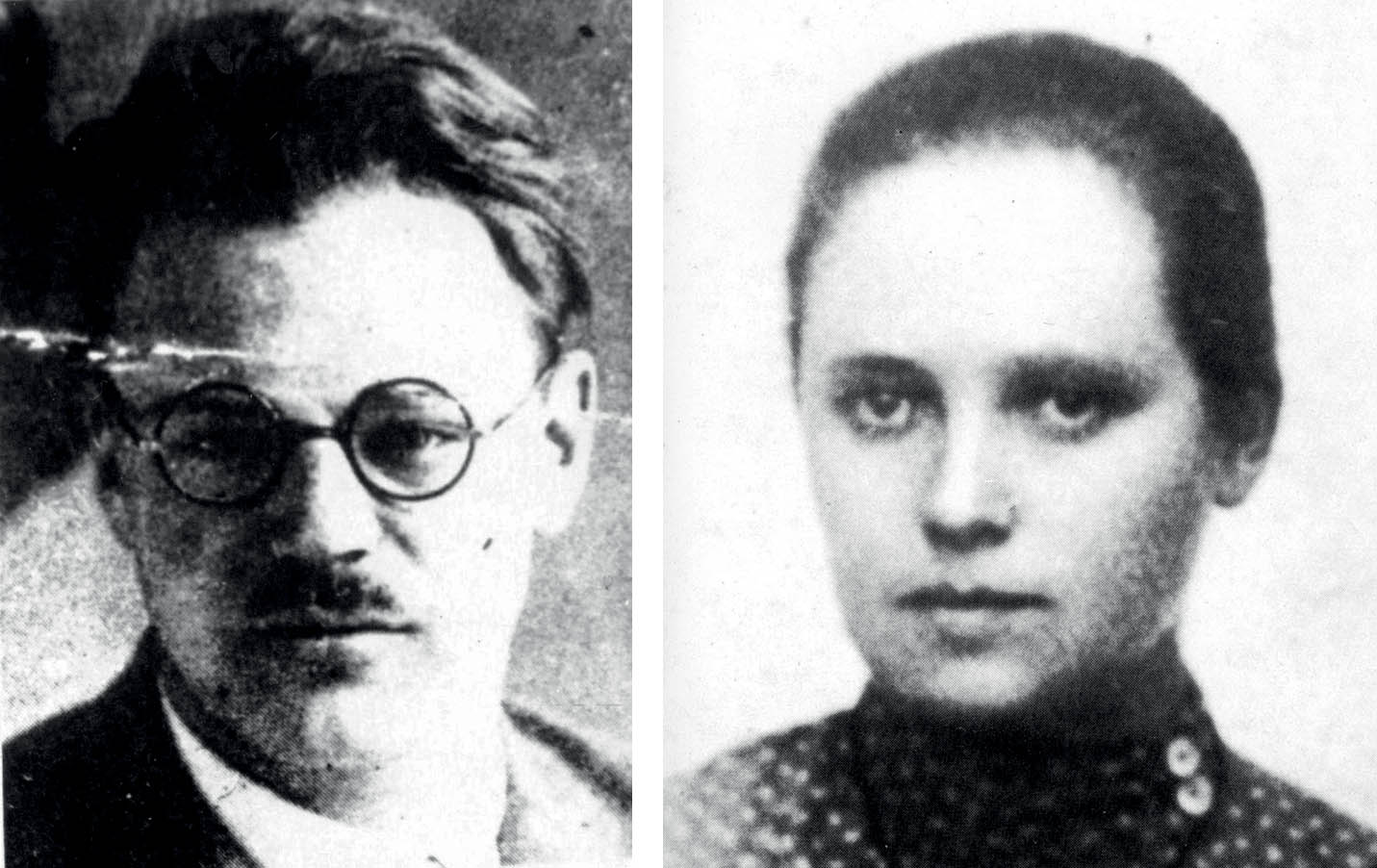
He died in Paris in 1938 with mysterious
circumstances. 2. Alexander Sokolovskaya, first
Trotsky's wife. He died in the Gulag. Photo from the collection
David King is provided by society
"International Memorial"
Among other merits of the professional revolutionary Sedov-Trotsky is the creation of the main party printed brand. In 1908-1912, he was the first to publish the newspaper Pravda - in Soviet times, of course, they chose to forget, attributing the foundation of the newspaper to Lenin. It is noteworthy that it is for this period that the most acute disagreements between the two leaders of the Russian proletariat are taking place. Vladimir Ilyich, in his own manner of manner, even called the opponent “Judas” once, predetermining the role that later entrenched in Trotsky in the official history of the party. This is the most difficult period in the pre -revolutionary career of Trotsky: after the next intra -party showdow, leaving the Pravda Lenin, he went for several years by the military correspondent of the newspaper Kiev Thought in the war zone for the Balkans.
The executioner
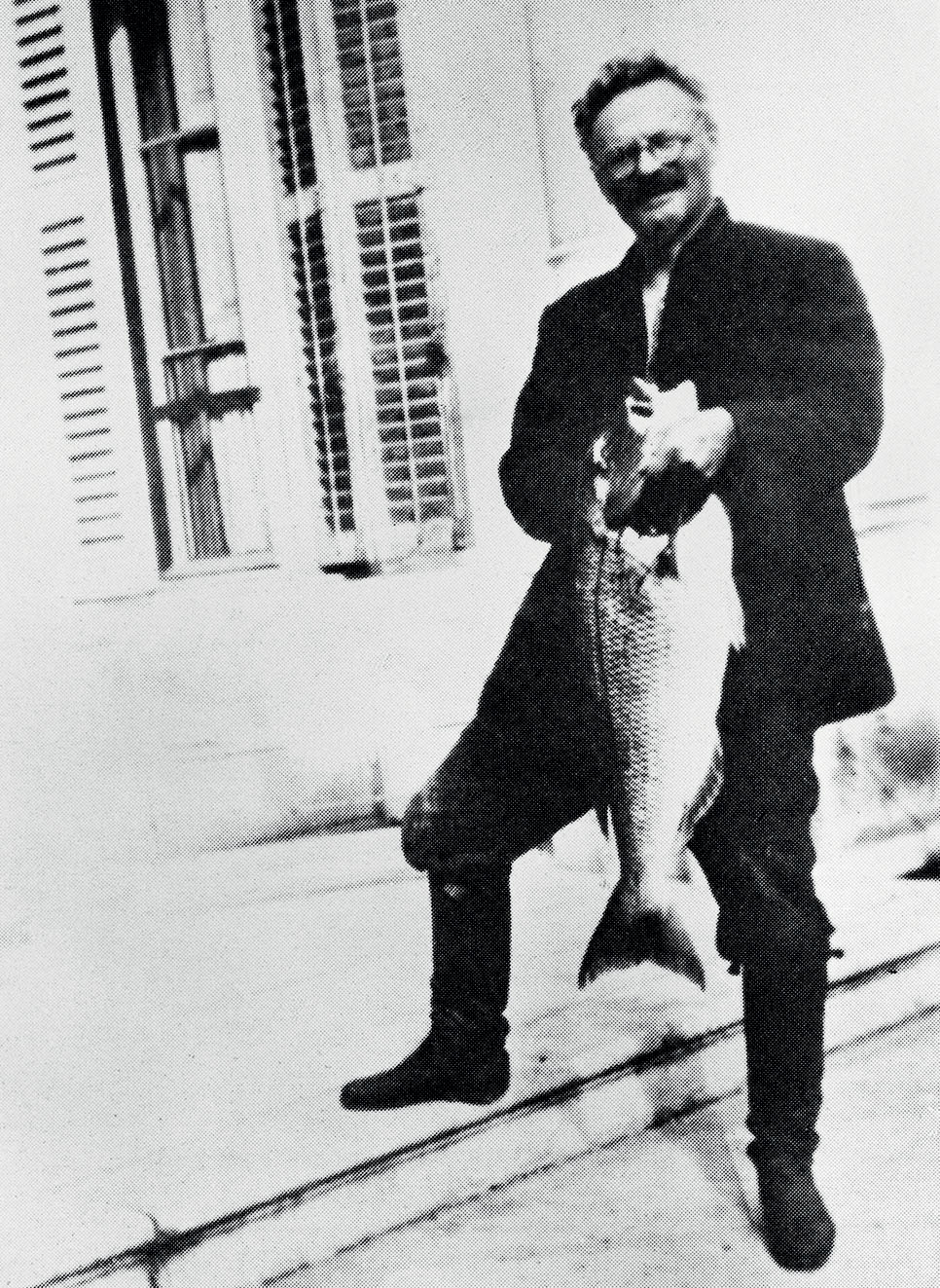
caught by the barracade.
Photo: ITAR -TASS Reproduction
The February Revolution returned Trotsky to the main occupation of life. The best minds of Russia of the century XIX affirmed after Pushkin that "the genius and villainy of two things are incompatible." The occurreed century XX denied this judgment not once. And the example of our hero here, of course, in the forefront. The active member of the Bolshevik party, publicist and agitator, chairman of the Petrograd Council in October 1917, the People's Commissar of Foreign Affairs of the young Soviet government, the head of the revolutionary military council, a member of the Politburo of the Central Committee of the All -Union Communist Party of Bolsheviks (B.) - in his around forty Trotsky became a real “effective manager of the Russian revolution and civil war. This is his organizational genius owe a success to the coup on October 25 (November 7), he organized resistance when in 1918 the Soviets were “in the ring of enemies”. The Red Army in many ways his organizational supersenence and fantastic agitation owes its creation and victories.
He was one of the founding fathers of the new state. If this state was still free! However, the armored train of the head of the PBC carried the patriarchal country not at all freedom, but even more fear, poverty and slavery. However, in fairness it is impossible not to notice that Trotsky's bloodthirstiness was clearly exaggerated by white propaganda. With regard to repressions against the “class enemy”, Trotsky behaved as a clear pragmatist. When the “revolutionary necessity” demanded, he took and shot hostages from among the nobles and the bourgeoisie. But at the same time, when organizing the Red Army, he relied on former personnel officers of the tsarist army. And he defended professionals from “former” from attacks from more fanatical comrades. Trotsky was one of the first to propose replacing the surplus survey (which was, in fact, the robbery of the peasantry) food tax in 1921, which was the main step in the transition to the NEP. True, he immediately made a proposal to use the “Labor Army” to restore industry, actually turning the work at the factory or in construction into a service comparable with the one performed by the builders of the Egyptian pyramids.
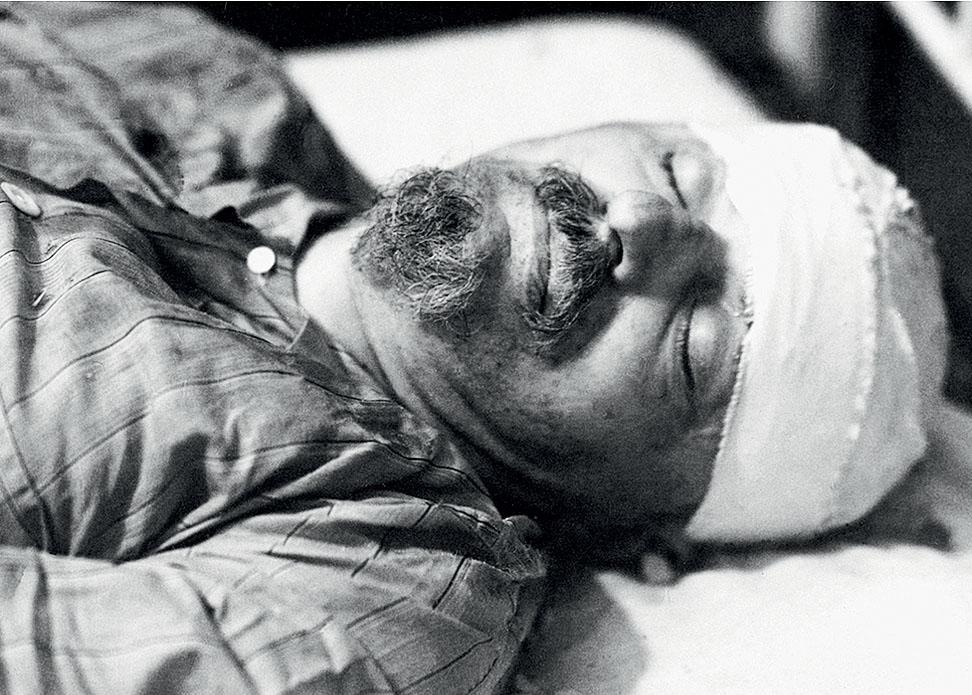
Photo: fotobank.com/hulton
Archive
And again, political lack of freedom, this time is much more serious, played a fatal role in his fate. The creator of the new totalitarian system was one of its first major victims. If in the early 1920s, thanks to the support of Lenin and colossal popularity among the communist city youth, Trotsky still managed to stay in the party elite, making up the so-called left-wing opposition in the party, then in 1926 Stalin dealt with his main rival: with Trotskyism it was finished. Trotsky was taken out of the Politburo, and a year later they were exiled to Kazakhstan. At the age of 50, he was again in exile. This time the last.
The idol and Zhupel
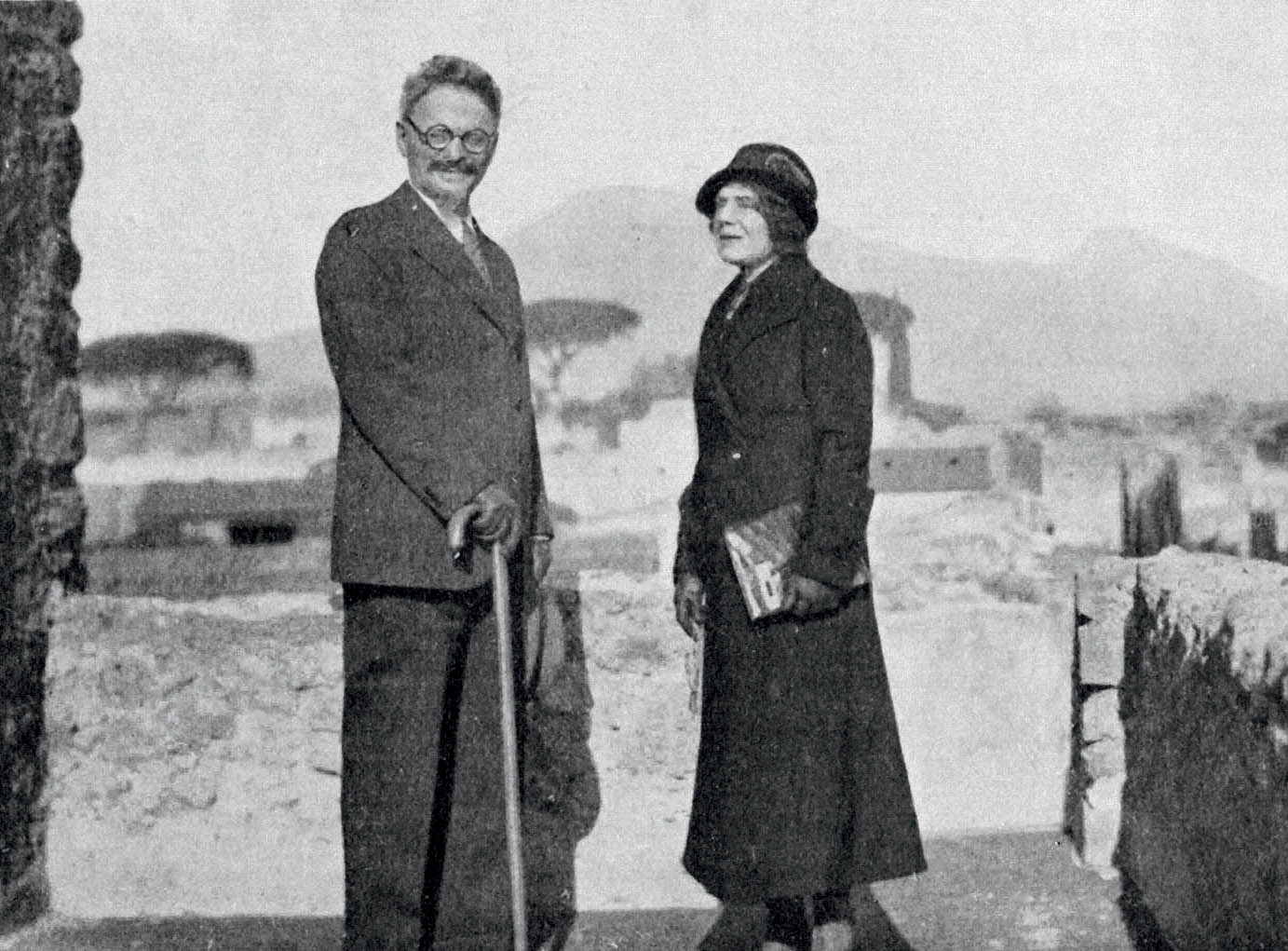
Photo: Maryevans/Photas
The last decade of life has passed in vain attempts by the ideological resistance of Stalin, in writing memoirs and philosophical works. Trotsky gradually became the idol of part of the Western and, above all, American left youth. It was justified by the International Commission in New York, which in absentia investigating processes against the Trotskyists organized in Soviet Russia. This commission was led by the famous intellectual John Dewey. The decision made behind the ocean, of course, did not save thousands of victims that died in a meat grinder of the Stalinist repressions. Being a Trotskyist in the USSR is a terrible sentence! Shortly before his own death, Trotsky lost his son and ally Leo Sedov, who suddenly died during the operation in Paris. In the Soviet Union, his first wife Alexander Sokolovskaya and youngest son Sergey Sedov was destroyed.
* In one of the most famous-the Franco-Italian film “The Murder of Trotsky” the role of the killer was played by Alain Delon.
So much has been written about the finale of Trotsky himself that it is hardly worth repeating*. We only remind that the penultimate attempt on him was led by the famous artist Sikeros. The 440 NKVD agent Ramon Mercader, who was killed by an ice ax in 1940, the 60-year-old Trotsky managed to see the beginning of World War II.
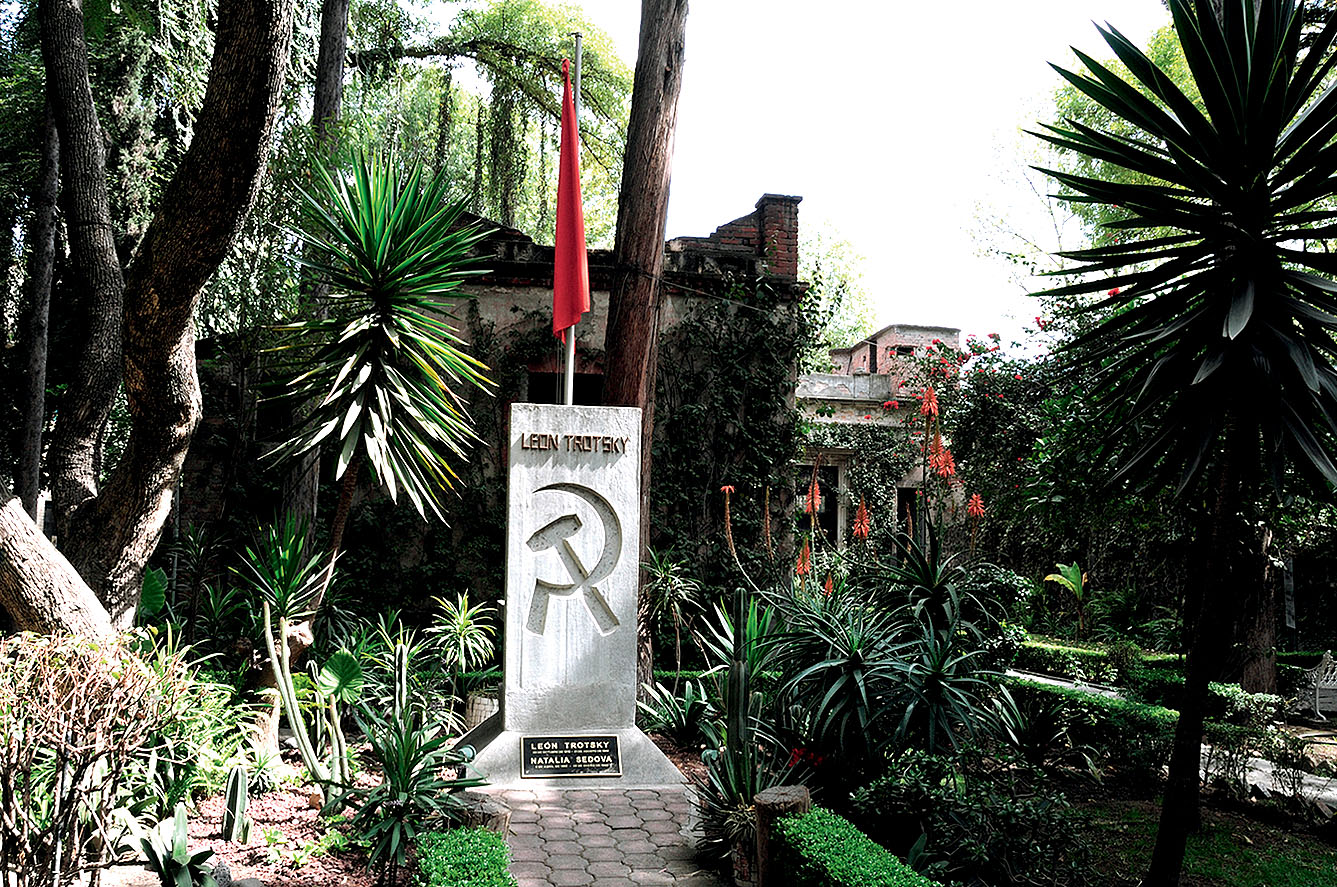
The grave of Trotsky and his wife in the courtyard of their house in Mexico City. Photo: Alamy/Photas
The defeating in the fight for power, Stalin adopted many ideas of the destroyed enemy. In the new Soviet mythology, Trotsky was assigned the role of biblical Judah, who betrayed the case of the dead leader of Lenin and exiled and cursed by his faithful student - other forever living leader. No wonder Koba studied at the seminary! True, those who had to give the story at the Stalin “Brief Course” were sometimes perplexed, why such a notorious villain, opportunist and spy lasted so long in the leadership of the Bolshevik party ...
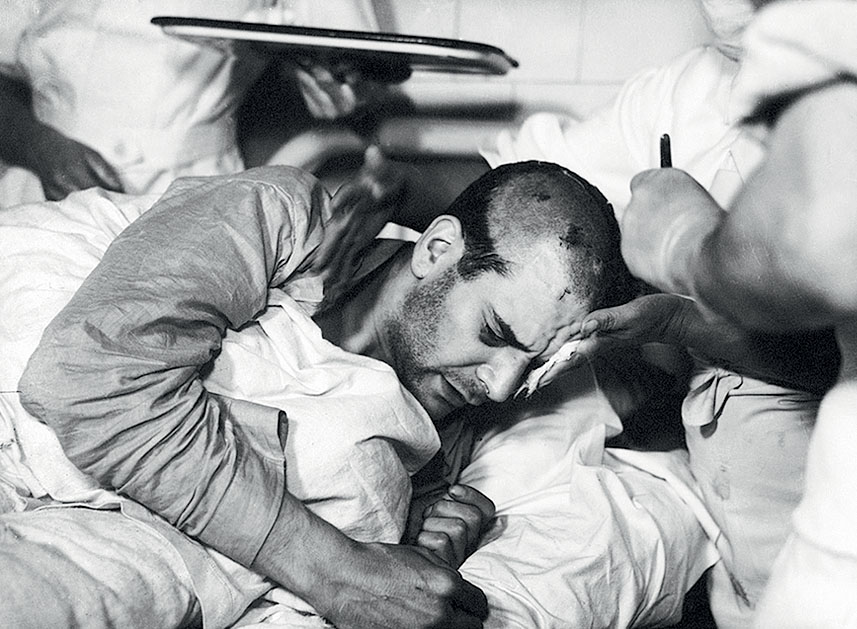
The killer of Trotsky is the reclaimed NKVD Spanish communist Ramon Merkader in the Mexico City Hospital after the arrest of August 20, 1940. Having served 20 years, Mercader arrived in the USSR. He was awarded the title of Hero of the Soviet Union for the “liquidation operation”. He was buried in the Kuntsevsky cemetery of Moscow under the name Lopez
First published in NT No. 39 of November 2, 2009 .
See also: "Lonely Parvus whitens . "