
Translated material
The city is on the border
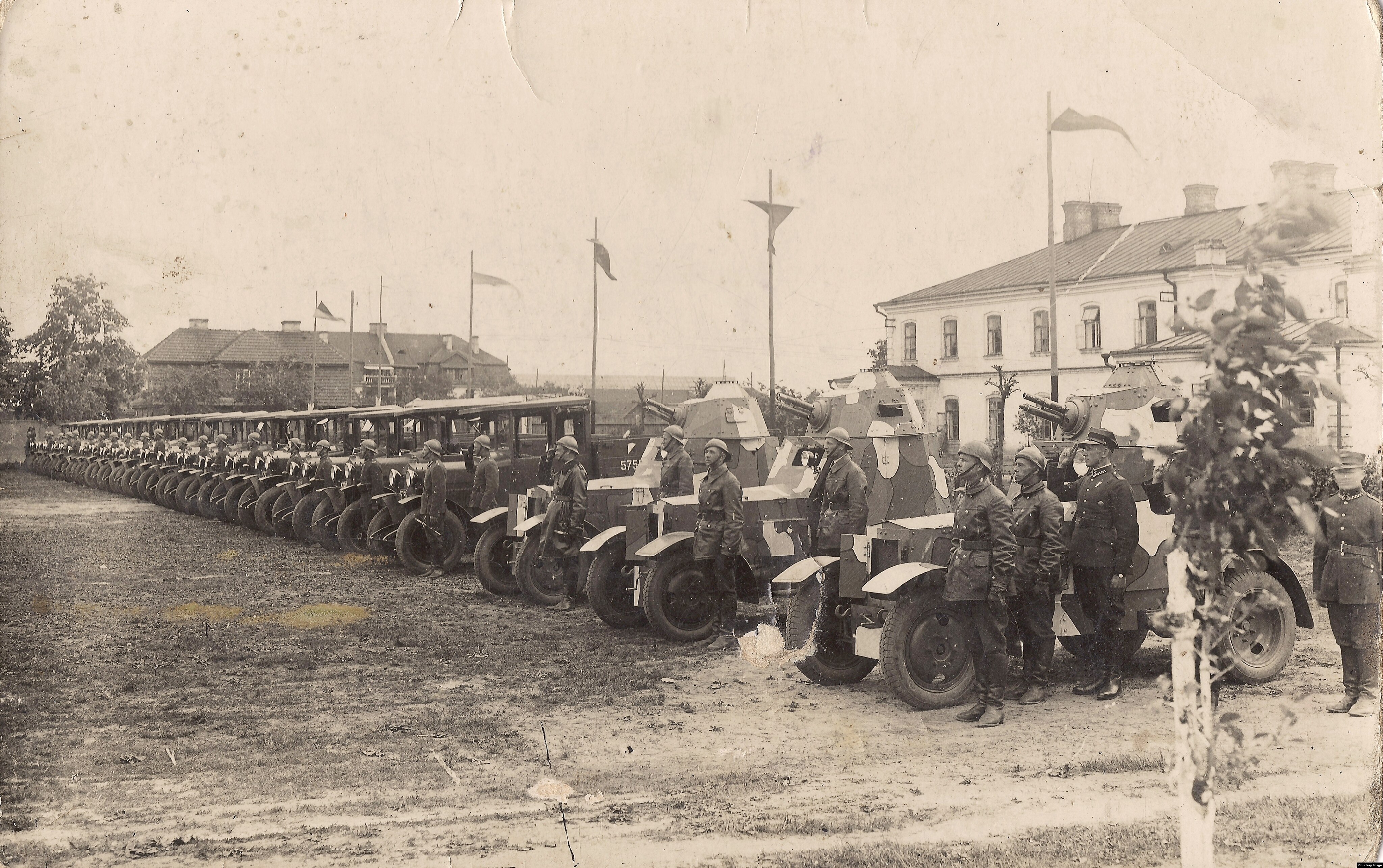
The city of Brest (aka Brest-Litovsk and Brest-Sna-Bug) is famous for its fortress, built in the 19th century. Many key events of the 20th century took place in this small city. Here in 1918 the Brest-Litovsk world was signed . 20 years Brest belonged to Poland. On September 14, 1939, he was occupied by German troops, and on September 22, in accordance with the Soviet-German plan of the Poland section, the 29th Panzer Brigade of the Red Army was transferred during an impromptu parade. On June 22, 1941, the city was attacked by German troops. The defense of the Brest Fortress became legendary. In July 1944, the city was liberated by Soviet troops and became part of the Belarusian SSR.
The architect from Minsk Andrei Dolgovsky collects photographs and documents related to the history of this city. In the Independence Museum in the Warsaw Citadel from May to November 2017, an exhibition of photographs collected by him was opened in Brest in 1919-1939. The exhibition is part of the information campaign of Brest-Sna Bug. Time Travel. 1919–1939, published in 2016 in Warsaw .
Andrei Dolgovsky told Radio Liberty about his collection.
- Andrei, you were born in Minsk, and Brest is not connected with your family history. Why did you begin to collect documents about this city?
- attracted a variety of events, the role of Brest in history. Since childhood, I was fond of fortification, and there are interesting fortification objects. Due to the fact that many historically significant events took place there, this place has its own energy. It attracts people not only from Minsk: people from different countries come to study the Brest Fortress.
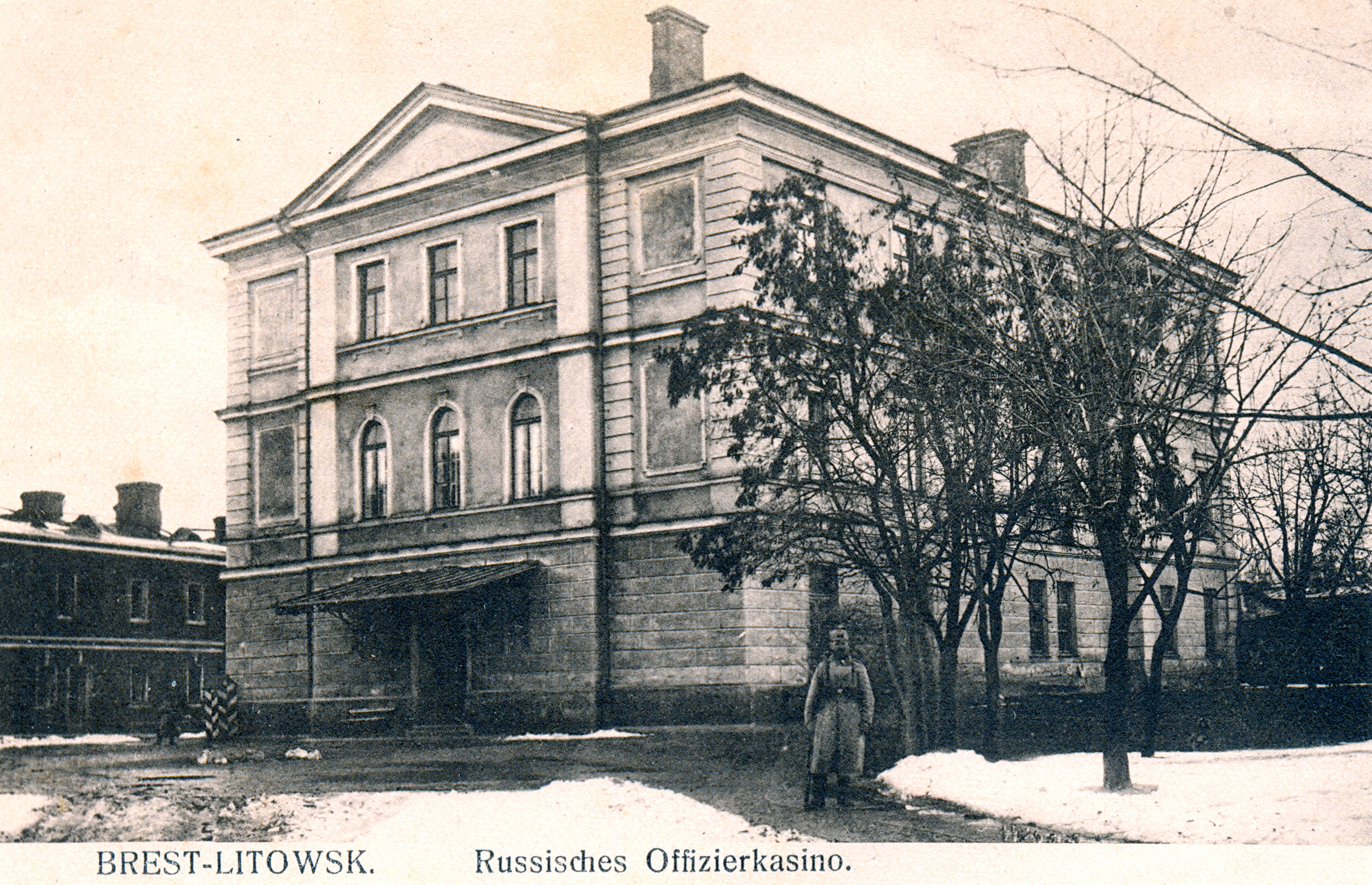
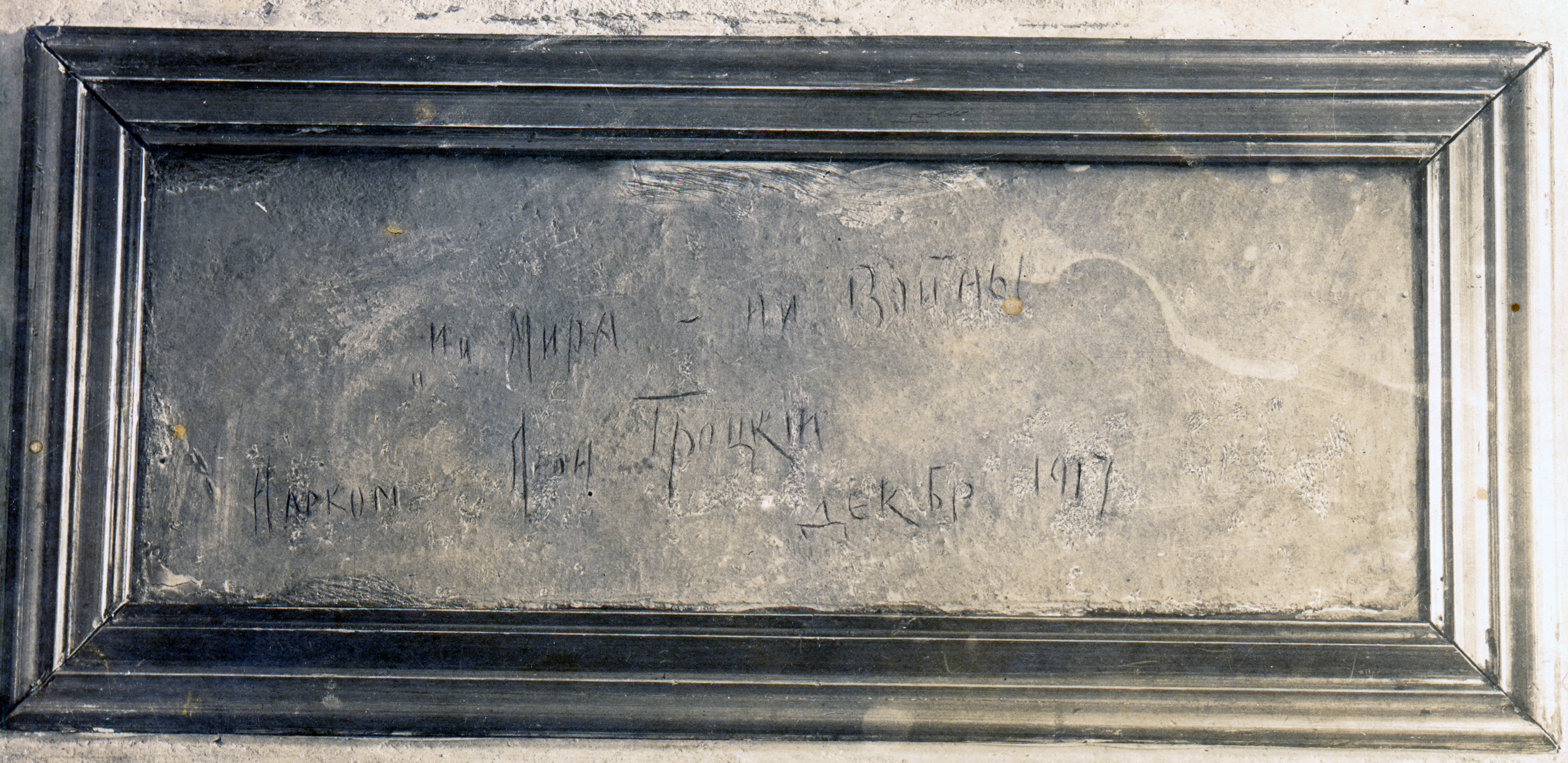
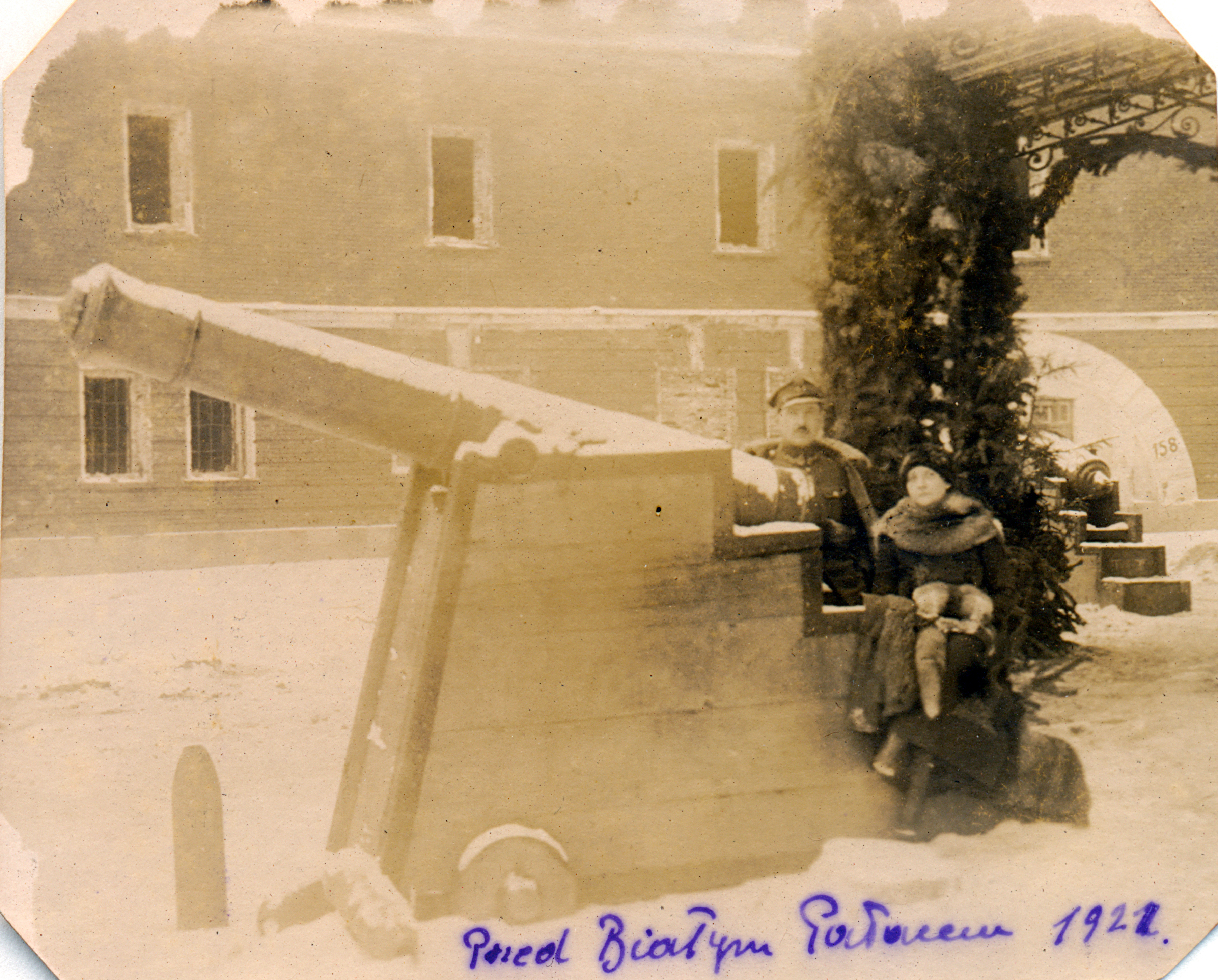
- You have a solid collection from which more than 200 photos have been used for books and exhibitions. What are you the most valuable?
- Photos of the early period of establishing Polish authorities in Brest, 1919–20. It is very valuable when it is possible to establish historically significant characters or objects that have not been preserved before our time in unsigned, unpertured photographs.
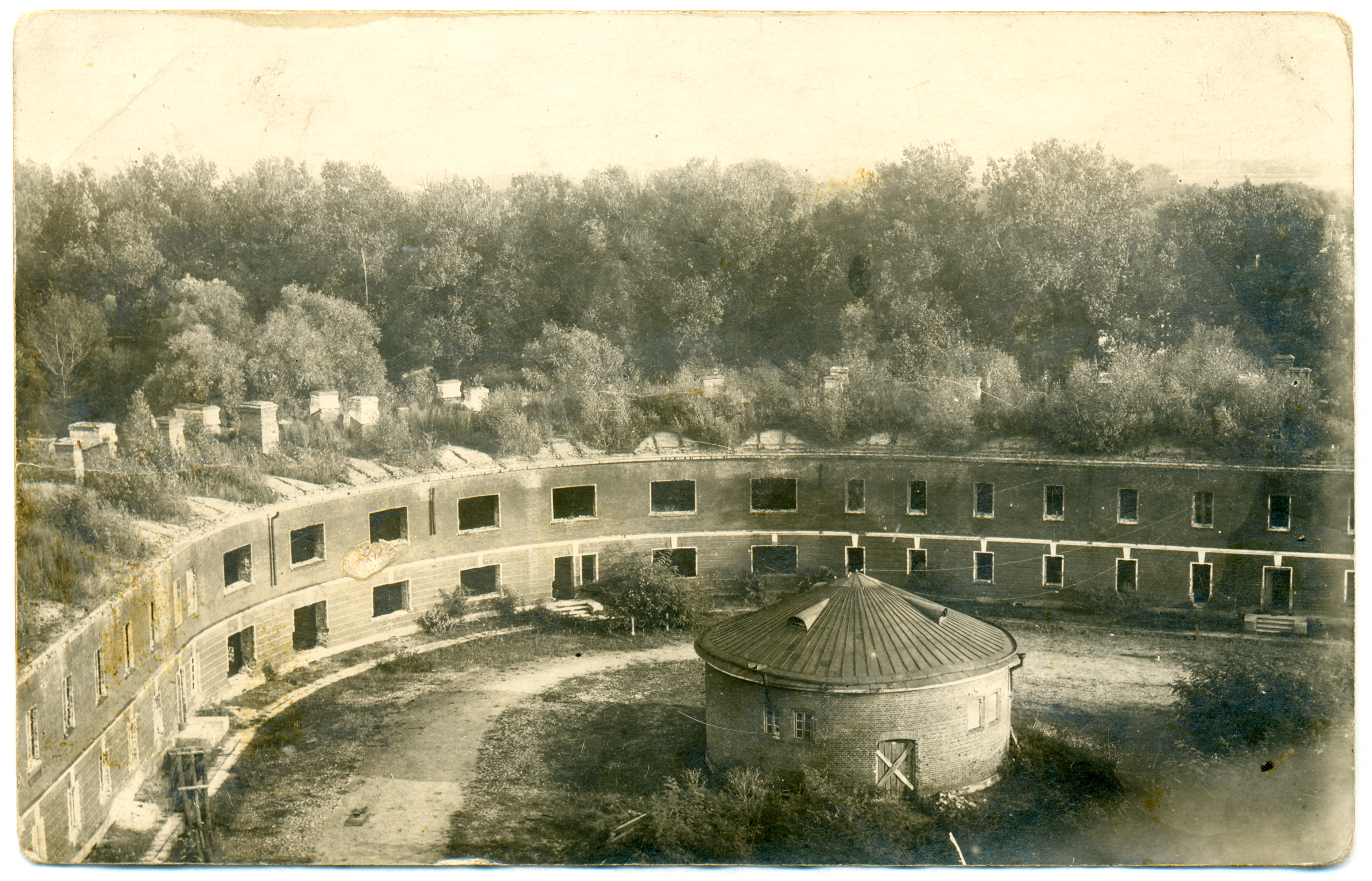
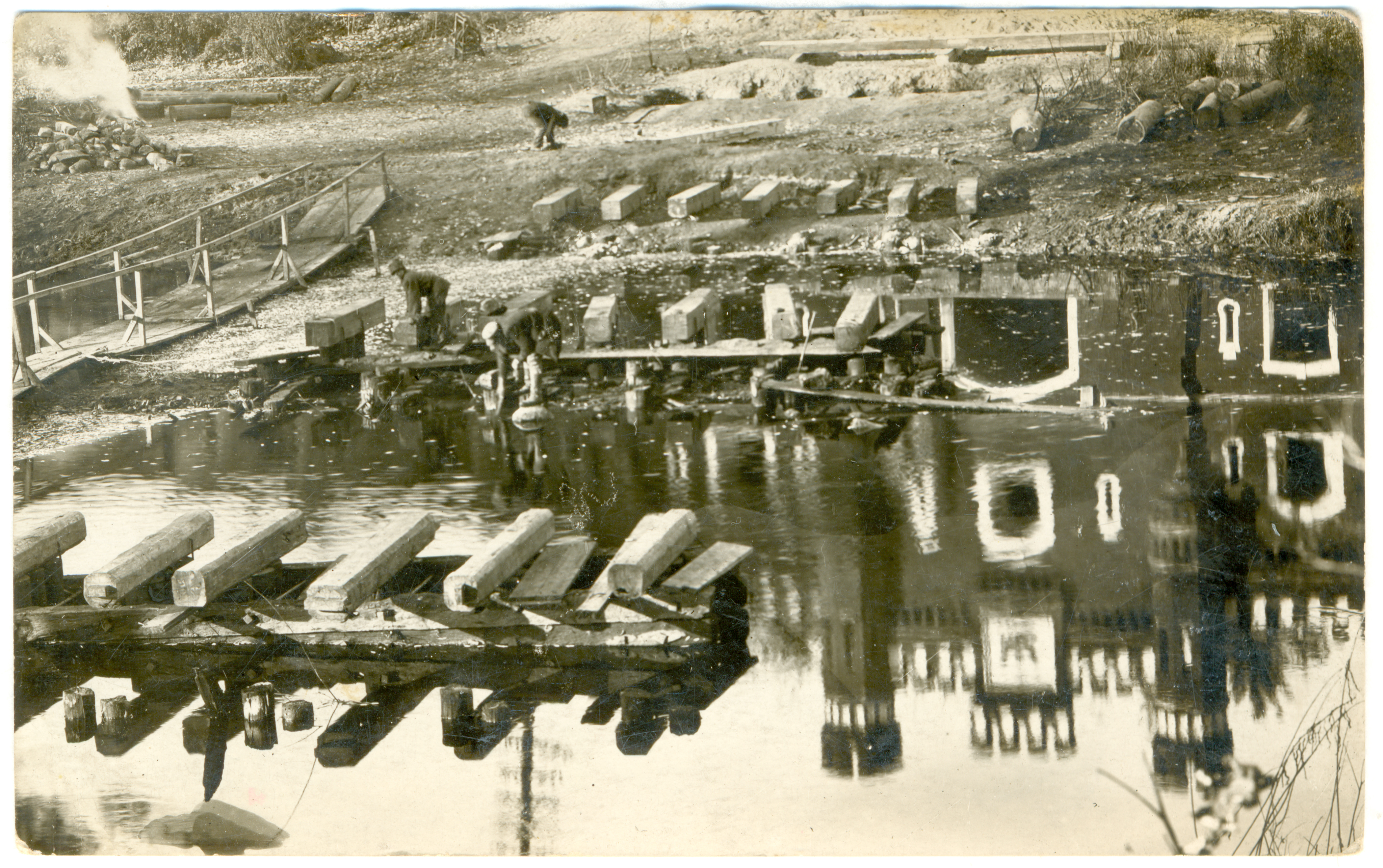
- Is it difficult to find such photos? Do you buy them at auctions or find them in Brest in family archives?
- It is difficult with family archives, because people most often did not stay in Brest. Many died during the Second World War, many emigrated. In most cases, this is a search in other countries - in Poland, in Germany. The farthest countries from where the photographs came from was the United States and Australia. That is, the sources are different. If someone has photographs or original documents, I explain for what purpose this information is needed, how it will be used. A separate source of replenishment of the collection - various Internet sites, auctions, shops.
- Warsaw exhibition is dedicated to Brest 1919-1939. Have you limited the collection this period or do you have pictures of other years?
- In my collection there are early pictures of the time of the First World War, and later, the second half of the 20th century. But the post -war period is more personal family photos, tourist. And the period 1919-1939 was interesting to show in Poland, because few people, even related to Brest, saw in which city their relatives lived, how it all looked.
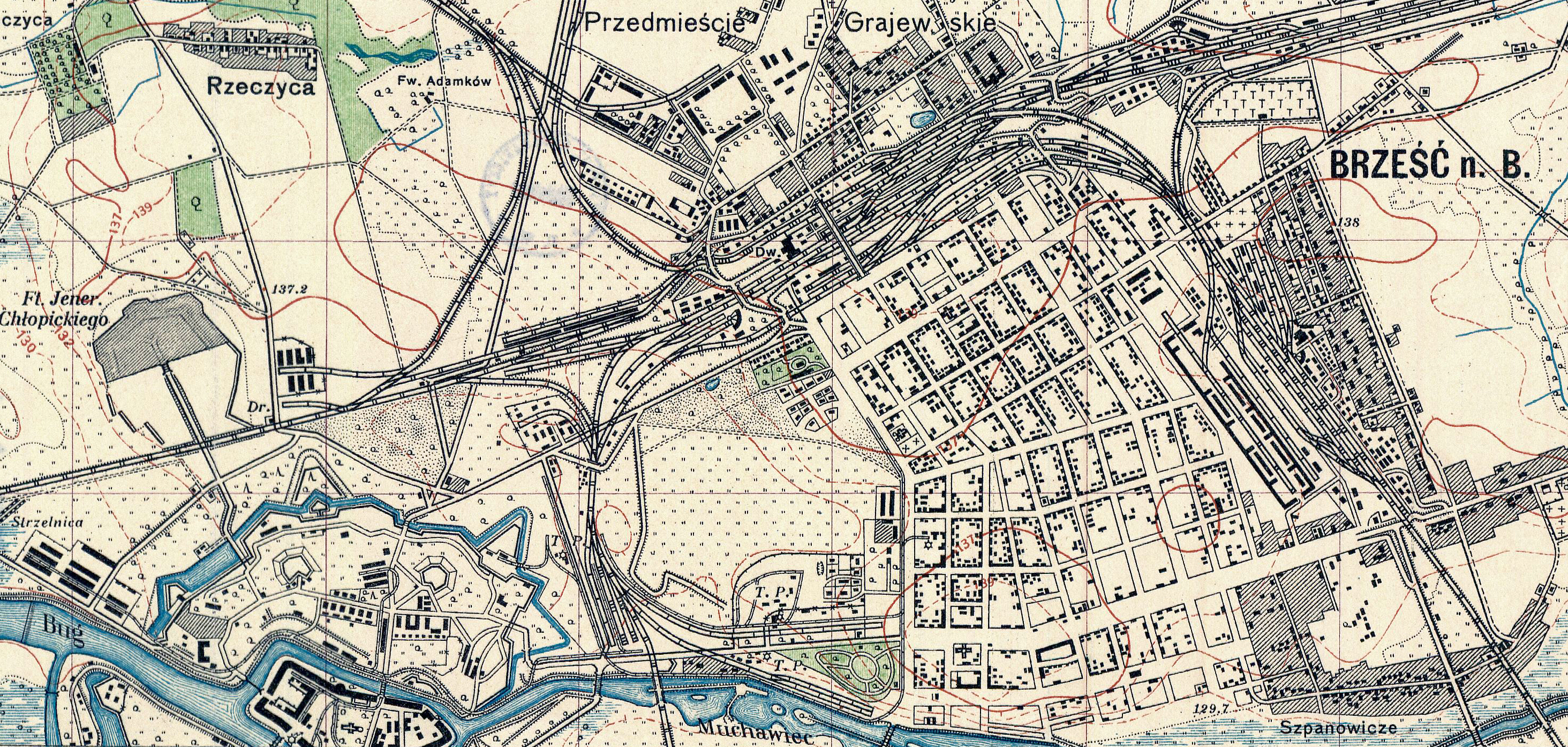
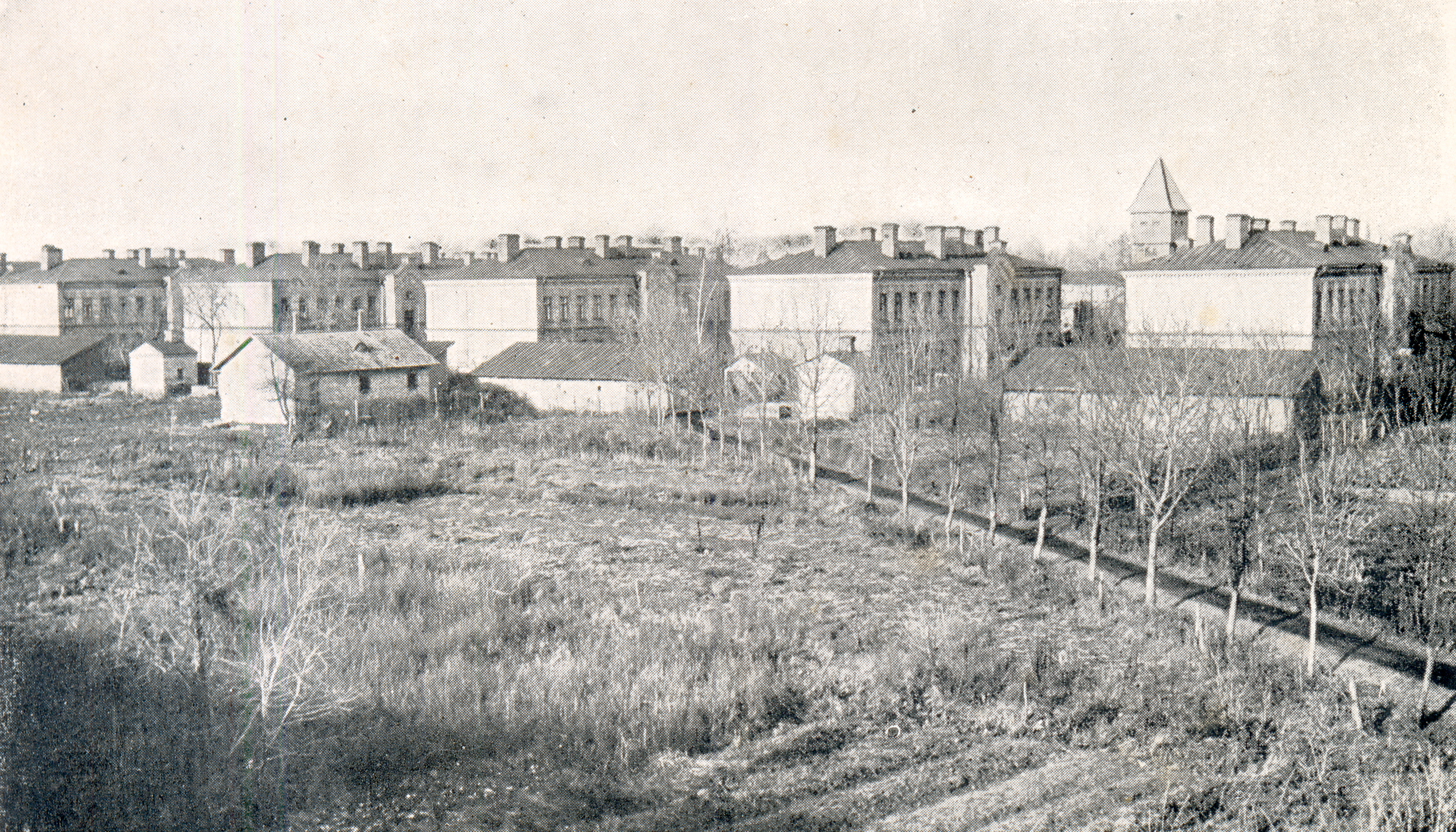
-A modern tourist will find in Brest anything of what is depicted in your photographs, or has the city changed beyond recognition?
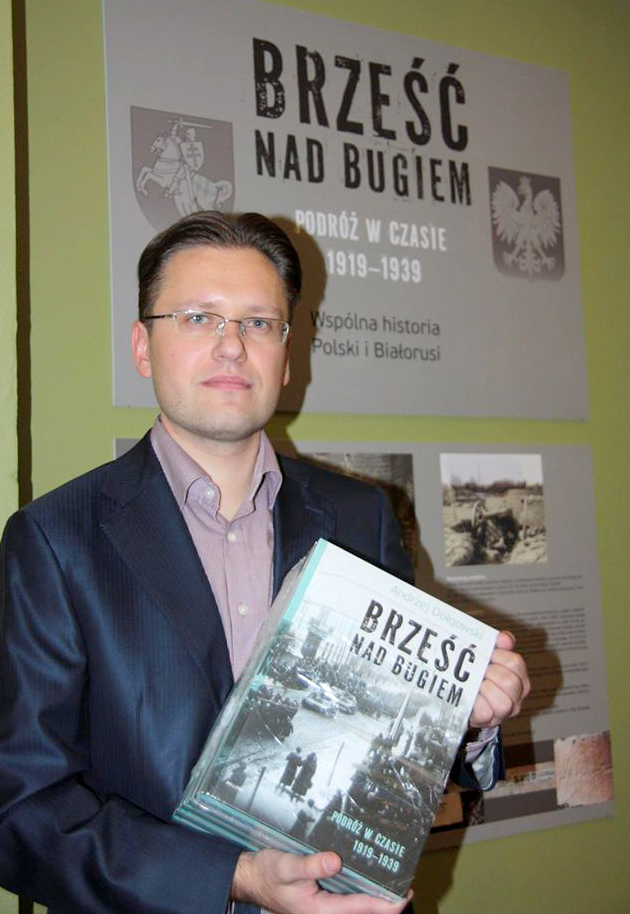
- The city has changed a lot, but some objects can be found. This is part of the fortification objects directly in the Brest Fortress, and some buildings. The only problem is that many of these objects are not designated as participants in some historical events. In Brest, there are not enough information signs, especially for the interwar time and by the events of 1939. Such creative projects are created in order to make up for this gap. Local guides and culturalists try to show tourists not only widely known things related to the Soviet period, but also less well -known, but far from no less significant historical buildings.
- Surely there are buildings in Brest, which are interesting to you as an architect.
In the fortress of the building, which could be put in order, the Soviet administration and the military were versed in building materials
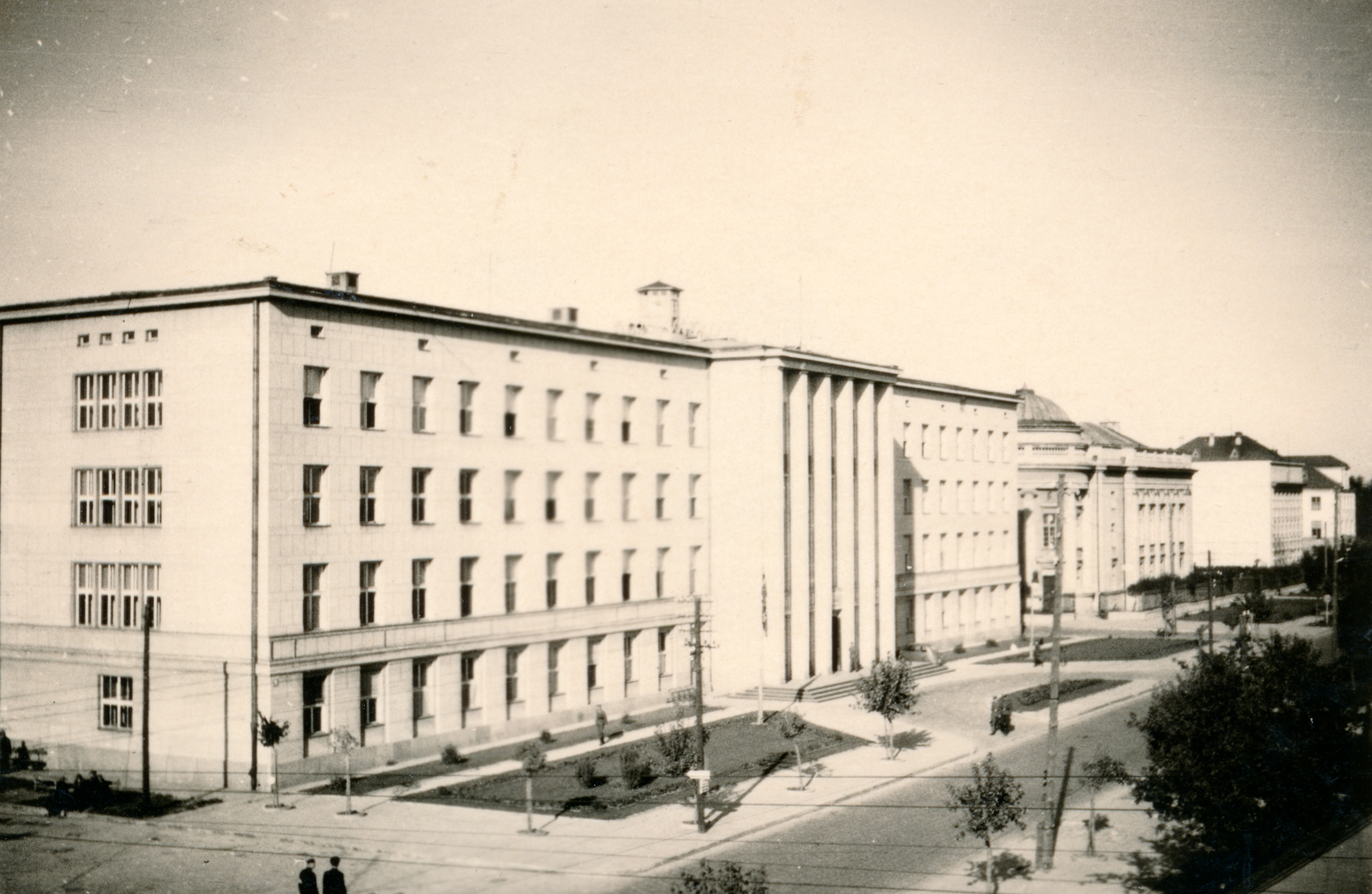
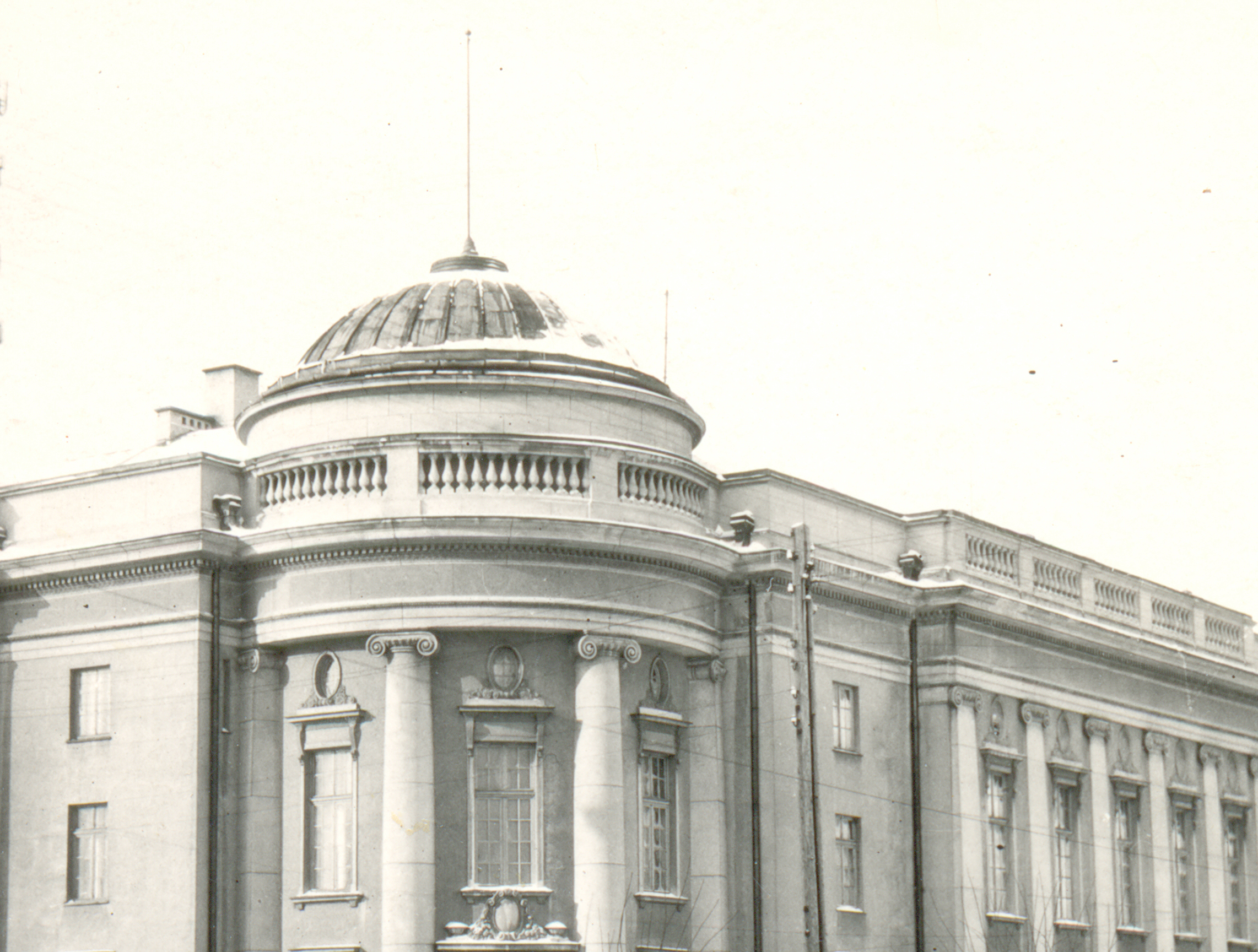
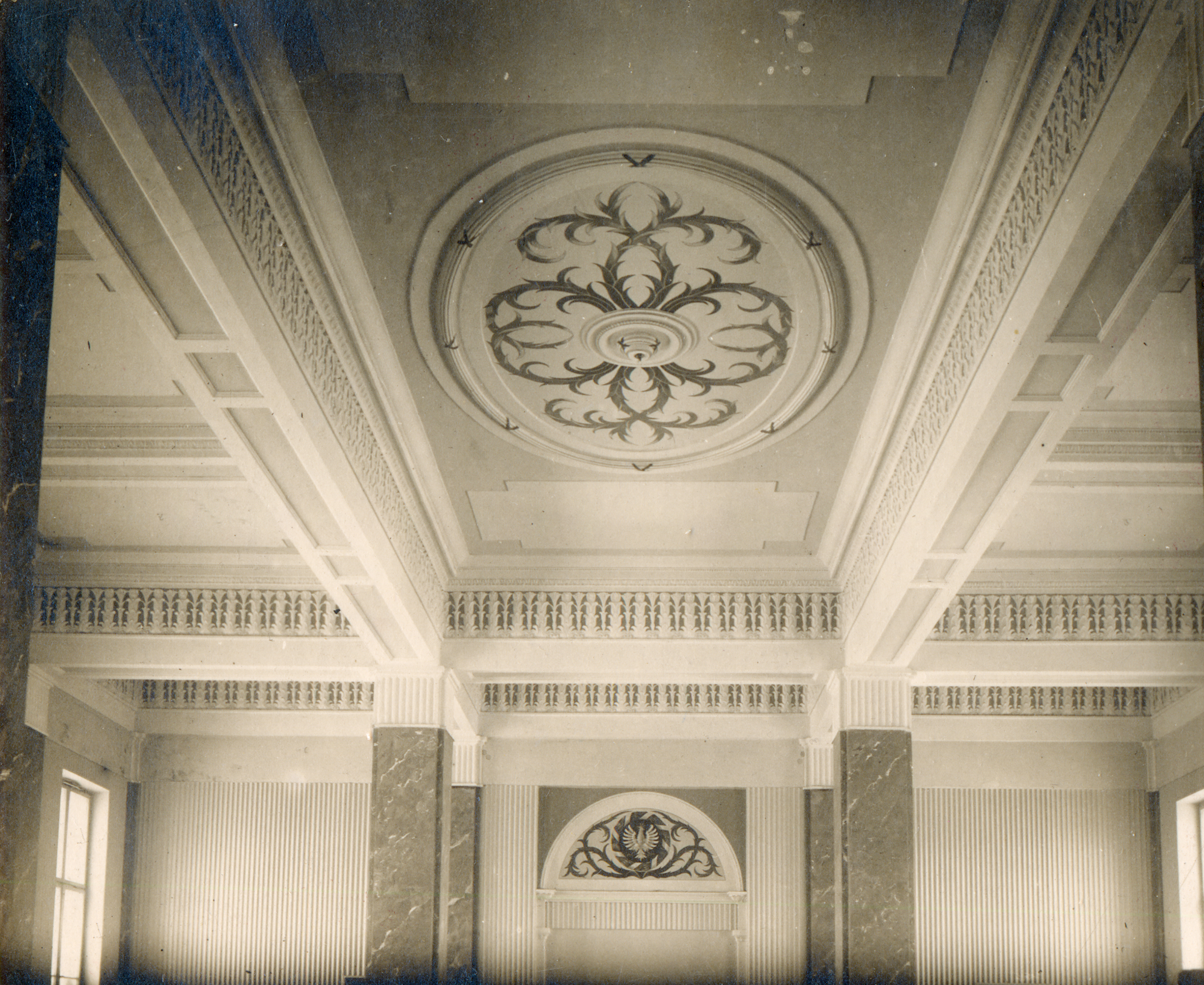
-In general, I am very impressed by how Polish architects in the 20s made such a place with its own highlight, with its peculiarity from the destroyed city. A solid, serious urban planning approach is visible. A project to build a government quarter, a number of interesting projects of residential quarters, which, unfortunately, not all were implemented, were formed. It is from the point of view of the architecture of the 20s and 30s that Brest is extremely interesting. There are colleagues-architects from other countries who come to Brest to study this particular period. Government buildings built at that time are still used by the local administration. Administrative institutions are located in the buildings of Polish constructivism, in the same style built in the 20-30s.
- Was there a lot of destroyed during the war?
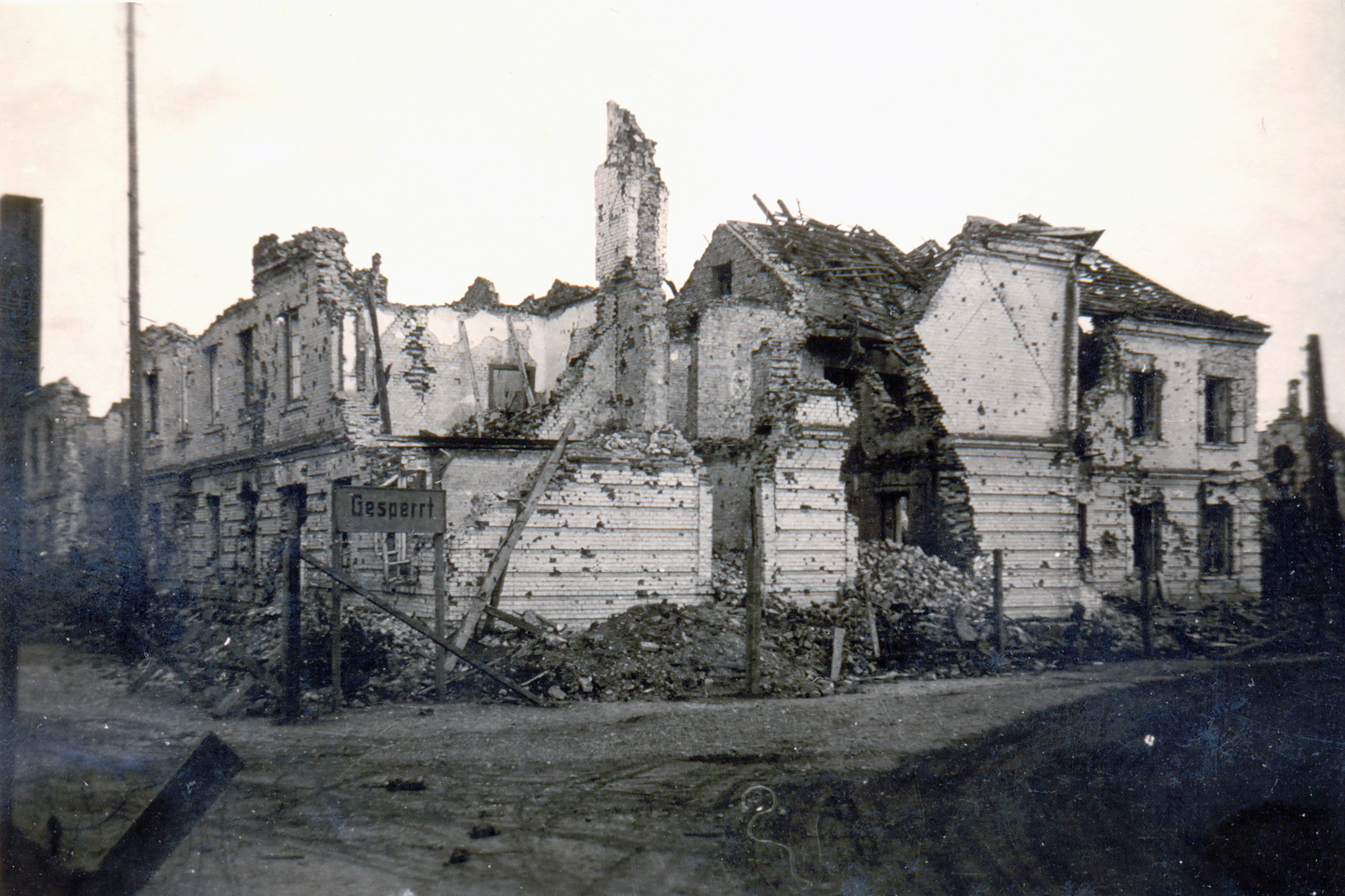
- The housing stock was very badly damaged - these are mainly wooden buildings that easily burned. Many objects in the fortress were destroyed. Administrative buildings survived, and the fortresses were less fortunate.
- Probably, after the war they demolished purposefully - churches, in particular?
- The cult structures in Soviet times were not so much demolished as they were redone for economic facilities. One of the churches was transferred to the archive, the second for a cinema. And since the beginning of the 90s, after Belarus gained independence, these buildings again turned into cult. And in the fortress of the building, which could be put in order, the Soviet administration and the military were versed in building materials. The age of the age of centenary was simply versed in order to build a shed somewhere on the territory of the military unit. These are the largest losses for architecture. It is difficult now to say that the Brest Fortress is a fortification complex. Of course, the earthen ramparts remained, The contours are the main, layout, and so on, but there are a lot of objects that would now be a tourist highlight, unfortunately, are lost precisely in the late 40s and early 50s.
- What is the period in the history of Brest seems to you the happiest time, the era of prosperity?
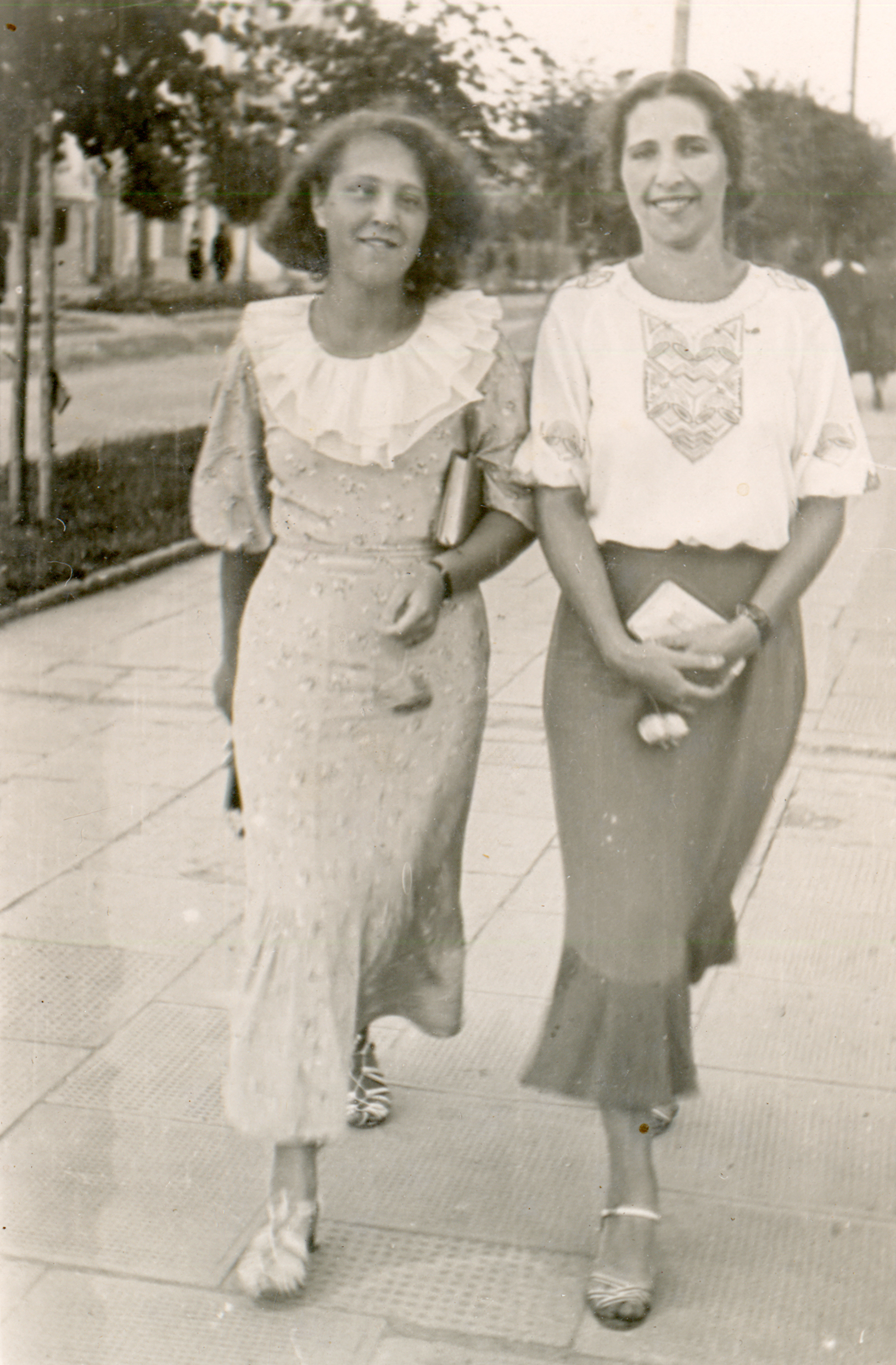
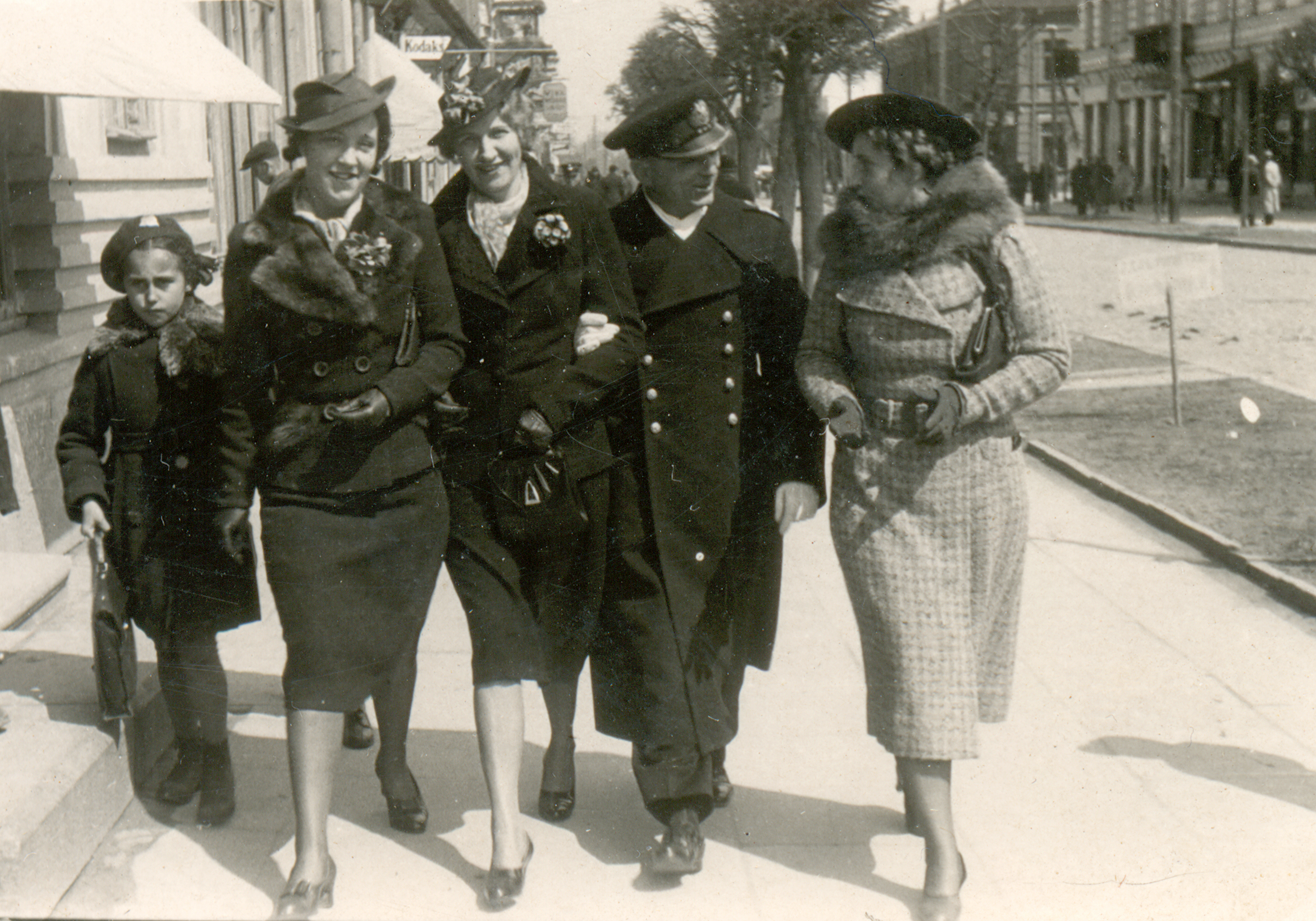
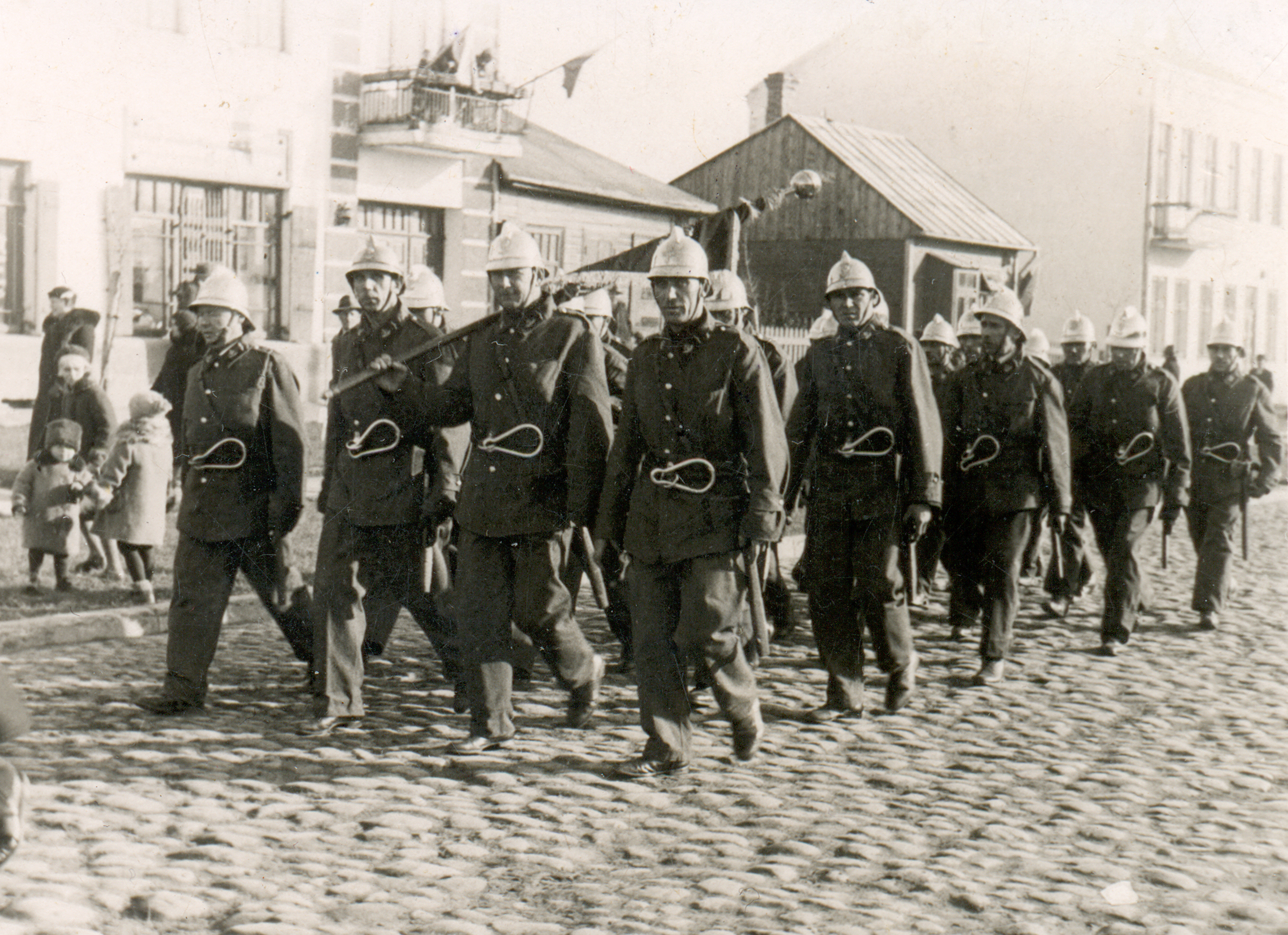
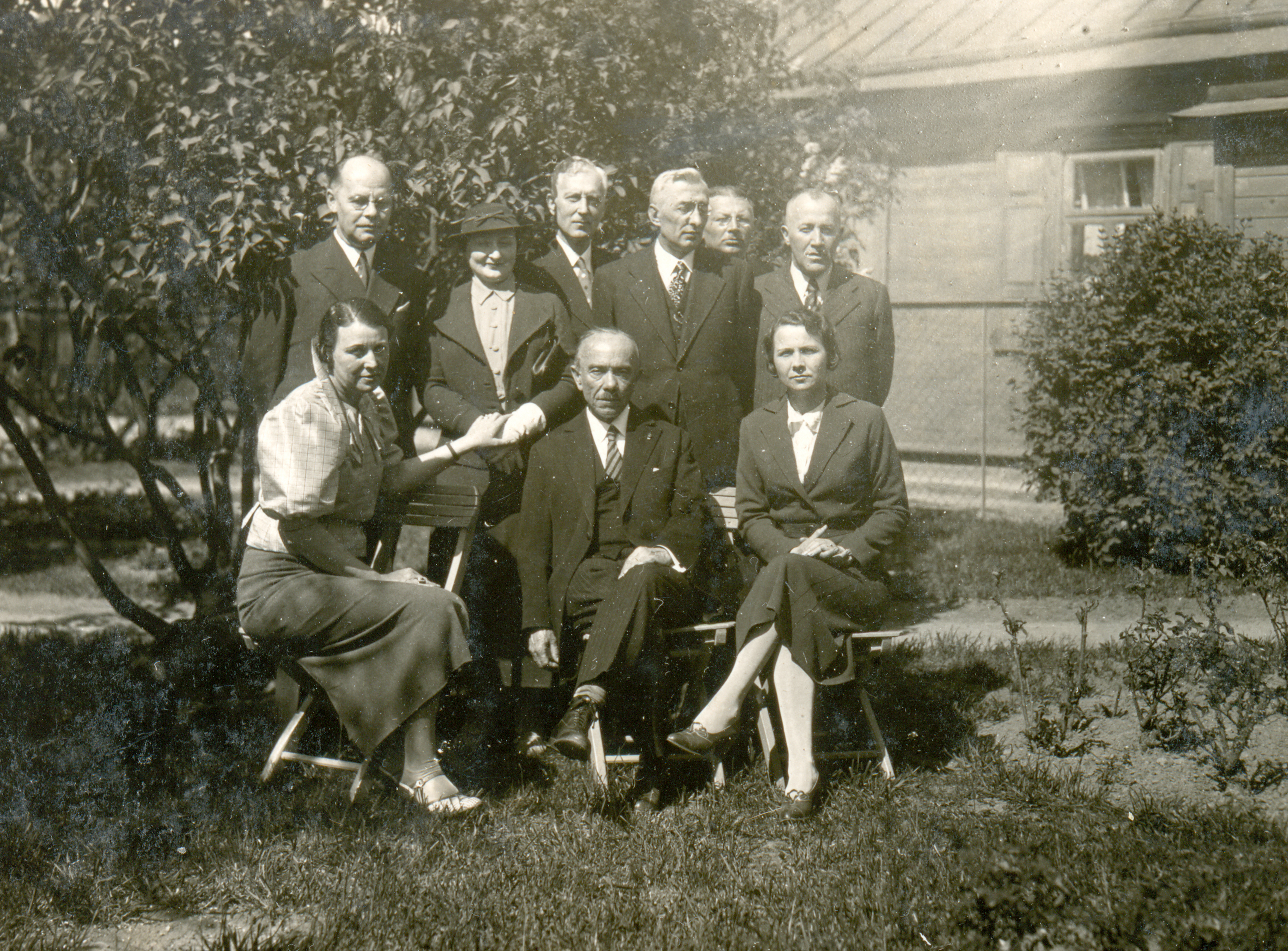
-Probably the 30s of the twentieth century, interwar time. In the vast majority of photographs - people walking around the city, smiling, dealing with their everyday issues. Such a calm period, which was interrupted in 1939. After that, the front of the Second World War passed through the city three times.
-I think that many of our listeners who studied in Soviet schools heard about the defense of the Brest Fortress in 1941, but are unlikely to know what happened in 1939.
- Unlike the events that took place in 1941, the defense of this territory by the garrison of the fortress in 1939 was planned and planned quite competently. German troops could not take the fortress on the move, having repeated superiority in armored vehicles, in artillery, in the infantry forces. The defenders knew a lot about military art. The exit was competently organized when the garrison realized that the enemy’s troops were moving and having a clear advantage. The technique in the vast majority was lost during the retreat, but part of the garrison was preserved, these people continued to fight in other areas. The defense was short -term: if we talk about active hostilities, then about three days.
-From 14th to September 17, 1939. A week passed, and on September 22, Brest was transferred to the USSR, the Red Army. Why did this happen?
German troops left for the bug, the city was left by the Soviet Army and later the Soviet administration
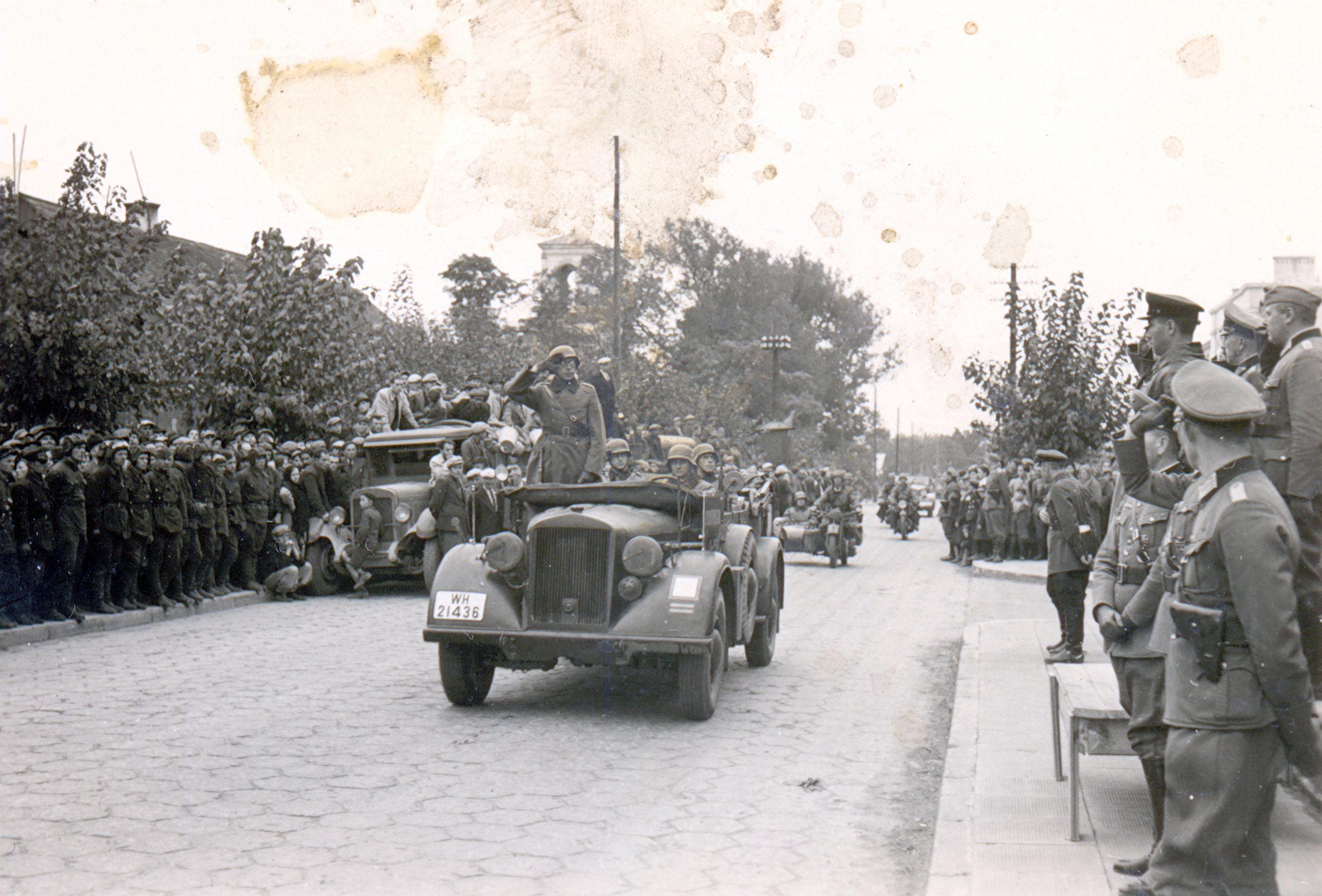
- There were various agreements between Germany and the Soviet Union, which at that time could be considered allies. The territory of Poland was divided between Germany and the Soviet Union. Accordingly, Brest went to the USSR. Both at the exhibition and in publications, part of the material is devoted to these events. The event is well -known, but amateur photographs allow you to see how all ordinary participants in events from different sides perceived it. There are photographs of German soldiers and officers who took part in the transfer of the city, Soviet, but in much smaller quantities come across. And photographs of local residents who shot events simply from the point of view of the audience.
- And this was an anomaly that the city occupied the German troops and transferred it to the Soviet, or did this happen in other places?
- The boundary of the distinction between the spheres of influence has changed. Somewhere, Soviet troops moved far enough and then departed after the demarcation line was clearly marked, somewhere the opposite. Until October 1939, these boundaries were still installed. The territories are somewhere small, and somewhere quite extensive were transmitted. Accordingly, the troops and a little later border services established a clear line of demarcation. In Brest, this happened quickly enough. German troops left for the Bug, the city was left by the Soviet Army and later the Soviet administration.
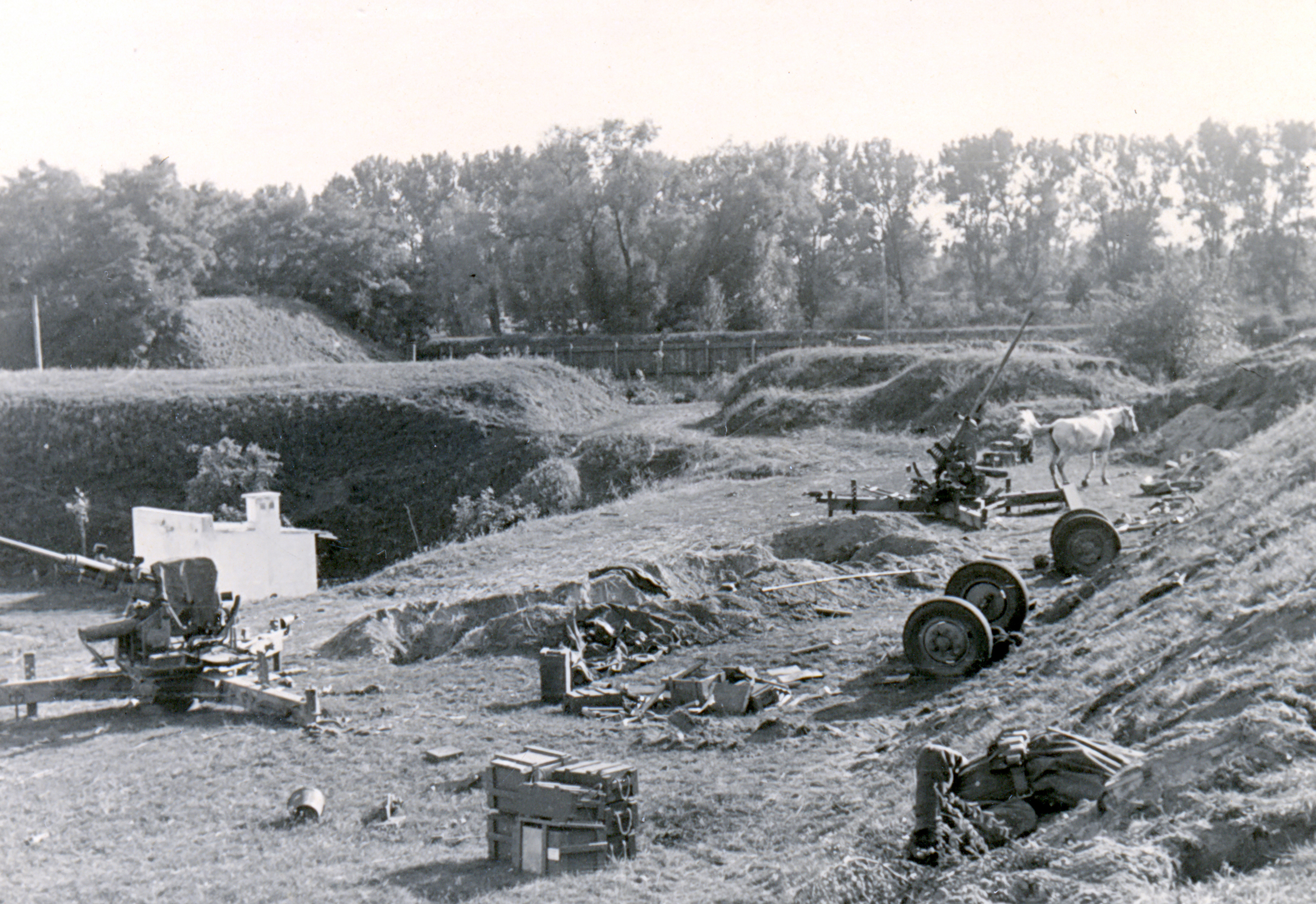
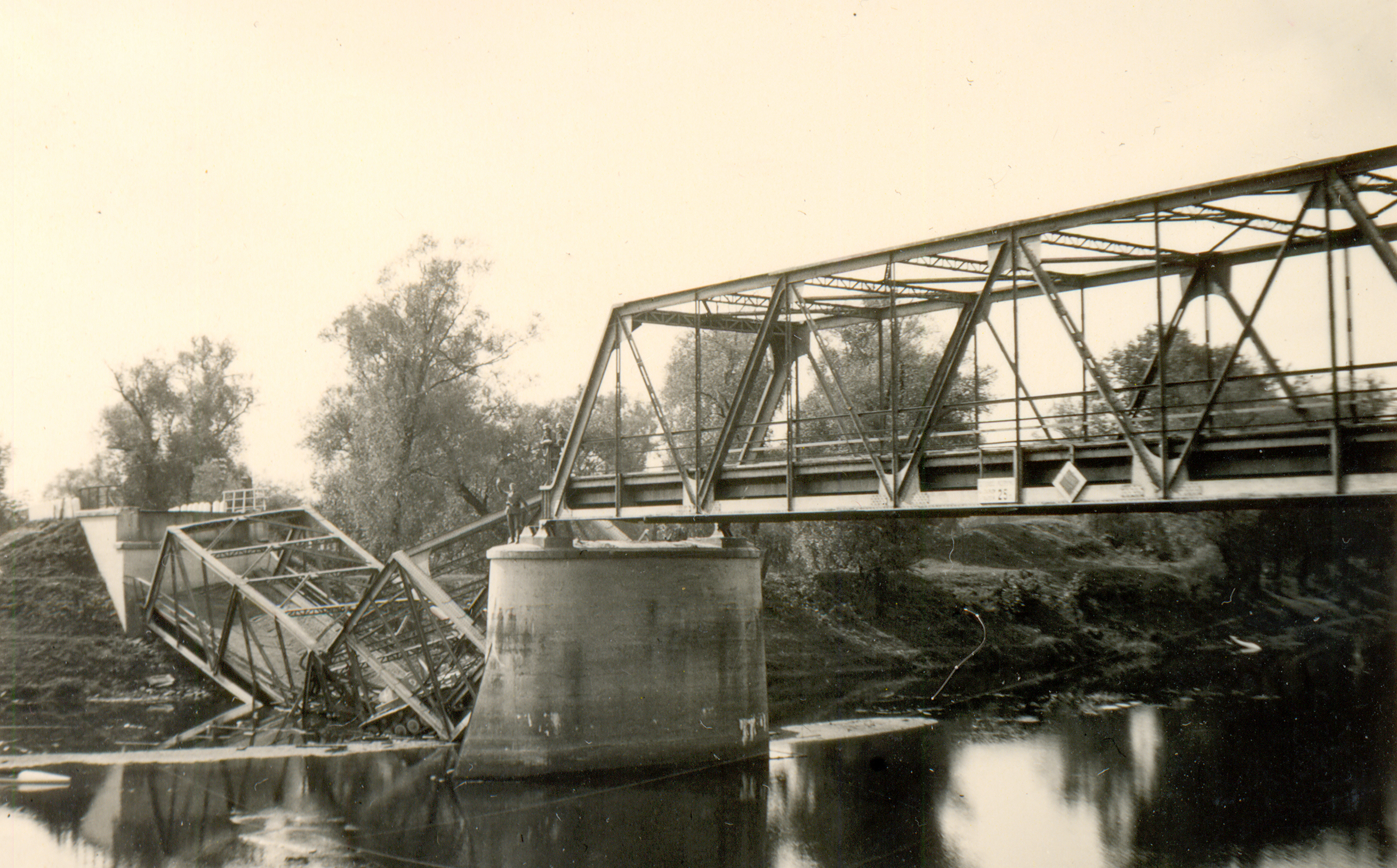
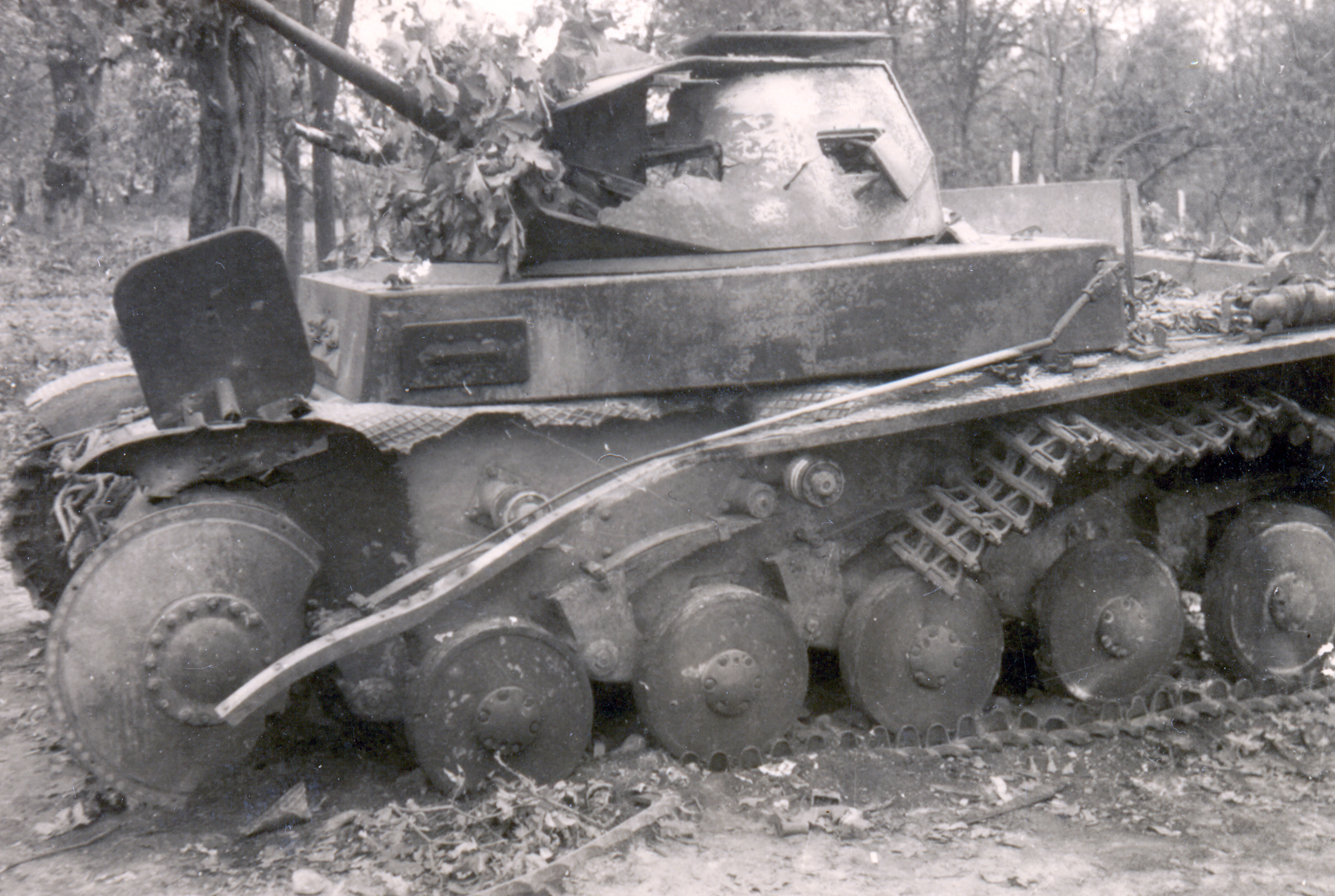
- Before that, they managed to conduct a joint parade, and this unusual historical event is captured in some pictures from your collection ...
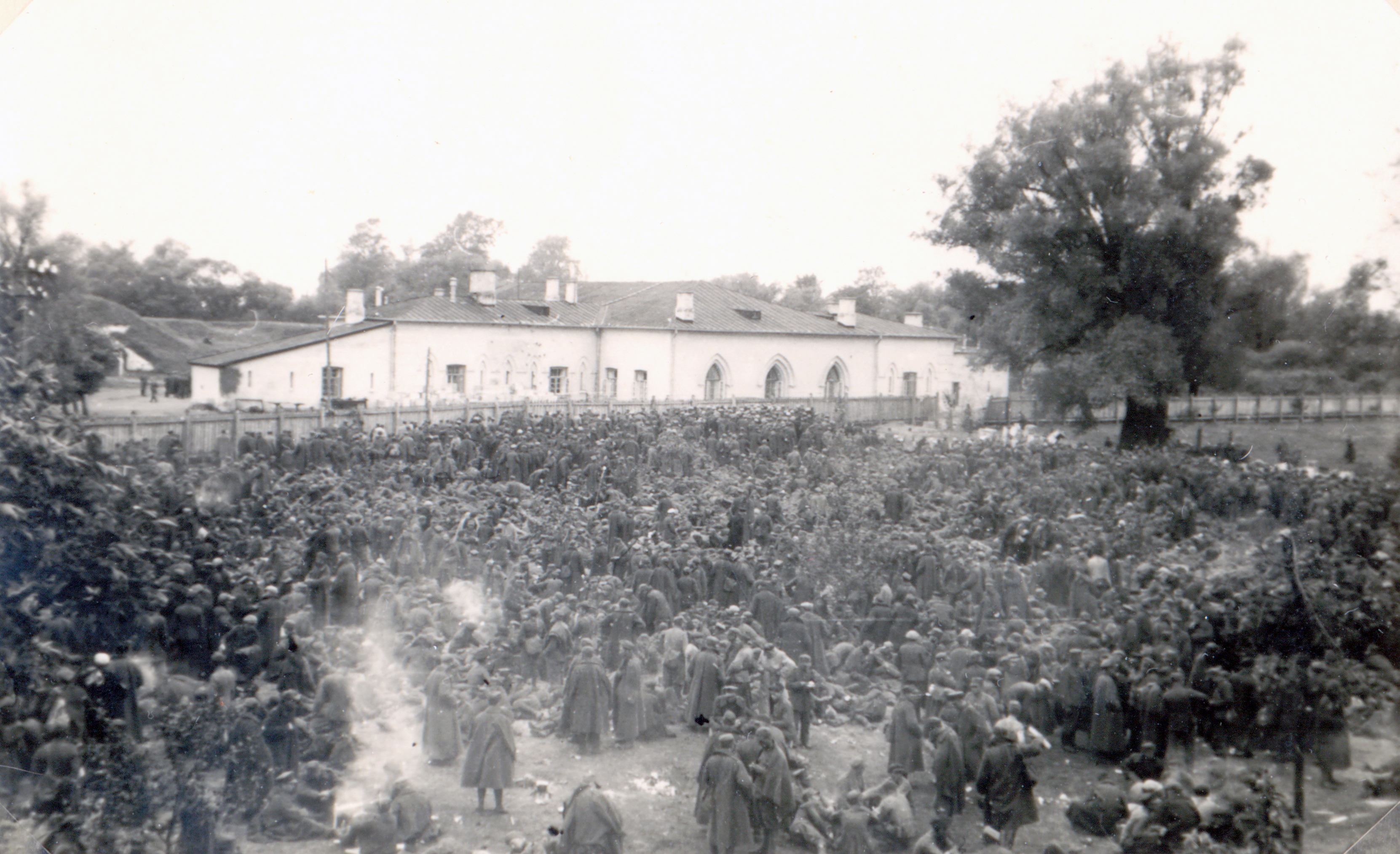
At the entrance to the fortress of the Soviet troops, Polish prisoners of war were transferred to them
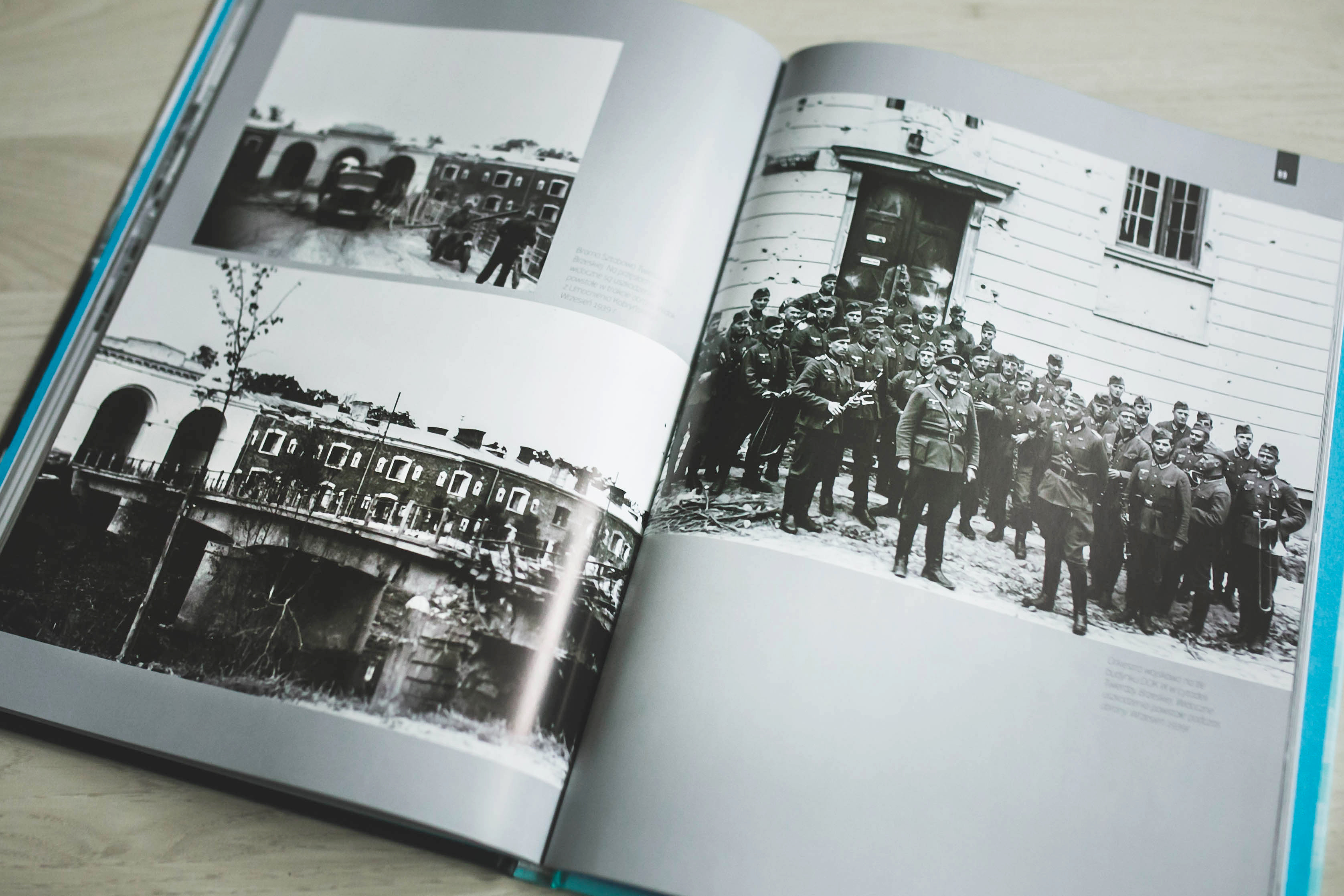
- Yes. Moreover, interesting details of this event. There was a solemn transfer of the city and there was a separate event in the fortress, which also devoted several photographs at the exhibition. If in the city it was a solemn event with the passage of equipment, several columns of personnel in the presence of the commanders from each side, then in the fortress this was already at the level of officers of the lower link. At the entrance to the fortress of the Soviet troops, the Polish prisoners of war, which were contained in the fortress, were transferred to them, some trophies were transferred. These details, previously unknown, appear in the original photographs of that time.
- Did the Germans mainly take these pictures?
- Yes, 99%will probably be German pictures. Sometimes Polish.
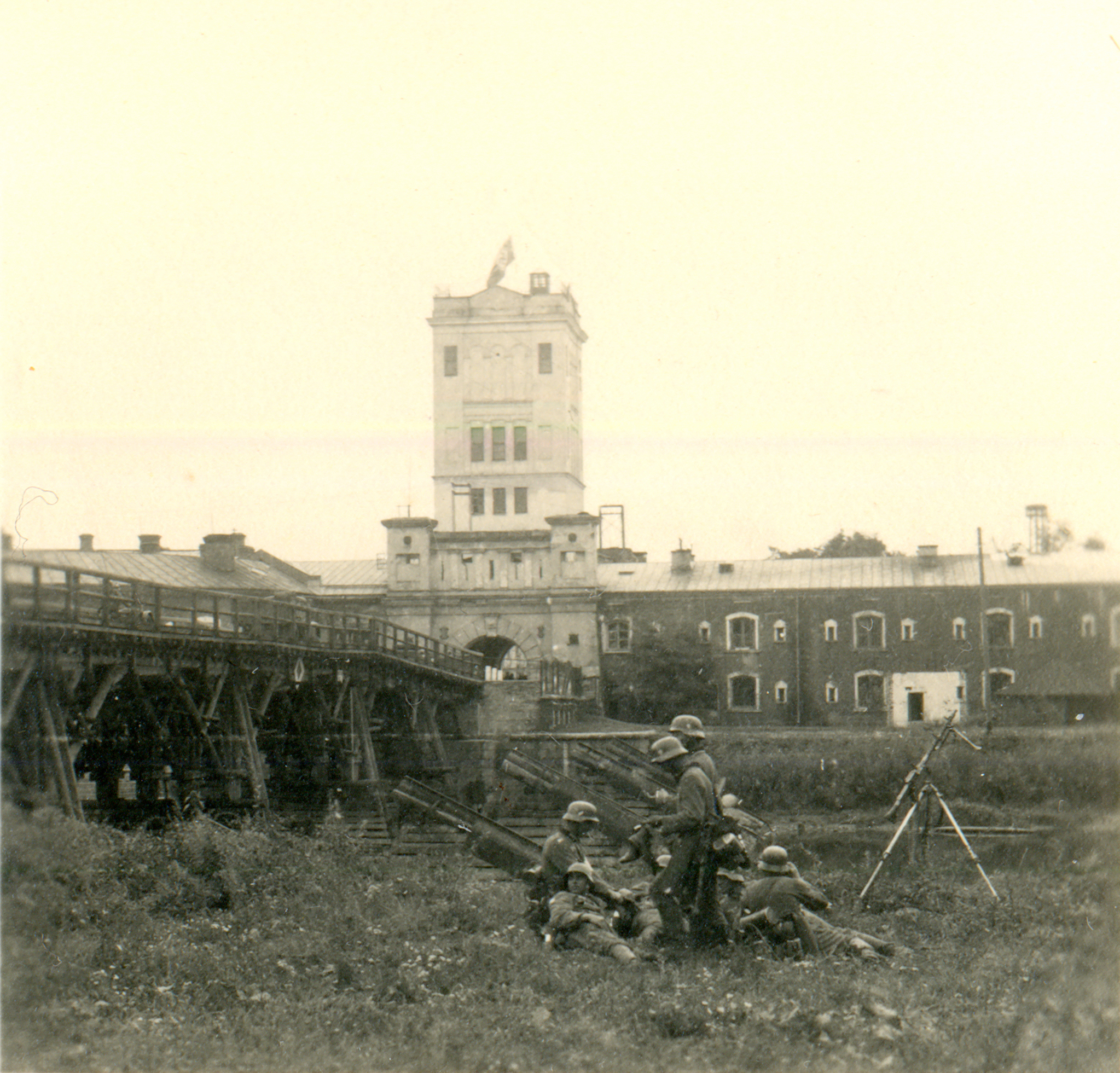
- What is the fate of prisoners of war, which were transferred by the Germans to the Soviet troops?
- There were conditionally three options. There were many reservists from among the local population in the fortress, who were called up to the Polish army on mobilization and did not manage to serve for a long time. Upon presentation of documents and evidence that they are local residents and are not officers, they were released home. Part of prisoners of war, even before the transfer of the territory of the Soviet Army, managed to take deep into the territory of Poland and Germany. There is a case when, according to the documents, it can be tracked that the captive defender of the Brest Fortress spent 6 years in a prisoner of war camp and was liberated by the Soviet Army in 1945. That is, this is the longest time in captivity during the Second World War. And the third option is the sad fate of officers, police officers and administration employees. This is a group that was transferred by the German troops of the Soviet side. Many of them were later shot in Katyn and other places.
- Who photographed the events of September 22, do you know the name of the German photographer?
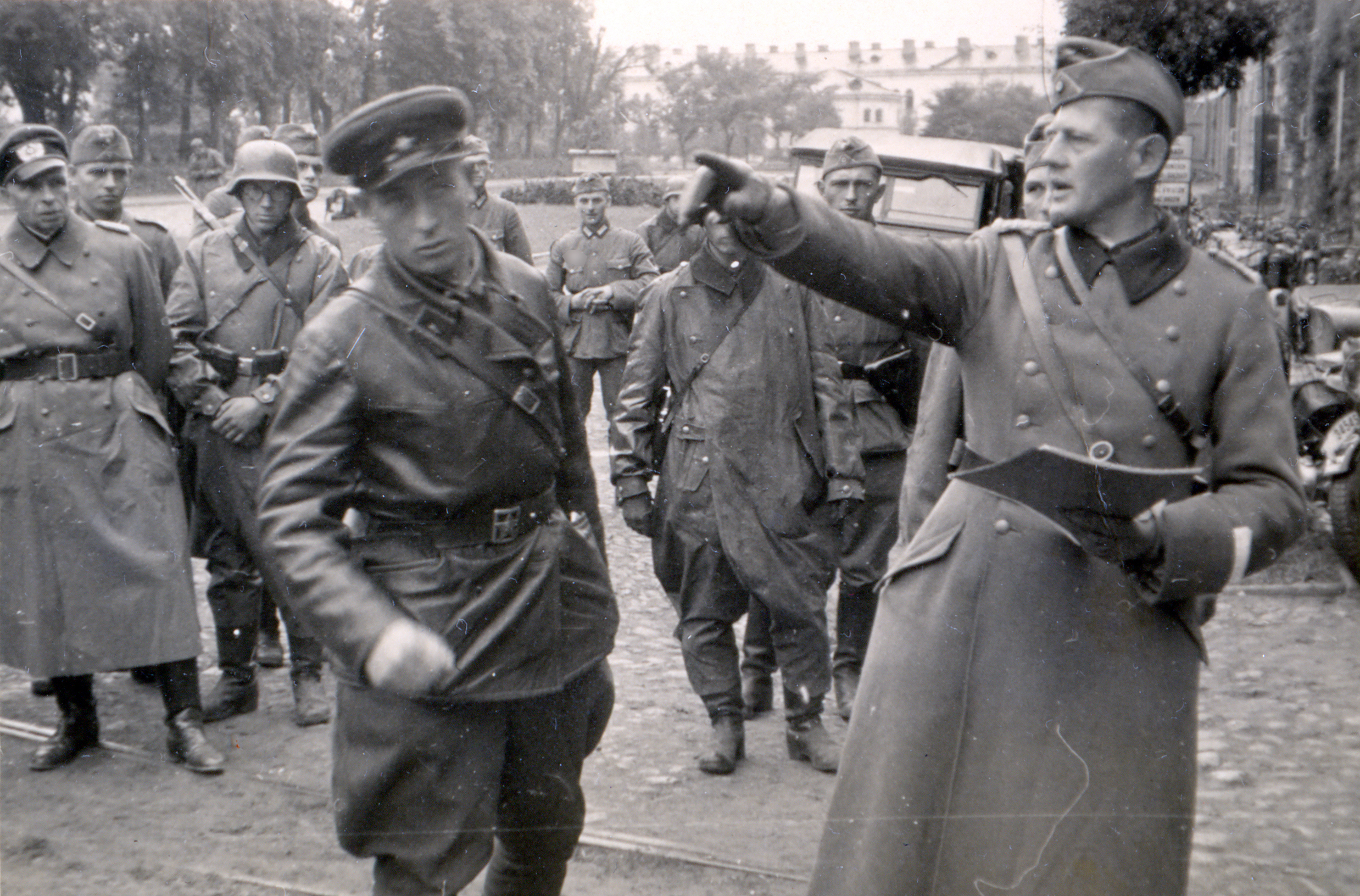
- These are several sources. In particular, the album of one of the officers of the 76th Infantry Regiment. The officers who participated in the assault on the Brest Fortress and remained until September 22 in the city, captured their colleagues, their surnames were signed. The author of the album was not signed, but many participants in the events are signed. Both in external similarities and these signatures managed to establish these officers, their surnames and biographical data are indicated in the abstracts to the photographs.
- And how did you find this album?
-This album was purchased at an Internet asociation. Another such plan of the album was bought from relatives of a fellow soldier officer who was shooting.
- Which of the photos of September 1939 seems to you the most interesting?
- a picture in the process of transferring the fortress, where German and Soviet officers are captured - this is all happening on the territory of the citadel. There are characteristic gestures, facial expressions, there are tension, emotions.
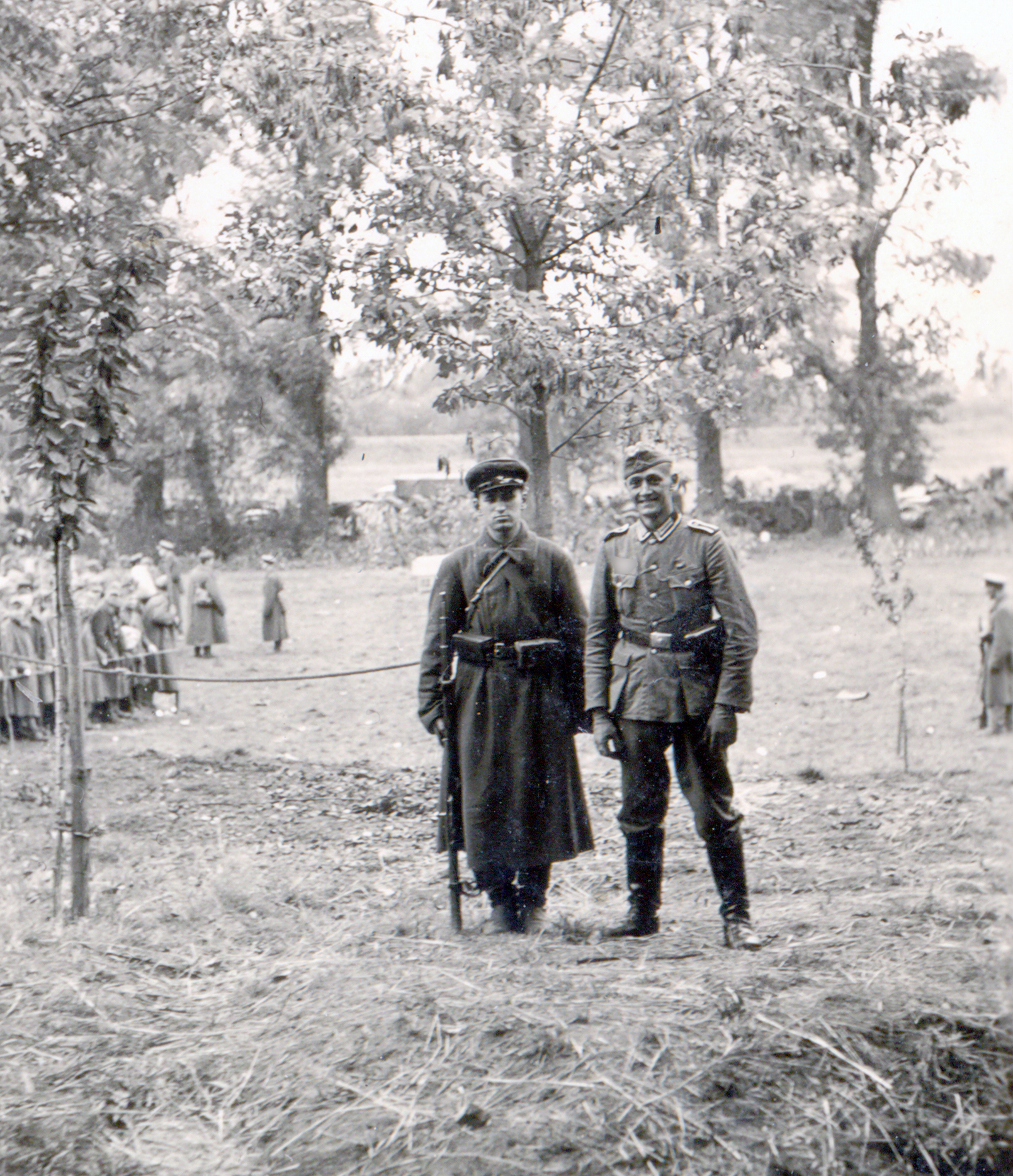
And another picture is very simple, but historically significant, it closes the head of 1939 in my book. This is a picture of the German corporal and the Soviet ordinary on the strengthening of the Brest Fortress. Together they took pictures in memory in the territory in which in two years these troops would fight among themselves when the Germans would attack the Soviet Brest.
- What did the Soviet government bring with me? Many were arrested, deported in 1939–40?
Real estate owners lost their houses, administrative premises, stores
- Yes, a wave of repression in the city passed. This was primarily related to those who held positions in the Polish administration, in the police, prosecutor's office. Many real estate owners lost their houses, administrative premises, stores. A wave of transferring this to all the ownership of the Soviet state passed. The decisions of the executive committee on such issues were preserved for the end of 1939, for 1940 and the beginning of 1941. A wave of repression hooked many indigenous inhabitants.
- Was the Jewish community big?
-Once this was one of the largest communities in Europe. During the registration measures by the German occupation authorities in the summer of 1941, out of 51,000 residents of the city, 18,000 Jews were registered, which amounted to about 35% of the entire urban population.
- And in 1941, almost all were killed?
Можно увидеть сразу, как был решен вопрос с еврейским населением, эти люди были уничтожены за несколько дней
– Да, начиная с лета 1941 года. Это большая редкость: в Бресте сохранились оригинальные документы учета городского населения, там есть записи за осень 1941 года, когда за несколько дней количество городского населения уменьшилось на 16,5 тысяч. Поэтому можно увидеть сразу, как был решен вопрос с еврейским населением, эти люди были уничтожены за несколько дней.
– Вы собираете не только фотографии, но и оригиналы документов, они есть и на выставке. Что самое примечательное в вашей коллекции?
– Есть наградные документы одного из инженеров, который занимался восстановлением города и в 1923 году получил правительственную польскую награду. Мне, как архитектору, это крайне интересно. У меня в коллекции есть оригиналы этих наградных документов за подписями чиновников из Варшавы с описанием его заслуг. Буквально за несколько лет, благодаря действиям таких людей, город начал восстанавливаться, приобретать свое лицо. Что касается документов, вокруг каждого есть какая-то своя история. Личные документы: паспорт, карта учащегося, школьника, и вокруг каждого есть история, либо связанная с судьбой человека, либо связанная с самим документом, как он сохранился. Мне интересен документ с историей, чтобы эту историю можно было рассказать.
– Главный сюжет, связанный с Брестом в общественном сознании, –героическая оборона Брестской крепости в 1941 году. Мы знаем миф, который создан был несколькими писателями: в основном Сергеем Смирновым. Миф и реальность – велико ли расхождение? Что на самом деле происходило?
Один офицер из города пытается пробиться в крепость и погибает, другой эвакуируется первым доступным способом
– Расхождение достаточно большое. Но те, кто, независимо от пропагандистских и политических течений занимается историей, сходятся на том, что реальные события намного интереснее и трагичнее, чем то, что было подано советскими писателями. Самое интересное в июне 1941 года – это принятие решений. На уровне обычного солдата, обычного младшего командира, который столкнулся с нападением превосходящих сил, с неожиданной ситуацией, когда везде говорили о том, что Германия – союзник, о том, что войны не будет, и тут происходит эта ситуация. Рядовой может возглавить группу защитников, состоящую в том числе из более старших командиров. Где-то, наоборот, старшие офицеры занимаются эвакуацией семей вместо того, чтобы выполнять свои воинские обязанности. Один офицер из города пытается пробиться в крепость и погибает, другой эвакуируется первым доступным способом. Из таких личных судеб сотканы все события 1941 года. Там много интересных немецких фотографий, потому что немцы в деталях фиксировали результаты боевых действий, для них тоже сопротивление гарнизона крепости в 1941 году стало неожиданностью. Пусть это не месяц, как написано у Смирнова, но неделя достаточно интенсивных боевых действий, при которых 45-я пехотная дивизия потеряла 500 человек убитыми. До сих пор есть масса белых пятен, масса событий, которые еще ждут своих исследователей.
– Фотосвидетельства преимущественно с немецкой стороны, советских не осталось?
– По боевым действиям 1941 года мне неизвестны вообще советские фотографии. Если они в принципе когда-то появятся, то это, наверное, будет уникальное событие.
– А кинохроника есть?
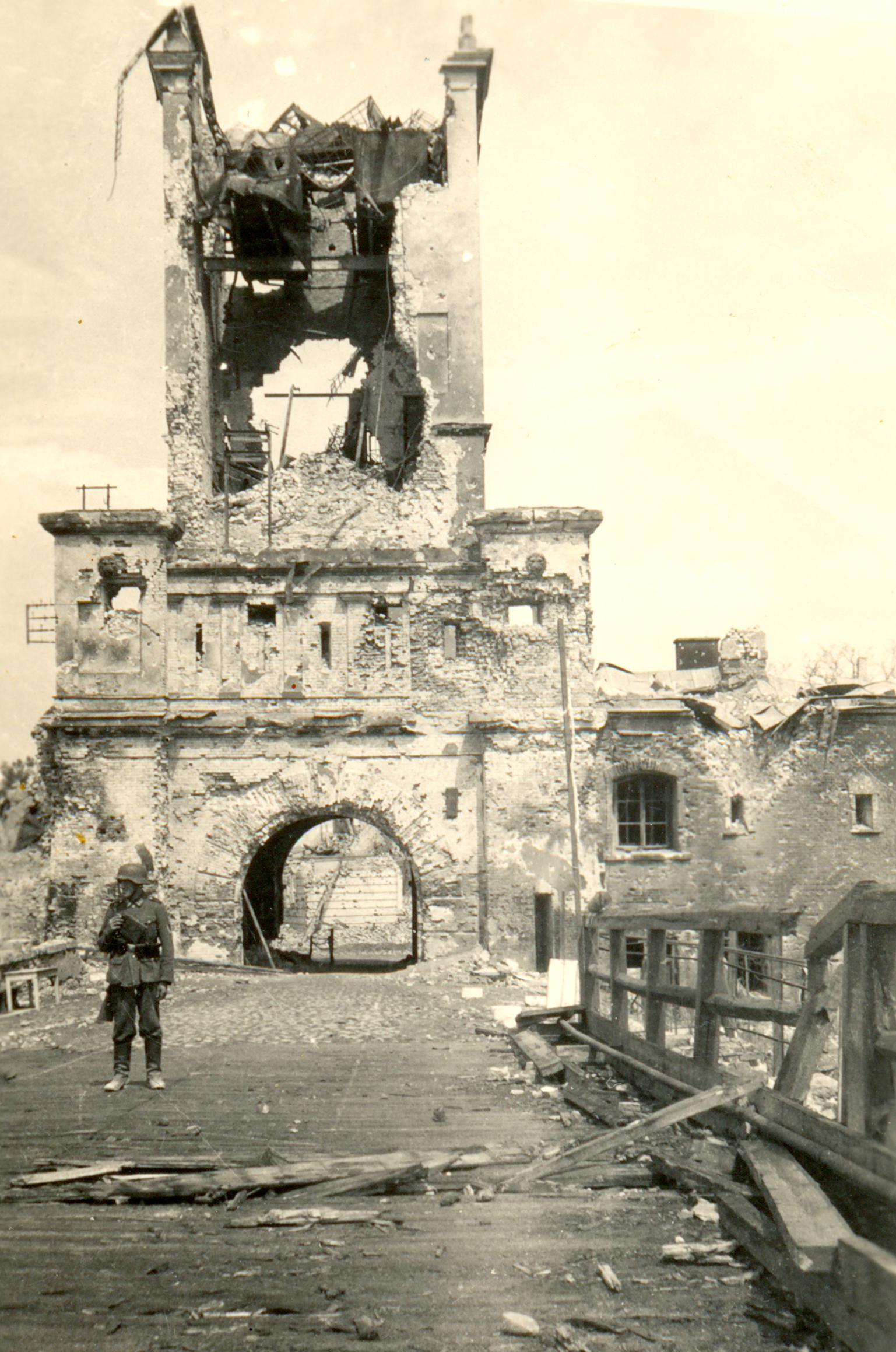
– Есть кинохроника. Это снималось для немецких киножурналов, для поднятия боевого духа солдат вермахта, транслировалась эта кинохроника и гражданскому населению в Германии, и в воинских частях. То есть там больше акцент пропагандистский. Снимались в массовом количестве военнопленные, снимались разрушения. А любительские фотографии очень часто показывают реальный ход событий. На них есть тяжелораненые немецкие солдаты, есть и просто выражения лиц немецких солдат, офицеров, только что вышедших из боя. Это для пропагандистской кинохроники не подавалось. Именно в этом плане любительские материалы более живые, более интересные.
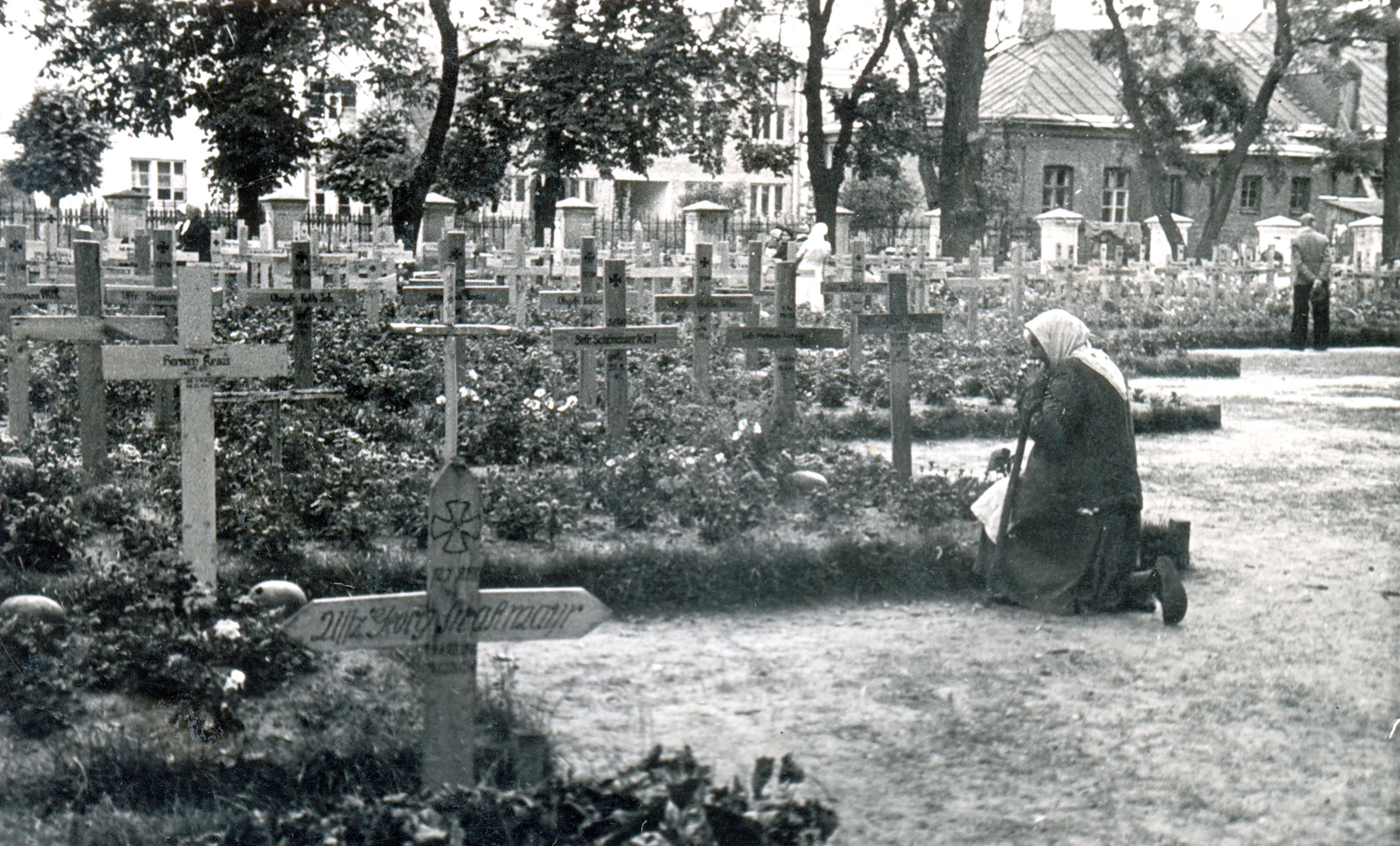
– Вы говорили, что вас интересует непосредственная реакция горожан на исторические события. Конечно, невозможно обобщать, но как встречали жители Бреста сменяющуюся власть, на чью сторону склонялись?
Жители понимали, что Германия и СССР ужиться на этих территориях не смогут
– Жители Бреста к сменам власти привыкли. Это проходило достаточно буднично. Конечно, всегда есть люди, которые из любых изменений стараются извлечь выгоду, а обычные горожане просто старались жить своей жизнью. Но, безусловно, за более чем 20 лет нахождения города в составе Польши многим более импонировал уклад, предлагавшийся на тот момент польским государством. При советской администрации 1939–40 год – это был переходный период, для многих не совсем понятный. Многие жители в своих воспоминаниях говорили о том, что чувствовали, что это ненадолго. Понимали, что в любом случае Германия и СССР между собой ужиться на этих территориях не смогут и опять будут какие-то конфликты.
– Мы знаем по хронике, что часто немецкие войска встречали хлебом-солью, бросали цветы на танки, а потом уже советские войска встречали точно так же. Как это в Бресте проходило?
Местные коммунисты постарались сделать нечто наподобие торжественной встречи
– В 1939 году немецкие войска зашли в город с целью захвата территории, то есть это не был вход парадной колонны, это были боевые действия, поэтому местные жители, понимая, что лучше в таких ситуациях не высовываться, старались на улицах не показываться. Поэтому нет фотографий, где запечатлено, что немцев как-то встречали. Это фотоснимки бронетехники, пехоты, которые заходят на территорию, которую им поставлена задача захватить. Когда заходили советские войска, была другая ситуация. Тут уже местные коммунисты постарались сделать нечто наподобие торжественной встречи: были украшены арки на въезде в город, были советские и немецкие флаги вывешены рядом, были приветственные надписи "Приветствуем Красную армию" с советским гербом, серпом и молотом.
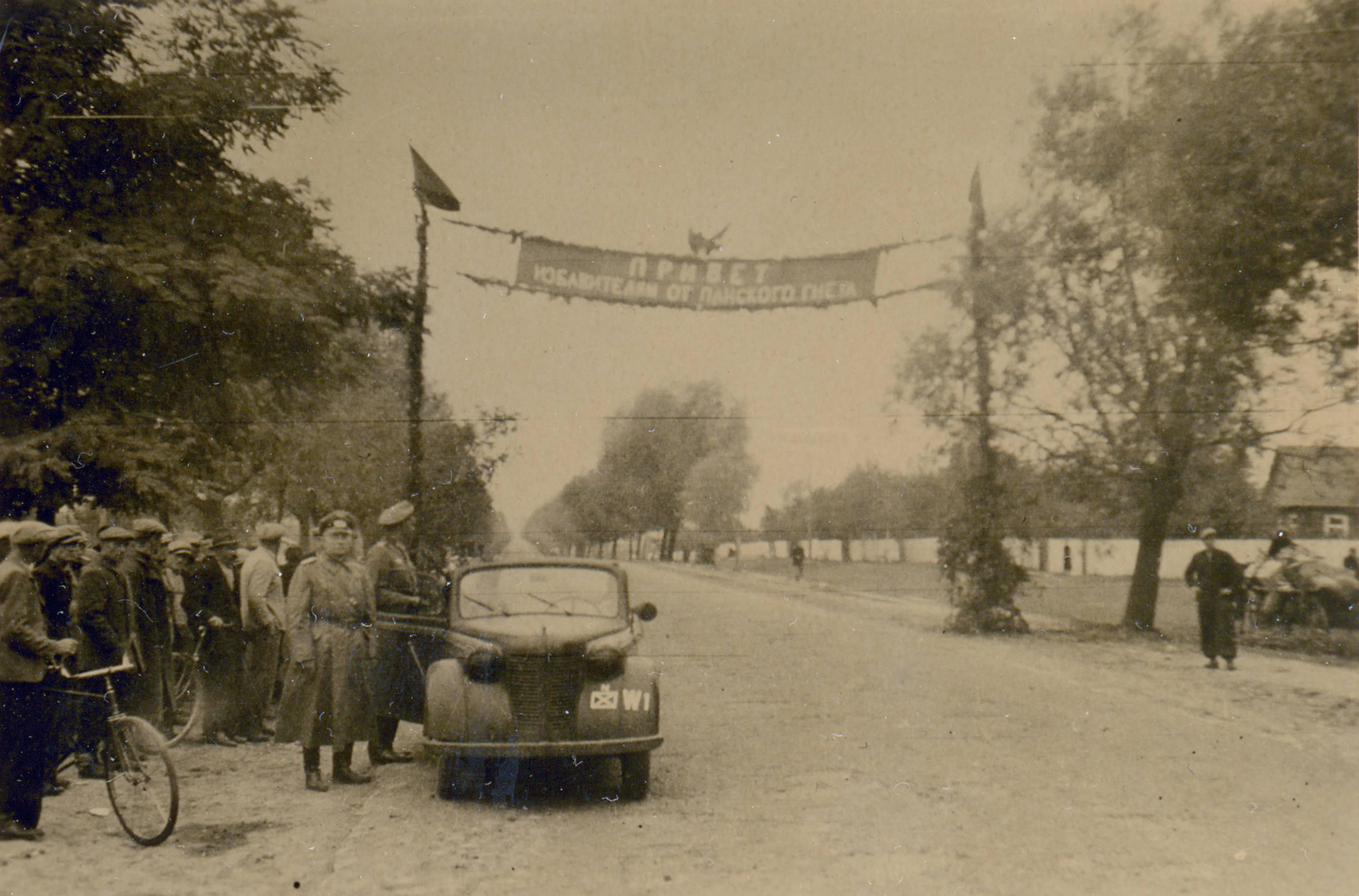
Что касается событий июня 1941 года, то немцы заходили ранним утром, город практически был пуст, никаких вариантов встречи не было. Но с уходом советских войск немцы освобождали заключенных из тюрем. Те, кто содержался под стражей по политическим основаниям, и их родственники восприняли немецкое наступление как шанс спастись. В воспоминаниях четко указывают, что не благодаря тому, что пришли именно немцы, а просто благодаря очередной смене власти люди свою жизнь спасли или спасли своих родственников.
– Во многих городах перед уходом советских войск убивали всех заключенных: во Львове, например. В Бресте никого не убили?
Заключенные благодаря этому артобстрелу смогли выбраться, избили охрану, забрали оружие
– Нет, здесь по-другому развивались события. Это связано с расположением и самого города, и крепости непосредственно на линии границы. Следственная тюрьма в крепости, в которой находилась часть польских заключенных, вообще попала под артиллерийский обстрел. У немногочисленной охраны, которая там находилась, у бойцов конвойного батальона не было времени заниматься заключенными: кто-то погиб, кто-то был ранен, кто-то пытался оттуда вырваться. И были случаи, когда заключенные благодаря этому артобстрелу смогли выбраться, избили охрану, забрали оружие, закрыли их в камеры. Там не было каких-то расправ над конвоирами, просто люди воспользовались ситуацией, чтобы освободиться. А городская тюрьма была покинута охраной, немецкие передовые подразделения открывали камеры, освобождали всех, кто там содержался. В связи с этим в городе прошла волна грабежей – это связано с освобождением преступников.
– И сразу же начались еврейские погромы?
– Массовых в первые дни отмечено не было. Начало июня 1941-го характеризовал всеобщий хаос. Просто кто-то использовал эту ситуацию для того, чтобы разграбить магазин, запастись продуктами, понимая, что опять начинаются какие-то боевые действия.
– Как изменился этнический состав после 1945 года, когда город окончательно перешел в состав Белорусской ССР? Большинство поляков переехали в Польшу?
Видя, что опять приходит советская власть, они не захотели оставаться на этой территории, несмотря на то что пришлось бросить свои дома
– Большинство даже не поляков, а просто местного населения, которое проживало в Бресте до 1941 года, переехало еще во время немецкой оккупации. То есть до лета 1944 года абсолютное большинство населения уехало на территорию нынешней Польши. Видя, что опять приходит советская власть, они не захотели оставаться на этой территории, несмотря на то что пришлось бросить свои дома. Это было именно массовое явление.
– То есть уходили вместе с отступающими немецкими войсками?
- Yes. Немцы предоставляли железнодорожные составы. Правда, условия были крайне стесненные. Речь не шла о том, что можно было перевезти какие-то большие вещи, мебель. Но все равно многие этим воспользовались. Во многом благодаря этому в Польше остались архивы этих людей. Вполне возможно, что при советской власти это все не сохранилось бы.
– В Польше сейчас тоже политические перемены, у власти партия, которая проявляет повышенный интерес к разного рода историческим несправедливостям. Возможно, и эти вопросы обсуждаются сейчас под особым углом?
– И я, и мои коллеги стараемся подавать события с точки зрения истории, не втягиваясь ни в какие политические вещи. Никто не запрещает ни полякам, ни немцам, ни россиянам, ни белорусам изучать историю этих территорий и делать это вместе. Кстати говоря, в Бресте такое взаимодействие существует. В Бресте сохранился большой массив документов, они не были уничтожены в ходе боевых действий. С обычным историческим архивом могут работать исследователи из любых стран, ограничений нет.
– Фотография – это не только историческое свидетельство, но и искусство. Есть ли в вашей коллекции снимки, которые можно назвать произведениями искусства?
– Про многие снимки можно так сказать, даже про любительские, но это именно то, что называется удачным кадром. В частности, мне запомнилась фотография 1939 года, когда немецкий офицер сфотографировал на позиции, на валу у Брестской крепости только что захваченное польское орудие, рядом они специально поставили для этой фотосессии снаряд от этого орудия, чтобы был виден калибр, эта пушка в двух местах пробита немецким танковым снарядом. Это в принципе может быть символом этой обороны. Это именно с художественной точки зрения удачный кадр, он символичный, он заставляет задумываться, хотя на фотографии нет людей.