
Translated material
Russia and Venezuela signed an agreement on debt restructuring
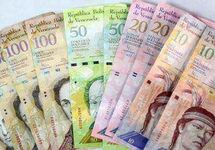
Russia and Venezuela signed an intergovernmental protocol on the restructuring of Venezuela's debt on the state department. This was reported by Interfax with reference to the press release of the Russian Ministry of Finance.
The amount of consolidated debt amounted to 3.15 billion dollars. The new debt repayment schedule provides for payments for 10 years, the volume of which is minimal in the first six years.
"The relief of the debt burden provided by the republic as a result of debt restructuring will allow directed funds for the development of the country's economy, improve the solvency of the debtor, and will increase the chances of all creditors to the return of previously provided Venezuens of loans," the report said.
To put signatures under the document, the Minister of Finance of Venezuela Simon Serpa and the Minister of Agriculture of this country Wilmar Castroedo arrived in Moscow.
Russia is a major lender of Venezuela. In 2011, Venezuela was provided with a loan worth up to $ 4 billion to finance the supply of Russian industrial products. In 2014, Venezuela appealed to Russia with a request to extend the period of use of the loan. In September 2016, the Russian government approved the draft protocol on amendments to the agreement on the issuance of a Venezuela loan, according to which the debt totaling 2.84 billion dollars was consolidated and was supposed to be extended equal to six months for three years since March 2019.
Venezuela's economy largely depends on oil revenues. The country has a shortage of food, medicines and essential goods. Annual inflation in Venezuela reaches 700 percent. In 2003, the left government introduced state regulation of prices for main food. As a result, now up to 40 percent of subsidized products is exported to neighboring Colombia for resale.
Following the results of the elections, the qualified majority in parliament was received by the opposition , which sharply criticizes the economic policy of President Nicholas Maduro.
In January 2016, Maduro signed a decree on the introduction of an extraordinary economic situation in the country. The document gives the state the right to intervene in the activities of companies and regulate foreign exchange operations. In July last year, Maduro issued a decree that obliged the army to coordinate the production and distribution of food and medication.
In May, Maduro announced the convocation of the Constituent Assembly on July 31 of the United States imposed sanctions against Maduro. On August 12, sanctions were expanded. Venezuelan officials fell under them, including the brother of the former leader of the country Hugo Chavez Adan.
On August 12, US President Donald Trump said that he did not exclude resolution of the crisis in Venezuela by military means . "People suffer, and they die. We have many options for Venezuela, including a military option, if necessary," Trump said. At the same time, he refused to clarify whether this option means sending the American military to Venezuela. On August 25, Trump signed a decree on the introduction of financial sanctions against Venezuela due to the establishment of a dictatorship in the country.