
Translated material
The Duma is fanning the fire
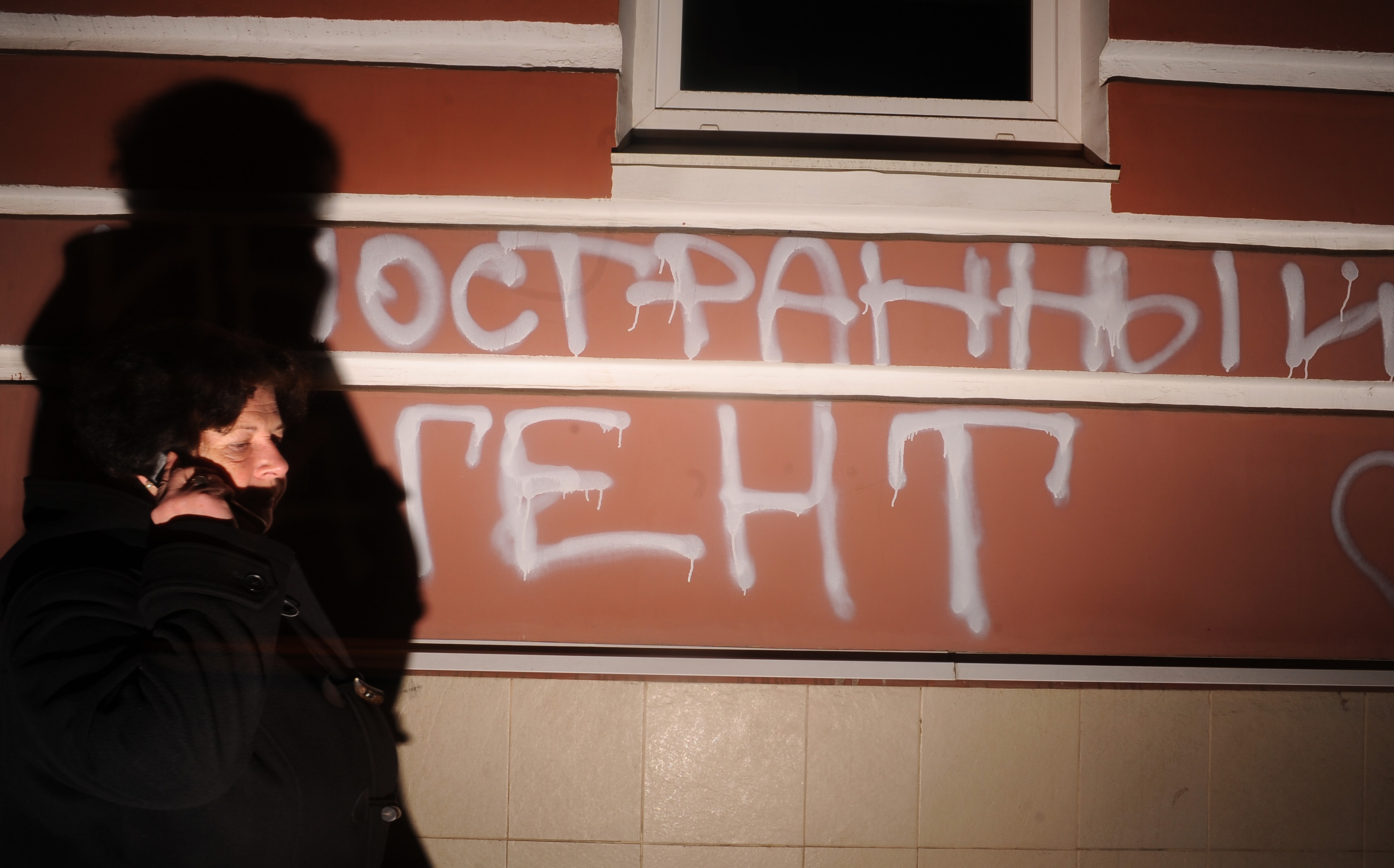
Today, the Russian State Duma unanimously adopted the law on the media-foreign agents. Experts note that the alleged introduction of American media working in Russia to the register of foreign agents and their possible discrimination will add irritation to the relations of Moscow and Washington.
The main thesis of American commentators is identical: no one disputes the Kremlin’s rights to respond to the actions of the US government in relation to Russian state funds of information, they say, but it is impossible to compare the conditions in which the RT channel - has, for example, through cable networks, access to tens of millions of American houses and acting completely freely in the United States, with the conditions in Russia operating in Russia, the American media operate in Russia. This point of view was most sharply expressed by the representative of the American Committee for the Protection of Journalists Nina Firenov : "It is outrageous that the Russian government, which attacked, undermined and choked independent media, which did not properly investigate the murders of leading independent journalists in Russia, now threatens to limit the activities of international news organizations." The US Joint Protection Committee criticized and the decision of the US Department of Justice to introduce RT (more precisely, an American company that produces a television program for the channel) to the list of foreign agents, considering that the government should not decide what is journalism and what is propaganda.
The interlocutor of Radio Liberty Jeffrey Mankoff from the Washington Center for Strategic and International Studies says that it is impossible to draw parallels between the situation in the USA and Russia:
All this cannot be called a mirror response from the Kremlin
- I think all this can not be called a mirror response from the Kremlin. The mirror response would say, the provision of Radio Liberty/Free Europe of the right to broadcast in Russia with the condition of labeling its materials with a label "is financed by the American government." But Radio Liberty is not given the opportunity to broadcast in Russia, its materials are available only on the Internet! Therefore, any attempts to substantiate new potential restrictions on the activities of the American media in Russia with return measures are absurd. These restrictions are actually an attempt to narrow the news space for Russians.
- And how do you relate to criticizing the actions of the US government by the Committee for the Protection of Journalists, who does not like the fact that the American authorities are taking the right to determine what is propaganda and what is journalism?
- I am not against ensuring the right of RT to freedom of speech. However, given that much of what is distributed on the waves of RT is not just nonsense, but a malicious nonsense, produced at the direction of the Russian authorities acting on the basis of hostiles hostile in relation to the United States, it is necessary, in my opinion, measures that will make this state of affairs obvious to consumers of these materials. I’m not sure that this requires state intervention, but it can be assumed, for example, that social networks may not allow the products of certain news services to their news feeds or, say, respectable means of information will refuse to replicate information from inaccurate sources.
- Can we assume what the US answer will be if, as some Russian functionaries warn, the Kremlin will not just hang the label of foreign agents on foreign media, but try to ban their activities in Russia?
- It is very difficult to build assumptions on this. We can impose sanctions against certain Russian figures. We can put up the so -called diplomats from the country, a variety of measures can be taken. I think they will be based on the principle of proportionality and compliance with American national interests.
- Can I imagine the excommunication of RT from American cable networks, creating obstacles in the activities of the channel in the United States?
- No, since we have the first amendment to the Constitution, guaranteeing freedom of speech, and the rights of the media were invariably confirmed by the country's supreme court.
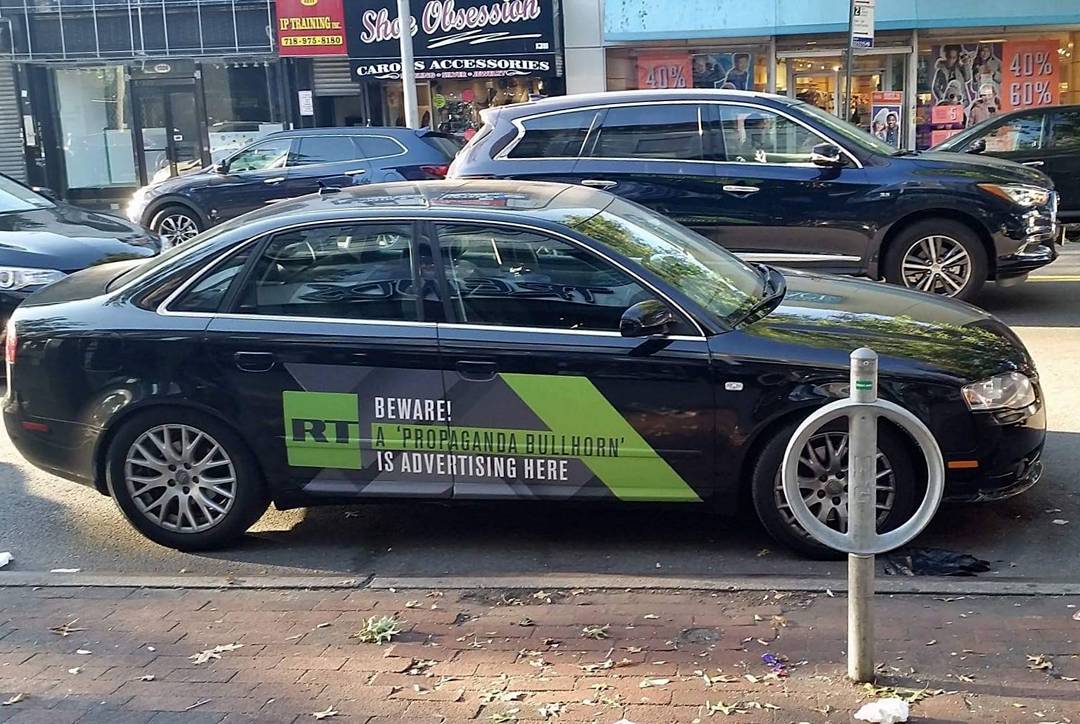
Ilan Berman , Vice President of the Washington American Council on Foreign Policy , believes that RT can become an object of sensitive sanctions by the American authorities, if the Kremlin takes advantage of the situation to squeeze American and other international media out of the newsletter of Russia:
“We have not yet reached the point when the future of the RT channel in the United States has become the subject of discussions,” says Ilan Berman. “But this can happen.” So far, the first step was the official fixation of the real status of RT as an agent of a foreign state that is not a news organization completely independent of the Russian government. And the State Duma is now formally reacting to this step. Whether the confrontation will come in, whether the RT will be response to limit the activities in the United States, to deprive the channel of the opportunity to translate their programs through a satellite is still unclear, but it is completely clear that this is impossible to exclude.
- How carefully, from your point of view, do this story with RT and the answer of the Duma are following in Washington?
- I think I will not be mistaken if I say that in the American leadership, in the American leadership, they begin to be extremely seriously treating the Russian information war, and Russian information operations begin to prepare for the answer. RT is part of these operations. As I said, it is not known what form this answer will take. It is believed that President Trump would prefer a much less conflict approach to relations with the Kremlin. But many of his national security advisers, as well as American lawmakers, occupy much more stringent positions, considering Russia's interference in the American electoral process. So far, there is no complete unanimity in the ranks of the American leadership on the question of what the American answer should be to Russian actions, but it is obvious that the top does not take the idea of reconciliation, but the idea that a decisive response is required, ”said Ilan Berman .