
Translated material
"History is people"

In Siberian cities - local history boom. My " walks in the old Irkutsk" collect hundreds of citizens, do not get into the archives, everyone is studying genealogy, museum nights and biblilative ones are becoming more and more popular.
Maybe this is a Russian trend, you say? Well, nights in museums and libraries, probably yes. We see reports on how Muscovites break the doors in national museums - I really want to touch the beautiful. But what makes people in the small Siberian cities go outside in any weather to listen to the history of their city, streets, a specific house?
When six years ago we announced on one resource that we were starting free walking "walks in the old Irkutsk", we decided for ourselves that we would be very happy if a person came thirty. One hundred and fifty came. Therefore, we immediately said that we cannot throw connoisseurs of provincial history and we will walk with them "to the last." Moreover, all of our already one hundred and forty walks have not only different topics, but also different meaning. We want to extend the audience so that every Irkutski can see himself in the project. Therefore, there appeared stories-goals about Irkutsk jazz, football, outskirts, parks and military events of a hundred years ago. We publish unique postcards for each event, for which the hunting among collectors began. We negotiate with the railway and go to Slyudyanka (this is 150 km from the regional capital), and with us two cars (150 people) of the Irkutski. Why this happens, you ask?
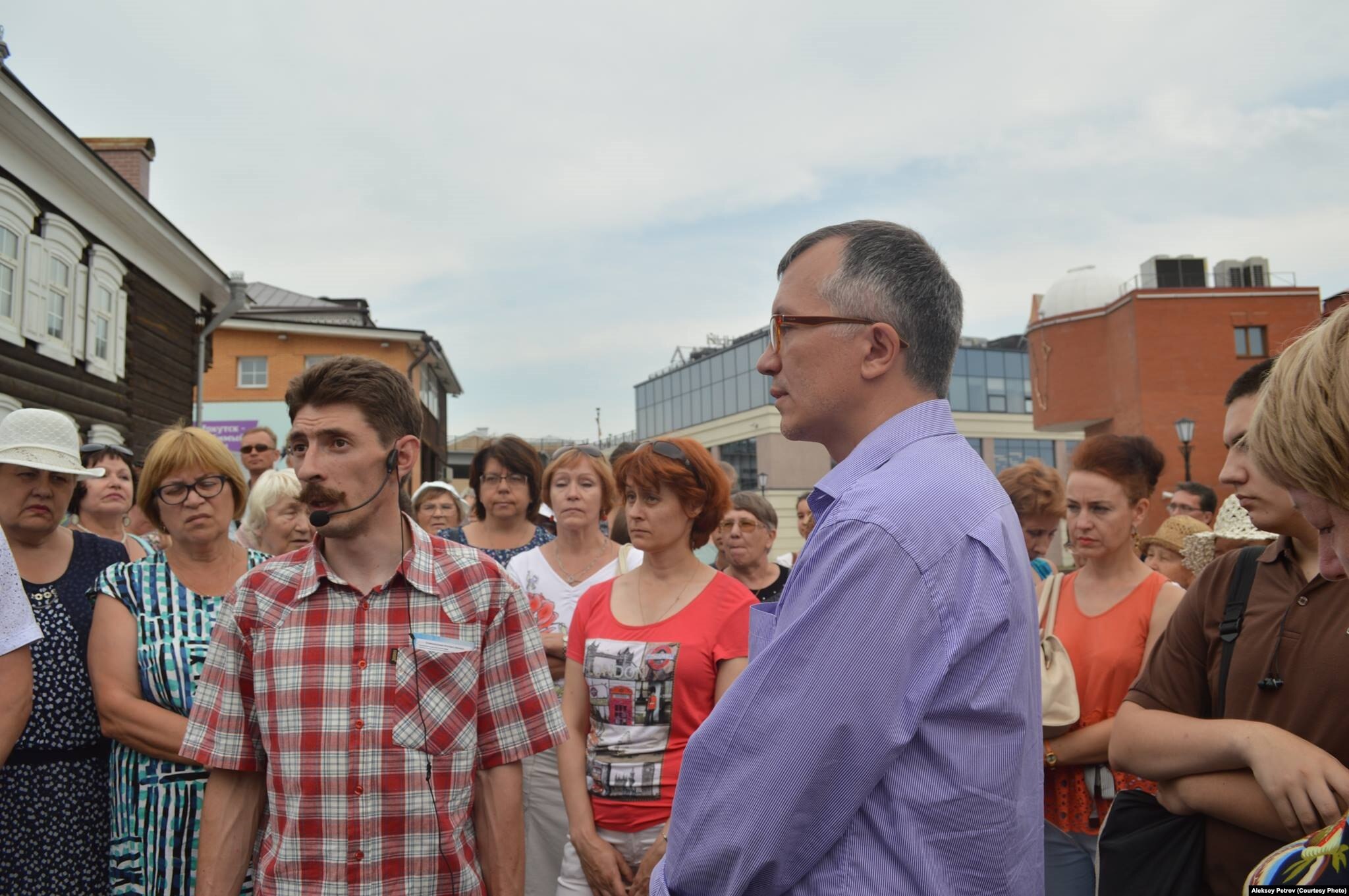
We ask ourselves this question constantly. Why is it so important to know what was on a specific street in the house in which I live and pass by every day, when lanterns appeared in Irkutsk, they put the asphalt, began to show films and went a tram. History is people, in it there is a place for my parents, grandparents. Therefore, it is quite difficult to get into the state archive of the Irkutsk region. A small hall for ten people is always filled, to a lesser extent by scientists, and more - those who are sitting over metric books and versed where his grandmother was born and married great -grandfather.
We observe something similar in Irkutsk and in the "Book Shelter", when a young man named Zhenya, engaged in collecting waste paper, realized that there were some kind of waste paper in her waste paper. So the open -air store opened, where any Irkutsk and the city guest can acquire any book for 50 rubles. There are not even cut books here, that is, half a century and more lay down somewhere in apartments.
True, at the same time, to meet and share their memories of the city and its post -war history, several old -timers of Irkutsk refused for one simple reason: the children (grandchildren) made repairs and threw everything away. There is nothing from the last furniture in the house and there is not a single photo from the past. Everything went into scrap and trash. This also happens that I say.
But seeing how many Irkutsk people are buying old books and books about the past in Bukinists and bookstores, I understand that there are still more readers and reverently related to history. And this is not only Irkutsk history. The same success stories are already in Tomsk, in Novosibirsk and in Proletarsky Krasnoyarsk, at the book fair in which I write these lines. Here, of course, you don’t take a walk in the way we walk in Irkutsk, since there is almost no historical one left, but local libraries, archives and museums also act in these cities as institutes of memory.
Last week I gave a historical lecture in a small provincial town of Cheremkhovo. Now a little more than fifty thousand people live in it, although in the middle of the twentieth century - to the Komsomol construction projects - the city was the second in the region after Irkutsk and in industrial potential, and in the population (two and a half times more than now). There were more than three hundred young guys in the hall, and those forty minutes that I told them about how now you can study the history of the city through the history of my own family, I saw a lot of burning eyes. A city that is not closed by fate can receive a new cultural development. And not only because the mayor in him is a historian. But if the city authorities and business have a desire to change something in their environment: street exhibitions and pedestrian excursions, the creation of free spaces for young artists and the publication of books and booklets about the past Cheremkhovo. The big city may have more funds, and the small city may have more desire. And this is not a conflict of interests, this is the interest of interests. Assigning the title of Honorary Citizen Cheremkhovo (I will again come true to this rather native town for me) local historian Tatyana Kovalskaya in the year of the century of the city - the first step towards this ...
And I also want everyone who comes to us in Irkutsk in a day or two, could not only buy a magnet that will dust on the refrigerator, but would like to buy an interesting book about Irkutsk, go to the playing theater and see local architecture. Or, as the author of this text, to learn how to talk with wood-beautiful houses of historical development of the beginning of the last century, which, despite their dilapidation, are still beautiful and affordable. Imagine: you climbed into the attic of the house where Alexander Kolchak once stopped ... And then ... Then a myth is born that helps you understand the soul of the city and its history.
Alexey Petrov - Irkutsk historian, blogger
The "Opinion" expressed in the heading of the point of view may not coincide with the position of the editorial office