Date
Author
Вячеслав Половинко, Алиса Кустикова
Source

Preserved copy
Translated material
Embassy on the bones
Workers from Russia under the guise of tourists are taken to Panama for a construction site for the Russian Foreign Ministry. There they do not receive a salary, they get sick and die
11/28/2017: There is a sequel
The reaction to the publication of the "new" about the death of Russians at the construction of the embassy in Panama: the Foreign Ministry "in the course", the workers were given debts on salary
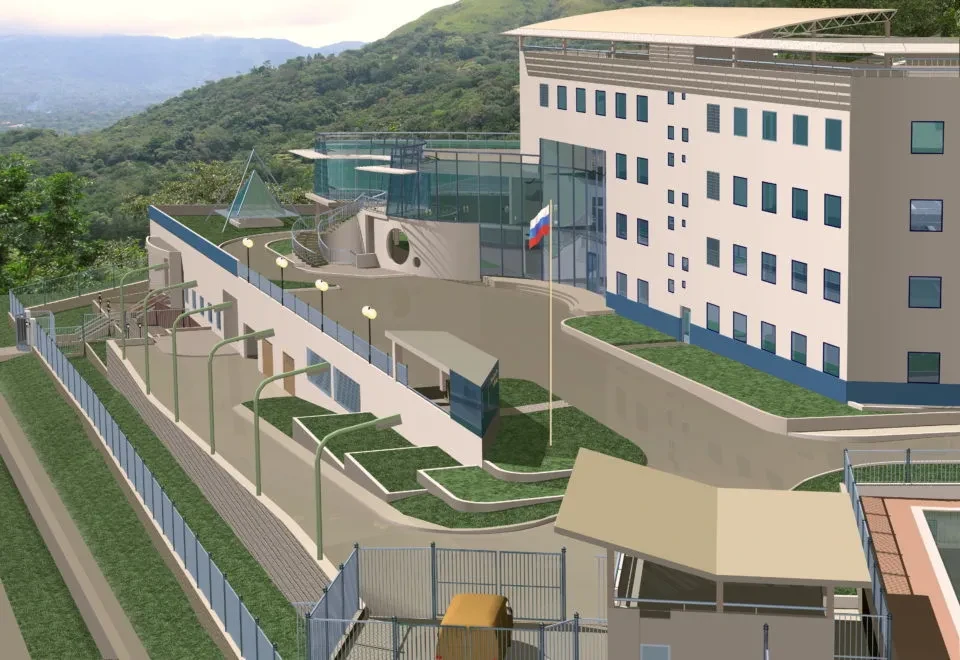
In January 2017, 25-year-old painting Marina Ivanova (the name and surname of the heroine were changed at her request) decided to get a job. There were no suitable vacancies, but then the acquaintance advised to contact the company Remstroy-Alelex, which is engaged in construction-the malyars are definitely needed there.
Construction is not easy: Remstroy-Alelex is engaged in the construction of buildings through the Ministry of Foreign Affairs, and its objects are located abroad, a friend explained. So we need a work book with confirmed work experience for five years - the rest will be explained on the spot.
Marina followed the Council, but it was not possible to get a job at Remstroy-Aleksoss. The company asked the girl to collect certificates and bring them to an inconspicuous office hidden in the maze of high -rise buildings of the Moscow region Otradnoye. After that, Marina was waiting for a call from the office for almost three months. Only at the end of April, Ivanova was said - it was hired by the repair of the Russian Embassy in Panama. Departure in three days.
Panama "holidays"
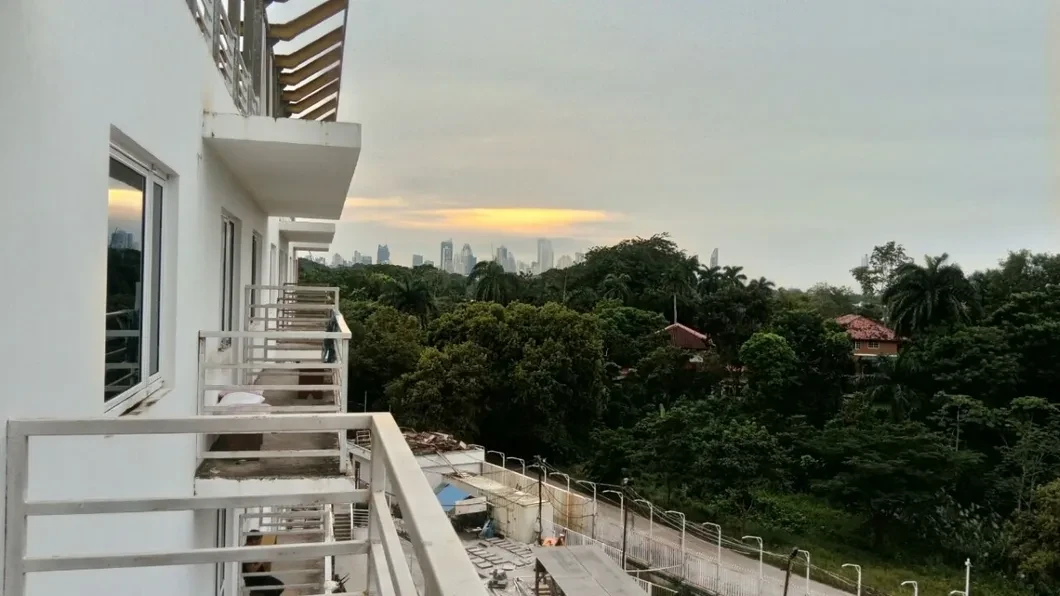
Events spun with terrible force, in their series, Marina first did not pay attention to several strange things related to the paperwork of the future employer.
The fact that a trip to the construction object (and together with Marina went to Panama went to Panama went completely) was completely amazing as a tourist.
Moreover, the contract was drawn up in such a way that the employees are supposedly in Moscow. There was another oddity: they promised to pay $ 1,200 a month minus the cost of meals and weekly advances. But only 17,500 rubles were indicated in the contract. Marina saw all this briefly, since she was immediately taken from her agreement. The main condition is to work at the Panama facility for at least three months, otherwise there will be problems with the payment of salaries.
They flew out at the end of April. With her, Ivanova, according to her, was given $ 2600 in cash. But not for her personally: this money had to be transferred in Panama Remstroy-Aleksus accounting so that workers could receive weekly $ 26 for minor expenses ( by Panama standards-even very small ones - ed. ).
Here they would again amaze that cash to employees are delivered in this way, but, as Marina says, she was warned that all the new arrivals are doing this.
In the capital of Panama-the city of Panama City-a new batch of workers was met by a specially hired driver on an 11-seater leased Huyndai. In half an hour, the car rushed workers on the construction site. Badeji Marina and her comrades were handed out by the foreman Vasily Grigoryevich.
All one hundred and eighty people at the construction site turned out to be Russians from various cities - Samara, Kazan, Lipetsk, Moscow. Later, Ahmed from Nalchik was added to the brigade. The construction was supervised by the director Alexander Erokhin.
"Street St. Petersburg, Street of Razdora"
The Russian Federation decided to build an embassy on Panama land 15 years ago. The decision on the acquisition of the ownership of the land for the construction in the prestigious area of Albruk Panama-City was adopted in June 2002. Under the document is the signature of the Chairman of the Government of the Russian Federation Mikhail Kasyanov. The site was intended for the construction of the buildings of the Russian Embassy.
In 2005, three years later, another resolution was issued signed by the Prime Minister of the Russian Federation Mikhail Fradkov. The terms of construction of the embassy agreed with the Ministry of Finance are indicated there - from 2005 to 2008. However, it seems that the construction did not decisively go. At least in March 2013, a new order of the government was already signed by Dmitry Medvedev. The document states: in 2015, the construction of the embassy in Panama should be completed.
On the network you can find a project of the Russian Embassy in Panama, developed by designers of the company Special Project OJSC.
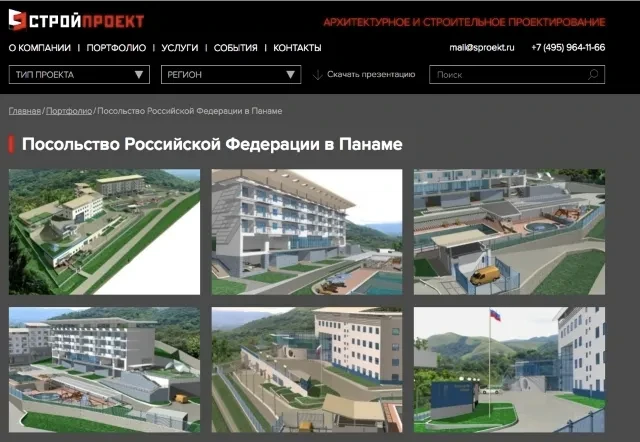
“The buildings of the complex are cut into the mountains of the mountain and form a terrace,” the company describes its project. - On the territory there is a residential building for 24 apartments.
Stroyproekt OJSC developed a building project in 2014, but the construction is still “underway”. Immediately, for the first time, the address of the building appears - the Republic of Panama, the Albruk district, Calle Edwin Botello. But here's the bad luck: Calle Edwin Botello (Calle from Spanish translates as a street - ed. ) Search engines do not know. Where is the embassy built?
The answer to this question is given by the publication in the Panama newspaper La Prensa for 2007 with the speaking name “St. Petersburg Street, Razdora Street”.
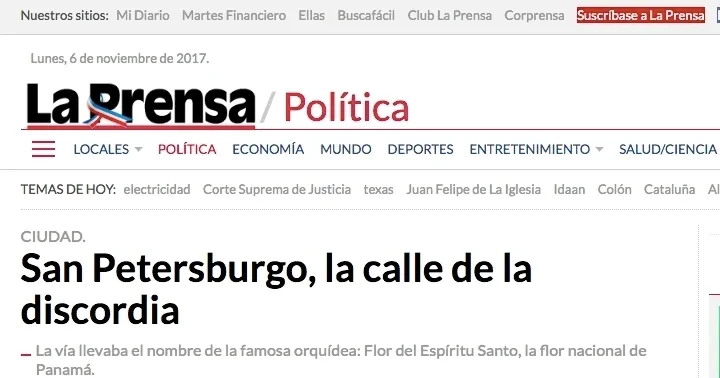
The news notes talks about the protest of local residents - the inhabitants of the Albrooke district - against renaming one of the streets. Guess what the street was called? Calle Edwin Botello. Now, by decision of the city hall, she is named after the northern capital of Russia-St. Petersburg. Local residents asked the street to be called a prospectus of the Flower of the Holy Spirit - in honor of the famous orchid, the national symbol of Panama. This initiative was approved by the metropolitan municipal council in 2004.
At the same time, the Russian Federation was negotiating about the renaming the street with the mayor, insisting that the street next to its future headquarters be named after St. Petersburg. As a result, the decision was canceled by the Council at the request of the Russian Federation. Residents sent a letter to the Ministry of Foreign Affairs with a request to revise the decision and even went to the “Razdora Street” with a rally, but never received an answer.
The conflict was continued - in addition to renaming the local residents, the noise of the construction was outraged. The inhabitants of the prestigious quarter made a complaint to the local deputy, and in 2017, according to local media, the Panama authorities found violations and stopped the construction.
Panama long -building
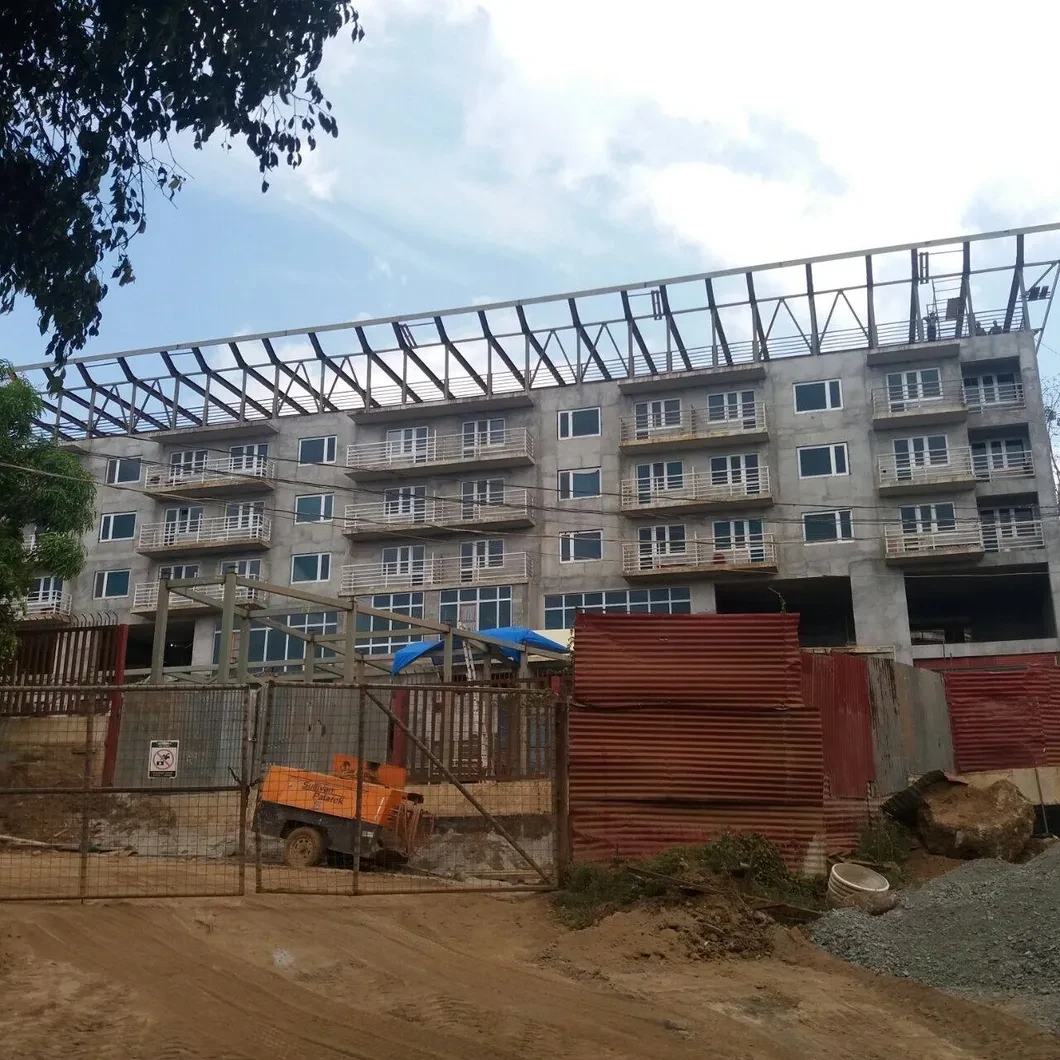
Thanks to the protest of the distant inhabitants of Albruk, we know where the Russian Embassy in Panama is being built. There are not many houses on St. Petersburg Street. To be precise, two. And, after the satellite images available in Google Earth, there is only one long -building on it. The outlines of the building are clearly reminiscent of those that has a building depicted on the projects of the company StroyProekt.
To make sure that we are talking about the Foreign Ministry, we compared satellite pictures with the image of the embassy project and photographs that the workers made. Photos from space allow us to draw a disappointing conclusion. The construction of the Russian Embassy in Panama was not carried out for years, and then the contractors of the Foreign Ministry began to hastily catch up.
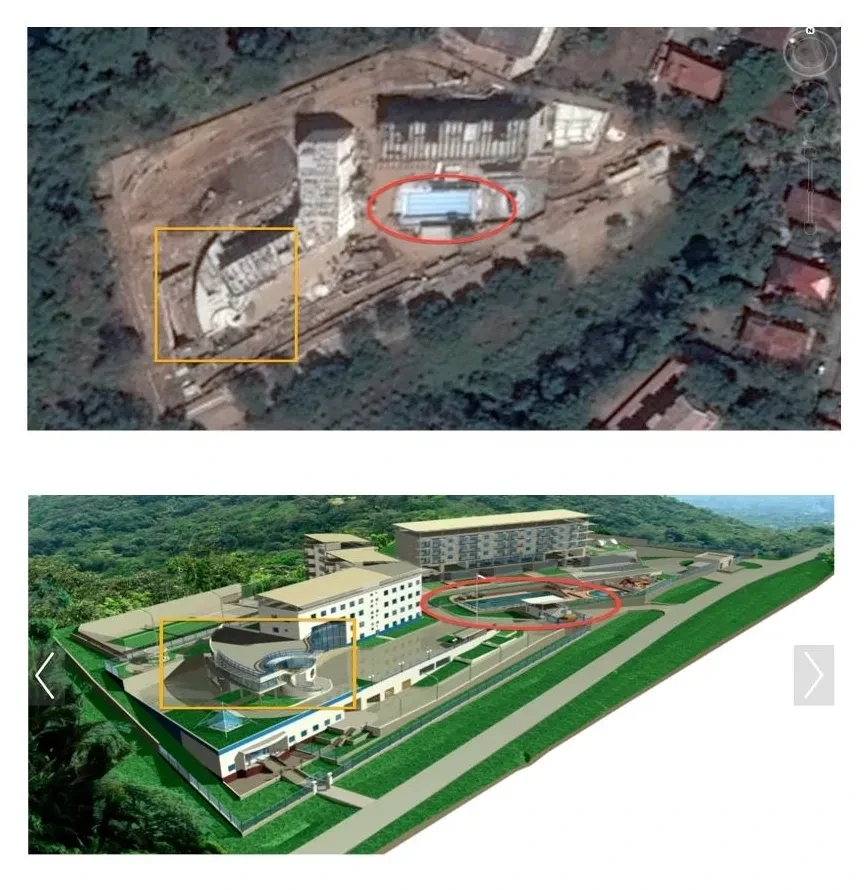
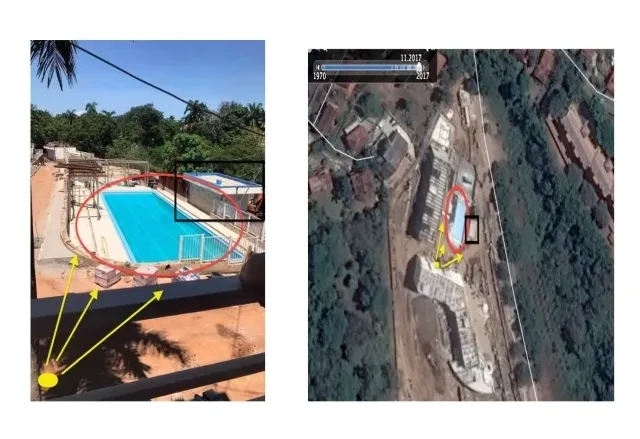
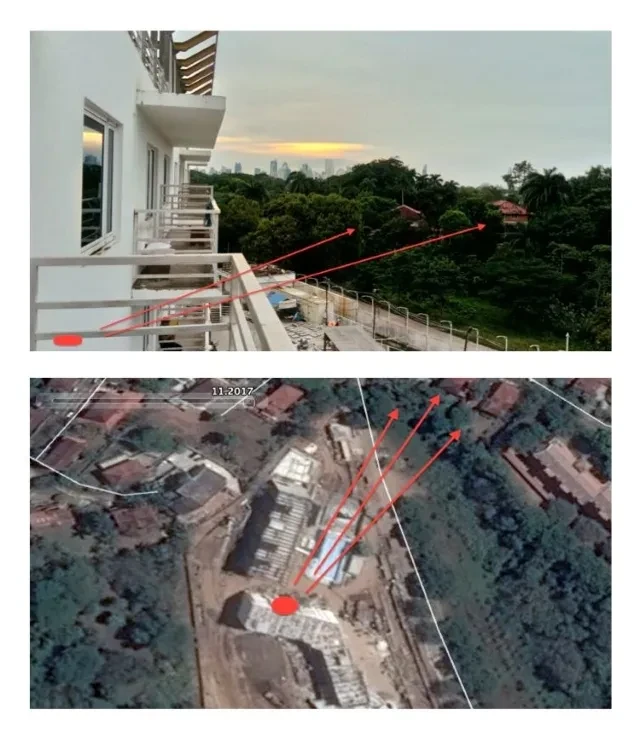
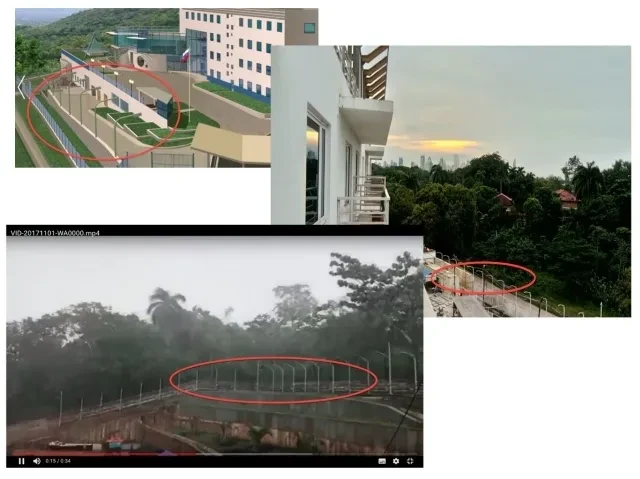
In 2008, only a couple of buildings, two palm trees and a lake are visible in the picture. In 2014, numerous buildings resembling building households appear, in 2017 the outlines of the pool and buildings appear, and the image gains similarity with the Spetsstroy project. Now let's recall the order of the government signed by Mikhail Fradkov, from which it follows that the embassy should be built in 2005-2008. Or an order signed by Medvedev, which establishes another deadline for construction - 2015. It seems we are dealing with long -term construction. As it managed to find out the Novaya Gazeta, the construction in Panama is conducted by a completely different company, and not the one that won the competition.
Change the contractor
The construction of the Russian Embassy in Panama is still reported by the website of the company Stroymaterialintorg. It was formed in 1993 on the basis of a foreign trade association. The company indicates that it carried out the overhaul of a number of foreign abroad of the Ministry of Foreign Affairs of Russia.
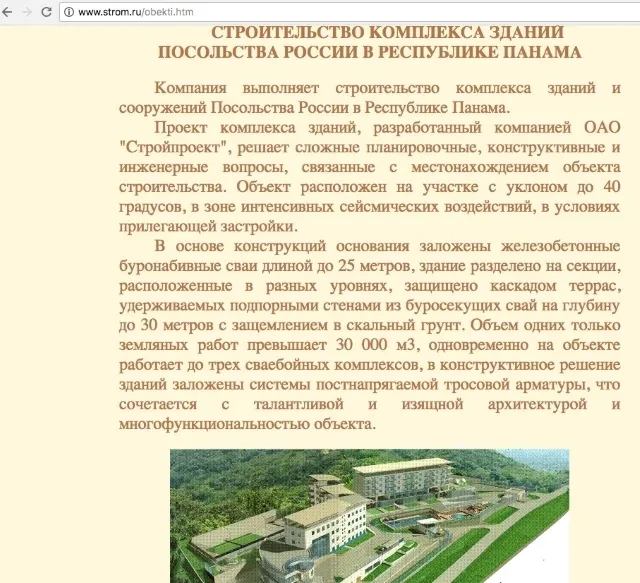
“The company performs the construction of a complex of buildings and structures of the Russian Embassy in the Republic of Panama,” the company writes about itself, indicating that the project of the complex was developed by the company Stroyproekt OJSC.
However, workers surveyed by New Gazeta say that construction is being carried out by a completely different company-Remstroy-Alelex CJSC. According to Spark, the company is led by Oleg Chekalin. He is also a co -owner of the company. The second share belongs to Vladimir Chekalin. Judging by the coincidence of patronymic, the chikalins are brothers.
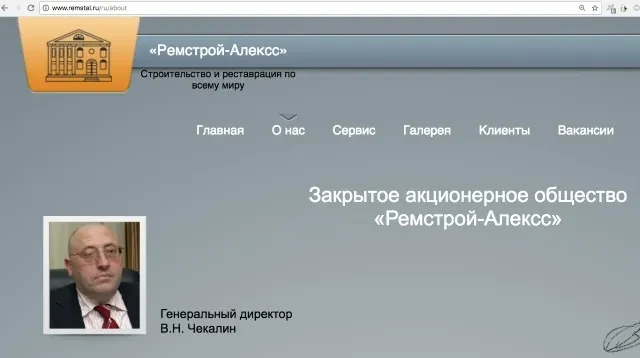
The official website reports that Remstroy-Aleksoss was created in 1994 on the basis of a reorganized repair and construction trust of the Kirovsky district of Moscow, established more than 50 years ago. The company reports about itself as a contractor of repair and construction work on orders of the Ministry of Foreign Affairs. “Our organization is one of the main contracting enterprises of the Department of Capital Construction and Property abroad of the Ministry of Foreign Affairs of the Russian Federation,” the Remstroy-Alelex website reported.
And reinforces the application with numbers: over the past 11 years, it has been performed for the Foreign Ministry for a total of more than 400 million US dollars. Among these objects, Remstroy-Aleksoss indicates the representative office of the Russian Federation at the UN in New York, the representative office of the Russian Federation in UNESCO in Paris. As well as the embassy of the Russian Federation in dozens of countries, among which there are exotic - New Zealand, Brazil, Tanzania, Colombia, Malaysia and Indonesia. However, the project in the Panama Republic of Remstroy-Aleksoss does not appear in the portfolio.
However, on one of the recruiting sites, Novaya Gazeta correspondents managed to find several dozen resumes, where applicants indicate that they worked at Remstroy-Aleksus in the construction of the Russian Embassy in Panama in various positions-from the installer to the geodesist.
One of the leaders of Stroymaterialintorg, who worked in the company at the very time when it built the embassy in Panama, confirmed that the object to the embassy was transferred to Remstroy-Aleksus.
On the terms of anonymity, he told Novaya Gazeta why the company left the facility. It happened before 2010.
“When the company won the competition, new sections of the project appeared,” he said. - It was additional work, the project eventually went up by about a third. In the terms of reference, these works were not originally spelled out. We refused the project. He was no longer worth this money. New works have appeared that we did not agree to do for free. We wanted to force us to make them for free, but we refused.
The interlocutor of Novaya said that Stroymaterialintorg began to work on a project in Panama: the workers scored piles and began to build walls, but in the end the object completed Remstroy-Alelex. And I had to pay a terrible price for him. In a conversation with the New Gazeta, the workers called the Foreign Ministry project "Embassy on the Bones."
That's just the workers, whom Remstroy-Alelex recruited in Moscow, knew nothing about the ominous reputation of the construction.
History of the tile Ahmed. "We are waiting for an advances with the whole construction"
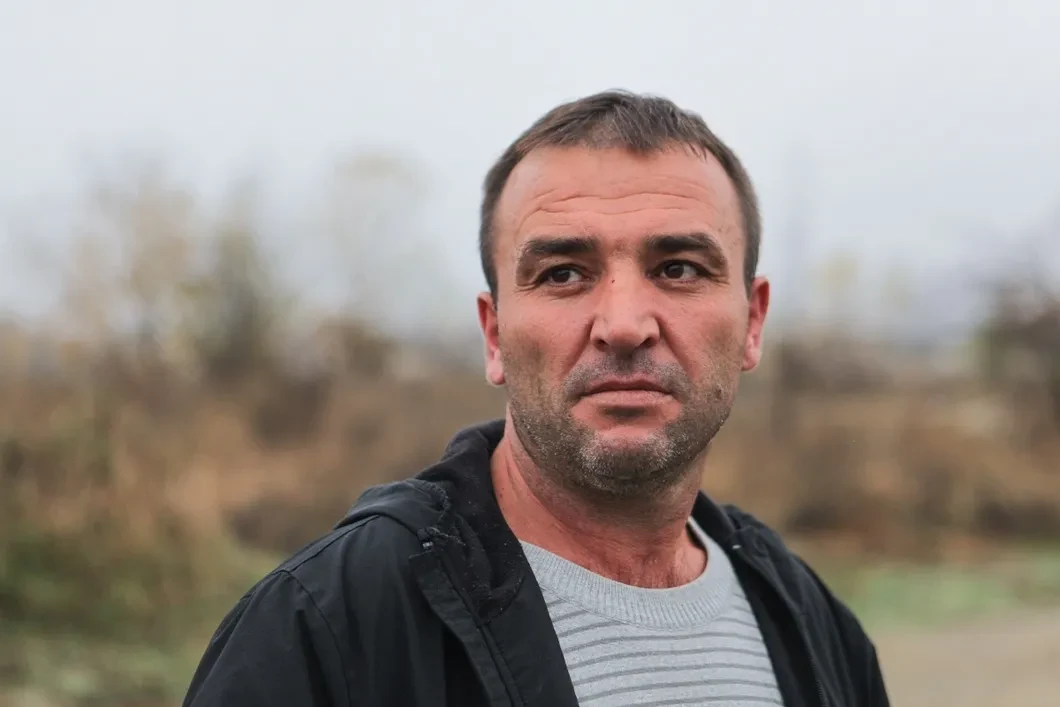
In Panama, the tile Ahmed Tarkanov from Nalchik first hit in 2015: he was invited as part of a group of industrial workers through an intermediary to the cladding of the Russian Embassy in Albruck. Ahmed conscientiously performed his work, despite rumors about the problems with finances and salaries at this construction site. Then Tarkanova bit the mosquito, Ahmed began rubella - and he was forced to return to Russia. And then, despite the same conversations about problems with salaries, I went to Panama again: his son is very ill, and money is needed constantly for his treatment, and they offered $ 1,200 at the construction site - in general, good money, although not that giant.
The company, from which Ahmed went for the first time, was already scattering by that time, so he went to Remstroy-Alelex on his own. There, he thoroughly checked it for several months almost according to the “2nd form” ( the procedure for registration to GOSTIAN - Ed .). It was necessary to collect a bunch of documents, characteristics of Ahmed (of course, positive) and data on all his movements from the age of 14. Then, for almost three months, Ahmed lived in Moscow at his own expense in anticipation: at Remstroy-Aleksus they kept proud silence, they only said that Ahmed was accepted and that he would wait for the call. And in May, when Tarkanova began to cover despair, they called him from the office and said that they urgently needed to fly to Panama. On a tourist visa, but with a travel certificate.
On May 18, they concluded an agreement with him and immediately took the document, and the next day, Ahmed through Holland flew to Panama. Ahmed was given $ 7,000 with him in cash - allegedly for colleagues who "are waiting for an advances with the whole construction." For him, too, too: $ 26 was enough for cigarettes, tea and additional water, although Ahmed tried to save this money for his son.
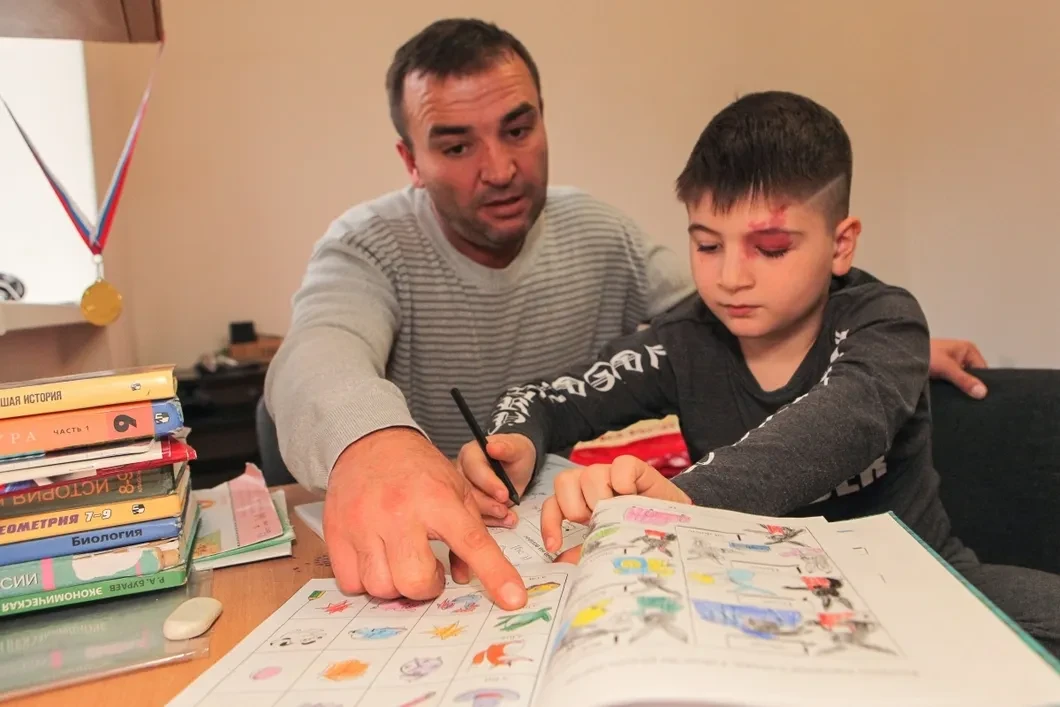
The first couple of months, the work went on normal mode. There were certain inconveniences: they promised, for example, a five -day and eight hours of work, and in the end the schedule turned into a 6–9 scheme. In the dining room, they could feed the pasta for a week in Flot. For ships during working hours (you could only relax for the last 10 minutes of every hour) - fines: foremen and foremen were useless.
But in general, the work went well. Ahmed was considered one of the best - and the company even allowed him to make a trip to the island next to Panama as a bonus. True, as it turned out later, all expenses for this trip, except for the services of the driver, Ahmed had to pay himself. And the money has already ceased to come: there were only small advances of 35 thousand rubles, and even then only a couple of months. Problems began with health - everyone. At least Ahmed was alive - and in the conditions of the construction of the embassy, it was already good.
Deadly construction
The fact that you can die at this construction site, Marina and her friends learned almost immediately upon arrival: one of the friends was settled in a room where the 50-year-old carpenter Sergey died before. One morning, colleagues entered his room, and he was “all blue” - his heart refused, he worked for too long in the heat.
The body was taken to the morgue and for almost 40 days could not be sent to their homeland - perhaps there was no money for transportation, and the police checked whether this was a criminal case. As a result, they even wanted to cremate the body, because the urn with dust is easier, and its delivery is cheaper.
Marina did not intend to finish her life as well, but it was not possible to stay completely healthy either: almost everyone was ill at the construction site very quickly. And if it was possible to cope with the flu at the very least, the company paid for campaigns in the Chinese clinic in Albruck (one dose-$ 10), then with other diseases everything was much more difficult. Marina began strong allergies, and she was taken to the hospital.
“I am just swollen. In the hospital they told me that I probably bit me, but there was no trace of the bite, ”the girl recalls. - And then it turned out that dermatology is not included in insured occasions on our insurance. If you want to be treated, pay cash. ”
With insurance, everything was really difficult: since the workers were traveling by tourists, the insurance certificate was written out at them as fans to look at the Panama-Viekoho Cathedral. After three months, it no longer acted,
But it could be extended in theory, although this was not done for everyone. Ahmed Tarkanov, despite the fact that he was considered one of the best at the construction site, was not extended. And she, as luck would have it, needed.
“I’m not a robot, in five months a person can get sick for at least two days,” Ahmed complains. “I’m squatting all the time while working, and my knees got sick, I couldn’t walk.” Apparently, due to the fact that Tarkanov simply did not stand on his feet, he was allowed two days to treat himself directly on the object. The medical center and the doctor on duty, however, was there, so-somehow on its own. For the same $ 26, you could buy any medicines.
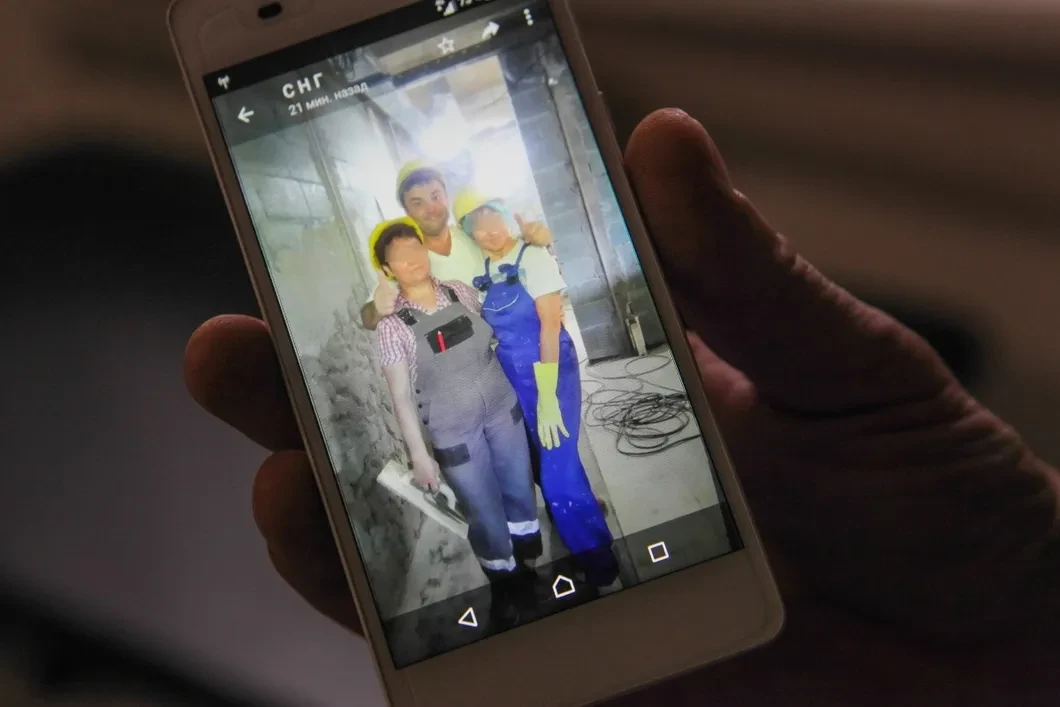
Having gotten around, Tarkanov began to work again, but two weeks later he fell ill again: he took abruptly two heavy buckets and tore his back. Representatives of Remstroy-Alelex already joined here: at the Ahmed car assigned to the construction, they were taken to the doors of the private clinic and left there, leaving back to the facility (“There are not enough cars, I understand everything,” Ahmed is not offended). В клинике мужчина, к слову, впервые узнал, что у него просрочена страховка, поэтому бесплатно полечиться не получится. Однако договоренности у клиники с фирмой есть, поэтому Ахмеда осмотрели, поставили ему восстановительный укол и наказали несколько дней подряд ездить на процедуры. После них Тарканову дали больничный на пять дней, строго указав на необходимость лежать и точно не работать.
Параллельно заболел экспедитор-кладовщик Алексей Овчинников. «Он достаточно долго ходил в маске, вроде у него что-то типа гриппа было, — вспоминает одна из работавших в Панаме женщин. — А потом у него резко поднялось давление. Мы сидим в столовой, смотрим, а его в состоянии, близком к коматозному, в одеяло заворачивают и в больницу везут». В больнице выяснилось, что у Овчинникова опасность отрыва тромба и нужно срочное вмешательство врачей. Проблема была в том, что денег на врачей ни по страховке, ни у фирмы не было, поэтому кладовщика вылечили, а потом, утверждают работники в один голос, еще несколько недель держали в палате фактически в заложниках — пока на счет клиники не поступили деньги: только тогда Овчинников смог вернуться на стройку.
А потом случилась беда с Сергеем Скотниковым.
Смерть в Панаме. История электрика Сергея
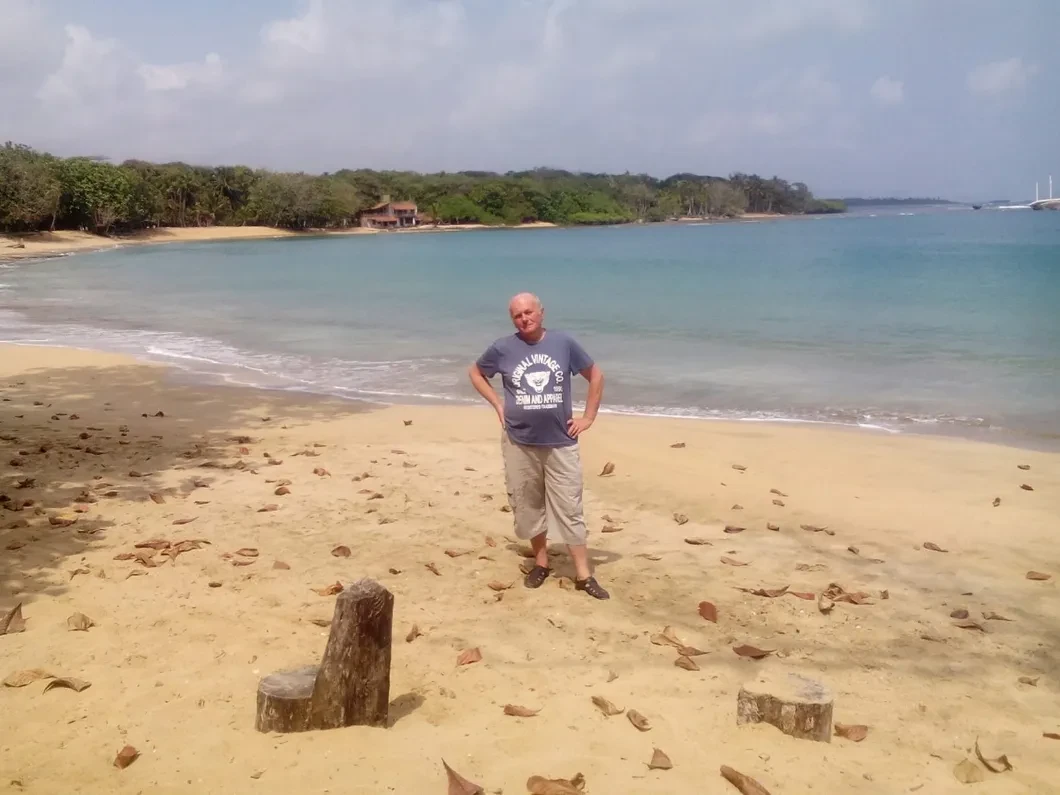
Для 60-летнего электромонтажника Сергея Скотникова эта поездка в Панаму была уже третьей. В Москве как-то с работой в последнее время у него не задалось, а там обещали приличные деньги — да еще и фирма вроде солидная, с МИДом работает. Правда, во время и после второй поездки Скотников чувствовал себя не очень хорошо, но решил, что ничего серьезного не происходит.
Третья поездка проходила, в общем, неплохо. Как и в прошлый раз, Сергей не стеснялся фотографировать и работу на объекте (хотя формально это не разрешено), и какие-то посиделки коллег. Правда, как и подавляющее большинство работников на объекте, он подхватил какой-то грипп, но вроде ничего страшного не было.
Проблемы начались в конце лета. У Сергея внезапно прихватило сердце. Представители фирмы отвезли его в больницу, но оттуда его достаточно быстро вернули на объект. Через некоторое время приступ повторился, и тогда встал вопрос о долгосрочном лечении. Проблема была в том, что страховкой такая ситуация была не предусмотрена — особенно когда выяснилось, что у Сергея, возможно, были проблемы с сердцем еще с детства.
На платное лечение денег у фирмы не нашлось, но можно было вылечиться в долг — с капельницами, уколами и прочими процедурами все могло встать едва ли не в 35 тысяч долларов, рассказывают знакомые Скотникова по стройке. Более того, в страховых полисах, выданных некоторым работникам (снимки бумаг есть в редакции «Новой»), написано, что страховщик может ограничить сумму по полису 200 евро, притом что один день нахождения в клинике Альбрука мог стоить почти 500 евро. Представители фирмы предложили Сергею подписать бумагу, по которой заплатить он соглашался уже после лечения, но он отказался это делать.
Тогда мужчину перевезли в социальную больницу Панамы — а это оказалось не самым лучшим выходом. Сергею 40 минут не могли сделать ЭКГ, а в палате рядом с ним лежал панамский бездомный, не отличающийся ни чистотой, ни манерами.
— Заберите меня отсюда! — решительно сказал Сергей, когда представитель компании пришел его навестить.
— Ну что вы переживаете, лежите тут, это все-таки какая-никакая, но больница, — ответил человек «Ремстрой-Алексса».
В этот момент бездомный с соседней койки встал и справил нужду прямо посредине палаты.
После этого решение о возвращении Скотникова на стройку было принято почти мгновенно.
Однако на самом объекте не было никого, кто хоть отдаленно напоминал бы врача, и ничего, что было бы похоже на медпункт. Своими силами или в клиниках (если машина свободна от перевозки стройматериалов — Ред.) работники лечили и сорванные спины, и мелкие травмы, и кишечные инфекции, и тот же грипп.
Но сердце — это гораздо серьезнее, поэтому в «Ремстрой-Алекссе» начали думать, как отправить Сергея домой. Так совпало, что и врачи запрещали транспортировать мужчину, и с деньгами на срочный перелет как-то не задалось ( хотя других работников могли отправить в случае их болезни прямиком в Москву мгновенно — Ред. ). В итоге дату вылета согласовали на 6 октября. А 5 октября Сергей Скотников умер.
Как сказала «Новой» вдова Скотникова, стоимость перелета тела ее супруга в Москву оплатила страховая компания — и какие-то деньги остались еще на похороны. Компания «Ремстрой-Алексс» при этом платить ничего не стала, однако затем, когда к делу подключились дети Сергея, в фирме их заверили, что «все будет хорошо». После этого семья погибшего рабочего свои контакты с прессой прекратила.
«Затянуть пояса потуже»
Обещанные 1200 долларов в месяц в полном объеме работники строительства в Панаме не увидели ни разу. Приходили только авансы — и то непостоянно. «В июне на карточку пришли 35 тысяч рублей за апрель, в июле столько же — за май, в августе — за июнь», — вспоминает Марина Иванова. Сентябрь и часть октября поступлений не было вообще. Ахмед Тарканов утверждает, что деньги он получил в мае, июне и сентябре: это тоже были авансы, а окончательно с ними рассчитаться представители бухгалтерии «Ремстрой-Алексса» пообещали по возвращении работников в Москву.
«Мне нужно было срочно 70 тысяч рублей, чтобы собрать сына в школу, отправить в Нальчик деньги, — вспоминает Тарканов. — В итоге мне Ерохин из своего кармана выделил 500 долларов — больше, мол, нет». «Новой газете» известно еще как минимум о пяти случаях хронической задержки зарплат, однако, как считают сами работники, долги по выплатам у «Ремстрой-Алексса» есть почти перед всеми находившимися в Панаме.
Сколько там было людей всего — не берутся посчитать даже сами работники. На объекте постоянно находится от 120 до 180 рабочих, но существует определенная текучка: за месяц состав может обновиться на 25–30 человек. Новенькие и вновь прибывшие привозят вожделенный еженедельный аванс: несколько раз были случаи, когда эти деньги задерживались, и тогда приходилось «затянуть пояса потуже», вспоминают работники.
Деньги «рассосались»
В конце концов, к концу сентября ситуация с отсутствием обещанных сумм стала вызывать все большее недовольство у строителей посольства. Директор строительства в Панаме Александр Ерохин ссылался в своих отчетах перед работниками на то, что «посольство (очевидно, речь идет о Министерстве иностранных дел — «Новая») не подписывает процентовки».
«Процентовка» — это объем выполненных работ на каждом участке. То, что МИД имеет свой интерес в этой истории, и так было понятно всем: к тому же на стройке регулярно были люди из министерства ( в одном из них Марина Иванова опознала замминистра МИДа Сергея Рябкова — Ред. ). Но это все равно мало кого успокаивало. «Каждое утро на разводе работники спрашивали у зама Ерохина Александра Богодухова, где деньги, ведь процентовки уже вроде были подписаны, - вспоминает Марина. – Однажды он ответил, что деньги «рассосались».
При этом кое-какие деньги в фирме все-таки есть. Ахмед Тарканов рассказывает, что когда он принес из больницы с сорванной спиной больничный на пять дней, его огорошили тем, что на него срочно, внепланово и без предупреждения взят билет до Москвы (при этом в панамском морге все еще лежало тело Сергея Скотникова).
Все, кто уезжает, должны платить на границе штраф за просроченную туристическую визу: она дается на 90 дней.
Рабочие приезжали в Панаму как минимум на три месяца. Штраф (50 долларов за каждый просроченный месяц — Ред. ) наличными прямо на границе оплачивал водитель, который отвозил работников в аэропорт.
«Новой» известно как минимум о 28 рабочих, которые уехали из Панамы в октябре этого года — штрафы были внесены почти за всех.
Но заплатить штрафы — одно дело, а зарплату — совсем другое.
The way home
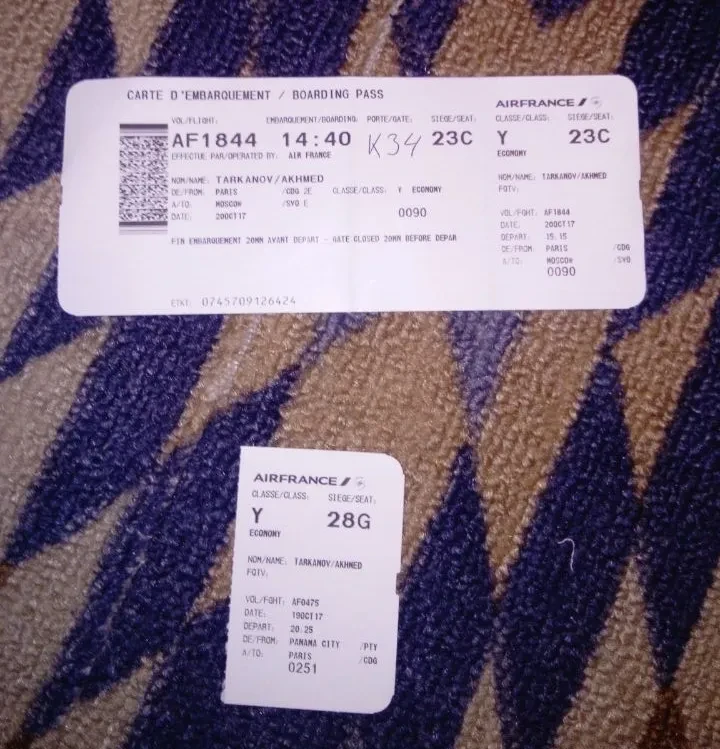
В Москву Ахмед Тарканов вернулся 20 октября — обратно он летел через Париж, но из-за болей в спине остановка в «городе любви» его совсем не обрадовала. По возвращении он отправился в «Ремстрой-Алексс», где узнал следующее: его, как и всех, кто возвращается в Москву, уволили.
Существует вариант, при котором можно вернуться в Панаму, — в таком случае работника принимают на работу заново. Более того, Марина Иванова считает, что от этого может зависеть и система выплат за поездки.
«Если в Панаме подходишь к тому же Ерохину и говоришь, что хочешь приехать сюда снова, он вносит тебя в приоритетный список на выдачу денег, — описывает она систему. — Тогда деньги, возможно, ты получишь раньше всех». Что касается всех остальных, никто никому ничего не гарантирует.
Ахмед по приезду получил 10 тысяч рублей ( большинство известных «Новой» работников — тоже — Ред. ).
«Мне этих денег хватило только на то, чтобы добраться до дома, — жалуется Тарканов. — Я считаю, что они оскорбили меня как мужчину».
Оставшуюся сумму бухгалтерия обещает выплатить в течение нескольких дней, однако выплаты растягиваются на месяцы. Из шести тысяч долларов Ахмеду Тарканову должны еще четыре, но получит он их только когда попадет в выплатной список. Сопоставимую сумму должны и Марине Ивановой, ее семерым друзьям, а также всем тем рабочим, кто не решился поехать в Панаму снова. Задержки хронические и появившиеся не вдруг: «Новой» удалось найти людей, которые сталкивались с невыплатами заработной платы и в прошлом году.
Как попасть в список тех, кому поступают хоть какие-то перечисления? Механизм составления списков до конца непонятен, но известно, что фирма очень раздражена интересом журналистов. Во вторник, 14 ноября, корреспондент «Новой» попробовал поговорить с руководством «Ремстрой-Алексс», приехав прямо в их офис: это несколько квартир в девятиэтажке на улице Бестужевых в Отрадном.
На входе в квартиру — турникет и охранник в камуфляже. Сотрудницы секретариата в отсутствие директора Олега Чекалина и его замов (все «в командировке») отвечать на вопросы о невыплатах отказываются и требуют фамилии «обратившихся в газету» работников, чтобы «проверить, наши ли это работники»
На следующий день гендиректор «Ремстрой-Алексса» Олег Чекалин «из командировки» уже вернулся, оповестил секретариат. По словам побывавших в тот день в офисе работников, обстановка была «очень напряженной»: руководство компании было чрезвычайно раздражено визитом журналистов.
Чекалин тем не менее принял некоторых работников и даже приказал бухгалтерам внести некоторых из них «в начало списка»: это означает, что в ближайшее время им должны выплатить часть денег (насколько известно «Новой», деньги пришли), а на будущей неделе обещают еще по 70 тысяч рублей. При этом Чекалин пообещал, что до новогодних праздников «рассчитается вообще со всеми».
Готовы ли к отстаиванию своих прав другие работники? Как стало известно «Новой», сейчас «Ремстрой-Алексс» в срочном порядке отправляет новые партии работников в Панаму, поскольку там нужно закончить строительство как можно быстрее — срок сдачи сдвинули с ноября 2017 на май 2018 года.
Люди, что характерно, едут: «Новой» известно о тех, кто возвращается на объект даже несмотря на то, что предыдущая командировка в Панаму закончилась болезнями желудка. У всех так же забирают договоры (тем, кто возвращается из Панамы, их не возвращают ни под каким предлогом), но никого это не смущает. «Это же Россия», — объяснил «Новой» такое поведение один из рабочих.
Людей не смущает возможное повторение истории с зарплатами, не пугают болезни и многочасовой перелет за 11 тысяч километров — и это при условии, что нет никаких гарантий вернуться домой живым и здоровым. Но рабочих можно понять: возвращение на объект — гарантия вернуть заработанное.
The right to the answer
«Новая» попыталась получить комментарий от генерального директора фирмы «Ремстрой-Алексс» Олега Чекалина. Для этого корреспонденты несколько дней пытались дозвониться до него по мобильному телефону, однако он или не брал трубки, или сбрасывал звонок.SMS-сообщение Чекалин также проигнорировал. В офисе «Ремстрой-Алексса» корреспондентам «Новой» сказали, что Чекалин отсутствует и когда будет в офисе — неизвестно.
Закрытые аукционы
На сайте госзакупок отсутствуют закупки по возведению объектов МИДа за рубежом. Как же они в таком случае проводятся? Информацию об этом удалось найти, изучив решения Арбитражного суда. Из них следует, что закупки проводит Департамент капитального строительства и собственности за рубежом (ДКСиСЗ), который возглавляет Владимир Потапкин.
Конкурсы проходят в закрытом формате: участвовать в них могут лишь компании, обладающие лицензиями ФСБ и Службы внешней разведки.
В ответе «Новой газете» пресс-служба Счетной палаты подтвердила информацию о том, что закупки по капитальному строительству и реконструкции за рубежом осуществляются МИДом в формате закрытых аукционов.
Начальник Управления контроля размещения госзаказа ФАС России Артем Лобов на вопросы «Новой» о том, как проводятся закупки МИДа по капитальному строительству за рубежом, ответил лаконично: «Жалоб на закупки МИД России за рубежом в 2017 году в ФАС России не поступало».
Вывод о том, где оседают деньги, можно сделать из представления Счетной палаты N ПР 04-113/04-01, которое в мае 2016 года было вынесено в адрес руководства МИДа. Комментируя исполнение федерального бюджета за 2015 год, Счетная палата указывает, что остатки средств на счетах загранучреждений МИДа России в связи с финансированием за рубежом строительно-монтажных подрядных работ достигли объема 13 315,8 тыс. долларов США, увеличившись за год более чем в 2,3 раза. При этом, как указывает ведомство, на счетах посольства Российской Федерации в Панаме образовался объем остатков средств в размере 4 109,60 тыс. долларов США.
Однако сейчас претензии к МИДу у Счетной палаты нет. «К настоящему времени все требования представления выполнены, и оно снято с контроля, — ответили «Новой» в пресс-службе ведомства. — В значительной мере замедление темпов строительства дипломатических объектов за пределами РФ связано с рядом причин, в числе которых ограничения ряда стран в выдаче въездных виз для рабочих и служащих подрядчиков строительства, затягивание сроков предоставления разрешений на строительство, а также оформления правоустанавливающих документов на застраиваемые земельные участки».
Тем не менее в Счетной палате заверили: «информация об объемах выполненных работ на каждом объекте строительства и фактическом использовании средств федерального бюджета находится на постоянном контроле».