
Translated material
The art in mines and social experiments in Kroutsberg
6 examples of remaking culture in Germany
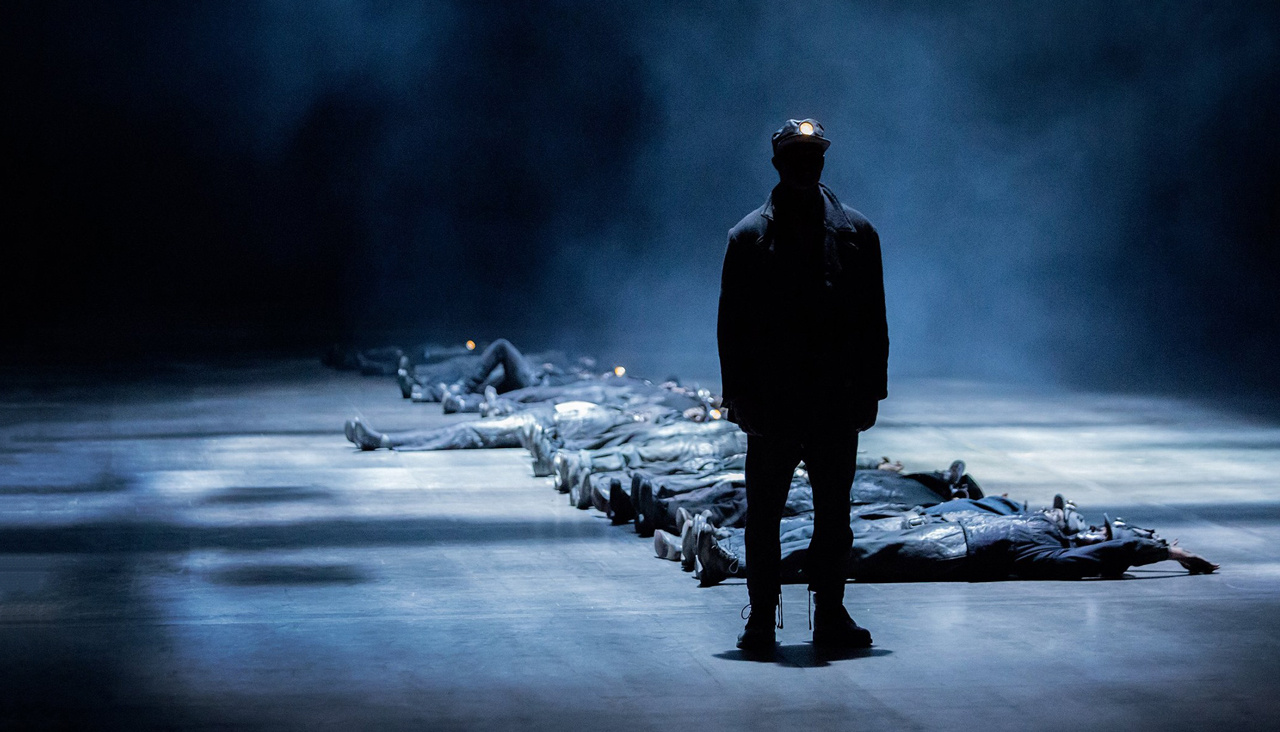
Each country (and Germany is no exception) faces the same challenges that are reflected in culture - from social conflicts, emigration to depressive regions. “Medusa” and Goethe-Institute , which has been working in Moscow for 25 years, tell how in Germany over the past decades have been comprehending various social problems through cinema, theater, music and contemporary art, and new festivals and creative sites return life to cities and entire regions.
Leipzig: how to revive the outback
Over the past few decades, Leipzig has earned the reputation of the new Berlin. While the German capital drowned in money, tourists and expensive real estate, Leipzig managed to maintain the spirit of disinterested, non -profit, political art. There are cheap workshops with stove heating, local residents still remember how they arranged underground shows in the eighties, and galleries with excellent exits to the American art market were hidden on inconspicuous streets.

Meanwhile, at the beginning of the nineties it seemed that Leipzig became a outcome: from here everyone who, for some reason, did not manage to leave earlier. But some stayed. For example, galleryman Judy Lyubka, who first dreamed of becoming a Soviet cosmonaut, and then worked as a model at the Academy of Visual Arts. Starting from the exhibitions of friends in his own apartment, he managed to interest the new Leipzig school that had just appeared, first Berlin, and then the United States. Leipzig came to life. So the Museum of Contemporary Art appeared in the ancient villa, successfully modernized by architects, and followed by the famous Leipzig cotton factory, where more than a hundred artists are located, including the most famous representative of the new Leipzig school - Neo Raukh.
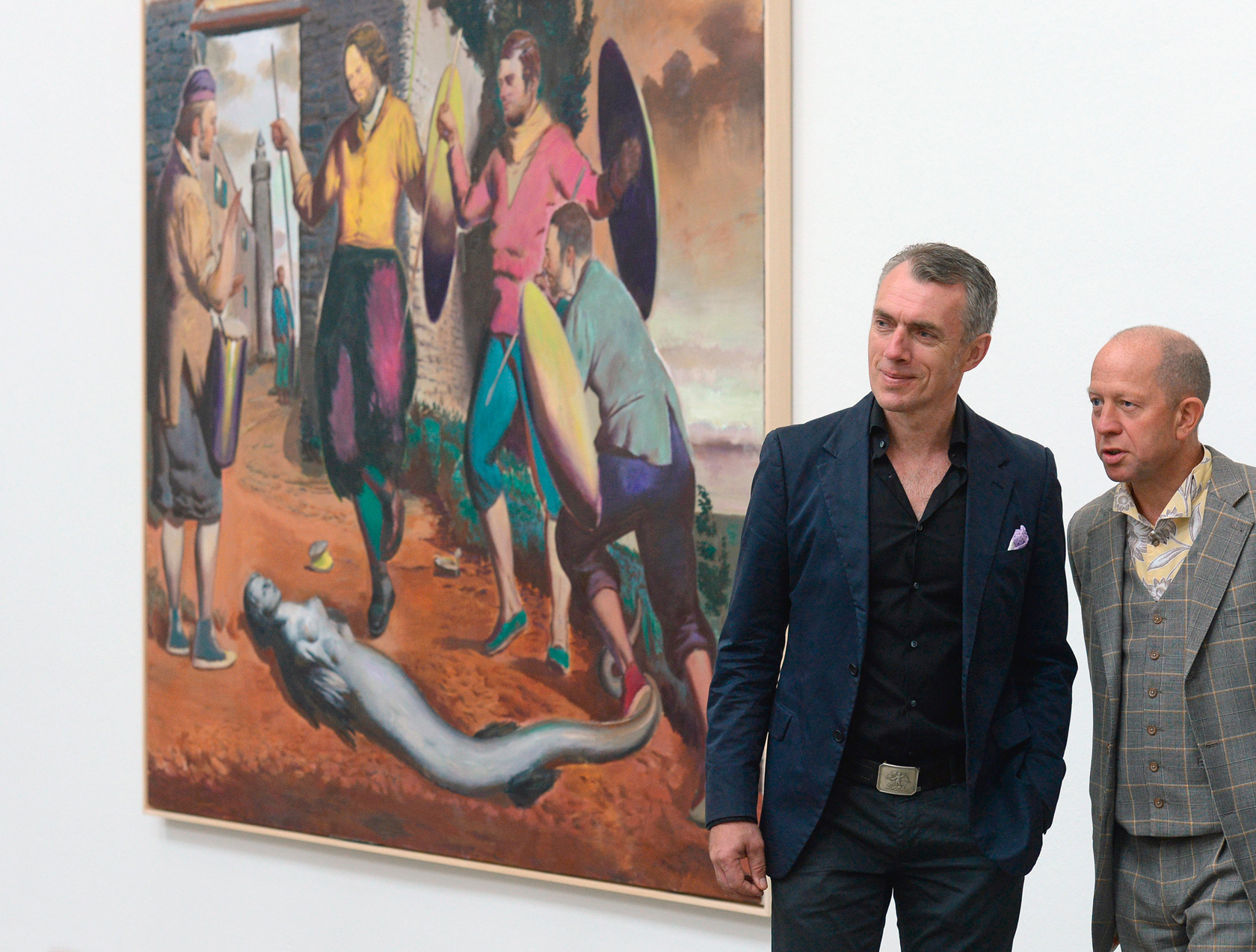
Leipzig is a great example of the revival of cultural infrastructure. This was also facilitated by the fact that several creative universities were concentrated in the city: in addition to the already mentioned Academy of visual arts, also the German Literary Institute, the Leipzig Higher School of Music and the Felix Mendelssohn Bartoldi Theater, the University of Leipzig and others. Cultural events also regularly revive the city and attract world celebrities - whether it is a book fair or documentary cinema festival (Dok Leipzig), which is held in Leipzig since 1955 - a loud, political, incorrect, regularly revealing the most acute problems. Fortunately, the prosperous Leipzig is not the only example of how artists, actors, writers and musicians change their lives around us.
GOEAST: How to come up with the perfect film festival
Wiesbaden is a small resort city next to Frankfurt-on-Maine, famous for hot springs and casinos, where Dostoevsky was played to fluff. In 2001, they began to hold a festival of Eastern European cinema Goeast, as if a duplicate festival with the same theme in the German Cangbus near the Polish border.
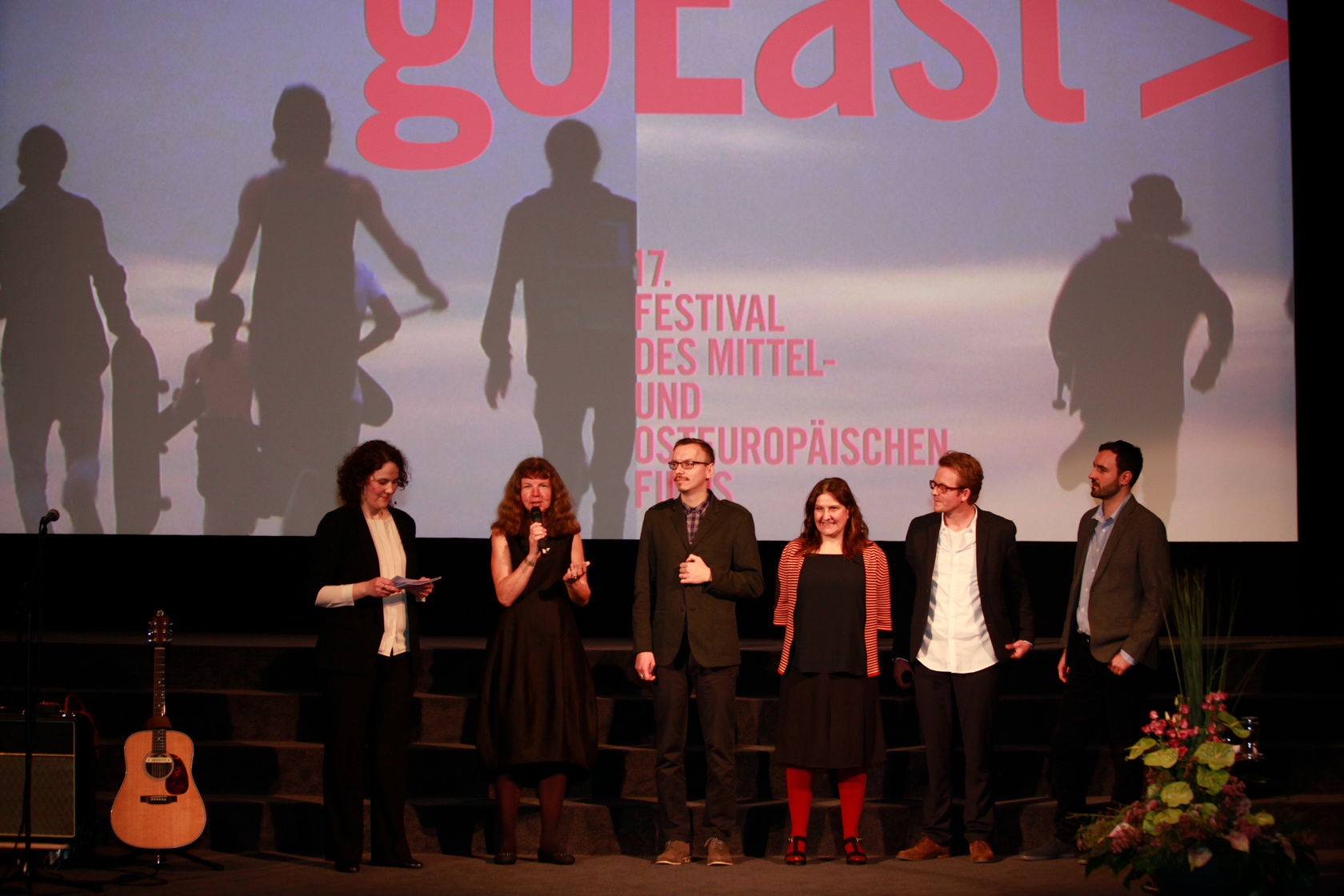
It turned out, however, not a double, but one of the most distinctive German festivals, uniting the home atmosphere, an interesting program with blue -filmed collections and film markets, where you can find funding and make the necessary contacts. In April, Alexei Popogrebsky with Boris Khlebnikov, Pyotr Buslov, Kirill Serebrennikov, Ivan Vyrypaev and other directors and other directors came here from cold Moscow. So, Goeast has become one of the few sites where Oleg Sentsov showed his full -length Gamer debut. Not a single trend in the film industry of Eastern and Central Europe passed by Wiesbaden. The Romanian wave - here it is, in Wiesbaden. They fired a buffet with Vyrypaev - and they are here too. Now they talk a lot about the new Belgrade school - and it was at GOEAST in 2017 that a great Serbian film won.

In addition to new films, almost the entire Soviet and Eastern European classics have been shown for almost two decades - the retrospectives of Khutsiev, Balabanov, Ioseliani were held. Now the festival selectors are looking for new names and missed masterpieces, their goal is to collect paintings at the festival, which can not be seen anywhere except here on the big screen. For example, this year showed ten films by the Hungarian Martha Mesarosh-an amazing and forgotten director who once shot in the same tape Vladimir Vysotsky and Marina Vladi.
"March music": how to experiment with academic music
In 2002, the enlightener and manager Matias Osternold, who became interested in experimental music in the eighties, was not headed by the not very well-known Berlin festival of modern academic music and turned it into something incredible. The music here could not only listen, but also see, tie, feel. Within the framework of the festival, he set up interesting experiments at the junction of music, fine art and performance. Thanks to “March music”, the electronic sound was not only “acceptable”, but a normal and familiar phenomenon in the local academic environment. The festival tried to find the boundaries of music and go beyond it. And he did it. There was no getting tickets for "March music". To look at the performances of outstanding musicians (for example, at how the violinist Charlotte Hug cries, forcing the instrument to make the souls that alarms, and then all this turns into a shadow theater), more than 15 thousand spectators came.

In 2014, Matias Osternold left the festival and went to raise the modern music of South Tyrol. The new director, Berno Odo Polzer, came with an equally ambitious concept: under his leadership, “March music” turned into a festival of issues of time. Now they are being examined by time - not only as a philosophical, political and physical category, but also as a field for musical experiments. In any case, the Polzer believes that the time of the concerts in the usual sense has passed, which means that the listener should prepare for surprises and be patient. For example, to see and listen to a 6-hour view based on the diary of the avant-garde composer John Cage.
Thikwa: How to turn the theater into a social experiment
The Theater of Thikwa (that is, "Hope" in Hebrew) shares the small hall in the Berlin district of Kroytsberg with the English theater. Thikwa appeared as a social experiment - this is the unification of actors with disabilities and actors without any restrictions. It is worth attending any performance (or see an excerpt from it on YouTube) to make sure of the charisma of local artists. This is a living theater that solves the urgent problems of society and art. By his own definition, he "searches for aesthetics, which expresses both special differences and the similarities of participants in ideas." They do not make a discount on the originality of artists, and the therapeutic center of Thikwa is nothing more than any other theater.

Thikwa collaborates with the Moscow Circle theater theater II, where people with disabilities also play. The first joint project of the German director Gerda Hartman and the head of the Circle II, Andrei Afonin, “remote proximity” in 2014 became the winner of the “Golden Mask” in the nomination “Experiment”.

The premiere of the second project of Hartman and Afonin - the multi -jan performance “Biofiction. Where does real life end? " -It took place in Berlin-in November, in Russia-in December 2016. In it, the directors tried to comprehend the personal experience of people with disabilities from Russia and Germany and show that with any person, in whatever language he spoke (gestures, sounds or images), you can find mutual understanding. Both performances were created with the support of the Goethe Institute , with which we prepared this material.
Rurtristennale: How to breathe life into an industrial region
The Ruri region is the former industrial center of Germany, the land of factories, mines and dams. Imagine the old industrial area of St. Petersburg, descended to a space two hundred kilometers. About the same, adjusted that it is about Germany, and not Russia, and there was a RUR region. In recent decades, he experienced a crisis in connection with the closure of mines, the modernization of factories and the withdrawal of harmful industries. And if the regional ecology managed to restore surprisingly quickly, then the issue of the new identity of the Ruky region has not yet been fully resolved.
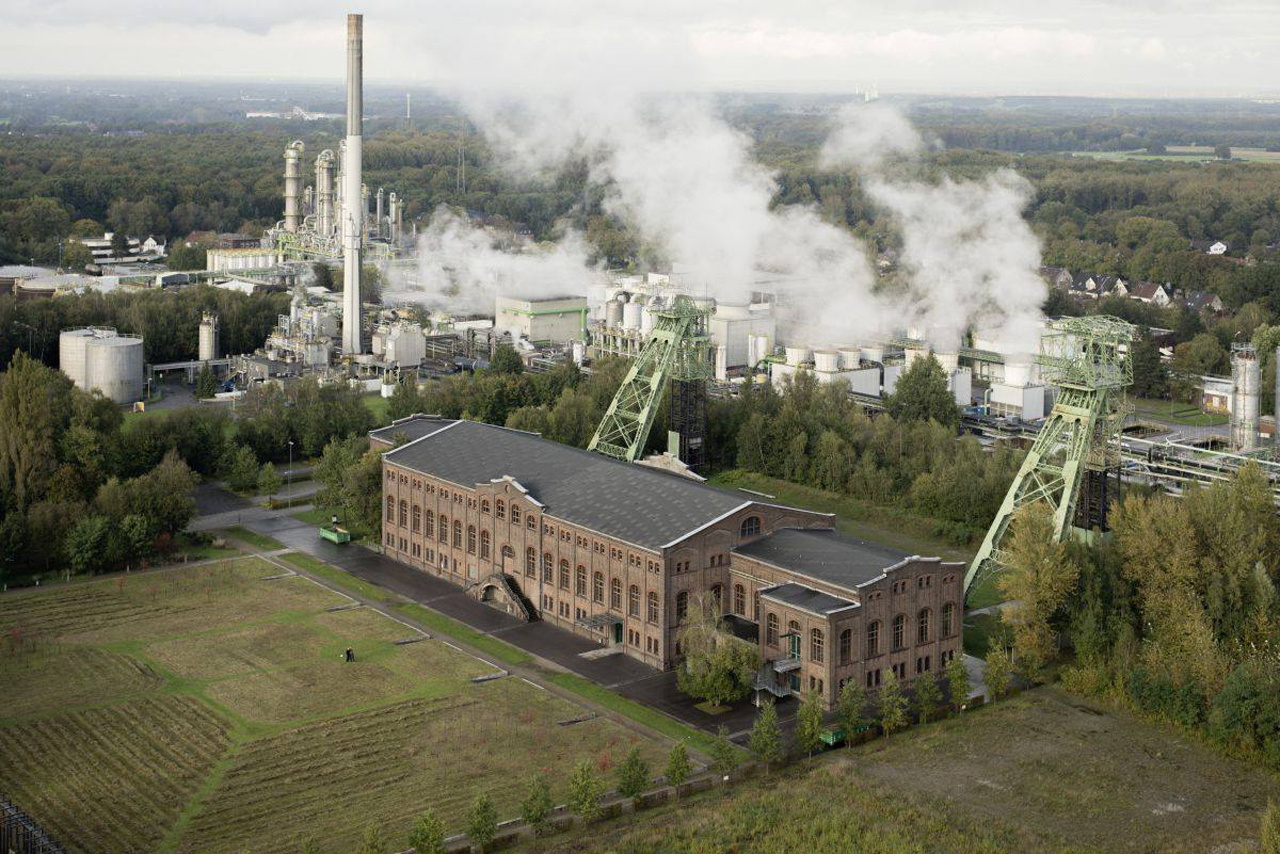
One of the most effective projects on the path of reviving the region is the Rurtristennale festival. These are performances of theatrical and musical groups in huge iron hangars, in coke factories, in gloomy and giant brick warehouses.

The place of action, as it is nowhere, dictates the content here, these are large -scale and expensive shows, accompanied by complex engineering solutions: take at least a dance of the luminous airships on the opening of the Rurtareannal in 2014. Today, the rhhra treats art with the same thoroughness with which guns were produced here a hundred years ago.
Hau: how to make the most radical platform in Berlin
In 2003, the three Berlin theater platforms united into one Theater Plant, which was headed by Matthias Lilliental, a man from the environment of Frank Castorf, an intensive care unit of the Volksbun Theater from 1992 to 2017. Under Lilliental (in 2012, he went to work with young artists in Beyut, now he returned to Germany again and since 2015 is the artist of the Munich Chamber Theater) HAU has become almost the main alternative and radical theatrical platform of the German capital. The center focused on the topic of migration and multicultural projects, attracted young people to theaters and brought stages to the streets of problem areas.
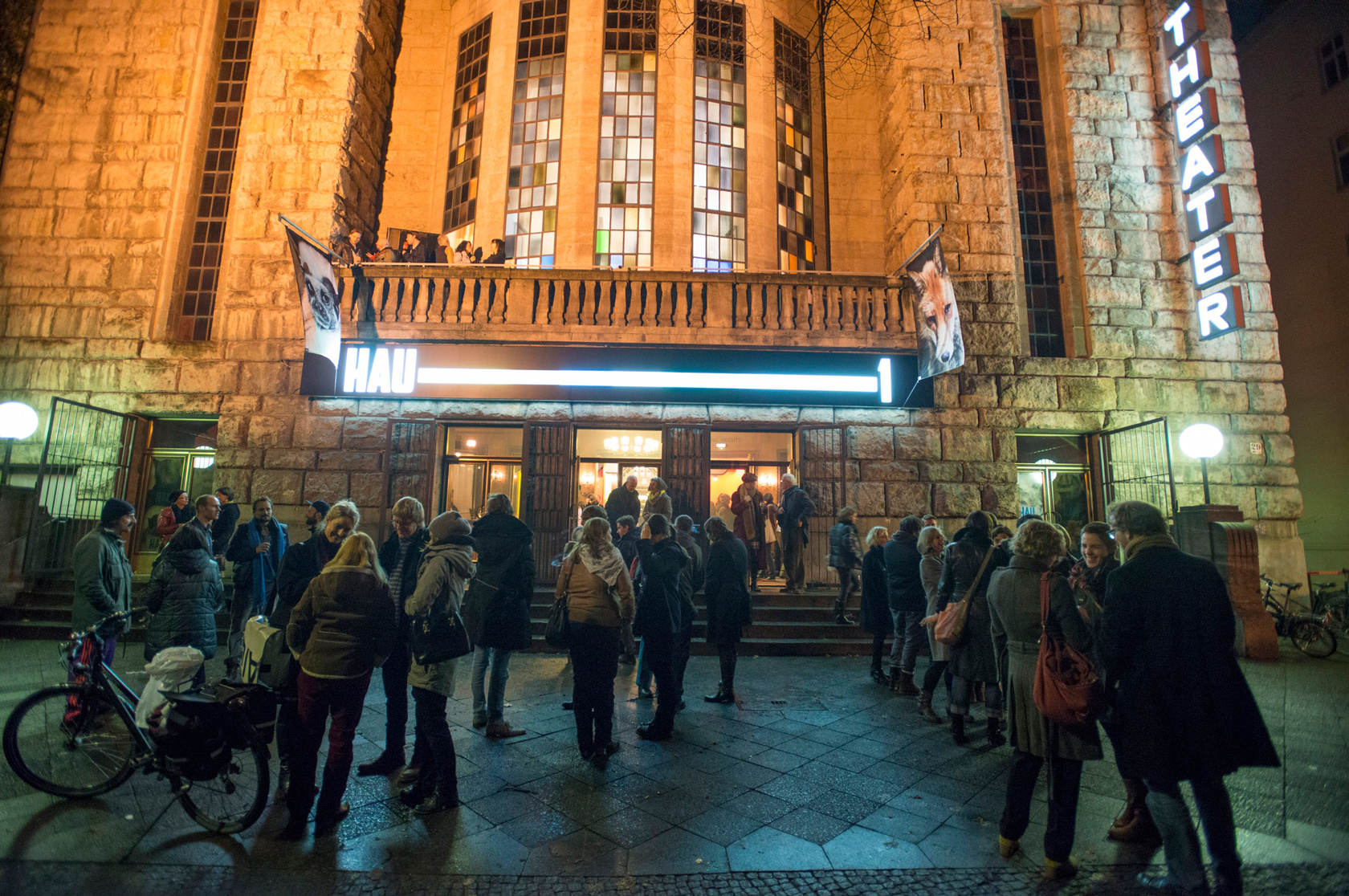
15 years later, HAU remains open to experiments. “We give you a carte blanche-do everything that you told about what you want and with whom you want”-so, according to the critic and curator Marina Davydova, they turned to her in HAU before preparing the performance “Eternal Russia”. As a result, Davydova made a performance about the confused Russian intellectual, traveling through the cycles of Russian history. Rather, that short period of the political, artistic and sexual awakening after the 1917 revolution, which quickly ended with the establishment of a total dictatorship.

The HAU program is diverse and does not cease to intrigue: here you can find everything - from the festival dedicated to the anniversary of Alexandra Kollontai, to the musical about football corruption.
PS How to look at all this in Moscow? They explain Goethe-Institute and Momom: “Forms of artistic life. Celn - Leipzig - Berlin "
The contemporary art of Germany is not only world -famous artists and large museum institutions, but also non -profit creative projects, the number of which is growing every year. It is young artists and curators, independently united in groups, that largely form a museum agenda of the future. However, so far it was almost impossible to see this in Moscow, because for exhibitions and festivals they almost always choose large names. The joint project of the Goethe-Institute and the Moscow Museum of Contemporary Art (MMOMA) must change the situation. In the new educational center of the museum in 2017-2018 (opened for everyone from December 16, 2017), a space will be located for the presentation of independent art projects from Germany and their dialogue with Moscow art initiatives. During this period, Moscow spectators and direct participants in the art process will be able to get acquainted with the guest-institute and mommy invited by the General of Germany.
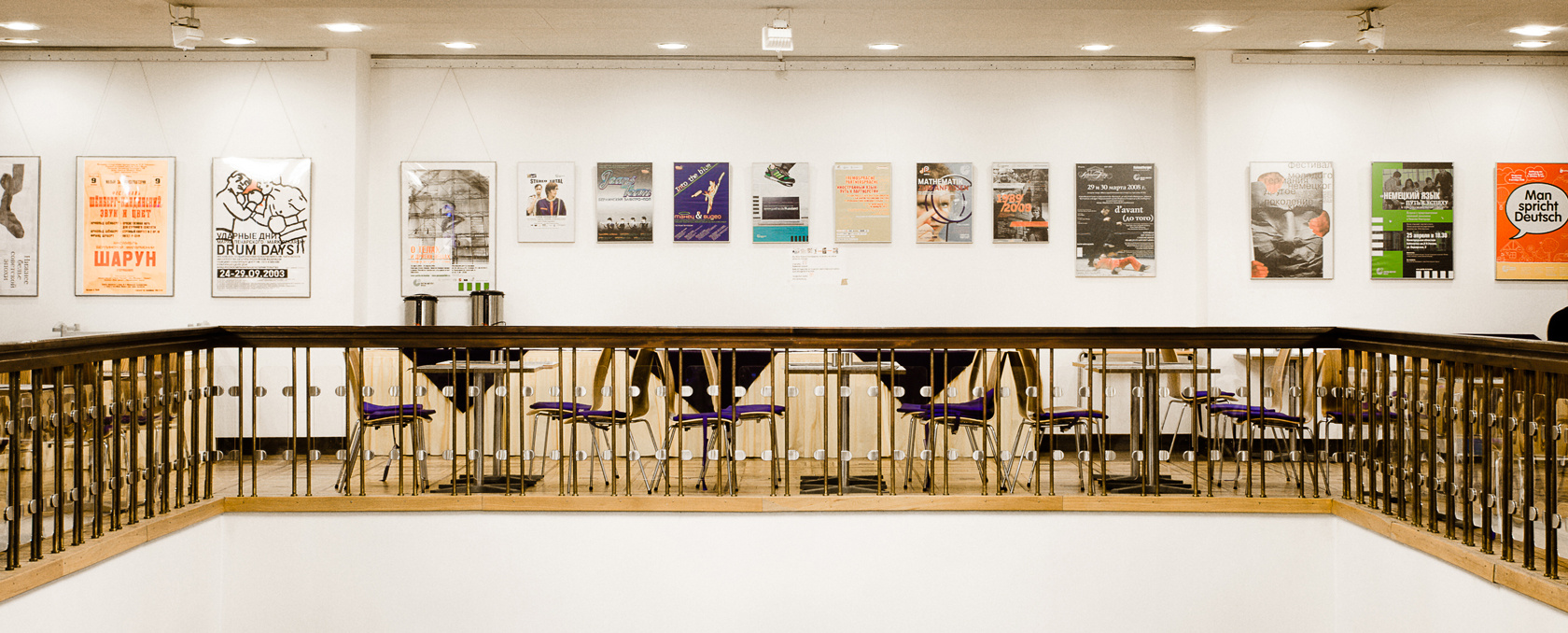
Free art space from Germany will not be presented by classic exhibition projects, but mobile programs developing in time, including performances, film screenings and discussions. The through theme of the joint project of the Goethe-Institute and MMOM will be the issue of self-organization in the artistic sphere-how to achieve it, find funding and form a working structure. The first program will be the first to present the Simultanhalle of Celn's contemporary art, then in Moscow you can see the presentations of independent artistic initiatives from other cities of Germany, including Leipzig and Berlin.
