Date
Author
Юлия Петровская; Александр Гостев
Source

Preserved copy
Translated material
The verdict is unknown
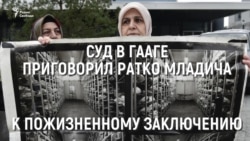
The International Tribunal for the Former Yugoslavia on November 22 in The Hague announced the verdict in the case of the former army commander of the Bosnian Serbs Ratko Mladic. Mladich was sentenced to life imprisonment. It was found guilty of 10 out of 11 charges made, including in the genocide in Srebrenitsa in July 1995, crimes against humanity and in violations of the rights and customs of warfare.

Width PX Height PX
The url has been copied to your clipboard
No Media Source Currently Available
0:00 0:02:50 Download the media file"Men-Bosni Muslims from Potocari were placed in temporary points of detention and later, along with other refugees who tried to leave [from the city], were taken out by buses to various points in the field of Srebrenitsa, Brother and Call, where they were killed. The court revealed that many of these men and boys, waiting for the reprisals, were induced and abuse, threats, threats, threats, threats, threats, threats, threats, threats, threat They were forced to sing the Serbian songs, the forces of the Bosnian Serbs, primarily the members of the VRS (the army of the Republic of Serbian), were methodically killed by several thousand Bosnian Muslims - men and boys - most of them between July 12 and 17, 1995, the court found that the persons who committed this reprisal set the goal of destroying the Bosoma Muslims, which were part of the groups of people, which were part The court in this regard, in this regard, found that crimes as genocide, reprisals, destruction of people, murders and inhuman violence were committed against Bosni Muslims in the area of Srebrenitsa, ”Alfons Orie, a judge of the international tribunal for the former Yugoslavia today.
Mladic is one of the key figures of the Bosnian war that claimed the lives of 100 thousand people, and at the same time a symbol of the military-political efforts of the Serbian elites of the 1990s, which were aimed at uniting the "Serbian territories" and the creation of an "ethnically pure state". Partially, this plan was implemented in the territory of Bosnia itself - in the Republic of Serbian.
“I am General Ratko Mladic,” this is how the former commander of the army of the Bosnian Serbs introduced himself to the judges , being in the Hague after 15 years of attempt to avoid communicating with international justice. After the charges of charges in 1996, Mladich hit the run. He was arrested on May 26, 2011, the authorities of Serbia, under the cover of which he actually existed all these years. A few days later he was read out an indictment .
Mobile application Radio Liberty.It's not too late

Mladic was accused of 11 points of genocide, crimes against humanity and violation of the laws and customs of warfare. More specifically - in the murders, deportations and the expulsion of the non -terrible population from various areas, torture and cruelty to people in dozens of conclusion centers, terrorizing the inhabitants of Sarayev using artillery and sniper shelling and taking hostages of the UN peacekeeping personnel. The International Tribunal concluded that from May 12, 1992 to November 8, 1996, Mladic was the most senior representative of the army of the Republic of Serbian and had full control over all its members and elements of the Serbian forces subordinated to it. In the case of Mladic, the prosecutor's office collected about 28 thousand material evidence and the testimony of 410 witnesses. The prosecution asked him to be sentenced to life imprisonment, and defense - to justify. Mladich himself refused to inform the court if he considers himself guilty, calling the accusations "vile" and "monstrous."
The chief prosecutor of the International Tribunal for Former Yugoslavia Serge Brammerstz in an interview with Radio Liberty on the eve of the sentence said:
"Every time, when any verdict, accusatory or acquittal is made in the Hague, some part of the people are always very satisfied, and the other is very displeased. I think this is well shows how acute are the problems that divide the peoples in the former Yugoslavia before the war are still a lot. And this, of course, is very sad reality. We always encounter this issue: we have made a positive issue The contribution to the reconciliation, or vice versa? And my answer is always the same: "Justice in itself can never become the main factor in reconciliation. Reconciliation should proceed from society itself, must be initiated by civil society, people who survived, criminals, responsible politicians. " The current trial is the end of only one chapter. Only in one Bosnia and Herzegovina are now about 5 thousand people, many are now under investigation, in connection with the events in Srebrenitsa. But I really hope that the current process will give a sense of surviving feelings of the triumph justice.
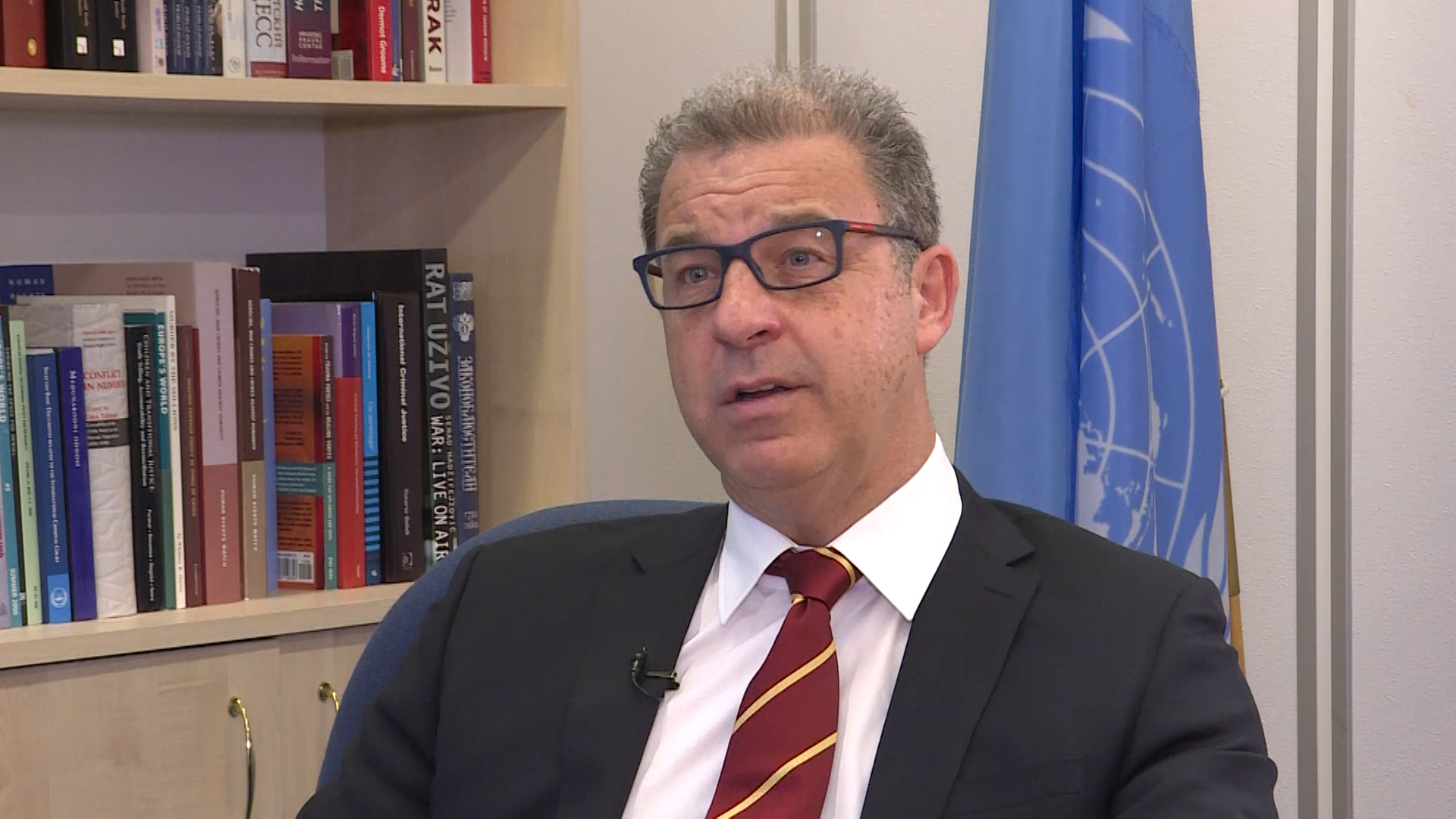
I believe that the biggest problem today is really the development of cooperation between different countries that were part of Yugoslavia. If we compare today the level of such cooperation between Bosnia and Herzegovina and Serbia, Bosnia and Herzegovina and Croatia, then things are worse than several years ago, and this is one of the big problems. There were many such crimes committed on the territory of Bosnia and Herzegovina, whose executors, specific criminals, are still in Serbia or in Croatia, and there are no agreements on their extradition between these countries. Therefore, the only solution is to convey their affairs to the neighboring country. So that individual Croats were subjected to judicial persecution in Croatia, and the Serbs would go on trial in Serbia. And this will be a very important test - how much the situation is changing, ”says Serge Brammers .
Previously, General Mladic himself at the disposal of the international tribunal was his diaries. They became a valuable source in several trials, including the process of the former leader of the Bosnian Serbs, Radovan Karajich, who was sentenced to 40 years in prison last year. These are notes from different meetings of the local military-political elite and meetings with foreign representatives, from which you can learn about military goals and ways to achieve them. In these notebooks, from the first months of the conflict, there are instructions for the expulsion of the non -terrible population and reports of the atrocities of armed groups, great damage, destruction, robberies and burning villages.
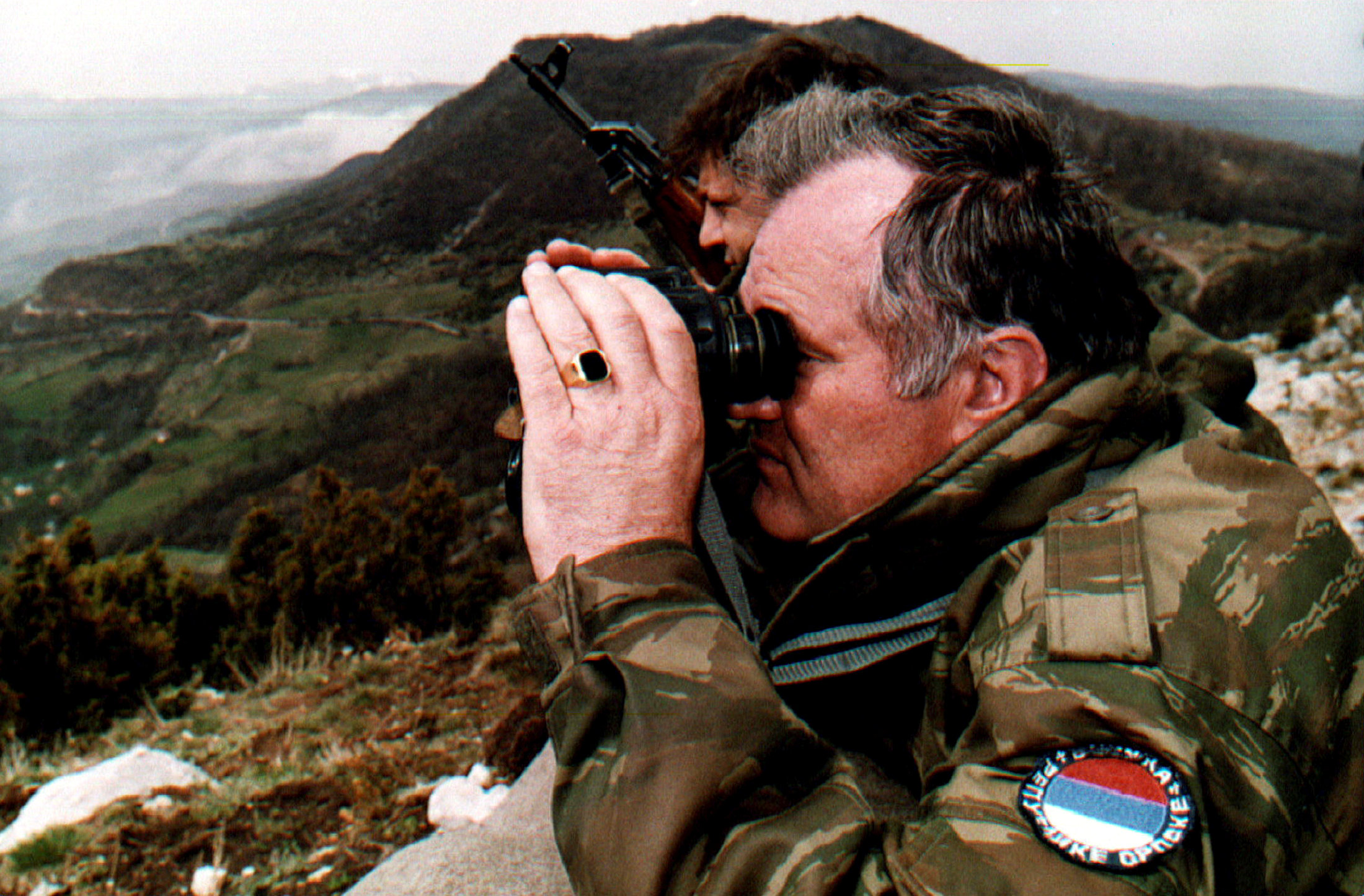
Mladich did not find the beginning of clashes in Bosnia: until the end of April 1992, he was in the Croatian Besna, where he commanded the 9th Corps of the Yugoslav People's Army. On April 24, the Presidium of the SFRU awarded Mladich the title of Lieutenant General and sent him to Bosnia, who had already proclaimed independence by this moment. In Belgrade itself, these days, the process of designing the Union Republic of Yugoslavia from the two remaining - Serbia and Montenegro ended these days. Having barely interceded on May 9 to the post of deputy commander of the Second Military District of Yun in Sarayev, Mladich became his commander. Already on May 12, the Bosnian Serbs announced the creation of the army of the Republic of Serbian: the units of Yun in Bosnia and Herzegovina became its core, and Mladic himself appointed its commander. Since then, its main tasks have come down to the implementation of politics and ideology, which the International Tribunal later recognizes genocide. The control of the Bosnian Serbs, who received military, political and financial support from Belgrade, in a matter of months, two -thirds of the territory of Bosnia and Herzegovina crossed.
Until the end of the war, Mladic remained one of the most influential figures. Any video frames of that time confirm his powerful image. It got to the point that he personally said goodbye to the population expelled from controlled territories, informing people that "gives them life." He liked that he was thanked.
“Nobody would dare to resign Mladich,” said the former Minister of Justice of the Republic of Serbian in the Hague, Momchilo Mandich (the right hand of Karadzhich and one of the richest people of the post -war period). “Any attempt to shift him would lead to rebellion. In addition, he completely ignored civil power. Once Mladich arrested a group of ministers and sent them to the khan-Pesak to feed pigs,” he said in the trial in the case of Karadzhich.
But after a 15-year absence in public in the defendant Mladic in a court in the Hague, it was no longer possible to recognize the previous "master of life and death." The idol of the Serbian "patriots" appeared as a weak old man who barely copes with the need to speak. “I am a seriously ill person, I need more time to understand what you are saying, show patience,” Mladic explained when his rights were read out . However, on some days he felt more cheerful, greeted those present, chuckled at the judges and scolded. The judge once even drove Mladic from the hall when he accused the witness surviving after the execution of the witness with the mention of his "Turkish mother." The position of Mladic in The Hague came down to the fact that the international tribunal is "this is a Satan court that judges him for the fact that he is a Serb." He explained that "he did not kill Muslims for the fact that they were Muslims, but the Croats for the fact that they are Croats." He insisted that he "did not kill anyone either in Libya or in Africa," that "protects his country and his people," that "wants to live and live to liberate."
Mladic is not the first figure who chose the tactics of non -recognition of the international tribunal. The former president of Serbia Slobodan Miloshevich, and the leader of the Serbian radicals, Voislav Sheshel and Radovan Karadzhich, who set out their own version of the events of the 90s and showed their superiority in the Hague, tried to appear to appear his exposits. But the fact that sometimes these politicians - manipulators with enormous abilities and energy - were able to do - was beyond the power of Mladich. He looked driven into a corner and not understanding that he no longer controls the situation.
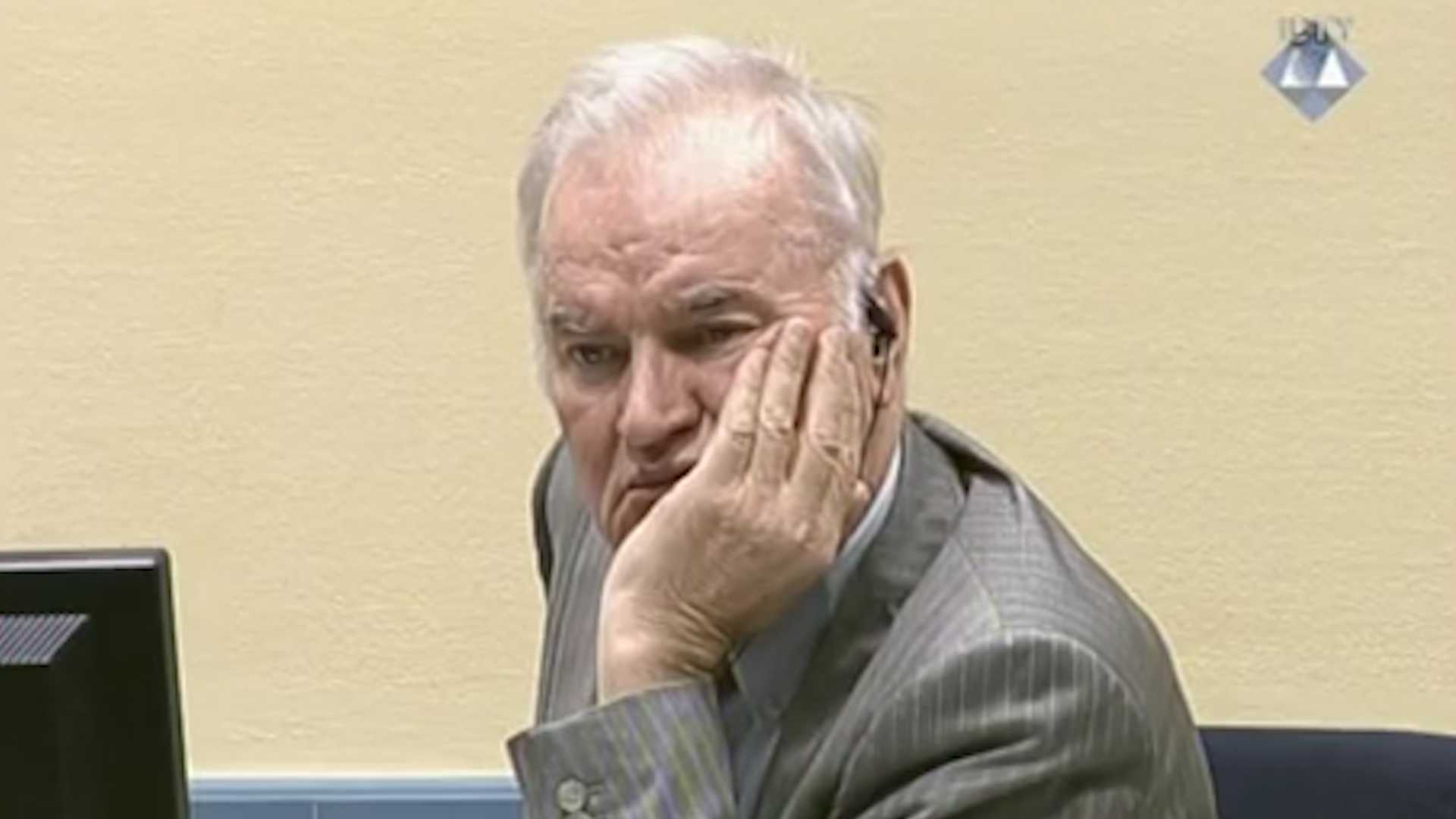
The International Tribunal considers Mladich and Karadzhich the main participants in a criminal conspiracy , the purpose of which was the complete purification of Bosnian Muslims and the Croats of the territories, which the Serbian leaders considered their own, as well as their unification with Serbia. According to the prosecution, the leaders of the Bosnian Serbs in May 1992 began a carefully planned and coordinated military campaign against fellow citizens of non -treasured nationality, and in some places these actions "reached the scale of the genocide." Among the evidence of criminal plans are Karadzhich’s statements from the parliamentary rostrum. In 1991, he told the leader of the Bosnian Muslims Alia Posetbegovich that, having taken the path of independence, he would only "lead Bosnia to hell, and the Muslim people may disappear." Mladich called Muslims the worst variety of people who changed faith.
According to the prosecution, the plan of the leadership of the Bosnian Serbs consisted of two elements - territorial and demographic. At the same time, Mladich himself at the beginning of the war did not believe that people of different nationalities could be separated from each other. At the trial they quoted his statement on this score: "People are not keys in their pockets to move them back and forth." However, this plan was ultimately implemented, as evidenced by the changing ethnic picture. So, in the city of Sanski, the bridge of the non -terrible population decreased to three thousand people instead of 28 thousand in the pre -war period.
The prosecution included many famous figures of that time in the list of persons in conspiracy with whom Mladic was engaged in the destruction and expulsion of the non -power population. Among them, Slobodan Miloshevich (died in the Hague in 2006), the former president of the Republic of Serbian Bilyan Plavshich (convicted for 11 years and was released in 2009), the former speaker of the RS Parliament Momchilo Kraishnik (condemned for 20 years and was released in 2013), the creator of the Serbian Volunteer Gvard Zhelko Razhnatovich " (killed in 2000 in Belgrade) and the leader of the Serbian Radical Party, Voislav Shechel, to whom MTBU passed an acquittal after a long -term trial.
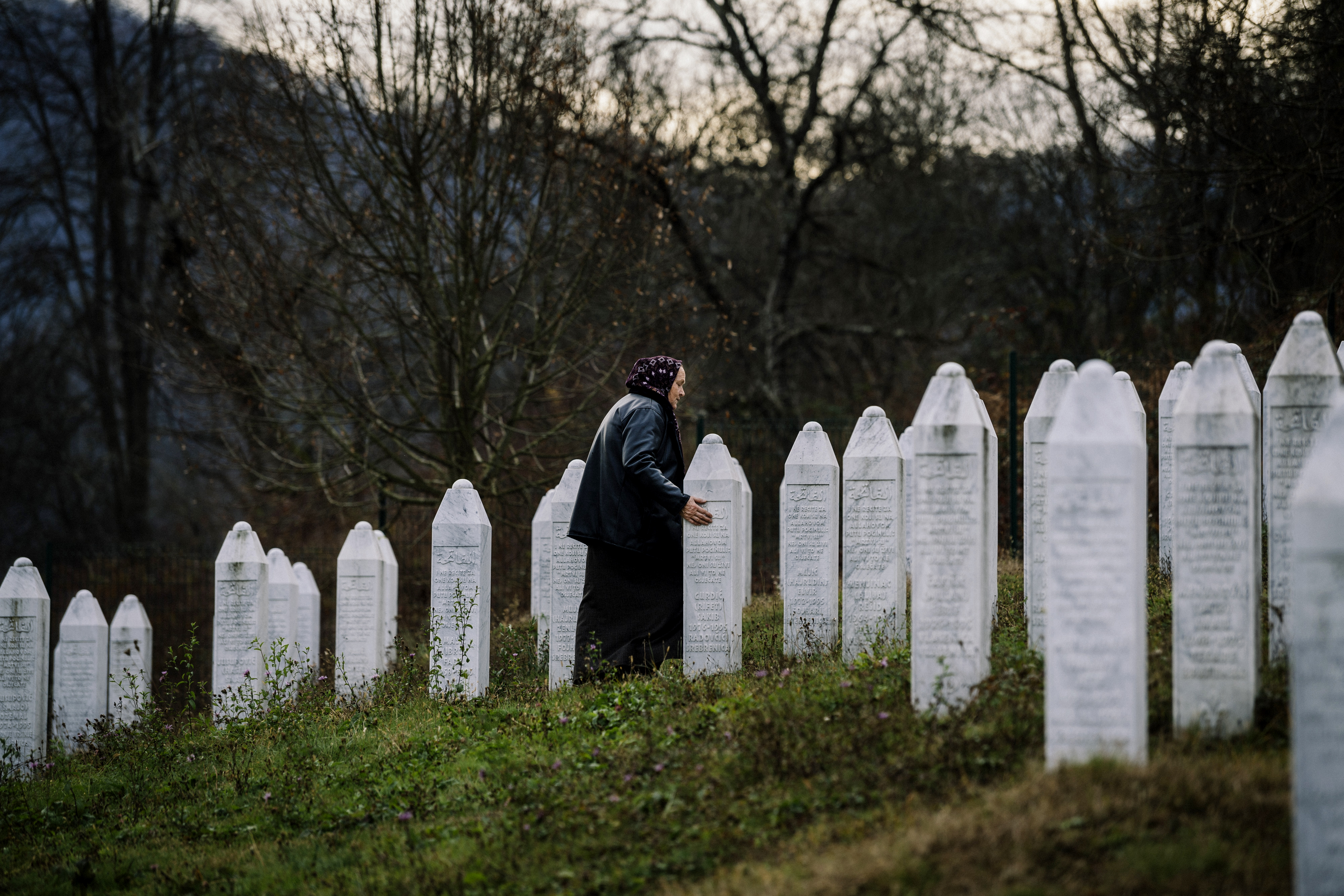
The hardest of Mladic of the accusations is genocide in Srebrenitsa, where in July 1995, according to MTBU, at least 7 thousand men and Muslim boys were killed (according to other sources, more than 8 thousand 300 people). About five hundred people at the time of death did not reach the age of 18. At Mladic, as one of the executives responsible for the execution, the commander of the Drinsky corps Radislav Krstich pointed out. In 2001, he was sentenced to 46 years, later the punishment was softened to 35 years.
The forces of Mladich began an attack on the silver, despite the fact that this city was declared a zone under the protection of the UN. Dutch peacekeepers unsuccessfully tried to stop the offensive. The blows of NATO aircraft had to be stopped, as the Serbs threatened to kill the peacekeepers previously taken hostage. Entering on July 11 to the city, Mladich informed the television cameras that "it was time to take revenge on the Turks," and soon went to treat local children with chocolate.
According to eyewitnesses, already on July 12, Serba soldiers began to separate the Muslim men in a crowd of refugees, placing them separately. In the same days, thousands of people trying to break through the forests in the territory under the control of the Muslim authorities fell into ambush. The departures were waiting for executions. One of the most massive executions occurred on July 13 in the village of Kravitsa. More than a thousand men who were driven to the warehouse and began to shoot and throw grenades were victims. As it was found later, many victims were reburied repeatedly - thus they tried to hide the traces of reprisals.
The fact of the murder of thousands of Muslims in the context of the "gross violation of international humanitarian law" and the attempts of performers to hide this crime in 2004 was confirmed by the Government Commission of the Republic of Serbian. In this investigation it was noted that there were many minors among the victims, and the dozens of killed hands were tied with wire. Then the authorities of the Republic of Serbian apologized to the families of victims, reporting the discovery of more than thirty mass burials, which were not previously reported. Nevertheless, today's leadership of the RS is distant from the conclusions of its own commission, calling for a new investigation.
In the defense of Mladic in The Hague, his wife Bosilka testified, who insisted that he was not involved in the reprisals in Srebrenitsa, since during the days of executions they were together in Belgrade. So, on July 16, 1995, they went to the wedding, and then to meet with Serbian emigrants in Canada. She told the court that, having learned about the reports of the massacres in Srebrenitsa, she asked her husband to tell her the truth whether he gave such an order. Mladich’s answer was the question: "Do you doubt me?"
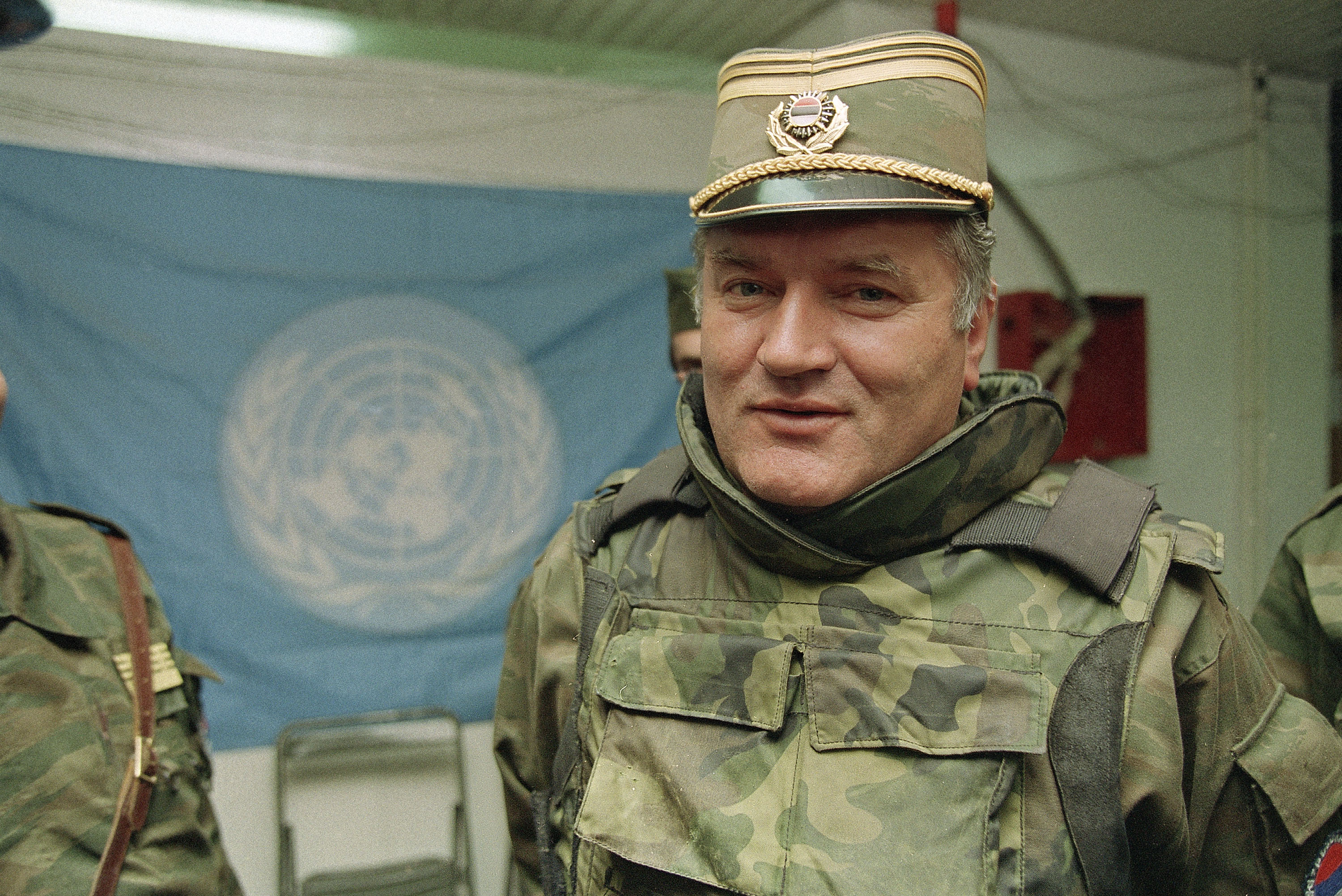
The accusation, however, was not disputed by the fact that in the days of executions, Mladich was in Belgrade, insisting that it was he who gave orders. In confirmation, the records of the conversation were given in which Mladic asks: “How is it for Vinco? Full forward, maximum confidence ... Do not wait for orders if they ( NATO aircraft. - RS) will appear in the air, knock down!” The mentioned Vinco is the former commander of the Zvornitsky brigade Vinco Pandurevich, in whose area of responsibility there were executions. Pandurevich himself was found guilty of complicity and incitement to crimes against humanity and violation of the laws and customs of war. He was sentenced to 13 years and was ahead of schedule in 2015.
The defense of Mladic did not deny that crimes were committed during the war, emphasizing, however, that he himself was not responsible for this. Speaking about the reprisals and exile of the population of the Srebrenitsa, the lawyer Branko Lukich said that "unfortunately, a certain number of Muslims were killed," but Mladic did not give an order for executions. According to the protection, these crimes were committed by "individual local avengers, the forces of the Ministry of Internal Affairs and renegades from among the employees of security services." The defense insisted that Mladich waged a “defensive war” and opposed the “combat vehicle that Izetbeovich lowered from the chain.” It was argued that it was the leader of the Bosnian Muslims that was guilty of such serious crimes as the shelling of the Sarajevsky Marcale market. "Posetbegovich used the inhabitants of Saraev as a living shield, preventing them from leaving the city, and placed Big military armies among the civilian population," said Lukich, comparing this with the methods of the Islamic State terrorist group.
It is clear that Mladich’s sentence will cause a new surge of emotions in the Balkans, as is usually the case in such cases or in the days of sorrowful dates. War crimes remain the subject of acute disputes. Local politicians often turn to the military past, strengthening the atmosphere of fear and hatred against the background of a difficult economic situation. This is largely due to the military past of the representatives of political elites themselves, who are trying to justify it, says Dushan Yanich, Belgrade Political Analyst in an interview with Radio Liberty:
- The war years were also a period of the social revolution, as a result of which many people who participated in conflicts were enriched and came to power. Therefore, it is not surprising that they are trying to justify their past or represent it heroic. It is enough to look at the surnames of people in power in Serbia, Croatia, Bosnia and Kosovo, so that it becomes clear that no significant changes in the elites are happening. Разве что вместо некоторых деятелей 90-х теперь мы видим их биологических или политических сыновей.
– Изменилось ли за последние 20 лет в сербском обществе восприятие роли Сербии в конфликтах 90-х и отношение к событиям, которые были признаны военными преступлениями?
В головах многих политиков и влиятельных людей конфликт все еще не завершен
– Сербское общество по-прежнему не готово принять тот факт, что Сербия была одним из главных инициаторов конфликтов и совершала преступления. Это неприятие объясняется тем, что Сербия, ее армия и формирования, которые она поддерживала, потерпели поражение, и она впервые в современной истории оказалась среди проигравших. У нее не было опыта проигравшей стороны, которую победители наказывают после войны. При этом не было предпринято достаточных усилий для умиротворения Сербии. В головах многих политиков и влиятельных людей конфликт все еще не завершен, поэтому преступления часто представляют как акты патриотизма, а преступников – как жертв "мировой несправедливости". При этом преступники, которые уже отбыли наказание, не подвергаются люстрации. Та же ситуация с Караджичем и Младичем, которых часто называют жертвами, а естественную смерть Милошевича приписывают мировому заговору. В последние годы ситуация лишь ухудшается. Постоянно идут агрессивные нападки на тех, кто напоминает, что от имени сербского народа были совершены преступления. При этом предпочитают не обсуждать военные и политические ошибки самого Милошевича. Наследники этой политики хотят переписать историю, выставляя на первый план ответственность Америки или других сторон в конфликте. Войной злоупотребляют, пытаясь обеспечить дополнительную поддержку тем, кто пришел к власти на волне человеческого горя, – говорит Душан Янич .
Некоторые политики прогнозируют усиление напряженности на Балканах, тем более что на подходе еще один важный приговор в Гааге. Апелляционная палата вынесет 29 ноября окончательный вердикт шести лидерам самопровозглашенного образования боснийских хорватов Герцег-Босна, существовавшего во время войны. Суд первой инстанции в 2013 году признал их виновными в насильственном изгнании нехорватского населения и попытках присоединения боснийских территорий к Хорватии. МТБЮ постановил, что к этому преступлению был причастен ныне покойный президент Хорватии Франьо Туджман и военное руководство страны, что вызвало бурную реакцию в Загребе.
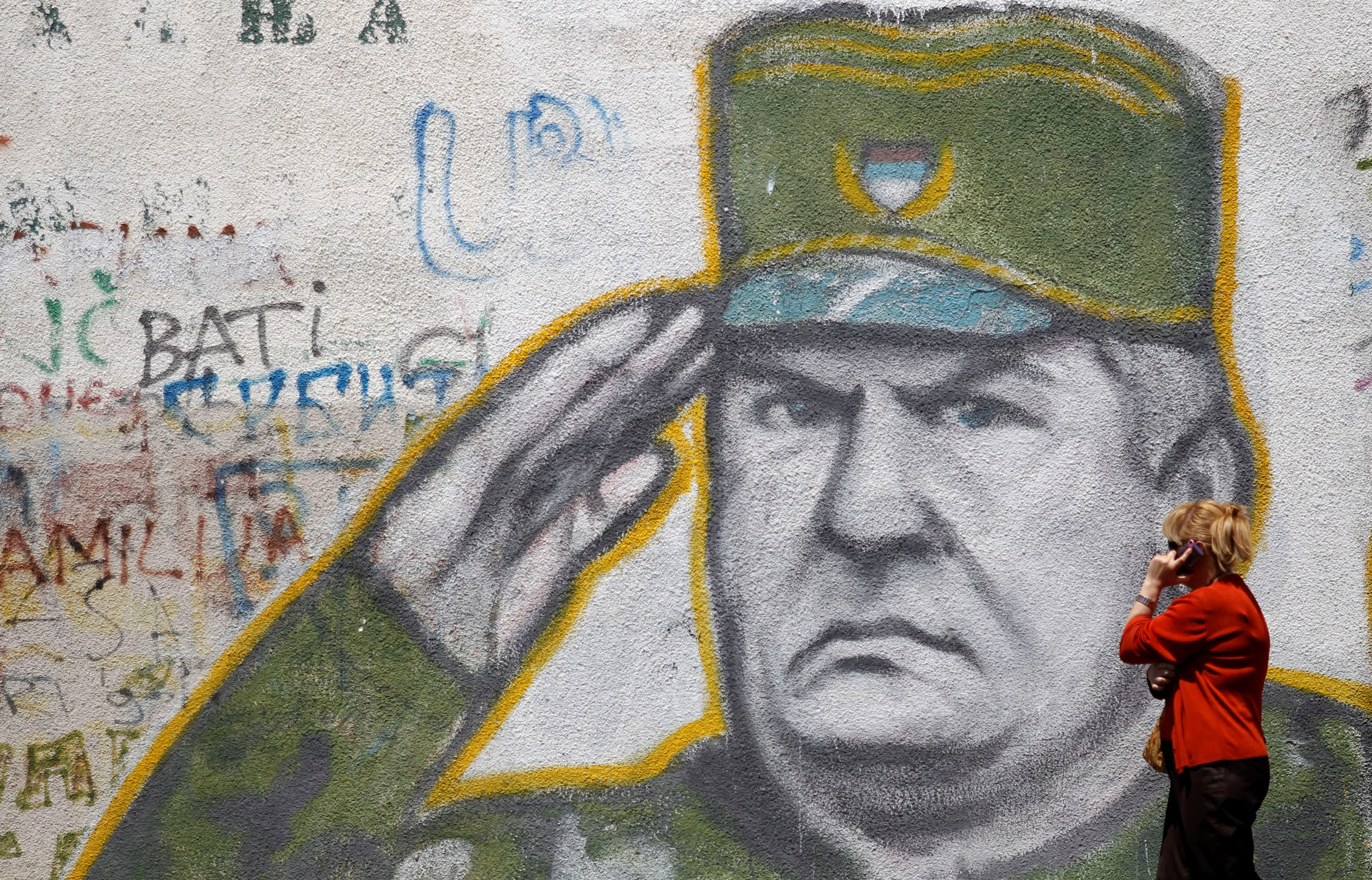
Националисты используют любую возможность, чтобы создать ощущение неизбежности новой войны с целью территориального передела, однако конфликта не будет, считает собеседник Радио Свобода в Сараеве, профессор политологии и международных отношений Научо-технологического университета Златко Хаджидедич :
– Напряженность действительно растет, но связано это не столько с приговорами. Эта тенденция наблюдается здесь в последний год на фоне непрекращающихся разговоров о разделе Боснии и Герцеговины. Эта идея совершенно нелегитимна и неприемлема для большинства населения на Балканах, но она постоянно возвращается в информационное пространство. Нагнетание напряженности и создание видимости неизбежности нового конфликта нужны именно сторонникам подобных идей, чтобы они стали восприниматься как более приемлемые. Хотя в действительности конфликт невозможен, поскольку ни одна страна региона не обладает ресурсами для ведения войны.
– Россия поддерживает президента Республики Сербской Милорада Додика, который заявляет о бесперспективности существования единой Боснии и своем стремлении к независимости. Как выглядит политика России на Балканах в условиях ее конфликта с Западом?
– С одной стороны, можно понять потребность России оставаться активным игроком в Европе и на Балканах. С другой – она демонстрирует, что способна дестабилизировать некоторые зоны, в которых ее западные оппоненты чувствуют себя хозяевами положения. Для этого Россия и использует политиков типа Додика, которые вынуждены прибегать к различным средствам в борьбе за политическое выживание. Хотя не совсем понятно, почему Россия так легко соглашается играть в чужие игры. С начала 90-х она выступала защитницей сербских интересов в условиях великосербской агрессии, а теперь противоречит Западу в зонах его интересов, поддерживая идеи панславянского братства и православного национализма. В действительности такая политика не может служить надежной опорой, поскольку ведет Россию к конфликту с ее собственными национальными меньшинствами и исламским миром, – считает Златко Хаджидедич .
-

Alexander GOSTEV
The editor of the RS information service, international observer, author and editor of the heading and podcast "Atlas of the World"
Gosteva@rferl.org