
Translated material
The last thing is the Hague
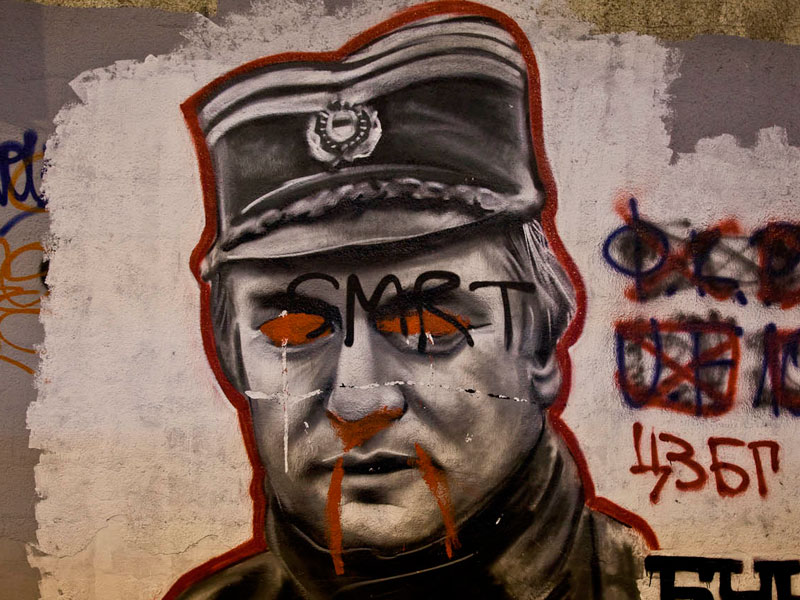
Ratko Mladich, one of the commanders of the army of the Republic of Serbian during the Civil War in Bosnia in 1992-1995, was sentenced by the International Tribunal for the former Yugoslavia (MTBU, is also known as the Hague Tribunal, at the location) for life imprisonment for genocide, crimes against humanity and violation of the laws and customs of warfare. In particular, Mladic was found guilty of the murder of 8 thousand Muslims in Srebrenitsa in 1995 and organizations of the 43-month siege of the city of Sarajevo, as a result of which up to 11 thousand civilians died from shelling. In general, the charges of 11 points were charged.
This is the last sentence of MTBU, at the end of the year he will cease to exist.
The 74-year-old Mladic, who has recently suffered several strokes and a heart attack, did not plead guilty. His defense was built on the fact that the responsibility for the murders and ethnic cleansing by Serbian troops and allied militarized formations "was never established." Lawyers tried to convince the tribunal that Mladich did not need to give more than 15 years in prison.
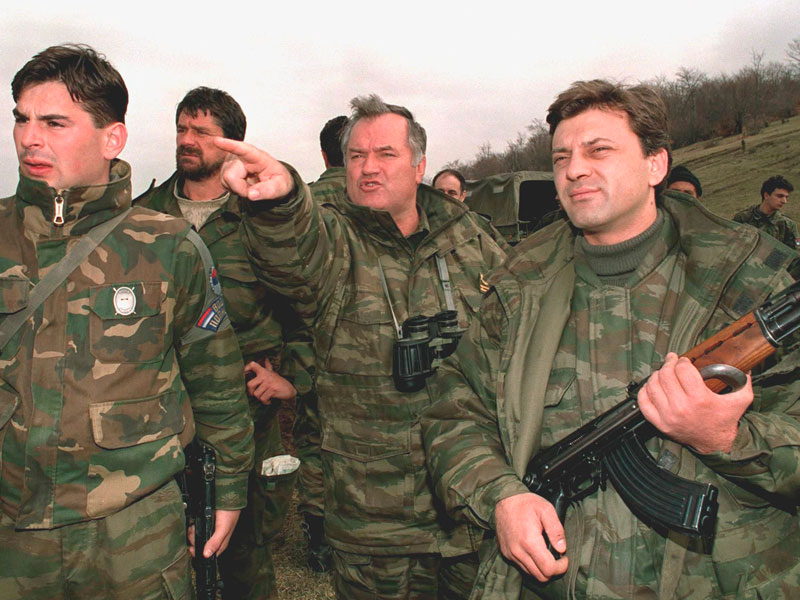 General Ratko Mladich / Wikipedia.org
Ratko Mladich was born in 1942 on the territory of modern Bosnia, in 1965 he graduated with honors from the Military Academy of the Ground Forces in Belgrade and began serving in the Yugoslav People's Army (Yuna). His military career can be considered brilliant and by the end of the existence of socialist Yugoslavia, he was appointed commander of the 9th Corps of the Yugoslav People's Army, which was stationed in the Croatian Knight. It was the key city of the Republic of Serbian Krai, an education with a predominantly Serbian population, which arose in Croatia after the republic proclaimed independence from Yugoslavia. If before that the Yugoslav army tried to prevent clashes between the Serbian and Croatian forces, then with the advent of Mladic the army, in fact, sided with the Serbs.
In 1992, Mladich was transferred to Bosnia, where, already in the general rank, headed by the Military District of Yuna. And after the Republic of Serbsk began to form its own army, he headed it. So all at least some major operations of the Serbs in that war, one way or another, were carried out under the leadership of Mladic.
In 1996, after the signing of the Deiton agreement, which forbade the accused MTBU to occupy state posts, Ratko Mladic disappeared from Bosnia. While Yugoslavia was headed by Slobodan Miloshevich, he lived freely in Belgrade, but after his overthrow in 2000 he disappeared again. It was possible to detain him only in 2011 - it turned out that he lived in a village near Belgrade. It is possible that the Serbian authorities knew about the location of Mladic, but did not dare to arrest because of his popularity.
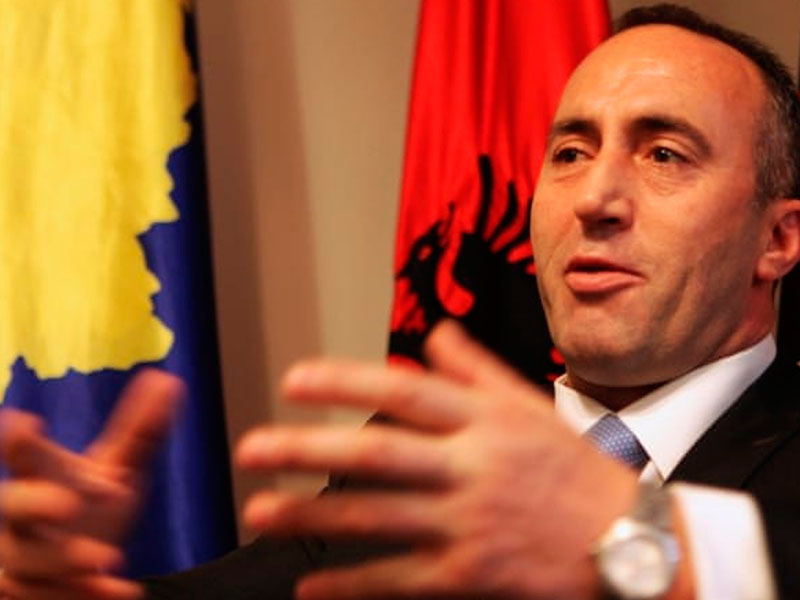 Ramush Haradinay, a former leader of the Kosovo Albanians, was accused of committing the massacres of Kosovo Serbs. Prime Minister Kosovo
In total, MTBU brought charges against 161 people. The bulk is the Serbs, but dozens of Croats and citizens of Bosnia and Herzegovina were also accused and found guilty. MTBU remained the last court of the UN created by AD HOC, the international Ruanda tribunal completed its activities in 2015. Since 2002, also in the Hague, the International Criminal Court has been operating.